10 Days or Two Weeks in Tenerife
Ten days is enough to see Tenerife properly: the beaches of the south, the volcano at its centre, the gorge villages of the northwest and the laurel forests of Anaga, without rushing any of them.
Short answer
Split 10 days in Tenerife into three bases: three nights on the south coast, two around Mount Teide and the northwest, and the rest in the north or Santa Cruz, booking the Teide summit permit and the Masca descent before you fly.
Tenerife is big enough that a week leaves real gaps and small enough that ten days covers nearly everything: the volcano at 3,715 m, a gorge that ends at a pier, laurel forest that has survived since before the last ice age ended, and two coastlines that behave like different islands. The plan below spreads ten days across three bases and shows where a fourteenth day goes if you have one. Every fee, timetable and climate figure in it comes from the official page that publishes it, from Tenerife ON's trail rules to AEMET's station normals.
How Should You Split 10 Days in Tenerife?
The working split is three bases: three to four nights on the south coast around Costa Adeje or Los Cristianos, three in the west or northwest around Santiago del Teide or Garachico, and three to four in the north around Puerto de la Cruz or La Laguna, with Mount Teide visited from whichever base suits the weather. Two weeks adds La Gomera as a full day trip and a second, slower pass at Anaga.
The logic is geography. The south is where most flights land, at Tenerife South Airport, and where the swimming beaches sit. The northwest holds Masca, Los Gigantes and Garachico. The north holds Puerto de la Cruz, La Laguna, the dragon tree at Icod de los Vinos and the Anaga massif. Mount Teide sits in the middle of the ring road, reachable from any base in roughly an hour of driving, which is why it works as a flex day rather than a fixed one.
| Days | Base | What the days are for |
|---|---|---|
| 1 to 3 | Costa Adeje, Los Cristianos or Playa de las Americas | Beaches, whale watching, Siam Park, settling in |
| 4 to 5 | Teide day plus a west-coast night | Cable car or summit trail, stargazing, Masca booking day |
| 6 to 7 | Santiago del Teide or Garachico | Masca descent, Los Gigantes, Garachico pools |
| 8 to 9 | Puerto de la Cruz or La Laguna | North coast, Icod de los Vinos, Anaga |
| 10 | Santa Cruz de Tenerife | Carnival sights if in season, markets, departure |
Two bookings decide the shape of the whole trip and both need attention before you fly: the Teide summit trail permit, released on Tenerife ON every Monday at 07:00 Canary time with 56 days always bookable, and the Masca gorge descent, sold at caminobarrancodemasca.com. If either matters to you, the calendar is built around them, not the other way round. Shorter versions of this plan exist: 7 days in Tenerife drops the second Anaga day and 5 days in Tenerife stays almost entirely in the south and west. If you are still deciding between the two halves of the island, the north versus south comparison settles most of it.
Days 1 to 3: The South Coast
Give the south coast the first three days: one for the water, one for a boat, and one for Siam Park or a slow beach day, using Los Cristianos or Costa Adeje as the base so every morning starts within sight of the sea. The south is the warm, dry half of the island: AEMET's normals for Tenerife South Airport put July and August mean daily maxima at 27.7 and 28.4 C, against 24.7 and 25.7 C at Tenerife North Airport.
Day one is for adjusting. Las Vistas in Arona is golden sand behind breakwaters on the tourist board's own page, and Playa del Duque in Adeje is grey sand on the same source, a distinction worth knowing before you pick a towel spot. Day two is the boat. The southwest coast between Los Cristianos and Los Gigantes is where the resident pilot whales and bottlenose dolphins live, inside a Special Area of Conservation, and the World Cetacean Alliance designated the Tenerife-La Gomera marine area a Whale Heritage Area in January 2021. Authorised boats fly the Barco Azul flag under Decreto 178/2000, which forbids any approach within 60 m of the animals, caps boats at three within 500 m, limits speed to 4 knots inside 500 m and bans swimming within 500 m.
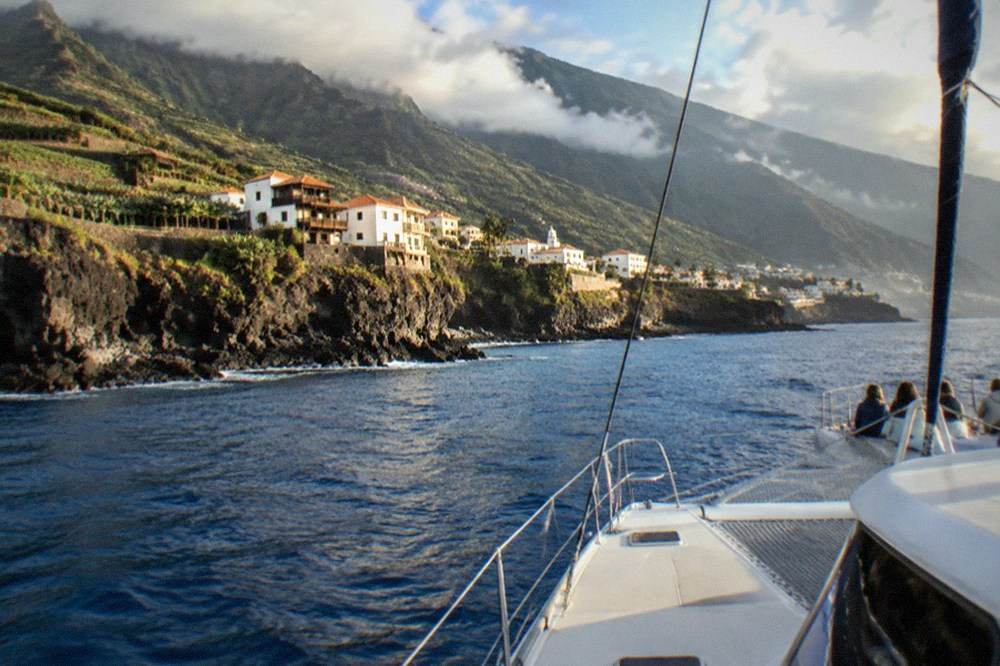
A no-chase catamaran trip is the style of boat most aligned with those rules, and the listing for the eco no-chase encounter runs 1 hour 30 minutes from Los Cristianos with underwater viewing windows. The card below shows the live price and reviews, and the wider whale and dolphin watching category lists the alternatives from every port on the southwest coast.
Day three belongs to Siam Park, open 365 days a year: 10:00 to 18:00 from 1 May to 29 October and 10:00 to 17:00 from 30 October to 30 April, on the park's own timetable. Loro Parque's release records Tripadvisor awarding it the Travellers' Choice Award for the best water park in the world for a fifth consecutive year. Families with younger children have a full alternative plan in the Tenerife with kids itinerary, and the theme parks guide compares every ticket on the island.
Days 4 to 5: Mount Teide and the National Park
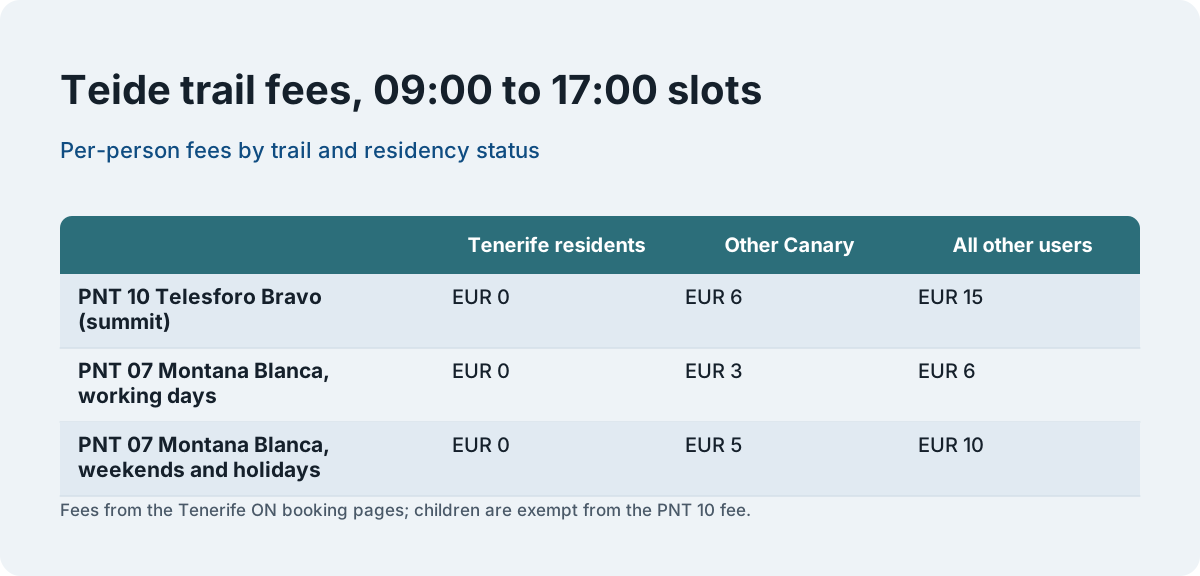
Day four is the volcano, and it is really three separate things: driving through Teide National Park costs nothing and needs no booking, the cable car stops at La Rambleta at 3,555 m and is an operator ticket, and the crater trail PNT 10 Telesforo Bravo needs a personal reservation on Tenerife ON that since 19 January 2026 costs EUR 15 for visitors on the 09:00 to 17:00 slots.
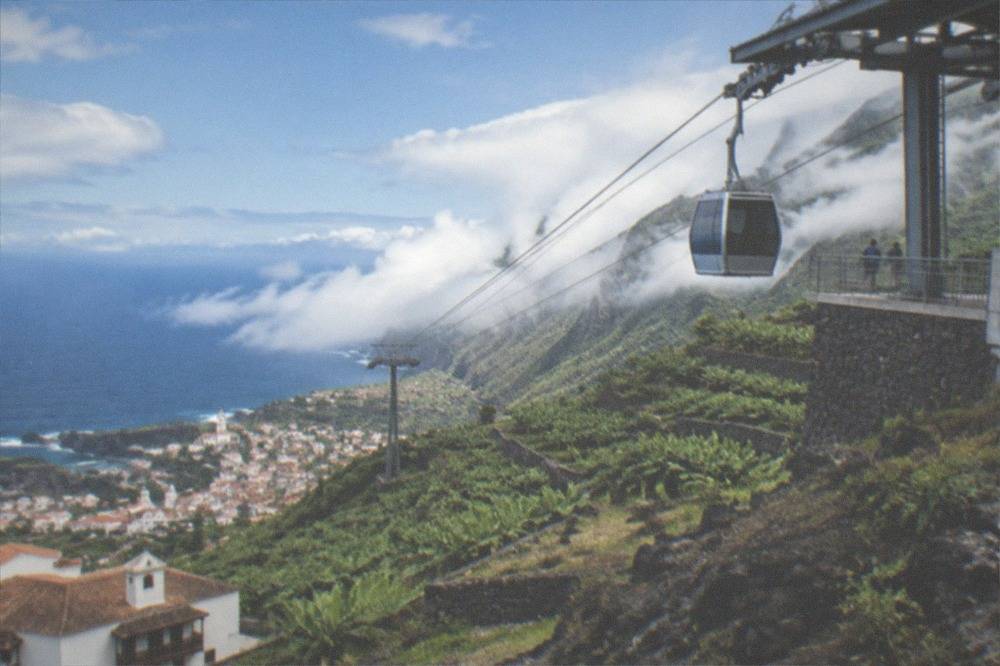
Start with the distinction, because most confusion on the island comes from blurring it. The national park, declared in 1954 and inscribed by UNESCO in 2007, charges no entry fee on any official page. The Teide cable car is a commercial ride from the base station at 2,356 m to La Rambleta at 3,555 m, and its 2026 return prices, shown as "price from" on the operator's page, are EUR 42.00 for a non-resident adult and EUR 21.00 for a child aged 3 to 13. The operator does not allow children under 3, pregnant women or people with cardiovascular conditions to ride. The summit trail above La Rambleta is the third thing: a reservation-only trail, with accredited guides required, booked on tenerifeon.es while logged in.
| Teide trail fee, 09:00 to 17:00 slots | Tenerife residents | Other Canary residents | All other users |
|---|---|---|---|
| PNT 10 Telesforo Bravo (summit) | EUR 0 | EUR 6 | EUR 15 |
| PNT 07 Montana Blanca, working days | EUR 0 | EUR 3 | EUR 6 |
| PNT 07 Montana Blanca, weekends and holidays | EUR 0 | EUR 5 | EUR 10 |
Children are exempt from the PNT 10 fee, and the booking page shows the age band that applies. Bookings are non-refundable, with no change of date, slot or names, and failing to use one can bar you from new applications for three months. A new week of slots is released every Monday at 07:00 Canary time, keeping 56 days bookable, and no official page states how quickly they go. The full rules are in the Teide summit permit guide, and the volcano's geological story is in is Mount Teide active.
Day five can be the observatory instead of, or as well as, a second volcano day. The Teide Observatory at Izana, about 2,400 m up, runs guided visits by prior reservation only, and the observatory's own page was carrying a fully booked notice when the desk read it, so a guided tour with a transfer is the realistic route for a ten-day visitor. The listing for the observatory guided tour runs 1 hour 30 minutes with a solar telescope session.
The other day-five option is the evening. The park is a Starlight Tourist Destination, listed by the Fundacion Starlight in October 2013, and sunset stargazing sessions with telescopes run from both the south and the north, compared in Teide stargazing tours. Smoking is banned in every open-air space of the national park, car parks included, a Cabildo wildfire measure worth knowing before you drive up.
The three products below are the ones this desk would shortlist for the volcano half of the trip: the observatory visit for the daytime, the catamaran for the sea day, and the coach loop for the west coast. Each card carries its own live price and review score, so the comparison happens on the numbers rather than on adjectives.
If the observatory day is the one that decides itself, the box below is the shortcut. The guided tour handles the reservation-sensitive visit and the transfer in one booking, which matters because the observatory's own direct slots run tight.
Days 6 to 7: Masca, Los Gigantes and Garachico
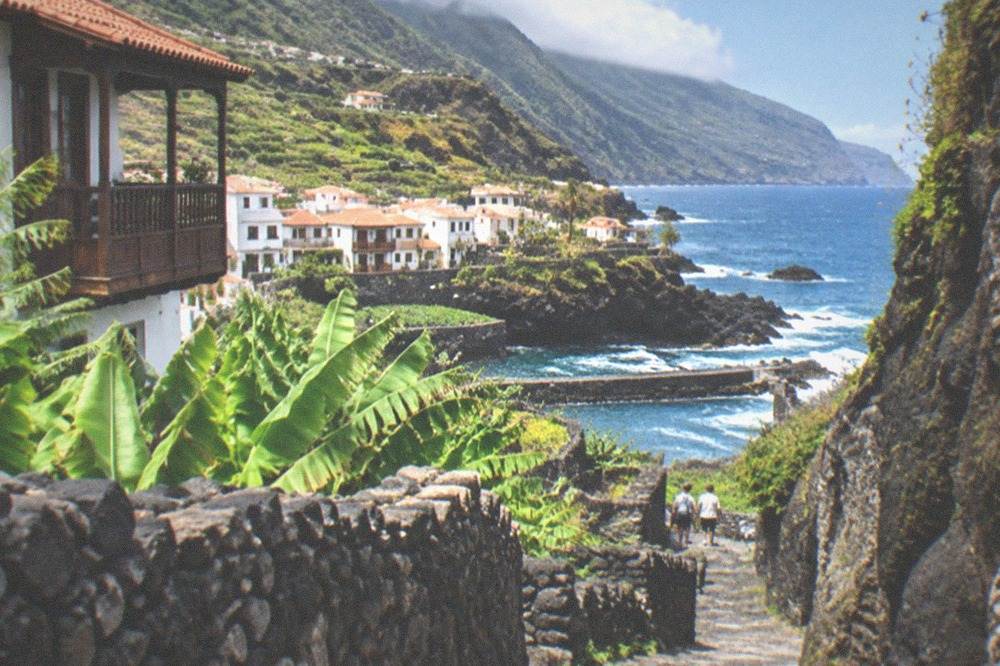
Days six and seven move the base west: the Masca gorge is a pre-booked, descent-only walk with a boat exit that costs EUR 40.66 before the boat, reached by a compulsory TITSA line 355 shuttle from Santiago del Teide, and the two days around it take in the Los Gigantes cliffs and Garachico's natural pools.
Masca is the booking that punishes improvisation. The gorge is open under a continuing pilot scheme, descent only, leaving by boat from Masca bay, and the general ticket is EUR 40.66 with the boat not included. The boat ticket is separate, must be booked beforehand, and must be for no later than four hours after the descent slot. Hikers must arrive on TITSA line 355 from Santiago del Teide and show the bus ticket; arriving by private vehicle means refusal. Closed mountain footwear is a condition of entry, refused without it even with a booking. The operator calls the gorge the place with the most rescues in the Canaries in recent years, and sudden pier closures from sea conditions void the ticket for that day, so a weather-aware plan matters more here than anywhere else on the island. The full rule set is on the Masca page.
| Masca gorge rule | What the official booking page states |
|---|---|
| Direction | Descent only, boat exit from Masca bay |
| General ticket | EUR 40.66, boat not included |
| Arrival | TITSA line 355 from Santiago del Teide, ticket shown at control |
| Private vehicles | Refused |
| Footwear | Closed mountain footwear mandatory |
| Sessions | 08:30 to 13:00, 25 places every 30 minutes, 50 at 09:00 |
| Getting back | Los Gigantes to Santiago del Teide on TITSA lines 462 or 325 |
If the gorge booking or the shuttle logistics do not fit, a coach tour that takes in Masca village, Los Gigantes and the natural pools with a picnic covers the same landscapes without the permit machinery. Check availability for that option, or read the wider Tenerife excursions list.
Day seven is gentler. The Los Gigantes cliffs tower up to 600 m in the tourist board's words, with a seabed about 30 m deep at their foot, inside Teno Rural Park, and a sailboat or catamaran along the base is the best angle on them. Garachico, the island's trade hub of the 16th and 17th centuries, was almost entirely destroyed by the Trevejo volcano eruption in 1706, which buried the old port, and the town's seawater pools are now the swimming. The Masca, Garachico and Icod route strings the whole west side into a single driving day if the weather forces a reshuffle.
Should You Book a Tour or a Permit for the Teide Section?
Book the permit if you want to stand on the crater rim of Mount Teide, and book a tour if you want someone else to handle the transfer, the timing and the telescope, because the permit is a personal reservation that no tour can replace and the tour is a convenience the permit does not provide.
The two are not substitutes. Tenerife ON lists PNT 10 as requiring a personal reservation, with organisations not allowed, so a tour company cannot carry you onto the summit trail on its own paperwork. What a tour does solve is the hardest logistics of a volcano day: the drive up from the coast, the parking at the base station, whose car park runs 08:00 to 18:00 in the standard season, and the timing of a sunset session that ends after dark on a mountain road. The Teide National Park page holds the full picture of what the park itself offers for free.
One practical note for the flex day: cable car hours change with the seasons, 09:00 to 17:00 in the early-year and late-spring periods and 09:00 to 18:40 in the summer and Easter windows, with the last ascent one hour before closing and the last descent ten minutes before. Hours for the last weeks of the year are not on file, so check the operator's timetable for a December trip. The wider set of guides lives on Tenerife Travel Guide.
Days 8 to 9: Anaga and the North
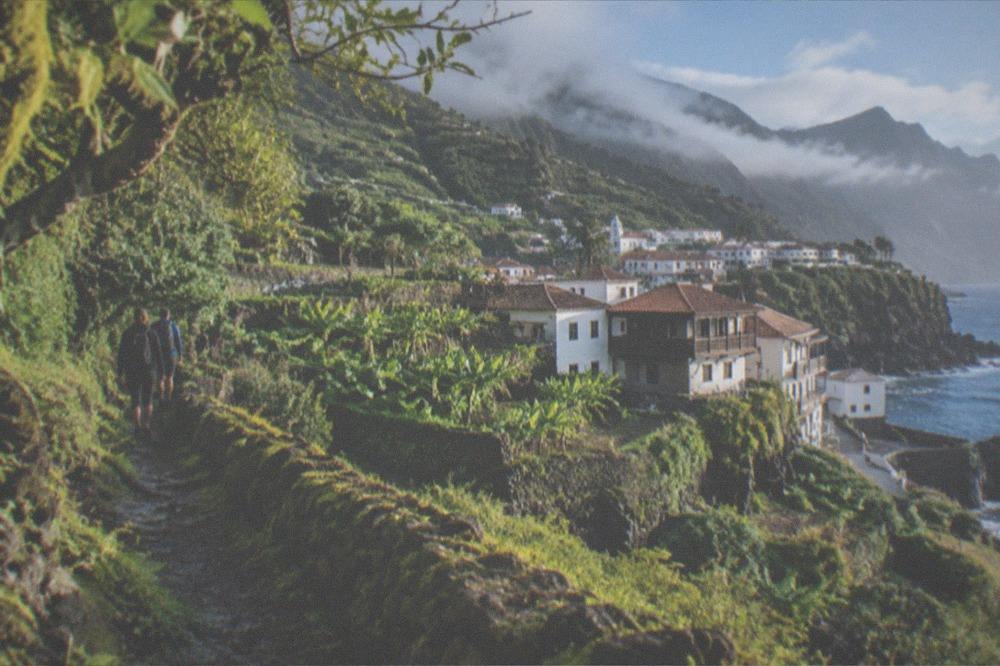
Days eight and nine belong to the north: Anaga Rural Park's laurel forest on one day, with a reservation if the route is El Pijaral, and Puerto de la Cruz, La Laguna and the dragon tree at Icod de los Vinos on the other, using the north's greener, cooler weather as the reason it sits late in the trip.
AEMET's normals explain the north in one line of figures: Tenerife North Airport records 520 mm of rain across 64 days of a year with 1 mm or more, against 132 mm on 15.2 days at Tenerife South Airport. That rainfall is what keeps Anaga's laurel forest, the laurisilva, alive, and it is why the north feels like a different island from the beaches of Adeje. Anaga is a Rural Park with one reservation-only route that matters: El Pijaral, the enchanted forest, on trail PRA 72, which needs a Tenerife ON reservation released Mondays at 07:00 Canary time, bookable at most 14 days ahead, and on which company-run tours are not permitted. The Cabildo names two permit-free alternatives, the Bosque de los Enigmas trail and the Pista de Las Hiedras. A guided hike in the park is the safer bet for a first visit, and the guided hiking tours category lists them.
The second north day is a town day. Puerto de la Cruz is the old resort, La Laguna is the UNESCO-listed colonial town whose layout provided the model for many colonial towns in the Americas, and Icod de los Vinos holds the Drago Milenario, a dragon tree to which Icod council attributes an age of approximately 1,000 years while the tourist board says over 800: an estimate either way, and both figures are official. The north Tenerife road trip is the detailed driving version of this day. If rain closes in, the rainy day itinerary has the indoor list, and the Tenerife markets guide covers the Mercado de Nuestra Senora de Africa in Santa Cruz.
Day 10 and the Two-Week Option
Day ten is Santa Cruz de Tenerife and the east coast, and a fourteenth day, if you have one, is best spent on La Gomera by ferry from Los Cristianos, a crossing Fred. Olsen Express lists at 50 minutes, with the second spare day going back to whatever the weather spoiled earlier in the fortnight.
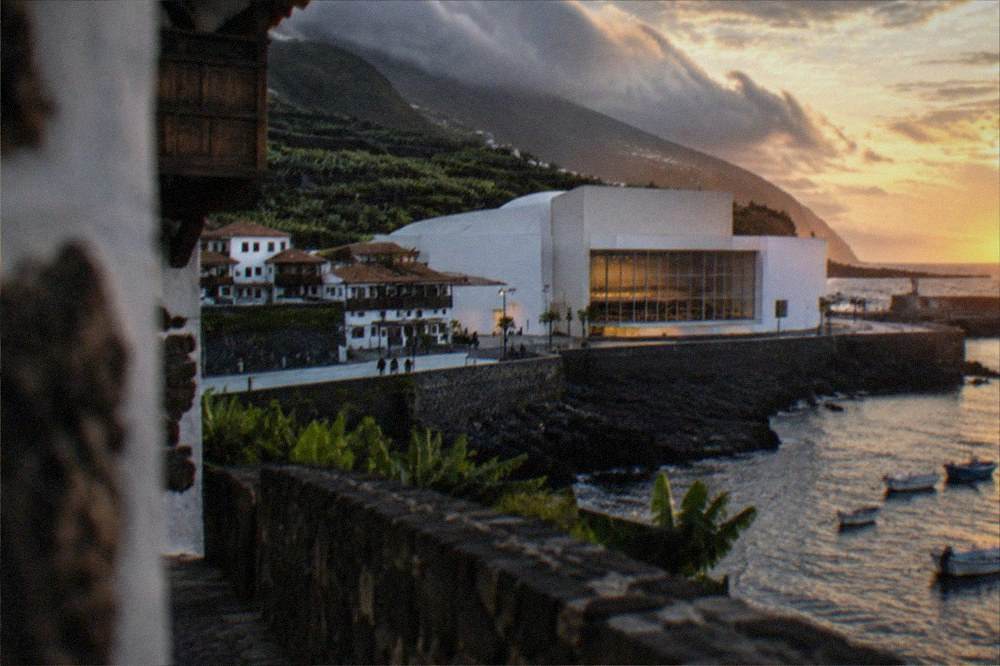
Santa Cruz rewards a slow final day: the Auditorio de Tenerife, Santiago Calatrava's white trencadis building inaugurated in 2003, the Palmetum, and the Basilica of Candelaria a short drive east, built in 1959 with a 45 m tower. If the dates fall in February, Carnival is the reason the city is busy: the 2027 programme runs under the theme Roma: El imperio del Carnaval, with the Queen's Election Gala on 17 February and the second Daytime Carnival on 27 February, dates that sit after Ash Wednesday and come from the official programme, not the church calendar. The Santa Cruz Carnival guide has the full picture.
For two weeks, add La Gomera as a full day: the La Gomera day trip page covers both the coach-and-ferry option and the jeep safari, and the ferry routes from Los Cristianos also serve La Palma at 150 minutes and El Hierro at 140 minutes. The second added day should stay unplanned, because on any ten-day trip one day gets taken by wind, sea state or a pier closure, and the plan above has enough flex points, the observatory day, the second Anaga day and the Santa Cruz day, to absorb it.
What's the Temperature in Tenerife for the Next 14 Days?
No fourteen-day forecast belongs on this page, because a forecast is a prediction and this desk publishes figures with sources: AEMET's 1981-2010 climate normals put Santa Cruz's mean daily temperature between 18.2 C in January and 25.5 C in August, and the sea off the south coast between 19.1 C in March and 23.7 C in September and October, on NOAA's 1991-2020 series.
For the fortnight you actually fly in, the forecast to check is AEMET's, Spain's state meteorological agency, which is the same service that publishes the station normals below. UK readers asking after the Met Office will find it issues forecasts for the Canaries too, but the desk reports AEMET's figures because they are the island's own official series. The practical reading of the normals is simple: the south coast is warm and dry year round, the north is a few degrees cooler and much wetter, and the Teide ridge is a different climate entirely, with a January mean of 4.3 C at Izana and July sunshine of 382 hours a month.
| Month | Santa Cruz mean daily max C | Santa Cruz rain mm | South coast sea C |
|---|---|---|---|
| Jan | 21 | 32 | 19.9 |
| Feb | 21.2 | 35 | 19.2 |
| Mar | 22.1 | 38 | 19.1 |
| Apr | 22.7 | 12 | 19.5 |
| May | 24.1 | 4 | 20.2 |
| Jun | 26.2 | 1 | 21.4 |
| Jul | 28.7 | 0 | 22.2 |
| Aug | 29 | 2 | 23.1 |
| Sep | 28.1 | 7 | 23.7 |
| Oct | 26.3 | 19 | 23.7 |
| Nov | 24.1 | 34 | 22.5 |
| Dec | 22.1 | 43 | 21.1 |
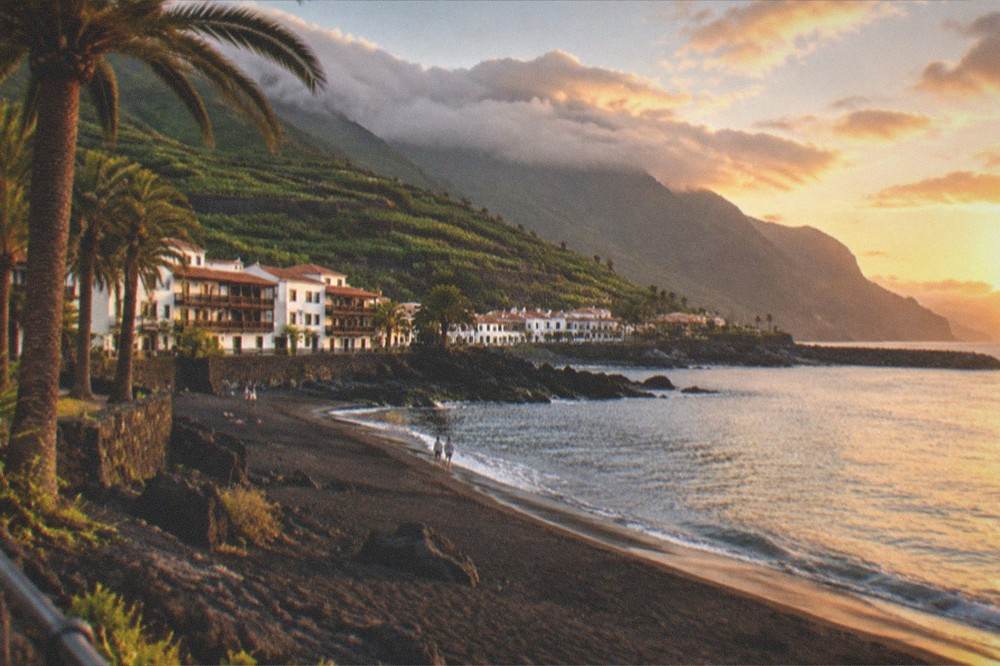
Two datasets, two periods, and the two are never mixed: the air normals are 1981-2010, the sea surface figures 1991-2020. The month-by-month guides, starting with Tenerife in January, carry the same station data in full.
Do You Need a Car for 10 Days in Tenerife?
A car makes the ten-day plan easy and is not strictly required: the itinerary works without one on TITSA buses and the tram, using the EUR 10 day travelcard or the EUR 50 seven-day travelcard, but Masca's compulsory shuttle, the Teide flex day and Anaga's trailheads all run smoother with your own wheels, so hire for the middle six days even if you skip it at the coast.
The bus network is genuinely usable. TITSA's own airport pages list lines 10, 40, 711, 343 and 415 at Tenerife South and lines 20, 30 and 343 at Tenerife North. Single tickets are priced by route, a same-day return is 10% off on trips of 20 km or more, and the visitor travelcards, EUR 10 for a day and EUR 50 for seven days, are sold at airport ticket machines. The 100% public transport subsidy running through 2026 is for resident passes only: every subsidised pass requires Canary Islands residency on a personalised Ten+ card, and visitors do not qualify. The Tenerife buses guide and the itinerary without a car cover the car-free version in full, and the do you need a car in Tenerife answer weighs it directly.
| Airport | TITSA lines listed by TITSA | Serves |
|---|---|---|
| Tenerife South (TFS) | 10, 40, 711, 343, 415 | Santa Cruz, Costa Adeje, Los Cristianos, Puerto de la Cruz, El Fraile |
| Tenerife North (TFN) | 20, 30, 343 | Santa Cruz via La Laguna, Puerto de la Cruz, express to the south |
For the middle of the trip, when the plan sends you to Masca's shuttle point, the cable car base station and Anaga, compare car hire options for the island and keep the booking to those days rather than the whole fortnight. One note on driving up the volcano: the base station car park runs 08:00 to 18:00 in the standard season, and parking at the top fills in the hours around sunset, which is one more reason the stargazing tours with hotel pickup do that evening better than a self-drive.
Before the closing questions, one last look at the three bookings this itinerary leans on: the observatory visit, the no-chase catamaran and the Masca coach loop. The cards carry the live prices and review counts, and each one slots into a specific day of the plan above.
Common Questions About a 10-Day Tenerife Trip
what is the temperature in tenerife for the next 2 weeks?
A two-week forecast changes daily, so this desk does not print one: check AEMET, Spain's meteorological agency, for the live forecast. The climate underneath it is stable, with Santa Cruz mean daily maxima between 21 C in January and 29 C in August on AEMET's 1981-2010 normals.
what is the temperature in tenerife for the next 14 days?
For a 14-day forecast, read AEMET's own prediction pages rather than a guide site. The sourced baseline: AEMET's normals put the south airport's mean daily maximum at 27.7 C in July, its hottest month, and 21.7 C in January, its coolest.
what is the temperature in tenerife for the next two weeks?
The Met Office and AEMET both publish Canaries forecasts, and AEMET is the island's own state service, so its forecast is the one to trust for a fortnight ahead. Whatever the forecast says, the sea off the south coast stays between 19.1 C and 23.7 C across the year on NOAA's 1991-2020 series.
what's the temperature in tenerife for the next 14 days?
No honest page can state it, because a forecast is a prediction that shifts every day. The reliable figures are the normals: Santa Cruz averages 18.2 C overall in January and 25.5 C in August, while the Teide ridge at Izana averages 4.3 C in January, so pack a layer for any volcano day.
what is the weather in tenerife for the next 14 days met office?
UK readers can find Canaries forecasts on the Met Office site, and AEMET publishes the Spanish official forecast for Tenerife. The structural fact behind any fortnight is the island's split: Tenerife North Airport records 520 mm of rain a year against 132 mm at the south airport, so the same fortnight can be beach weather in Adeje and showers in Puerto de la Cruz.
what's the temperature in tenerife for the next 2 weeks?
Check AEMET's forecast for the live answer. For planning, the two-week window matters most in winter: even in January the Santa Cruz mean daily maximum is 21 C and the sea off the south coast is 19.9 C, while Izana on the Teide ridge averages a January maximum of just 7.5 C.