Is Mount Teide Active? The Tenerife Volcano Explained
Mount Teide is the volcano that defines Tenerife, and the question of whether it could erupt again is one of the most searched things about the island. Here is what official sources actually record, and what that means for a visit.
Short answer
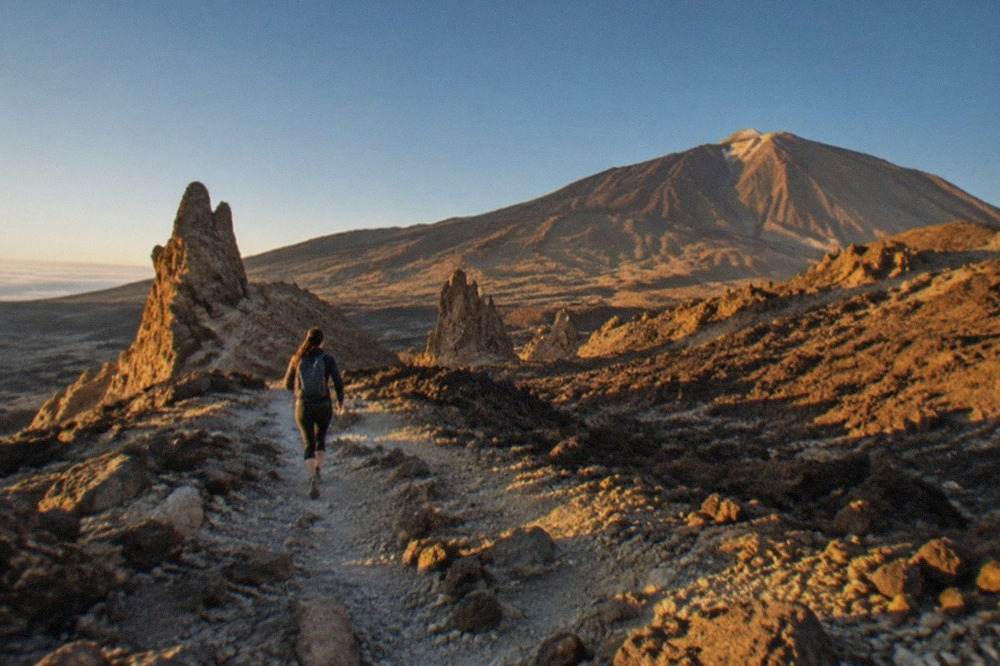
Mount Teide is a stratovolcano and the highest peak on Spanish soil at 3,715 m. No official page on file reports any eruption in progress: the national park is open, the cable car runs to La Rambleta daily and the observatory operates on the ridge beside it. The verified records instead describe a volcano whose last described eruption in the island's history is not on this site's verified files, so this page reports only what the official sources state.
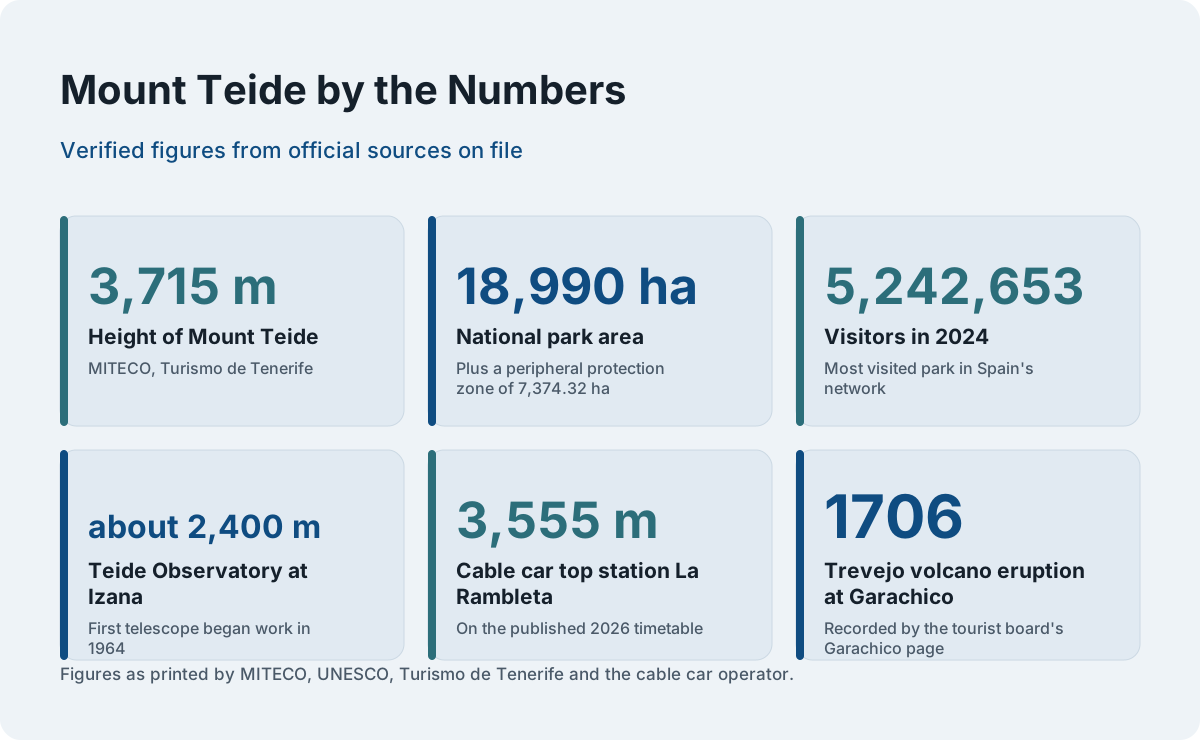
Mount Teide is the single fact that shapes Tenerife more than any other: a stratovolcano of 3,715 m, the figure Spain's own environment ministry and the island's tourist board both print, standing inside a national park of 18,990 hectares that drew 5,242,653 visitors in 2024, the most visited park in Spain's entire national park network. UNESCO inscribed it as a World Heritage site on 2 July 2007, and its listing carries a line that captures the scale of the thing: rising 7,500 m above the ocean floor, it is "regarded as the world's third-tallest volcanic structure". The same UNESCO page calls it "the highest peak on Spanish soil".
Yet the question people actually type into a search box is narrower and more anxious than any of that: is this volcano still active, and could it erupt? This page answers that question from the official record, the same way every page on this site does, and then covers the practical half, because a volcano you can visit is more useful than a volcano you can only worry about. The park itself, covered in full on the Teide National Park guide, is open to visitors year round.
Is Mount Teide Active?
Mount Teide is a stratovolcano, and the official pages on file describe a volcano that is not erupting: no source this site has read reports any eruption in progress, and the national park, the cable car and the observatory all operate normally on their published schedules. What the same official record does not do is put a date on the volcano's last eruption, and this site states only what its verified sources state, so no date appears here.
The honest answer therefore has two halves. The first half is what the official sources say: Teide is a volcano, a large one, inside a protected national park declared by decree on 22 January 1954, the largest and oldest national park in the Canaries in the environment ministry's own words. The second half is what they do not say: none of the verified pages on file states when Teide last erupted, whether it is classified as active, dormant or extinct, or what its current eruptive hazard rating is. A page that filled those gaps from memory would be inventing, and this site does not invent.
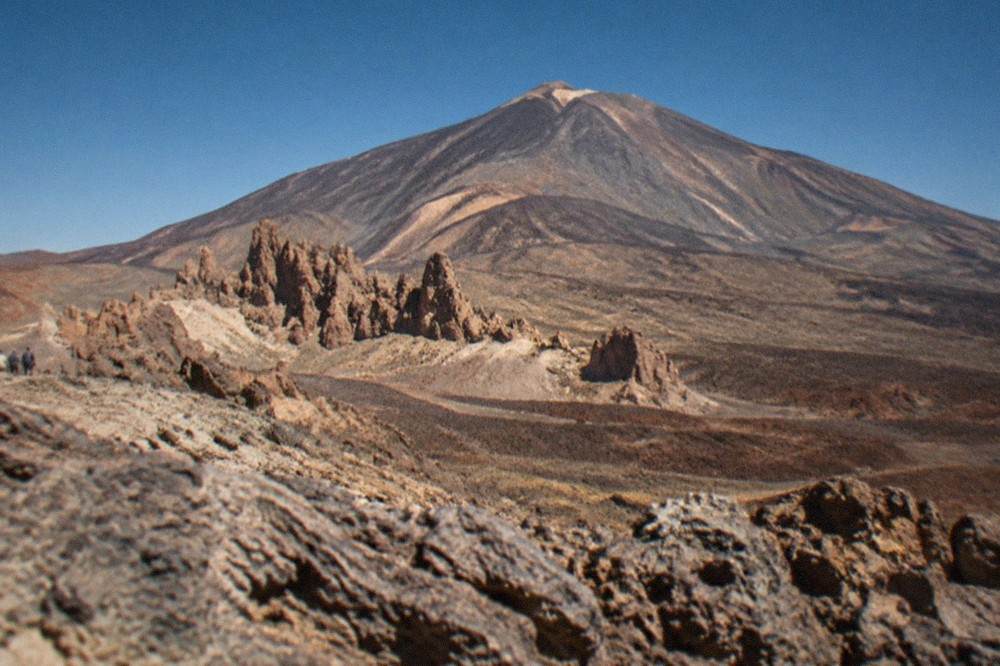
What the record does hold is evidence that Tenerife as an island is volcanic in the recent, human sense of the word. The tourist board's own page on Garachico records that the Trevejo volcano erupted in 1706, destroyed almost the entire town and buried the old port, and that Garachico had been the island's trade hub through the 16th and 17th centuries. That eruption was not Teide itself, but it is the strongest verified reminder on file that the island's volcanism sits within recorded history, not in some deep geological past.
There is also a monitoring presence on the mountain that speaks for itself. The Teide Observatory sits at Izana, about 2,400 m, where the first telescope began work in 1964, and it is one of the reasons the ridge above the cable car is one of the most studied volcanic sites in Europe. The observatory's own visits page was showing fully booked notices when this site's research was compiled, which tells you something about demand: a great many people want to stand on an active scientific installation on the flank of a volcano.
For anyone weighing the island against its neighbours, the comparisons on this site, including Tenerife vs Gran Canaria and which Canary island is best, all start from the same fact: every island in the archipelago is volcanic, and Teide is the tallest expression of that geology anywhere on Spanish soil.
| Fact about the Tenerife volcano | Figure | Source body |
|---|---|---|
| Height of Mount Teide | 3,715 m | MITECO, Turismo de Tenerife |
| UNESCO wording on scale | Rising 7,500 m above the ocean floor, "regarded as the world's third-tallest volcanic structure" | UNESCO |
| National park declared | Decree of 22 January 1954 | MITECO |
| National park area | 18,990 ha, plus a peripheral protection zone of 7,374.32 ha | MITECO |
| UNESCO World Heritage inscription | 2 July 2007, natural criteria (vii) and (viii) | UNESCO, MITECO |
| Visitors in 2024 | 5,242,653, the most visited park in Spain's network | MITECO visitor report |
| Observatory on the ridge | At Izana, about 2,400 m; first telescope began work in 1964 | Turismo de Tenerife |
How Likely Is Mount Teide to Erupt?
No official page on file gives an eruption probability for Mount Teide, and this site will not manufacture one. What the verified record supports is narrower: Tenerife is a volcanic island, the Garachico eruption of 1706 sits inside recorded history, the park authority runs wildfire and weather alert systems that can suspend bookings, and scientific monitoring operates on the mountain itself. Any percentage, any "overdue" claim or any named risk level would be a number nobody has sourced.
This is the point where most existing guides go wrong, and it is worth being plain about why. Eruptive likelihood is a technical assessment made by scientific institutions on the basis of monitoring data. The verified facts compiled for this site, each read on its official page, contain no such assessment for Teide. A travel site that prints "an eruption is unlikely in our lifetime" is quoting either a scientist it did not read or nobody at all.
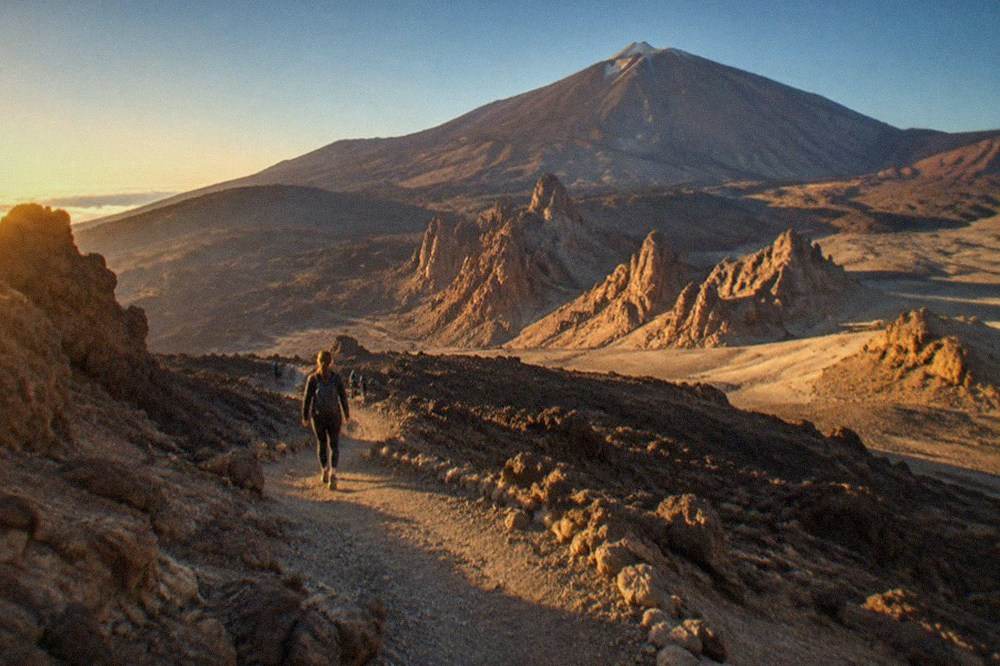
What a visitor can act on is the alert system that does exist. Tenerife ON, the Cabildo's outdoor activity platform, states that bookings can be suspended for fire risk or weather alerts, and it carries the notices that walkers should check before setting out. The Cabildo has also banned smoking in every open-air space of the national park, trails, viewpoints, car parks and recreation areas included, as a wildfire measure. That ban is not about volcanology; it is about the fact that a dry volcanic landscape at altitude is a fire risk, and the authorities treat it that way.
The monitoring half of the story is genuinely reassuring in a way a made-up probability never is. The observatory beside the volcano is an international scientific installation, and the Instituto de Astrofisica de Canarias runs its guided visits by prior reservation. Science is permanently at work on this mountain, and the infrastructure of that work, telescopes, stations, staff, is not the infrastructure of a mountain anyone expects to blow unexpectedly.
For visitors, the practical question is not eruptive likelihood but which experience on the volcano suits them, and the three options below are the ones this site rates for a first visit.
What Will Happen When Mount Teide Erupts?
No official source on file models or describes a future eruption of Mount Teide, so this site describes none. The verified record instead shows what the authorities treat as the live risks on the volcano today: wildfire, for which the Cabildo has banned open-air smoking across the whole park; ice and snow in winter, which make crampons and ice axe mandatory equipment on the stratovolcano trails; and altitude, for which the cable car operator excludes people with cardiovascular conditions, pregnant women and children under 3.
The gap between the question and the record is itself the answer. The institutions that would model a future eruption, the scientific bodies monitoring the Canaries, have not published anything of that kind in the sources verified for this page. The rules that exist on the mountain are the rules for the risks that are present now, and those rules are specific, published and enforced.
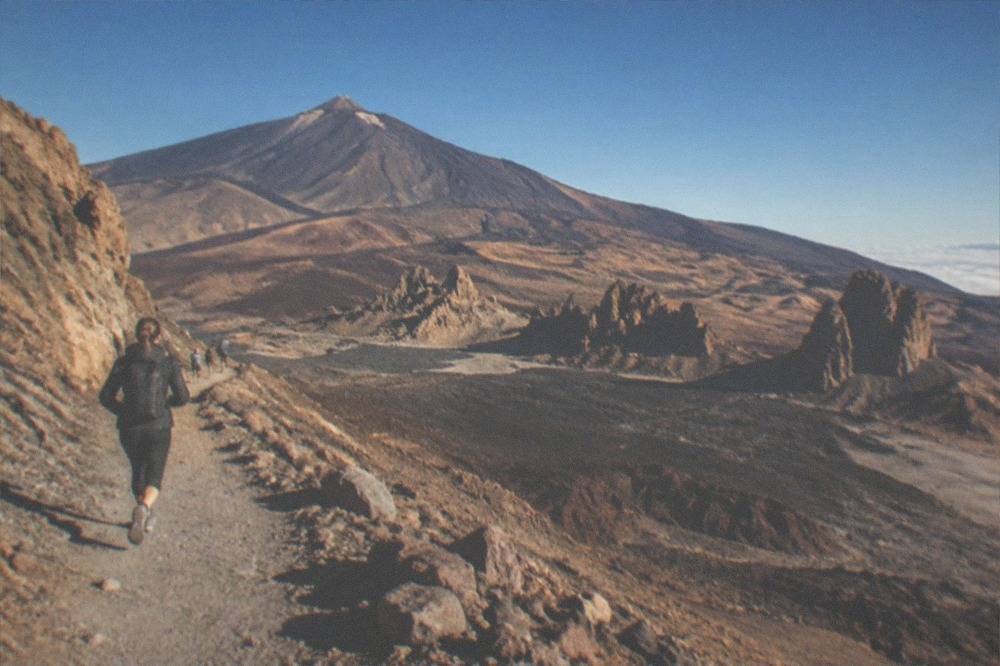
The altitude rules are the ones most likely to touch an ordinary visitor. The cable car operator's access rules refuse the ride to people with cardiovascular conditions, pregnant women and children under 3, because of the altitude, and the operator tells anyone with a health problem to ask a doctor first. The summit trail PNT 10 carries its own health warning: Tenerife ON states it is not suitable for people with heart, respiratory or mobility problems. This site gives no medical advice beyond those published exclusion lists.
The winter rules matter more than most visitors expect. AEMET's climate normals for the Izana station, at 2,369 m on the same ridge, record a mean daily maximum of just 7.5 Celsius in January, falling to a mean nightly minimum of 1.1 Celsius, with 47 mm of rain across the month. Ice and snow on the stratovolcano trails trigger a mandatory equipment rule: crampons and ice axe join the kit list, plus a signed declaration. A winter Teide is a mountain, not a postcard.
| Risk the authorities regulate | The rule on file | Who publishes it |
|---|---|---|
| Wildfire | Smoking banned in all open-air spaces of the national park, car parks included | Cabildo de Tenerife, via Tenerife ON |
| Weather and fire alerts | Bookings can be suspended; check Tenerife ON alerts before walking | Tenerife ON |
| Ice and snow | Crampons and ice axe mandatory on the stratovolcano trails, plus a signed declaration | Tenerife ON |
| Altitude on the cable car | No riders with cardiovascular conditions, no pregnant women, no children under 3 | The cable car operator |
| Altitude on the summit trail | Not suitable for people with heart, respiratory or mobility problems | Tenerife ON |
For anyone whose interest in the volcano is more cinematic than geological, the island's screen appearances are covered separately on the what was filmed in Tenerife page, and the landscape that attracts film crews is the same one that fills the national park's viewpoints every day.
If the plan is to see the crater rather than read about it, the cable car with transfer is the version of the trip that handles the logistics in one booking.
Is the Volcano in Tenerife Still Erupting?
No. No official page read for this site reports any eruption in progress on Tenerife, and the observable state of the mountain says the same thing in practice: the national park is open, the cable car runs to La Rambleta at 3,555 m on its published 2026 timetable, the summit trail takes reservations through Tenerife ON, and the observatory on the ridge operates its guided visits. An erupting volcano does not run a cable car.
That answer is deliberately built from operations rather than geology, because operations are verifiable and geology classifications are not, on this site's files. The cable car's own 2026 timetable runs from 09:00 to 17:00 in the standard periods and extends to 18:40 in the high summer and Easter windows, with the last ascent an hour before closing and the last descent ten minutes before. A commercial cable car running a published daily timetable on a volcano is a fact about that volcano's state. Other pages covering the same trip are gathered on Tenerife Travel Guide.
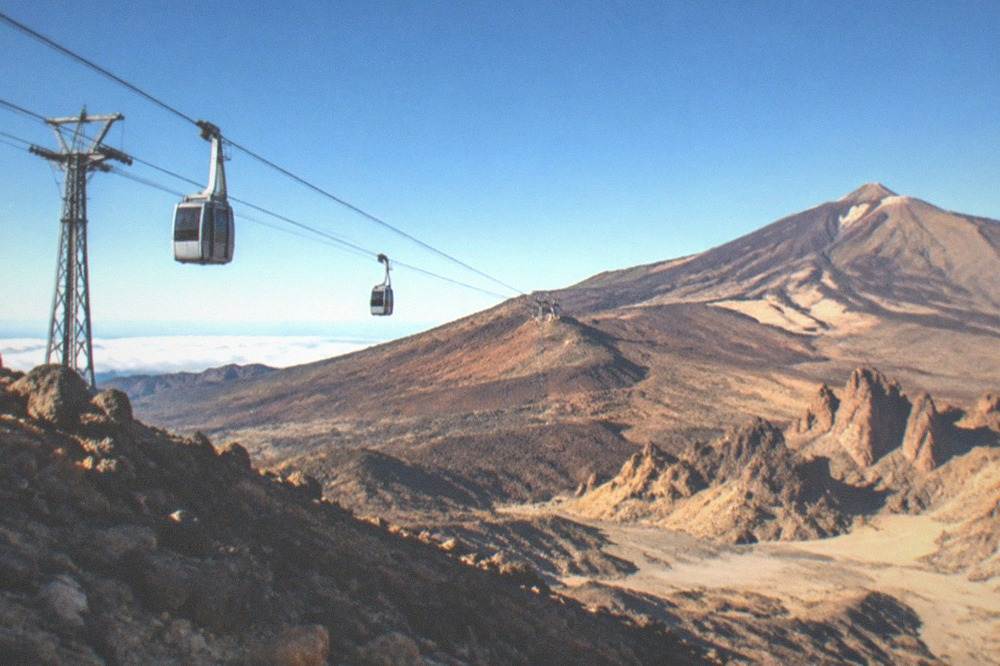
The reservation system tells the same story. Tenerife ON releases summit trail slots every Monday at 07:00 Canary time, keeping 56 days bookable, and since Monday 19 January 2026 the daytime 09:00 to 17:00 slots on PNT 10 carry a public fee of EUR 15 for visitors, EUR 6 for residents of the other Canary Islands, and nothing for Tenerife residents and children. A trail with a booking calendar, a fee regime and a checkpoint is a trail the authorities expect people to walk.
The stargazing economy is the final piece of evidence, and it is the one nobody thinks of. Teide is a Starlight Tourist Destination and the Cumbres de Tenerife a Starlight Reserve, both listed by the Fundacion Starlight, and a small industry of telescope tours operates in the park every clear night, covered on the Teide stargazing tours page. None of that operates on a mountain in a state of alert.
Is Teide the Highest Volcano in Europe?
The official sources on file state that Mount Teide, at 3,715 m, is "the highest peak on Spanish soil", in UNESCO's words, and Spain's highest peak in the environment ministry's. Whether it is the highest volcano in Europe is a comparison this site's verified record does not settle, because the official pages read for this page rank Teide only within Spain, so this page claims nothing beyond that.
The temptation is to promote the mountain, because the numbers feel promotable. But a ranking across Europe requires comparing verified figures for every other candidate, and the fact pack holds none. What it holds is solid: 3,715 m, the figure MITECO and Turismo de Tenerife both print, with a note that another official body prints a slightly different figure, which this site does not substitute. The UNESCO line about the third-tallest volcanic structure is similarly bounded: it counts from the ocean floor, it says "volcanic structure", not "volcano", and it belongs to UNESCO.
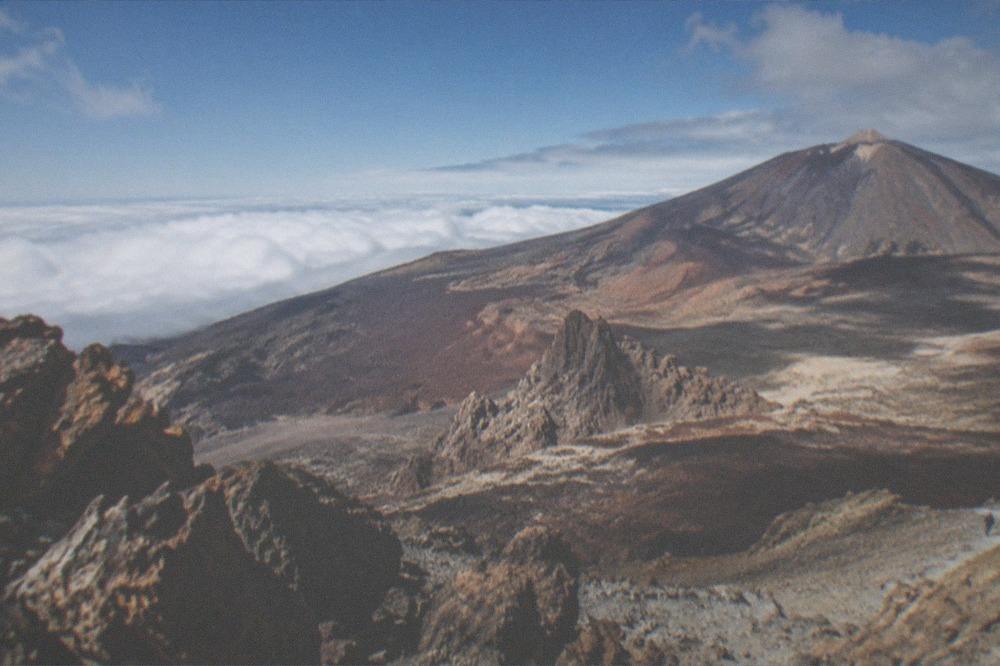
The height that matters to a visitor is not the summit figure anyway, it is the two figures on the cable car: the base station at 2,356 m and the upper station at La Rambleta at 3,555 m. That is a serious gain in a few minutes of riding, and it is why the operator's health exclusions exist. The crater itself is higher again, and it is a separate, permit-only trail: the cable car stops at La Rambleta, and the summit trail PNT 10 Telesforo Bravo needs a personal reservation processed via Tenerife ON, with accredited guides required and organisations not allowed to book for people. The full permit process is on the Teide summit permit page.
How Many People Died When Mount Teide Erupted?
No verified death toll for any eruption of Mount Teide exists in the official record compiled for this site, so this page states none. The only eruption casualty record on file is descriptive rather than numerical: the tourist board's page on Garachico records that the Trevejo volcano erupted in 1706, destroyed almost the entire town and buried the old port, without giving a figure for lives lost. A number printed without a source would be a fabrication with a death toll attached.
This question is asked often enough to be worth answering honestly rather than fluently. The honest answer is that the verified record holds buildings, not bodies: Garachico's page describes destruction, and the fact that the town had been the island's trade hub in the 16th and 17th centuries, which is what made the buried port such a blow. Anyone wanting casualty figures for any Canarian eruption needs a source this site has not read, and this site says so rather than guessing.
Garachico today is one of the north's quiet attractions, with its natural pools formed where the lava met the sea, and it sits on the classic loop from the south, the Masca, Garachico and Icod route. The geology a visitor sees there is the same geology this article is about, at sea level instead of at 3,555 m.
Visiting the Tenerife Volcano: Permits, Tickets and the Practical Rules
Visiting Mount Teide in 2026 means three separate things that must not be blurred: driving through the national park, which no official page read lists as carrying any charge; riding the cable car to La Rambleta, which is an operator ticket from EUR 42.00 for a non-resident adult return; and walking the summit trail PNT 10, which needs a Tenerife ON reservation and, on the 09:00 to 17:00 slots, a EUR 15 public fee for visitors.
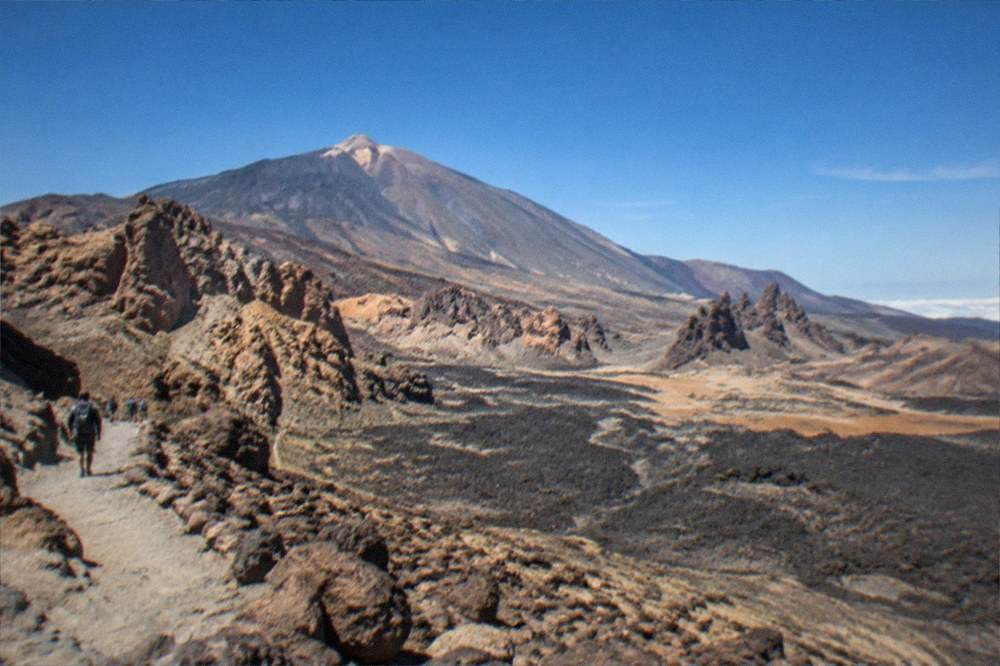
The separation is the single most useful thing to understand, because pages that blur it produce visitors who think a cable car ticket entitles them to the crater. It does not. The cable car stops at La Rambleta, 3,555 m, and the crater beyond is the permit-only trail, booked on Tenerife ON, where the listing requires a personal reservation, accredited guides, and shows ID or passport at the checkpoint.
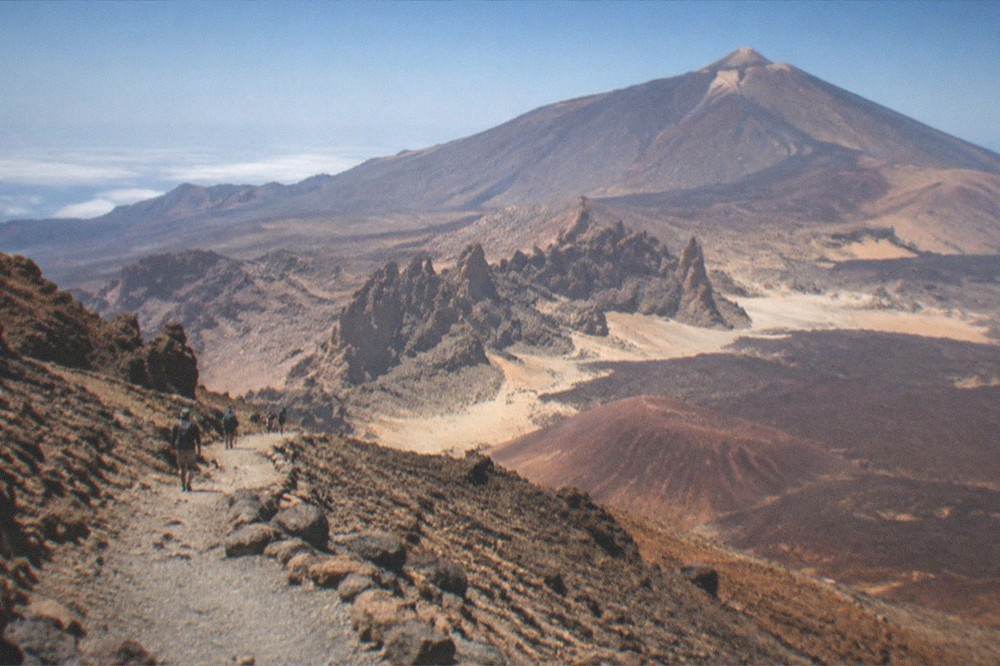
The fee regime has a start date and a structure, and both matter. Public fees apply from Monday 19 January 2026 on the daytime slots of two trails, PNT 10 and PNT 07. On PNT 10, the 09:00 to 17:00 slots cost EUR 15 for visitors and EUR 6 for residents of the other Canary Islands, with Tenerife residents and children paying nothing; children are exempt, and the booking page shows the age band that applies. The sunrise and sunset slots, 06:00 to 09:00 and 18:00 to 22:00, are also bookable reservations, though the listing carries no fee mark on them. Walking without a reservation may be penalised.
| Trail and slot | Tenerife residents | Other Canary residents | All other users |
|---|---|---|---|
| PNT 10, 09:00 to 17:00 slots | EUR 0 | EUR 6 | EUR 15 |
| PNT 07, working days, 09:00 to 17:00 | EUR 0 | EUR 3 | EUR 6 |
| PNT 07, weekends and public holidays | EUR 0 | EUR 5 | EUR 10 |
Bookings are non-refundable, with no changes of date, slot or names, and are refunded only if the trail is closed or the cable car is not operating. Failing to use a booking can bar the user from new applications for 3 months. Beyond the two booked stratovolcano trails, Tenerife ON also lists PNT 09, PNT 23 and PNT 28 as needing a booking, while all other trails on the platform need no authorisation under a temporary measure running to 31 December 2026.
The cable car is the other half of the visit, and its 2026 prices are published by the operator as "price from" figures.
| Cable car ticket, 2026 | Non-resident adult | Non-resident child (3 to 13) | Resident adult | Resident child |
|---|---|---|---|---|
| Return | EUR 42.00 | EUR 21 | EUR 10.50 | EUR 5.25 |
| One way | EUR 23.50 | EUR 11.75 | EUR 5.88 | EUR 2.94 |
| Return plus Teide Legend audio guide | EUR 45.50 | EUR 24.50 | EUR 14 | EUR 8.75 |
| Cable car 2026 period | Hours |
|---|---|
| 1 Jan to 27 Mar, 13 Apr to 30 Jun | 09:00 to 17:00 |
| 28 Mar to 12 Apr, 1 Jul to 30 Sep | 09:00 to 18:40 |
| 1 to 13 Oct | 09:00 to 18:00 |
| 14 to 24 Oct | 09:00 to 17:30 |
Hours for the last weeks of the year are not on this site's files, so the operator's timetable is the place to check before a November or December visit, and the winter months are covered from a planning angle on the Tenerife in November and Tenerife in December pages. The base station car park runs 08:00 to 18:00 in the standard season, extending to 19:40 in the longer periods.
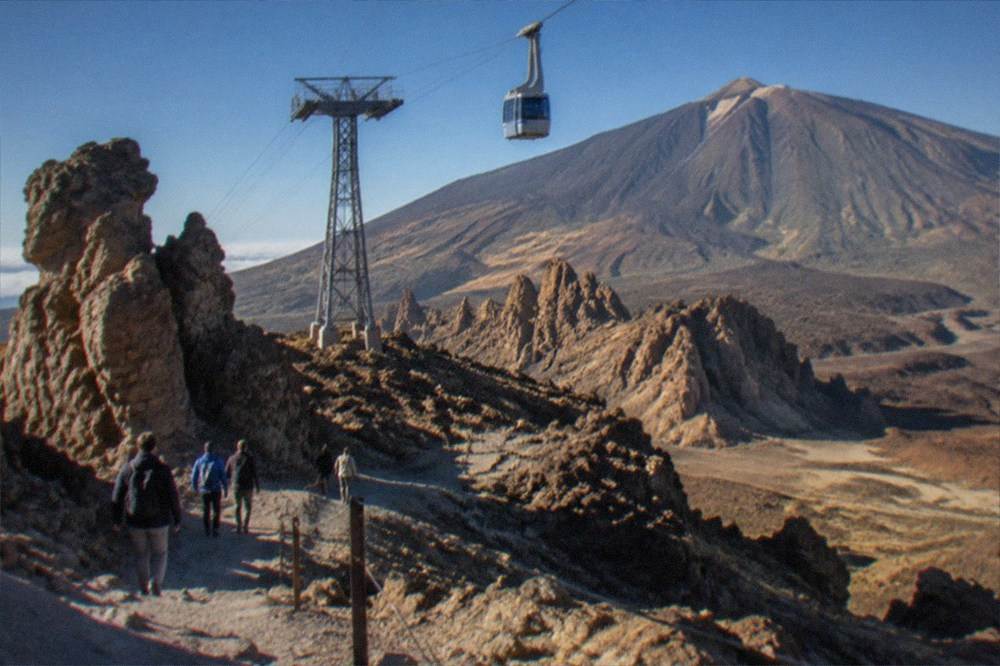
The Altavista refuge has reopened after its refurbishment and takes prior reservations for its 49 beds, with booking on the operator's own refuge page; it is a support point for high mountain activity, and a night there is not a way around the summit reservation. Smoking is banned everywhere in the open air of the park. Bivouac needs authorisation through Tenerife ON, only in the areas the park plan permits.
For travellers who want the volcano without the logistics, the guided options are the sensible route. The Teide tours category covers the full range, and the two below suit the two most common plans: the whole loop in a day from the south, or the summit itself with a guide and hotel pickup.
Cruise passengers get their own version of the question, because a ship in Santa Cruz for one day cannot afford a permit gamble; the shore excursion that loops Teide, Icod and Garachico from the port is built for exactly that constraint, and the Teide from the south planning page covers the land-based equivalent.
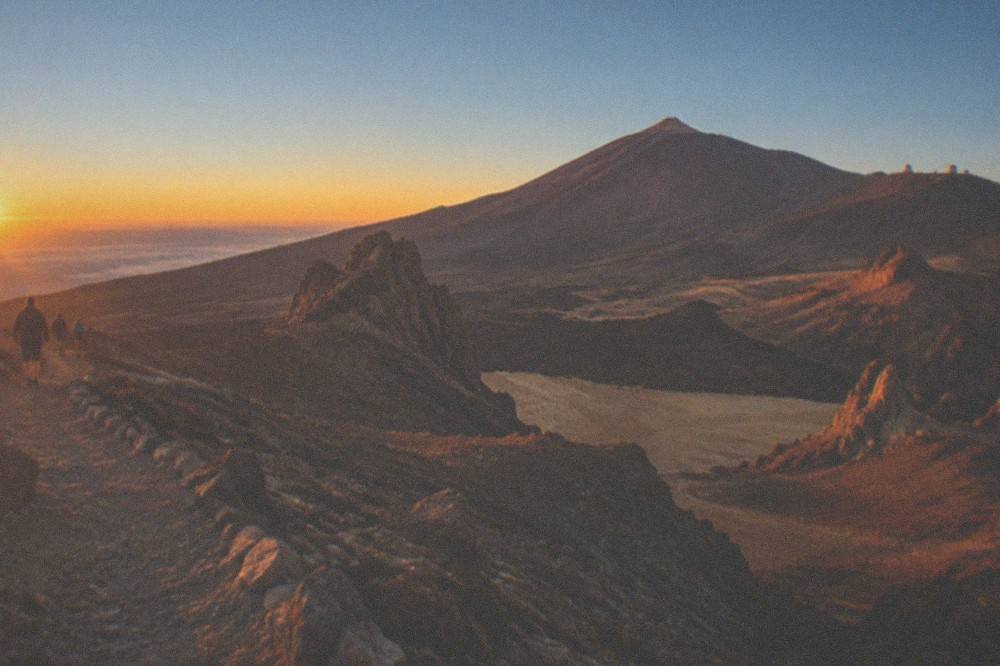
Whichever of those routes fits, the choice below gathers the three strongest options for seeing the Tenerife volcano in one place, from the straightforward cable car day to the full summit hike.
Common Questions About the Tenerife Volcano
Will Mount Teide erupt in 2025?
No official page read for this site gives an eruption forecast or probability for Mount Teide, so no prediction appears here. What the record does show is a volcano operating as a visited destination: the park is open, the cable car runs its published timetable, and the observatory beside the summit conducts guided visits. Anyone wanting a scientific forecast needs a source this site has not verified.
What will happen if Mount Teide erupted?
No official source on file models a future eruption of Teide, and this site does not invent a scenario. The published rules that do exist cover the risks the authorities actually regulate today: wildfire, with a total open-air smoking ban across the park; winter ice and snow, which make crampons and ice axe mandatory on the stratovolcano trails; and altitude, with the cable car operator excluding people with cardiovascular conditions, pregnant women and children under 3.
What would happen if Mount Teide erupted in Tenerife?
The verified record holds no impact model for a hypothetical eruption, so this page offers none. The nearest verified historical analogue is descriptive: the Trevejo volcano's 1706 eruption destroyed almost the entire town of Garachico and buried its old port, according to the tourist board's own page, though no casualty figure is recorded there. That is the extent of what the sources on file support.
What will happen if Teide erupts?
This site answers only from verified official sources, and none of them describes a future eruption of Teide. The practical, sourced answer is that the volcano is a functioning national park with active scientific monitoring on its ridge, a published alert system through Tenerife ON that can suspend bookings for fire risk or weather, and no reported eruptive activity on any page this site has read.
Is the volcano in Tenerife still active?
No official page read for this site reports any eruption in progress on Tenerife, and the mountain's operations say the same: the cable car runs to La Rambleta at 3,555 m on its published 2026 timetable, the summit trail takes reservations through Tenerife ON, and the observatory at Izana operates its visits. Whether volcanologists class Teide as active, dormant or otherwise is not stated in any source on this site's files, so this site states no classification.