Tenerife vs Gran Canaria
Two islands, one archipelago, and a question every Canary holiday search ends up asking. This desk compares them using official figures only: AEMET climate normals, ferry timetables, permit rules and the 2025 tourism totals.
Short answer
Tenerife suits travellers who want a volcano, whale watching and a busy resort scene in one island; Gran Canaria suits travellers who want dunes, a compact capital and a single-base holiday. The honest answer depends on what you want from the week, and the verified numbers below make the choice concrete.
Some 7,561,659 tourists chose Tenerife in 2025, a rise of 2.4% on the year before, according to the tourist board's own annual balance. Gran Canaria draws a comparable crowd, and the two islands sit close enough that you can see one from the other on a clear day. Yet the question people actually type into a search box is not "which island is bigger" but "tenerife or gran canaria", and it deserves a straight answer built on records rather than slogans. This desk has pulled the verified numbers, the ferry timetables, the permit rules and the climate normals, and the comparison below is what they say.
Which Is Better, Tenerife or Gran Canaria?
Neither island is objectively better, and any page that says otherwise is selling something. Tenerife holds Spain's highest peak, a UNESCO World Heritage national park, a resident population of pilot whales off its south coast and two airports handling a combined 21 million passengers in 2025. Gran Canaria counters with the Maspalomas dunes, a compact capital in Las Palmas and a rounder, easier-to-drive shape. The better island is the one whose strengths match your holiday.
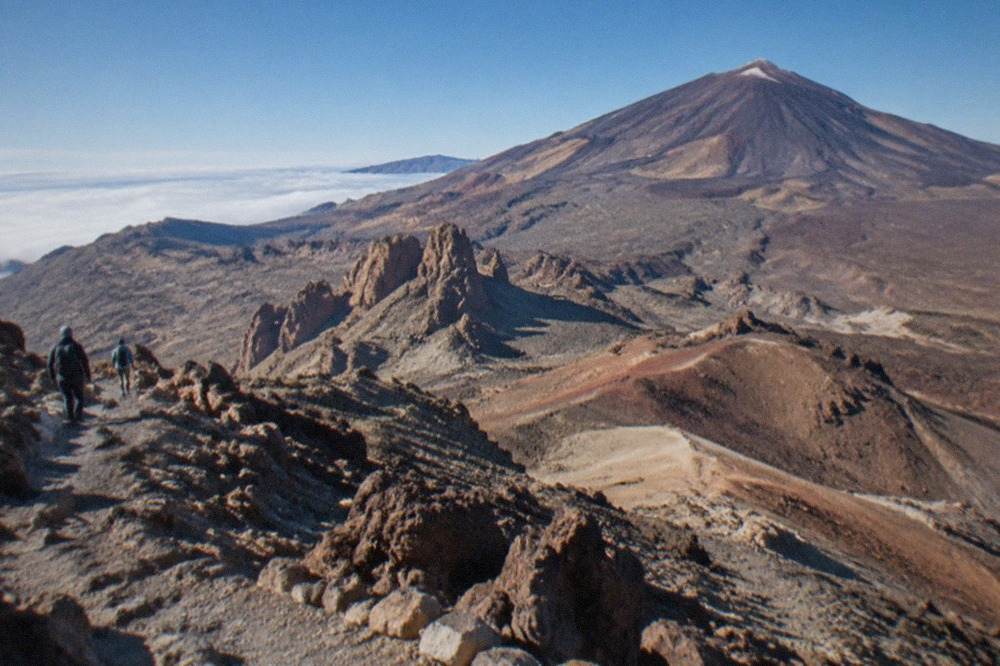
The case for Tenerife rests on concentration. Within a single week you can stand at 3,555 m on La Rambleta, watch pilot whales from a boat off Los Cristianos, and swim at a grey-sand beach in Costa Adeje, all without leaving the island. MITECO, Spain's national parks body, records 5,242,653 visits to Teide National Park in 2024, the most visited park in the entire Spanish network. UNESCO inscribed the park in 2007 under natural criteria, and its wording is precise: rising 7,500 m above the ocean floor, the volcano is regarded as the world's third-tallest volcanic structure.
Gran Canaria's case rests on variety of a different kind. The island is often described as a continent in miniature, with dunes in the south, a green highland centre and a city, Las Palmas, that functions as a genuine year-round capital rather than a resort town. That comparison, though, is where this desk has to be honest about its files: the verified figures in front of us cover Tenerife in depth, and no official Gran Canaria climate station, attraction count or fee schedule sits in them. So the sections below state what is on file for Tenerife, name what is not, and avoid inventing the rest.
For a wider view across the archipelago, read the companion piece on which Canary island is best, and for the split within Tenerife itself, see Tenerife North vs South.
Which Is Nicer, Tenerife or Gran Canaria?
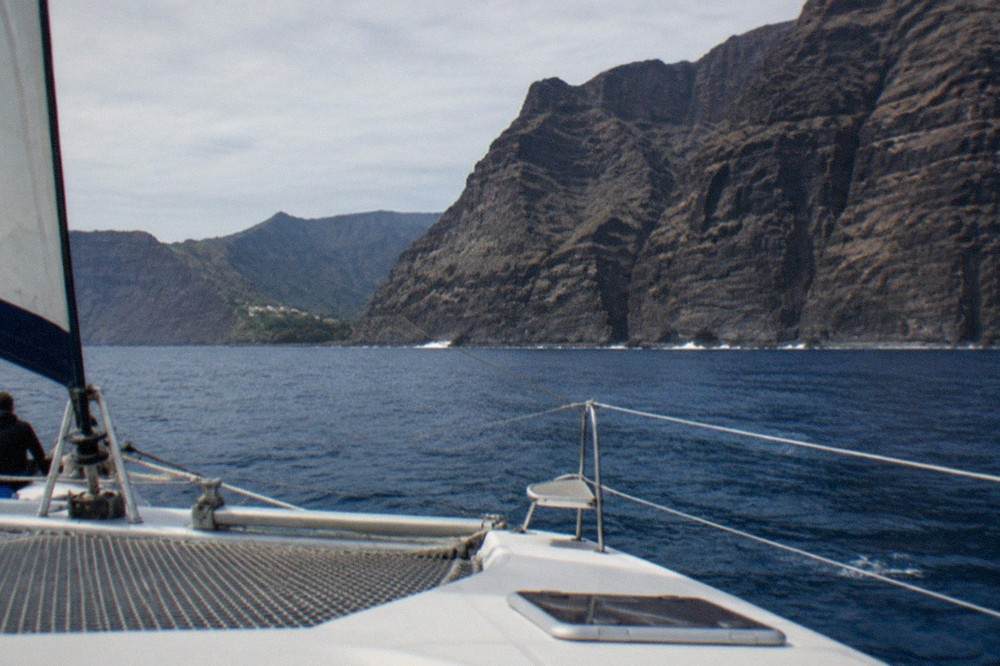
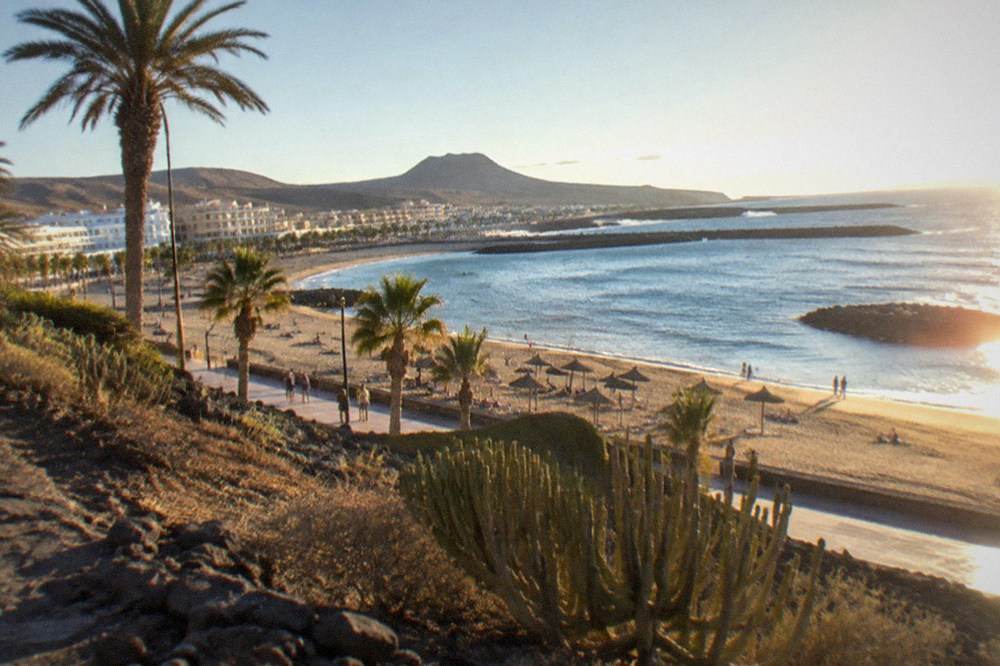
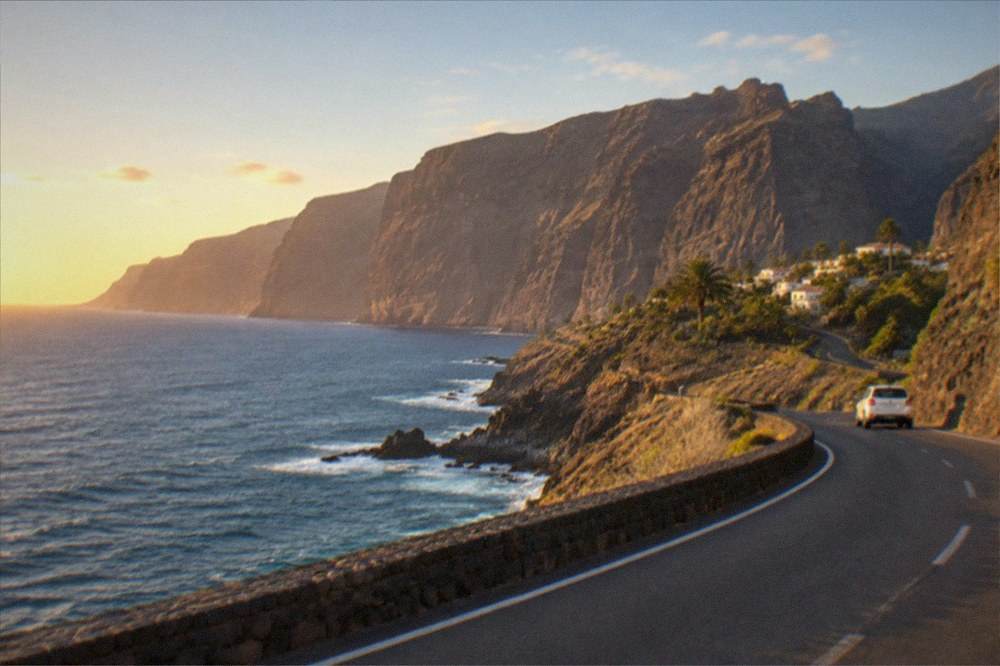
"Nicer" usually means one of three things: beaches, scenery or the feel of the resorts. Tenerife's tourist board describes El Duque as a grey sandy beach and Las Teresitas and Las Vistas as golden sand, while its headline scenery is volcanic: the Los Gigantes cliffs tower up to 600 m and Teide dominates the centre of the island. Gran Canaria's best-known beach asset, the Maspalomas dune field, has no equivalent on Tenerife, and that difference decides the question for many sun-seekers.
On scenery, Tenerife's verified numbers are hard to beat. The national park covers 18,990 hectares, declared by decree on 22 January 1954, making it the largest and oldest national park in the Canaries in MITECO's words. The whale watching off the southwest coast is regulated by Decreto 178/2000, which bans approaching within 60 m, allows at most three boats within 500 m, caps speed at 4 knots inside that zone and forbids swimming within 500 m. Authorised boats fly the Barco Azul flag. The World Cetacean Alliance designated the Tenerife-La Gomera marine area a Whale Heritage Area in January 2021, citing a unique resident population of pilot whales and bottlenose dolphins.
That resident whale population is the single strongest argument for Tenerife over Gran Canaria, because on Tenerife the boats leave from Los Cristianos and Costa Adeje and the animals are there year round, not a seasonal hope. If watching them respectfully is on your list, the no-chase operators below are the ones that commit to the decree's distances rather than treating them as a target.
For families, Tenerife's park lineup is deep: Siam Park opens 365 days a year, 10:00 to 18:00 from 1 May to 29 October and 10:00 to 17:00 the rest of the year, and Loro Parque runs 09:30 to 17:30 every day with its own car park at EUR 7 per day. The water parks guide covers the full set. The Drago Milenario in Icod de los Vinos, a National Monument since 1917, stands about 21 m tall with a trunk base about 17 m round, and its age is an estimate: the council attributes roughly 1,000 years to it, the tourist board says over 800, so the honest range is 800 to 1,000 years.
Gran Canaria's matching assets, from the dunes to the old town of Vegueta, are real, but this desk holds no verified figures for them, and a comparison built on remembered numbers is exactly the kind of page readers should not trust. Where a Gran Canaria figure matters, the sections below say plainly that it is not on file.
Which Is Hotter, Tenerife or Gran Canaria?
This desk holds AEMET climate normals for four Tenerife stations and none for Gran Canaria, so no verified side-by-side temperature comparison can be printed. What the Tenerife records show is a steep island-wide gradient: at sea level in Santa Cruz the July and August mean daily maxima are 28.7 and 29 degrees Celsius, while at the Izana station on the Teide ridge, 2,369 m up, the January mean is 4.3 degrees.
The numbers matter for planning, because Tenerife is not one climate. AEMET's 1981-2010 normals, station by station:
| Station (altitude) | Jan mean max C | Jul mean max C | Jan rain mm | Jul rain mm | Annual rain days (1 mm+) |
|---|---|---|---|---|---|
| Santa Cruz de Tenerife (36 m) | 21.0 | 28.7 | 32 | 0 | 29.7 |
| Tenerife South Airport (64 m) | 21.7 | 27.7 | 17 | 0 | 15.2 |
| Tenerife North Airport, Los Rodeos (632 m) | 16.0 | 24.7 | 80 | 6 | 64 |
| Izana, Teide ridge (2,369 m) | 7.5 | 23.0 | 47 | 0 | 33.4 |
Two readings jump out. The south of Tenerife is drier than the north by a wide margin: 132 mm of annual rain at the south airport against 520 mm at Los Rodeos, both figures as AEMET publishes them. And the Teide ridge is a different country: snow and ice are common enough in winter that the trails require crampons and an ice axe when conditions demand, per Tenerife ON's equipment rules.
The sea, meanwhile, is what makes either island a winter-sun choice. NOAA's 1991-2020 series for the south coast of Tenerife records sea surface temperatures of 23.7 degrees in both September and October, the warmest months, and 19.1 degrees in March, the coolest. Note the two datasets cover different periods, 1981-2010 for the air normals and 1991-2020 for the sea, and the site's month-by-month weather guide carries the full tables.
If a winter escape is the actual decision, Tenerife's winter numbers are verified and strong: 22.1 degrees mean daily maximum in Santa Cruz in December, 178 sunshine hours in January at that station. Whether Gran Canaria beats them is a question this desk cannot answer from its files, and any page that answers it without naming a station and a measurement period is guessing.
Which Is Cheaper, Tenerife or Gran Canaria?
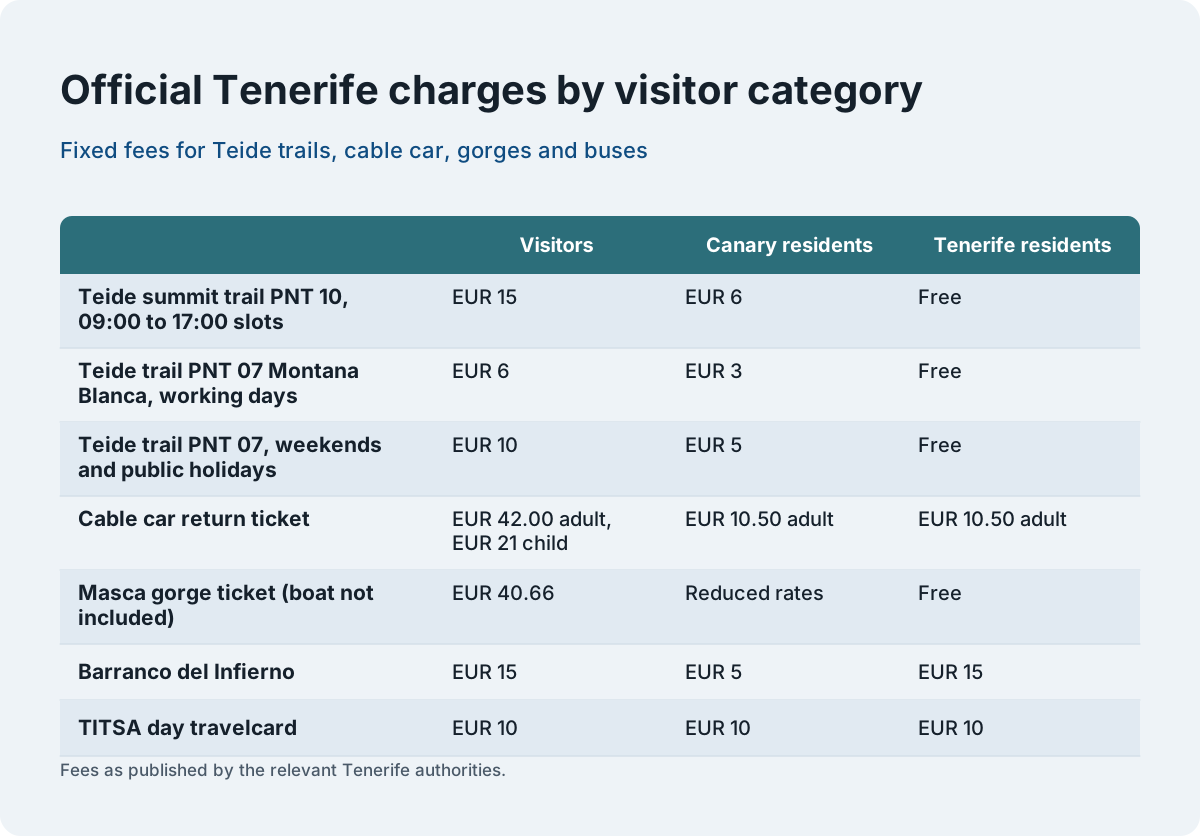
No verified cost comparison between the two islands exists in this desk's files, because prices move daily and no official source publishes one. What can be stated exactly is what Tenerife charges visitors: no per-night tourist tax is in force or approved, the Canary sales tax IGIC runs at 7% on everyday goods, and the island's main paid activities carry fixed official fees, from EUR 15 for the Teide summit trail daytime slots to EUR 40.66 for the Masca gorge ticket.
Start with the tax question, because it is the one most pages get wrong. No official page this desk has read shows a per-night lodging tax in force or approved on Tenerife, and the same honest blank applies to any future proposal. The charges that do exist are per-booking fees on specific trails and sites, not a tax on your bed:
| Official charge on Tenerife | Visitors | Canary residents | Tenerife residents |
|---|---|---|---|
| Teide summit trail PNT 10, 09:00 to 17:00 slots | EUR 15 | EUR 6 | Free |
| Teide trail PNT 07 Montana Blanca, working days | EUR 6 | EUR 3 | Free |
| Teide trail PNT 07, weekends and public holidays | EUR 10 | EUR 5 | Free |
| Cable car return ticket | EUR 42.00 adult, EUR 21 child (3 to 13) | EUR 10.50 adult | EUR 10.50 adult |
| Masca gorge ticket (boat not included) | EUR 40.66 | Reduced rates | Free |
| Barranco del Infierno | EUR 15 | EUR 5 | EUR 15 |
| TITSA day travelcard | EUR 10 | EUR 10 | EUR 10 |
Children are exempt from the Teide trail fees, and the booking page shows the age band that applies. Public transport is the other myth worth killing: the 2026 100% subsidy on Canarian public transport applies to resident passes only, on a personalised Ten+ card. Visitors pay for single tickets, the EUR 10 day travelcard or the EUR 50 seven-day travelcard, all sold at the airport ticket machines. Anyone telling you the buses are free for tourists is describing someone else's subsidy.
Whether Gran Canaria works out cheaper for a hotel week is a question no one can answer at build time, because nightly rates move daily and neither island publishes an official comparison. What drives the cost of either island is the same trio: the season you travel in, how far your hotel sits from the airport, and whether you book the big excursions before you fly. The Tenerife on a budget page covers the free side of the island in detail, from the viewpoints of the national park, which charge nothing, to the beaches.
How to Get from Tenerife to Gran Canaria?
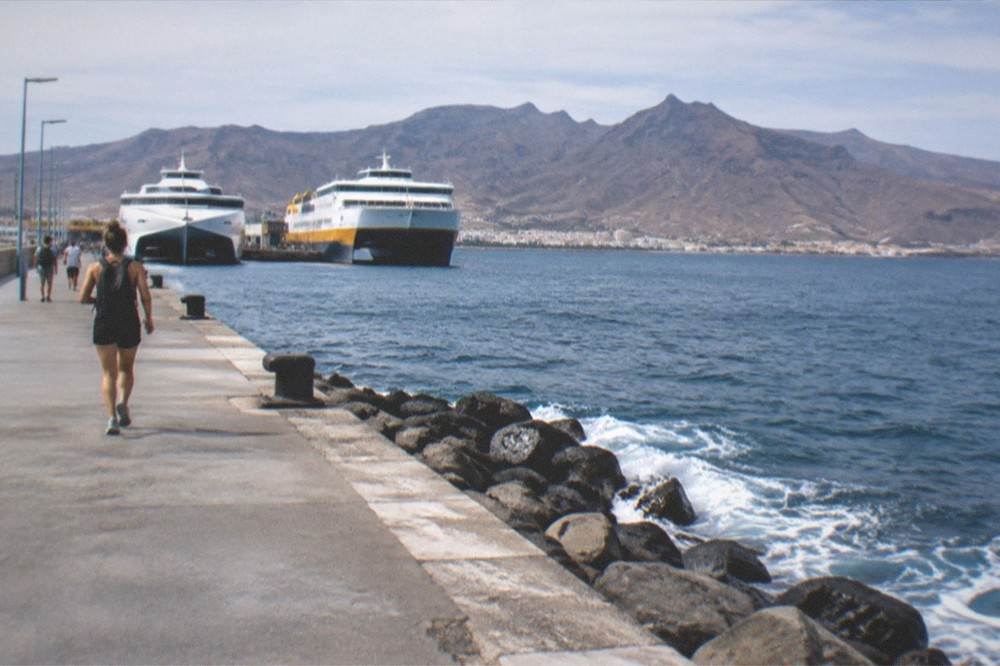
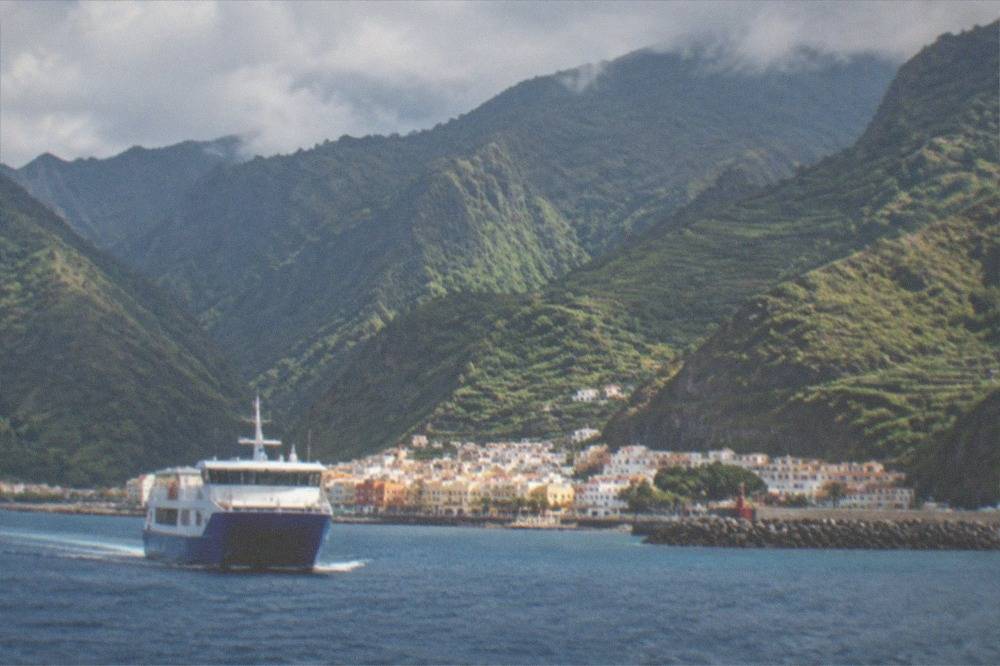
The verified crossing is the Fred. Olsen Express ferry from Santa Cruz de Tenerife to Agaete on Gran Canaria, a sailing of 80 minutes, and the same operator serves La Gomera, La Palma and El Hierro from Los Cristianos in the south of Tenerife. A day trip from Tenerife to Gran Canaria is therefore possible, though tight, and the crossing data this desk holds covers only the routes listed below.
| Route | Operator | Crossing time |
|---|---|---|
| Santa Cruz de Tenerife to Agaete, Gran Canaria | Fred. Olsen Express | 80 min |
| Los Cristianos to San Sebastian de La Gomera | Fred. Olsen Express | 50 min |
| Los Cristianos to Santa Cruz de La Palma | Fred. Olsen Express | 150 min |
| Los Cristianos to Valverde, El Hierro | Fred. Olsen Express | 140 min |
Agaete sits on the northwest coast of Gran Canaria, which means the ferry lands you in the green, quieter half of that island rather than in Las Palmas. Sailing frequencies and fares are not on file, so check the operator's live listing for the day you want, and book ahead if the crossing is the anchor of your plan: check ferry availability.
The practical reading is this: if your holiday is based on Tenerife and you want a taste of Gran Canaria, the ferry makes a long day trip feasible but you should treat it as a ferry-and-coast day, not a whole-island tour. The fuller guide to the crossing, including what to do on the Gran Canaria side, is on the Gran Canaria from Tenerife day trip page.
The reverse also matters for choosing between the islands. If you fly to Gran Canaria and regret it, the ferry is your bridge. If you fly to Tenerife, you get the other islands as add-ons: La Gomera is 50 minutes away, and the jeep safari below is the most complete way to see its laurel forest in one day. Other pages covering the same trip are gathered on Tenerife Travel Guide.
What Rules Apply to Both Islands?
Both islands sit inside the same Schengen border system and the same Canary tax regime, so the entry and money rules are identical whichever you pick. The Entry/Exit System has been fully operational since 10 April 2026, registering UK and US visitors with a facial image and fingerprints instead of a passport stamp, and ETIAS is not yet in operation, with the EU publishing no start date.
The entry details are worth knowing before you book either island. EES began on 12 October 2025 with a progressive roll-out across 29 European countries and completed it in April 2026. ETIAS, the travel authorisation that will eventually apply to visa-exempt visitors, is a different system: the EU states it is currently not in operation and no applications are collected, that the start date will be announced several months ahead, and that the fee will be EUR 20. Any page giving you an ETIAS date is making it up.
The sales tax on both islands is IGIC, not VAT: the Canarian tax agency's table shows 7% on everyday goods, with other bands at 0%, 3% and 15%, and non-resident travellers can claim IGIC back on form 403. That refund applies on either island, so the shopping arithmetic does not change with the ferry.
The smoking ban is a Tenerife-specific rule worth knowing before you drive up the mountain: the Cabildo prohibits smoking in every open-air space of the national park, car parks and viewpoints included, as a wildfire measure. Bookings on the reserved trails can also be suspended for fire risk or weather alerts, so check Tenerife ON's alerts page on the morning of any high-country walk. The Teide summit permit guide walks through the whole reservation system, including the rule that a new week of slots opens every Monday at 07:00 Canary time, keeping 56 days bookable, and that no fixed lead time is promised beyond that.
Is Tenerife or Gran Canaria Better for Your Specific Trip?
For a first-time family holiday with water parks and whale watching, the verified records favour Tenerife. For a city-plus-beach break, Gran Canaria's Las Palmas is the stronger single base, though its figures are not held here. For hiking and stargazing, Tenerife is unmatched on file: a Starlight Reserve designation for its summits from October 2013, an observatory at Izana whose first telescope began work in 1964, and a national park with 5.2 million annual visits.
Break the decision down by what the week is for. A winter sun week in the south of Tenerife comes with verified numbers: 27.7 degrees mean daily maximum in July at the south airport station, barely 132 mm of annual rain, and sea temperatures that never drop below 19.1 degrees. A hiking week adds the permit trails, the cable car to La Rambleta at 3,555 m, and the summit trail above it, which needs a personal reservation on Tenerife ON, with accredited guides required and no access for children under 3 or under-16s without an adult.
A stargazing week is barely a contest. The Fundacion Starlight lists both El Teide and the Cumbres de Tenerife as certified since October 2013, the observatory at Izana sits at about 2,400 m, and its guided visits run by prior reservation only, with a fully booked notice on its page when this desk read it. The sunset and telescope tours below are the tourist version of the same sky.
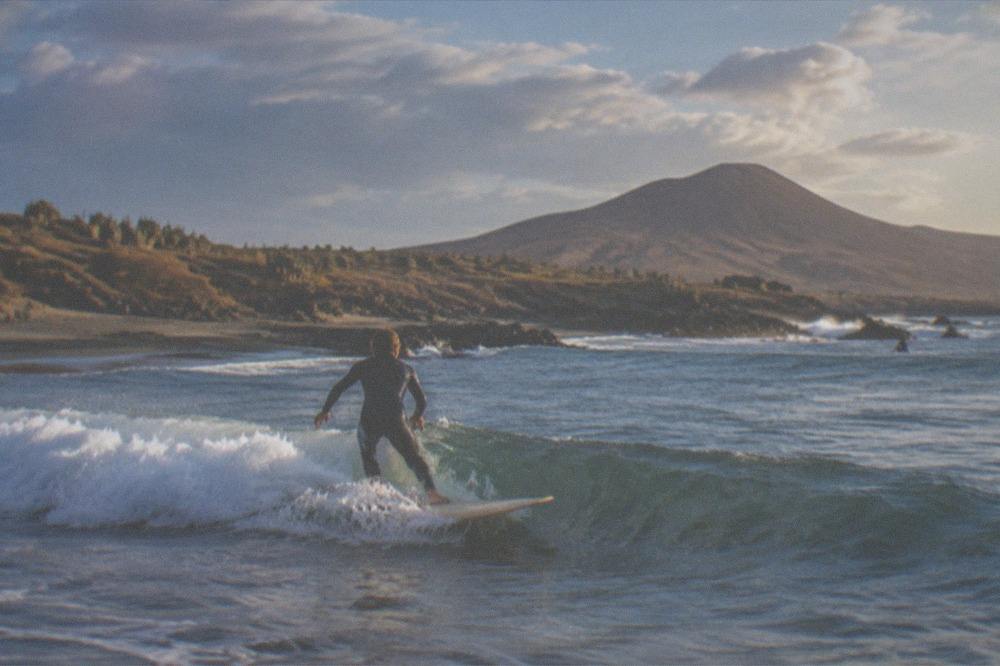
A surf or learn-to-swim week points at the south of Tenerife too, around Playa de las Americas, where the lessons below include photos of your session. And a two-island week is genuinely possible: base yourself on Tenerife, take the 80-minute ferry to Agaete for Gran Canaria's northwest, and finish with La Gomera, 50 minutes from Los Cristianos, on a jeep safari through Garajonay.
What If You Want to Compare Tenerife with the Other Islands Too?
The same question gets asked about every island in the archipelago, and this desk has built the verified comparisons: Tenerife against Lanzarote, Fuerteventura, Madeira and Mallorca, plus the north-versus-south split inside Tenerife itself. Lanzarote is the volcano island with the gentler pace, Fuerteventura is the beach island, and neither offers the whale population or the altitude range that Tenerife's records show.
The wider set is worth ten minutes before you commit, because flights to Tenerife arrive at two airports, Tenerife South and Tenerife North, and the one you land at reshapes the whole week. TITSA's own airport pages list lines 10, 40, 711, 343 and 415 at Tenerife South and lines 20, 30 and 343 at Tenerife North, and the airport transfers guide maps them to the resorts. AENA's figures for 2025 show Tenerife South handled 13,969,678 passengers, an all-time record, and Tenerife North 7,174,977.
For the sibling comparisons, start with Tenerife vs Lanzarote and Tenerife vs Fuerteventura, and see Tenerife vs Madeira if the Atlantic islands beyond Spain are on the shortlist. This page's own recommendation, if the files force one, is simple: choose Tenerife when the volcano, the whales or the parks are the point, and choose Gran Canaria when the dunes and the city are, and let the ferry connect them if a week on either feels like not enough.
Common Questions About Tenerife or Gran Canaria
which is better, tenerife or gran canaria?
Neither is objectively better. Tenerife holds Spain's highest peak at 3,715 m, a UNESCO World Heritage national park, resident pilot whales off its southwest coast and 5,242,653 national park visits in 2024. Gran Canaria offers the Maspalomas dunes and the city of Las Palmas. Choose Tenerife for volcano, whales and parks; choose Gran Canaria for dunes and a city base.
Which is nicer, Gran Canaria or Tenerife?
It depends what "nicer" means to you. Tenerife's tourist board describes Las Teresitas and Las Vistas as golden sand and El Duque as grey sand, while its Los Gigantes cliffs tower up to 600 m. Gran Canaria's dune field has no Tenerife equivalent. Both islands share the same subtropical climate and the same ferry link.
Is Tenerife or Gran Canaria better?
For families, the verified records favour Tenerife: Siam Park opens 365 days a year and Loro Parque runs daily from 09:30 to 17:30. For hikers and stargazers, Tenerife's Starlight-certified summits and 2,400 m observatory are on file. For a city-plus-beach break, Gran Canaria's capital is the stronger single base, though this desk holds no verified figures for it.
how to get from tenerife to gran canaria
Take the Fred. Olsen Express ferry from Santa Cruz de Tenerife to Agaete on Gran Canaria, a crossing of 80 minutes. Agaete sits on Gran Canaria's northwest coast. Frequencies and fares are not on file, so check the operator's live listing for your date.
Which is hotter, Tenerife or Gran Canaria?
No verified side-by-side exists in this desk's files. AEMET's normals for Tenerife show 28.7 and 29 degrees Celsius mean daily maxima in July and August at Santa Cruz, and 27.7 degrees at the south airport in July. Gran Canaria station records are not held here, so any comparison you read without a named station and period is a guess.
Which is cheaper, Tenerife or Gran Canaria?
No official cost comparison exists. On Tenerife there is no per-night tourist tax in force or approved, IGIC runs at 7% on everyday goods, and the fixed official fees range from EUR 15 on the Teide summit trail to EUR 40.66 for the Masca gorge ticket. What drives cost on either island is season, location and advance booking.