Tenerife vs Madeira
Two Atlantic islands, four hours apart by air, and two very different holidays. This comparison sets out what each island is actually like, using verified figures for Tenerife and honest general terms for Madeira.
Short answer
Tenerife is the bigger, warmer, beach-and-attraction island with a dormant volcano at its centre; Madeira is the smaller, greener, walking-and-levada island. Tenerife offers reliable swimming weather and family parks, Madeira offers dramatic trails and quieter towns.
Tenerife and Madeira sit in the same ocean, at almost the same latitude, and are frequently sold to the same British traveller. They are, in practice, different products. Tenerife is the largest of the Canary Islands, a Spanish island with a population of about 960,000 spread across 31 municipalities, and it received 7,561,659 tourists in 2025 according to the tourist board's FRONTUR-based balance. Madeira is a Portuguese island, smaller and more vertical, whose economy runs on walking trails, levadas and garden tourism rather than beach resorts. This desk has a verified fact file for Tenerife and none for Madeira, so every Tenerife figure below is sourced and every Madeira statement is kept to general, checkable terms, with a pointer to confirm specifics with local operators where a number matters.
The comparison matters because the two islands are often shortlisted against each other for a winter-sun or spring walking break, and the trade-offs are real. Tenerife gives you a dormant stratovolcano you can stand beside at 3,555 m, golden and black sand beaches, two water parks and a whale-watching industry regulated by law. Madeira gives you laurel forest, irrigation-channel walks and a capital built into amphitheatres of cliff. Choosing between them is mostly a question of what your week is for.
Where Are Tenerife and Madeira, and How Do You Reach Each?
Tenerife is one of the seven Canary Islands, a Spanish archipelago off the north-west coast of Africa, roughly level with Morocco and around a four-hour flight from most UK airports. Madeira is a Portuguese island lying north of the Canaries, closer to the African mainland's western bulge, and is reached by flights of a broadly similar length from Britain. Neither is in the same country as the other, so currency, entry rules and language differ between them.
Tenerife has two airports. AENA, the Spanish airport operator, names them Tenerife Sur (TFS) and Tenerife Norte-Ciudad de La Laguna (TFN); the familiar names Reina Sofia and Los Rodeos persist in older guides but are not AENA's current titles. TFS handled 13,969,678 passengers in 2025, an all-time record, and TFN handled 7,174,977. Charter and low-cost flights from Britain overwhelmingly use Tenerife South. Our Tenerife South Airport guide covers the bus lines that meet arrivals, and the north vs south comparison helps if you are deciding which half of the island to base in.
Madeira has a single airport at Santa Cruz, east of Funchal, built on a platform of reclaimed land at the foot of cliffs. Its runway is short by Canarian standards, which is why some airlines use smaller aircraft on the route. For entry rules the two islands diverge: both Spain and Portugal are in the EU and the Schengen area, so UK and US visitors face the same European Entry/Exit System at both. The EU records that EES started on 12 October 2025 and has been fully operational since 10 April 2026, replacing passport stamping with a registration of facial image and fingerprints for non-EU short-stay visitors. ETIAS, the travel authorisation, is a different thing: the EU says it is currently not in operation, that no applications are being collected, and that its fee will be EUR 20 when it launches. No start date exists to quote.
Is Madeira as Hot as Tenerife?
No, Madeira is generally a few degrees cooler than Tenerife, and the difference is largest in winter, which is the season most British visitors are buying. AEMET's climate normals put Santa Cruz de Tenerife at a mean of 18.2 Celsius in January against 25 in July, while the sea off Tenerife's south coast runs 19.1 to 23.7 Celsius across the year. Madeira's oceanic setting keeps it milder than the mainland but cooler than the Canaries, so Tenerife is the safer bet for swimming weather.
The Tenerife numbers are worth setting out properly, because they are the ones this desk can source. AEMET, the Spanish state meteorological agency, publishes 1981-2010 normals for four stations on the island, and the contrast between them says more about Tenerife's weather than any island-wide average: the south airport station records 132 mm of rain a year, while Tenerife North at Los Rodeos records 520 mm. The south is where the beach resorts are, and that is not an accident of planning but of climate. Our month-by-month weather guide carries the full tables.
| Month | Santa Cruz mean daily max (C) | Santa Cruz mean daily min (C) | Tenerife South Airport mean daily max (C) | Sea surface temp off the south coast (C) |
|---|---|---|---|---|
| Jan | 21.0 | 15.4 | 21.7 | 19.9 |
| Feb | 21.2 | 15.3 | 22.0 | 19.2 |
| Mar | 22.1 | 15.9 | 23.1 | 19.1 |
| Apr | 22.7 | 16.5 | 23.1 | 19.5 |
| May | 24.1 | 17.8 | 23.9 | 20.2 |
| Jun | 26.2 | 19.5 | 25.4 | 21.4 |
| Jul | 28.7 | 21.2 | 27.7 | 22.2 |
| Aug | 29.0 | 21.9 | 28.4 | 23.1 |
| Sep | 28.1 | 21.7 | 27.9 | 23.7 |
| Oct | 26.3 | 20.3 | 26.8 | 23.7 |
| Nov | 24.1 | 18.4 | 24.8 | 22.5 |
| Dec | 22.1 | 16.6 | 22.8 | 21.1 |
Two caveats keep this honest. The air normals are AEMET's 1981-2010 series and the sea figures are NOAA's 1991-2020 series: two datasets, two periods, and this page does not blur them. And Madeira's own figures are not in this desk's fact file, so the fair statement is the general one: Madeira's climate is oceanic and mild, its Atlantic water is cooler than Tenerife's, and its winter temperatures typically sit below the Canaries' because it lies further north. If a swim-per-day holiday is the goal, Tenerife is the surer choice; if a walking holiday in cool air is the goal, Madeira's cooler summers are an argument in its favour.
The other Tenerife climate fact worth knowing is vertical. AEMET's station at Izana, on the Teide observatory ridge at 2,369 m, records a January mean of 4.3 Celsius and July sunshine of 382 hours a month. The island stacks several climates on top of each other, so a February day can be 22 Celsius in Santa Cruz and below freezing on the summit trails, where Tenerife ON's rules make crampons and an ice axe mandatory winter equipment. Madeira is green precisely because it does not have this dry, high desert in the middle; its irrigation channels, the levadas, exist because rain falls on the high ground.
Is Madeira Cheaper Than Tenerife?
This desk cannot answer that with a verified figure, because no Madeira price data is in its fact file, and an invented comparison would be worse than none. What can be said is that Tenerife has no tourist tax, applies the Canary Islands' own IGIC sales tax rather than mainland VAT, and its main visitor charges are a handful of specific permits and tickets rather than a general levy. Travellers should compare like-for-like costs with current local sources before booking either island.
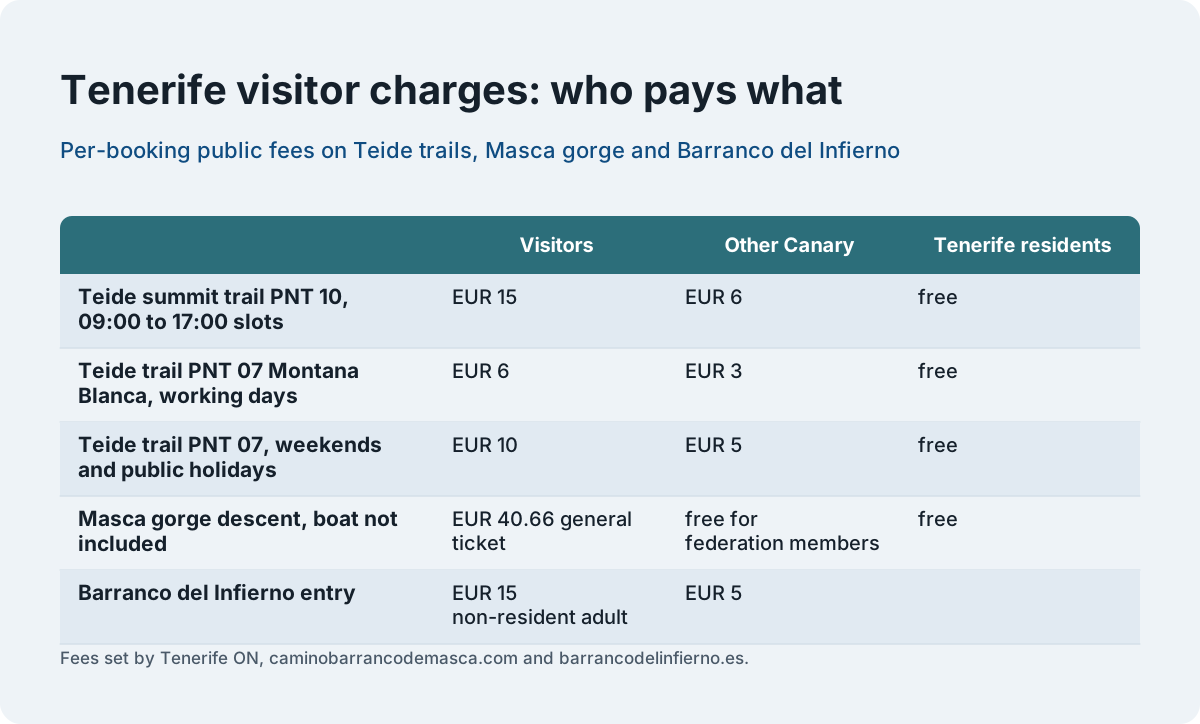
On the Tenerife side, the charges that genuinely exist are documented and few. No official page shows a per-night lodging tax in force or approved on Tenerife, and this desk states that plainly rather than repeating the "Tenerife tourist tax" claim that circulates. What visitors do pay are per-booking public fees on two Teide trails, the Masca gorge ticket and the Barranco del Infierno entry, plus the ordinary commercial prices of parks, boats and buses. The Canary Islands also levy IGIC instead of VAT, and the regional tax agency's table shows a 7% rate on everyday goods, with reduced and elevated bands for other categories; non-resident travellers can claim IGIC back on qualifying purchases under the travellers' refund scheme.
| Charge | Who pays what | Set by |
|---|---|---|
| Teide summit trail PNT 10, 09:00 to 17:00 slots | EUR 15 visitors; EUR 6 other Canary Islands residents; free for Tenerife residents and children | Tenerife ON, from 19 January 2026 |
| Teide trail PNT 07 Montana Blanca, working days 09:00 to 17:00 | EUR 6 visitors; EUR 3 other Canary residents; free for Tenerife residents | Tenerife ON |
| Teide trail PNT 07, weekends and public holidays | EUR 10 visitors; EUR 5 other Canary residents | Tenerife ON |
| Masca gorge descent | EUR 40.66 general ticket, boat not included; free for Tenerife residents and Canarian federation members | caminobarrancodemasca.com |
| Barranco del Infierno | EUR 15 non-resident adult; EUR 5 Canary residents | barrancodelinfierno.es |
| TITSA day travelcard | EUR 10 for a day of buses | TITSA fares page |
| TITSA seven-day travelcard | EUR 50 | TITSA fares page |
Madeira's cost structure is a matter for Portuguese sources, and the honest general statement is that both islands are cheaper than most of mainland Western Europe for food and drink, that neither is a budget destination in high season, and that accommodation prices in both move sharply with the calendar. For Tenerife, the tourist board's 2025 balance records EUR 2,121 million of hotel and apartment revenue on 5,451,268 lodged tourists, which tells you the island's accommodation market is large, competitive and priced by season. If cost is the deciding factor, compare your actual dates and your actual base, not island averages.
One Tenerife saving is worth flagging because pages often get it wrong: public transport is not free for visitors. The Canary government's 2026 subsidy of 100% applies to resident passes only, held on a personalised Ten+ card that requires Canary Islands residency. Visitors pay the single fares, the EUR 10 day travelcard or the EUR 50 seven-day travelcard, all sold at the airport ticket machines. Our Tenerife buses guide explains the network.
Which Island Is Better for Beaches and Swimming?
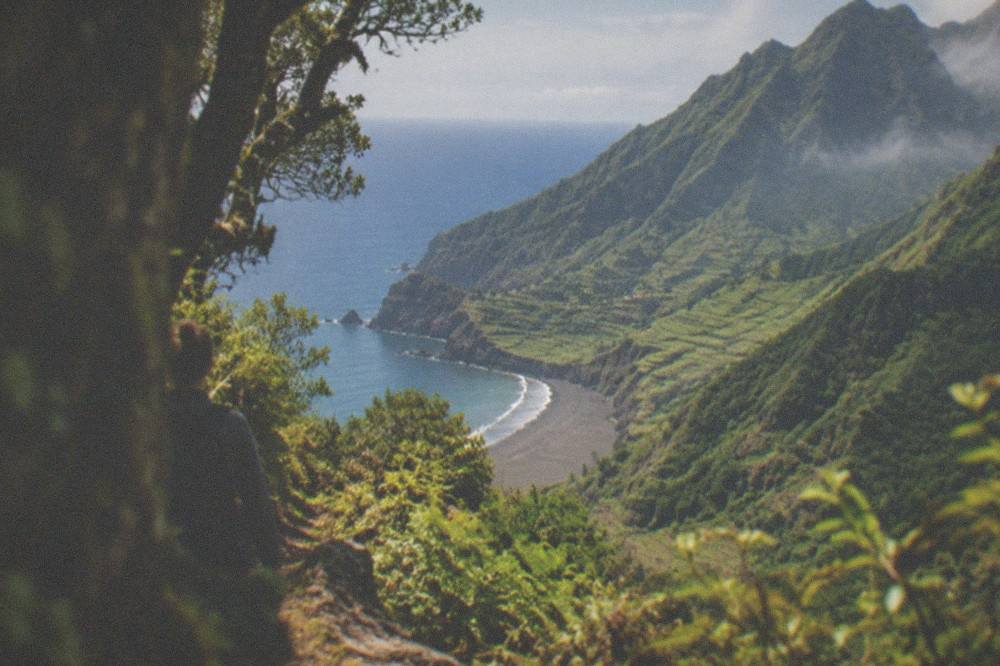
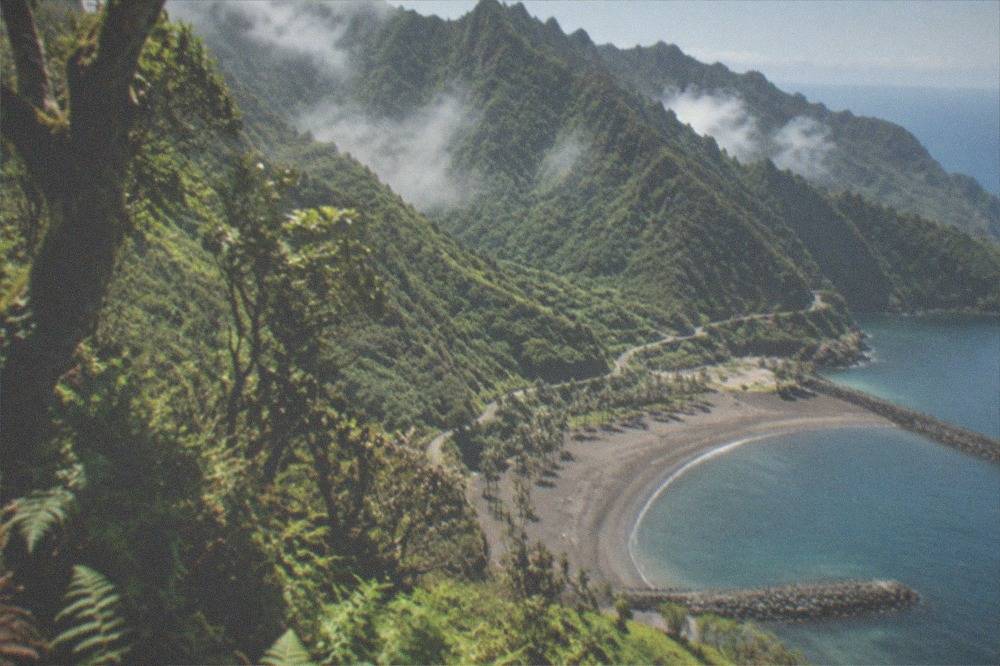
Tenerife is the clear beach island of the two. It offers golden-sand beaches at Las Teresitas and Las Vistas, grey sand at El Duque and El Medano, and black volcanic sand at El Bollullo, all described by the tourist board's own pages, plus sea temperatures of 19 to 24 Celsius through the year. Madeira's coast is predominantly rocky and cliff-bound, with few natural sandy beaches, and swimming there is largely a matter of sea pools and harbours rather than open sand.
The Tenerife beach list is worth being precise about, because the marketing copy often is not. The tourist board describes Playa de las Teresitas, at San Andres near Santa Cruz, as golden sand with palm trees and breakwaters that calm the water. Las Vistas, between Los Cristianos and Costa Adeje, is golden sand behind breakwaters. Playa del Duque in Costa Adeje, despite its glossy reputation, is described by the tourist board as a grey sandy beach. El Medano is fine grey sand under Montana Roja, a magnet for windsports. El Bollullo, in La Orotava, is black sand at the foot of a cliff. The island gives you every colour of sand, and the official descriptions are the ones to trust.
Madeira's shoreline is a different thing altogether: the island rises so steeply from the ocean that flat sand is rare, and the swimming culture runs through concrete and natural sea pools, including the famous complex at the eastern edge of Funchal, whose current hours and prices should be confirmed with the venue. If a holiday without a beach towel is unthinkable, Tenerife wins this round without argument. If you swim for the exercise and the view and do not care about sand, Madeira's pools deliver.
Which Island Suits a Walking Holiday?
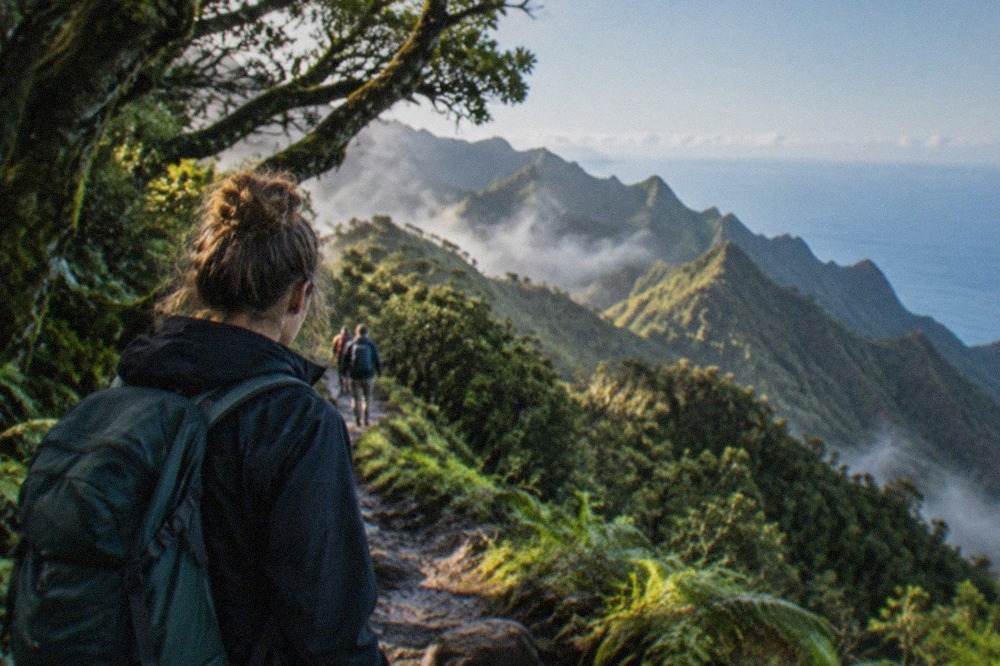
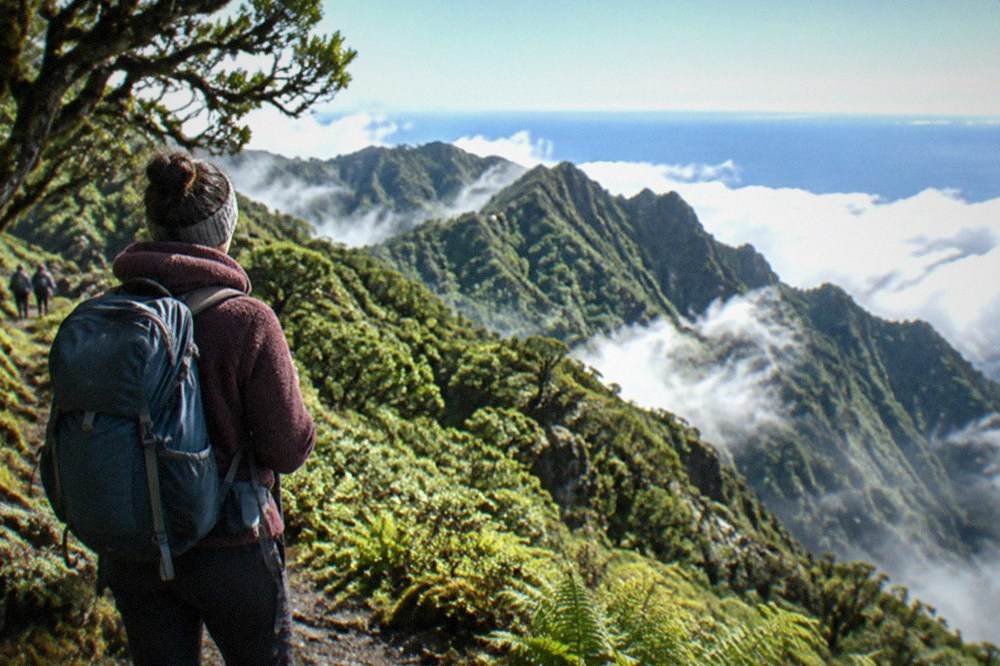
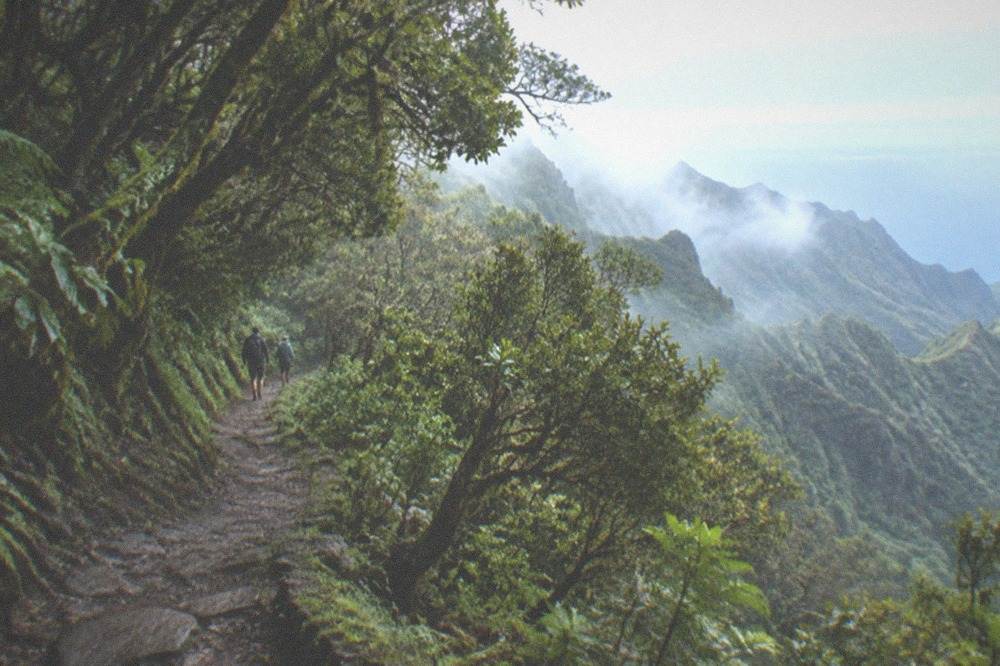
Both do, but they walk differently. Tenerife's headline walks are volcanic and high, led by the Teide summit trail PNT 10, which needs a personal reservation on Tenerife ON and costs EUR 15 for visitors on the daytime slots since 19 January 2026, and by the Masca gorge descent, a pre-booked, one-way route with a boat exit. Madeira's headline walks are the levadas, irrigation channels that contour the island's green north, and laurel forest trails, generally wetter, greener and lower than anything in Tenerife's national park.
Tenerife's walking has an administrative layer that Madeira's largely lacks, and it is the thing most guides under-explain. The summit trail PNT 10 Telesforo Bravo, from La Rambleta to the crater, requires a personal reservation booked on Tenerife ON, with a new week of slots released every Monday at 07:00 Canary time so that 56 days are always bookable; no fixed lead time is published, and this desk does not invent one. The Montaña Blanca trail PNT 07 needs its own reservation. El Pijaral, the Enchanted Forest in Anaga, needs a Tenerife ON reservation released Mondays at most 14 days ahead, and organised company tours are not permitted there at all. Other trails are, as a temporary measure, open without booking until 31 December 2026. The full rules are in our Teide summit permit guide.
Madeira's walking, by contrast, is organised around the levada network and the laurel forest, much of which is protected for its conservation value. This desk holds no verified Madeira trail data, so the fair statement is the general one: Madeira is internationally known for walking, its trails are typically narrower and greener than Tenerife's, and several popular routes involve tunnels and vertiginous drops that call for a torch and a head for heights. Confirm current trail conditions and any access restrictions with the official Madeira sources before you go, exactly as you would check Tenerife ON's alerts page before a Teide hike.
The choice between them is a choice of scenery, not of quality. Tenerife walks through lava, pine forest and a high desert that UNESCO, inscribing the national park in 2007, describes with the words "regarded as the world's third-tallest volcanic structure" rising 7,500 m above the ocean floor. Madeira walks through cloud forest and cultivated terraces. A guided Tenerife hike removes most of the permit and navigation work, and the volcanic half-day tours are the gentlest way in.
Which Is Easier Without a Car?
Tenerife is the easier of the two for car-free travel, with a scheduled bus network, TITSA, covering both airports and every major resort, plus a tram between Santa Cruz and La Laguna, and visitor travelcards at EUR 10 for a day or EUR 50 for a week. Madeira is workable without a car in Funchal and on the main bus routes, but its vertiginous side roads make a car or organised tours the usual answer for reaching trailheads and villages.
TITSA's own airport pages list the lines, and they are worth having in one place because older guides invent them. The tram, run by Metrotenerife, connects Santa Cruz with La Laguna on a single fare of EUR 1.35 on a transit pass, and it does not serve either airport, whatever older pages claim. Taxis are white and metered from the start of the trip, with fixed prices negotiable in advance for excursions. Car hire on Tenerife is straightforward and cheap by European standards, and our car hire guide covers the paperwork, but a week in the south resorts genuinely does not need one.
| Airport | TITSA bus lines | Where each line runs |
|---|---|---|
| Tenerife South (TFS) | 10 | Santa Cruz |
| Tenerife South (TFS) | 40 | Costa Adeje bus station via Los Cristianos |
| Tenerife South (TFS) | 711 | Night bus: Santa Cruz, airport, Los Cristianos, Costa Adeje |
| Tenerife South (TFS) | 343 | Express Puerto de la Cruz to Los Cristianos via both airports |
| Tenerife South (TFS) | 415 | El Fraile, San Isidro |
| Tenerife North (TFN) | 20 | Santa Cruz via La Laguna |
| Tenerife North (TFN) | 30 | Puerto de la Cruz |
| Tenerife North (TFN) | 343 | Express to the south |
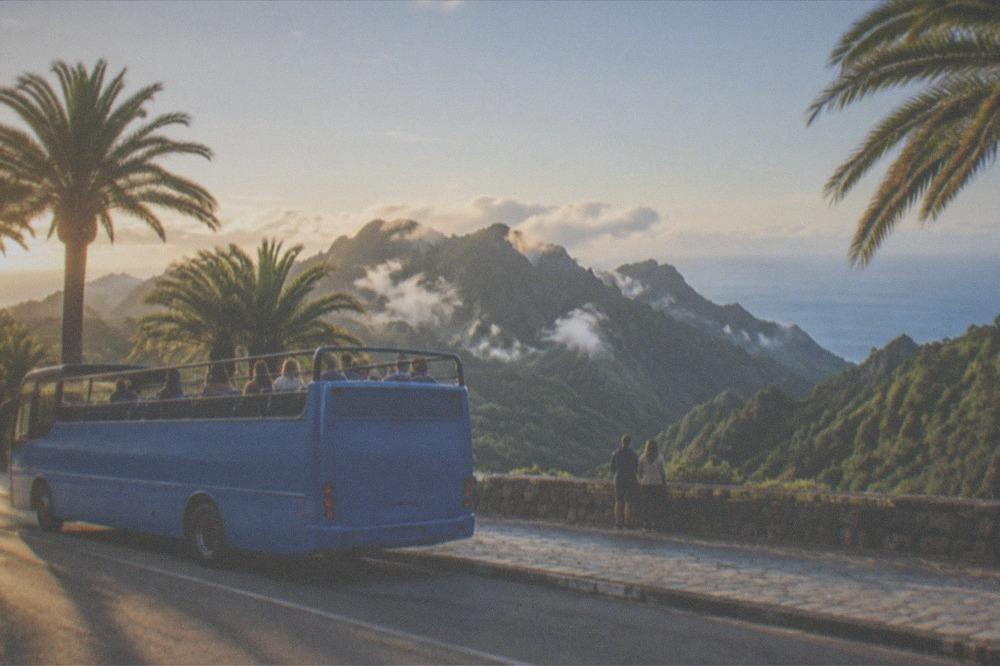
Madeira's road network is an engineering spectacle, with tunnels and cliff-hugging viaducts, and driving it is part of the experience for many visitors. The buses reach the main towns but the frequency thins fast outside Funchal and the calendar of rural routes shrinks at weekends, so most walking itineraries assume either a car or a transfer. If your holiday plan is "one base, no driving", Tenerife's resorts are built for exactly that; if your plan is "a different trailhead every morning", both islands push you towards wheels of some kind.
Which Island Is Better for Families?
Tenerife is the stronger family island, and the reason is simple: it has purpose-built attractions that Madeira does not attempt. Siam Park is open 365 days a year, 10:00 to 18:00 from 1 May to 29 October and 10:00 to 17:00 the rest of the year, and Loro Parque opens 09:30 to 17:30 every day of the year with its own car park at EUR 7 a day. Madeira's family offer is nature, gardens and cable cars rather than rides and animal shows.
The Tenerife park roster is deep enough that families can fill a fortnight: Siam Park in Costa Adeje, Loro Parque in Puerto de la Cruz, Aqualand, Jungle Park and Monkey Park, plus whale watching off the south coast where the operator's listing matters. Loro Parque's own release records that Tripadvisor awarded Siam Park the Travellers' Choice award for best water park in the world for a fifth consecutive year, and this desk attributes that claim rather than restating it as settled fact. The combined Loro Parque and Siam Park ticket is the standard money-saver for families doing both parks on one trip, and the twin ticket is the product this desk would point families at first.
Madeira does families well in a quieter register: cable cars, tropical gardens, a mild climate that never forces a pool indoors, and sea pools that children can swim in safely. What it does not have is the ride-and-show infrastructure, and if your children measure holidays in water slides, that decides the question on its own. Our things to do in Tenerife page carries the full attraction list, and the Canary island comparison extends the question to Lanzarote, Gran Canaria and Fuerteventura if the shortlist is wider than two.
What About Whale Watching and Nature?
Tenerife has one of Europe's few legally regulated whale-watching industries, run under Decreto 178/2000, which bans approaches within 60 m, caps boats at three within 500 m, limits speed to 4 knots inside 500 m and forbids swimming within 500 m of the animals. The World Cetacean Alliance designated the Tenerife-La Gomera marine area a Whale Heritage Area in January 2021, citing a unique resident population of pilot whales. Madeira's wildlife is different in kind: seabirds, dolphins offshore and forest endemism rather than resident whales.
The Tenerife rules matter to a visitor because they give you a way to choose a boat. Authorised vessels must fly the Barco Azul, the Blue Boat flag, issued with the permit and at each annual renewal, so a flag on the mast is a legal document rather than decoration. The resident pilot whales live in the channel between Tenerife and La Gomera, inside a Special Area of Conservation, and the World Cetacean Alliance's page also records bottlenose dolphins and a migration stop for 21 other cetacean species. No official population count exists, and this desk does not print the "250 to 500 pilot whales" figure that circulates in guides.
The south coast bases, Los Cristianos, Costa Adeje and Los Gigantes, are where the fleet works, and the Los Gigantes cliffs, which the tourist board describes as towering up to 600 m, give the western trips their backdrop. A sailboat, rather than a large catamaran, is the quietest way onto that water, and the sailboat cruise out of Los Gigantes is the trip this desk would shortlist from the south coast.
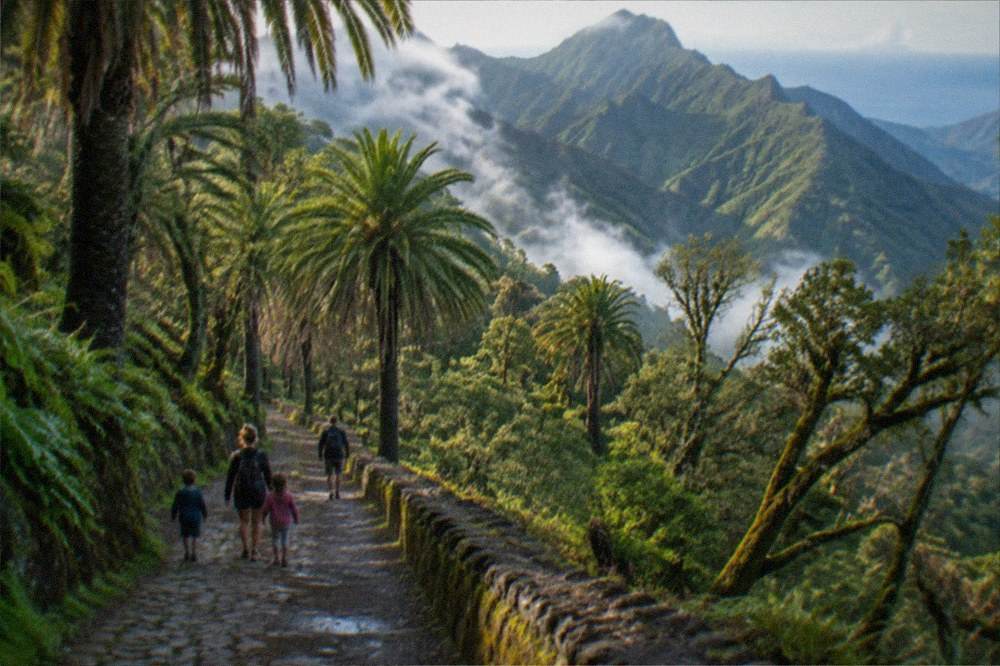
Madeira's nature story runs through its laurel forest, seabird colonies and offshore dolphin trips rather than resident whales, and its protected areas are celebrated for plant species found nowhere else. This desk holds no verified Madeira wildlife figures, so the honest comparison is structural: Tenerife's marine wildlife is resident, regulated and bookable on a schedule; Madeira's is seasonal, broader and less centrally managed. A naturalist with a free choice would reasonably do both.
So, Tenerife or Madeira?
Choose Tenerife for a warm-water beach holiday, family attractions, a volcano you can stand beside and a regulated whale-watching industry, all served by two airports and a bus network you can genuinely use. Choose Madeira for walking, gardens, cooler summer air and a quieter, more grown-up pace, accepting a rockier coast and fewer sandy beaches. The two islands are not rivals so much as different answers to the question of what a week away is for.
A few Tenerife specifics sharpen the choice. The island's scale is real: 5,242,653 people visited Teide National Park in 2024, making it the most visited park in Spain's national park network, and the south coast resorts run at full British-season tempo, with the UK the largest source market at 2,057,896 lodged tourists in 2025, 37.8% of the total. If you want that energy, it is there in abundance; if you want to escape it, the north, Anaga and the summit trails are a short drive from it. Our guides to Tenerife vs Gran Canaria and Tenerife vs Lanzarote run the same comparison against the other Canary shortlist entries, and this Tenerife Travel Guide site carries the full island coverage.
Madeira rewards a different traveller, and the honest note to end on is that many people who love one island love the other too, on a different kind of trip. Walk Madeira in spring, swim Tenerife in winter, and the comparison stops being a contest. Whatever you choose, book the things that need booking, the Teide summit reservation on Tenerife ON, the Masca descent at its own site, and confirm anything time-sensitive in Madeira with the local operator before you travel.
Common Questions About Tenerife vs Madeira
Is Madeira cheaper than Tenerife?
No verified Madeira price data exists in this desk's fact file, so no honest figure-by-figure comparison can be made here. What is verified on the Tenerife side: there is no per-night tourist tax, the Canaries apply IGIC rather than VAT at 7% on everyday goods, and the main visitor charges are the Teide trail fees of EUR 15 and EUR 6, the EUR 40.66 Masca ticket and the EUR 15 Barranco del Infierno entry. Compare your actual dates, flights and base on both islands with current local sources before deciding on cost alone.
Is Madeira as hot as Tenerife?
Generally no. AEMET's normals put Santa Cruz de Tenerife at a January mean of 18.2 Celsius rising to 25 in July, and the sea off the south coast runs from 19.1 to 23.7 Celsius through the year. Madeira lies further north in the Atlantic and its oceanic climate keeps it milder than the European mainland but typically a few degrees cooler than the Canaries, especially in winter, which is why Tenerife is the surer choice for swimming weather.
Which island is better for winter sun?
Tenerife. Its south coast records a mean daily maximum of 21.7 Celsius in January with only 17 mm of rain across the month, and the sea stays near 20 Celsius, while the higher interior can still see frost and snow on the summit trails. Madeira's winter is mild by European standards but cooler, and its coast offers sea pools more often than open sandy beaches.
Can you visit Mount Teide without booking anything?
Partly. Driving through Teide National Park, using the viewpoints and walking most other trails currently needs no booking, as a temporary measure running to 31 December 2026. But the summit trail PNT 10 and the Montaña Blanca trail PNT 07 both need a Tenerife ON reservation, the summit's daytime slots costing EUR 15 for visitors, and the cable car is a separate operator ticket that stops at La Rambleta at 3,555 m rather than at the crater.
Do you need a car on either island?
Not on Tenerife if you base in the south: TITSA buses serve both airports, routes 10, 40, 711, 343 and 415 at Tenerife South, and visitor travelcards cost EUR 10 for a day or EUR 50 for a week. Madeira is manageable without a car between Funchal and the main towns, but its steep side roads and thin rural bus frequencies mean most walkers use a car or organised transfers to reach trailheads.
Which island has better whale watching?
Tenerife, for resident whales. The channel between Tenerife and La Gomera holds a resident pilot whale population inside a Special Area of Conservation, the industry is regulated by Decreto 178/2000 with a 60 m approach limit and the Barco Azul flag system, and the World Cetacean Alliance designated the area a Whale Heritage Area in January 2021. Madeira offers dolphin and seabird trips, but no comparable resident whale population.