Tenerife vs Fuerteventura
Tenerife and Fuerteventura sell different holidays, and the honest answer to which is nicer depends on what you want from a week away. This comparison sticks to figures that official sources actually publish.
Short answer
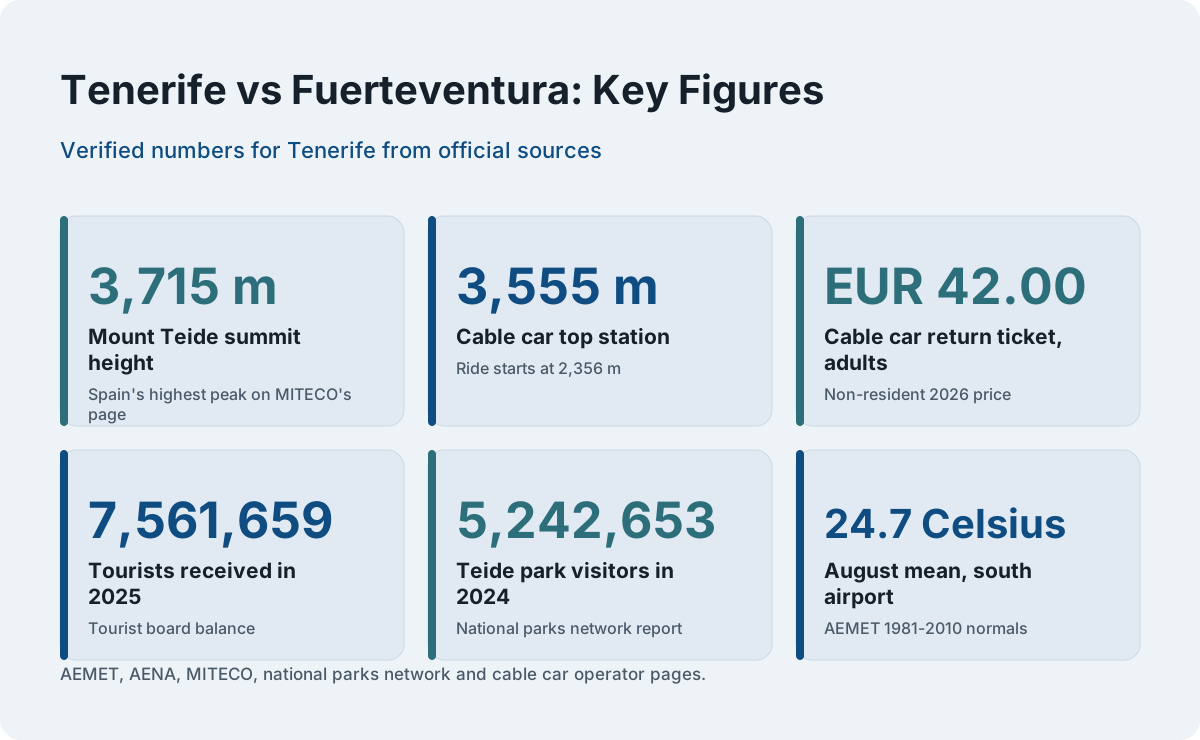
Tenerife suits travellers who want dramatic scenery, a volcano you can ride a cable car up, whale watching and big parks; Fuerteventura suits travellers whose holiday is built around beaches, wind sports and quiet. Tenerife is the larger, busier and more varied island, with 7,561,659 tourists in 2025, and it holds Spain's highest peak.
Two Canary islands, two very different holidays. Tenerife, the largest of the archipelago's islands by population with about 960,000 residents across 31 municipalities, packs a 3,715 m volcano, a UNESCO World Heritage national park, a second UNESCO-listed colonial town and a whale watching industry regulated by its own Canary decree into a landmass you can drive around in a day. Fuerteventura, the second largest of the islands by area, is flatter, drier and famous above all for its beaches and wind. Choosing between them is not about which is objectively better, because no official body ranks islands. It is about matching what each island verifiably offers to the holiday you actually want.
This page compares the two using only figures from official sources: AEMET's climate normals, AENA's airport statistics, TITSA's published fares and lines, the Cabildo de Tenerife's permit rules and the tourist board's own 2025 balance. Where no verified figure exists for Fuerteventura, the comparison says so plainly rather than guessing. For a wider comparison across the whole archipelago, read which Canary island is best, and for the choice within Tenerife itself see Tenerife North vs South.
Which Is Nicer, Tenerife or Fuerteventura?
No official source declares either island "nicer", and the honest answer is that they optimise for different holidays: Tenerife concentrates dramatic scenery, a volcano, whale watching and large parks onto one busy island that received 7,561,659 tourists in 2025, while Fuerteventura is the archipelago's beach-and-wind island, quieter, flatter and built around its coastline rather than around any single landmark.
The word "nicer" hides a real decision. Tenerife's variety is documented on official pages: Teide National Park, declared by decree on 22 January 1954 and inscribed by UNESCO in 2007, is Spain's most visited national park, with 5,242,653 visitors in 2024 according to the national parks network's own report. Fuerteventura has no comparable single draw, but it also has none of the crowds that figure implies. The tourist board's 2025 balance records 5,451,268 tourists lodged in Tenerife's hotels and apartments, with the UK the largest source market at 2,057,896 lodged tourists, 37.8% of the total.
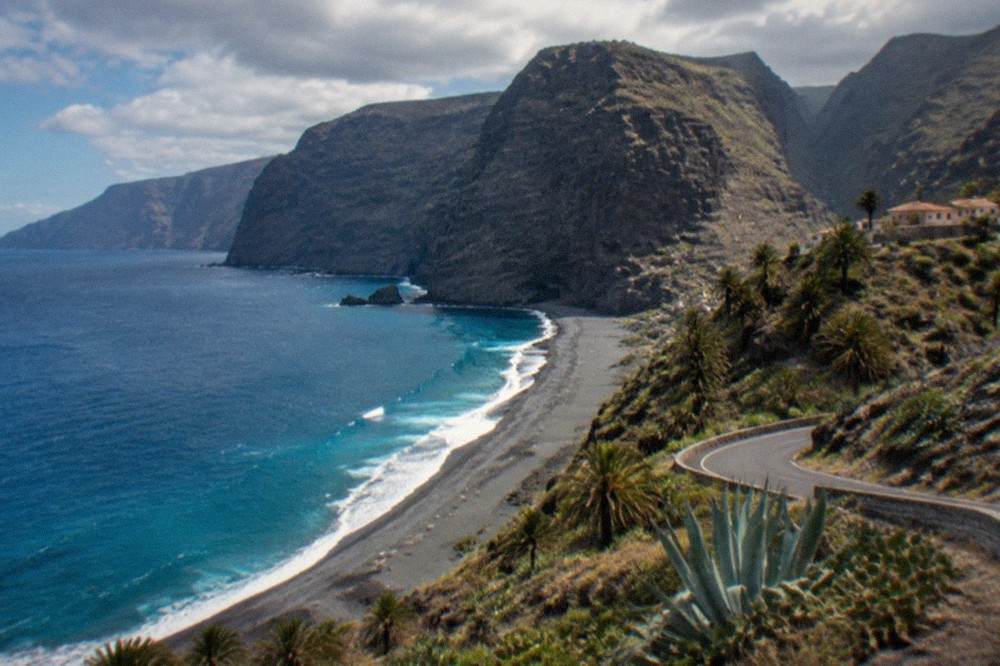
What that means in practice is a trade between intensity and ease. Tenerife's south coast, from Los Cristianos through Costa Adeje to Los Gigantes, is a dense resort corridor, and the island's interior is a protected volcanic landscape where two trails now carry public fees. Fuerteventura's appeal is its coastline, and travellers whose holiday is centred on the beach, on kitesurfing or on simply not driving much tend to weigh it favourably. Travellers who want a day of volcano, a day of whales, a day of a water park and a day of colonial streets, all from one hotel base, are describing Tenerife.
Is Tenerife or Fuerteventura Better?
Tenerife is the better choice for scenery, wildlife and family attractions, because it alone of the two holds a 3,715 m volcano with a cable car, a resident population of pilot whales protected by Decreto 178/2000, and two of the Canary Islands' biggest parks, Siam Park and Loro Parque; Fuerteventura is the better choice for a beach-first holiday with fewer bookings, fewer permits and less driving between sights.
"Better" depends on the itinerary you are planning, so it helps to list what only one of the islands can offer. On Tenerife, the cable car operator's own page lists the ride from the base station at 2,356 m to La Rambleta at 3,555 m, with a return ticket at EUR 42.00 for non-resident adults in 2026. The summit crater is a separate permit-only trail, PNT 10 Telesforo Bravo, booked through Tenerife ON; the whale watching fleet out of Los Cristianos, Costa Adeje and Los Gigantes operates under Decreto 178/2000, which forbids any approach within 60 m of the animals, caps boats at three within 500 m and requires authorised vessels to fly the Barco Azul flag. The World Cetacean Alliance designated the Tenerife-La Gomera marine area a Whale Heritage Area in January 2021.
Fuerteventura's strengths are not the kind official pages rank, and this site holds no verified fact packet for the island, so no figure is stated here about its beaches, distances or attractions. What can be said honestly is structural: it has no volcano cable car, no resident pilot whale population with an international designation and no park on the scale of the two named above, and travellers who want those things should not choose it. Travellers who want a simpler holiday, with fewer timed reservations and less mountain driving, often prefer it, and that preference is legitimate even though no statistic backs it.
If the Tenerife side of that list is what you are shopping for, these are three of the island's most-booked experiences:
Where Is Warmer, Tenerife or Fuerteventura?
No verified comparison table exists for this site covering Fuerteventura's temperatures, so no figure is stated for that island; what AEMET's published normals do show is that Tenerife's south coast averages a mean of 24.7 Celsius in August against 18.5 Celsius in January at the south airport station, with sea surface temperatures off the south coast peaking at 23.7 Celsius in September and October.
Both islands share the Canary Islands' general reputation for mild winters, and this site will not invent a degree for Fuerteventura. What can be shown precisely is Tenerife's own record, station by station, because AEMET publishes 1981-2010 normals for four stations on the island. The contrast within Tenerife is itself a planning fact many comparison articles skip: the south airport station is markedly drier and sunnier than the capital, and the Teide ridge at Izana is a different climate altogether, with a January mean of 4.3 Celsius.
| Month | Santa Cruz mean C | Tenerife South Airport mean C | Tenerife North Airport mean C | Izana (Teide ridge) mean C |
|---|---|---|---|---|
| Jan | 18.2 | 18.4 | 13.1 | 4.3 |
| Feb | 18.3 | 18.5 | 13.4 | 4.7 |
| Mar | 19.0 | 19.3 | 14.5 | 6.4 |
| Apr | 19.7 | 19.5 | 14.7 | 7.6 |
| May | 21.0 | 20.4 | 16.1 | 10.1 |
| Jun | 22.9 | 22.1 | 18.1 | 14.4 |
| Jul | 25.0 | 24.0 | 20.2 | 18.5 |
| Aug | 25.5 | 24.7 | 21.2 | 18.2 |
| Sep | 24.9 | 24.5 | 20.7 | 14.5 |
| Oct | 23.4 | 23.4 | 18.9 | 10.6 |
| Nov | 21.3 | 21.5 | 16.5 | 7.8 |
| Dec | 19.4 | 19.7 | 14.3 | 5.6 |
Rainfall tells the same story from another angle. AEMET's annual figures give 132 mm of rain across 15.2 wet days at Tenerife South Airport, against 520 mm across 64 days at Tenerife North Airport and 226 mm across 29.7 days in Santa Cruz. The south of the island is where the beach holiday lives, and the numbers explain why. For month-by-month planning, see Tenerife weather by month.
| Month | Sea surface C off the south coast | Rain mm, Tenerife South Airport | Sunshine hours, Tenerife South Airport |
|---|---|---|---|
| Jan | 19.9 | 17 | 193 |
| Feb | 19.2 | 20 | 195 |
| Mar | 19.1 | 15 | 226 |
| Apr | 19.5 | 7 | 219 |
| May | 20.2 | 1 | 246 |
| Jun | 21.4 | 0 | 259 |
| Jul | 22.2 | 0 | 295 |
| Aug | 23.1 | 1 | 277 |
| Sep | 23.7 | 4 | 213 |
| Oct | 23.7 | 12 | 214 |
| Nov | 22.5 | 26 | 193 |
| Dec | 21.1 | 30 | 195 |
The sea figures are NOAA's 1991-2020 series and the air figures are AEMET's 1981-2010 normals: two datasets, two periods, and neither should be quoted with the other's dates. One warning that belongs in any warmth comparison: AEMET's Izana station, on the Teide ridge at 2,369 m, records a January mean daily minimum of 1.1 Celsius, and the cable car operator refuses riders with cardiovascular conditions, pregnant women and children under 3 because of the altitude. A winter day can be a beach morning and a near-freezing volcano afternoon on the same island.
What Tenerife Has That Fuerteventura Does Not
Tenerife alone offers Mount Teide at 3,715 m, Spain's highest peak on MITECO's own page, a cable car to 3,555 m, a UNESCO World Heritage national park, the whale watching area designated by the World Cetacean Alliance, the Drago Milenario tree at 800 to 1,000 years by official estimates, and the twin draws of Siam Park and Loro Parque, none of which has an equivalent on Fuerteventura.
Start with the volcano, because it structures everything else. MITECO's technical sheet gives the national park an area of 18,990 ha and calls it the largest and oldest national park in the Canaries; UNESCO inscribed it in 2007 and describes Teide, in its exact wording, as rising 7,500 m above the ocean floor, "regarded as the world's third-tallest volcanic structure". The cable car runs to La Rambleta and no further; the crater trail is a separate reservation on Tenerife ON, and since Monday 19 January 2026 its 09:00 to 17:00 slots cost EUR 15 for visitors, EUR 6 for residents of the other Canary Islands and nothing for Tenerife residents and children. The full permit story, including the weekly Monday 07:00 release rule, is in the Teide summit permit guide.
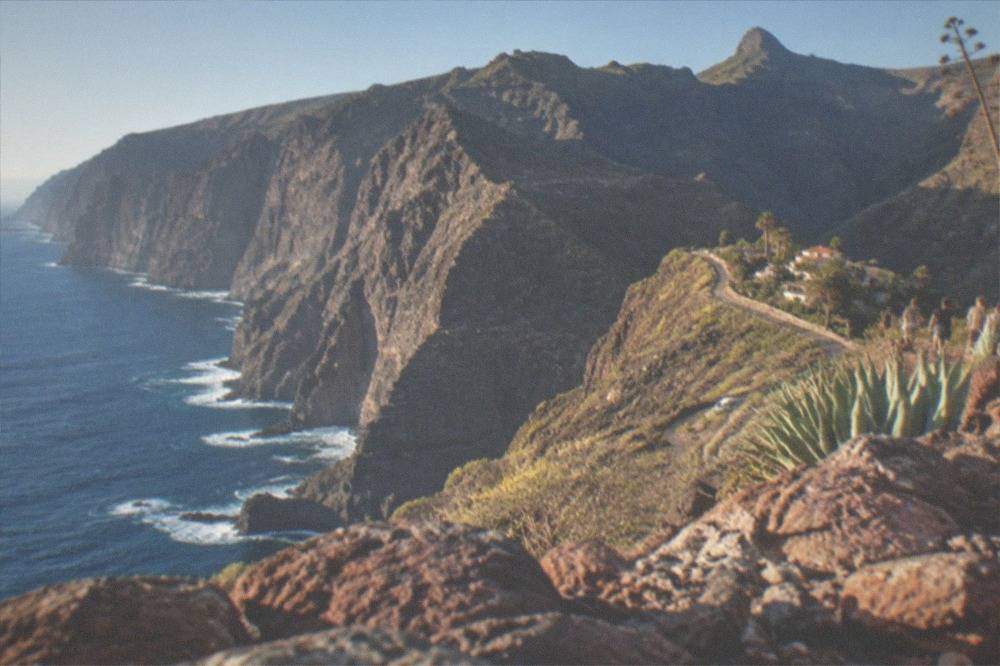
The whale watching fleet is the second thing Fuerteventura cannot match from this comparison's evidence. The World Cetacean Alliance describes a unique resident population of pilot whales and bottlenose dolphins in the Tenerife-La Gomera marine area, with 21 other cetacean species passing through. Decreto 178/2000 polices it: no approach within 60 m, no more than three boats within 500 m, 4 knots maximum within 500 m, no swimming within 500 m, and every authorised boat flying the Barco Azul flag. A reader choosing a boat should look for that flag, and the eco-cruises below are a good place to start comparing. Other pages covering the same trip are gathered on Tenerife Travel Guide.
Then there are the parks. Siam Park is open 365 days a year, 10:00 to 18:00 from 1 May to 29 Oct and 10:00 to 17:00 from 30 Oct to 30 Apr, on its own published hours. Loro Parque opens 09:30 to 17:30 every day of the year, with its own car park at EUR 7 per day. A combined ticket for both exists, and the twin-ticket product below is the straightforward way to buy it. Fuerteventura has attractions, but nothing on this scale appears in any verified source this site holds, and a family weighing the two islands should treat the park question as settled in Tenerife's favour.
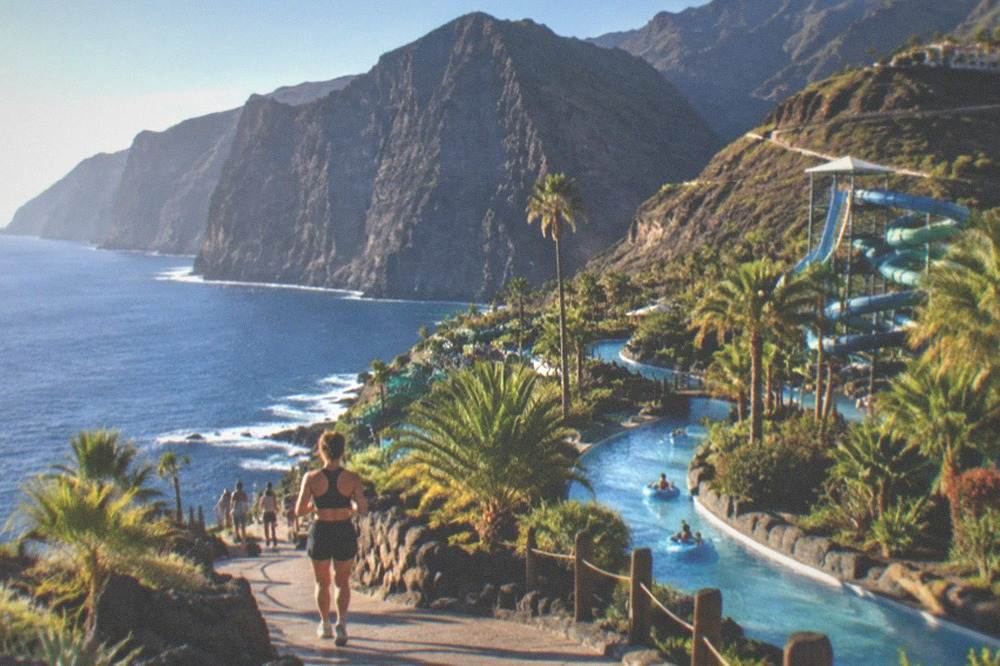
Getting Around: Tenerife's Transport vs an Island You Mostly Drive
Tenerife is the only island of the two with a published bus network this site has verified, TITSA, plus a tram in the north; visitors pay for public transport, with a EUR 10 day travelcard and a EUR 50 seven-day travelcard, and the 100% fare subsidy announced for 2026 applies to resident passes only, so a visitor comparing islands should budget for fares or a hire car either way.
The resident subsidy is the fact most often garbled in comparison articles. The Canary government announced a 100% subsidy on passes and multi-trip tickets for 2026, in force since 1 January 2026, but every subsidised pass requires Canary Islands residency on a personalised card. Visitors buy single tickets, the EUR 10 day travelcard or the EUR 50 seven-day travelcard, sold at airport ticket machines. The tram, run by Metrotenerife, charges EUR 1.35 a single on a transit pass, EUR 1.10 by mobile, and serves neither airport. The full picture is in the TITSA buses guide.
| Airport | AENA's name | TITSA lines listed on TITSA's own airport page |
|---|---|---|
| Tenerife South (TFS) | Tenerife Sur | 10 Santa Cruz; 40 Costa Adeje via Los Cristianos; 711 night bus; 343 express Puerto de la Cruz to Los Cristianos via both airports; 415 El Fraile, San Isidro |
| Tenerife North (TFN) | Tenerife Norte-Ciudad de La Laguna | 20 Santa Cruz via La Laguna; 30 Puerto de la Cruz; 343 express to the south |
AENA's 2025 statistics record 13,969,678 passengers at Tenerife South, an all-time record, and 7,174,977 at Tenerife North. Those numbers matter for the comparison in an indirect way: Tenerife's air connectivity in 2025 covered 34 markets and 159 airports per the tourist board's balance, which is why fares and flight availability from UK regional airports tend to favour it. This site holds no equivalent verified figures for Fuerteventura's airport and states none. If you are weighing car hire against buses on Tenerife, read car hire in Tenerife before deciding.
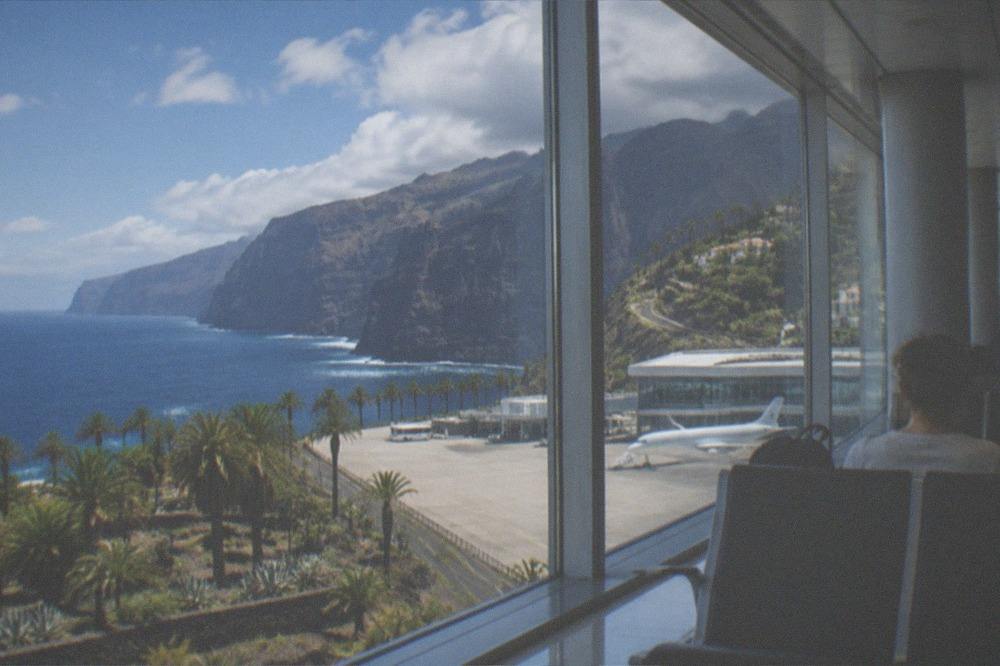
What Fuerteventura Offers Instead
Fuerteventura's case rests on its coastline and its pace rather than on any landmark this site can verify: it is the choice travellers make when the holiday is the beach itself, when they want wind and water sports, and when they would rather not plan around permits, cable car timetables and timed boat departures, and none of those preferences needs a statistic to be legitimate.
Honesty requires saying what this site can and cannot document. There is no verified fact packet for Fuerteventura in this project's research, so this page states no figure for its beaches, its dunes, its distances or its attractions. What can be said is what Tenerife asks of a visitor that a quieter island does not. The Teide summit trail needs a personal reservation released every Monday at 07:00 Canary time with 56 days bookable. The Masca gorge descent needs a EUR 40.66 ticket booked in advance, a pre-booked boat exit, arrival on TITSA line 355 from Santiago del Teide and closed mountain footwear, with private vehicles refused. El Pijaral in Anaga needs a Tenerife ON reservation and bars company-run tours altogether.
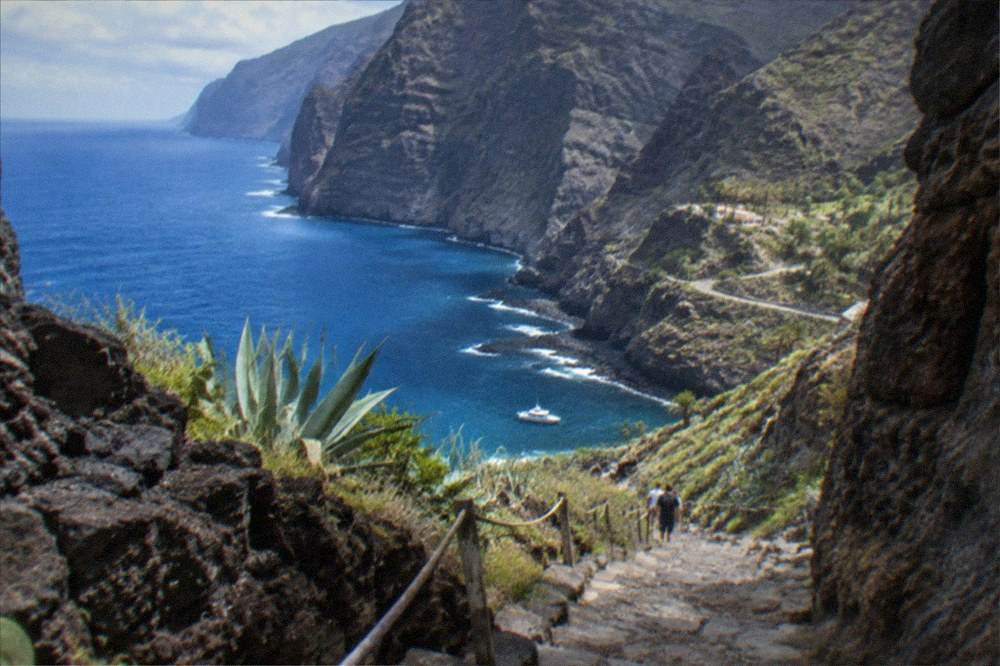
That is the deal Tenerife offers: the most dramatic walking in the archipelago, administered through a booking system, in exchange for planning. Travellers who would find that administration stressful rather than part of the adventure are the ones who come back from Fuerteventura happier, and no amount of Tenerife's variety changes that. Equally, travellers who imagine Fuerteventura as "Tenerife but quieter" should understand that quiet is nearly all it shares: the volcano, the whales, the parks and the UNESCO inscriptions sit on the other island. For a comparison against islands closer to Tenerife's character, see Tenerife vs Gran Canaria and Tenerife vs Lanzarote.
Tenerife vs Fuerteventura for Families
Families choosing between the two should weigh Tenerife's verified attractions, Siam Park, Loro Parque and the whale watching fleet, against Fuerteventura's simpler beach holiday, and note Tenerife's own rules: the cable car bars children under 3, the summit trail bars under-3s and requires an adult for under-16s, and Barranco del Infierno sets its child ticket at ages 5 to 12 with under-5s not allowed.
The family question is where Tenerife's density of attractions tells. A week based in Costa Adeje can pair a water park day with a boat day and a volcano day without changing hotels, and the twin ticket for the two parks is sold as a single product. The age rules are worth knowing before you book anything, because they are stricter than many families expect. The cable car's child fare runs from age 3 to 13, and the operator does not allow children under 3, pregnant women or people with cardiovascular conditions. The Teide Observatory takes guided visits by prior reservation only, with under-16s free.
| Tenerife attraction | Age and access rules from the official page |
|---|---|
| Teide cable car | Children under 3 not allowed; child fare 3 to 13; pregnant women and people with cardiovascular conditions not allowed |
| Summit trail PNT 10 | No access under 3; under-16s only with an adult; children exempt from the fee, the booking page shows the age band |
| Barranco del Infierno | Under-5s not allowed; child ticket 5 to 12; advance online booking compulsory, EUR 15 non-resident adult |
| Masca gorge | Closed mountain footwear mandatory; arrival on TITSA line 355 only; boat exit pre-booked, no later than 4 hours after the descent slot |
| Teide Observatory | Guided visits by prior reservation only; under-16s free |
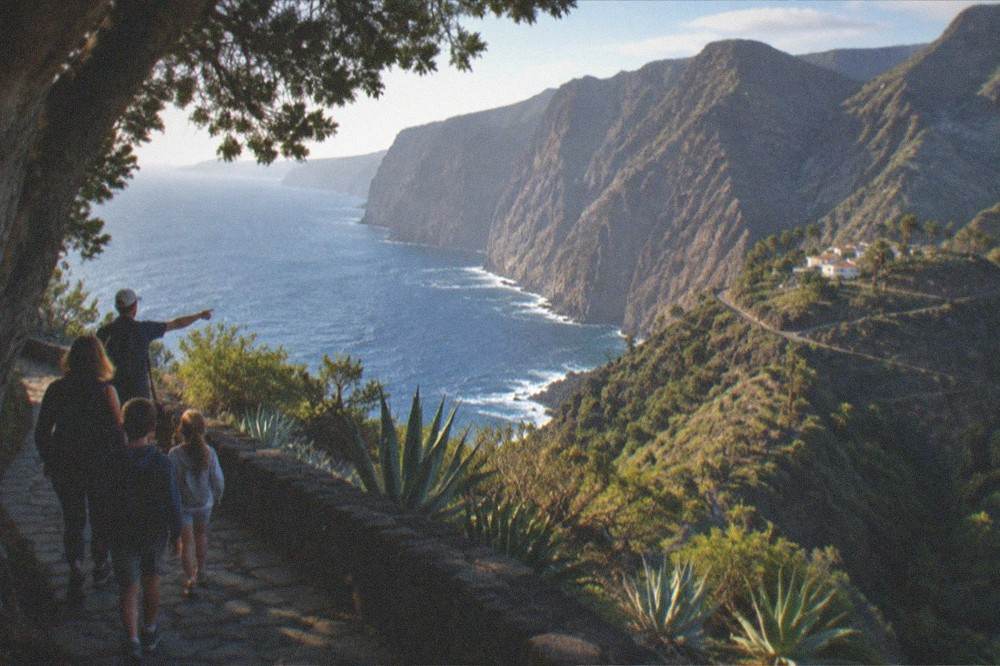
Fuerteventura's family case is the beach itself, plus the absence of the rules in that table. There is nothing to book, no permit to time and no altitude to worry about, and for families with very young children that simplicity is worth more than any attraction. Against it, Tenerife offers a rainy-day inventory Fuerteventura cannot match from this site's evidence: with 15.2 wet days a year at the south airport, you may not need it often, but the parks, the shows and the towns are there when you do. For more on planning with children, see Tenerife with kids.
The Costs That Actually Differ
Neither island charges a tourist tax, because no official page shows a per-night lodging tax in force or approved on Tenerife, and the charges that do exist there are per-booking fees on specific trails: EUR 15 for the Teide summit daytime slots, EUR 6 to 10 on the Montana Blanca trail depending on the day, EUR 40.66 at Masca and EUR 15 at Barranco del Infierno, all in euros exactly as the official pages state them.
The tax question comes up in every island comparison, and the verified answer matters. Tenerife has no tourist tax, and anything about future proposals is unsourced, so it is not stated here. The Canaries also apply IGIC rather than VAT, and the tax agency's table shows 7% on everyday goods, with non-resident travellers able to claim it back on form 403. What Tenerife does charge, precisely, is trail fees, and the table below is the honest cost picture a comparison needs.
| Booking | Visitor price | Notes from the official page |
|---|---|---|
| Teide summit PNT 10, 09:00 to 17:00 slots | EUR 15 | EUR 6 for other Canary Islands residents; free for Tenerife residents and children; non-refundable |
| Montana Blanca PNT 07, working days | EUR 6 | EUR 3 for other Canary residents |
| Montana Blanca PNT 07, weekends and holidays | EUR 10 | EUR 5 for other Canary residents |
| Masca gorge descent | EUR 40.66 | Boat not included; Tenerife residents free; footwear rule enforced |
| Barranco del Infierno | EUR 15 | EUR 5 for Canary residents; online booking compulsory |
| Teide cable car return | EUR 42.00 adult, EUR 21.00 child | Shown as "price from"; resident rates lower |
| TITSA day travelcard | EUR 10 | Seven-day card EUR 50; airport machines |
Set against that, most of Tenerife costs nothing at all. Driving through the national park, the viewpoints, the beaches, the old towns of La Laguna and Garachico and every trail other than the reservation-only list carry no charge on any official page read, and Tenerife ON states that its other trails need no authorisation until 31 December 2026 under a temporary measure. A family can spend a full week on the island paying nothing beyond accommodation, food and transport. What the fees buy is access to the two or three most extraordinary places, and that is a fair way to frame the comparison: Fuerteventura will rarely ask you to book anything, and Tenerife will occasionally insist on it.
Which Should You Choose?
Choose Tenerife if you want the volcano, the whales, the big parks and the variety of a busier, larger island, and accept that its headline experiences need bookings; choose Fuerteventura if your holiday is the beach and the water and you would rather not plan around permits, timetables and quotas, because those two descriptions cover almost every traveller asking the question.
A one-line summary of everything above: Tenerife is the island with the record books on its side, from Spain's highest peak to its most visited national park, and Fuerteventura is the island that asks less of you. Neither official source calls either island nicer, and any article that does is offering an opinion dressed as a fact. What the sources do support is a clean decision rule. If the sentence "cable car to 3,555 m" or "pilot whales off the south coast" is the reason you are comparing islands in the first place, the comparison is already over. If the sentence "no bookings, no permits, just the beach" is the one you prefer, it is over the other way.
For the travellers in the first group, these are the three experiences this comparison has kept returning to, and they are the ones to price first:
Common Questions About Tenerife vs Fuerteventura
which is nicer, fuerteventura or tenerife?
No official source ranks either island as nicer. Tenerife offers the volcano, the whale watching area, the big parks and the UNESCO inscriptions; Fuerteventura offers a beach-first, lower-effort holiday. Which is nicer depends entirely on which of those two descriptions sounds like your week away.
Is Fuerteventura or Tenerife nicer?
The honest answer is that "nicer" is a preference, not a fact. Tenerife is the more varied island and the one with the documented headline attractions; Fuerteventura is the quieter, beach-centred one. Travellers who want scenery and experiences tend to prefer Tenerife, and travellers who want sand and simplicity tend to prefer Fuerteventura.
Is Fuerteventura or Tenerife better?
Tenerife is better for scenery, wildlife and family attractions: the 3,715 m volcano, the cable car, the Whale Heritage Area and the two large parks are all on Tenerife. Fuerteventura is better for a beach holiday with fewer bookings and less driving, and no verified figure contradicts either claim.
Is Fuerteventura chavvy?
No official source, government travel advice or tourism body describes Fuerteventura or its visitors in those terms, and this site will not repeat a stereotype as if it were a fact. Both islands have busy resort areas and quiet ones; the choice between them should rest on what each offers, not on name-calling.