Whale and Dolphin Watching in Tenerife
The stretch of sea between Tenerife and La Gomera holds a resident population of pilot whales and bottlenose dolphins, and every boat that goes out to see them works under a Canary decree that sets the distances, the speeds and the flags. This guide sets out what the rules say, when to go and how to pick a trip.
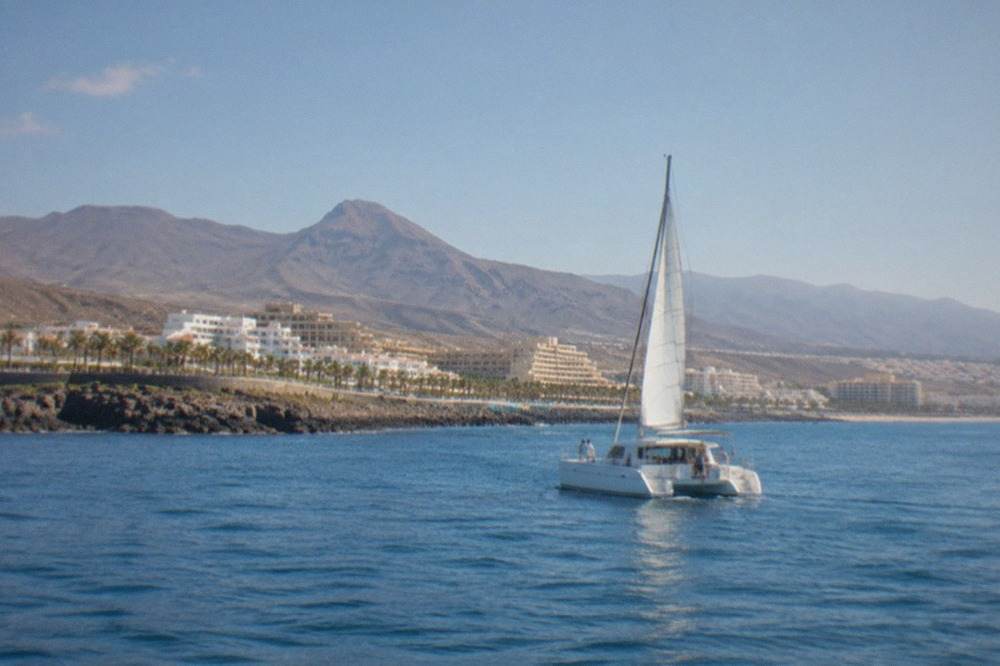
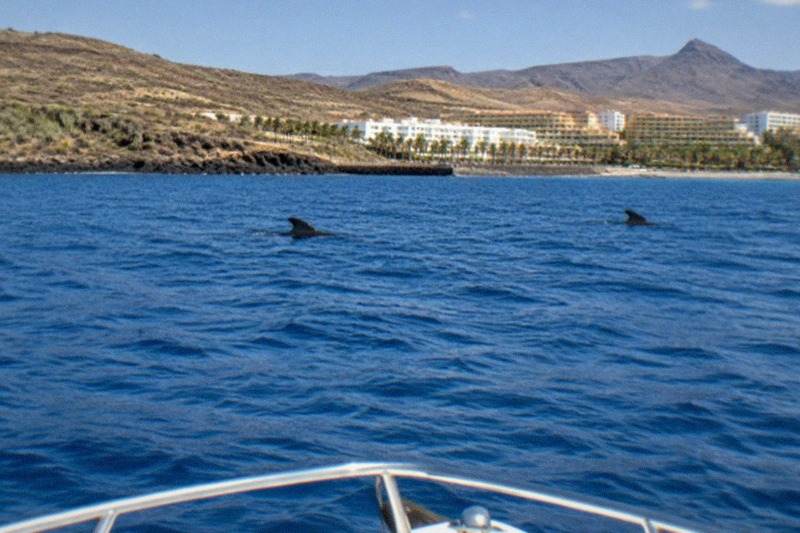
Eco Yacht Safari, Swim Stop
Travelin’ Lady: Eco Yacht Whale & Dolphin Safari + Swim
Glide out on an eco electric yacht through the waters between Tenerife and La Gomera, where a resident pilot whale population lives year round. There is time for a swim stop on the way back.
from $34.34 Per person, in USD. A promotional rate, so the regular price is higher.
Check Price & Availability →Opens the live booking page with up-to-date dates and prices. All booking and payment happen there; this guide takes none of it.
- Area
- Los Cristianos
- Length
- 1 hour 30 minutes
- Kind
- Whale and Dolphin Watching
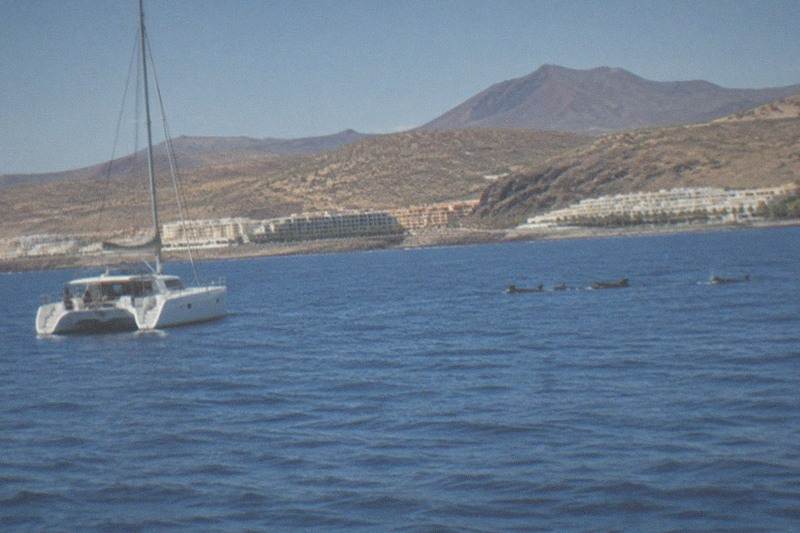
No-Chase Catamaran, Underwater Windows
Tenerife: Eco No-Chase Respectful Whale & Dolphin Encounter
from $32.16 Per person, in USD. A promotional rate, so the regular price is higher.
Check Price & Availability →- Area
- Los Cristianos
- Length
- 1 hour 30 minutes
- Kind
- Whale and Dolphin Watching
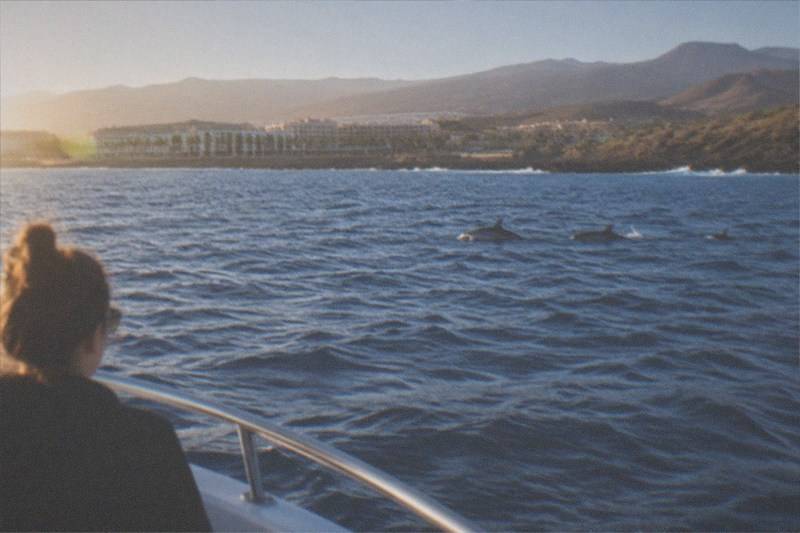
Puerto Colon Catamaran, Food and Drinks
Costa Adeje: Whale & Dolphin Eco-Cruise with Snacks & Drinks
from $53.98 Per person, in USD. The total depends on the date and option you pick.
Check Price & Availability →- Area
- Costa Adeje
- Length
- 3 hours
- Kind
- Whale and Dolphin Watching
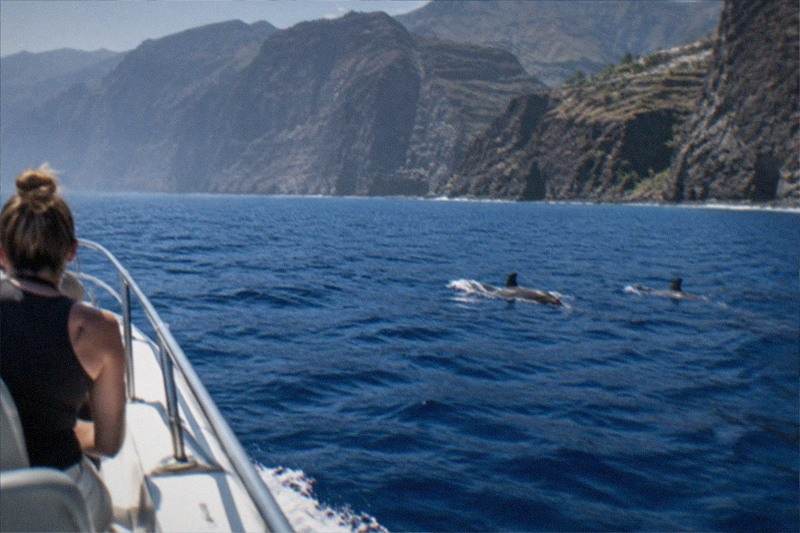
Los Gigantes Cliffs, Swim Stop
Los Gigantes: Dolphin & Whale Watching Cruise with Swim Stop
from $32.16 Per person, in USD. The total depends on the date and option you pick.
Check Price & Availability →- Area
- Los Gigantes
- Length
- 2 hours
- Kind
- Whale and Dolphin Watching
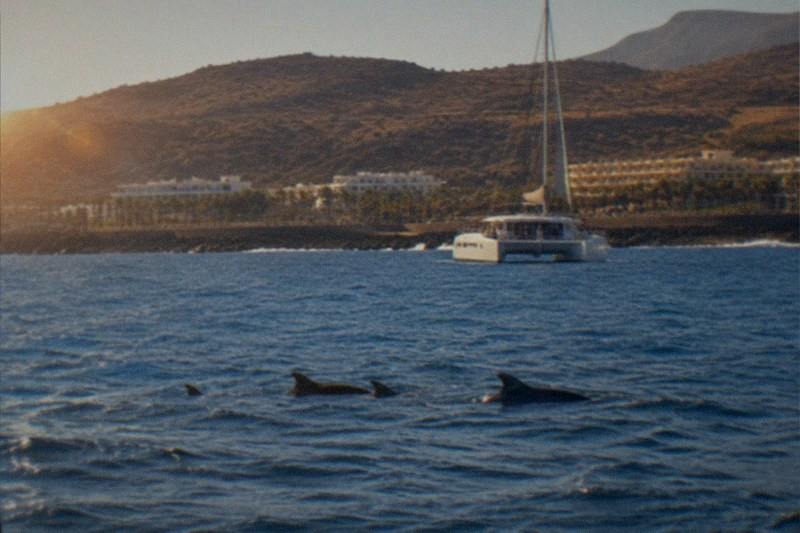
Catamaran, Drinks, 2 or 3 Hours
Costa Adeje: Whale Watching Catamaran Tour with Drinks
from $40.20 Per person, in USD. The total depends on the date and option you pick.
Check Price & Availability →- Area
- Costa Adeje
- Length
- 2 to 3 hours
- Kind
- Whale and Dolphin Watching
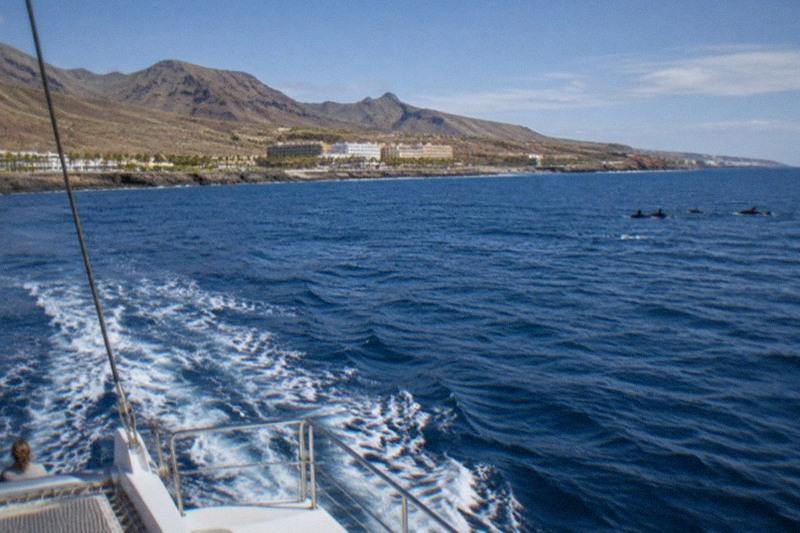
Catamaran, Buffet and Transfer
Whale and Dolphin Watching Catamaran with Transfer and Buffet
from $73.77 Per person, in USD. The total depends on the date and option you pick.
Check Price & Availability →- Area
- Costa Adeje
- Length
- 3 hours
- Kind
- Whale and Dolphin Watching
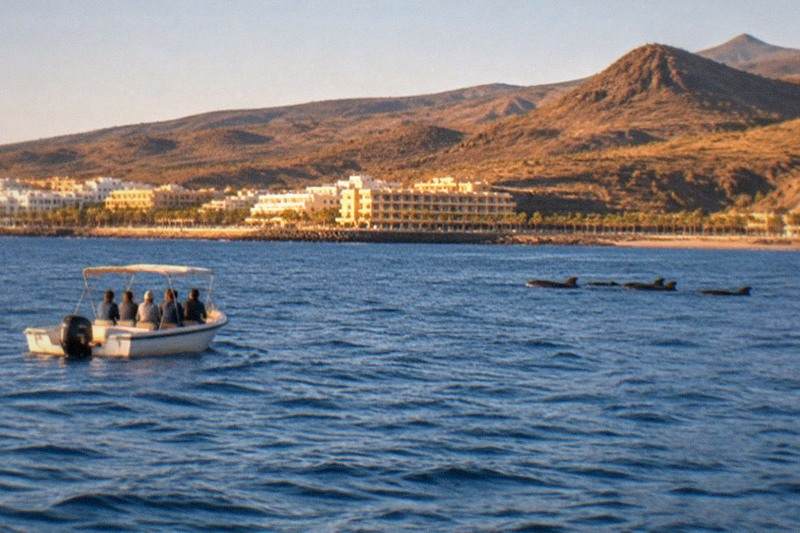
No-Chase Trip, Los Cristianos
Leaders in Eco Respectful No chase whale and dolphin encounters
from $29.27 Per person, in USD. The total depends on the date and option you pick.
Check Price & Availability →- Area
- Los Cristianos
- Length
- 1 hour 30 minutes
- Kind
- Whale and Dolphin Watching
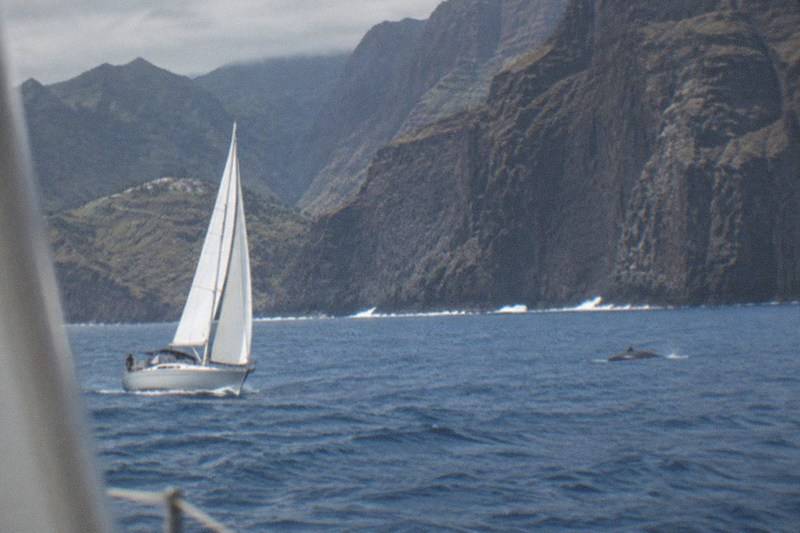
Sailboat Cruise, Los Gigantes
Tenerife: Los Gigantes Whale Watching Cruise by Sailboat
from $86.14 Per person, in USD. The total depends on the date and option you pick.
Check Price & Availability →- Area
- Los Gigantes
- Length
- 3 hours
- Kind
- Whale and Dolphin Watching
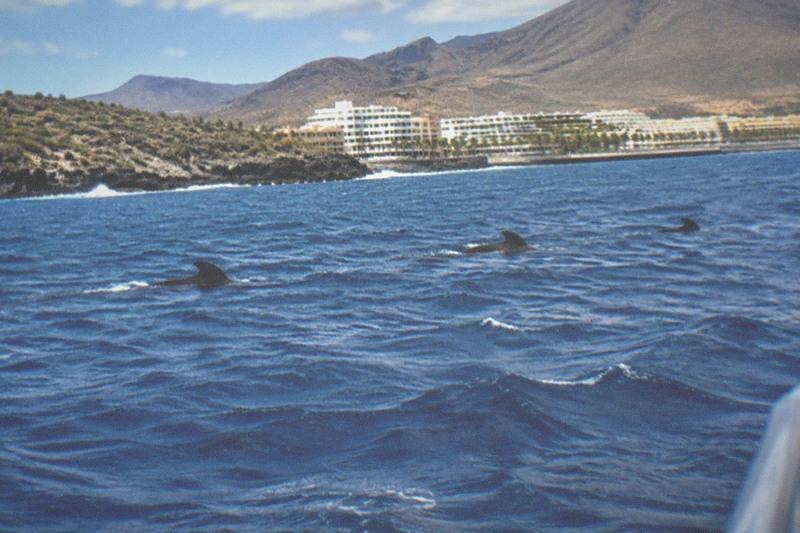
Small Boat, Ten Guests Max
Whale Watching Eco-Adventure from Costa Adeje
from $76.11 Per person, in USD. The total depends on the date and option you pick.
Check Price & Availability →- Area
- Costa Adeje
- Length
- 2 hours
- Kind
- Whale and Dolphin Watching
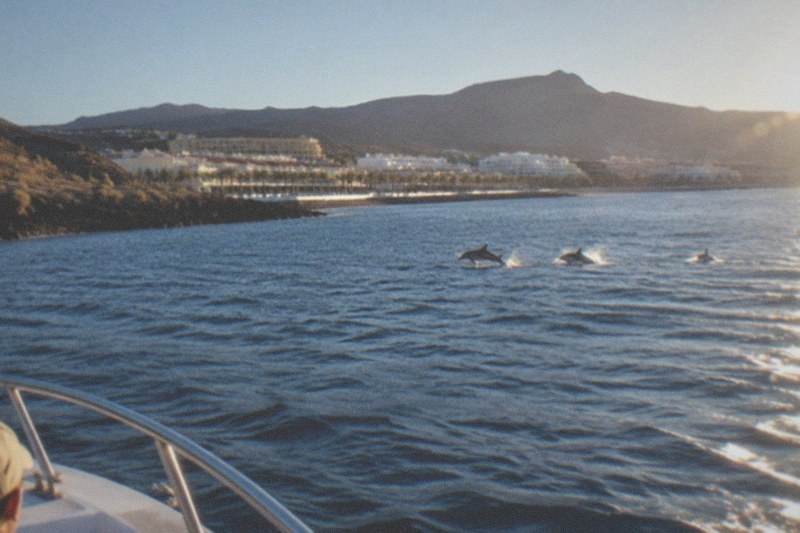
Los Cristianos Cruise, Swim Stop
Tenerife: Whale & Dolphin Watching Cruise & Swim, Los Cristianos
from $32.67 Per person, in USD. The total depends on the date and option you pick.
Check Price & Availability →- Area
- Los Cristianos
- Length
- 2 hours
- Kind
- Whale and Dolphin Watching
Short answer
Yes, whale watching in Tenerife is worth it: the World Cetacean Alliance designates the Tenerife-La Gomera marine area as a Whale Heritage Area with a resident population of pilot whales, and sightings run all year. Every legal trip follows Decreto 178/2000, which bans approaches within 60 m and requires authorised boats to fly the Barco Azul flag.
The sea between Tenerife and La Gomera is one of the few places in Europe where a resident population of pilot whales lives within sight of a major holiday coast. The World Cetacean Alliance (WCA) records the Tenerife-La Gomera Marine Area as a designated Whale Heritage Area since January 2021, describing a unique resident population of pilot whales, bottlenose dolphins and a migration stop for 21 other cetacean species, all inside a Special Area of Conservation. No official count of the whales exists, and this site does not print one. What can be stated with certainty is the legal frame around every trip: a Canary decree from 2000 fixes how close a boat may go, how fast it may travel near the animals and which flags it must fly. That decree, Decreto 178/2000, is the backbone of every honest answer on this page.
Can I See Whales in Tenerife?
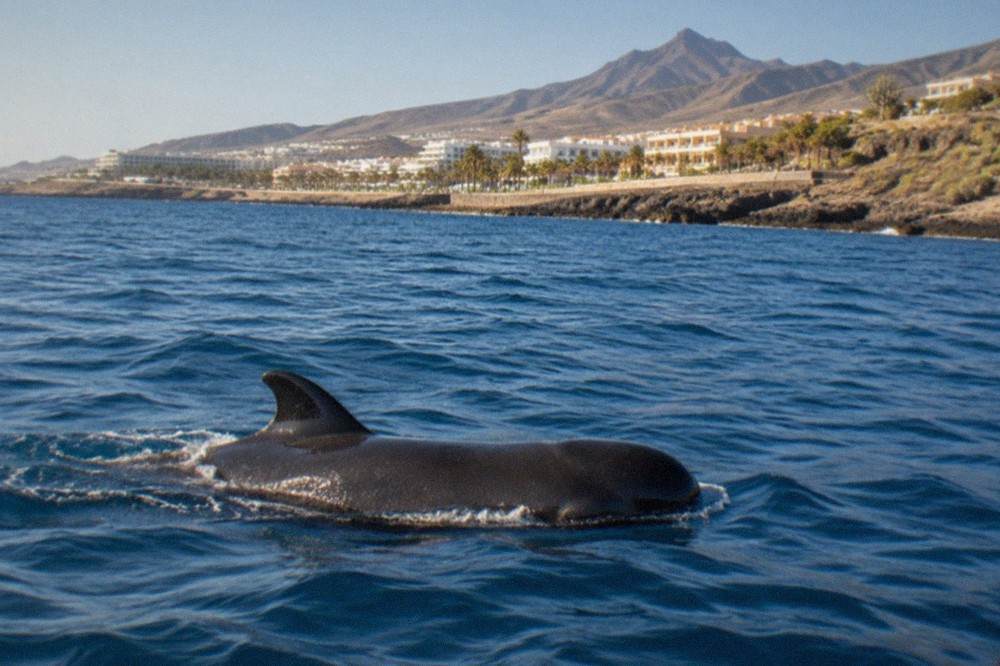
Yes, and at any time of year: the World Cetacean Alliance says the Tenerife-La Gomera Marine Area holds a unique resident population of pilot whales alongside bottlenose dolphins, with 21 further cetacean species passing through as migrants. The designation dates from January 2021 and the area is a Special Area of Conservation, which is why sightings are not tied to a migration season the way they are in most of Europe.
The resident population is the reason Tenerife sells whale watching twelve months a year rather than in a short window. In most whale destinations the animals pass through on a schedule measured in weeks. Here, the WCA's page for the area describes pilot whales and bottlenose dolphins that live in the channel permanently, so a boat leaving Los Cristianos in December is looking for the same animals as one leaving in July. The designation is the World Cetacean Alliance's, made in January 2021 under what the organisation now calls its Whale Heritage Areas programme. It is not a UNESCO listing, and no page read for this site claims it was the first of its kind in Europe.
What the designation means in practice is scrutiny. A Whale Heritage Area is assessed on how the local boat fleet behaves toward the animals, and on Tenerife that behaviour is not voluntary. The next section covers the decree that every licensed boat must obey, because it is the single most useful thing a visitor can know before booking: it turns a vague promise of "eco" into a checklist you can verify from the deck.
Which Rules Govern Every Whale Watching Boat in Tenerife?
Decreto 178/2000, a Canary government decree of 6 September published in the official bulletin on 6 October 2000, governs every trip: no boat may approach within 60 m of a cetacean, no more than three boats may be within 500 m, boats travel at a maximum of 4 knots inside that zone, and swimming or diving within 500 m is banned, as is feeding, chasing or circling the animals. Authorised boats must fly the Barco Azul flag.
Every one of those figures comes from the decree itself, not from a tour operator's marketing. The 60 m approach limit and the 500 m slow zone are the numbers to hold in your head, because they explain what a legal trip looks like from the water: the boat slows well out, holds its distance and lets the animals decide whether to come closer. Pilot whales frequently do close the gap themselves, which is lawful, since the restriction binds the boat and not the whale.
| Rule from Decreto 178/2000 | What the decree says |
|---|---|
| Minimum approach distance | No approach within 60 m of a cetacean |
| Boat numbers near the animals | No more than three boats within 500 m |
| Speed in the zone | Maximum 4 knots within 500 m |
| People in the water | No swimming or diving within 500 m |
| Behaviour bans | No feeding, chasing or circling |
| The flag | Authorised boats must fly the Barco Azul flag, issued by the Canary tourism department with the permit and renewed annually |
The Barco Azul flag is the enforcement handle a visitor can actually use. Article 15 of the decree requires authorised boats to fly it, and it is issued alongside the permit at each annual renewal, so a boat without one is either unlicensed or overdue for inspection. The decree does not describe the flag's colours on the page read for this site, and neither will this one. If a boat circles the animals, feeds them or lets passengers slip into the water beside them, it is breaking the decree regardless of what its website says, and the swimming ban within 500 m is absolute: no legal Tenerife trip offers swimming with whales or dolphins in the open sea.
This is also where the difference between trip styles becomes real rather than cosmetic. A no-chase trip commits to holding course and speed and letting the animals approach, which is what the decree requires anyway, while a large party boat may spend its half hour at the limit of what the rules allow. Both fly the same flag. The choice between them is comfort and group size, not legality.
Where Can I Have a Dolphin Experience in Tenerife?
The honest answer splits in two: dolphin experiences on the water are watching trips out of Los Cristianos, Costa Adeje and Los Gigantes, governed by Decreto 178/2000, which bans swimming within 500 m of cetaceans, so no legal sea trip in Tenerife lets you swim with wild dolphins. Close encounters with dolphins happen at Loro Parque in Puerto de la Cruz, a zoo with a dolphin habitat and a day ticket, which is a different kind of experience entirely.
That split matters because search results blur it. Pages promising "swim with dolphins in Tenerife" mostly lead to one of two things: a boat trip that gets close to wild dolphins but puts nobody in the water, because the decree forbids it, or a park ticket. The wild option is the more remarkable one. Bottlenose dolphins are resident in the channel, the WCA records them beside the pilot whales, and a small boat that holds still will often have dolphins riding its bow wave, which is the animals' choice and the memory most visitors take home.
The park option is Loro Parque, which holds a day ticket sold through this site and sits in Puerto de la Cruz, on the north coast. A family with small children, or anyone who wants certainty rather than probability, may find that the better fit, and the twin ticket combining it with Siam Park is also on sale. What no option on this island offers is a legal swim with a wild dolphin, and any page claiming otherwise is describing something the decree does not permit.
For those who want to be in the sea near marine life rather than beside it, the lawful route is the turtles: kayaking and snorkelling trips in Los Cristianos visit a resident turtle habitat where no cetacean rules apply. The link in the previous sentence goes to the site's full coverage of those trips, and it is the usual workaround for visitors whose real wish was to be underwater with something wild.
What Month Is Best for Whale Watching in Tenerife?
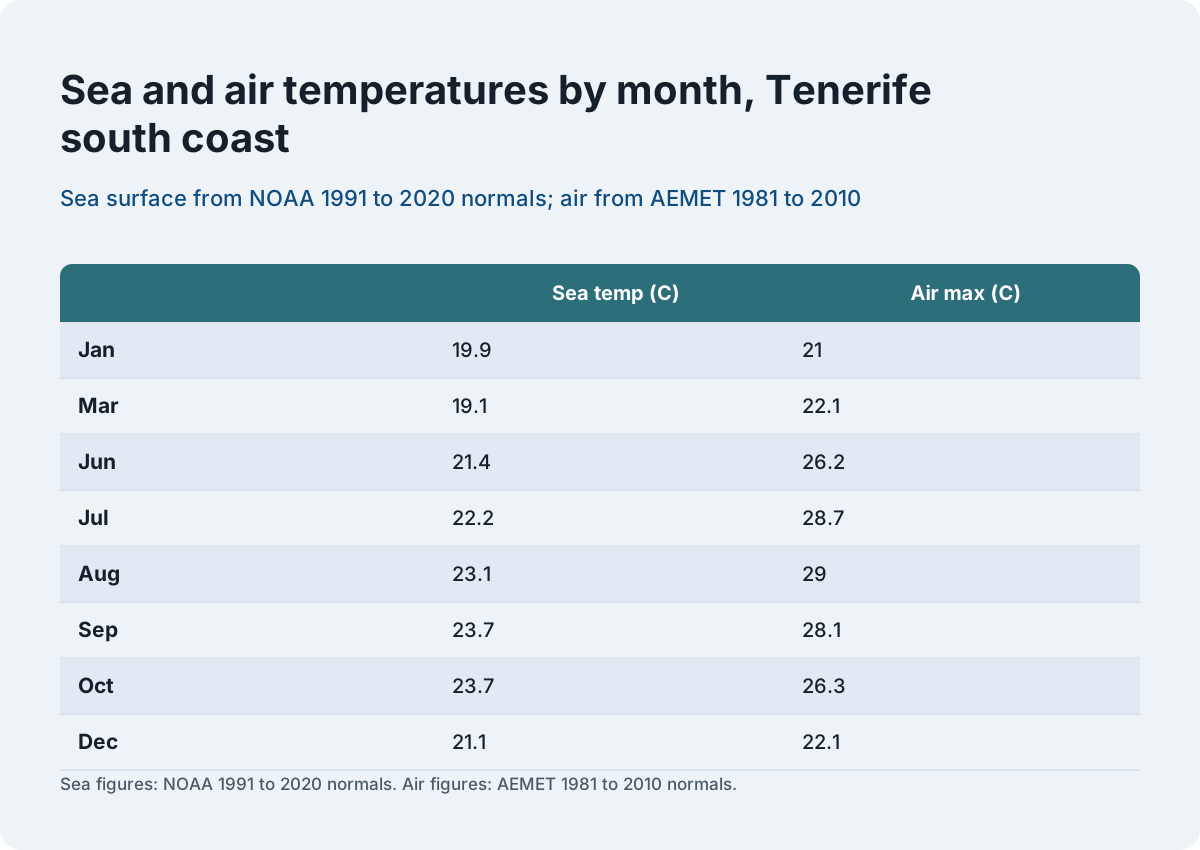
Because the pilot whales are resident, the animals are the same in every month and the real variable is the sea: NOAA's 1991 to 2020 normals for the south coast show sea surface temperatures peaking at 23.7 degrees Celsius in September and October and dipping to 19.1 in March, with calmer, warmer conditions running from June through October. There is no closed season and no month when the whales are absent.
The sea temperature figures are worth having because they drive the two things a visitor actually feels: whether a boat trip is pleasant in a t-shirt and whether the water at a swim stop is inviting. The warmest surface water on record for this coast is 23.7 degrees in both September and October, with July and August at 22.2 and 23.1. The coolest is March at 19.1, with February close behind at 19.2. Air temperatures on land run warmer still: AEMET's 1981 to 2010 normals for Santa Cruz show mean daily maxima of 28.7 in July and 29 in August against 21 in January.
| Month | Sea surface temperature off the south coast (C) | Santa Cruz mean daily maximum air temperature (C) |
|---|---|---|
| Jan | 19.9 | 21 |
| Feb | 19.2 | 21.2 |
| Mar | 19.1 | 22.1 |
| Apr | 19.5 | 22.7 |
| May | 20.2 | 24.1 |
| Jun | 21.4 | 26.2 |
| Jul | 22.2 | 28.7 |
| Aug | 23.1 | 29 |
| Sep | 23.7 | 28.1 |
| Oct | 23.7 | 26.3 |
| Nov | 22.5 | 24.1 |
| Dec | 21.1 | 22.1 |
Two datasets sit in that table and they are not one: the air normals are AEMET's for 1981 to 2010, the sea figures are NOAA's for 1991 to 2020. Rain is the other seasonal factor, and the south is dry by Atlantic standards: AEMET's normals for Tenerife South Airport record zero days with a millimetre or more of rain in July, and a single day in June. If a winter trip is what your calendar allows, the whales will be there; the trade-off is a cooler deck and a bumpier channel, not an empty sea.
Is It Better to Go Whale Watching in the Morning or Afternoon?
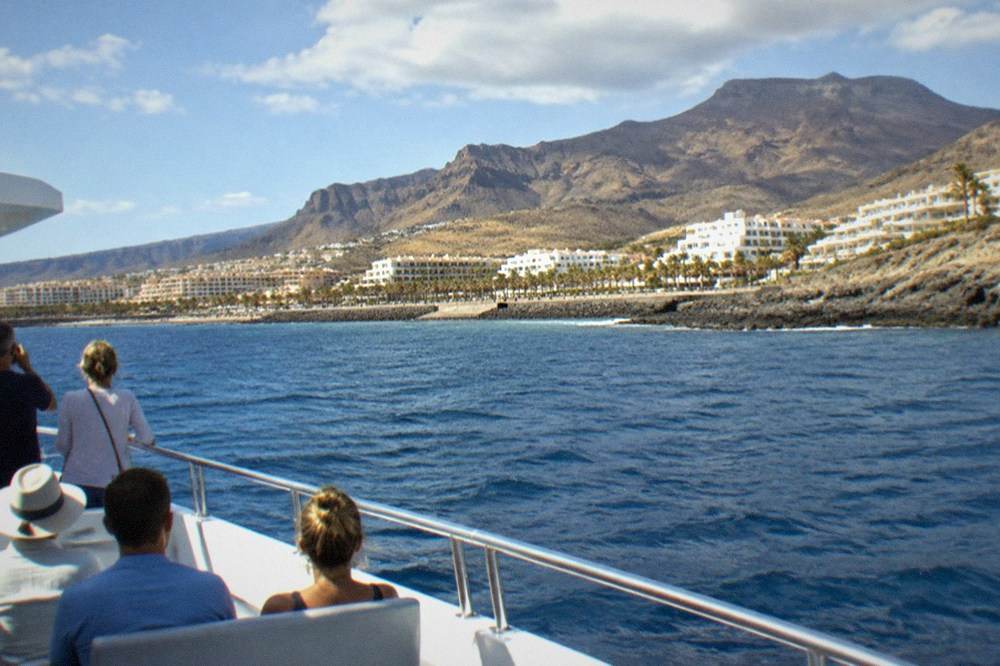
No official source distinguishes morning from afternoon for sightings, and none of the verified pages for this site states that either is better, so any firm claim one way round would be invented. What the sources do support is practical: the resident pilot whales are present around the clock, sea conditions on the south coast are typically calmer earlier in the day, and the choice is really one of light, sea state and how the trip fits the rest of your day.
This question is asked constantly, and the honest answer is that the decree, the WCA's page and the operators' listings say nothing that favours a departure time. What can be said is that the channel between Tenerife and La Gomera is open Atlantic water, and afternoon wind raises chop more often than morning wind does, which affects comfort on a small boat more than it affects whales. On a sailing trip or a small yacht, a nervous passenger is better served by the first departures of the day.
The afternoon has its own argument: the light is better for photographs, the sea has warmed through the day if there is a swim stop on a non-cetacean leg of the route, and many visitors prefer not to start a holiday morning at a harbour. None of that is a claim about animals. Book the slot that suits your body clock and your stomach, and judge the operator by the flag and the no-chase policy rather than by the hour.
Where Do the Whale Watching Boats Leave From?
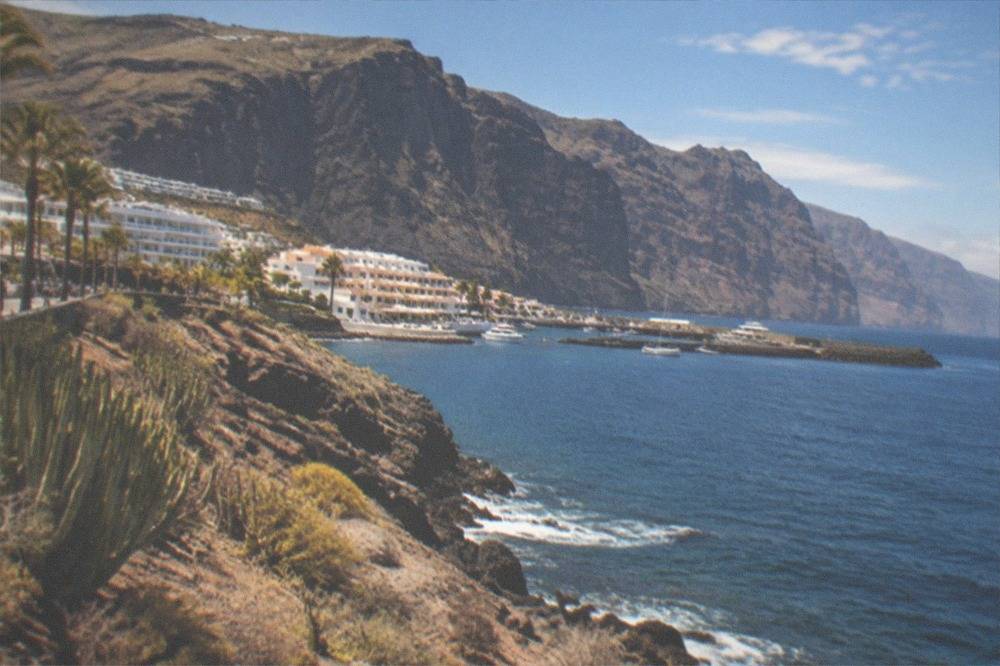
The main departure points are Los Cristianos and Puerto Colon in Costa Adeje on the south coast, with a second cluster at Los Gigantes on the west coast under cliffs the tourist board says tower up to 600 m, and the choice of port decides the scenery more than the animals, since all three work the same resident population in the same protected channel.
Los Cristianos is the volume port, with the shortest sailing time to the pilot whale grounds, and it hosts both large catamarans and small eco boats. Costa Adeje's Puerto Colon serves the same grounds with a mix that includes catamarans running buffet and drink service alongside smaller craft. Los Gigantes is the scenic outlier: trips from there work below the cliffs of the same name, which the tourist board describes as rising up to 600 m with a seabed about 30 m deep at their foot, and the cliffs give that route a backdrop the south-coast trips cannot match.
The site's area guides cover each of these ports in detail: Los Cristianos, Costa Adeje and Los Gigantes each have a full page on where to stay, eat and board. For the cliffs themselves, the attraction page for the Los Gigantes cliffs sets out the viewpoints and the boat approaches.
| Departure area | Character of the trips there | Typical craft on this site's roster |
|---|---|---|
| Los Cristianos | Shortest run to the whale grounds, largest choice of boats | Eco yacht safari, no-chase catamaran with underwater windows, kayak and snorkel trips |
| Costa Adeje (Puerto Colon) | Catamarans with food and drink service, small-group eco boats | Catamaran with snacks and drinks, ten-guest eco adventure, catamaran with buffet and transfer |
| Los Gigantes | Cliff scenery under the 600 m escarpment, swim stops away from the cetaceans | Sailboat cruise, dolphin and whale cruise with swim stop |
A note on the swim stops that many of these trips advertise: they happen on the journey, in bays and coves away from the animals, because the decree bans swimming within 500 m of a cetacean. A listing that promises a swim stop and a whale encounter is describing two separate halves of the same trip, and both are lawful precisely because they do not overlap.
How Do You Choose a Responsible Whale Watching Trip?
Look for three things in this order: the Barco Azul flag, which the decree requires of every authorised boat, an explicit no-chase or respectful-encounter policy that matches the decree's bans on feeding, chasing and circling, and a group size and boat type that suit you, since the law is identical for a sixteen-person yacht and a hundred-seat catamaran and the experience is not.
The flag is binary: a boat has its permit or it does not, and Article 15 ties the flag to the permit and its annual renewal. The policy language is where operators differentiate themselves, and the phrases used on this site's roster, no-chase and eco, are commitments to hold course and let the animals approach, which is what the decree demands of everyone anyway. An operator that advertises those words is promising to stay comfortably inside the rules rather than at their edge.
Group size is the honest variable. A small yacht with a handful of guests gives every passenger the rail and a clear line of sight; a large catamaran gives stability, a bar and a party atmosphere, and the whales behave identically toward both. Families with young children often do better on the bigger, steadier craft, while photographers and repeat visitors tend to want the small boats. Neither choice is more ethical than the other, provided the flag is flying.
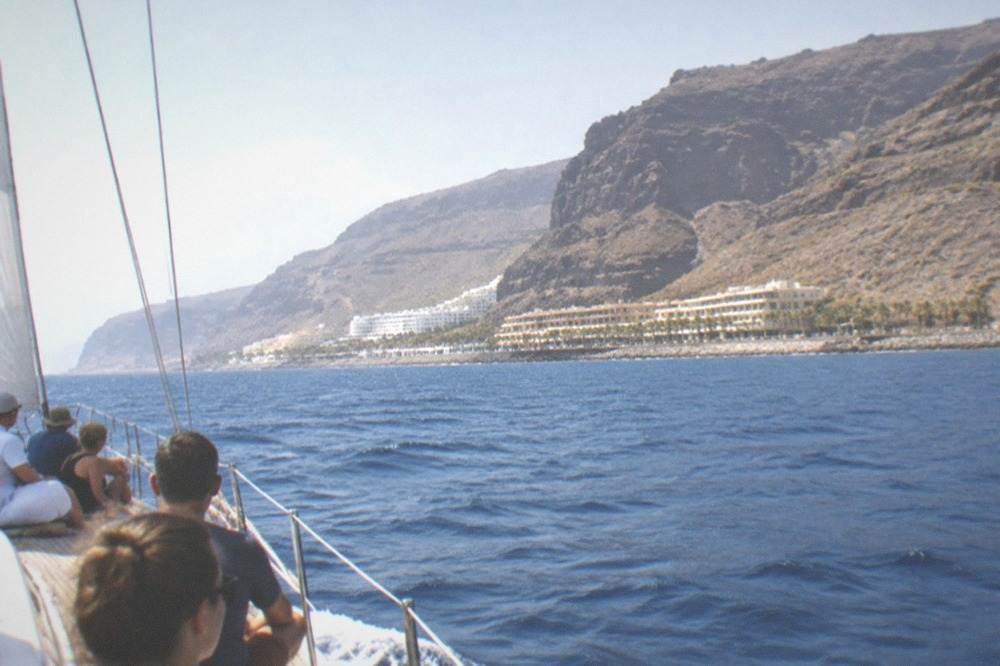
One more distinction worth knowing: the sailboat option. Under sail, a boat is quieter in the water, and several of the west-coast trips run under sail for part of the route, which changes the feel of an encounter even though the legal distances do not change. If the trip is the centrepiece of your week rather than one item on it, that is the version worth seeking out.
What Does It Mean If a Dolphin Is Circling You?
In the wild, off Tenerife, it should not happen: Decreto 178/2000 bans people from swimming or diving within 500 m of cetaceans, so a legal trip never puts you in the water close enough for a wild dolphin to circle you. If a dolphin circles a boat you are on, that is normal curiosity behaviour, and the decree's job is to stop the boat from turning curiosity into harassment by chasing, circling or feeding the animal.
The question is usually asked by swimmers and kayakers rather than boat passengers, and the answer for Tenerife waters runs through the turtle sites rather than the dolphin grounds. Kayak and snorkel trips in Los Cristianos visit a resident turtle habitat where cetacean rules do not apply; if dolphins pass a kayaker in open water, the right response is to stop, hold position and let the animals continue, which mirrors what the decree asks of boats. Circling behaviour from a dolphin around a stationary human is curiosity; the danger is the human responding by reaching out or following.
The rule the decree adds for boats is the one to remember from the passenger side: no more than three vessels within 500 m, and 4 knots maximum inside that zone. If several boats converge on one group of animals and the fleet around you keeps growing, that is the moment the rules are being strained, and the operators who hold back are the ones flying the flag and meaning it.
Which Beach Has the Most Dolphins?
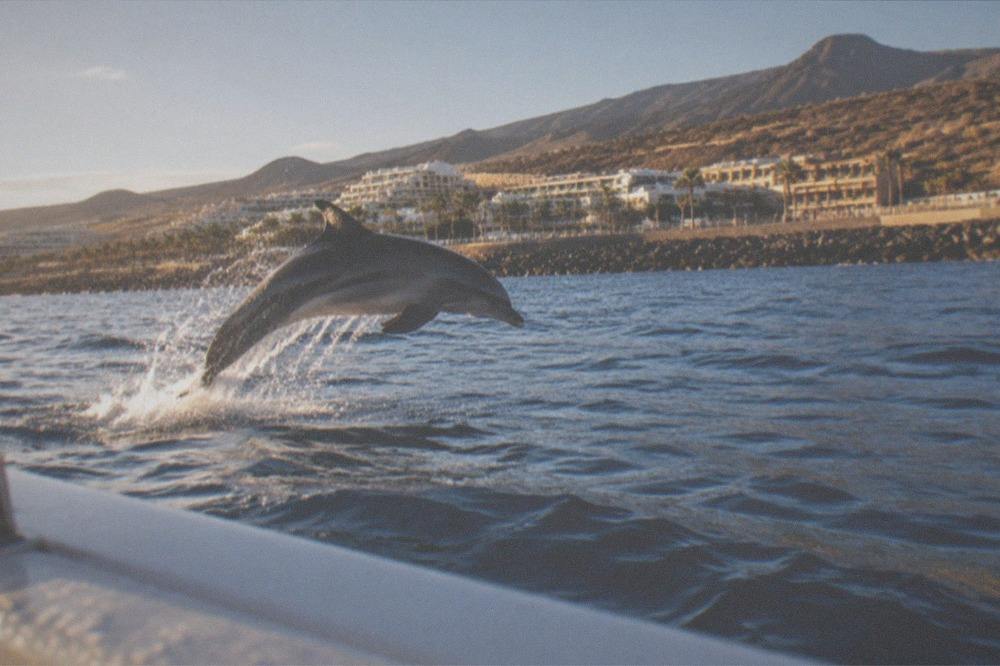
No official source counts dolphins by beach, and no verified page for this site ranks the island's beaches by dolphin presence, so any ranking would be invented. What the sources do say is that the resident bottlenose dolphins live in the channel between Tenerife and La Gomera, which faces the south and west coasts, so the beaches of Los Cristianos, Costa Adeje and Los Gigantes are the ones with the sea in front of the population, and sightings from shore, when they happen, happen there.
Dolphins from the resident population do pass close to shore, and visitors on the beaches of the south report them from time to time, but no decree, tourist board page or cetacean body on file ranks beaches by sightings. The dependable way to see dolphins remains a boat, and the beaches matter mainly as the places you board from. From the sand at Los Cristianos you can watch the fleet go out; from the sand at Los Gigantes you are looking at the cliffs the boats sail beneath.
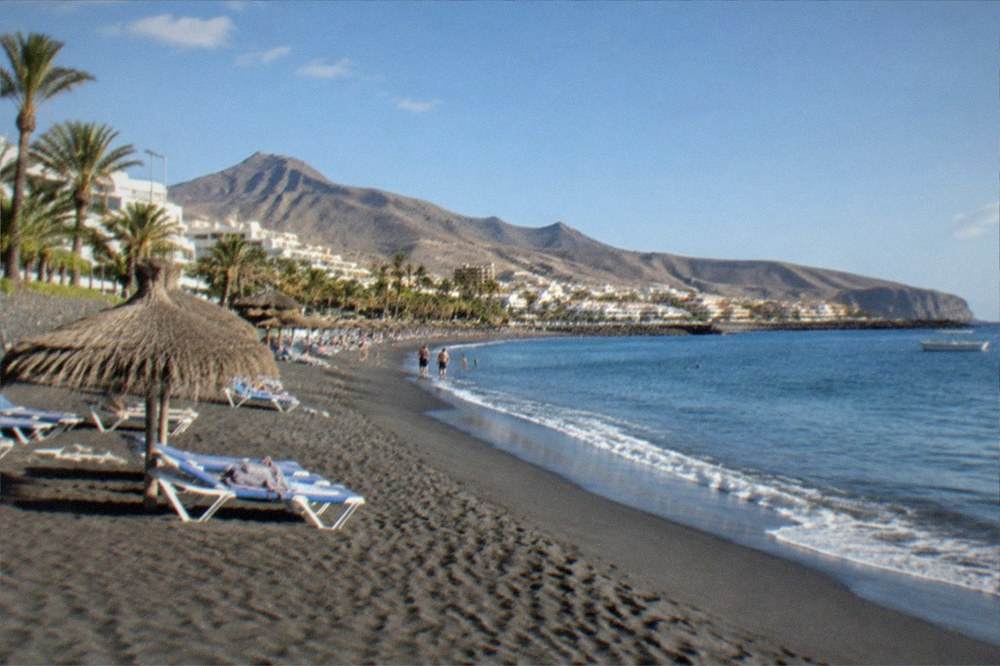
For beach days themselves, the site's beach coverage is separate and complete: the golden sand of Las Vistas sits between Los Cristianos and Costa Adeje, and the grey sand of El Medano faces the same channel further east. Neither page claims dolphins, and this one will not either.
What Else Should You Know Before Booking?
Before booking, know that every trip on this page is governed by the same decree, that no legal trip lets you swim with the animals, that the resident population means any month works, and that prices, ratings and durations live on the operator's live listing rather than on this page, because they move. The Barco Azul flag, the no-chase policy and the departure port are the three decisions that actually shape your day on the water.
The practical layer around a whale trip is small but real. Trips run in all weathers the operators judge safe, and sea conditions rather than rain close them: the south coast's driest months on AEMET's normals are June and July, with zero recorded days of a millimetre or more of rain, but it is swell in the channel, not rainfall, that cancels a sailing. Bookings on this site's roster are for the operator's live listing, and the card beside each trip carries its current price, duration and rating, none of which is typed into this page because they move.
If the trip is part of a wider week, the whale grounds sit close to the island's other water activities: kayaking with turtles shares the Los Cristianos departures, scuba diving runs from Costa Adeje, and the wider boat trips and catamarans category covers the sailing and cruise options beyond the wildlife fleet. Visitors planning the whole stay can start from the site's Tenerife Travel Guide homepage and work outward.
Common Questions About Whale Watching in Tenerife
is whale watching in tenerife worth it?
Yes, for most visitors it is, and for an unusual reason: the pilot whales are resident, so a Tenerife trip is not a gamble on a migration. The World Cetacean Alliance's Whale Heritage Area designation, made in January 2021, rests on a population that is there in every month, and the decree-backed rules mean the trip is watched over by law rather than by goodwill. The one thing it cannot deliver is swimming with the animals, which the decree bans.
Can I swim with dolphins if I have my period?
No legal sea trip in Tenerife lets anyone swim with wild dolphins, menstruating or not: Decreto 178/2000 bans swimming or diving within 500 m of cetaceans. The question of menstruation and sharks is sometimes raised alongside it, and the site's wildlife page covers that separately, but for dolphins in Tenerife the decree answers the question before biology does. Swim stops on whale trips happen in bays away from the animals.
Can you see pilot whales on Tenerife?
Yes. The World Cetacean Alliance describes a unique resident population of pilot whales in the Tenerife-La Gomera Marine Area, present year-round. No official count of the population exists, and this site does not print a number, but their residency is the basis of the whole whale watching industry on the south coast.
What month is best for dolphin watching?
Any month, because the bottlenose dolphins are resident alongside the pilot whales. The sea off the south coast is warmest in September and October at 23.7 degrees Celsius on NOAA's 1991 to 2020 normals and coolest in March at 19.1, so the choice is about water and air comfort, not about whether the dolphins are there.
Which beach has the most dolphins?
No official source ranks Tenerife's beaches by dolphin presence, and none of the verified pages for this site claims a ranking. The resident population lives in the channel facing the south and west coasts, so the beaches of Los Cristianos, Costa Adeje and Los Gigantes look out at the right water, but the dependable sightings come from the boats that leave those beaches, not from the sand.