Scuba Diving in Tenerife
Tenerife's volcanic seabed, turtle habitats and a resident population of pilot whales make it one of the most reliable warm-water diving bases in Europe, and the rules that protect the marine life are written down in a Canary decree you can check yourself.
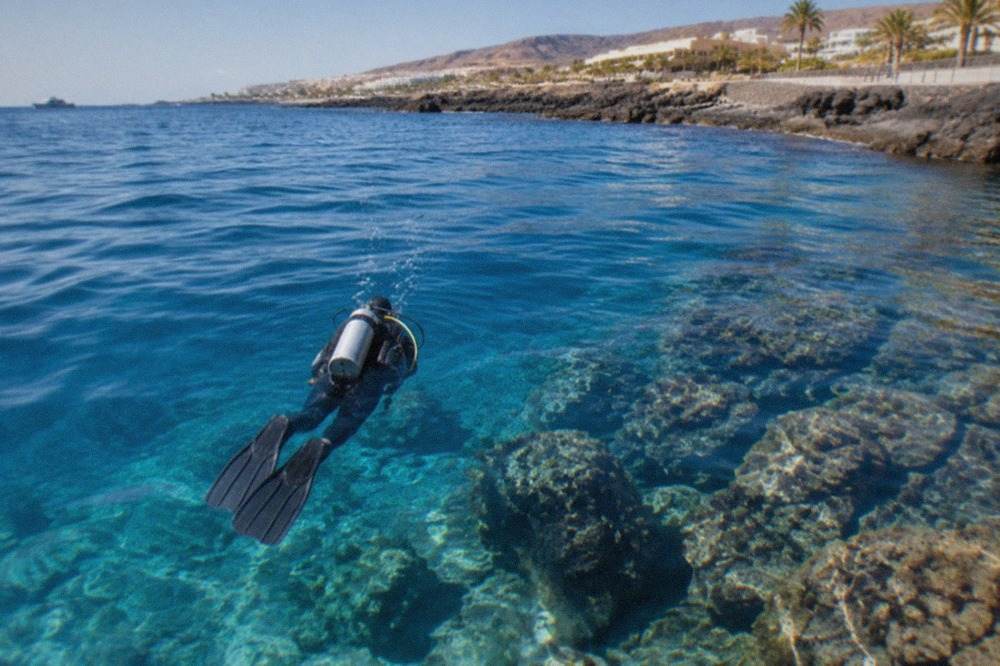
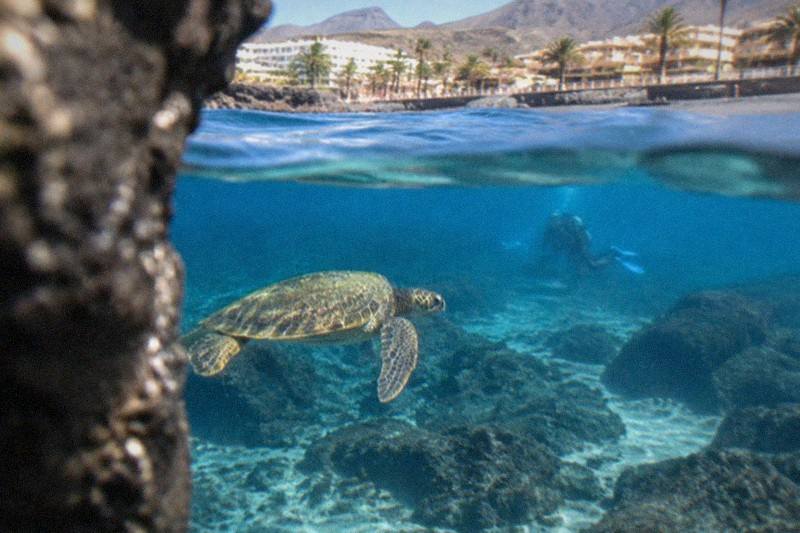
Try-Dive Plus Snorkel, Ages 8+
Tenerife: 2-in-1 Scuba Diving with Turtles & Snorkeling 8+
No certificate is needed for this try-dive: an instructor stays with you in shallow water at El Puertito, where turtles gather over the seagrass. A snorkel session rounds out the morning, and the minimum age is eight.
from $86.14 Per person, in USD. The total depends on the date and option you pick.
Check Price & Availability →Opens the live booking page with up-to-date dates and prices. All booking and payment happen there; this guide takes none of it.
- Area
- Costa Adeje
- Length
- 3 hours
- Kind
- On and Under the Water
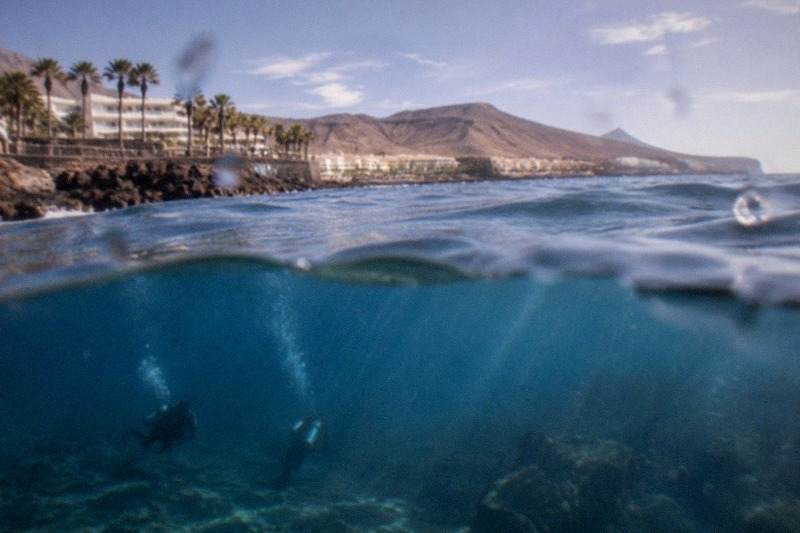
Beginner Boat Try-Dive, PADI
Tenerife: First-Time Scuba Diving in a Natural Turtle Habitat
from $87.82 Per person, in USD. The total depends on the date and option you pick.
Check Price & Availability →- Area
- Costa Adeje
- Length
- 2 hours 30 minutes
- Kind
- On and Under the Water
Short answer
Yes, there is good scuba diving in Tenerife. The island sits in a Special Area of Conservation that the World Cetacean Alliance designated a Whale Heritage Area in January 2021, with resident pilot whales, bottlenose dolphins and sea temperatures that stay between 19 and 24 degrees Celsius all year.
Tenerife dives off a volcanic shelf that drops steeply a short distance from the coast, in water the Canary government protects with a specific decree. The World Cetacean Alliance records that the Tenerife-La Gomera Marine Area became a designated Whale Heritage Area in January 2021, holding a unique resident population of pilot whales, bottlenose dolphins and a migration stop for 21 other cetacean species, inside a Special Area of Conservation. For a diver that means two things: the marine life is genuinely there, and the rules around it are enforceable law rather than operator courtesy.
This page lays out what the verified sources say about diving in Tenerife: what the sea actually does by month, which animals the official bodies record, what Decreto 178/2000 forbids, and how a first-time diver should choose between the beginner products on the island. The Tenerife Travel Guide editorial desk reports from official pages, not from a wetsuit.
Is There Good Scuba Diving in Tenerife?
Yes, the conditions and the marine life both support year-round diving, and the protection is formal rather than informal. The Tenerife-La Gomera Marine Area was designated a Whale Heritage Area by the World Cetacean Alliance in January 2021, covering a resident population of pilot whales, bottlenose dolphins and 21 other cetacean species, and the sea off the south coast stays between 19.1 and 23.7 degrees Celsius in every month of the year.
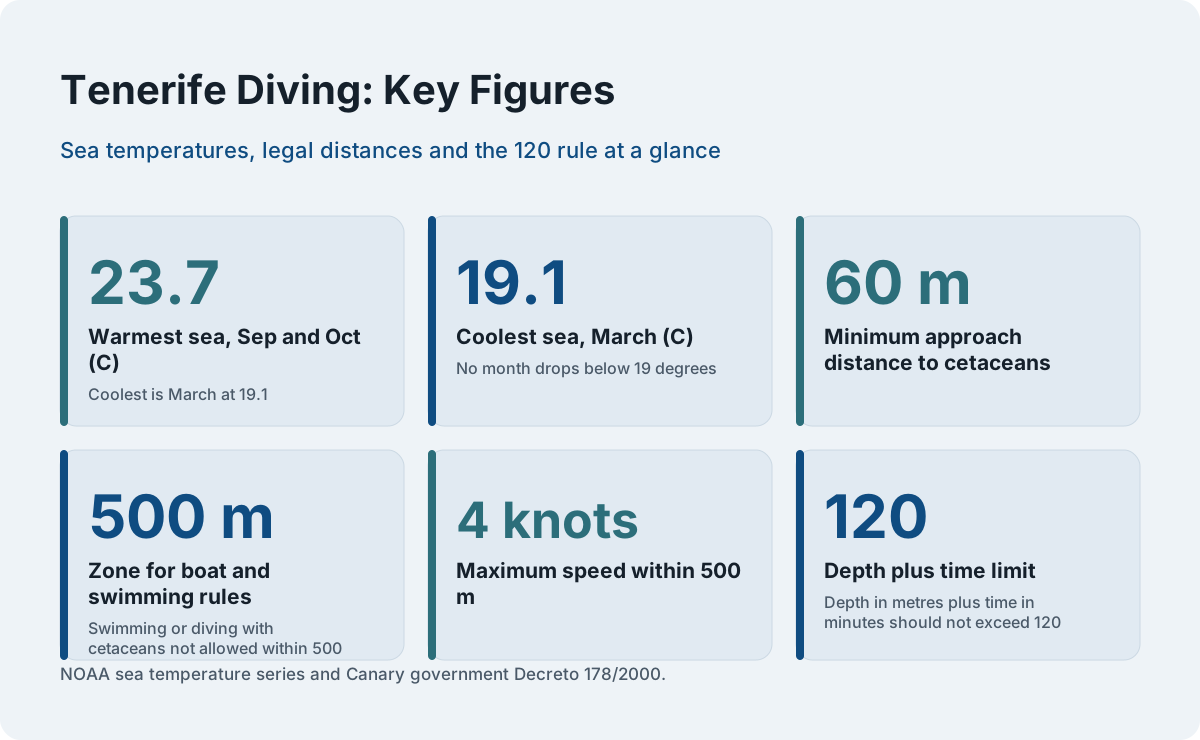
Those sea temperatures come from NOAA's 1991 to 2020 series for the south coast, and they are the single most practical fact for a diver choosing when to come. There is no month in which the sea drops below 19 degrees. The warmest water sits in September and October at 23.7 degrees, and the coolest is March at 19.1, a spread of less than five degrees across the whole year.
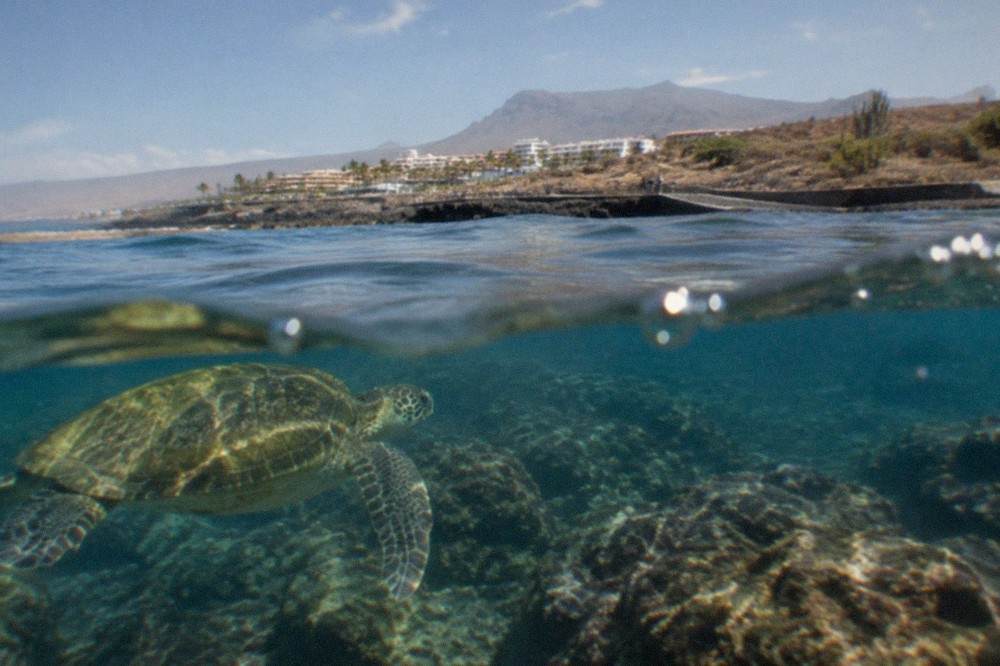
What that means in practice is that Tenerife has no diving closed season. The decision is about thickness of wetsuit and visibility, not about whether the sea is bearable. The south of the island is where most dive centres sit, clustered around Costa Adeje, Los Cristianos and Arona, because that is where the sheltered bays and the turtle habitats are.
The protection matters as much as the temperature. The Canary government's Decreto 178/2000 regulates how boats behave around cetaceans, and the World Cetacean Alliance's designation means the area is managed with whale and dolphin welfare as a stated goal. A diver choosing an operator is choosing within a regulated environment, which is worth knowing before you compare listings.
When Is the Best Time of Year to Dive in Tenerife?
The warmest sea is in September and October, both at 23.7 degrees Celsius, and the coolest is March at 19.1 degrees, so the choice is between peak warmth and thinner crowds rather than between diving and not diving. July and August combine sea temperatures above 22 degrees with the island's driest air months, while November still holds 22.5 degrees and December 21.1.
The full monthly picture from NOAA's series, with AEMET's air normals for the south alongside it, is worth planning against. The air figures are 1981 to 2010 normals and the sea figures are 1991 to 2020, two datasets from two periods, so treat them as planning ranges rather than a forecast.
| Month | Sea surface (C) | Mean daily max air (C) | Rain days, 1 mm or more |
|---|---|---|---|
| Jan | 19.9 | 21.7 | 1.8 |
| Feb | 19.2 | 22.0 | 2.2 |
| Mar | 19.1 | 23.1 | 1.9 |
| Apr | 19.5 | 23.1 | 1.1 |
| May | 20.2 | 23.9 | 0.3 |
| Jun | 21.4 | 25.4 | 0 |
| Jul | 22.2 | 27.7 | 0 |
| Aug | 23.1 | 28.4 | 0.2 |
| Sep | 23.7 | 27.9 | 0.6 |
| Oct | 23.7 | 26.8 | 1.6 |
| Nov | 22.5 | 24.8 | 1.9 |
| Dec | 21.1 | 22.8 | 3.5 |
September and October are the standout months on paper: the sea reaches its annual maximum just as the summer flight crowds thin. February and March are the opposite trade, the coolest sea paired with the island's livelier Carnival period in Santa Cruz de Tenerife, if you want a dive trip and a festival in the same week.
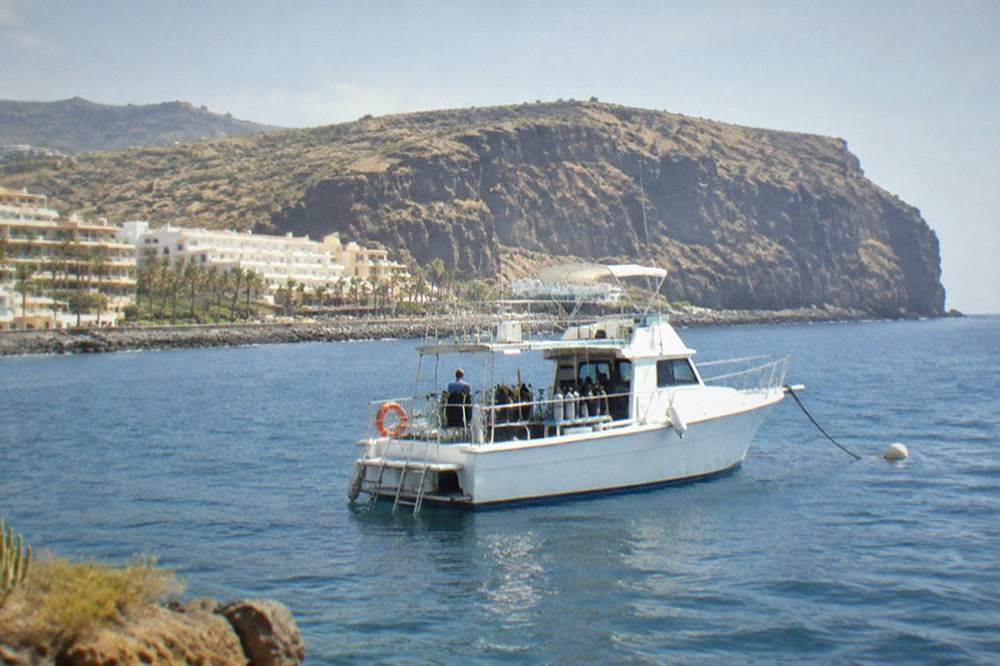
One caution the desk will pass on from the verified record: sea conditions can close things at short notice elsewhere on the island's coast, and the Masca pier is the documented example, where the operator states that sudden sea closures void the day's ticket. The same logic, that the sea decides on the day, applies to any dive or boat trip, so keep one flexible day in a short itinerary.
If you are pairing diving with other water activities, the kayaking with turtles listings cover the same turtle habitats from the surface, and the surf lessons pages cover the Atlantic side when the sea is too lively for a relaxed dive. The wider month-by-month picture, including the north-south rainfall split, is in the Tenerife weather by month guide.
What Will You Actually See Underwater?
The verified record lists a unique resident population of pilot whales, bottlenose dolphins, and a migration stop for 21 other cetacean species, plus the turtle habitats the dive and snorkel products are named for. The whale and dolphin watching law, Decreto 178/2000, sets the distances, and authorised boats must fly the Barco Azul flag issued by the Canary tourism department.
The turtles are the headline for most first dives. The beginner dive products on this island are explicitly built around natural turtle habitats, and the roster's own dive listings name turtles in their titles, which tells you the operators treat sightings as a normal expectation rather than a lucky bonus.
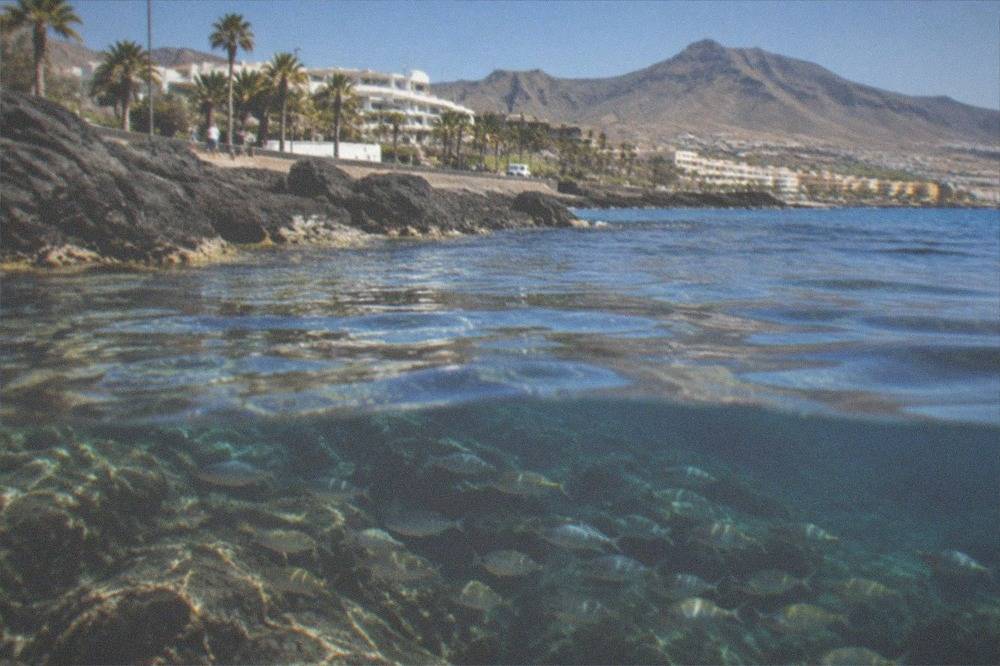
The cetaceans are a different kind of encounter, and the law treats them differently. Decreto 178/2000 of 6 September, published in the Canary Official Gazette on 6 October 2000, sets the rules for boats around whales and dolphins, and they apply to any vessel, including one carrying divers.
| Rule | Figure |
|---|---|
| Minimum approach distance | 60 m |
| Boats allowed within 500 m | At most three |
| Speed within 500 m | 4 knots maximum |
| Swimming or diving with cetaceans | Not allowed within 500 m |
| Feeding, chasing or circling | Forbidden |
| Authorised boats | Must fly the Barco Azul flag |
Read that table carefully if a listing promises swimming with whales or dolphins: the decree forbids it within 500 m, so a lawful encounter is a watched one, from the boat or at a legal distance. What a dive can lawfully offer is the reef, the turtles, the rays and the volcanic rock, with whales and dolphins as a surface-interval spectacle between dives.
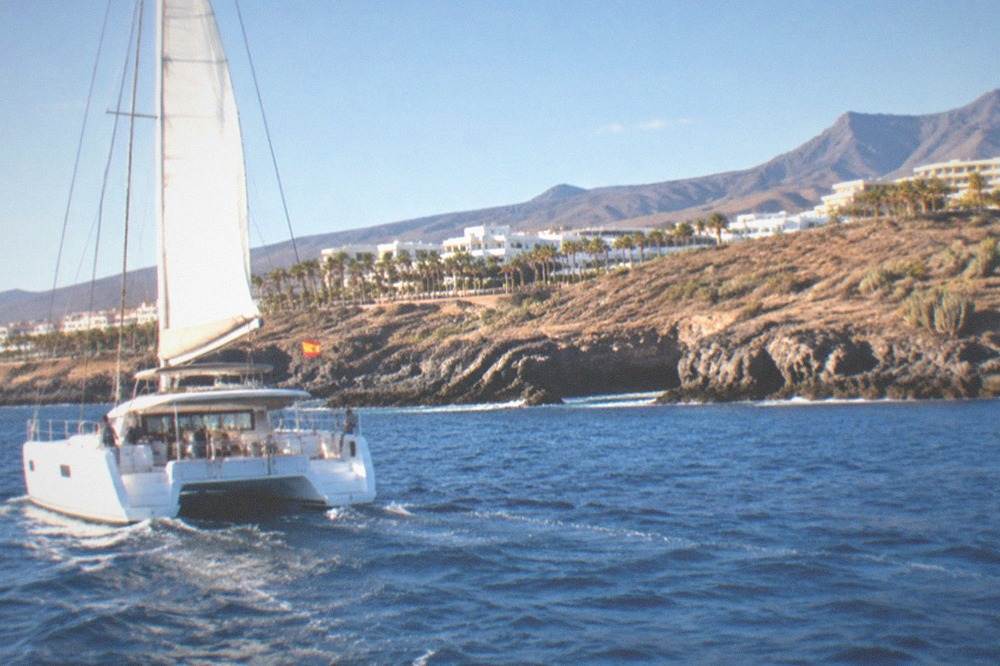
The Barco Azul flag is the check to make before booking any boat-based activity. Article 15 of the decree requires authorised boats to fly it, and it is issued with the permit and at each annual renewal, so a boat without one is a boat to walk away from. The whale and dolphin watching listings on this site are the place to compare lawful operators.
Can You Learn to Dive in Tenerife as a Complete Beginner?
Yes, and the island is well set up for it: the roster carries dedicated first-time products, including a two-in-one scuba dive with turtles and snorkelling open to ages eight and up, a beginner boat try-dive in a natural turtle habitat, and a PADI-branded first dive, all in the Costa Adeje area where the sheltered conditions suit a first descent.
A try-dive is the standard first rung: a briefing, shallow water, a qualified instructor beside you, and a short dive on a reef. The listing for the 2-in-1 product states it combines a scuba try-dive with snorkelling and accepts participants from age eight, which makes it one of the few products on the island a family can book for children that young.
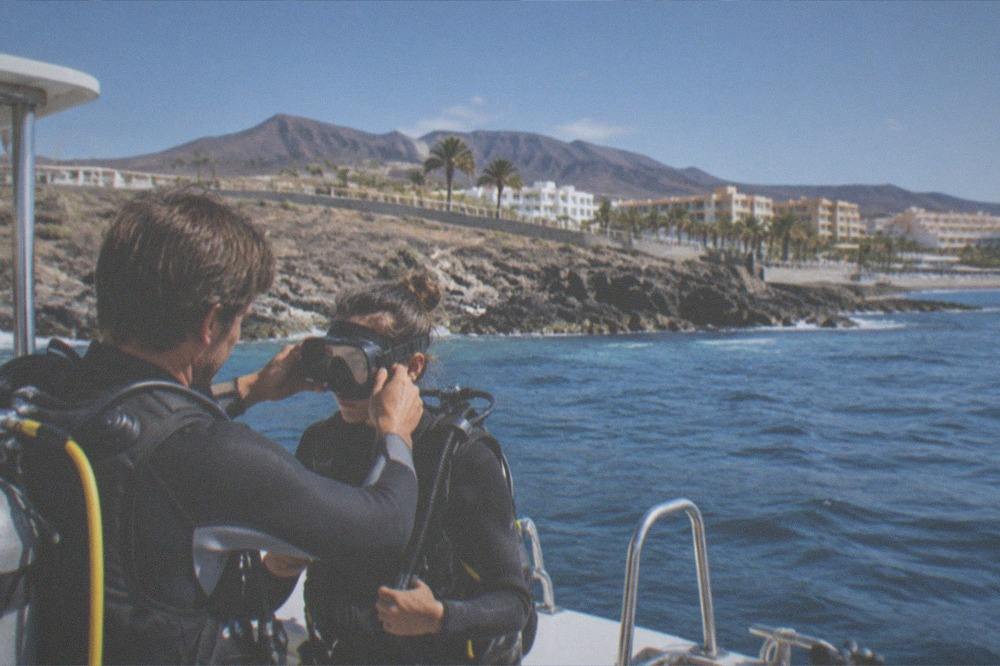
The other beginner option in the roster is the first-time scuba diving product in a natural turtle habitat, a PADI beginner boat try-dive of two and a half hours. Between them the two products cover the two beginner formats: shore-based shallow dives and boat-based try-dives over the reef.
A beginner should check three things on any listing before booking. First, the age minimum, since the roster's own products range from eight upward. Second, what is included in the listed duration, since a three-hour product may hold a much shorter time in the water. Third, where the dive actually happens, since the turtle habitats the products are named for sit in specific bays along the south coast.
For a traveller who wants the marine life without the regulator, the surface alternatives are real ones. The kayaking with turtles products reach the same habitats with a mask and a paddle, and the submarine safari option puts non-divers, including young children and anyone uneasy in the water, underneath the surface dry.
What Is the 120 Rule in Scuba Diving?
The 120 rule is a piece of diver shorthand for staying within no-decompression limits: the depth in metres plus the time in minutes should not exceed 120, so a dive to 24 metres for 60 minutes or 30 metres for 45 minutes sits at the limit. It is a planning aid taught to new divers, not a law, and it works because the recreational dive tables it approximates are built on the same depth-time trade-off.
The rule of thumb exists because deeper water eats bottom time fast. A diver at 12 metres has generous time, while the same diver at 40 metres is near the recreational ceiling, and the 120 rule collapses that curve into one number a beginner can hold in their head. Your dive computer, and your guide's briefing, override the shorthand every time.
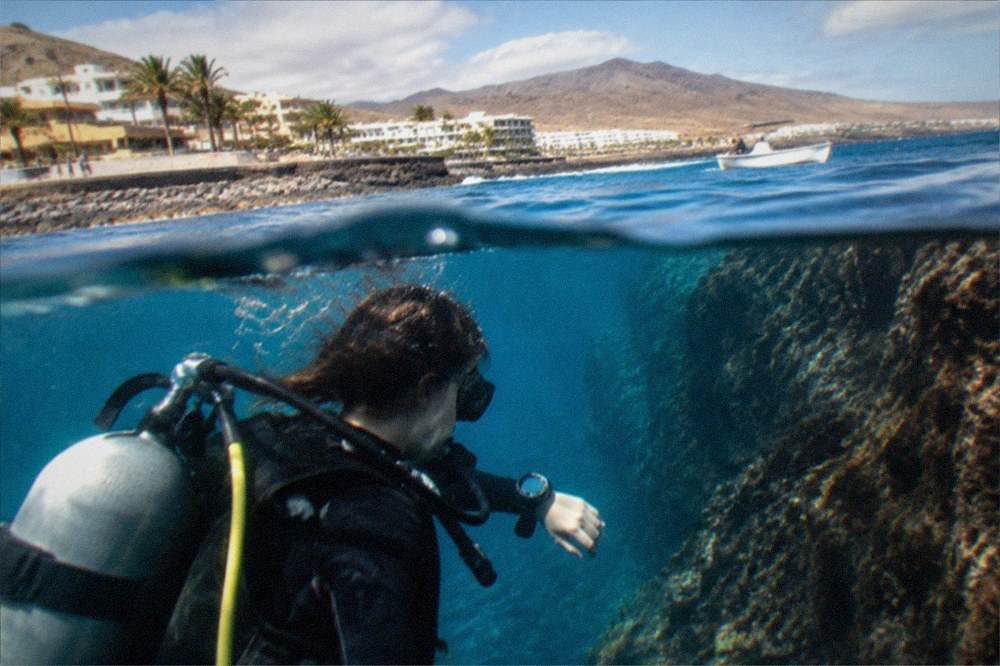
For a first-time diver in Tenerife the rule matters less, because try-dives are shallow by design, typically in the first metres of the water column over the turtle bays. It becomes useful if you go on to a certification course on the island, where the volcanic drop-offs tempt divers deeper and the planning discipline starts to count.
The desk's honest note is that the 120 rule is training-organisation folklore rather than regulation, and no verified source in the fact pack states it. Treat it as the mnemonic instructors use, follow your guide and your computer, and never let arithmetic substitute for the briefing.
How Do You Choose a Dive Operator in Tenerife?
Check four things on the listing before anything else: the minimum age, the stated duration and what it includes, the departure area, and the operator's own safety wording. On this site the beginner products sit in Costa Adeje, the turtle kayak tours in Los Cristianos, and the roster's dive listings name turtles, PADI and ages eight and up, all of which are checkable facts on the listing itself.
The area matters for logistics. Costa Adeje and Los Cristianos are adjacent, so a stay anywhere between them puts you within a short transfer of the main departure points, and TITSA bus lines 10, 40 and 343 serve the south coast corridor from Tenerife South Airport, per TITSA's own airport page.
| Visitor transport product | Price |
|---|---|
| Single ticket | Priced by route, card or cash |
| Same-day return, trips of 20 km or more | 10% off |
| Day Travelcard | EUR 10 |
| 7 Day Travelcard | EUR 50 |
| Ten+ card | EUR 2, top-ups EUR 2 to EUR 100 |
Note what that table does not say: the 2026 free-transport subsidy applies to resident passes only, so visitors pay the listed fares. The free pass requires residency in the Canary Islands and a personalised card, and visitors do not qualify.
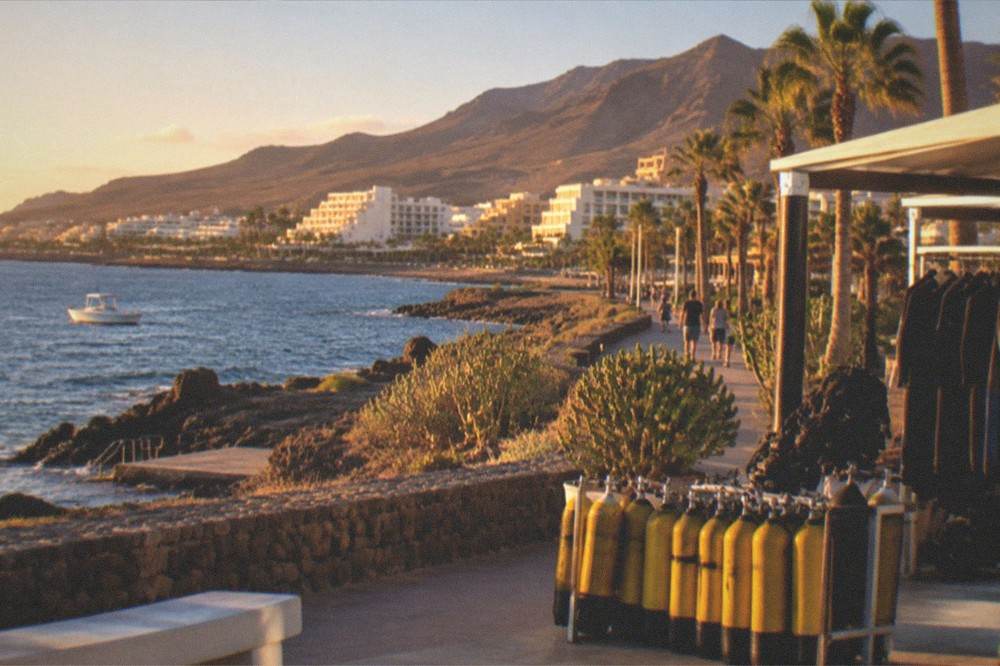
Beyond the listing, the Barco Azul flag is the one hard credential to look for on any boat component, as the decree requires it on authorised vessels. A dive centre that also runs whale watching should fly it, and one that cannot show it is not authorised for cetacean encounters.
Finally, read the cancellation and weather wording. The verified record shows sea conditions can void a day's ticket at Masca, and the same sea governs dive boats. A listing that tells you plainly what happens when the port closes is a listing written by an operator that plans for reality.
What Should You Combine with Diving on a Tenerife Holiday?
Pair the dive days with the surface water trips and the island's non-water sights, and the south coast is where the logistics work best: whale watching from Los Cristianos or Costa Adeje, kayaking the turtle bays, and the national park or the island tours on the days the sea decides against you.
The natural pairing is a whale and dolphin trip, since the resident pilot whale population is the reason the Whale Heritage Area designation exists. The no-chase catamaran products in the roster are built around the decree's distance rules, with underwater windows instead of close approaches, which is the lawful way to see the animals.
For families with a non-diving member, the park tickets split the difference nicely. Siam Park opens 365 days a year, 10:00 to 18:00 from 1 May to 29 October and 10:00 to 17:00 the rest of the year, and Loro Parque runs 09:30 to 17:30 every day with its own car park at EUR 7 per day. Both are in the roster as entry tickets, and the combined twin ticket covers both parks.
| Park | Hours | Days |
|---|---|---|
| Siam Park | 10:00 to 18:00 (1 May to 29 Oct); 10:00 to 17:00 (30 Oct to 30 Apr) | 365 days a year |
| Loro Parque | 09:30 to 17:30 | Monday to Sunday, every day of the year |
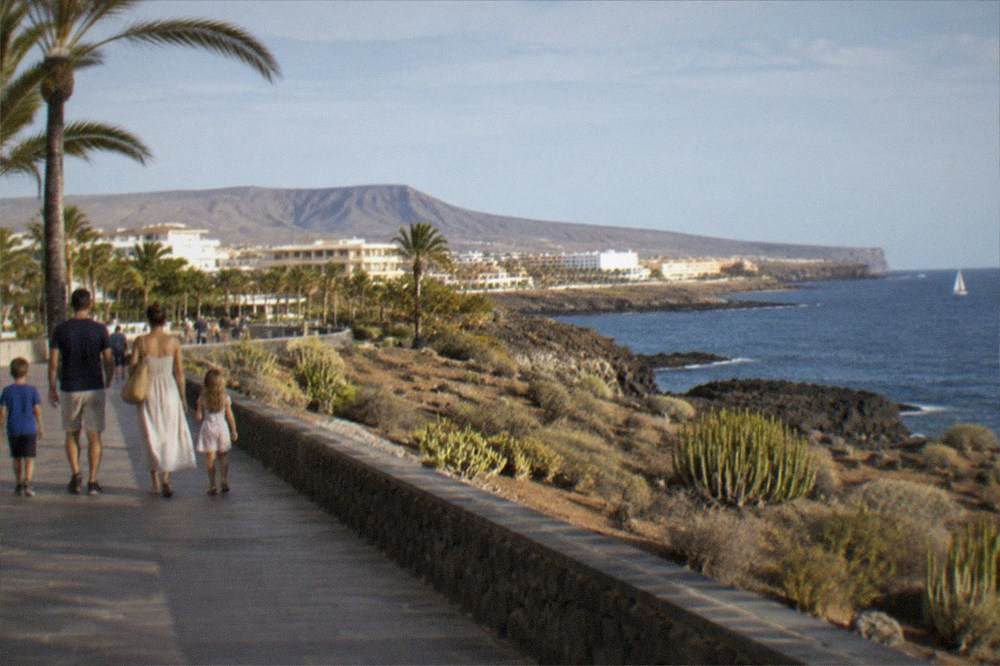
The land days are where the island's other half lives. The Tenerife excursions listings cover the coach loops through the national park and the north, and the jet ski and watersports pages cover the fast options when a dive morning leaves an afternoon free. A week split between the water and the volcano is the shape of most good Tenerife holidays, and the one day in Tenerife from the cruise port itinerary shows how the two halves fit into a single shore day.
What Are the Rules and Costs a Diver Should Know About?
The charges that exist are the ones on the verified list: per-booking fees on two Teide trails from 19 January 2026, the Masca ticket at EUR 40.66, and the Barranco del Infierno ticket at EUR 15 for non-resident adults. There is no per-night tourist tax in force or approved on Tenerife on any official page read, and the sales tax is IGIC, not VAT, at 7% on everyday goods.
Divers rarely meet those trail fees, but a mixed-group holiday often includes a hiker, so the figures are worth having to hand. The Teide summit trail's 09:00 to 17:00 slots cost EUR 15 for visitors and EUR 6 for residents of the other Canary Islands, with Tenerife residents and children paying nothing, booked on Tenerife ON.
Entry rules matter more to a diver's booking. The EU's Entry/Exit System started on 12 October 2025 and has been fully operational since 10 April 2026, registering UK and US visitors with a facial image and fingerprints instead of a passport stamp. ETIAS is a different thing and is not in operation: the EU states no applications are collected at this point, the fee will be EUR 20, and the start date will be announced several months ahead. No page on this site states an ETIAS date, because none exists officially.
Common Questions About Scuba Diving in Tenerife
Is there good scuba diving in Tenerife?
Yes. The Tenerife-La Gomera Marine Area holds a unique resident population of pilot whales, bottlenose dolphins and 21 other cetacean species, and was designated a Whale Heritage Area by the World Cetacean Alliance in January 2021. The sea off the south coast stays between 19.1 and 23.7 degrees Celsius all year, so there is no closed season.
What is the 120 rule in scuba diving?
It is a planning shorthand: depth in metres plus time in minutes should stay at or below 120, keeping a recreational dive inside no-decompression limits. It is a mnemonic taught to new divers, not a law, and your dive computer and guide's briefing always take precedence.
Can children try scuba diving in Tenerife?
Some products accept young beginners: the 2-in-1 scuba and snorkel product in the roster lists ages 8 and up. Always check the age minimum on the specific listing before booking, since products differ.
Can you dive with whales and dolphins in Tenerife?
No. Decreto 178/2000 forbids swimming or diving within 500 m of cetaceans, and boats must keep at least 60 m away. The lawful encounter is a watched one from an authorised boat flying the Barco Azul flag.
Do you need to be certified to dive in Tenerife?
No, not for a try-dive. The island's beginner products pair an unqualified diver with a qualified instructor for a shallow first dive, some from age 8. Certification matters for independent diving, not for a supervised first experience.
Is a wetsuit needed in Tenerife?
The sea stays between 19.1 and 23.7 degrees Celsius across the year, so most divers use one. The thickness is a personal choice and the dive operator supplies suits on guided products, so ask the listing what is included.