Jet Ski and Watersports
Tenerife's south coast is the engine room of the island's watersports: jet ski safaris, parasailing, surfing, kayaking and scuba all run from a handful of bays between Los Cristianos and Costa Adeje, under some of the strictest whale-protection rules in Europe.
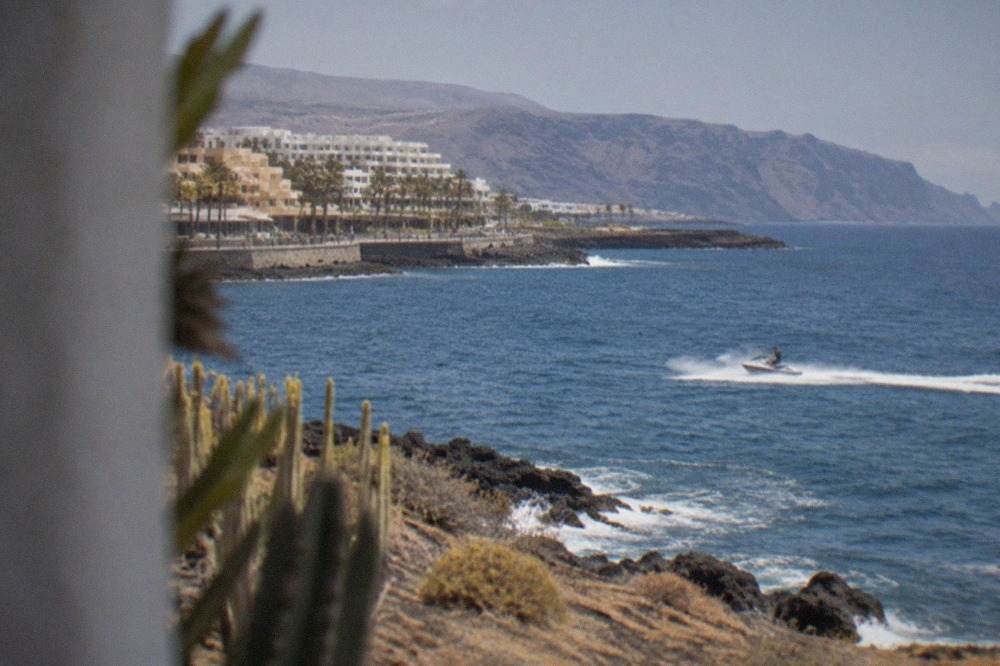
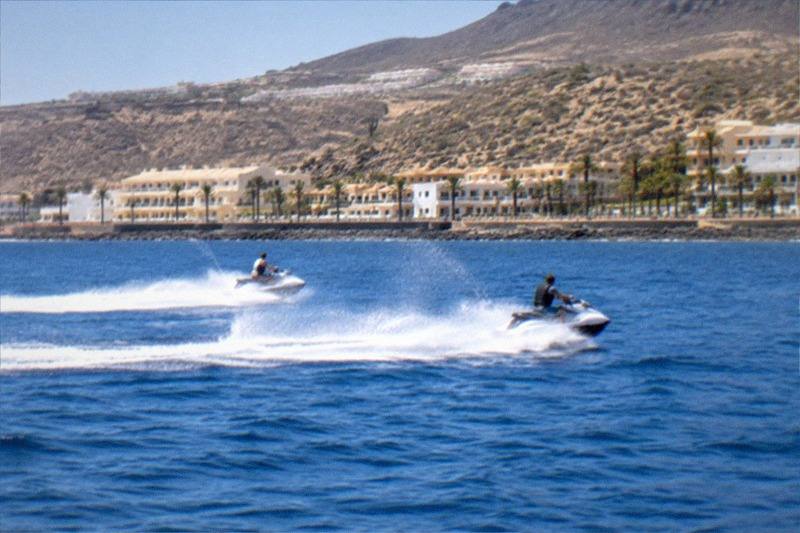
Guided Jet Ski Safari, Two Durations
Tenerife: 1-Hour or 40 Min Jet Ski Safari
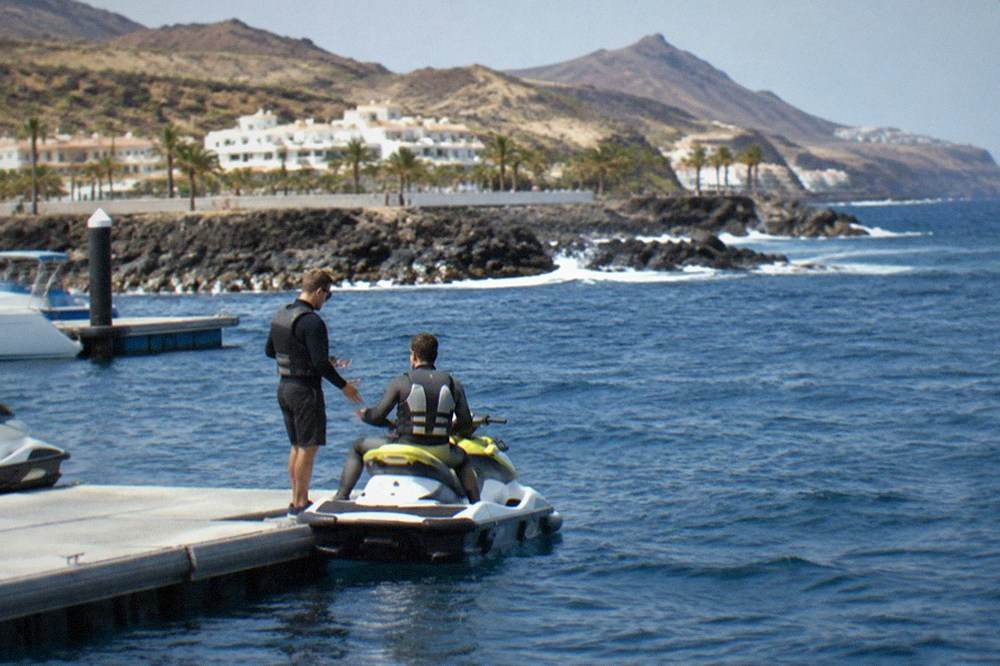
Follow a guide on a jet ski out of the Costa Adeje area, tracing cliffs and coves at a pace the group can handle. Two durations are offered, and briefings plus equipment are part of the package.
from $37.32 Per person, in USD. The total depends on the date and option you pick.
Check Price & Availability →Opens the live booking page with up-to-date dates and prices. All booking and payment happen there; this guide takes none of it.
- Area
- Arona
- Length
- 40 minutes or 1 hour
- Kind
- On and Under the Water
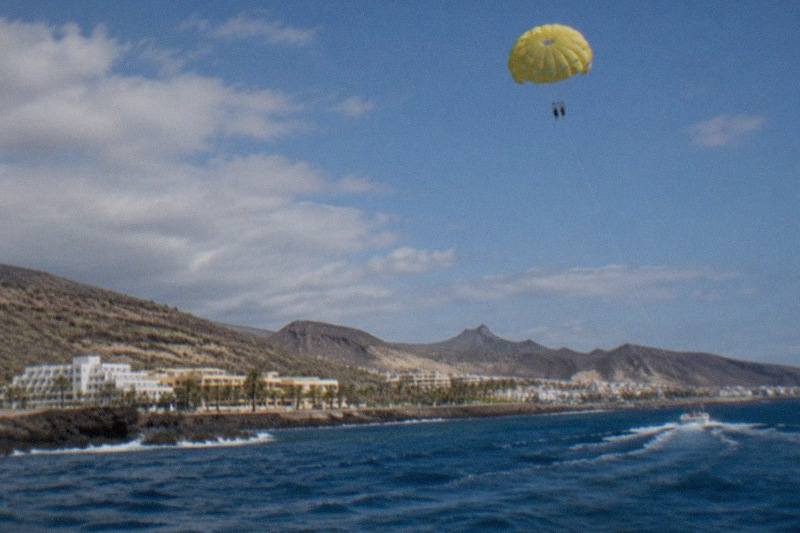
10-Minute Parasailing Flight
Tenerife Costa Adeje Parasailing
from $62.02 Per person, in USD. The total depends on the date and option you pick.
Check Price & Availability →- Area
- Costa Adeje
- Length
- 10 minutes
- Kind
- On and Under the Water
Short answer
Jet ski safaris in Tenerife run mainly from the Arona coast around Los Cristianos and Playa de las Americas, on guided convoys of 40 minutes or a full hour. Every other major watersport, from parasailing in Costa Adeje to surf lessons at Playa de las Americas, works from the same stretch, and the sea stays warm enough for all of them from late spring to early winter.
Tenerife sells itself on beaches, but the water is where the island earns its keep. The jet ski safari is the loudest of the options and, on the evidence of the booking figures on this site's own listings, one of the most popular: the main guided safari out of the Arona coast carries more than three thousand reviews, and it is a 40-minute or one-hour convoy, not a free-for-all. Around it sits a whole ladder of ways onto or under the water, from a ten-minute parasailing flight above Costa Adeje to a first scuba dive in a turtle habitat, most of them operating out of the same few bays in the south.
This page lays out what the watersports scene actually is: where each activity runs from, what the sea does month by month, which rules govern every vessel that shares the water with the pilot whales, and how a first-timer should choose. Everything here comes from operators' own listings, official Canarian law and the climate record, not from a day at the beach. The whale-watching rules matter more than most visitors expect, because the south-west coast is a protected marine area and every jet ski, catamaran and kayak in it answers to the same decree.
Where Can You Jet Ski in Tenerife?
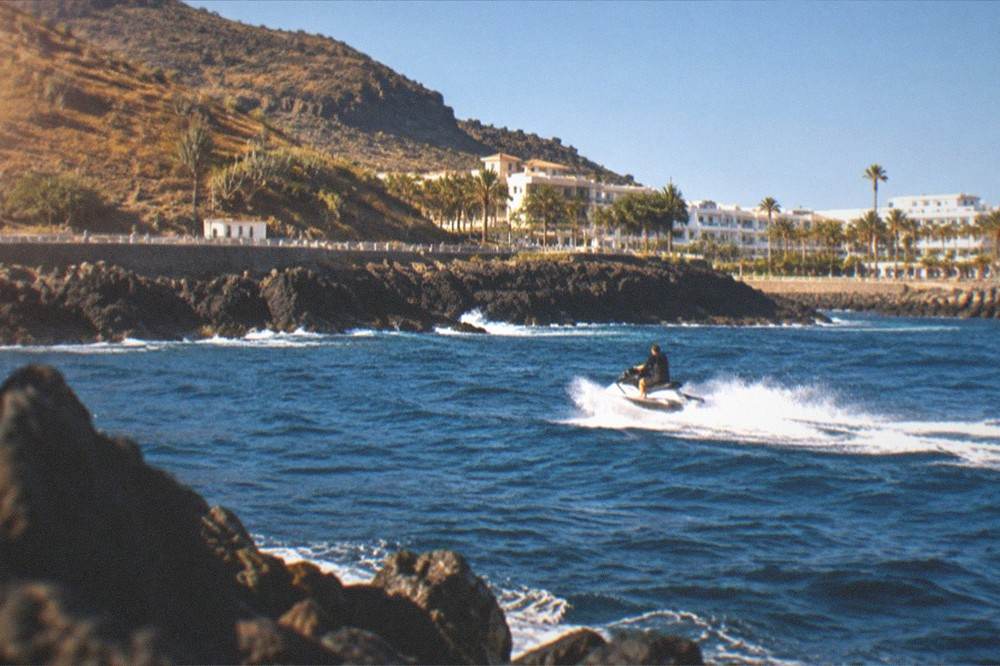
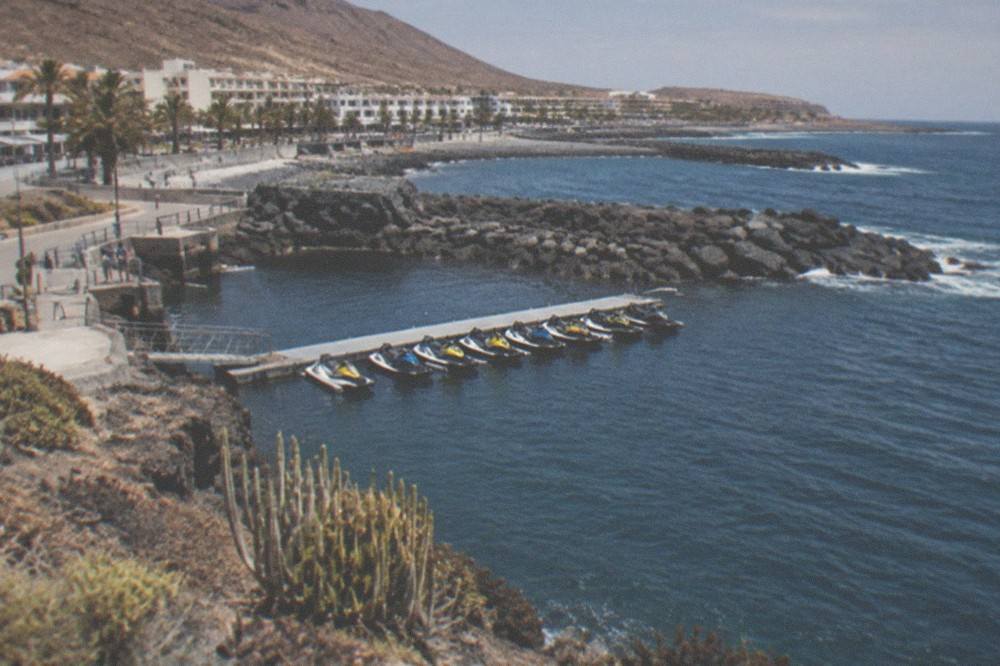
The main jet ski safaris run from the Arona coast, between Los Cristianos and Playa de las Americas, as guided convoy trips of 40 minutes or one hour rather than open hire. The listing for the island's most-booked safari describes a guided route along the south coast with a briefing beforehand, and the same operator pattern, small groups with a lead rider, appears across the watersports listings for the area.
Arona is the natural base for this. The municipality contains Los Cristianos, Playa de las Americas and Las Vistas beach, and the coastline there faces the sheltered channel between Tenerife and La Gomera, which is exactly where the resident pilot whales live. A safari that leaves from this stretch is minutes from open water without fighting a long swell, which is why the same bays host the kayak tours, the catamarans and the scuba dive boats.
The structure matters more than the location. Tenerife's jet ski products are sold as guided trips: a lead rider sets the route, the group follows, and free riding away from the convoy is not part of the product. The listing for the main safari offers two durations, 40 minutes or a full hour, and describes a guided route rather than a hire. For a reader weighing it against other watersports and excursions on Tenerife, that guided format is the honest pitch: it is a tour on the water, not a rental.
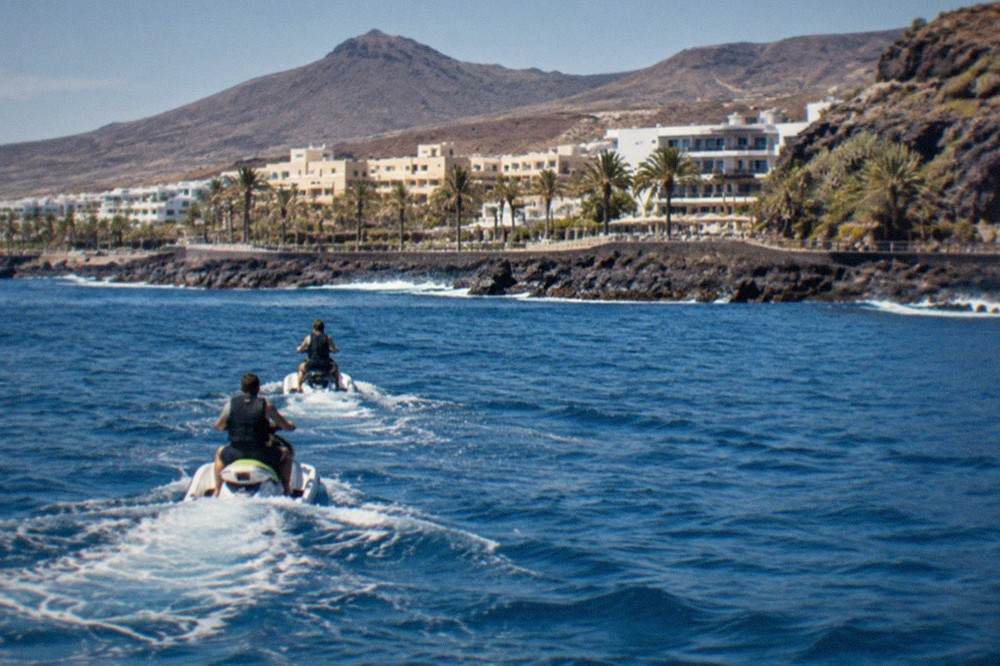
What Does a Jet Ski Safari Actually Include?
A Tenerife jet ski safari includes a safety briefing, a guided convoy along the south coast with a lead rider setting the route, and either 40 minutes or one hour on the water, with fuel and equipment covered by the booking. The listing does not promise a swim stop or a free-ride section, and it is not sold as hire: the guide's route is the product, and riders follow it as a group.
The two-durations format is worth understanding before booking. The shorter option suits a first-timer who wants the sensation without committing an hour; the longer one covers more coast. What neither version is, on the listing's own description, is a solo blast around the bay. The convoy format exists partly because of the marine rules further down this page: the south-west waters are regulated, and an organised group with a guide is the simplest way for an operator to stay inside them.
Booking is straightforward. The operator's live listing carries the current price, the pickup details and the calendar, and the card below shows the live figures. Check availability on the listing before planning the day around it, because sea conditions can move departures. For a fuller picture of what else runs on this coast, the boat trips and catamarans page covers the sailing side, and the whale and dolphin watching page covers the wildlife trips that share the same water.
What Other Watersports Run from Tenerife's South Coast?
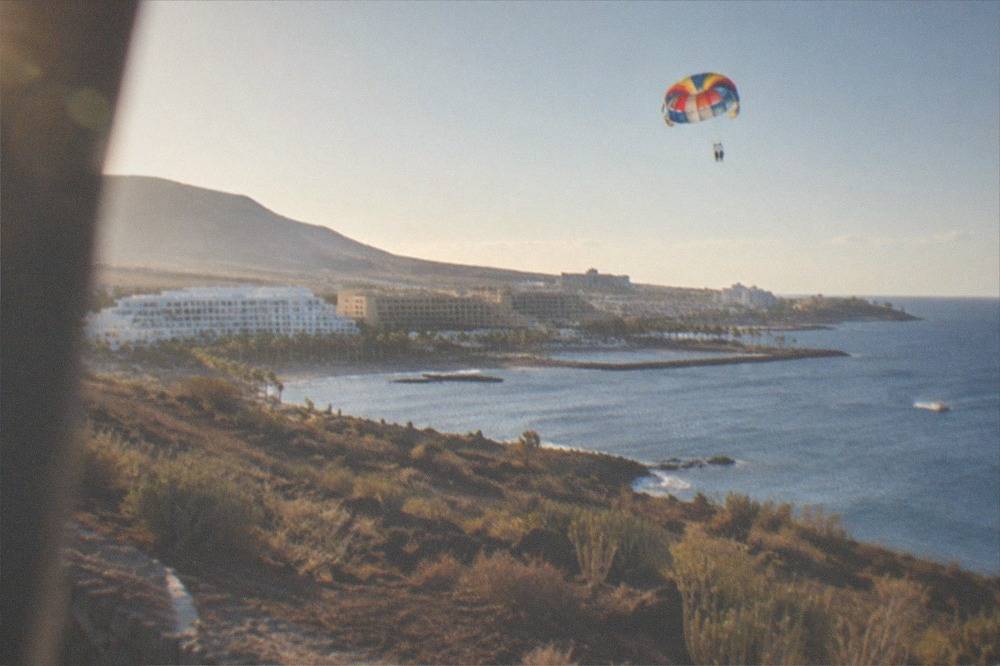
Parasailing flights of ten minutes run from Costa Adeje, surf lessons of two hours run from Playa de las Americas, kayak and snorkel tours of three hours run from Los Cristianos, and first-time scuba dives run from Costa Adeje in a natural turtle habitat. All four operate year-round, and all four are beginner-friendly, with the listings describing photos, videos or equipment as part of the product.
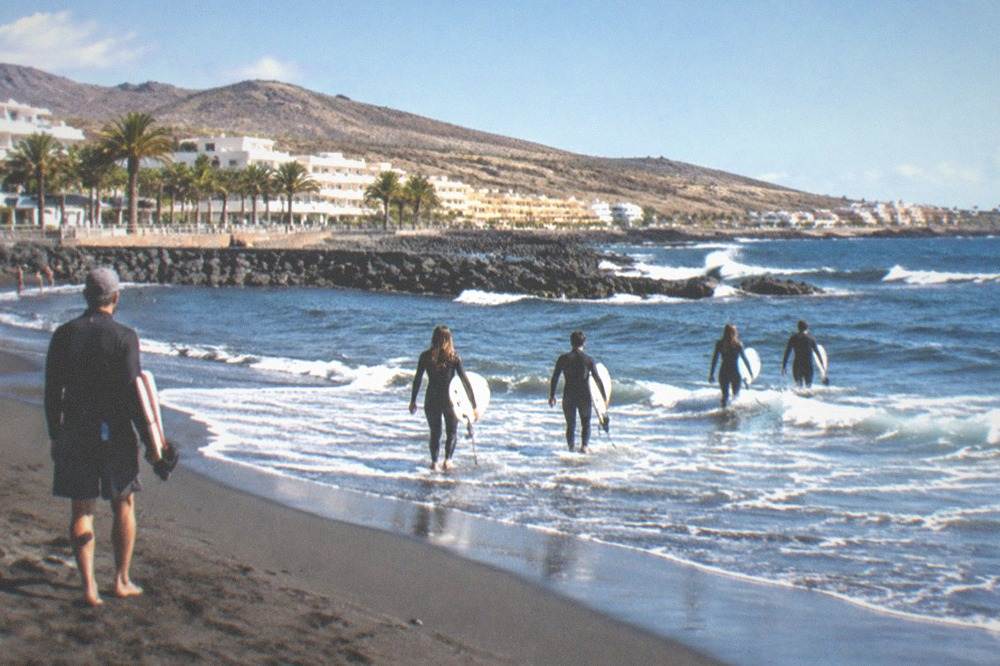
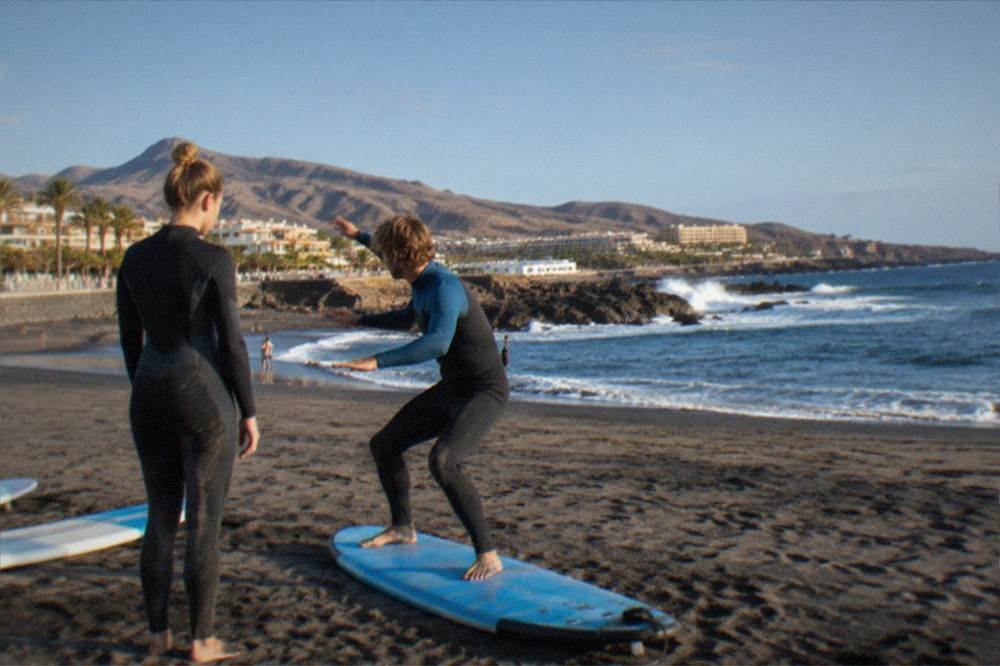
The spread is wider than most visitors realise. A ten-minute parasailing flight above Costa Adeje is the shortest product on the water, a pure adrenaline hit with no skill to learn. A two-hour surf lesson at Playa de las Americas is the opposite: a coached session for all levels with photos included. The three-hour kayak and snorkel tour from Los Cristianos markets itself on the marine ecosystem, with free videos of the trip, and the scuba listings offer a two-in-one try-dive plus snorkel for ages eight and up.
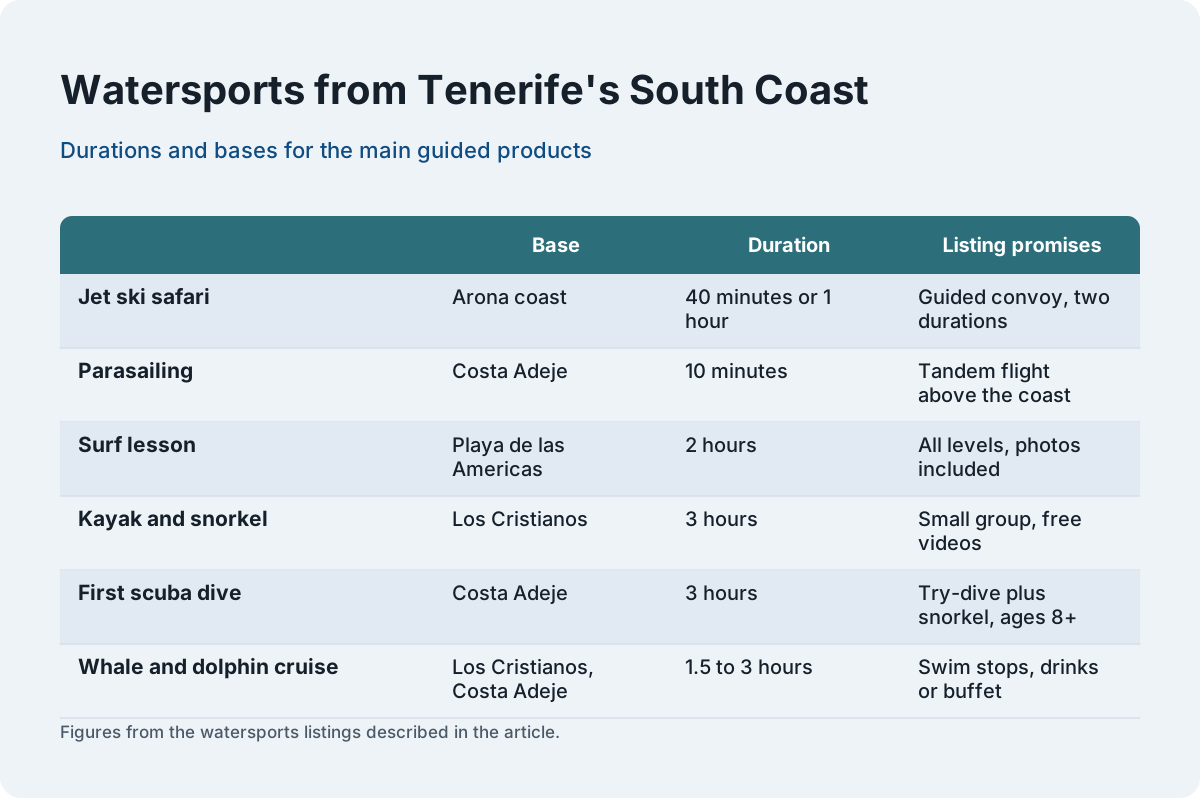
Choosing between them is mostly about time and appetite. The table below sets out what each product is, from the operators' own listings, so the comparison is on facts rather than adjectives.
| Watersport | Base | Duration | What the listing promises |
|---|---|---|---|
| Jet ski safari | Arona coast | 40 minutes or 1 hour | Guided convoy, two durations |
| Parasailing | Costa Adeje | 10 minutes | Tandem flight above the coast |
| Surf lesson | Playa de las Americas | 2 hours | All levels, photos included |
| Kayak and snorkel | Los Cristianos | 3 hours | Small group, free videos |
| First scuba dive | Costa Adeje | 3 hours | Try-dive plus snorkel, ages 8+ |
| Whale and dolphin cruise | Los Cristianos, Costa Adeje, Los Gigantes | 1.5 to 3 hours | Swim stops, drinks or buffet by trip |
The scuba option deserves a note. The listing for the two-in-one dive describes a natural turtle habitat off Costa Adeje, and the separate first-time diving product is a PADI-run boat try-dive. Neither requires a licence, and both are built for people who have never breathed underwater. The full range is on the scuba diving page, and the kayak side, including a turtle and dolphin tour with wetsuit included, is on the kayaking with turtles page.
How Warm Is the Sea Around Tenerife?
The sea off Tenerife's south coast never drops below 19 degrees Celsius: the monthly averages run from 19.1 in March to 23.7 in September and October, on the NOAA series for 1991 to 2020. That means watersports run in every month of the year without a wetsuit for most surface activities, though surf and kayak operators hand out wetsuits on their listings anyway.
The numbers come from the NOAA sea-surface record, and they are the single best argument for booking a jet ski or a dive in any month. There is no bad season for the water itself. The coldest reading, 19.1 degrees in March, is warmer than the Mediterranean in midsummer, and the warmest, 23.7 in September and October, is bathtub territory by Atlantic standards.
| Month | Sea surface temperature (C) | Month | Sea surface temperature (C) |
|---|---|---|---|
| January | 19.9 | July | 22.2 |
| February | 19.2 | August | 23.1 |
| March | 19.1 | September | 23.7 |
| April | 19.5 | October | 23.7 |
| May | 20.2 | November | 22.5 |
| June | 21.4 | December | 21.1 |
The air above it behaves differently. AEMET's normals for the Tenerife South Airport station show the air hottest in August at a mean of 24.7 degrees and sunniest in July at 295 hours, while the sea peaks a month or two later. For a watersports day the two curves matter together: spring pairs warm air with the year's calmest, clearest water, and autumn pairs the warmest sea with slightly shorter days. The best time to visit Tenerife question has a different answer for beach holidays and for time on the water, and readers basing themselves near the launch points can compare the best beaches in Tenerife before deciding which bay to call home for the week.
Do Jet Skis Share the Water with the Whales?
Yes, and under strict rules: Canarian Decreto 178/2000 bans any vessel from approaching within 60 metres of a whale or dolphin, caps boats at 4 knots within 500 metres, allows at most three boats inside that 500-metre zone, and forbids swimming, diving, feeding, chasing or circling the animals. Authorised wildlife boats must fly the Barco Azul flag, and the Tenerife-La Gomera marine area has been a designated Whale Heritage Area since January 2021.
This is the part of the law that shapes every product on this page. The channel between Tenerife and La Gomera holds what the World Cetacean Alliance calls a unique resident population of pilot whales, plus bottlenose dolphins and a migration stop for 21 other cetacean species, inside a Special Area of Conservation. The WCA designated the area a Whale Heritage Area in January 2021, and its current programme name is Whale Heritage Areas. No official count of the pilot whales exists, and none is stated here.
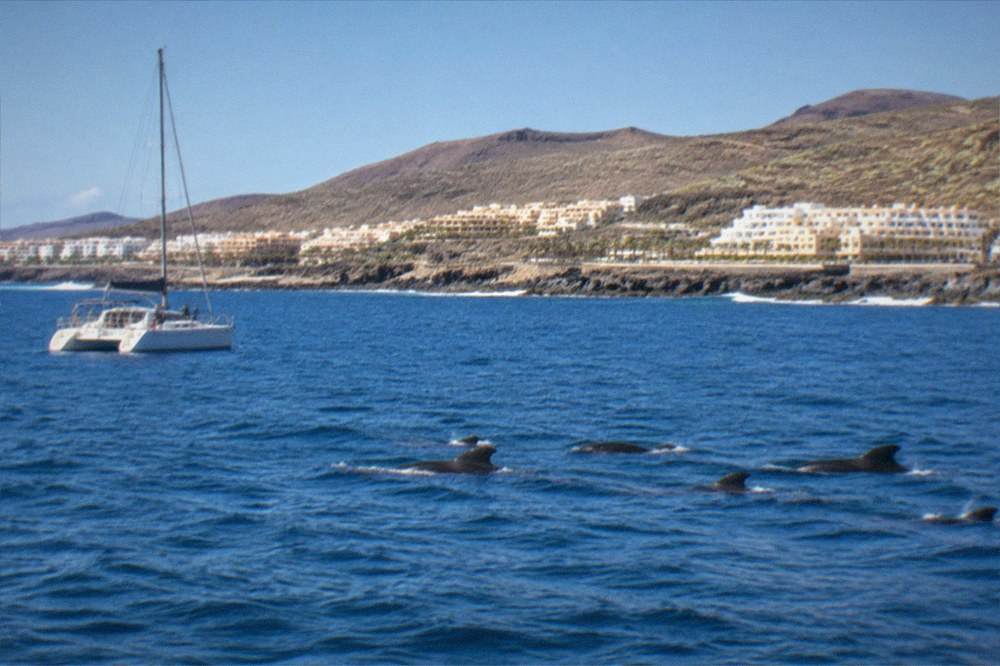
For a jet ski rider the practical meaning is simple: the safari routes are set to keep clear, and chasing or circling wildlife is a legal offence, not an operator's preference. For a whale-watching customer the flag is the check: a boat flying the Barco Azul flag holds the Canary tourism department's authorisation, renewed annually. The decree's key rules, as published in the Official Gazette of the Canary Islands:
| Rule in Decreto 178/2000 | Figure |
|---|---|
| Minimum approach distance to any cetacean | 60 m |
| Maximum speed within 500 m of the animals | 4 knots |
| Maximum boats within 500 m | 3 |
| Swimming or diving within 500 m | Prohibited |
| Feeding, chasing or circling | Prohibited |
| Flag required on authorised boats | Barco Azul, issued with the permit |
The no-chase principle has become a selling point in its own right. Several eco-listings on this site market themselves explicitly as no-chase, respectful encounters, and the highest-rated whale products on the roster are the ones that lead with the rules rather than the proximity. That is not marketing sentiment: it is the decree translated into a product.
When Is the Best Season for Watersports in Tenerife?
Every month works, but the strongest combination for watersports is May to July, when the south-coast sea runs 20.2 to 22.2 degrees, AEMET records zero days with 1 mm or more of rain at the south airport station, and sunshine runs 246 to 295 hours a month. September and October hold the warmest sea of the year at 23.7 degrees, at the cost of a few rainy days.
The rainfall record is what surprises people. AEMET's normals for the south airport station show July with literally zero days of rain of 1 mm or more and June at zero as well, on the 1981 to 2010 series. The same station's winter months are not wet by northern European standards: January averages 17 mm across 1.8 rain days. The sea is never too cold and the sky is rarely too grey, which is why the operators run 365 days a year.
Wind is the variable the listings do not control. Sea conditions can move departures, and the Masca gorge rules elsewhere on this island show how quickly the sea can close a day's operations when swell arrives. On the south coast the exposure is gentler, but a booking is still a booking for a sea state, and operators hold the final word on whether a departure runs. Book with that expectation rather than against it.
| Month | Mean daily max air (C), south airport | Rain days (1 mm or more) | Sunshine hours | Sea (C) |
|---|---|---|---|---|
| January | 21.7 | 1.8 | 193 | 19.9 |
| March | 23.1 | 1.9 | 226 | 19.1 |
| May | 23.9 | 0.3 | 246 | 20.2 |
| July | 27.7 | 0 | 295 | 22.2 |
| September | 27.9 | 0.6 | 213 | 23.7 |
| November | 24.8 | 1.9 | 193 | 22.5 |
What Should Beginners Know Before Booking?
A beginner needs no licence or experience for any of the main products: jet ski safaris are guided convoys with a briefing, parasailing is a ten-minute tandem flight, surf lessons take all levels, and the scuba try-dives are built for first-timers from age eight. The one thing to check on the day is the operator's own rules on age, health and sea state, because every listing sets its own limits and conditions can close a departure.
Age is the one figure worth reading carefully. The two-in-one scuba listing is marked for ages eight and up. The jet ski safari listing sets its own age and licence terms on the operator's page, and the reader should read them there rather than rely on second-hand summaries. Health matters too: on the land side of the island, the Teide cable car operator excludes people with cardiovascular conditions, pregnant women and children under 3 because of altitude, and watersports operators carry comparable exclusion lists for their own reasons. The listing is the source.
Beyond the rules, the honest advice is about sequencing. A ten-minute parasail is a taster, a two-hour surf lesson is a skill, and a jet ski safari sits between them: an hour of guided riding that asks for attention but no technique. Readers planning a full week can mix the water with the land, and the surf lessons page covers the coaching side in depth. For the wider picture of what the island offers off the water, Tenerife Travel Guide covers everything from the Teide cable car to the north-coast towns.
One last comparison worth making is with the parks. Siam Park opens 365 days a year, 10:00 to 18:00 from 1 May to 29 October and 10:00 to 17:00 the rest of the year, on the park's own hours page, and its water is chlorinated, heated and guaranteed. The sea is none of those things. Some days the ocean wins and a water park is the right call; on the days it does not, a guided safari along a coast with resident pilot whales 60 metres of law away is the more memorable product by any measure. The water parks guide breaks down the park side of that choice, and the Siam Park attraction page holds the full hours and ticket detail.
Common Questions About Jet Skiing in Tenerife
Do you need a licence to jet ski in Tenerife?
The safari products sold on this site are guided convoy trips, not hire, and the listing for the main Arona-coast safari states its own age and licence terms on the operator's page. Read the terms on the live listing before booking, because the operator sets the requirements and they are the authority on them.
Where do jet ski tours in Tenerife leave from?
The main guided safaris run from the Arona coast, the stretch between Los Cristianos and Playa de las Americas. The area faces the sheltered channel towards La Gomera, which keeps the water workable for the short convoy routes the listings describe.
Can you jet ski in Tenerife in winter?
Yes. The sea off the south coast averages 19.9 degrees in January and 19.2 in February on the NOAA series, warmer than most European seas in summer, and the operators run year-round. A departure can still move for sea conditions, which is the operator's call on the day.
Are jet skis allowed near the whales in Tenerife?
Canarian law, Decreto 178/2000, bans any vessel from approaching within 60 metres of whales or dolphins, caps speed at 4 knots within 500 metres, allows at most three boats in that zone, and prohibits chasing or circling. Jet ski safari routes are set to keep clear of the protected marine area's wildlife.
What is the best month for watersports in Tenerife?
For the strongest all-round conditions, May to July: the sea runs 20.2 to 22.2 degrees, the south airport station records at most 0.3 rain days a month, and sunshine peaks at 295 hours in July. September and October hold the warmest sea of the year at 23.7 degrees.
Is parasailing or a jet ski safari better for a beginner?
Parasailing is a ten-minute tandem flight that asks for no skill at all, while the jet ski safari is a 40-minute or one-hour guided convoy that asks for attention and balance. Both are beginner products; the flight is the shorter commitment, the safari the longer ride.