7 Days in Tenerife: A One Week Itinerary
Seven days is enough to see Teide, the Masca gorge, the north coast and the Anaga mountains without rushing, provided the two things that need bookings are booked first.
Short answer
Base yourself in the south for days one to four, take the cable car up Mount Teide on day three, walk the Masca descent with its boat exit on day four, then move to the north for Anaga, Puerto de la Cruz and Santa Cruz. The only advance bookings a week needs are the Teide summit permit, the Masca ticket and the exit boat, plus any tour with a transfer.
Seven days is the length at which Tenerife stops being a beach holiday with a volcano attached and becomes a whole island. A week is enough to stand at 3,555 m on La Rambleta, walk down the Masca gorge to a boat, eat in the north among the guachinches, and still lose an afternoon to a beach. The island holds about 960,000 people across 31 municipalities, and 7,412,046 tourists arrived by air in 2025, so the one thing a week here cannot absorb is improvisation on the two or three sights that need reservations. This itinerary puts those bookings first and lets everything else stay loose.
What Should a One Week Tenerife Itinerary Cover?
A balanced week covers four things in this order: the south coast beaches and a whale watching trip, Mount Teide by cable car, the west coast trio of Masca, Icod de los Vinos and Garachico, and the north with Anaga, Puerto de la Cruz and Santa Cruz. Two of those need advance bookings on official pages, the Teide summit permit and the Masca ticket with its boat exit, so the itinerary below locks them into days three and four and leaves the rest flexible.
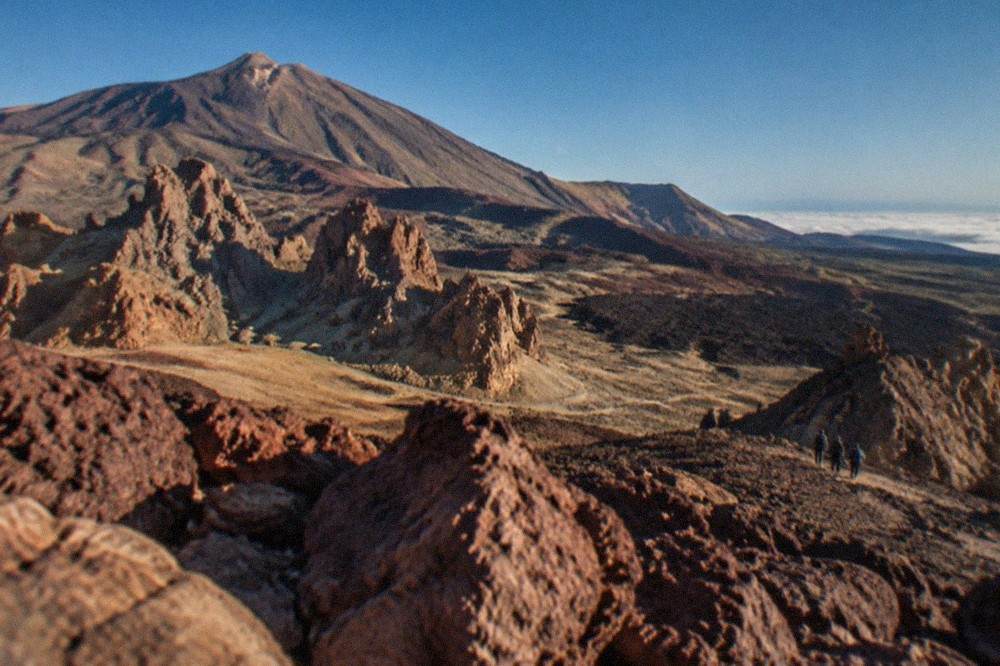
The shape of the week follows the island's geography. The south, Costa Adeje, Los Cristianos and the beaches around them, is where most visitors stay and where the sea trips leave from. The west is the Masca gorge and the cliffs of Los Gigantes, which the tourist board describes as towering up to 600 m. The centre is Teide National Park, 18,990 hectares declared a national park by decree of 22 January 1954 and inscribed by UNESCO in 2007. The north is greener, wetter and quieter, and it carries the colonial town of San Cristóbal de La Laguna and the laurel forests of Anaga.
Here is the week at a glance. Everything in the booking column is explained in its own section below.
| Day | Base | Headline | Booking needed |
|---|---|---|---|
| 1 | South coast | Beach day, Costa Adeje or Los Cristianos | None |
| 2 | South coast | Whale and dolphin watching from the marina | Tour ticket if you want a boat |
| 3 | Teide | Cable car to La Rambleta, sunset and stargazing | Cable car ticket; summit permit only for the crater trail |
| 4 | West coast | Masca gorge descent with boat exit | Masca ticket plus boat, both in advance |
| 5 | North | Icod de los Vinos, Garachico, Puerto de la Cruz | None |
| 6 | Anaga or La Gomera | Laurel forest hike or ferry day trip | El Pijaral reservation, or the ferry and tour |
| 7 | Santa Cruz | La Laguna, the capital, departure | None |
If you are still deciding between three days, five days and seven, the how many days in Tenerife question has its own answer, and there are shorter plans in the three day Tenerife itinerary and the five day Tenerife itinerary. A ten day version of this same route exists too, at 10 days in Tenerife, for readers with more leave than the week allows.
Days 1 and 2: The South Coast and the Whale Watching Boats
Start the week in the south with two unhurried days: a beach day at Costa Adeje or Los Cristianos, then a whale and dolphin watching trip from one of the southern marinas. The sea between Tenerife and La Gomera holds a resident population of pilot whales and bottlenose dolphins, and the World Cetacean Alliance designated the Tenerife-La Gomera Marine Area a Whale Heritage Area in January 2021, so the boats here are watching animals that live here year round, not passing through.
The beaches deserve their day. The tourist board describes El Duque as a grey sandy beach, Las Vistas in Arona as golden sand behind breakwaters, and Las Teresitas, up the coast in San Andrés, as golden sand with palms. Note the colour: several pages call El Duque golden, and the official page does not. A first day of acclimatising on sand, with a swim and a long lunch, is not wasted time on an island where the sea surface off the south coast averages 23.7 degrees Celsius in September and October.
Day two belongs to the boats. Whale watching here is regulated by Decreto 178/2000: boats may not approach within 60 m of a whale, no more than three boats may be within 500 m, speed is limited to 4 knots inside that zone, and swimming with the animals is banned within 500 m. Authorised boats must fly the Barco Azul flag, issued with their permit and renewed annually, so the flag is the visible proof a boat is legal. A trip that respects those rules is a different product from a chase, and several operators on this site advertise exactly that.
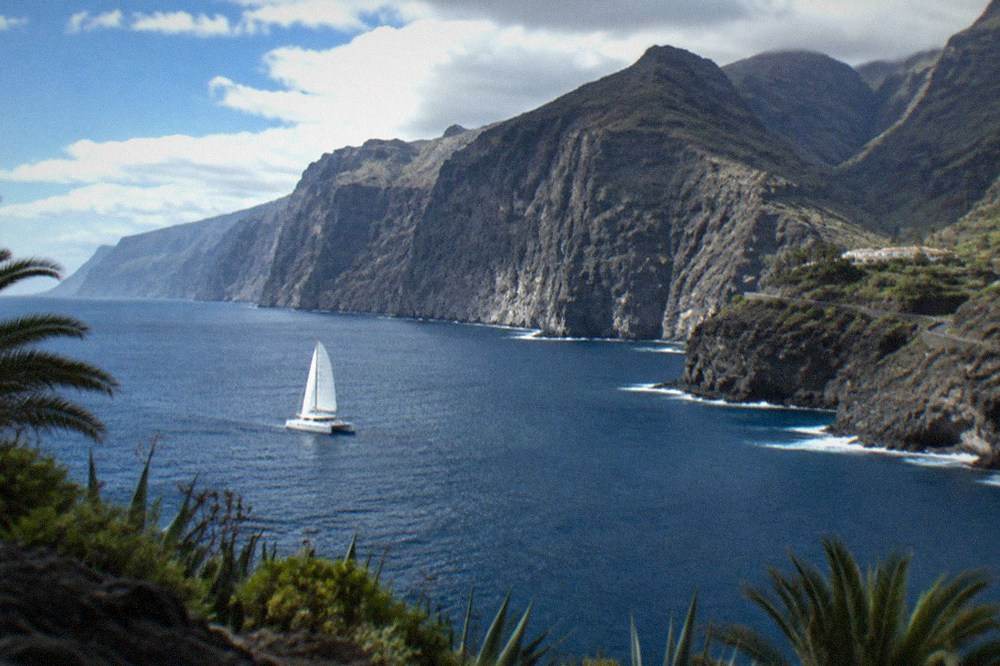
A cruise from Los Gigantes adds the cliffs to the wildlife. The tourist board says the cliffs tower up to 600 m, with the seabed about 30 m deep at their foot, and a swim stop in a cove is a standard part of the longer trips.
Among those options, the Los Gigantes cruise with a swim stop is the one that pairs the cliffs with the resident pilot whales in a single two hour outing, and it leaves from the marina at Los Gigantes rather than the busier southern ports.
Day 3: Mount Teide, the Cable Car and the Night Sky
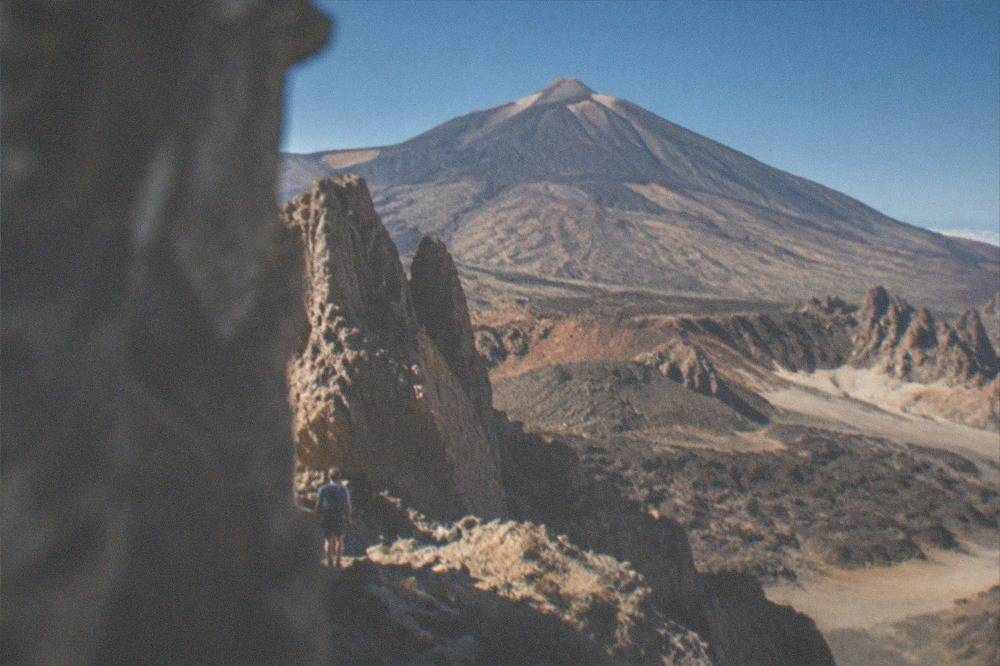
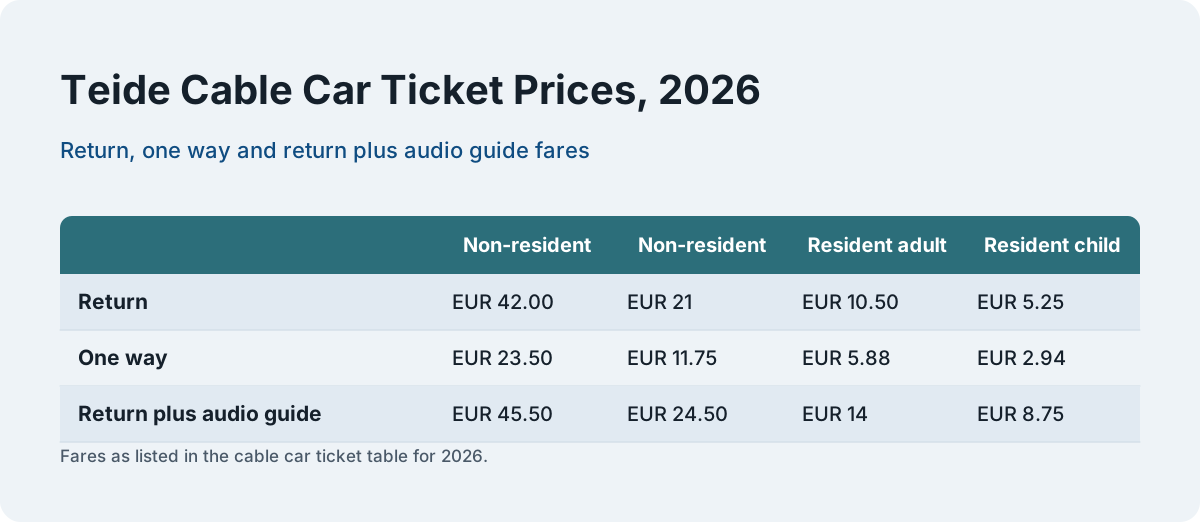
Day three is the volcano. The cable car runs from the base station at 2,356 m to La Rambleta at 3,555 m, and a non-resident adult return is EUR 42.00, with children 3 to 13 at EUR 21. The cable car does not reach the summit: the crater trail, PNT 10 Telesforo Bravo, is a separate reservation on Tenerife ON, and since Monday 19 January 2026 its 09:00 to 17:00 slots cost EUR 15 for visitors, EUR 6 for other Canary residents.
Get the three Teide things straight before you book anything, because pages blur them constantly. Driving through Teide National Park costs nothing and needs no booking on any official page read. The cable car is an operator ticket to La Rambleta. The summit trail is a personal reservation on Tenerife ON, which lists it as requiring a reservation for citizens, requiring accredited guides, and not allowing organisations. Book the permit on Tenerife ON itself: the old national parks booking page still loads but only tells users to book on Tenerife ON, and slots for dates from 1 September 2025 onward were released there. Tenerife residents pay nothing on the daytime slots, and children are exempt from the fee.
Permits are released every Monday at 07:00 Canary time, with 56 days always bookable, so a week-long trip booked a month or two ahead falls inside the window. Do not trust any page giving a fixed lead time for how early to book. The daytime slots are 09:00 to 11:00, 11:00 to 13:00, 13:00 to 15:00 and 15:00 to 17:00; the sunrise slot 06:00 to 09:00 and the sunset slot 18:00 to 22:00 are also listed as bookable and carry no fee mark, but they are still reservations, and walking without one can be penalised. The booking page shows the age band that applies to the child exemption. Bring ID: the fee tier is set by the place of residence on the card or passport, which is checked at the checkpoint.
The operator's exclusion list matters at this altitude. People with cardiovascular conditions, pregnant women and children under 3 are not allowed on the cable car, and Tenerife ON says the summit trail is not suitable for anyone with heart, respiratory or mobility problems. The cable car's standard 2026 hours run 09:00 to 17:00 in the quieter seasons and 09:00 to 18:40 from 1 July to 30 September, with the last ascent one hour before closing and the last descent ten minutes before. Smoking is banned in every open-air space of the national park, car parks included.
| Cable car ticket, 2026 | Non-resident adult | Non-resident child (3 to 13) | Resident adult | Resident child |
|---|---|---|---|---|
| Return | EUR 42.00 | EUR 21 | EUR 10.50 | EUR 5.25 |
| One way | EUR 23.50 | EUR 11.75 | EUR 5.88 | EUR 2.94 |
| Return plus audio guide | EUR 45.50 | EUR 24.50 | EUR 14 | EUR 8.75 |
Evening is the second half of the Teide day. The park is a Starlight Tourist Destination and a Starlight Reserve, both listed by the Fundación Starlight, and the observatory at Izaña, about 2,400 m up, gives guided visits by prior reservation only. A sunset and stargazing tour with telescopes is the easy way into the night sky, and the Teide stargazing tours page compares them.
If you would rather not drive the mountain road at all, a tour with coach transfer and a cable car ticket bundled is the simplest version of day three.
Day 4: The Masca Gorge Descent and the West Coast
Day four is the walk most people come for, and it has the strictest rules of the week. The Masca gorge is open under a continuing pilot scheme, descent only, leaving by a pre-booked boat from Masca bay. The general ticket is EUR 40.66 and the boat is extra and separate. Hikers must arrive on TITSA line 355 from Santiago del Teide and show the bus ticket; arriving by private vehicle means refusal, and closed mountain footwear is a condition of entry.
Book at caminobarrancodemasca.com, not on Tenerife ON, which links out to it. The trail is open 08:30 to 18:00 with entry sessions from 08:30 to 13:00, releasing 25 places every 30 minutes and 50 at the 09:00 session. The boat ticket must be booked in advance and for no later than four hours after your descent slot, and it is shown at the controls. The return from Los Gigantes to Santiago del Teide is not included: TITSA lines 462 or 325 cover it. The operator warns that the pier can close suddenly when the sea turns, which voids the day's ticket, and calls the gorge the place with the most rescues in the Canaries in recent years, so the footwear rule and the boat rule are not bureaucracy.
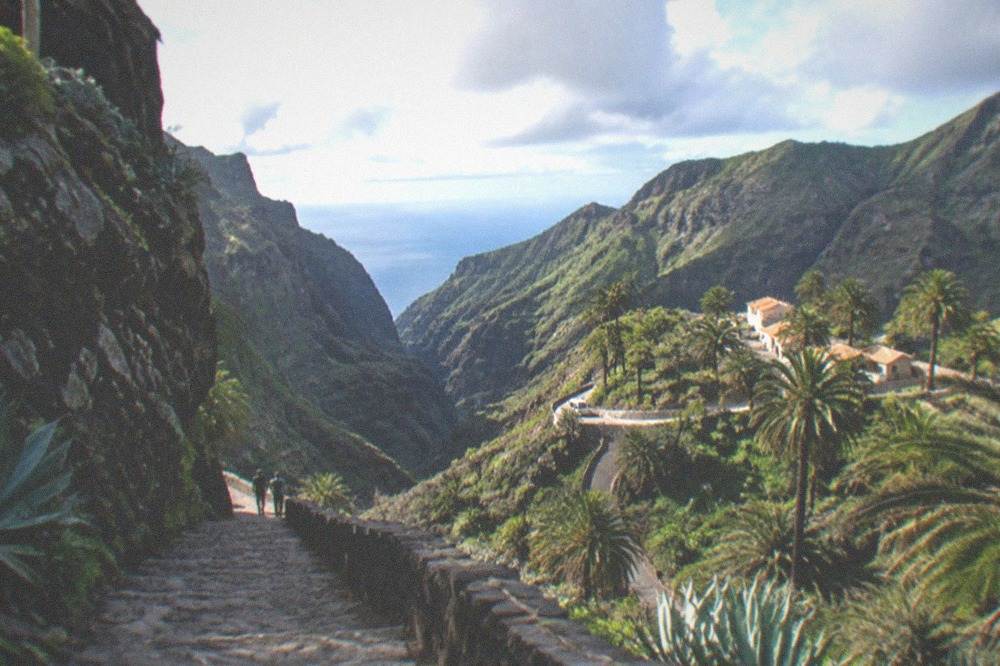
If the gorge is more commitment than your week wants, the rest of the west coast still makes a superb day, and the Masca, Garachico and Icod route page lays it out for drivers. The village of Masca itself, the viewpoint above it, and the drive through Teno are unaffected by the gorge's booking regime.
Day 5: The North Coast, Icod and Garachico
Day five crosses to the north and slows down. The three stops are the Drago Milenario in Icod de los Vinos, a dragon tree the council says is about 21 m tall with a trunk base about 17 m round and an age of roughly 800 to 1,000 years by the two official estimates, the town of Garachico, whose old port was buried by the Trevejo volcano eruption of 1706, and Puerto de la Cruz, the original resort of the island.
The age of the dragon tree is worth a sentence of care, because the two official sources differ: Icod council attributes approximately 1,000 years to it, the tourist board says over 800. Write both, believe neither as a date, and enjoy the tree. Garachico's story is better documented: it had been the island's trade hub in the 16th and 17th centuries before the 1706 eruption destroyed almost the entire town and buried the old port, and its natural pools are now among the best swimming spots on that coast.
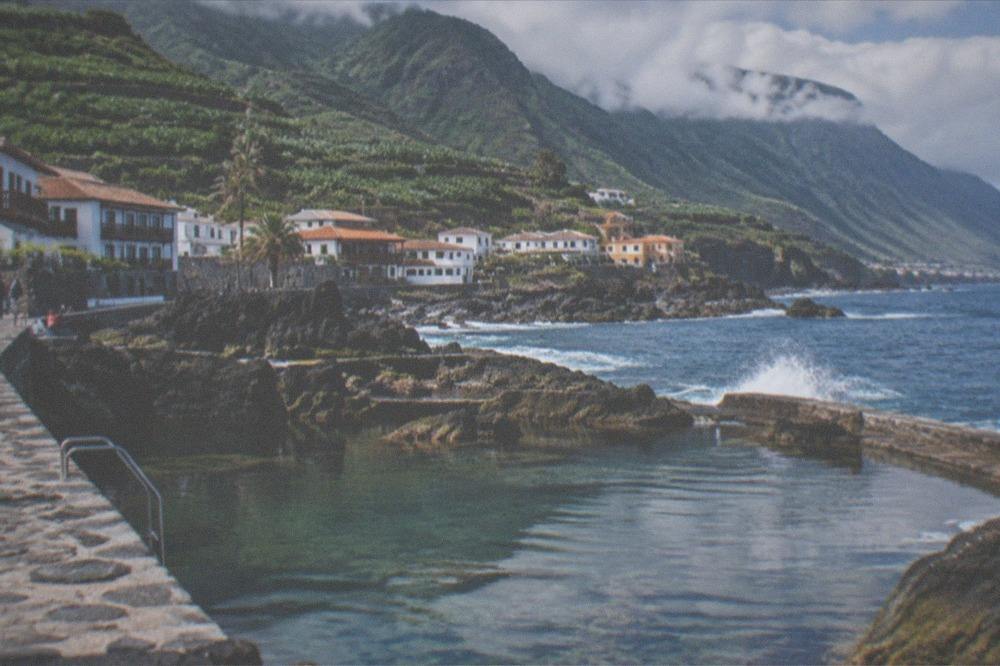
Puerto de la Cruz is the afternoon. It is a proper town with a botanical garden, the seawater complex of Lago Martiánez, and a slower pace than the south. If you would rather have the whole island's north coast served to you in one guided day, a full day island tour covers this coast without the driving, and it is the third of the week's recommended picks.
Day 6: The Anaga Mountains or a La Gomera Ferry Day
Day six is a choice between the island's second great landscape and a second island. The Anaga Rural Park in the far northeast holds laurel forest, and its most famous walk, El Pijaral, the Enchanted Forest, on trail PRA 72, needs a Tenerife ON reservation released weekly and bookable at most 14 days ahead, with company-run tours not permitted. The alternative is the 50 minute ferry from Los Cristianos to San Sebastián de La Gomera, run by Fred. Olsen Express, with Armas Trasmediterránea selling the route too.
Anaga rewards the early start. The reservation rule for El Pijaral is strict, and the Cabildo names two permit-free alternatives in the same forest, the Bosque de los Enigmas trail and the Pista de Las Hiedras, which need no booking. Note what the rule says about tours: organised tours by companies or legal entities are not permitted on El Pijaral, so any guided hike you take in Anaga will be on other routes, and several are on this site's guided hiking pages.
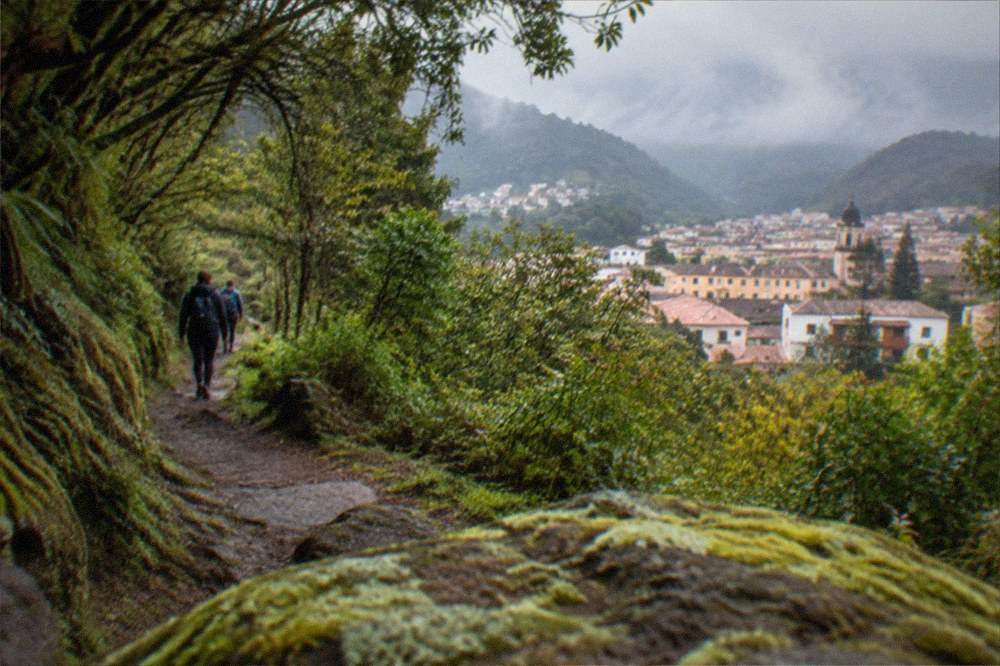
La Gomera is the easier option and a genuinely different day: the ferry crossing is 50 minutes each way, coach and ferry day trips with lunch included are sold on this site, and the La Gomera day trip page covers the island itself. Whichever you pick, keep day six off the mountain: after Teide on day three and Masca on day four, a forest or a boat is what the legs want.
Day 7: La Laguna, Santa Cruz and Departure
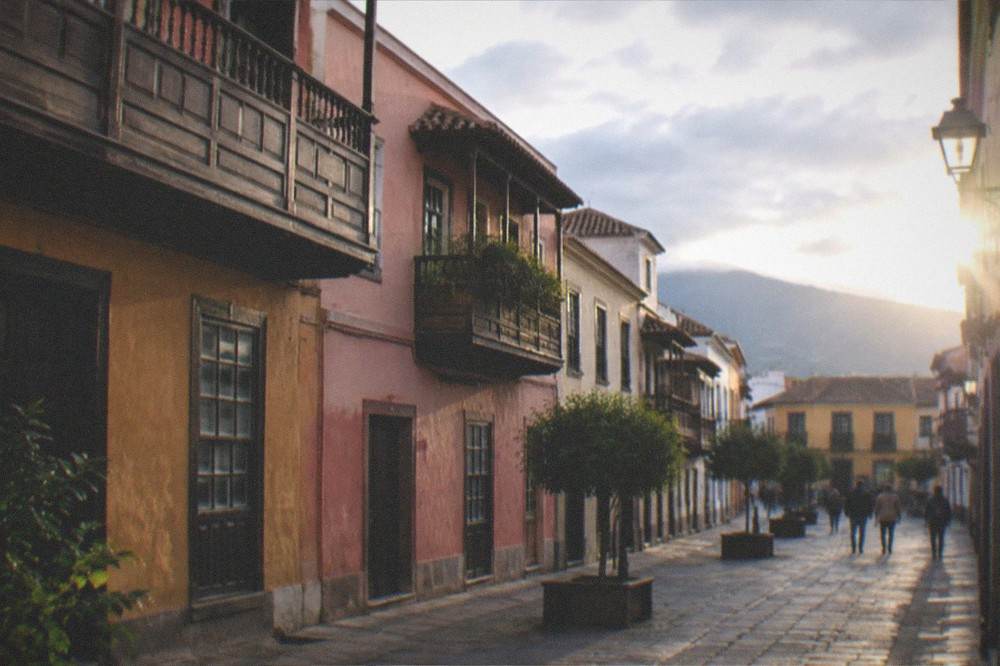
Day seven is the cultural finish. San Cristóbal de La Laguna is a UNESCO World Heritage town whose layout, in UNESCO's words, provided the model for many colonial towns in the Americas, and Santa Cruz de Tenerife holds the Auditorio de Tenerife, a Santiago Calatrava building inaugurated in 2003 with 23,000 square metres under its white trencadís skin. Both sit on the northeast edge of the island, close to Tenerife North airport, which makes them the natural last day before a flight.
Santa Cruz is also a working Canarian capital rather than a resort, and its market, the Mercado Nuestra Señora de África, is the one to see. If your flight leaves late, the beaches of Las Teresitas at San Andrés, golden sand behind breakwaters, are the closest proper swim to the city. If the day turns wet, the rainy day in Tenerife plan swaps in museums and covered sights.
How Do You Get Around During the Week?
A hire car is the practical choice for days four, five and six, and the buses cover the rest. TITSA runs the island's coach network, and visitors buy single tickets priced by route, the EUR 10 day travelcard or the EUR 50 seven day travelcard, all sold at airport ticket machines. Public transport is not free for visitors: the 2026 100% subsidy applies to resident passes only, held on a personalised Ten+ card that requires Canary Islands residency, and visitors do not qualify.
The two airports matter on arrival day, and the which Tenerife airport page compares them. AENA's names are Tenerife Sur and Tenerife Norte-Ciudad de La Laguna, and TITSA's own airport pages list the bus lines at each.
| Airport | AENA name | TITSA lines listed by TITSA |
|---|---|---|
| Tenerife South (TFS) | Tenerife Sur | 10, 40, 711, 343, 415 |
| Tenerife North (TFN) | Tenerife Norte-Ciudad de La Laguna | 20, 30, 343 |
| Visitor ticket | Price | Notes |
|---|---|---|
| Single ticket | Priced by route | Card or cash |
| Day travelcard | EUR 10 | Sold at airport ticket machines |
| 7 day travelcard | EUR 50 | Suits a week of bus use |
| Same-day return | 10% off | On trips of 20 km or more |
For the week's shape, hiring a car for the middle stretch only is a common pattern, and readers who would rather never drive at all can follow the Tenerife without a car plan instead. If a hire car is on your list, compare island car hire options before day four, when the Masca shuttle and the west coast roads begin.
What Will the Weather Be Like Over Your Seven Days?
No page can forecast your week, but the official climate normals tell you what to expect. AEMET's 1981 to 2010 normals for Tenerife South Airport show July and August averaging 27.7 and 28.4 degrees Celsius daily maximum with zero rain days, while November and December average 24.8 and 22.8 degrees with 26 and 30 mm of rain. Up at Izaña, 2,369 m on the Teide ridge, January averages just 7.5 degrees maximum, so mountain and coast are two climates in one day.
That split is the single most useful weather fact for this itinerary. Day three on Teide can be ten degrees colder than day one on the beach, and AEMET's normals for Izaña put mean daily minimums at 1.1 degrees in January and 14 in July. Pack a layer for the volcano whatever month you come, and check the live forecast from AEMET, the Spanish state met service, in the days before each mountain day, because bookings can be suspended for fire risk or weather alerts and Tenerife ON carries the alerts.
| Month | South airport mean daily max (C) | South airport rain (mm) | Izaña mean daily max (C) | Sea surface (C) |
|---|---|---|---|---|
| January | 21.7 | 17 | 7.5 | 19.9 |
| April | 23.1 | 7 | 11.8 | 19.5 |
| July | 27.7 | 0 | 23 | 22.2 |
| October | 26.8 | 12 | 14.3 | 23.7 |
| December | 22.8 | 30 | 8.8 | 21.1 |
For a shorter or longer version of this route, the editorial desk behind this site, Tenerife Travel Guide, also publishes a three day Tenerife itinerary and a ten day Tenerife itinerary, plus a dedicated guide to the Teide summit permit.
Common Questions About a Week in Tenerife
Is 500 enough for a week in Tenerife?
It depends on what the 500 covers and which currency you mean, and no official source prices a week, so this desk will not invent a total. What can be said from the verified figures: the island has no tourist tax, no per-night lodging charge exists on any official page read, and the big fixed public costs are EUR 42.00 for the cable car return, EUR 15 for the Teide summit slot if you walk the crater trail, and EUR 40.66 for Masca plus the boat. A week of buses on the visitor travelcards is EUR 50. Flights, hotels and car hire move daily and are priced by the seller, not by any fact on file here.
what is the weather like in tenerife for the next 7 days?
No itinerary page can state the next seven days' weather, and this one will not guess. The official source for a live forecast is AEMET, the Spanish state meteorological agency. For planning, AEMET's 1981 to 2010 normals show the south coast averaging 21.7 degrees Celsius daily maximum in January and 28.4 in August, with the wettest months being November and December, while the Teide ridge at Izaña averages 7.5 degrees maximum in January. The sea off the south coast averages between 19.1 and 23.7 degrees across the year.
Do I need to book the Teide summit permit before I travel?
Yes, if you want to stand on the crater rim. The trail PNT 10 Telesforo Bravo requires a personal reservation on Tenerife ON, released every Monday at 07:00 Canary time with 56 days always bookable. If you only take the cable car to La Rambleta, no permit is needed, only the operator's cable car ticket.
Can I walk the Masca gorge both ways?
No. Under the current pilot scheme only the descent with a pre-booked boat exit from Masca bay is sold, and you must arrive on TITSA line 355 from Santiago del Teide and show the bus ticket. The return from Los Gigantes is on TITSA lines 462 or 325 and is not included in the ticket.
Is seven days too long in Tenerife?
Seven days is comfortably enough to cover the south coast, Teide, the west coast, the north and either Anaga or La Gomera without rushing, and it is the shortest length at which all of those fit with a beach day to spare. Readers with only a long weekend should follow the three day plan instead, and those with fortnights can slow every section down.