San Cristobal De La Laguna
La Laguna is the only town in Tenerife on the UNESCO World Heritage list, a grid of pastel facades and wooden balconies that provided the model for colonial cities across the Americas. This guide sets out what the town is known for, how to reach it by tram or bus, and how to plan a visit.
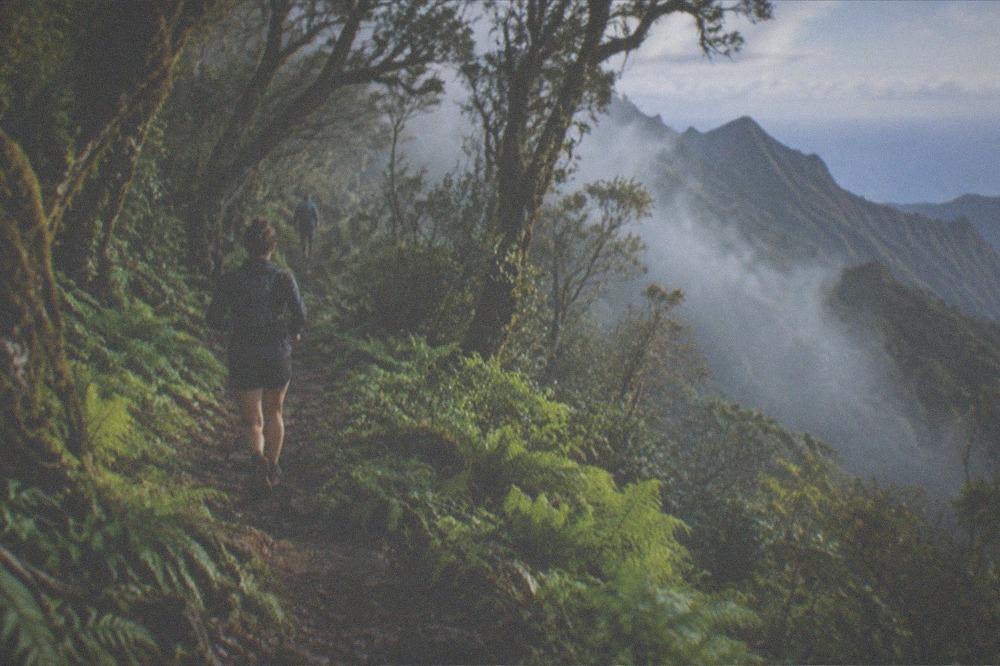
Short answer
La Laguna is Tenerife's UNESCO World Heritage town, 161,108 residents strong and the second largest municipality on the island. It sits inland from Santa Cruz de Tenerife, reachable by tram and by the TITSA buses that serve Tenerife North Airport, and it is known for its colonial street plan, its university and its food scene.
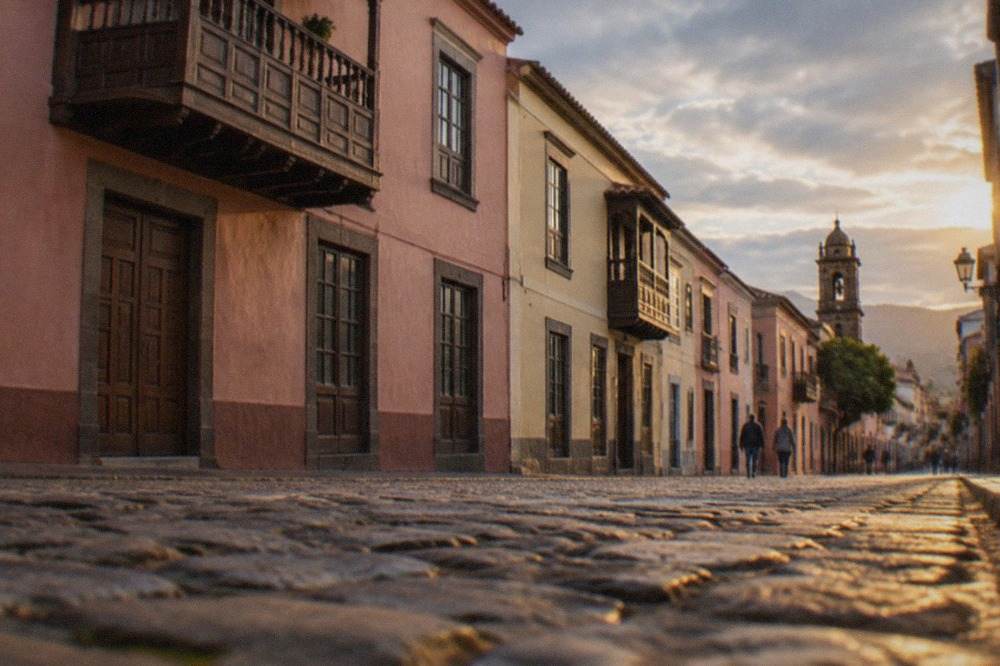
La Laguna, in full San Cristobal de La Laguna, holds a title no other town on the island can claim: UNESCO World Heritage status, granted under criteria (ii) and (iv) for what UNESCO describes as "the first non-fortified Spanish colonial town, and its layout provided the model for many colonial towns in the Americas". That single sentence explains why a town with no beach and no mega-resort still pulls visitors up the hill from the coast. The street plan itself is the monument.
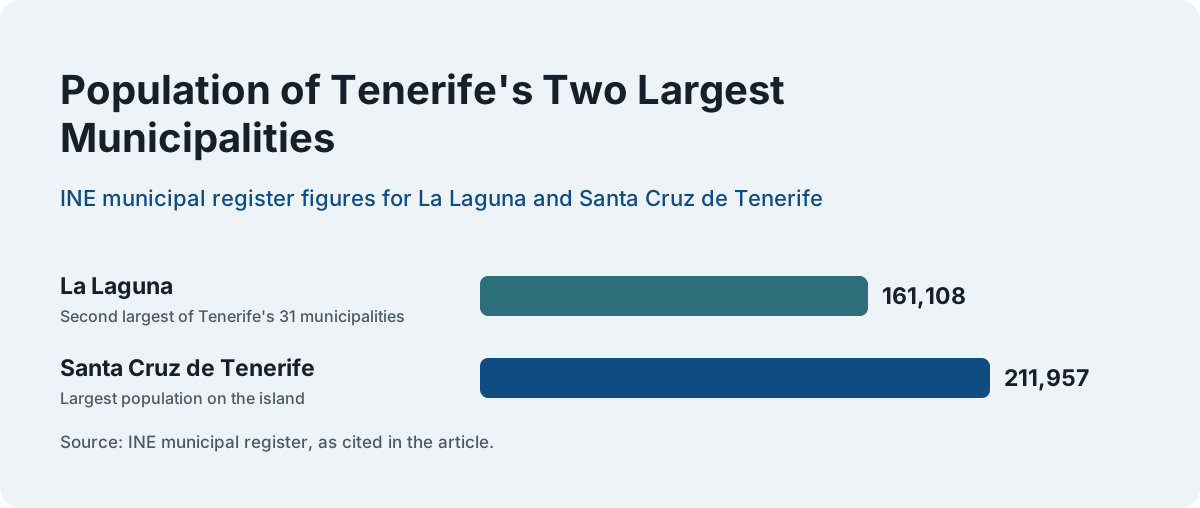
The numbers back the visit up. The INE municipal register recorded 161,108 residents in La Laguna, the second largest population of Tenerife's 31 municipalities, behind only Santa Cruz de Tenerife with 211,957. It is a working university town, an administrative centre and a day trip from the south coast, all at once. This page, part of the Tenerife Travel Guide area coverage, sets out what is verified about the town: what it is known for, how long to spend, how to get there, and which parts of a visit need booking.
What Is La Laguna Known For?
La Laguna is known for three things above all: its UNESCO-listed colonial street plan, described by UNESCO as the model for many colonial towns in the Americas; its churches and courtyard houses built from local wood and volcanic stone; and its role as the island's university town, home to 161,108 residents, the second largest municipality in Tenerife. Food runs close behind, with the guachinche tradition of simple, wine-led eating rooms concentrated in the surrounding municipality.
The UNESCO inscription is the headline, and it is worth being precise about what it says. UNESCO lists the property under criteria (ii) and (iv), and its description centres on the town's layout: an unplanned medieval grid that became a template. The town was the first non-fortified Spanish colonial town, and its plan was copied across the Americas. That is the claim this site can stand behind, because it is UNESCO's own wording.
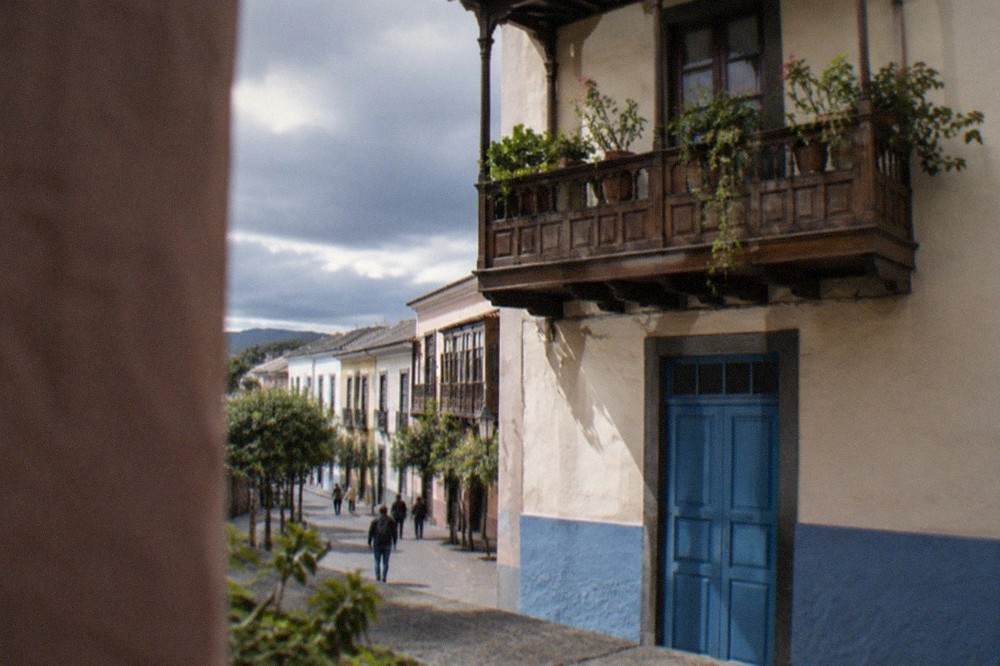
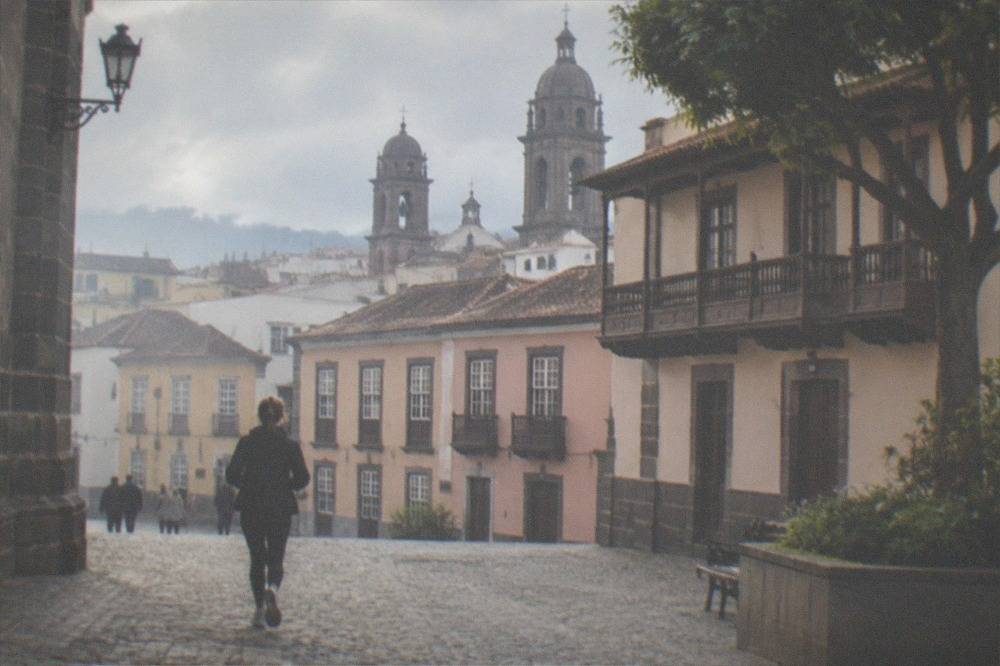
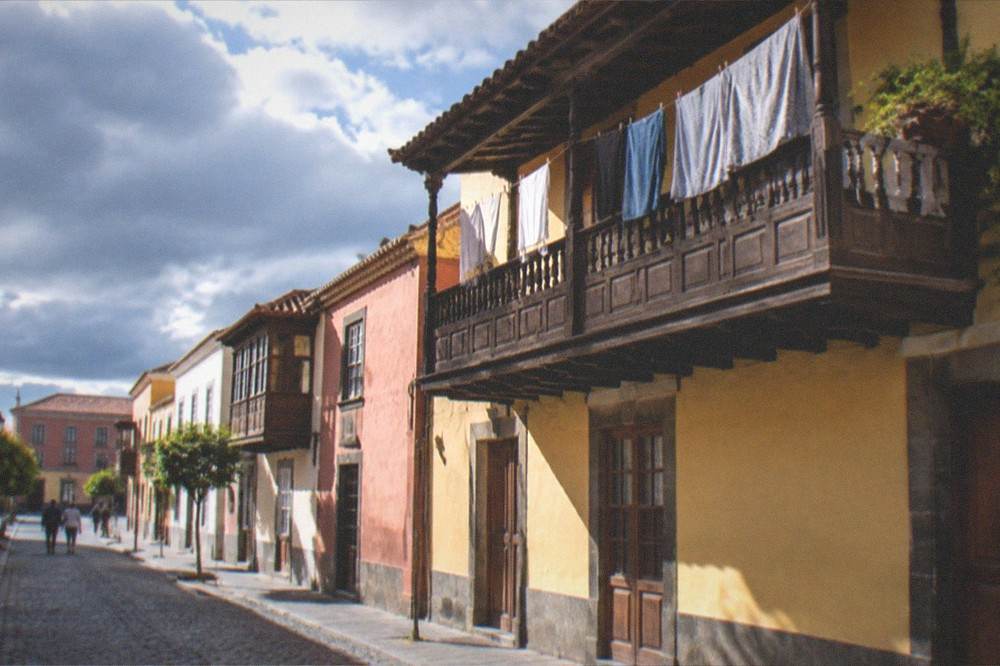
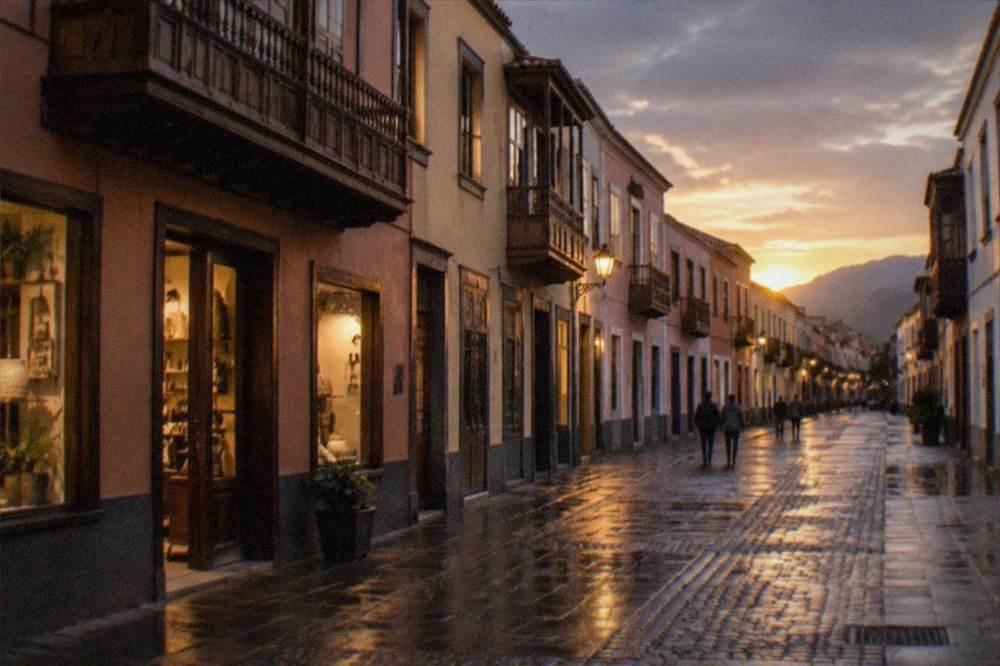
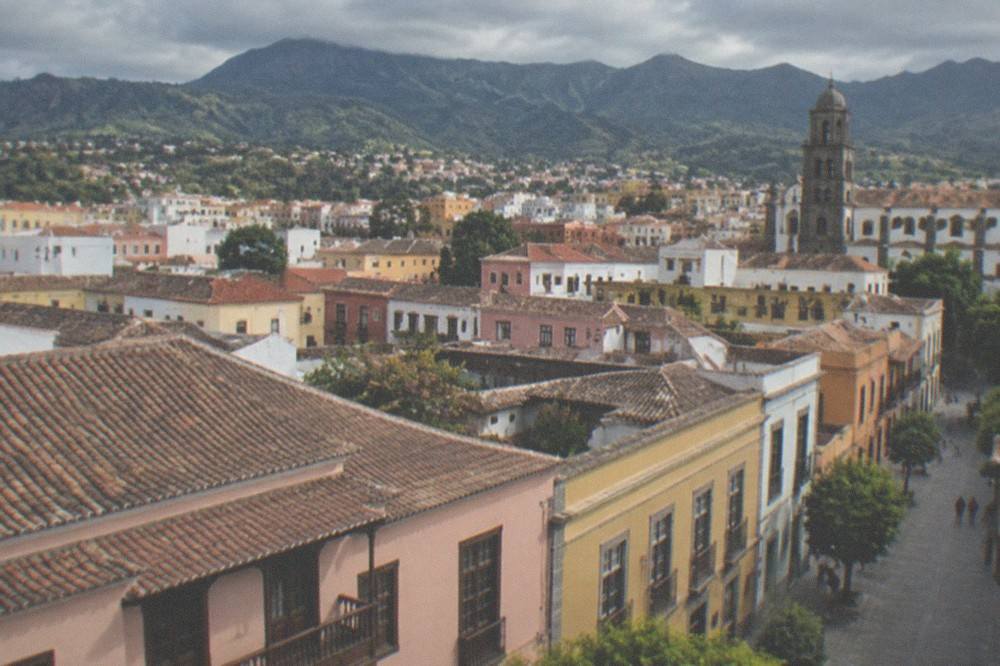
The architecture follows from the plan. Low houses in ochre, indigo and white, heavy wooden doors, balconies looking onto narrow streets, and a cluster of churches and convents around the central squares. The casa-de-los-balcones tradition of Canarian balcony architecture is easier to see in La Orotava on the north coast, but La Laguna holds its own stock of timber-framed courtyards, and the historic centre is compact enough to read as a single ensemble.
The third identity is the university. La Laguna hosts the island's oldest university institution, and the student population shapes the town: the bars around the historic centre, the bookshops, and a food scene that runs later and cheaper than the resort south. The guachinches, family-run eating rooms attached to vineyards where the house rules are simple food and the grower's own wine, are scattered through the municipality's greener edges; the guachinche tradition is covered in its own guide here.
Is It Worth Visiting La Laguna, Tenerife?
Yes, for most visitors La Laguna is worth at least half a day. It is the only UNESCO World Heritage town in Tenerife, its historic centre can be walked end to end without a car, and it pairs naturally with Santa Cruz de Tenerife, which the tram connects directly. Travellers who want beaches, boat trips or nightlife will find none of that here, and the town rewards visitors who come for architecture, churches and food instead.
The honest case for the town rests on density. The UNESCO property is a walkable core of squares, convents and cobbled streets, and nothing in it needs a ticket: the street plan, which is the listed thing, is free to walk. A visitor staying in the south can reach it on a north-island loop, and the north Tenerife road trip itinerary on this site routes it alongside La Orotava, Puerto de la Cruz and the dragon tree at Icod de los Vinos.
The honest case against is equally short. La Laguna is inland, at altitude enough that AEMET's Tenerife North Airport station, a few kilometres away at 632 m, averages 13.1 degrees Celsius in January against 18.4 at the south airport. It rains more often there: AEMET's normals give the north airport station 80 mm in January and 82 mm in December, against 17 mm and 30 mm at Tenerife South. Visitors chasing guaranteed sun should weight their stay accordingly, and check the month-by-month picture in the weather by month guide.
For cruise passengers and short-stay visitors the arithmetic is different again. A day split between Santa Cruz and La Laguna covers the island's two largest towns, and the tram makes the split practical without a car.
How Long to Spend in La Laguna?
Half a day walks the UNESCO core comfortably, and a full day lets you add the markets, a long lunch and one museum without rushing. Two half-days are better than one whole day for most visitors: the historic centre is compact, but the churches keep limited hours and the food scene needs an evening. Travellers combining La Laguna with Santa Cruz de Tenerife should plan the pair as a single day split by the tram journey.
The geometry of the town drives the answer. The listed core is a few hundred metres across, and the main squares, the cathedral and the convent churches sit within it. Walking that does not take long; what takes time is the pace the buildings reward, plus lunch. AEMET's climate normals suggest why the pace matters: on a winter day the mean temperature at the nearby north airport station is 13.1 degrees Celsius in January, cool enough that courtyard sitting is a summer pleasure, while July means 20.2 degrees at the same station, warm enough for a slow evening.
Visitors with a special interest stretch the visit. The university atmosphere, the guachinches in the wider municipality and the Anaga mountains on the town's doorstep each add hours. La Laguna is the natural gateway to Anaga, and the Anaga hikes that need reservations, such as El Pijaral on trail PRA 72, are booked on Tenerife ON, with slots released every Monday at 07:00 Canary time and bookable at most 14 days ahead; organised company tours are not permitted on that trail.
What Are Some Things to Do in La Laguna, Tenerife?
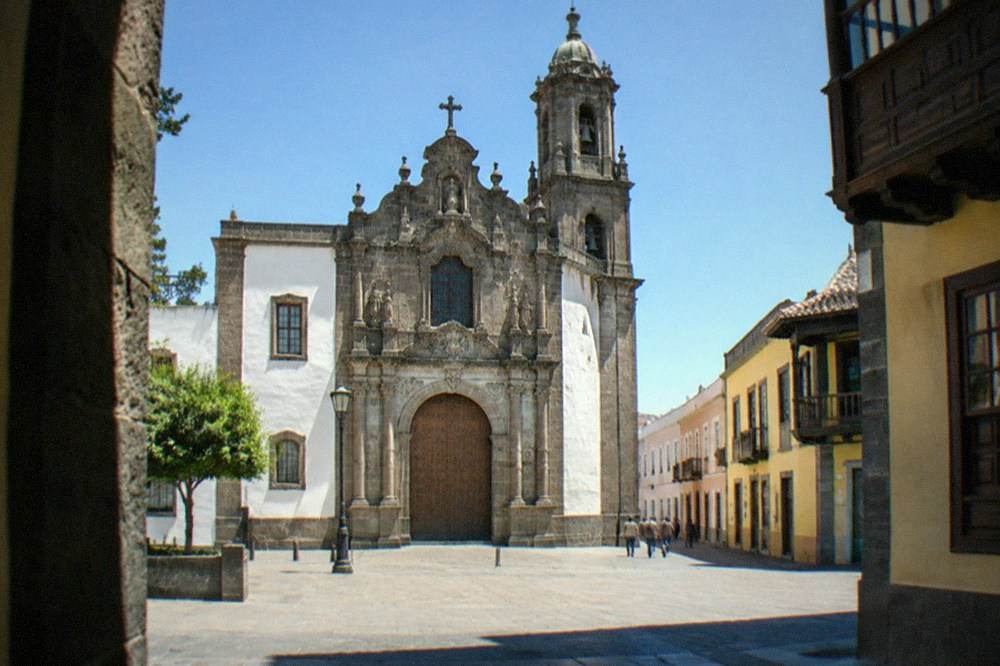
The core activities are walking the UNESCO-listed grid, visiting the cathedral and the convent churches, browsing the municipal market and independent shops, eating at a guachinche in the wider municipality, and using the town as the gateway to the Anaga mountains. All of the street plan and squares cost nothing; only the Anaga reservation trails and any guided additions need booking, and El Pijaral must be booked on Tenerife ON.
A practical list, drawn from what the official sources support:
- Walk the historic grid. UNESCO's inscription is for the layout, so the walk is the attraction. Streets such as Calle de La Carrera and the squares around the cathedral are the ensemble the listing describes.
- The cathedral and convent churches. The town's religious architecture is its second act after the plan; hours vary, so check locally on the day.
- The market and the shops. The town's independent retail survives on the student population, and the municipal market is the food counterpart. The Santa Cruz market is the bigger island institution if markets are your reason to travel.
- Eat in a guachinche. The wine-and-food rooms of the municipality are seasonal, informal and covered in the site's food guide.
- Hike into Anaga. The rural park begins at the town's edge. Trails that need reservations are booked on Tenerife ON; El Pijaral, the Enchanted Forest on trail PRA 72, releases slots Mondays at 07:00, at most 14 days ahead, and company-run tours are not permitted there. The Cabildo names two permit-free alternatives in Anaga: the Bosque de los Enigmas trail and the Pista de Las Hiedras.
- Take the free walking tour option nearby. There is no La Laguna free walk on this site's roster, but Santa Cruz de Tenerife has one: a free, pay-what-you-want GuruWalk tour of the historic centre. See this free tour on GuruWalk.
How to Get to La Laguna Without a Car
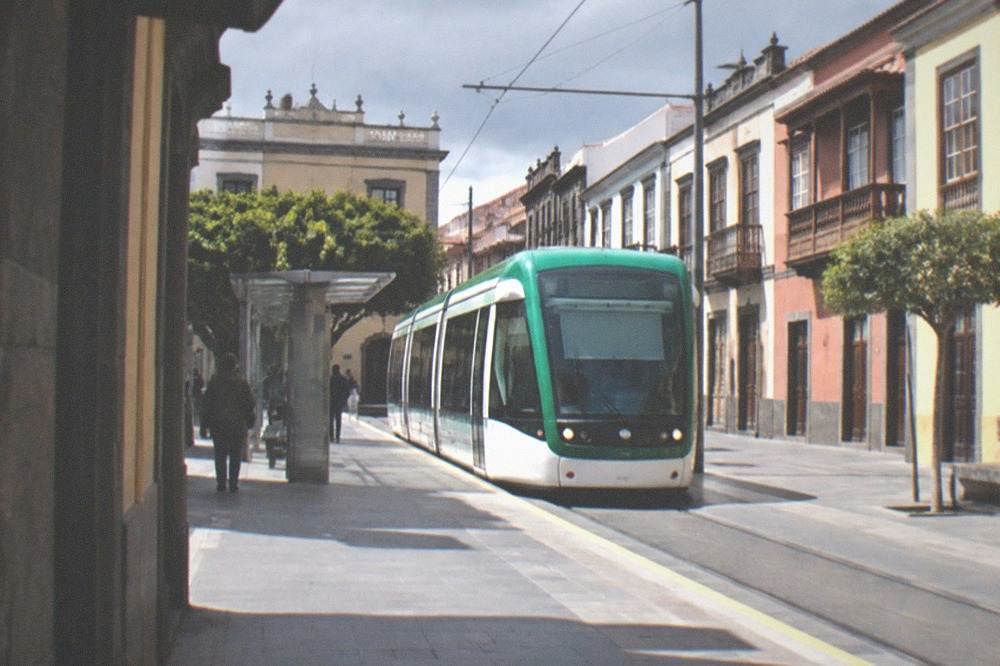
La Laguna is one of the easiest towns in Tenerife to reach by public transport: the tram runs between Santa Cruz de Tenerife and La Laguna with a single fare of EUR 1.35 on a transit pass or EUR 1.10 by mobile, and TITSA bus line 20 runs from Tenerife North Airport to Santa Cruz via La Laguna. There is no tram to either airport, and visitors pay for public transport: single tickets, the EUR 10 day travelcard or the EUR 50 seven-day travelcard.
The tram is the headline connection. Metrotenerife's fares page lists the single fare at EUR 1.35 on a transit pass and EUR 1.10 by mobile, and the line ties the two biggest towns on the island together. The tram guide on this site covers the network in full. What the tram does not do is serve an airport: Metrotenerife's fares page states no airport link, and airport copy should never claim one.
The buses fill that gap. TITSA's own airport page lists three lines at Tenerife North Airport: line 20 to Santa Cruz via La Laguna, line 30 to Puerto de la Cruz, and line 343 express to the south. From Tenerife South Airport the useful lines are 10 to Santa Cruz, 40 to Costa Adeje via Los Cristianos, 343 express to Puerto de la Cruz via both airports, 415 to El Fraile and San Isidro, and the 711 night bus. A visitor landing at either airport therefore reaches La Laguna with one change at most, usually in Santa Cruz.
| Journey | Service | What TITSA's own page lists |
|---|---|---|
| Tenerife North Airport to La Laguna | Line 20 | Santa Cruz via La Laguna |
| Tenerife North Airport to Puerto de la Cruz | Line 30 | Direct |
| Tenerife South Airport to Santa Cruz | Lines 10, 343, 711 (night) | Then tram to La Laguna |
| Tenerife South Airport to Costa Adeje | Line 40 | Via Los Cristianos |
| Santa Cruz to La Laguna | Tram | EUR 1.35 single on a transit pass, EUR 1.10 by mobile |
Visitors should ignore one persistent claim: public transport in Tenerife is not free for tourists. The 2026 subsidy of 100 percent on passes applies to resident passes only, under a personalised Ten+ card requiring Canary Islands residency. Visitors pay for single tickets, the EUR 10 day travelcard and the EUR 50 seven-day travelcard, all sold at airport ticket machines.
Where La Laguna Sits on the Island
La Laguna is an inland town in the north-east of Tenerife, immediately behind Santa Cruz de Tenerife, at the head of the valley that runs down to the capital. It is the island's second largest municipality with 161,108 residents, and it borders the Anaga rural park, which makes it the natural base for the laurel-forest trails on the island's north-east corner.
The position explains the town's history and its weather. The trade winds stack cloud against Anaga and the north-east, which is why AEMET's normals show the north airport station, at 632 m, recording 520 mm of rain across the year on 64 days of one millimetre or more, against 132 mm on 15.2 days at Tenerife South. The green that the visitor notices in the surrounding countryside is a direct consequence, and it is the same green that makes the laurel forest of Anaga possible.
For planning purposes, La Laguna belongs with the north-east cluster: Santa Cruz for the port, the Auditorio and the Carnival, the Anaga trails for hiking, and the coast road out to San Andres and Las Teresitas, the golden-sand beach the tourist board describes with palms and breakwaters. A day can run beach, town and forest in that order.
| Municipality | Population, 1 January 2025 (INE) |
|---|---|
| Santa Cruz de Tenerife | 211,957 |
| La Laguna | 161,108 |
| Arona | 87,793 |
| Granadilla de Abona | 58,752 |
| Adeje | 50,021 |
| Puerto de la Cruz | 31,137 |
| Santiago del Teide | 12,582 |
Pairing La Laguna with the Rest of a Tenerife Trip
The two strongest pairings are Santa Cruz de Tenerife, one tram ride away, and the north coast: Puerto de la Cruz, La Orotava and Icod de los Vinos on a single loop road. From the south coast, La Laguna works best as the inland half of a north-island day, reached by the TITSA express line 343 or by car via the island's motorway network. Visitors with a full week can add La Gomera as a separate ferry day from Los Cristianos.
Start with the tram pair. Santa Cruz de Tenerife and La Laguna share a day well: the capital for the market, the Auditorio de Tenerife, Santiago Calatrava's white trencadis building inaugurated in 2003, and the seafront, then the tram uphill for the colonial core and an evening meal. The Carnival belongs to Santa Cruz, and its official 2027 programme runs from the opening on 22 January to the second Daytime Carnival on 27 February, under the theme "Roma: El imperio del Carnaval"; the Carnival guide carries the detail.
The north loop is the second pairing. Puerto de la Cruz holds Loro Parque, whose entry ticket is sold through this site, and the botanical garden; La Orotava holds the balcony architecture and the route up towards Teide National Park; Icod de los Vinos holds the Drago Milenario, whose age the Icod council puts at an attributed 1,000 years while the tourist board says over 800, so this site writes 800 to 1,000 years and calls it an estimate. The whole loop is covered in the north Tenerife road trip.
Families planning around the town should read the wider things to do in Tenerife with kids guide, and anyone weighing the island overall can start from the site's things to do in Tenerife round-up, which places La Laguna among the inland draws.
Eating and Evening Plans in La Laguna
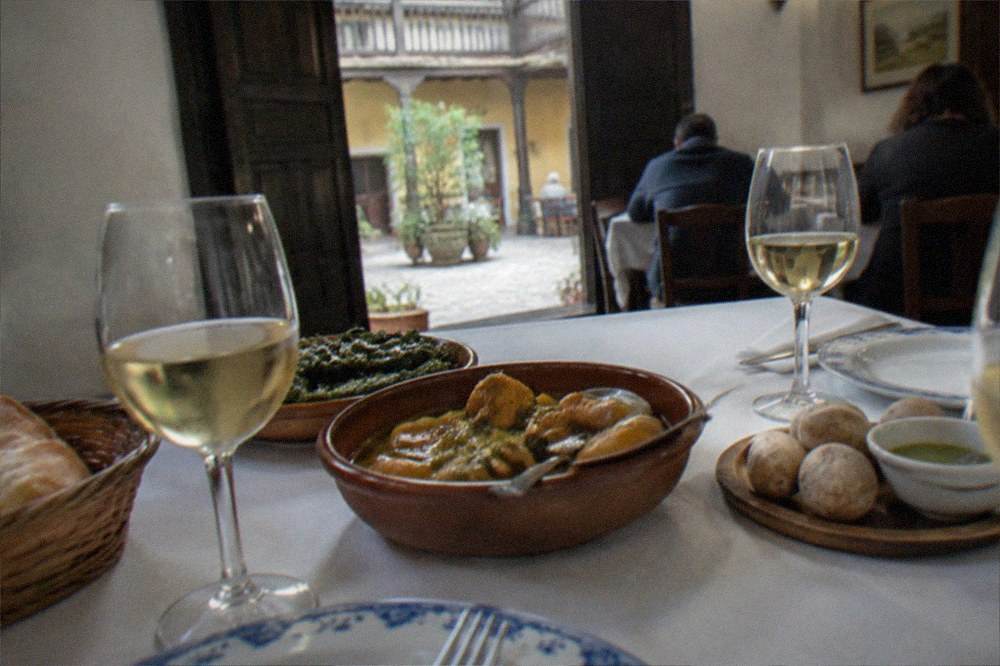
La Laguna's food scene runs on the guachinche tradition of grower-run eating rooms, the student-priced bars of the university quarter, and a small set of dining rooms in the historic core; in the evening the town is quiet by resort standards, which is why many visitors take an evening show in Puerto de la Cruz or return to the coast. The guachinches are seasonal and informal, and the town's own market is the best place to assemble a picnic.
The guachinche rules are worth knowing before you go. These are vineyard eating rooms where the wine is the grower's own and the menu is short, and they cluster in the greener parts of the municipality; the site's guachinche guide explains the tradition and the etiquette. The market tradition is covered alongside in the markets guide.
For an evening with a ticket attached, the strongest options near La Laguna sit in Puerto de la Cruz on the north coast: a Spanish flamenco show at the Teatro Timanfaya is the closest fixed evening performance to the town.
Back in La Laguna itself, the evening belongs to the squares. AEMET's normals for the nearby north airport station put the mean July temperature at 20.2 degrees and August at 21.2, so terrace weather is a summer given and an autumn bonus. In January the mean drops to 13.1 degrees, which pushes the evening indoors, and the student bars absorb it.
When to Visit La Laguna
The town is a year-round destination, but the climate data favours spring and summer: AEMET's normals for the nearby north airport station show means rising from 14.5 degrees in March to 20.2 in July, with rain falling on 6.8 days in March against 1.7 in July. Winter visits are perfectly practical, with January means of 13.1 degrees, though November and December bring rain on more than eight days a month at that station.
The north-east's cloud is the trade-off for its green, and the monthly detail matters more here than on the south coast. The table below takes AEMET's 1981 to 2010 normals for the Tenerife North Airport station, which at 632 m sits a short drive from the town and shares its hillside climate; the south airport figures are shown beside it for contrast.
| Month | North airport mean C | North airport rain days (1 mm or more) | South airport mean C | South airport rain days |
|---|---|---|---|---|
| Jan | 13.1 | 7.7 | 18.4 | 1.8 |
| Feb | 13.4 | 7.4 | 18.5 | 2.2 |
| Mar | 14.5 | 6.8 | 19.3 | 1.9 |
| Apr | 14.7 | 6.2 | 19.5 | 1.1 |
| May | 16.1 | 3.8 | 20.4 | 0.3 |
| Jun | 18.1 | 2.4 | 22.1 | 0 |
| Jul | 20.2 | 1.7 | 24 | 0 |
| Aug | 21.2 | 1.1 | 24.7 | 0.2 |
| Sep | 20.7 | 2.8 | 24.5 | 0.6 |
| Oct | 18.9 | 6.5 | 23.4 | 1.6 |
| Nov | 16.5 | 8.3 | 21.5 | 1.9 |
| Dec | 14.3 | 8.8 | 19.7 | 3.5 |
Crowd timing is a separate question, and the island's arrival numbers give a proxy. ISTAC's FRONTUR-Canarias series counted 649,614 tourists arriving by air in January 2026 and 657,396 in February, against 518,359 in May: the winter peak is real, and the late spring is the quietest of the published months. La Laguna feels this less than the resorts, since most of those arrivals head for the coast, but the tram and the roads carry the same rhythm.
Where to Stay in and Around La Laguna
Most visitors see La Laguna as a day trip and sleep on the coast, but the town has its own accommodation in the historic core and the university quarter, and it suits two kinds of traveller: those combining Santa Cruz and Anaga without a car, and those on a longer stay who want a real town rather than a resort. Book the Anaga reservation trails and any ticketed attraction before you travel, since the trail slots release on a fixed weekly rule.
The case for sleeping in the town is logistical. The tram and the TITSA network put Santa Cruz, the north coast and both airports within reach, and the Anaga trailheads start close enough that an early start is easy. The case against is the weather in the cloudier months and the absence of resort facilities; the site's where to stay guide weighs the areas against each other.
For stays in the town itself, browse places to stay in La Laguna and compare the historic core against the newer quarters, since parking in the listed centre is limited and the tram stops sit on its edge.
Day Trips from La Laguna
The strongest day trips from La Laguna are the Anaga trails on the town's doorstep, the north coast loop through La Orotava, Puerto de la Cruz and Icod de los Vinos, the capital across the valley, and the ferry crossing to La Gomera from Los Cristianos, which Fred. Olsen Express lists at 50 minutes each way. Teide National Park is reachable by car or by the tour routes from the south, and the summit trail needs its own Tenerife ON reservation.
The Anaga option is the most under-used. The rural park holds the laurel forest that survives on this damp north-east corner, and the reservation system is the gate: El Pijaral on trail PRA 72 needs a Tenerife ON booking, released every Monday at 07:00 Canary time, bookable at most 14 days ahead, with organised company tours not permitted. Other reservation-only trails on the island's official list include La Asomada to Cruz de Afur in Anaga, Rambla de Castro, Barranco del Infierno and Masca. For Teide, the rules are strict and separate: the summit trail PNT 10 Telesforo Bravo is booked on Tenerife ON, and since Monday 19 January 2026 the 09:00 to 17:00 slots cost EUR 15 for visitors and EUR 6 for residents of the other Canary Islands, free only for Tenerife residents and children. The cable car stops at La Rambleta at 3,555 m; the crater is the permit trail.
The sea options run from the south of the island. A sailboat whale-watching cruise out of Los Gigantes is the strongest boat day within reach of a La Laguna base, and the waters between Tenerife and La Gomera hold a resident population of pilot whales that the World Cetacean Alliance calls unique, inside a Special Area of Conservation; the area became a designated Whale Heritage Area in January 2021 under the WCA's programme, which is now called Whale Heritage Areas. Boats are regulated by Decreto 178/2000: no approach within 60 m, no more than three boats within 500 m, and authorised boats fly the Barco Azul flag.
The ferry option is La Gomera, covered in the site's La Gomera day trip guide, with the crossing listed by Fred. Olsen Express at 50 minutes from Los Cristianos to San Sebastian de La Gomera.
Common Questions About La Laguna
is la laguna in tenerife worth visiting?
Yes. La Laguna is Tenerife's only UNESCO World Heritage town, its historic core is free to walk, and the tram connects it directly to Santa Cruz de Tenerife. It suits visitors interested in colonial architecture, churches and food, and it is the natural gateway to the Anaga mountains. It does not offer beaches or resort nightlife, so travellers whose priority is sun-and-sea may prefer a shorter visit.
How long to spend in La Laguna?
Half a day covers the UNESCO-listed core comfortably. A full day lets you add a long lunch, the market and one or two churches with their limited hours. Visitors pairing the town with Santa Cruz should plan the pair as one day split by the tram, and hikers heading into Anaga should treat La Laguna as a base rather than a stop.
Can you visit La Laguna without a car?
Yes, easily. The tram links Santa Cruz de Tenerife and La Laguna with a single fare of EUR 1.35 on a transit pass or EUR 1.10 by mobile, and TITSA line 20 runs from Tenerife North Airport to Santa Cruz via La Laguna. There is no tram to either airport, so airport arrivals take a bus and then the tram. Visitors pay for public transport: single tickets, the EUR 10 day travelcard or the EUR 50 seven-day travelcard.
What is La Laguna known for?
Its UNESCO-listed colonial street plan, which UNESCO describes as belonging to the first non-fortified Spanish colonial town and as the model for many colonial towns in the Americas; its churches and timber courtyard houses; and its university, which makes it the island's second largest municipality with 161,108 residents on the INE register of 1 January 2025.
Is La Laguna close to the beach?
The town itself is inland, but the golden-sand beach of Las Teresitas at San Andres, which the tourist board describes with palms and breakwaters, sits on the coast road out of Santa Cruz, and the tram plus a bus reaches the capital in minutes. The resort beaches of the south, such as Las Vistas in Arona, are a longer transfer best planned as a separate day.