Puerto De La Cruz
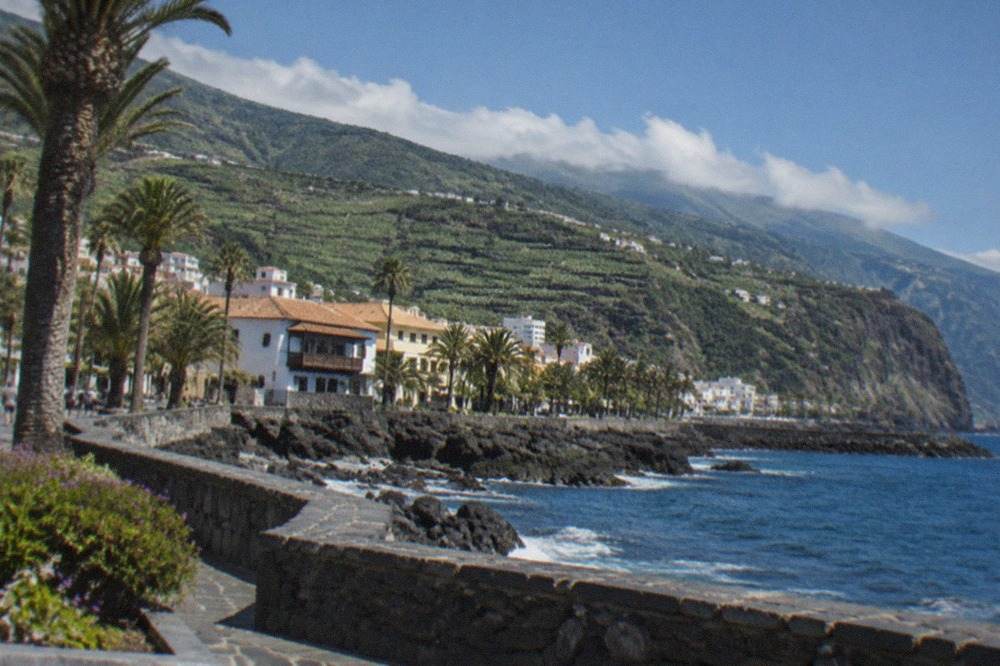
Puerto de la Cruz is Tenerife's original holiday town, the oldest resort on the island, sitting on the north coast between the Orotava Valley and the Atlantic.
Short answer
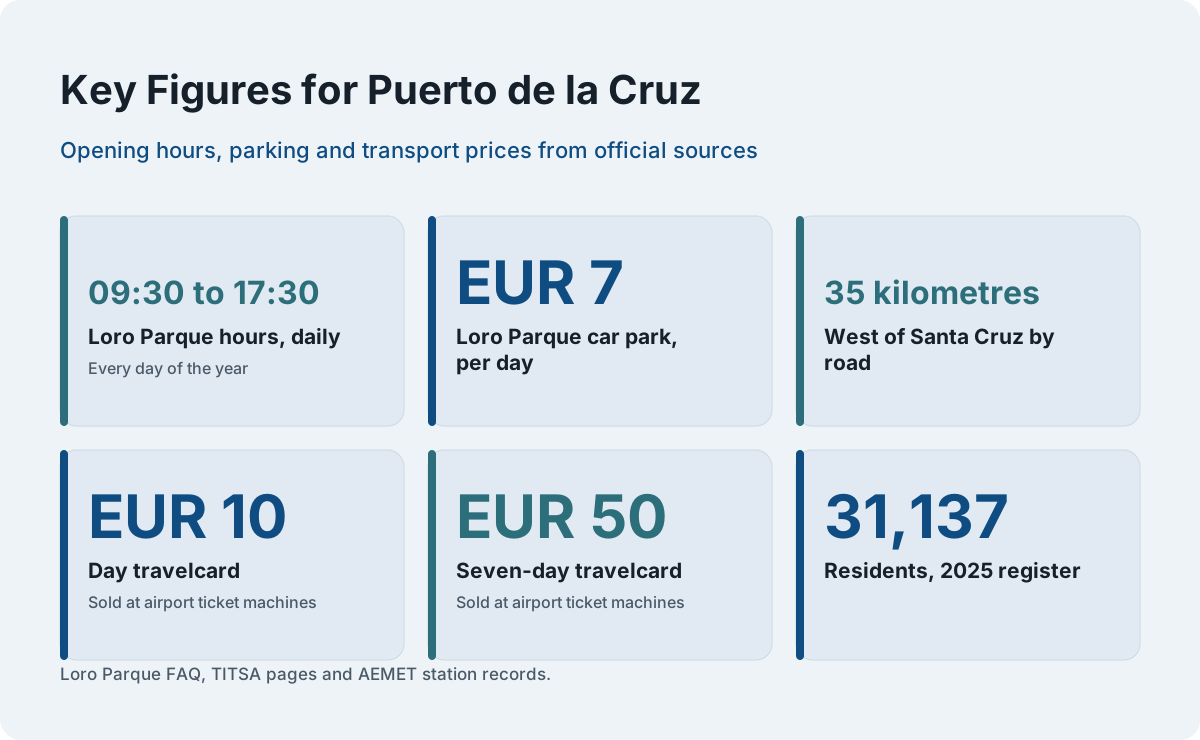
Puerto de la Cruz is a long-established resort on Tenerife's north coast, around 31,137 residents in the municipality, known for Loro Parque, its seafront pools, gardens and a quieter, more Spanish atmosphere than the southern resorts.
Puerto de la Cruz is the oldest holiday resort on Tenerife, and it behaves like one. Where the south coast built itself around beaches and nightlife, this town grew out of an existing Spanish port, and the difference shows in the streets, the gardens and the pace. The municipality counted 31,137 residents in the 2025 register, a real working town rather than a purpose-built strip, and it sits on the north coast at the mouth of the Orotava Valley, roughly halfway between Santa Cruz de Tenerife and the western tip of the island.
This page sets out what the verified sources say about the town: where it is, what it offers, what the climate actually does, how the transfer from either airport works, and whether it is the right base for a particular kind of holiday. The editorial desk behind Tenerife Travel Guide reports only what official pages state, so where a number is missing, it stays missing.
Where Is Puerto de la Cruz in Tenerife?
Puerto de la Cruz sits on Tenerife's north coast, in the municipality of the same name, at the seaward end of the Orotava Valley, roughly 35 kilometres west of Santa Cruz de Tenerife by road and backed by slopes that climb toward Mount Teide. It is the historic port for the agricultural north, and the town's own tourism history is the reason the resort exists at all: the surrounding valley exported its crops through this harbour, and visitors followed the trade.
The position matters more than the map suggests. The north coast faces the prevailing Atlantic weather, which is why the gardens here are famously green while the south is arid. It also means the town works as a base for the whole northern half of the island: La Orotava sits immediately uphill, Icod de los Vinos is a straightforward drive west, and Santa Cruz de Tenerife is reachable by bus or by the tram connection via La Laguna.
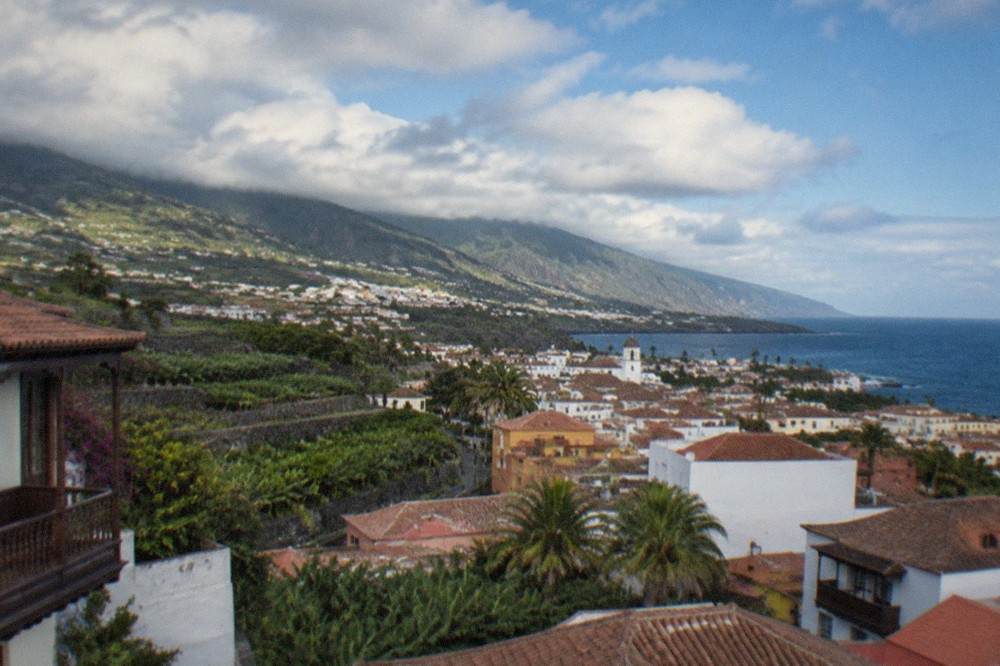
For orientation, think of the town as a compact grid between the seafront and the old quarter. The tourist board's material places the key sights within a small area: the old harbour, the seafront pool complex, the botanical garden and the town's plazas all sit close together, which is why this resort suits travellers who prefer to walk.
Is Puerto de la Cruz, Tenerife Worth Visiting?
Yes, for travellers who want a town rather than a strip: Puerto de la Cruz offers a genuinely Spanish old quarter, mature gardens, a seafront of saltwater pools, Loro Parque on its western edge and easy access to the Orotava Valley and Teide, in exchange for greyer sand and cooler, cloudier weather than the south coast.
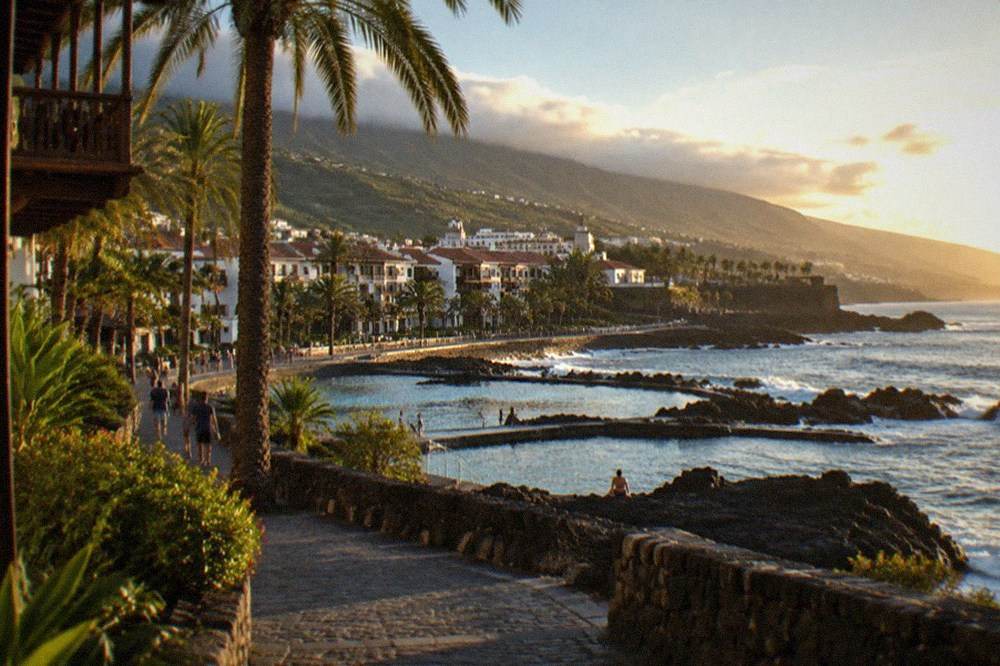
The honest trade-off is weather and sand. The beaches here are dark volcanic sand, and the north coast sees more cloud than the south, which the AEMET climate normals make plain. What the town gives back is character: the old quarter around the Plaza del Charco is a real neighbourhood of bars and shops, the Botanical Garden was founded to acclimatise plants from the colonies, and the seafront Lago Martiánez complex, designed by the Canary artist César Manrique, turns the Atlantic into a family-friendly lagoon.
It is also the island's most convenient base for one of its biggest attractions. Loro Parque, the animal park whose own FAQ page lists opening hours of 09:30 to 17:30 every day of the year with a car park at EUR 7 per day, sits at Punta Brava on the town's western edge. Visitors staying in the south cross the island for it; visitors staying here walk or take a short local ride.
The comparison travellers most often face is north versus south, and the desk has covered it in detail in Los Cristianos vs Costa Adeje. In short: the south wins on sunshine and beach sand, the north wins on town life, gardens and landscape. Puerto de la Cruz is the strongest of the northern options for a first visit.
What to Do in Puerto de la Cruz
The core of a Puerto de la Cruz visit is the old quarter and seafront on foot, the Botanical Garden and Lago Martiánez, a day at Loro Parque, an evening show in town, and half-day trips into the Orotava Valley or up toward Teide, all within a short radius of the town centre.
Start with the town itself. The old quarter, the seafront and the garden district are walkable, and the desk recommends a guided introduction: a free, pay-what-you-want walking tour of the town is listed on GuruWalk, the free-tour platform this site carries, running about an hour and a half. Free walks are tip-based, so nothing is paid upfront.
Beyond the town's own streets, the practical shortlist looks like this:
| Sight or activity | What the official pages say | Where it sits |
|---|---|---|
| Loro Parque | Open 09:30 to 17:30, every day of the year; car park EUR 7 per day | Punta Brava, western edge of town |
| Botanical Garden | Historic garden founded to acclimatise overseas plants | Central, near the port |
| Lago Martiánez | César Manrique-designed seawater lagoon complex on the seafront | Seafront |
| Old quarter and Plaza del Charco | The original port town's streets, bars and shops | Town centre |
| Martianez and Costa Martianez beaches | Dark volcanic sand, Atlantic swimming | Seafront |
The animal park deserves its own paragraph, because it is the single biggest draw on this coast. Loro Parque's own release also claims the Tripadvisor Travellers' Choice award for the world's best water park for its sister attraction Siam Park, five consecutive years, a claim the desk attributes to the owner's release rather than stating as fact. For the park itself, the hours are the operator's own published hours, and the ticket price is on the operator's live listing, which the card below carries.
Evenings in town have one standout option: a flamenco show in Puerto de la Cruz, ticketed at a theatre in the centre, which suits a resort where most entertainment is restaurant-and-plaza rather than club. The desk's page on free walking tours lists the northern towns where guided walks operate; Puerto de la Cruz is one of them, and the south coast currently has none listed.
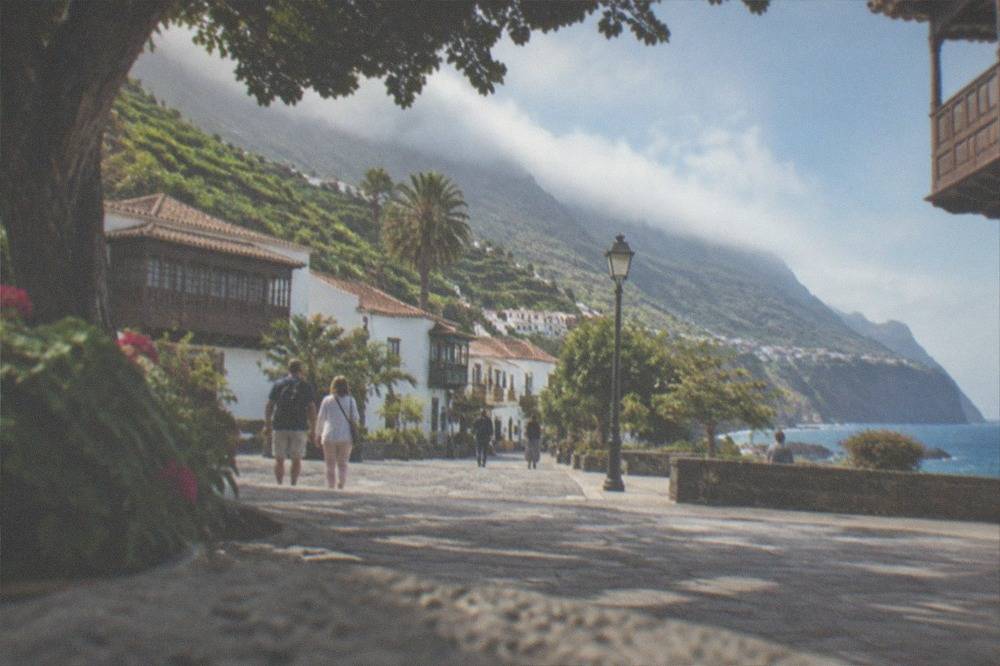
Beyond the town boundary, the surrounding coast rewards a slower pace. West of the centre, the shoreline runs toward the quieter districts that the desk covers separately, including Puerto de Santiago and the cliffs beyond, while east of town the road climbs toward La Laguna's UNESCO-listed colonial centre, reachable by tram from Santa Cruz. None of these needs a tour; all of them need a bus timetable or a hire car, and the desk's guide to getting around Tenerife sets out the options.
How Hot Is It in Puerto de la Cruz, Tenerife?
The north coast is warm but not the hottest part of Tenerife: the nearest long-run station, Tenerife North Airport at 632 metres, averages daily maxima from 16 Celsius in January to 25.7 Celsius in August, with July and August the warmest months and November the wettest at 81 mm of rain.
Puerto de la Cruz itself sits at sea level, so the airport station, slightly inland and higher, is an indicator rather than a perfect match, but it is the closest long-run AEMET record for this coast. The pattern that matters for planning: the north gets rain spread across the winter half of the year, 520 mm annually on 64 days with a millimetre or more at that station, while the summer is close to dry.
| Month | Mean daily max C | Mean daily min C | Rain mm | Rain days (1 mm+) |
|---|---|---|---|---|
| Jan | 16 | 10.2 | 80 | 7.7 |
| Feb | 16.7 | 10 | 70 | 7.4 |
| Mar | 18.2 | 10.7 | 61 | 6.8 |
| Apr | 18.5 | 10.9 | 39 | 6.2 |
| May | 20.1 | 12 | 19 | 3.8 |
| Jun | 22.2 | 14 | 11 | 2.4 |
| Jul | 24.7 | 15.7 | 6 | 1.7 |
| Aug | 25.7 | 16.6 | 5 | 1.1 |
| Sep | 24.9 | 16.5 | 16 | 2.8 |
| Oct | 22.5 | 15.2 | 47 | 6.5 |
| Nov | 19.6 | 13.3 | 81 | 8.3 |
| Dec | 17.1 | 11.5 | 82 | 8.8 |
Source: AEMET station C447A, normals 1981 to 2010. The sea tells a steadier story: the south coast's sea surface temperature, on the NOAA 1991 to 2020 dataset, runs from 19.1 Celsius in March to 23.7 Celsius in September and October, so swimming is possible year-round in a wetsuit-free sort of way for most visitors, and warmest at the end of summer.
| Month | Sea surface C |
|---|---|
| Jan | 19.9 |
| Feb | 19.2 |
| Mar | 19.1 |
| Apr | 19.5 |
| May | 20.2 |
| Jun | 21.4 |
| Jul | 22.2 |
| Aug | 23.1 |
| Sep | 23.7 |
| Oct | 23.7 |
| Nov | 22.5 |
| Dec | 21.1 |
How Long Is the Transfer from Tenerife Airport to Puerto de la Cruz?
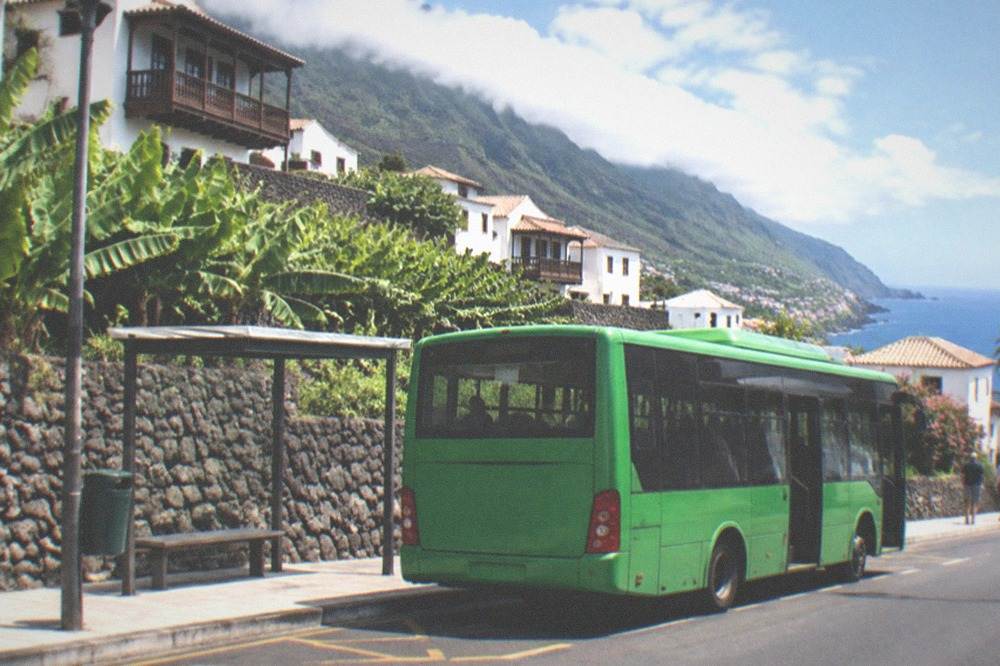
There is no verified journey time in minutes this site can print, but the routes are fixed: TITSA line 343 runs express from Tenerife South Airport to Puerto de la Cruz, and from Tenerife North Airport the same line 343 or line 30 to Puerto de la Cruz serve the town, with taxis metered from the start of every trip.
The bus network is the honest answer here. TITSA's own airport pages list the lines, and the desk reports them exactly as the operator publishes them:
| Airport | TITSA lines serving it, per TITSA's own pages |
|---|---|
| Tenerife South (TFS) | 10 to Santa Cruz; 40 to Costa Adeje via Los Cristianos; 711 night bus; 343 express to Puerto de la Cruz via both airports; 415 to El Fraile and San Isidro |
| Tenerife North (TFN) | 20 to Santa Cruz via La Laguna; 30 to Puerto de la Cruz; 343 express to the south |
Line 343 is the one that matters most for this page: TITSA lists it as the express connecting Puerto de la Cruz with Los Cristianos via both airports. Visitors should not expect the tram; the Tenerife tram runs between Santa Cruz and La Laguna only, and no tram line reaches either airport.
On fares, only official figures are printable. A single TITSA ticket is priced by route, a same-day return carries 10% off on trips of 20 kilometres or more, and the visitor travelcards are the EUR 10 day travelcard and the EUR 50 seven-day travelcard, sold at airport ticket machines. Public transport is not free for visitors: the 2026 100% subsidy applies to resident passes only.
Travellers arriving early with hours to fill, or departing late after hotel checkout, can park bags rather than drag them: luggage storage in Puerto de la Cruz is bookable in the town centre.
Is Puerto de la Cruz a Good Place to Stay in Tenerife?
Yes, for visitors who want walkable town life, gardens, seafront pools and northern-landscape day trips within a short bus ride, and no, for visitors whose holiday is primarily about golden sand and maximum sunshine, which the southern resorts around Playa de las Américas and Costa Adeje serve better, since this coast's sand is dark volcanic and its skies carry more cloud.
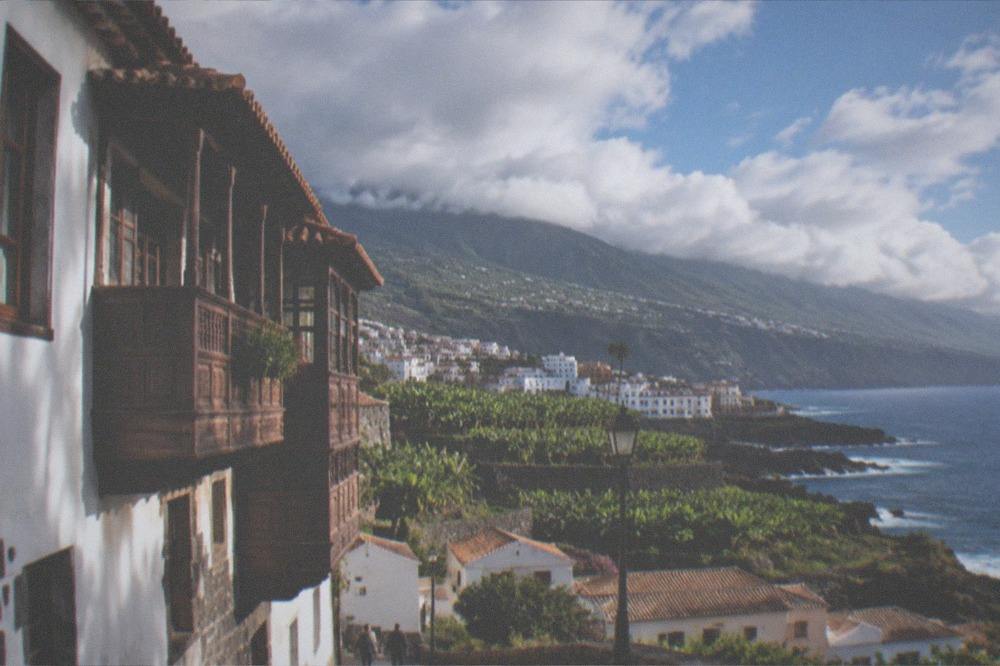
The case for staying here is density. Loro Parque, the botanical garden, the old quarter, the seafront pools and the ferry-linked day trips are all local, and the town's compactness means a car is optional. The case against is the beach: this coast's sand is dark and the Atlantic here is livelier, so sunbathing-and-swimming holidays usually belong further south, around Playa de las Américas or the golden-sand bays the tourist board describes, such as Las Teresitas near Santa Cruz.
Accommodation choice matters less than base choice, but the desk can point at the practical options: places to stay in Puerto de la Cruz range across the seafront hotel strip and the quieter streets uphill. Short-term holiday lets across the island now sit under Ley 6/2025, on the sustainable ordering of tourist use of housing, published in the Canary official bulletin on 12 December 2025, so a self-catering booking in this town falls under the same rules as anywhere else on Tenerife rather than a local exception.
Day trips from a Puerto de la Cruz base are the town's quiet advantage. The Masca, Garachico and Icod route starts practically at the doorstep, La Gomera is a ferry crossing from Los Cristianos, and La Orotava's historic houses, including Casa de los Balcones, sit immediately uphill. The neighbouring town has its own guided introduction: a free, pay-what-you-want walking tour of La Orotava is listed on GuruWalk, about an hour and a half, tip-based.
A note on timing the trip. The monthly arrival figures for tourists by air show the island at its quietest in May and June, with 518,359 and 521,265 arrivals in those months of 2026 so far, against 600,339 in July, so a spring stay in this town trades a little warmth for noticeably thinner crowds at Loro Parque and the seafront. The desk's month-by-month coverage, starting with Tenerife in May, works through the trade-offs in detail.
What Is Puerto de la Cruz Like in Tenerife?
Puerto de la Cruz is a low-rise, Spanish, garden-heavy resort built around an old port town: quieter than the south at night, greener than anywhere else on the coast, popular with German, Spanish and older British visitors, and the only major Tenerife resort where the town came before the tourism.
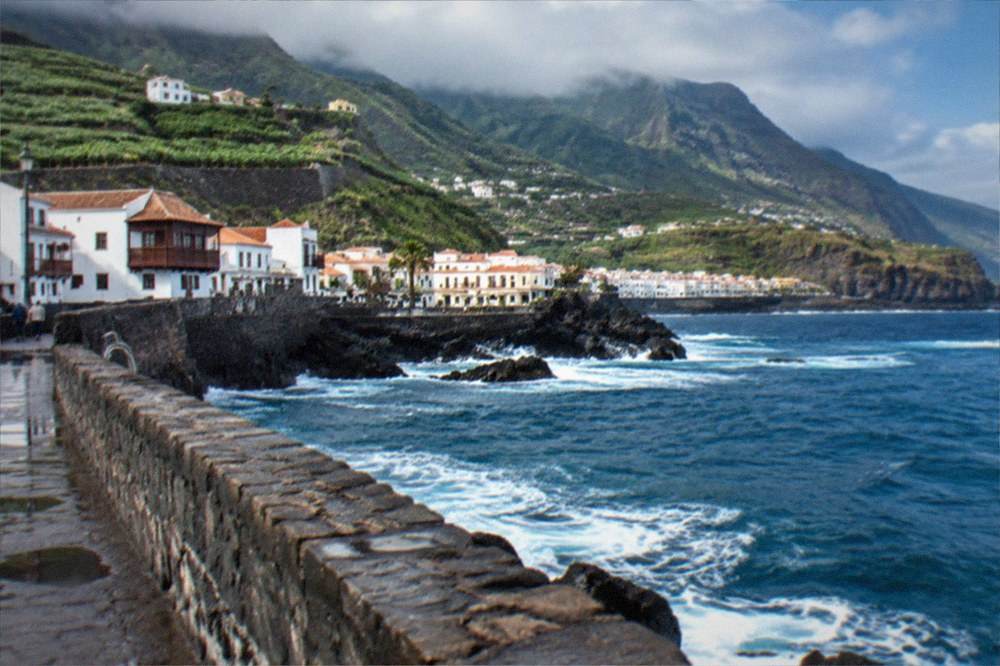
The atmosphere follows from the history. This was Tenerife's first resort, developed around an existing harbour town rather than laid out beside a beach, and the result is a place with a year-round population, local shops and a genuine off-season. The tourist board's own beach pages for the area describe dark volcanic sand, which sets expectations honestly: the seafront here is about pools, promenades and the lagoon complex rather than golden strands.
For families, the combination of Loro Parque, the lagoon pools and the compact centre works well, and the desk's wider coverage of things to do in Tenerife with children places this coast high on the list. For cruise passengers docking at the port in Santa Cruz, the town is a common shore-excursion destination, and small-group tours from the port to Teide, Icod and Garachico run through this part of the island.
On day-to-day cost, the tax picture is the same as everywhere else on the island: the Canary Islands charge IGIC rather than mainland VAT, with the tax agency's own table showing 7% on everyday goods, so a meal or a shop purchase in the old quarter is not carrying a higher rate than the rest of Tenerife. No official page shows a per-night lodging tax in force or approved anywhere on the island, so a stay here carries no local tourist tax on top of the room rate.
Common Questions About Puerto De La Cruz
Is it worth visiting Puerto de la Cruz, Tenerife?
For most travellers, yes. The town offers the Botanical Garden, the Lago Martiánez seafront lagoon complex, a genuinely Spanish old quarter and Loro Parque on its western edge, open 09:30 to 17:30 every day of the year. The trade-off is greyer sand and more cloud than the south coast, which the AEMET climate record confirms.
Is Puerto de la Cruz a good place to stay in Tenerife?
It is the best base on the island for visitors who want walkable town life, gardens and northern day trips without a car. Visitors whose priority is golden sand and maximum sunshine are better served by the southern resorts, where the tourist board describes beaches like Las Teresitas and Las Vistas as golden sand.
What is Puerto de la Cruz like in Tenerife?
A low-rise, garden-heavy resort built around an old port town, quieter at night than the south, with a real resident population of 31,137 in the municipality. It was Tenerife's first resort and retains Spanish neighbourhoods, local shops and an off-season.
Where is Puerto de la Cruz Tenerife?
On the island's north coast, at the seaward end of the Orotava Valley, roughly 35 kilometres west of Santa Cruz de Tenerife by road. La Orotava sits immediately uphill and Tenerife North Airport lies east of the town.
What to do in Puerto de la Cruz Tenerife?
Walk the old quarter and seafront, visit the Botanical Garden and Lago Martiánez, spend a day at Loro Parque, see the flamenco show in the town-centre theatre, and take half-day trips to La Orotava, Icod de los Vinos or Teide National Park. A free, tip-based walking tour of the town is listed on GuruWalk.
Is public transport free for visitors in Puerto de la Cruz?
No. The 2026 100% fare subsidy applies to resident passes only. Visitors pay for single tickets, the EUR 10 day travelcard or the EUR 50 seven-day travelcard, and the tram does not serve the town or either airport.