La Orotava
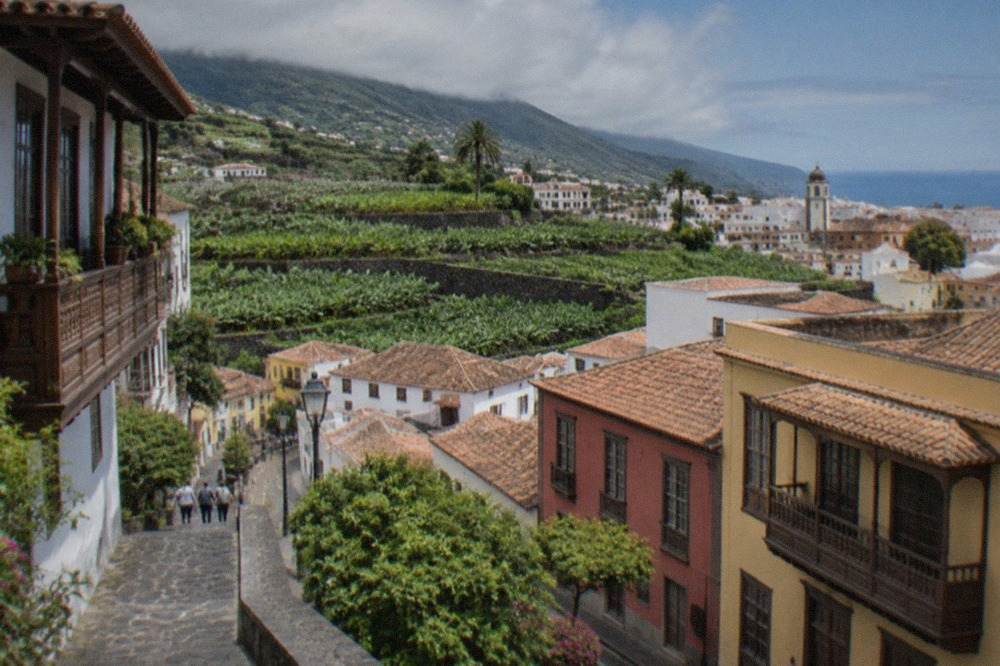
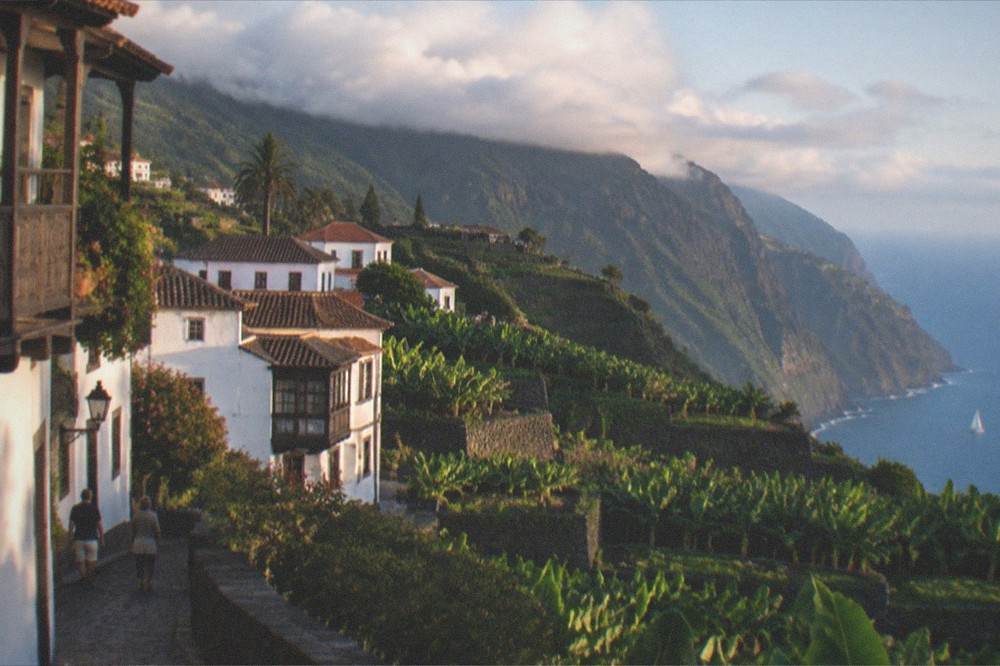
La Orotava sits in the green valley north of Mount Teide, a historic Canarian town of balconied houses and gardens that most visitors reach on a day trip from the coast.
Short answer
La Orotava is a historic town in the Orotava Valley on the north side of Tenerife, known for its colonial architecture, the Casa de los Balcones, and its position as a gateway to Mount Teide and the island's green north.
La Orotava gives the north of Tenerife its name: the whole green slope between the coast and Mount Teide is the Orotava Valley, and the town of the same name sits partway up that slope, below the volcano and above Puerto de la Cruz. The tourist board places El Bollullo, one of the island's black-sand beaches, in the municipality of La Orotava, which tells you something about the range of the place: one municipality holds a historic town centre, farm country and a wild beach at the foot of a cliff. This page sets out what is verified about the town and its surroundings, how to get there, what the climate actually does, and which official fees apply to the Teide trails that begin practically on its doorstep.
Where Is La Orotava?
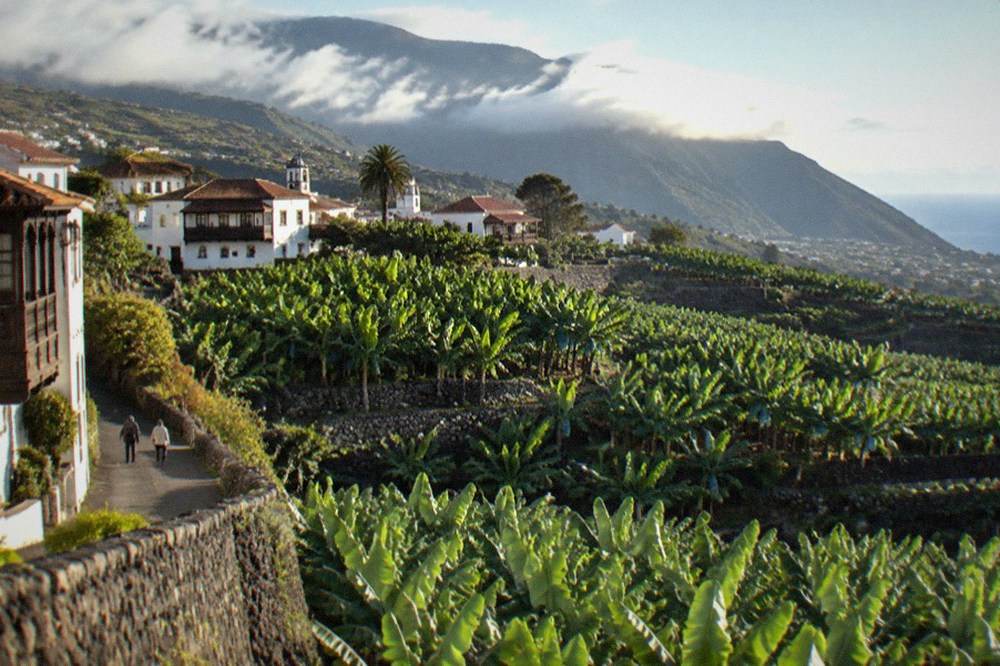
La Orotava is a town and municipality on the northern slope of Tenerife, in the Orotava Valley between Mount Teide above and the coast at Puerto de la Cruz below. It lies inland of the island's second-largest resort area, and the valley's farmland, including the black-sand beach of El Bollullo, falls inside the same municipal boundary. The valley is the reason the town exists where it does: the deep volcanic soil of the Orotava Valley made it farm country, and the historic centre grew from that agricultural wealth. Visitors arriving by car or bus climb from the coast through banana plantations before reaching the town, and the same road continues upward toward the Teide National Park boundary. For orientation, the map and planning pages on this site place La Orotava in the north alongside Puerto de la Cruz, La Laguna and Garachico.
What Makes La Orotava Worth Visiting?
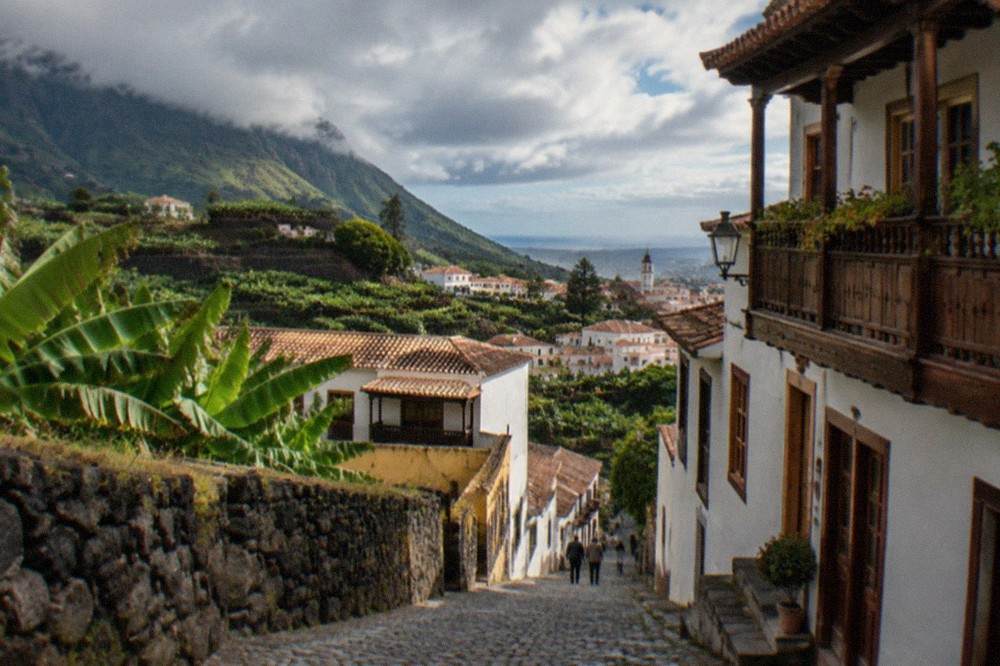
La Orotava is worth visiting for its historic town centre of 17th-century-style Canarian houses with carved wooden balconies, most famously the Casa de los Balcones, and for its position as the greenest gateway to Mount Teide, with gardens, farm country and the Orotava Valley viewpoints within a short drive. The Casa de los Balcones is the best-known single building, and this site carries a full page on the Casa de los Balcones for readers who want the detail. What the town offers beyond the balconies is scale: the historic core is walkable, the surrounding valley is the lushest farmland on the island, and the drive up through the municipality reaches the Teide National Park, the most visited national park in Spain with 5,242,653 visitors in 2024 according to the MITECO count. A town that can be walked in a morning and that stands on the road to the island's biggest attraction earns its day trip.
The town also suits a slower kind of visit than the south-coast resorts. The free walking tours listed on this site include a pay-what-you-want walk of La Orotava itself, run through GuruWalk, which is free to join and tip-based. That is worth knowing because the town rewards a guide: the balconies, courtyards and gardens carry stories that a plaque does not tell.
Beyond the town centre, the municipality stretches up toward the pine forest and the national park boundary. Hikers use the valley as a base for the guided hiking tours that run on Teide and in the Anaga mountains, and the agricultural lowland is where the island's banana country is at its most visible. The valley floor between La Orotava and the coast is one long ribbon of plantations, and one of them opens its gates to visitors.
How Do You Get to La Orotava?
La Orotava is reached by road from Puerto de la Cruz on the coast below, or from the TF-5 motorway that serves the north of the island; there is no tram to the town, and the tram line that exists runs between Santa Cruz and La Laguna, so visitors without a car arrive by TITSA bus or by taxi, all of which are metered from the start of the trip. The tram point matters because older guides send visitors to the wrong island half: Metrotenerife's fares page lists no airport or La Orotava extension, and the island's tram serves only the Santa Cruz to La Laguna corridor, covered in this site's page on the Tenerife tram. TITSA buses run the north-coast routes, and visitors pay for them: the 2026 free-transport subsidy applies to resident passes only, so a visitor's options are single tickets priced by route, the EUR 10 day travelcard or the EUR 50 seven-day travelcard, all sold at airport ticket machines.
| Ticket | Price | Who it is for |
|---|---|---|
| Single ticket | Priced by route, card or cash | Any visitor, any journey |
| Same-day return | 10% off on trips of 20 km or more | Day trips by bus |
| Day Travelcard | EUR 10 | Visitors making several bus trips in one day |
| 7 Day Travelcard | EUR 50 | Visitors staying without a car |
| Ten+ card | EUR 2, top-ups EUR 2 to EUR 100 | Reusable card for travelcards |
Drivers coming from the south should note the island's two airports: TITSA's own airport pages list lines 10, 40, 711, 343 and 415 at Tenerife South, and lines 20, 30 and 343 at Tenerife North, which is the closer airport for La Orotava. The north Tenerife road trip itinerary on this site routes through the town as part of a loop that takes in La Laguna, Garachico and the valley, which is the sensible shape for a first visit to the north.
What Is the Weather Like in La Orotava?
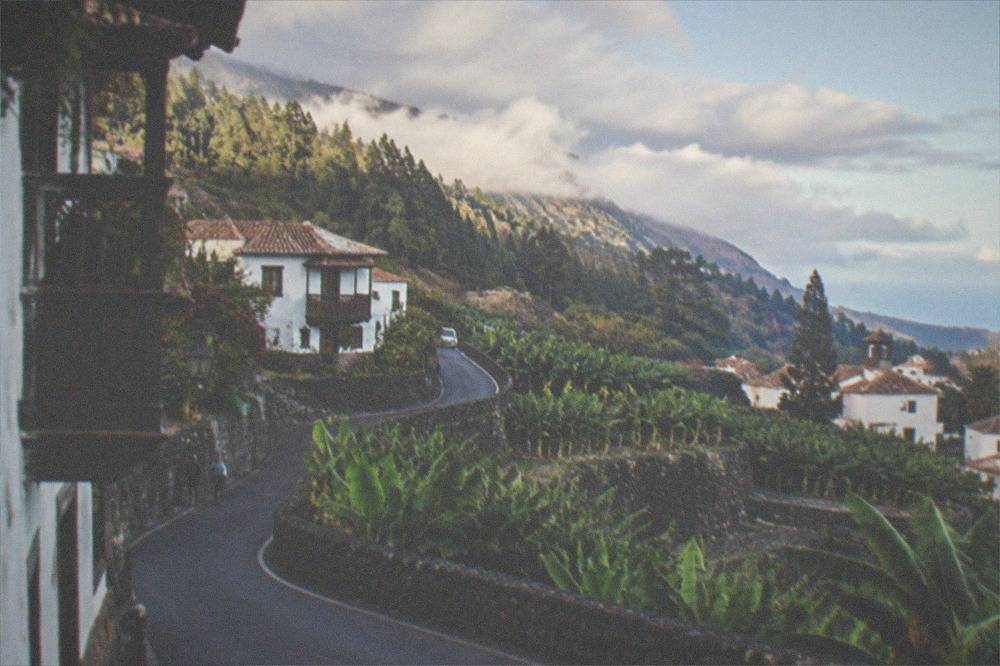
La Orotava shares the north of the island's climate: milder, greener and wetter than the south, with the AEMET station at Tenerife North Airport, 632 m up and the closest long-record station to the valley, averaging 13.1C in January and 21.2C in August, and 520 mm of rain across the year on 64 days with 1 mm or more. The altitude matters as much as the latitude. The town sits well above the coast, and the valley's farms depend on the rain the north receives and the south does not: AEMET's annual figure for Tenerife South Airport is 132 mm, against 520 mm at the north station, both published as 1981 to 2010 normals. That contrast is the whole reason the Orotava Valley is green and the resort south is semi-arid.
| Month | Mean daily max C | Mean daily min C | Rain mm | Sunshine hours |
|---|---|---|---|---|
| Jan | 16 | 10.2 | 80 | 150 |
| Feb | 16.7 | 10 | 70 | 168 |
| Mar | 18.2 | 10.7 | 61 | 188 |
| Apr | 18.5 | 10.9 | 39 | 202 |
| May | 20.1 | 12 | 19 | 234 |
| Jun | 22.2 | 14 | 11 | 237 |
| Jul | 24.7 | 15.7 | 6 | 262 |
| Aug | 25.7 | 16.6 | 5 | 269 |
| Sep | 24.9 | 16.5 | 16 | 213 |
| Oct | 22.5 | 15.2 | 47 | 194 |
| Nov | 19.6 | 13.3 | 81 | 155 |
| Dec | 17.1 | 11.5 | 82 | 137 |
The table is AEMET's record for the Tenerife North Airport station, not a reading taken in the town itself, and it is the honest proxy for the valley: no station inside La Orotava appears in the published normals. Rain here is a winter phenomenon, with November and December the wettest months, and the summer barely registers a rainy day between them. Anyone planning walks in the upper valley in winter should also know that ice and snow on the Teide stratovolcano trails trigger a mandatory equipment rule, crampons and ice axe, on the official Tenerife ON trail pages.
What Are the Best Things to Do in La Orotava?
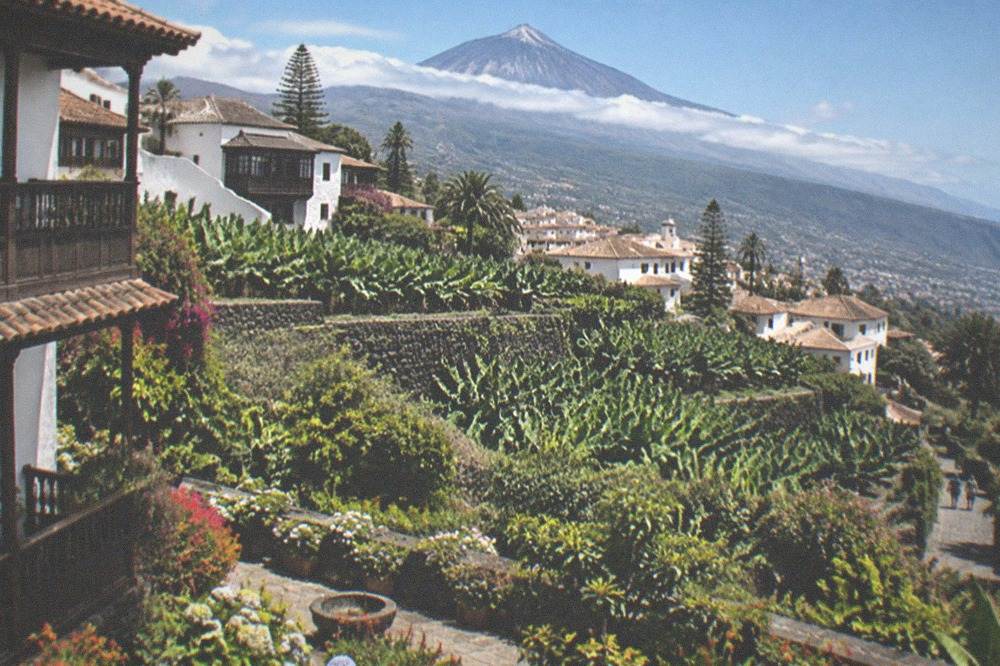
The best things to do in La Orotava are walking the historic centre and the Casa de los Balcones, visiting the botanical garden at nearby Puerto de la Cruz, touring a working banana farm in the valley, and driving up through the municipality to the Teide National Park, where the cable car and the summit trail are separate products with separate bookings. The town centre needs no ticket at all: the balconies, the squares and the gardens are public streets, and the free GuruWalk tour mentioned above covers them. The botanical garden sits down toward the coast at Puerto de la Cruz and makes a natural pairing with a La Orotava morning, since the two are in the same valley and linked by road and bus.
The farm country is the other half of the visit. Bananas are the crop that built the modern valley, and a guided plantation walk explains how they are grown, irrigated and cut; the eco banana farm tour in the valley is the related product on this page and is the one bookable experience that is actually about the municipality itself. The rest of the planning pages sit on Tenerife Travel Guide.
Above the town, the road climbs into the municipality's high ground and on into the national park. This is where the official fees bite, and they are worth setting out plainly, because a lot of older pages get them wrong. Driving through the park costs nothing: no official page lists a park entry fee. The charges are per-booking fees on two trails, and the summit permit is booked on Tenerife ON, not on the old national parks booking site, which now only points visitors to Tenerife ON.
| Trail and slot | Tenerife residents | Other Canary residents | All other visitors |
|---|---|---|---|
| PNT 10 Telesforo Bravo, 09:00 to 17:00 | EUR 0 | EUR 6 | EUR 15 |
| PNT 07 Montana Blanca, working days | EUR 0 | EUR 3 | EUR 6 |
| PNT 07 Montana Blanca, weekends and holidays | EUR 0 | EUR 5 | EUR 10 |
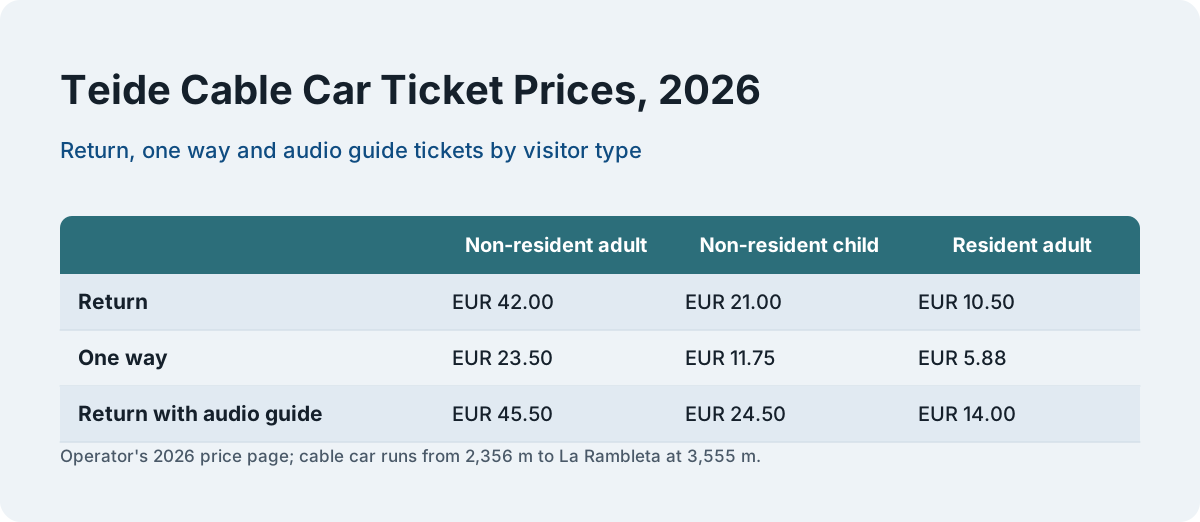
Permits are released every Monday at 07:00 Canary time, keeping 56 days bookable, and no official page gives a sell-out speed, so none is stated here. The cable car is a separate operator product, running from a base station at 2,356 m to La Rambleta at 3,555 m; it does not reach the summit, and the crater trail needs its own Tenerife ON reservation. The operator's 2026 price page lists the return ticket as from EUR 42 for a non-resident adult and EUR 21 for a child aged 3 to 13, with resident rates lower. Children under 3, pregnant women and people with cardiovascular conditions may not ride, per the operator's access rules.
| Cable car ticket, 2026 | Non-resident adult | Non-resident child 3 to 13 | Resident adult |
|---|---|---|---|
| Return | EUR 42.00 | EUR 21.00 | EUR 10.50 |
| One way | EUR 23.50 | EUR 11.75 | EUR 5.88 |
| Return with audio guide | EUR 45.50 | EUR 24.50 | EUR 14.00 |
Where Should You Stay in La Orotava?
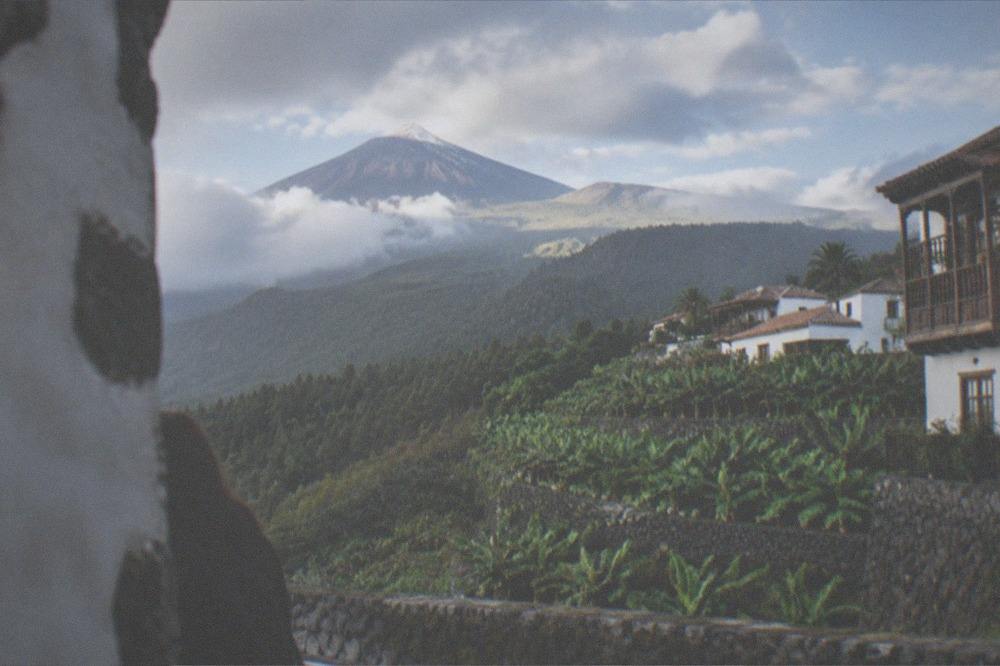
La Orotava suits visitors who want a quiet, historic base in the green north rather than a beach resort: the town has small hotels and rural accommodation in and around the historic centre, while the island's big resort infrastructure sits 20 minutes downhill at Puerto de la Cruz or across the island at Costa Adeje and the south. The choice is really between staying in the valley or staying on the coast and visiting the valley. Puerto de la Cruz, covered in this site's page on Puerto de la Cruz, is the north's resort town and the practical base for most visitors who want sea, sand and the Loro Parque zoo within reach, while La Orotava itself is quieter, higher and closer to the farms and the mountain road. Anyone comparing the north and the south should read the north vs south guide before booking, because the two halves of the island are genuinely different products.
For stays in the valley and the wider north, it is worth comparing options through this site's partner search for island accommodation before committing, since rural houses in the valley vary more than resort hotels do.
What Day Trips Work from La Orotava?
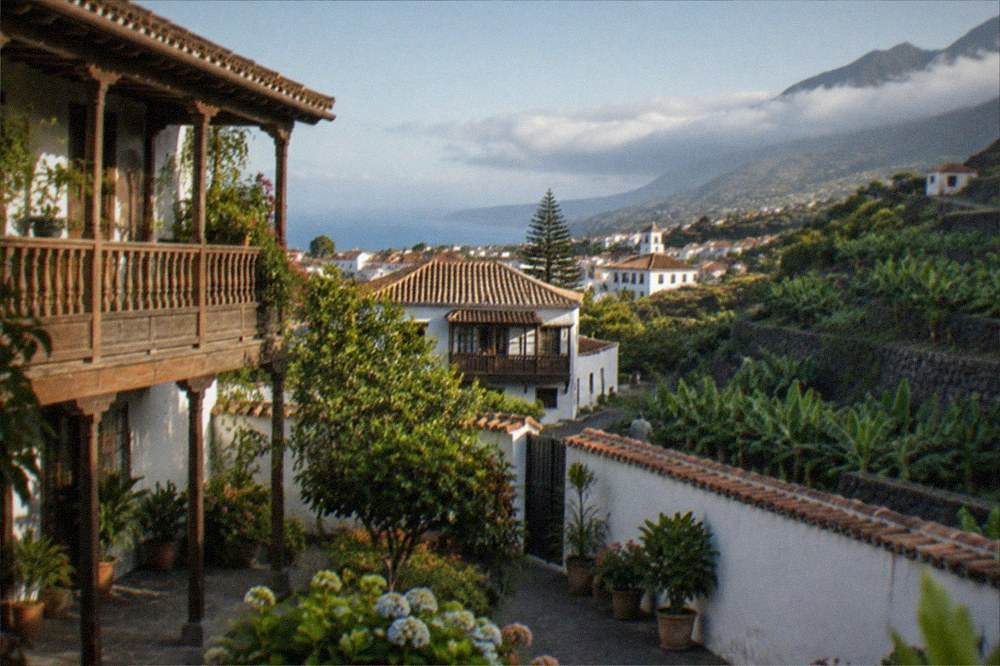
The best day trips from La Orotava are the north-coast loop to Garachico and Icod de los Vinos, the colonial town of La Laguna, the Teide National Park directly uphill, and the ferry to La Gomera from Los Cristianos, all of which are reachable by road from the valley within a day. The classic northern loop is the one this site routes as the Masca, Garachico and Icod route: Garachico, whose old port was buried by the Trevejo volcano eruption of 1706 according to the tourist board's own history of the town, and Icod de los Vinos, home of the Drago Milenario, whose age the Icod council puts at about 1,000 years and the tourist board at over 800, an estimate either way. La Laguna is the other colonial must-see, a UNESCO-listed town whose layout, in UNESCO's words, provided the model for many colonial towns in the Americas.
The sea options run from the south of the island. Whale watching is the island's flagship boat product, regulated by Decreto 178/2000, which sets the rules every authorised boat must follow, and the sailboat trip below is the quietest way to do it.
| Rule under Decreto 178/2000 | Figure |
|---|---|
| Minimum approach distance to whales | 60 m |
| Boats allowed within 500 m | At most 3 |
| Speed within 500 m | 4 knots maximum |
| Swimming or diving within 500 m | Prohibited |
| Feeding, chasing or circling | Prohibited |
| Authorised boats | Must fly the Barco Azul flag |
The designation behind the island's whale fame belongs to the World Cetacean Alliance, which lists the Tenerife-La Gomera Marine Area as a designated Whale Heritage Area since January 2021, with a resident population of pilot whales and bottlenose dolphins. The ferries to La Gomera and to La Palma and El Hierro sail from Los Cristianos on the south coast, with Fred. Olsen Express listing the La Gomera crossing at 50 minutes.
When Is the Best Time to Visit La Orotava?
The best time to visit La Orotava is spring and early summer, when AEMET's north-station normals show 19C to 22C mean temperatures, 39 mm of rain or less per month and more than 200 sunshine hours, while winter brings the greenest scenery but also the wettest months, 80 mm in January and 82 mm in December. The sea is a separate calendar: NOAA's 1991 to 2020 figures for the water off the south coast peak at 23.7C in September and October and bottom out at 19.1C in March, so swimmers follow a different season from walkers. The town itself does not close for winter; it is a working municipality of the green north, not a seasonal resort.
| Month | Sea surface C | Month | Sea surface C |
|---|---|---|---|
| Jan | 19.9 | Jul | 22.2 |
| Feb | 19.2 | Aug | 23.1 |
| Mar | 19.1 | Sep | 23.7 |
| Apr | 19.5 | Oct | 23.7 |
| May | 20.2 | Nov | 22.5 |
| Jun | 21.4 | Dec | 21.1 |
Crowd pressure follows the air-arrival numbers: ISTAC's monthly series counts 643,460 tourists arriving by air in January 2025 against 539,410 in May, so the late spring shoulder is both drier and quieter than the winter peak. Carnival is the one fixed date that reshapes the north, and the official programme for Santa Cruz's Carnival, covered in this site's Carnival guide, puts the 2027 Queen's Election Gala on 17 February and the final weekend on 26 and 27 February.
Common Questions About La Orotava
Is La Orotava worth visiting?
Yes, for its historic centre of carved wooden balconies, the Casa de los Balcones, its gardens and its position in the greenest valley on the island, all reachable as a half-day visit or as a base. The town is also the natural stop on the road between Puerto de la Cruz and the Teide National Park.
How far is La Orotava from Mount Teide?
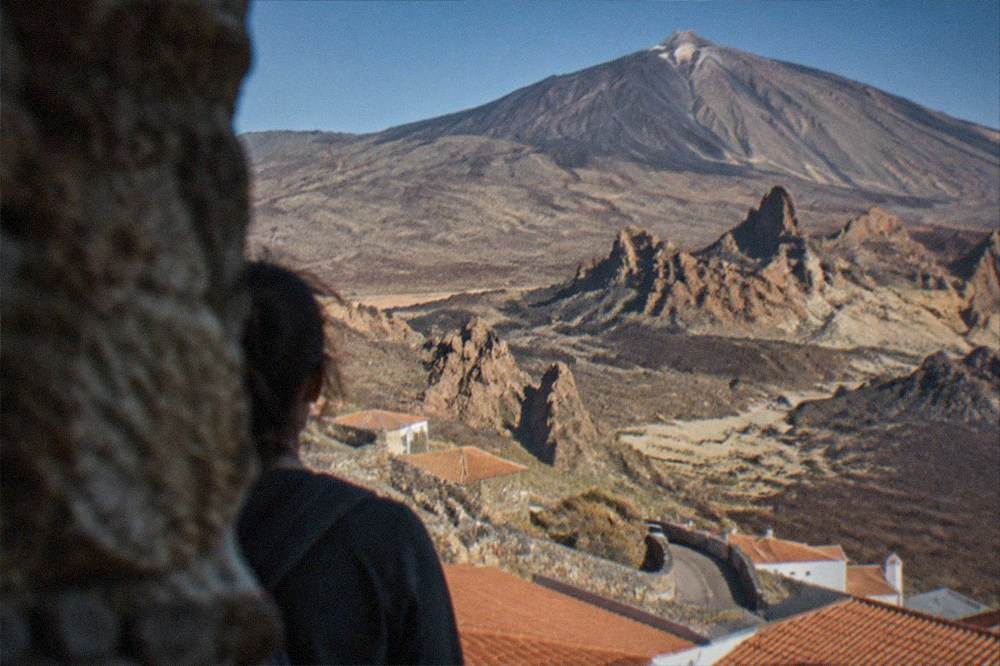
The town sits in the valley directly below the volcano, and the road climbs through the municipality's pine forest into the national park. No verified driving time is on file for this site to print, so check the route and conditions before setting out, especially in winter when ice and snow can close the upper trails.
Can you visit La Orotava without a car?
Yes. TITSA buses serve the north of the island, and visitors pay normal fares: single tickets, the EUR 10 day travelcard or the EUR 50 seven-day travelcard. The free 2026 transport subsidy applies to resident passes only, and there is no tram to La Orotava; the tram runs between Santa Cruz and La Laguna.
Is there a beach in La Orotava?
The municipality includes El Bollullo, a black-sand beach at the foot of a cliff on the tourist board's own page, reached from the valley rather than from the town centre. Swimmers should note the sea's own season: the water off Tenerife peaks at 23.7C in September and October on NOAA's 1991 to 2020 figures.
Do you need a permit to hike near La Orotava?
Only on the trails that carry reservations. Inside the Teide National Park, the summit trail PNT 10 and the Montana Blanca trail PNT 07 need a Tenerife ON booking, and since 19 January 2026 their daytime slots carry public fees for visitors. Most other trails on the island need no booking under a temporary measure running to 31 December 2026, per Tenerife ON's own list.