Casa De Los Balcones, La Orotava
Casa de los Balcones is the best-known traditional house in La Orotava, the historic town in Tenerife's Orotava valley, and its carved wooden balconies have made it one of the north's most photographed buildings. This guide covers what the house is, how to get there, and how to plan a day around it.
Short answer
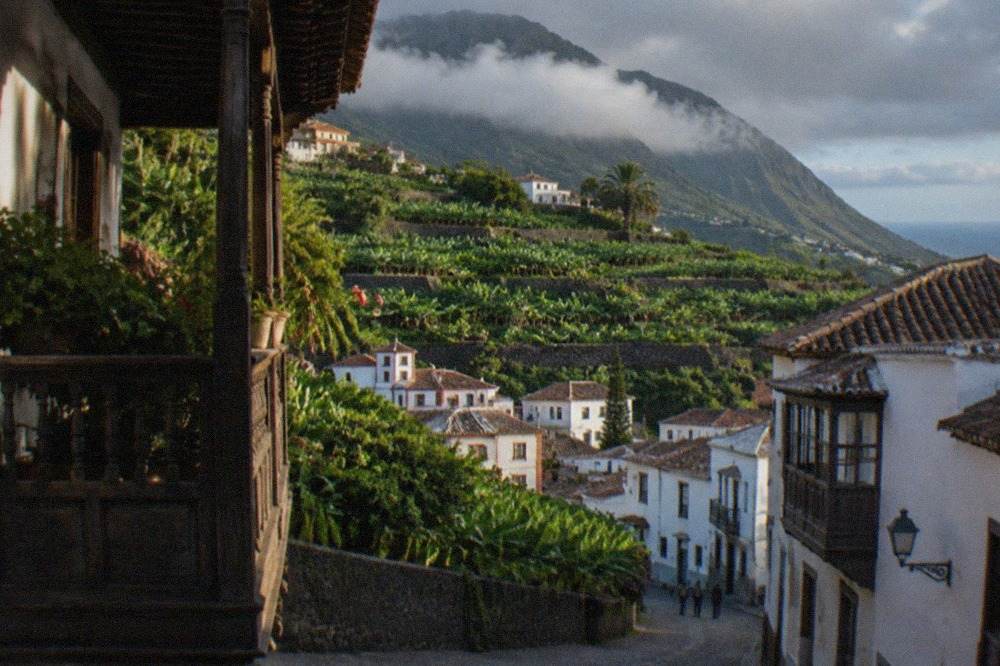
Casa de los Balcones is a traditional 17th-century-style Canarian house in La Orotava, Tenerife, known for its carved wooden balconies and courtyards. It sits in the historic centre of the town, which is reachable by TITSA bus or by car, and it is usually visited alongside La Orotava's gardens, squares and viewpoints on a half-day trip from Puerto de la Cruz or Santa Cruz.
La Orotava sits midway up the green slope that climbs from Puerto de la Cruz towards the Teide National Park, and its historic centre holds more carved wooden balconies per street than anywhere else on Tenerife. The most famous of them all is Casa de los Balcones, a traditional Canarian house whose balconies have become the visual shorthand for the town, appearing on postcards, tourism campaigns and half the photographs taken in the Orotava valley. This guide explains what the house is, how to reach it without a car, and how to fit it into a wider day in the north of the island.
One honest note before anything else: this site's verified fact file holds no opening hours, admission prices or room-by-room details for the house itself, so none are printed here. Where a practical detail matters to your visit, this page says so plainly and tells you to confirm it with the venue. Everything else on the page, the bus fares, the climate, the town's context, is drawn from official sources.
What Is Casa de los Balcones?
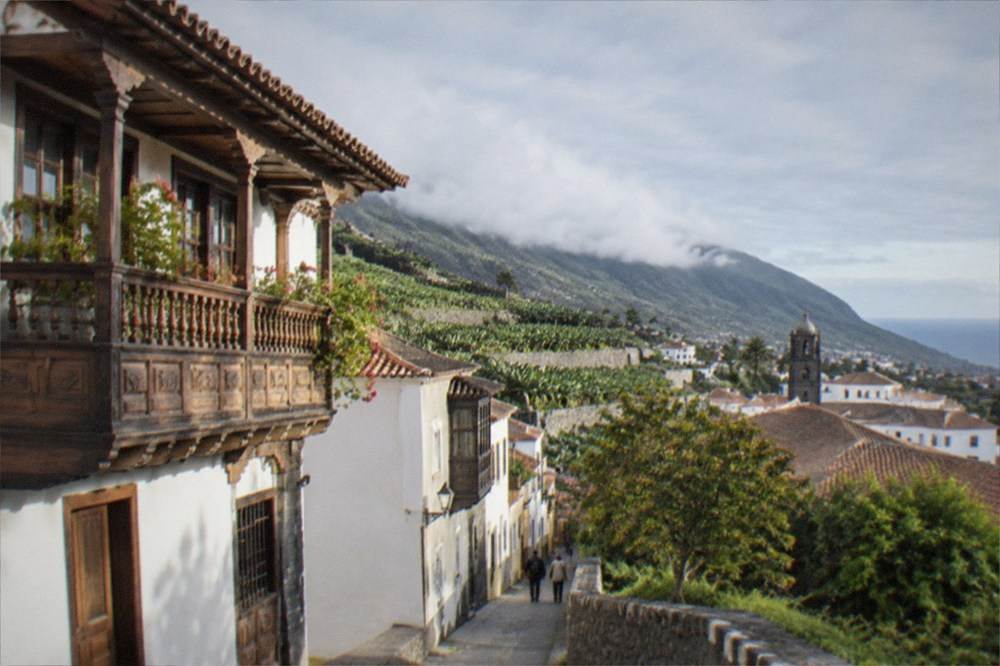
Casa de los Balcones is a traditional Canarian house in the historic centre of La Orotava, built in the island's characteristic style with thick stone walls, interior courtyards and deep carved-wood balconies, and it is the single most photographed building in the town. It is privately run as a visitor attraction and craft shop rather than a museum in the state sense, and it is usually seen as a short stop of an hour or less inside a wider walk around La Orotava's old quarter.
The house belongs to a family of buildings that define Canarian domestic architecture: the balcony is the feature that matters. In the islands' climate, with strong sun and steady Atlantic humidity, houses were built around courtyards, with wooden galleries on the upper floors that shade the street below and let air move through the rooms. The woods used are native hardwoods, and the carving, lattice screens and balustrades are the work of local joiners whose craft is still practised in the town today.
La Orotava is the right place for this style to have survived. The town was the residence of the island's landed gentry from the era of Spanish conquest onward, and the wealth of the Orotava valley's agriculture paid for houses grander than most on the island. The historic centre, with its grid of streets around the main squares, was declared a protected zone for its architecture, and the town's craft tradition, including the carpet of coloured sands laid in the streets each June for Corpus Christi, is part of the same heritage the balconies represent.
What the house offers a visitor is straightforward: the balconied facade, which is what most photographs capture, and the interior, which typically includes courtyards and displays of Canarian crafts and embroidery for sale. Whether every interior space is open on the day you visit, and what the current admission arrangement is, are details to confirm with the venue directly, because no official page in this site's research file records them.
How Do You Get to Casa de los Balcones in La Orotava?
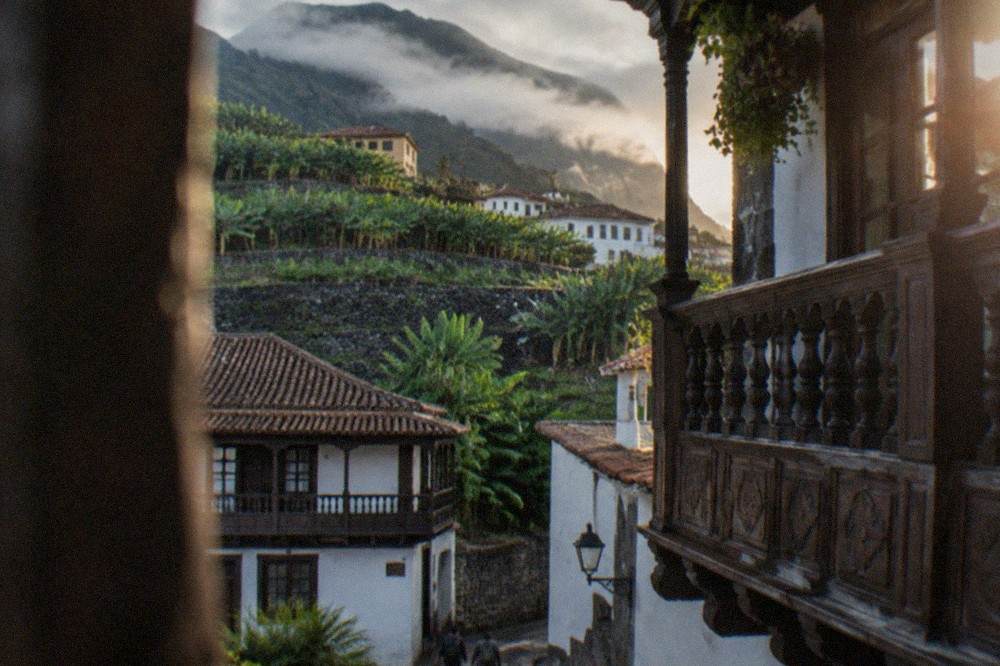
Casa de los Balcones stands in the historic centre of La Orotava, and the practical way to reach it is by TITSA bus to La Orotava or by car to the town's public car parks, followed by a walk into the old quarter on foot. Visitors pay normal TITSA fares, and the town is a scheduled stop on the island's bus network rather than something requiring a tour or a permit.
TITSA, the island bus operator, runs the services that connect La Orotava with the rest of the north. The town lies on the corridor between Puerto de la Cruz and Santa Cruz de Tenerife, so buses from both directions serve it, and the operator's own fare page is the authority on which lines run the route on the day you travel. Visitors should not expect free transport: the 2026 subsidy on public transport in the Canary Islands applies to resident passes only, and a visitor's options are the single ticket, priced by route, the EUR 10 day travelcard or the EUR 50 seven-day travelcard, all sold through TITSA including at airport ticket machines.
| TITSA product for visitors | Price | What it covers |
|---|---|---|
| Single ticket | Priced by route | One journey, card or cash accepted |
| Same-day return | 10% off on trips of 20 km or more | Return the same day |
| Day Travelcard | EUR 10 | One day of travel for a visitor |
| 7 Day Travelcard | EUR 50 | Seven days of travel for a visitor |
| Ten+ card | EUR 2 for the card | Wallet top-ups from EUR 2 to EUR 100 |
Driving is the other realistic option. La Orotava sits on the island's main northern road axis, and the town has public car parks from which the historic centre is reached on foot. The old quarter itself is a dense grid of narrow streets, and the sensible pattern, whichever way you arrive, is to park or step off the bus at the edge and walk the whole centre: the house, the main squares and the famous view over the valley are all within the same compact area. No journey time is printed here, because none was measured on an official page; the TITSA timetable and a map will settle your own schedule.
A third option, and a good one, is a guided walk. GuruWalk lists a free, pay-what-you-want walking tour of La Orotava, the Visit to La Orotava free tour, which covers the town's historic centre with a local guide; the walk is free to join and tip-based, and it is one of three English-guided free walks listed for the north of Tenerife. The resort south has no free walking tour listed on GuruWalk, so if you are based in Los Cristianos or Costa Adeje this northern walk is the one to plan around.
What Can You See Inside and Around the House?
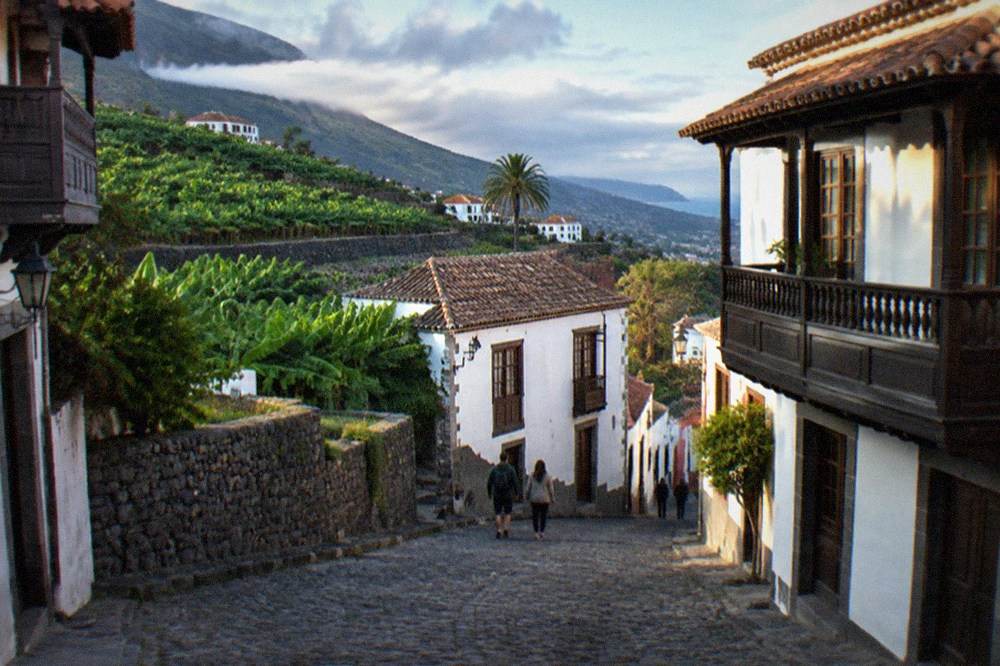
The visit has two parts: the house itself, whose balconied facade and courtyard-style interior showcase Canarian woodcarving, embroidery and crafts, and the surrounding historic quarter, which holds La Orotava's main squares, the town's famous gardens and the viewpoint over the Orotava valley towards the coast at Puerto de la Cruz. Most visitors combine the two in a single walk of a few hours, and the house works best as the anchor rather than the whole outing.
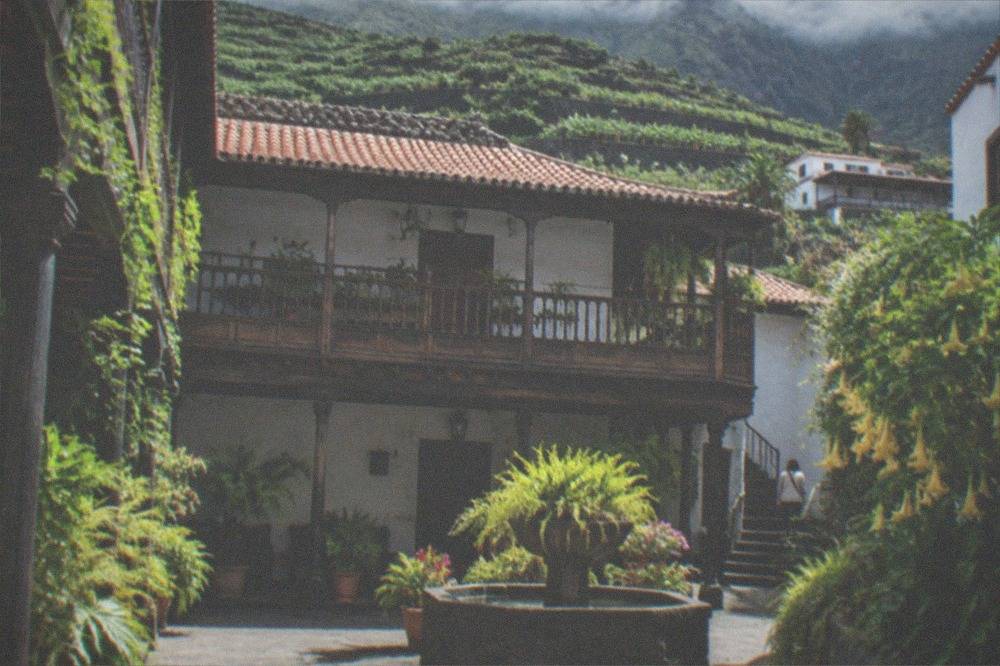
Inside, the character of the house is what the island's joiners and embroiderers made of it. The deep balconies of the facade are the signature, but the interior spaces are organised around courtyards in the Canarian manner, and the house functions as a living shopfront for local crafts, which means the visit is partly a chance to see lace, embroidery and carved wood being sold at the place where the tradition is displayed. Whether demonstrations or particular rooms are open varies, and the venue's own current information is the only reliable source for that.
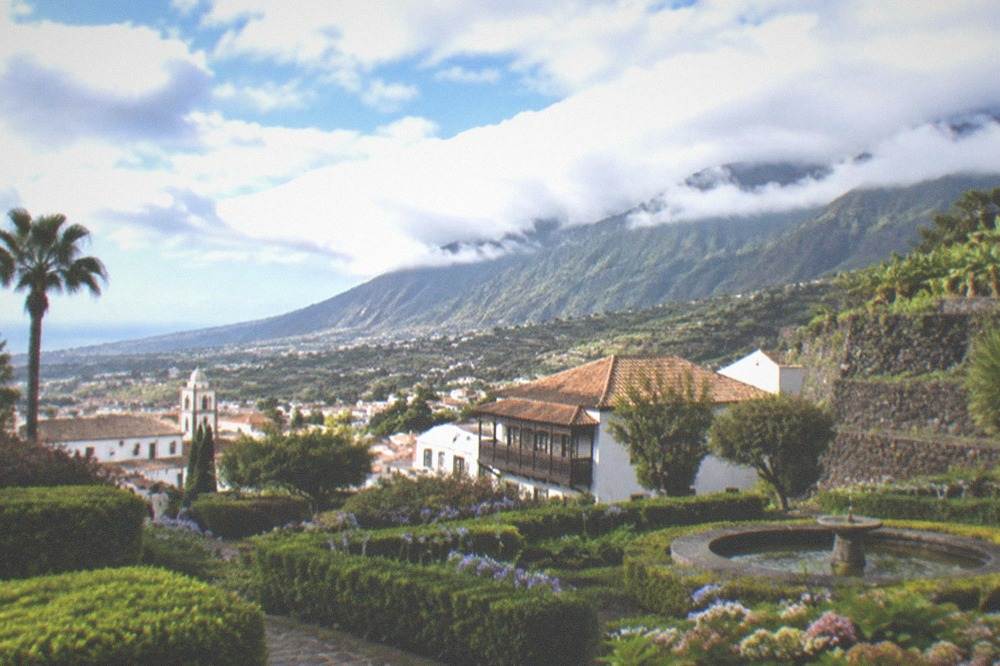
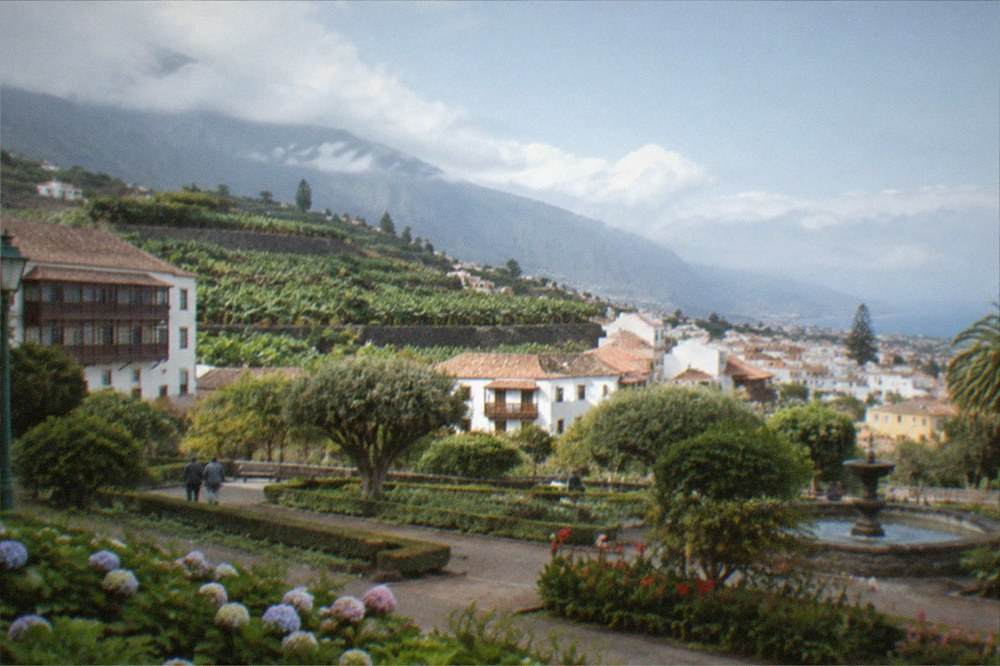
Outside, the house sits in a street of similar balconied buildings, and the walk from there to the town's main squares is the real payload of a visit. The historic centre of La Orotava is compact enough to cover on foot in a morning, and the town's gardens, with their mix of Canarian and imported species, are among the most visited in the north. The famous viewpoint over the valley, with the church towers in the foreground and the slope falling away to the sea, is the photograph most people leave with.
If your day has room for more, the Orotava valley stacks easily. Downhill is Puerto de la Cruz, the old resort town with its seafront, its botanical garden at the Jardín Botánico and the Lago Martiánez pools. Uphill is the road into Teide National Park, which climbs out of the valley through pine forest. A morning in La Orotava and an afternoon at either end of that axis is a full and varied day, and it needs no booking for the town itself.
How Long Should You Spend in La Orotava?
Half a day is enough for Casa de los Balcones and the historic centre of La Orotava, with most visits running two to three hours in the old quarter before moving on to the gardens or downhill to Puerto de la Cruz. A full day in the Orotava valley, taking in the town, the gardens and the coast below, is the comfortable version, and anything shorter risks seeing the balconies without seeing the town that built them.
The reason to linger is that La Orotava rewards slow walking. The old quarter's interest is cumulative: one balconied house is a photograph, a street of them is a sense of how the valley's wealth expressed itself, and the squares, convents and gardens between them carry the story. Visitors who arrive by bus from Puerto de la Cruz or Santa Cruz de Tenerife naturally give the town a half day, because the return service sets the rhythm.
For a longer day, the pairing that works best is La Orotava plus Puerto de la Cruz. The two are connected by a direct road down the valley, and the resort town adds beaches, the seafront and the botanical garden to what the historic town provides. The reverse pairing, La Orotava plus the Teide National Park road, suits visitors with a car, since the park's viewpoints and lava fields are a drive up the valley rather than a bus-and-walk trip.
What Else Should You Combine with a Visit to La Orotava?
The strongest combinations with La Orotava are Puerto de la Cruz on the coast below, the Teide National Park road above the valley, and the other historic towns of the north, La Laguna and Icod de los Vinos, each reachable by bus or car in a day trip from the town. The north of Tenerife is compact enough that two of these pair comfortably in one day.
La Laguna, the old capital inland from Santa Cruz, is the other great historic town of the island, and UNESCO credits it as the first non-fortified Spanish colonial town whose layout provided the model for many colonial towns in the Americas. Its streets are a different register from La Orotava's, more academic and ecclesiastical than agricultural, and the two towns make a strong contrast for visitors interested in the island's architecture.
Icod de los Vinos, west along the northern coast road, is the home of the Drago Milenario, the dragon tree that the Icod council describes as a National Monument since 1917, about 21 m tall with a trunk base about 17 m round, and carrying an attributed age of about 1,000 years; the tourist board's own estimate is over 800 years, so the honest figure is 800 to 1,000 years, and it is an estimate either way. The tree, the town's wine heritage and the nearby volcanic caves make Icod a full stop rather than a drive-through.
Puerto de the Cruz remains the easiest add-on, and it holds the north's biggest ticketed attraction, Loro Parque, which opens 09:30 to 17:30 every day of the year with its own car park at EUR 7 per day. A morning of balconies in La Orotava and an afternoon among the park's exhibits is a classic northern day, and the park's ticket can be arranged ahead. Everything else covered here is indexed on Tenerife Travel Guide.
When Is the Best Time to Visit La Orotava?
The best months to visit La Orotava are April to June and September to November, when the valley's weather is settled, the gardens are at their best and the summer holiday crowds have thinned; winter is also workable, because the north of Tenerife stays mild year-round, but it carries the wettest months of the year. The town sits at altitude on the valley side, so it is cooler and wetter than the coast at Puerto de la Cruz.
The nearest long-run climate record in the verified facts is the AEMET station at Tenerife North Airport, at 632 m on the other side of the ridge, which gives a fair picture of the northern mid-altitude belt where La Orotava lies. Its 1981-2010 normals show the shape of the year: mild, wet winters, warm dry summers, and spring and autumn in between with moderate rain. The valley floor at Puerto de the Cruz runs warmer and drier, and the peaks above the town run colder, so the town itself sits in the middle of a steep climate gradient.
| Month | Mean daily max (C) | Mean daily min (C) | Rain (mm) | Days with 1 mm or more |
|---|---|---|---|---|
| Jan | 16 | 10.2 | 80 | 7.7 |
| Feb | 16.7 | 10 | 70 | 7.4 |
| Mar | 18.2 | 10.7 | 61 | 6.8 |
| Apr | 18.5 | 10.9 | 39 | 6.2 |
| May | 20.1 | 12 | 19 | 3.8 |
| Jun | 22.2 | 14 | 11 | 2.4 |
| Jul | 24.7 | 15.7 | 6 | 1.7 |
| Aug | 25.7 | 16.6 | 5 | 1.1 |
| Sep | 24.9 | 16.5 | 16 | 2.8 |
| Oct | 22.5 | 15.2 | 47 | 6.5 |
| Nov | 19.6 | 13.3 | 81 | 8.3 |
| Dec | 17.1 | 11.5 | 82 | 8.8 |

Two timing notes matter for the town specifically. June brings the Corpus Christi celebrations, when La Orotava lays its famous carpets of coloured volcanic sands in the streets, the town's single most famous event and one worth planning a whole trip around; the date moves with the church calendar, so the current year's programme is the thing to check. And any day you walk the old quarter, the morning light suits the balconies better than the flat glare of midday, which is a photographer's consideration rather than a rule.
For the wider island picture, the tourist figures in this site's research file show the rhythm of arrivals: 643,460 tourists arrived in Tenerife by air in January 2025, and the monthly counts for 2025 ran from a low of 539,410 in May to a high of 671,202 in December, with the late summer and the winter months the busiest. La Orotava's old quarter spreads its visitors well, but the narrow streets are at their calmest on weekday mornings outside school holidays.
Do You Need to Book Anything for a La Orotava Day?
No booking is needed for La Orotava's historic centre, its squares or its streets, and Casa de los Balcones itself is a walk-in attraction whose current admission arrangement you confirm with the venue; the things around it that genuinely need advance planning are Loro Parque's ticket, the guided walks and any Teide trail you add to the same trip. The town is one of the island's genuinely free pleasures.
This matters more than it sounds, because a lot of what surrounds a northern day does carry a booking. The Teide summit trail PNT 10 Telesforo Bravo needs a personal reservation on Tenerife ON, and since Monday 19 January 2026 the 09:00 to 17:00 slots cost EUR 15 for visitors, EUR 6 for residents of the other Canary Islands and nothing for Tenerife residents and children. The Montaña Blanca trail PNT 07 costs visitors EUR 6 on working days and EUR 10 at weekends. Masca's gorge descent is EUR 40.66 with a compulsory boat exit, and Barranco del Infierno in Adeje is EUR 15 with advance online booking compulsory. Those are the per-booking charges that exist on the island; none is a per-night tourist tax, and no lodging tax is in force or approved on any official page this site has read.
| Official charge | Who pays what | Booking |
|---|---|---|
| Teide summit trail PNT 10, 09:00 to 17:00 slots | Visitors EUR 15; other Canary residents EUR 6; Tenerife residents and children free | Tenerife ON reservation |
| Teide trail PNT 07 Montaña Blanca, working days | Visitors EUR 6; other Canary residents EUR 3 | Tenerife ON reservation |
| Teide trail PNT 07, weekends and public holidays | Visitors EUR 10; other Canary residents EUR 5 | Tenerife ON reservation |
| Masca gorge descent | EUR 40.66 general, boat extra | caminobarrancodemasca.com |
| Barranco del Infierno | EUR 15 non-resident adult; EUR 5 Canary residents | Advance online booking compulsory |
La Orotava is the counterweight to all that. The town's streets, the balconies seen from outside, the gardens' public areas and the valley viewpoint cost nothing and need no reservation. The only money a visitor must spend is the bus fare or the petrol, plus whatever the house itself charges on the day, which is the venue's detail to confirm.
Where Does La Orotava Fit in a Wider Tenerife Trip?
La Orotava fits best as a half-day stop on a northern loop, paired with Puerto de la Cruz on the coast, or as the inland half of a day that ends at Teide National Park, and visitors staying in the south should treat it as a day trip via the island's northern motorway axis rather than trying to squeeze it between beach mornings. Two nights in the north makes the whole agenda relaxed.
For south-coast visitors, the comparison that matters is which base to choose, and this site's guide to Los Cristianos versus Costa Adeje covers that decision for the beaches; for heritage and scenery, the north is where the island's character is densest, and a northern day trip from the south is entirely normal. The drive crosses the island's waist and climbs into the valley, and the town's car parks make the old quarter straightforward.
For visitors already in the north, La Orotava is a short hop rather than an expedition. From Puerto de la Cruz it is a bus ride up the valley; from Santa Cruz it is a run along the northern axis. Either way the town rewards the morning slot, leaving the afternoon for the coast or the park.
And for visitors building the fullest northern itinerary, the free GuruWalk walks are worth weaving in: alongside the La Orotava free tour, GuruWalk lists a free, tip-based walk of Puerto de la Cruz and a free tour of the historic centre of Santa Cruz de Tenerife, all English-guided and all pay-what-you-want. Between them and the town's own walkable centre, a car-free northern trip is genuinely practical.
Common Questions About Casa de los Balcones
What is Casa de los Balcones?
A traditional Canarian house in the historic centre of La Orotava, famous for its deep carved wooden balconies and courtyard interior, run as a visitor attraction and showcase for local crafts and embroidery. It is the town's most photographed building.
Where is Casa de los Balcones in Tenerife?
In La Orotava, the historic town midway up the Orotava valley in the north of the island, between Puerto de la Cruz on the coast and the road up to Teide National Park. It stands in the old quarter, reachable on foot from the town's car parks and bus stops.
How do I get to La Orotava by bus?
TITSA runs services connecting La Orotava with Puerto de la Cruz and Santa Cruz de Tenerife along the northern corridor. Visitors pay normal fares: a single ticket priced by route, the EUR 10 day travelcard or the EUR 50 seven-day travelcard. Check the operator's timetable for the lines running on your travel day.
What are the opening hours and prices for Casa de los Balcones?
This site's verified research file holds no current opening hours or admission prices for the house, so none are printed here. Confirm both with the venue directly before you set out, or through the tourist information office in La Orotava.
Is La Orotava worth visiting if you are staying in the south of Tenerife?
Yes, as a day trip. The town's balconied streets, gardens and valley viewpoint are among the island's most distinctive sights, and the northern loop that includes La Orotava and Puerto de la Cruz is a full day out from Los Cristianos, Costa Adeje or Playa de las Américas.
Are there free walking tours in La Orotava?
Yes. GuruWalk lists the Visit to La Orotava free tour, an English-guided, pay-what-you-want walk of the historic centre. GuruWalk also lists free tours of Puerto de la Cruz and the historic centre of Santa Cruz de Tenerife; the resort south has no free walking tour listed.