Guachinches: How to Eat at Tenerife's Family Wine Taverns
The guachinche is Tenerife's most homegrown way to eat: a family wine tavern that pours its own harvest and cooks a short menu beside the vines. This guide sets out what the format involves, where it clusters, and what a visitor should confirm before setting off.
Short answer
A guachinche is a small, family-run wine tavern in Tenerife, above all in the north of the island, that serves the house's own wine alongside a short, traditional menu. Opening days, hours and dishes vary by house and by season, so confirm the details with the venue before travelling.
A guachinche is the most local thing on Tenerife's menu: a family wine tavern that pours wine made from the vines around it and cooks a short list of Canarian dishes in the same building. The word itself is local to the island, the format is regulated at the Canary level rather than by any single venue, and the experience has almost no overlap with the restaurant strips of the south. This editorial desk has compiled what the official record supports and, just as importantly, flagged the details no official source confirms, because a guachinche trip fails on logistics more often than on food.
What Is a Guachinche?
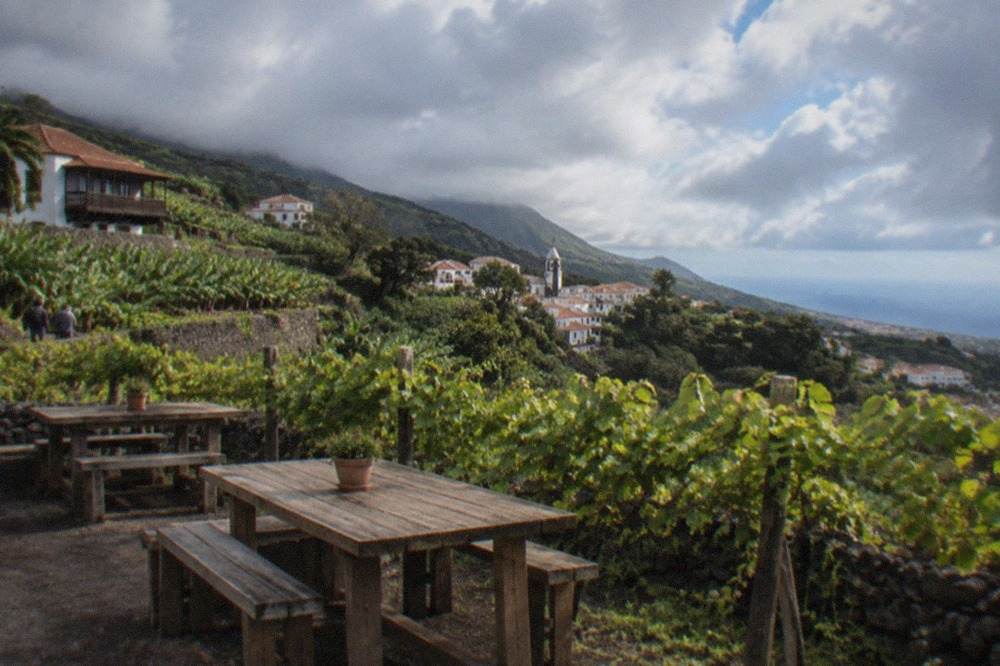
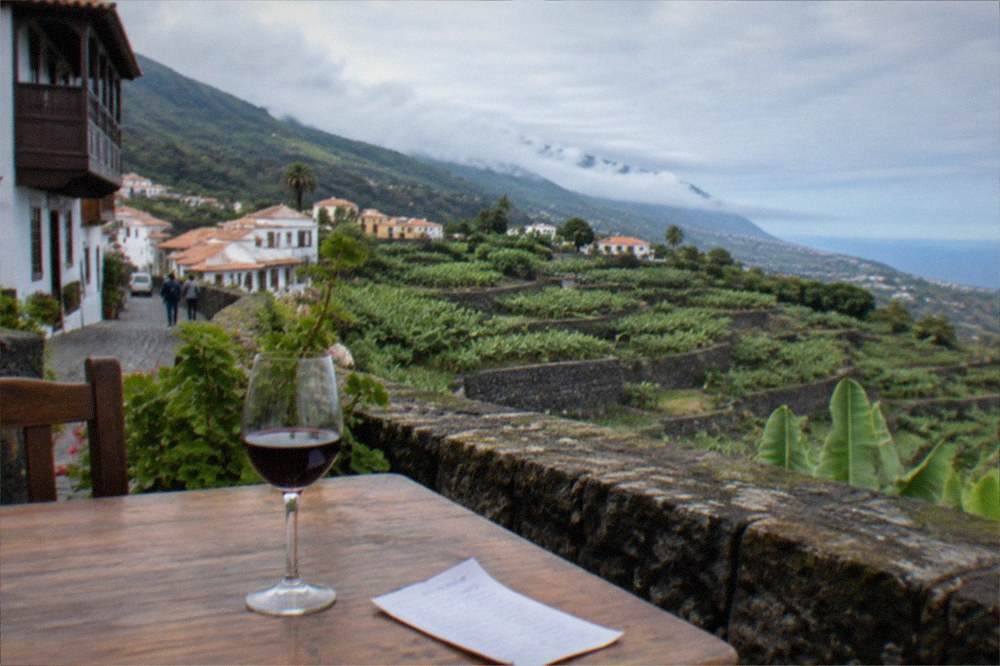
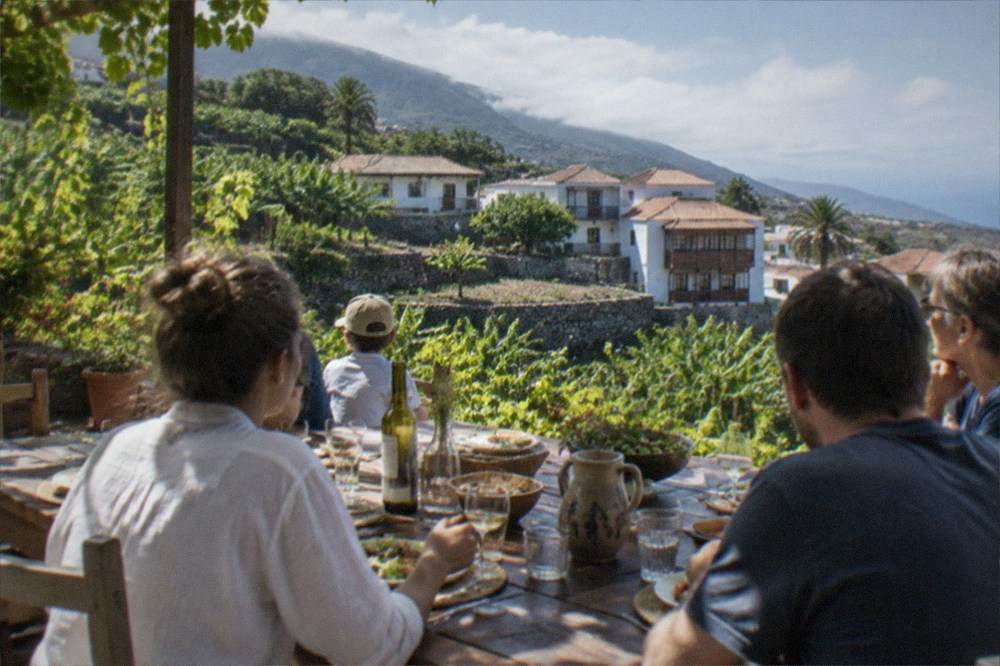
A guachinche is a small, family-run Tenerife wine tavern that serves its own wine with a limited, traditional menu, usually in a rural building beside the vineyard that produced it. The format is informal and seasonal, the menu is short by design rather than by accident, and each house sets its own days, hours and dishes, so nothing about an individual guachinche can be stated in general.
The idea is older than the tourism industry that now seeks it out. A family makes more wine than it can drink, opens its store or its yard to sell the surplus by the glass or the bottle, and cooks a handful of dishes to go with it. That is the whole model. The kitchen's job is to complement the wine, not to compete with a restaurant, which is why the menu rarely runs long and why the cooking sticks to the island's homestyle repertoire.
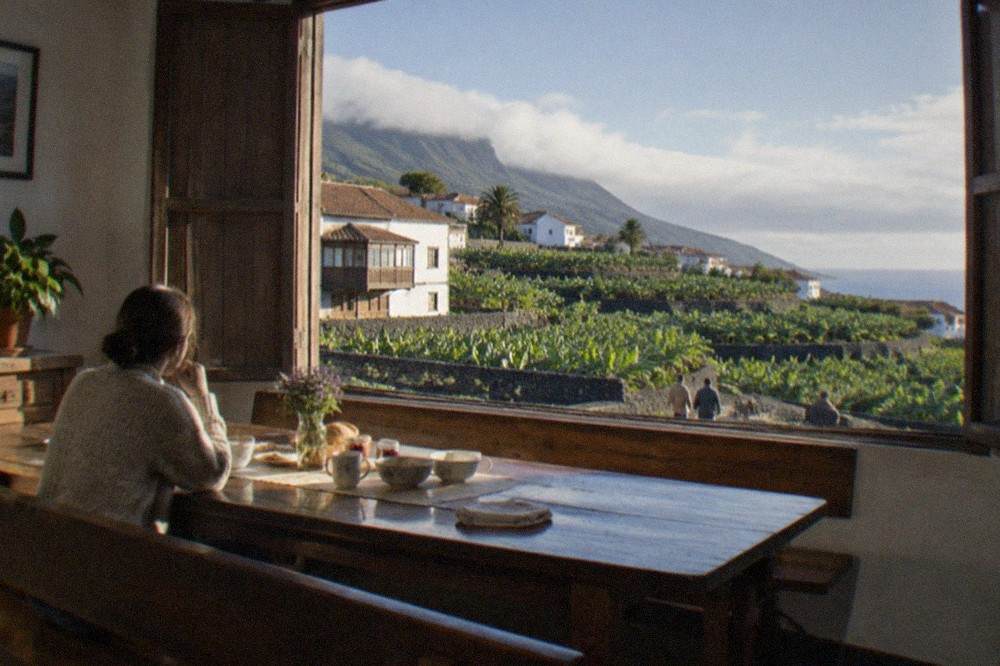
The name is used loosely by visitors and strictly by locals, and the gap between the two is worth knowing. Establishments that buy in wine, run long menus or operate year-round like conventional restaurants are what islanders tend to call "mesones" or simply restaurants, whatever the sign outside says. The distinguishing test is the one the format itself implies: the wine should be the house's own, and the food should be a supporting act.
No official page read for this site lists a registry of guachinches, a certified sign, or an inspection regime a visitor can check. That is not a gap this guide will paper over with invented reassurance. It simply means the practical test, own wine and a short menu, is the one a visitor applies on the ground, and that word of mouth among islanders remains the real accreditation system.
Where Are Guachinches Found in Tenerife?
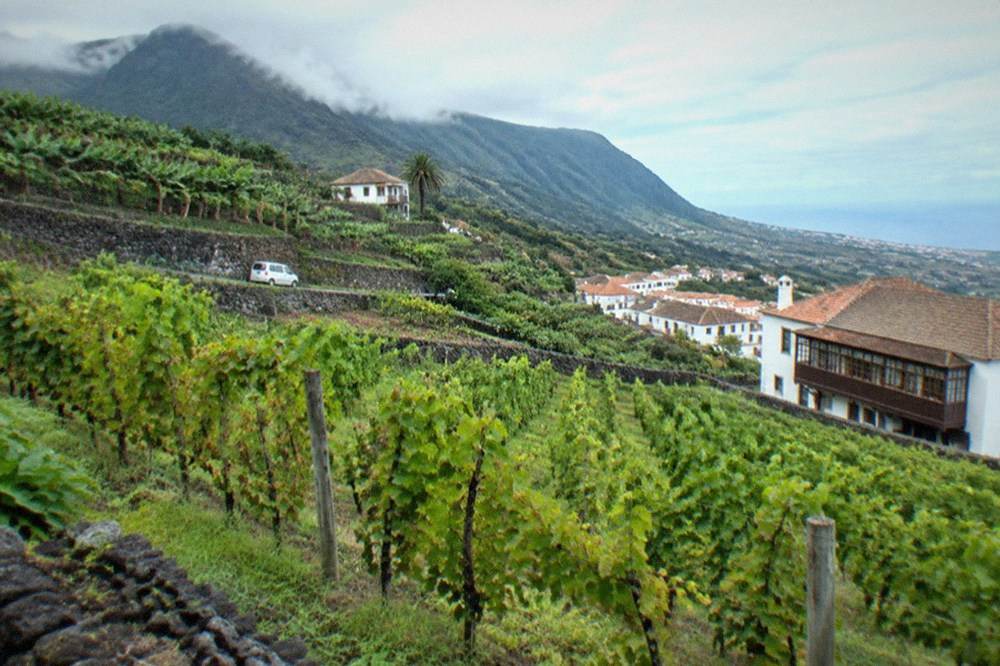
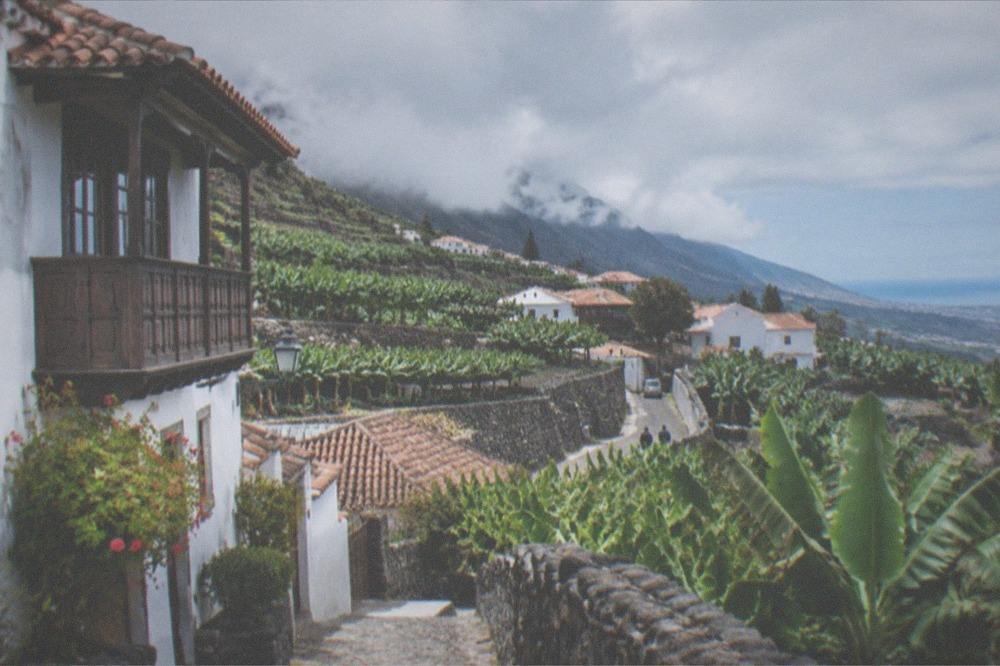
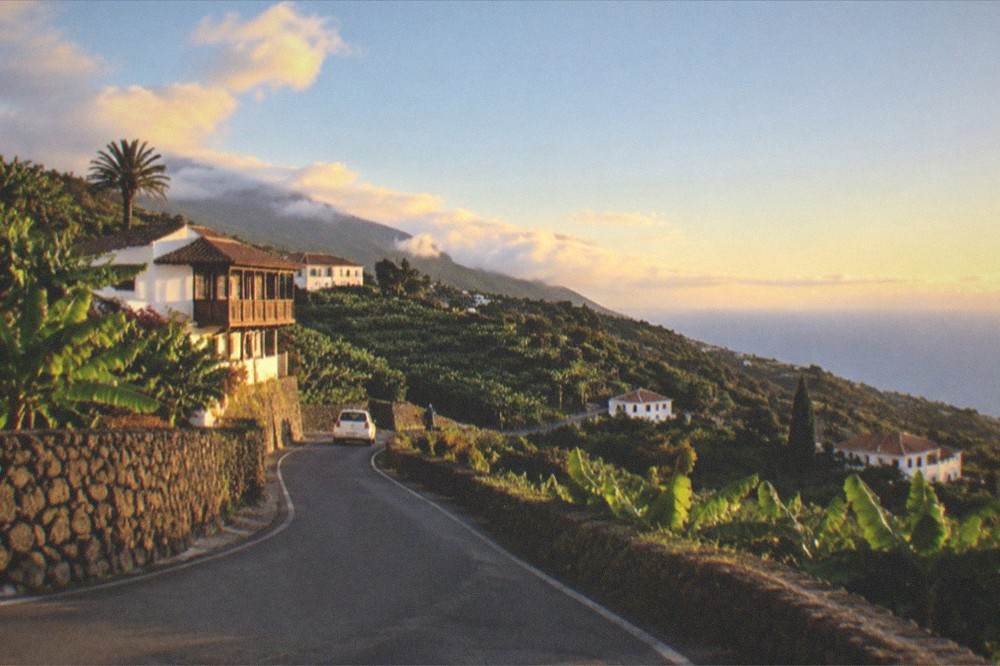
Guachinches cluster in the north of Tenerife, above all in the wine-growing municipalities around Tacoronte, El Sauzal, La Orotava and the slopes below, where the island's vineyard country sits within a short drive of the coast. The south's resort towns have very few, and the drive north is part of the point: the taverns sit in the landscape that produces the wine.
The geography follows the vineyards. Northern Tenerife holds the island's classic wine country, and the taverns are a farm-gate outlet for it, so they sit on rural roads, at the edge of small towns, and on the mid-slopes where the vines grow. The contrast with the south is stark and it is one of the real differences covered in the comparison of Tenerife north vs south: the north trades resort density for agricultural landscape, and the guachinche is the culinary expression of that trade.
For a visitor basing themselves in the south, a guachinche lunch is a half-day trip rather than a stroll. It pairs naturally with the other reasons to head north, from the old towns to the dragon tree at Icod de los Vinos, and it slots easily into a northern loop. Families planning a wider itinerary will find it a low-stress meal stop in a day otherwise built around sights, the way our Tenerife with kids itinerary structures a northern day.
One practical note the editorial desk can state firmly: the taverns are not concentrated in one walkable quarter. They are scattered along rural roads, several are genuinely hard to find on a first attempt, and opening is seasonal and per-house. Confirm the address, the opening days and whether a booking is taken before setting out, and treat any published list of specific houses as a starting point to verify rather than a promise.
How Do You Spot a Real Guachinche Rather Than a Tourist Copy?
Look for the house's own wine, a short menu of homestyle Canarian dishes, rustic family-run premises in vineyard country, and seasonal opening tied to the harvest, and treat any venue with a long international menu, bought-in wine or year-round resort-style hours as something other than a guachinche, whatever its signage claims.
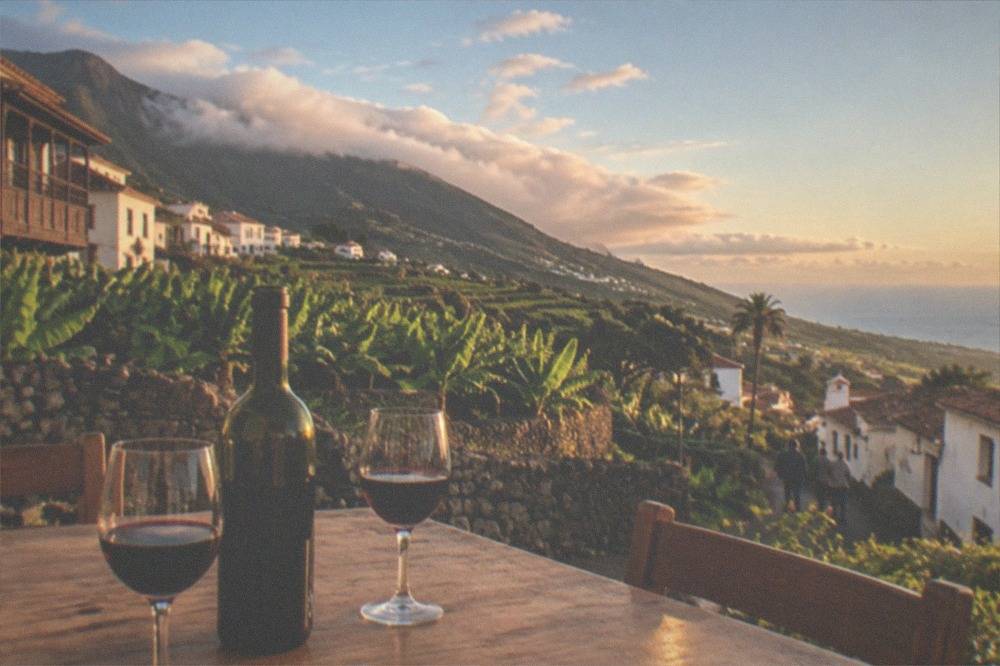
The wine is the first test. A genuine guachinche sells the wine produced on the family's own land, and it is usually sold simply, by the glass or the bottle, without a sommelier's list. If the wine arrives with a commercial label from a large bodega and the menu runs to pages, the format has drifted, and the drift is worth noticing because it changes what you are paying for.
The second test is the kitchen. The classic guachinche menu is a short board of the island's homestyle dishes rather than a restaurant carte. Dishes of that kind are covered in the island's wider Tenerife food tradition, and the taverns are one branch of it, the branch where the cooking stays closest to what a family serves its own table.
The third test is the calendar. The format is tied to the wine year, so opening tends to follow the harvest rather than the tourist season, with houses closing once their wine runs out. No official source read for this site publishes a fixed season, so the honest instruction is to confirm with each house directly, and to expect that a tavern open in one month may be shut in the next.
A visitor who wants the format without the guesswork has a middle path: the island also has proper bodegas, working wineries with visitor facilities, and one of them, Bodegas Monje in El Sauzal, runs a bookable guided tour with wine and cheese tastings. The winery's listing presents it as a two-hour visit with four wines and four cheeses, which makes it a reliable stand-in when a guachinche's season or schedule defeats a plan.
What Do You Order at a Guachinche?
Order the house wine first, by the bottle or the glass, then build the meal around the short menu: wrinkled potatoes with mojo sauces, hearty meat and chickpea dishes, local cheese, and whatever the kitchen has cooked that day, because the menu is small and the daily dishes are the point rather than a fallback.
The wine comes first because the wine is the reason the establishment exists. Tenerife's vineyards grow varieties that barely exist outside the archipelago, and the island's wines carry their own protected designations, so the bottle on the table is often made from grapes a visitor will not find at home. Asking which wine the family recommends is not a rookie move at a guachinche, it is the correct opening move.
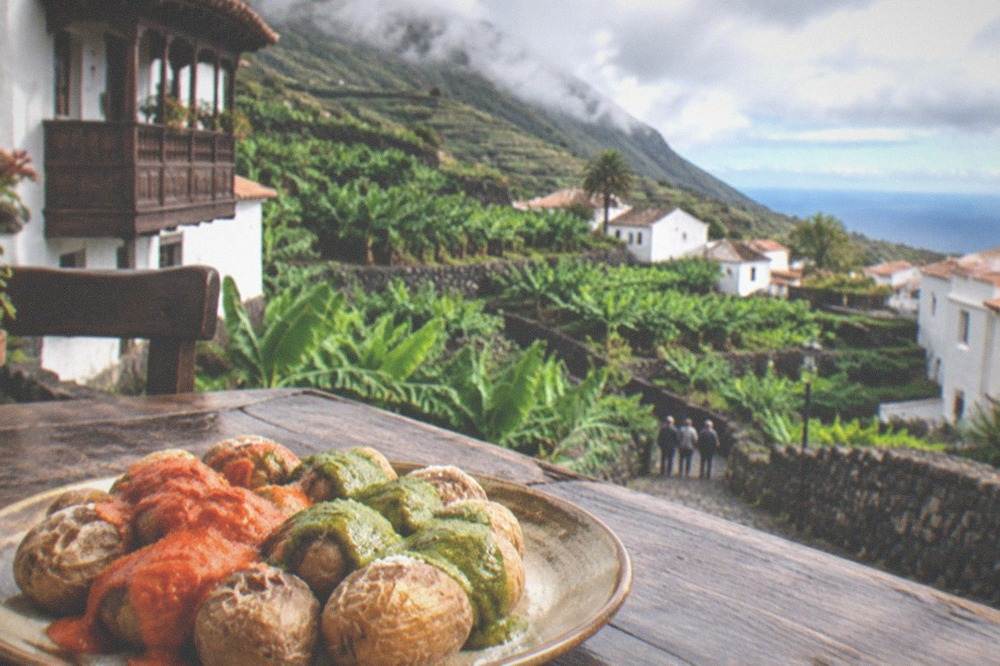
The food that follows is the island's homestyle cooking. Wrinkled potatoes with red and green mojo are the constant, and the sauces, coriander-green and pepper-red, are the island's signature condiments. Beyond that, expect the repertoire of a Canarian family kitchen rather than a restaurant's range: stews, grilled meats, chickpea dishes and local cheeses, with the exact list set by the house and the day.
Dessert, if it exists, is typically simple, and coffee arrives as it would in any Canarian home. The meal is not a tasting menu and nobody should arrive expecting one. It is closer to the opposite: a short, honest list, cooked in quantity, priced to be eaten by local families, which is exactly why islanders keep the format alive.
A note on expectations, stated plainly because inflated ones ruin the meal: service at a guachinche is family service. It can be slow at peak times, the setting is functional rather than designed, and the experience rewards visitors who treat the meal as an evening in a working farmhouse rather than a restaurant booking. Readers comparing the island's eating options end to end, from tavern to fine dining, will find that wider landscape in the guide to the best restaurants in Tenerife.
If the day is being built around food and the north, it is worth settling the one big-ticket item in advance so the tavern bill stays the day's small pleasure. A family pairing a vineyard lunch with an afternoon at Loro Parque, in Puerto de la Cruz in the same northern half of the island, can sort the park ticket now and keep the rest of the day loose.
When Is Guachinche Season, and What Is the Weather Like in the Vineyard Country?
Guachinche opening follows the wine year rather than the tourist calendar, with houses typically opening after the harvest and closing when their wine is sold, and no official source publishes fixed dates, so confirm with each venue. The vineyard country of northern Tenerife is measurably cooler and wetter than the south, especially from November to February, which is the period a visitor most needs to plan around.
The climate record makes the north's character precise. AEMET's normals for the station at Tenerife North Airport, at 632 m in the island's north, show the wettest months concentrated in late autumn and winter, with November and December the rainiest of all. The south of the island, by contrast, records a fraction of that rainfall on the same measure. The two climates are the reason the north grows vines and the south grows resorts. The wider set of guides lives on Tenerife Travel Guide.
| Month | Mean daily max (C) | Mean daily min (C) | Rain (mm) | Days with 1 mm or more of rain | Sunshine hours |
|---|---|---|---|---|---|
| Jan | 16 | 10.2 | 80 | 7.7 | 150 |
| Feb | 16.7 | 10 | 70 | 7.4 | 168 |
| Mar | 18.2 | 10.7 | 61 | 6.8 | 188 |
| Apr | 18.5 | 10.9 | 39 | 6.2 | 202 |
| May | 20.1 | 12 | 19 | 3.8 | 234 |
| Jun | 22.2 | 14 | 11 | 2.4 | 237 |
| Jul | 24.7 | 15.7 | 6 | 1.7 | 262 |
| Aug | 25.7 | 16.6 | 5 | 1.1 | 269 |
| Sep | 24.9 | 16.5 | 16 | 2.8 | 213 |
| Oct | 22.5 | 15.2 | 47 | 6.5 | 194 |
| Nov | 19.6 | 13.3 | 81 | 8.3 | 155 |
| Dec | 17.1 | 11.5 | 82 | 8.8 | 137 |
Those are AEMET's 1981-2010 normals for the north-airport station, and they describe the climate a guachinche visitor actually meets on the mid-slopes: mild, green, and wet enough in winter that a rain layer earns its place in the bag. The full island picture, month by month and station by station, is in the guide to Tenerife weather by month, and the north-south rainfall gap is the single most useful number in it for this trip.
The season question also has a demand side. The island's arrivals peak around the turn of the year, as the official monthly figures show, and a visitor heading north in those months shares the roads with the high season.
| Month | Tourists arriving by air, 2025 |
|---|---|
| Jan | 643,460 |
| Feb | 648,255 |
| Mar | 677,688 |
| Apr | 604,370 |
| May | 539,410 |
| Jun | 542,881 |
| Jul | 611,623 |
| Aug | 618,578 |
| Sep | 563,261 |
| Oct | 631,662 |
| Nov | 659,656 |
| Dec | 671,202 |
Those figures count tourists arriving by air and excluding Canary Islands residents, as the Canary statistics service compiles them. The practical reading for a guachinche plan is simple: winter brings both the wettest weather in the vineyard country and the year's arrival peak, so a winter visit benefits from an early start and a confirmed opening before the drive.
What Should You Expect to Pay, and How Does the Canary Tax System Work?
No official source publishes guachinche prices, so this guide states none: confirm prices with each house directly, and expect the format's whole appeal to be modest, family-kitchen pricing rather than restaurant pricing. The one figure a visitor can hold onto is the Canary sales tax, IGIC, which the Canarian tax agency lists at 7 percent on everyday goods, not mainland Spain's VAT.
The tax point matters more than it sounds. The Canaries apply IGIC instead of VAT, and the regional tax agency's own table shows 7 percent on everyday goods, with reduced and increased bands for other categories. A bill in Tenerife is therefore taxed differently from a bill in Madrid, and a visitor comparing prices with mainland Spain should know the difference exists before wondering about it at the table.
| IGIC band | Rate, as listed by the Canarian tax agency |
|---|---|
| Everyday goods | 7% |
| Reduced band | 3% |
| Zero band | 0% |
| Increased band | 15% |
Non-resident travellers can in fact claim IGIC back on purchases under the regional scheme, using the form the tax agency designates for travellers in transit, though for a tavern lunch the paperwork will rarely be worth it. The claim route matters more for larger purchases, and it is one of the practical money questions, alongside currency and tipping, covered in the island's general money guidance.
On the tavern's own prices, the honest position is a firm one. No verified source holds a guachinche price list, so this page prints no figure, no range and no "typical" cost, and any page that does print one is guessing. What the format's structure implies, and what islanders consistently report, is that the pricing follows the family-kitchen model rather than the resort model, and the way to know is to ask the house.
A guachinche day can also be combined with one of the island's bookable experiences without breaking the budget logic of the day. A family pairing a vineyard lunch with an afternoon at Loro Parque, for instance, can settle the park ticket in advance and keep the tavern bill as the day's small, cash-friendly pleasure. The park, in Puerto de la Cruz, sits in the same northern half of the island as the wine country, which makes the pairing a natural one.
Can You Reach the Guachinches Without a Car?
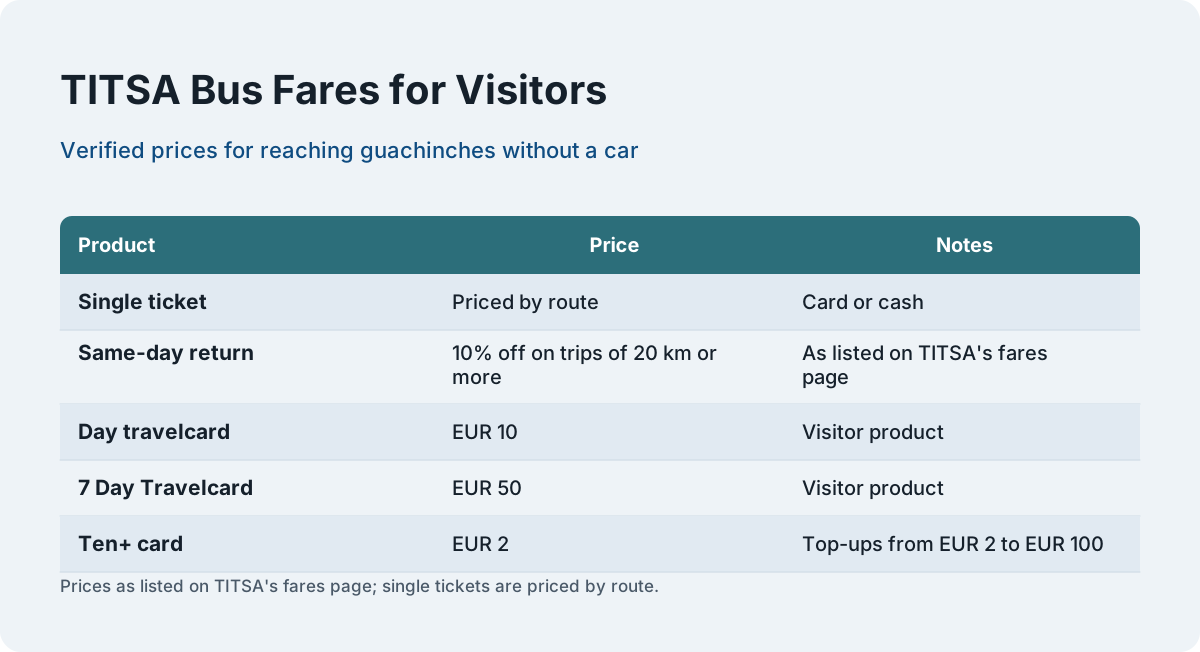
Reaching scattered rural taverns without a car is the weak point of a guachinche plan, because the houses sit along rural roads rather than in a walkable quarter, and no verified source maps them to specific bus lines. Visitors relying on public transport should use TITSA's network, where a day travelcard costs EUR 10 and a seven-day travelcard EUR 50, and should confirm each venue's exact location before committing to a route.
The transport facts that are verified are worth stating exactly, because they are the ones a visitor can build on. TITSA, the island bus operator, sells visitors single tickets priced by route, a day travelcard at EUR 10 and a seven-day travelcard at EUR 50, and the cards are sold at airport ticket machines among other points. The free public transport that made headlines in the Canaries applies to resident passes only, so a visitor planning a tavern crawl budgets with the visitor products.
| TITSA product | Price | Notes |
|---|---|---|
| Single ticket | Priced by route | Card or cash |
| Same-day return | 10% off on trips of 20 km or more | As listed on TITSA's fares page |
| Day travelcard | EUR 10 | Visitor product |
| 7 Day Travelcard | EUR 50 | Visitor product |
| Ten+ card | EUR 2 | Top-ups from EUR 2 to EUR 100 |
The honest caveat follows immediately. The verified record names TITSA's airport lines in detail, but it does not map individual guachinches to individual routes, and this page will not invent that mapping. The workable pattern for a car-free visitor is to choose a tavern in or beside a northern town the buses demonstrably serve, confirm the walk or the connection with the venue, and keep the return time in mind, because rural frequencies thin out in the evening.
For most visitors, the practical answer is that a car is the better tool for this particular meal, and the wider question of whether a car is needed on the island at all is answered elsewhere on this site. For those who would rather not drive at all, an alternative is to fold the wine country into an organised day, and the island's wine tours cover exactly that ground with transport included.
How Do Guachinches Fit Into a Wider Tenerife Holiday?
A guachinche lunch slots most naturally into a northern half-day, paired with the old towns, the vineyard landscape or a booked attraction in the same half of the island, and it works least well as a spontaneous add-on to a southern beach day, because the drive each way eats the afternoon. Plan it as the anchor of a northern day rather than a detour.
The pairing logic is geographic. Puerto de la Cruz, La Orotava, Tacoronte and El Sauzal sit in a chain along the north's mid-slopes, and a single day can take in one old town, one viewpoint and one tavern lunch without heroic driving. Families will find the rhythm suits children well, since the tavern meal is informal and the northern stops are unhurried, and the question of which base suits a family best is covered in the guide to the best area for families in Tenerife.
The evening belongs to the south if that is where the booking is. The island's boat trips, its whale and dolphin watching under the Canary rules that keep boats 60 metres from the animals, run from the southern ports, and a northern lunch followed by a southern sunset sail is a full and satisfying day. The rules that protect the animals are worth knowing: authorised boats fly the Barco Azul flag, and the decree that governs the activity sets the distances and boat numbers a responsible operator keeps to.
| Rule under Decreto 178/2000 | Figure |
|---|---|
| Minimum approach distance to whales | 60 m |
| Boats allowed within 500 m | No more than 3 |
| Speed within 500 m | 4 knots maximum |
| Swimming or diving within 500 m | Prohibited |
| Feeding, chasing or circling | Prohibited |
| Authorised boats | Must fly the Barco Azul flag |
A word on the wider island comparison, because guachinches are one of the things Tenerife can claim over its neighbours. Travellers weighing Tenerife against Gran Canaria or Lanzarote often land on beaches and nightlife, and those guides, on Tenerife vs Gran Canaria and Tenerife vs Lanzarote, cover that ground. The guachinche tradition is a quieter differentiator: a farm-gate wine culture that a visitor eats inside of rather than observes.
For a visitor who wants the agricultural thread of the island without the tavern lottery, the banana route offers a parallel. Finca Las Margaritas, in Arona in the south, runs a bookable banana plantation experience with guided and self-guided options, and its listing shows it as a one-hour visit. It is the southern counterpart to the north's vineyard visits, and it makes a lighter half-day than a drive up the mountain.
Common Questions About Guachinches
Do you need to book a guachinche in advance?
It depends entirely on the house. Some guachinches take bookings, others work first-come first-served, and no official registry exists that lists which is which. Confirm with the venue directly before travelling, especially at weekends and in the winter arrival peak, and have a second tavern in mind as a fallback.
Are guachinches suitable for children?
Generally yes, in the way a family kitchen is: the setting is informal, the menu is homestyle, and the format is built around local families rather than tourists. The practical considerations are rural ones, high chairs and changing facilities vary by house, so ask the venue what it has rather than assuming either way.
Can you buy the wine to take home?
Selling the surplus is the original purpose of the format, so many houses sell bottles to take away. What each house stocks, and whether a particular wine is still available late in the season, is a per-venue question, and the honest instruction is to ask at the table rather than rely on any published list.
Do guachinches take cards, or should you bring cash?
Payment methods vary by house and no verified source lists them, so confirm with the venue. Rural establishments on the island are not uniformly card-ready, and carrying cash for a tavern meal remains the safe default even where a card machine exists.
Is a guachinche the same as a bodega visit?
No. A guachinche is a family wine tavern serving its own wine with food, while a bodega is a working winery, and the two overlap only where a winery also opens a restaurant. A bookable winery tour, such as the guided visit with tastings at Bodegas Monje in El Sauzal, is the structured version of the experience, with fixed hours and a guaranteed opening, which the tavern format cannot promise.