Tenerife Wine Tours and Wineries
Tenerife grows wine on volcanic slopes within sight of the sea, and a day in its wine country pairs a tasting room with some of the island's most scenic countryside.
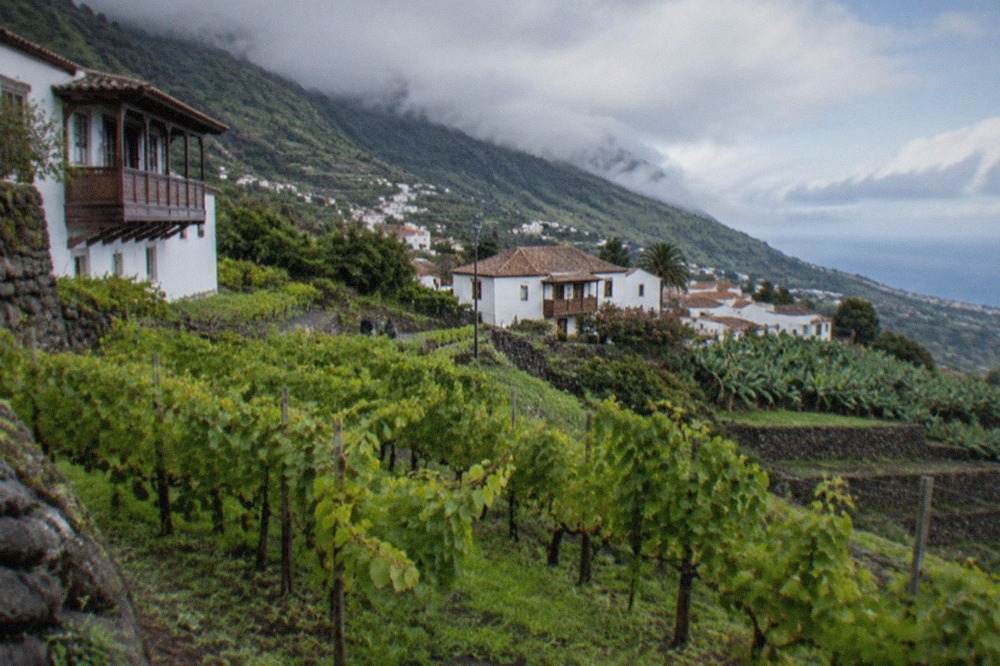
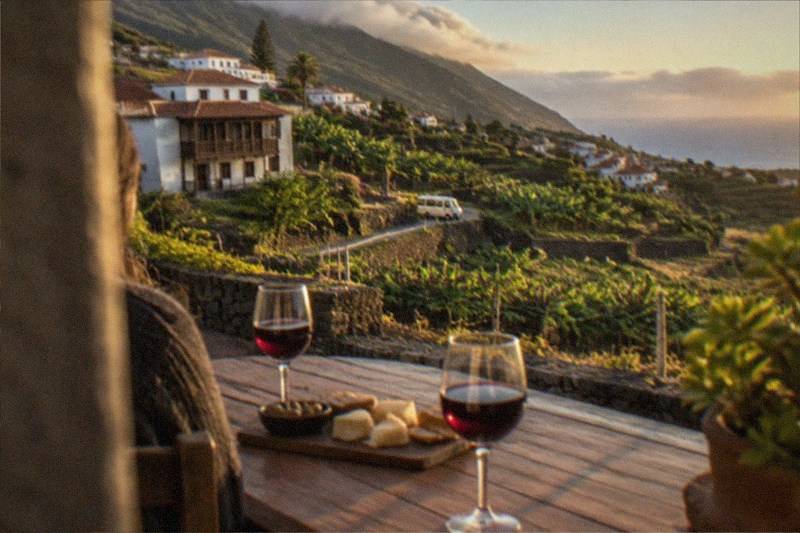
Winery Tour, Four Wines and Cheeses
Tacoronte: Guided Winery Tour with Wine and Cheese Tastings
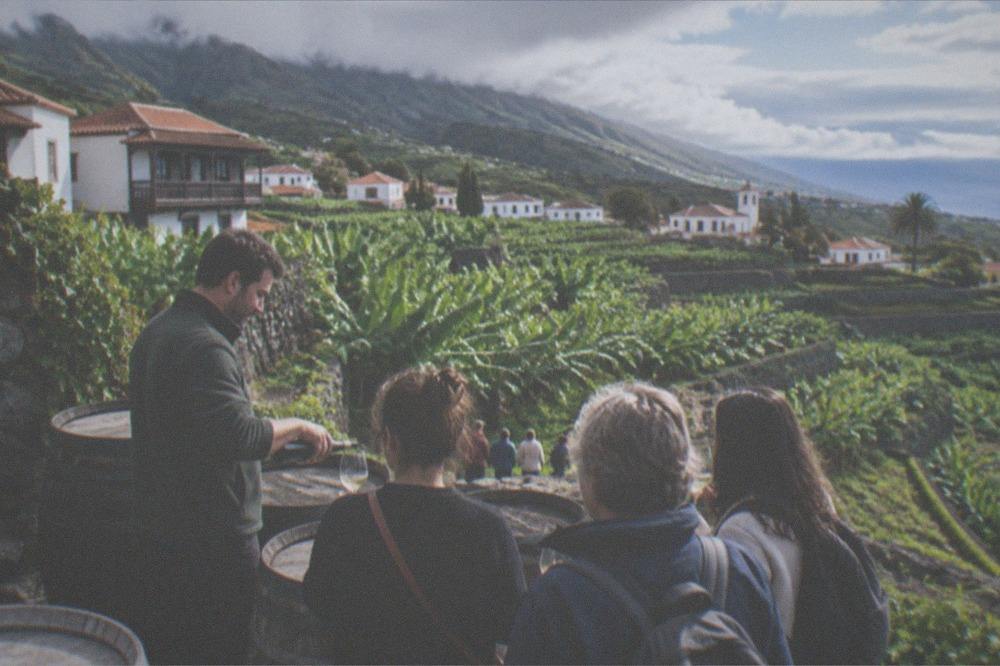
Bodegas Monje, a family winery in the hills above Puerto de la Cruz, opens its doors for a guided tour of the cellars and vineyards. The tasting covers four wines paired with Canarian cheeses. The volcanic soil and altitude give the island's wines a character of their own.
from $40.20 Per person, in USD. The total depends on the date and option you pick.
Check Price & Availability →Opens the live booking page with up-to-date dates and prices. All booking and payment happen there; this guide takes none of it.
- Area
- El Sauzal
- Length
- 2 hours
- Kind
- Food, Wine and Farms
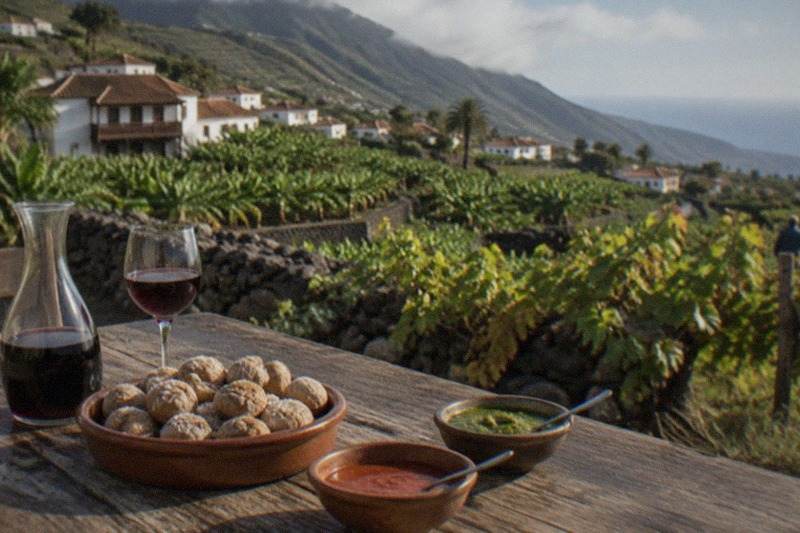
Full-Day Gastronomy, Lunch Included
Tenerife: Full-Day Gastronomy and Wine Tour
from $97.63 Per person, in USD. The total depends on the date and option you pick.
Check Price & Availability →- Area
- South Tenerife
- Length
- 8 hours
- Kind
- Food, Wine and Farms
Short answer
Yes, Tenerife has wineries, several of them open for visits and tastings, concentrated in the north of the island around Tacoronte, El Sauzal and the Orotava valley. Book a guided winery visit or a full-day gastronomy and wine tour, or reach the wine villages on TITSA buses with a visitor travelcard.
Tenerife's vines grow on volcanic soil on an island where the tourist board counts 7,561,659 tourists in 2025 under its all-tourists definition, and almost all of them head for the beaches. The wine country is quieter. It sits in the north, on slopes that AEMET's own climate records show to be far wetter and greener than the south coast resorts, and a handful of producers there open their doors to visitors. This page sets out what is actually bookable, how the island's rules and transport work around a tasting day, and what the honest answers are to the questions people most often ask about Tenerife wine.
Does Tenerife Have Wineries?
Yes, Tenerife has wineries, and several of them welcome visitors for guided tours and tastings. The island's wine country sits mainly in the north, around Tacoronte, El Sauzal and the Orotava valley, and one bookable option on this site is a guided winery tour in Tacoronte that lists four wines and four cheeses in its tasting. Not every bodega is open to walk-ins, so a booked visit or an organised tour is the dependable route.
The roster of bookable experiences on this site includes a Tacoronte winery tour rated 4.6 from 524 reviews, a two-hour visit built around tastings of four wines paired with cheeses. There is also a full-day gastronomy and wine tour, rated 4.5 from 232 reviews, which folds the island's food and its wine into a single eight-hour outing from the south. Between them they cover the two ways most travellers want to do Tenerife wine: a short, focused tasting at one producer, or a longer day that treats wine as one course of a wider culinary picture.
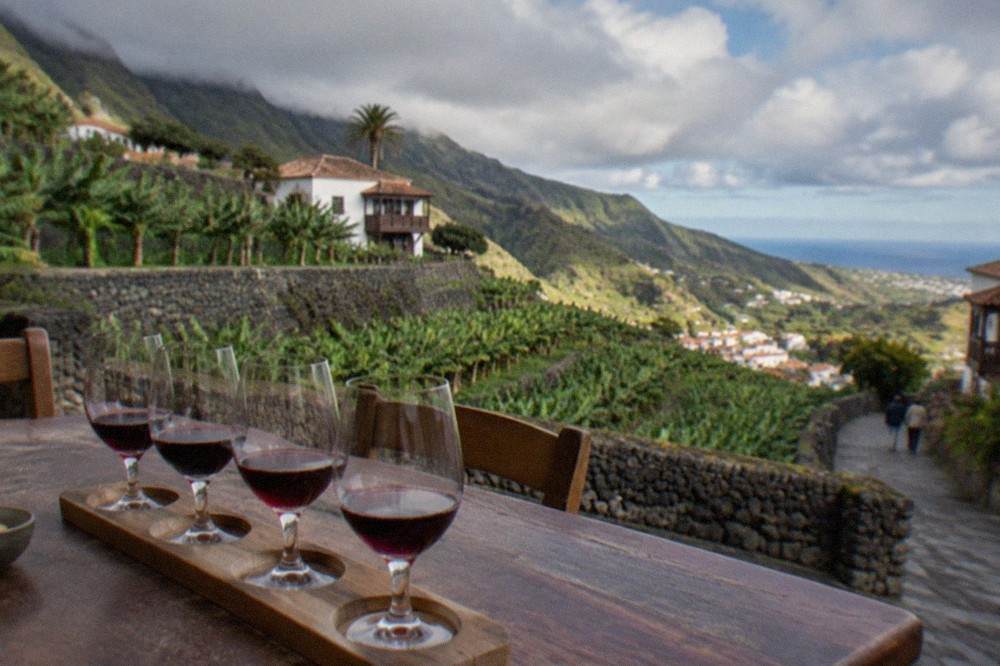
What this site's research does not hold is a verified register of every bodega on the island, its opening hours or its tasting fee. Those details change with the season and the producer. Where a reader needs one, the honest instruction is to confirm it with the venue or the operator before travelling, and the bookable tours below carry their own live details on their listings.
Where Tenerife's Wine Country Sits
Tenerife's vineyards sit mainly in the island's north and northwest, where AEMET's climate normals show the rainfall that vines and laurel forest both want: the Tenerife North Airport station, at 632 m, records 520 mm of rain across 64 days a year, against 132 mm across 15 days at Tenerife South. The upshot is simple: a wine day in Tenerife is a day in the green, cloudy half of the island, not the resort strip.
The contrast between the two halves of the island is one of the most underused facts in Tenerife planning. The south is where the hotels are, and AEMET's station at Tenerife South Airport records zero days with a millimetre or more of rain in both June and July. The north is where the wine is, and the same months still see rain there. A visitor who plans a wine day should plan for the possibility of cloud and drizzle, especially between October and March, when the northern station records 47 to 82 mm per month.
| Month | Mean daily max (C) | Mean daily min (C) | Rain (mm) | Rain days of 1 mm or more |
|---|---|---|---|---|
| Jan | 16.0 | 10.2 | 80 | 7.7 |
| Feb | 16.7 | 10.0 | 70 | 7.4 |
| Mar | 18.2 | 10.7 | 61 | 6.8 |
| Apr | 18.5 | 10.9 | 39 | 6.2 |
| May | 20.1 | 12.0 | 19 | 3.8 |
| Jun | 22.2 | 14.0 | 11 | 2.4 |
| Jul | 24.7 | 15.7 | 6 | 1.7 |
| Aug | 25.7 | 16.6 | 5 | 1.1 |
| Sep | 24.9 | 16.5 | 16 | 2.8 |
| Oct | 22.5 | 15.2 | 47 | 6.5 |
| Nov | 19.6 | 13.3 | 81 | 8.3 |
| Dec | 17.1 | 11.5 | 82 | 8.8 |
These are AEMET's 1981 to 2010 normals for the Tenerife North Airport station at Los Rodeos, 632 m up, which is a fair stand-in for the wine villages of Tacoronte and El Sauzal on the same northern slope. The numbers say two things. First, the north is mild year-round, never averaging above 26 C at midday even in August. Second, winter is genuinely wet there, and a tasting day between November and February should carry a layer and a rain plan. The island's rainy day itinerary exists for exactly this.
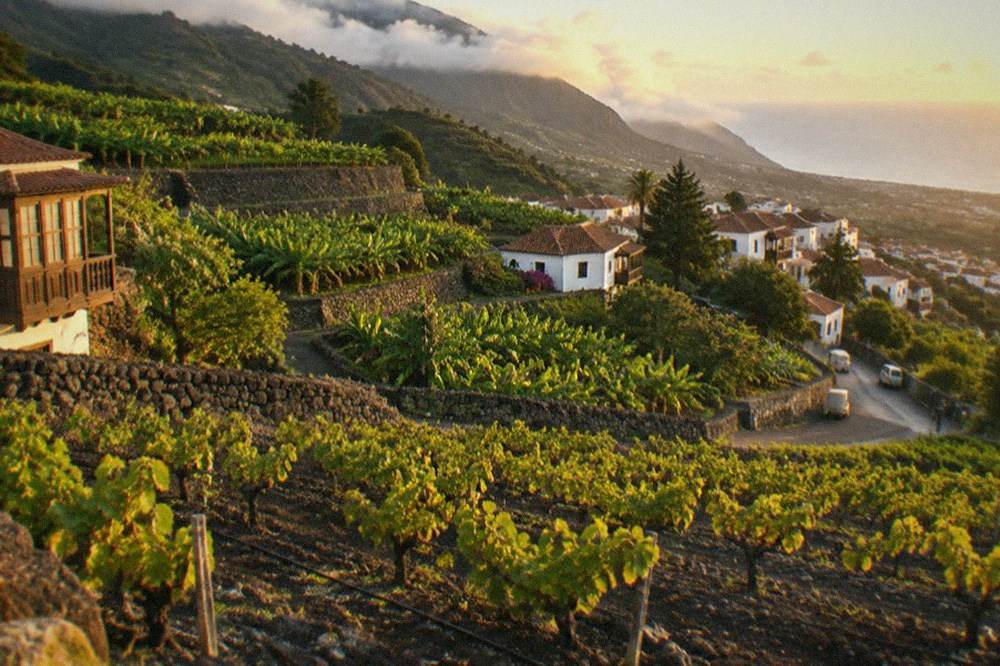
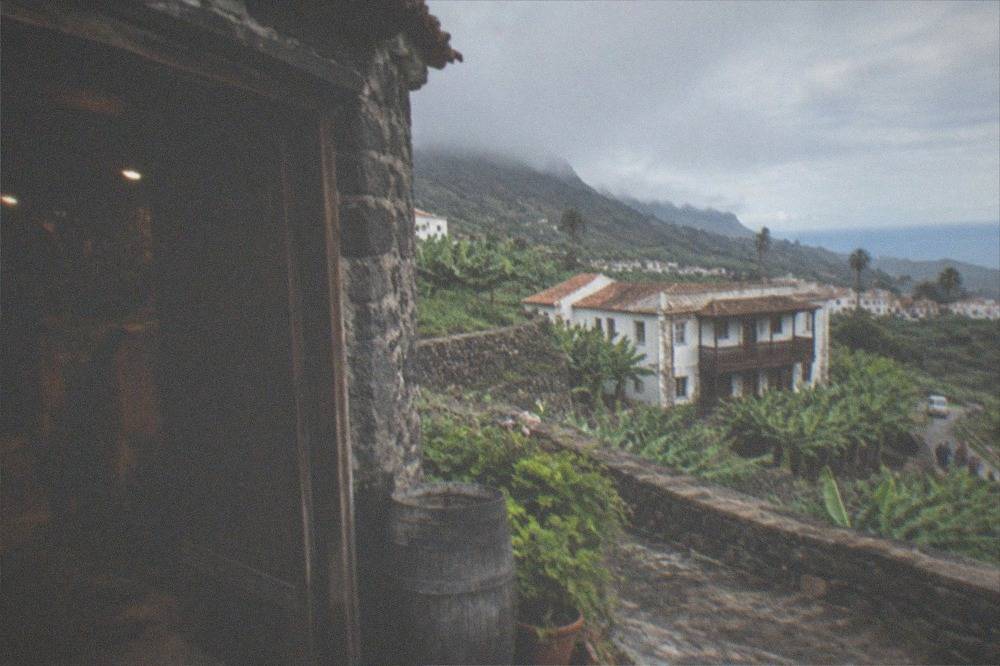
The volcanic soil is the other half of the story, and it is the part that makes Tenerife distinctive among wine regions. The island's geology is young and the soils are dark, and the vine-training systems used in the Canaries are unlike those of mainland Spain, with vines often kept low in hollows to shelter from the Atlantic wind. This site's verified facts do not include a figure for how many wineries or hectares the island holds, so none is printed here; what is on file is the landscape itself, and the producers who welcome visitors in it.
What Is the Best Wine in Tenerife?
No official ranking exists in this site's research for the best wine of Tenerife, and no figure, award or vintage on the island's wines is on file, so none is invented here. What can be said honestly is that the island's producers pour their own wines at booked tastings, that the Tacoronte winery tour on this site lists four wines and four cheeses, and that a tasting is the only way to decide which Tenerife wine is best for you.
That answer may feel thin next to the confident top-five lists elsewhere online, but it is the truthful one. Awards and rankings age quickly, and a page that names a "best" without a source is guessing. What the verified facts do support is the context around the wine: the Canaries apply IGIC rather than VAT, with the tax agency's table showing 7% on everyday goods, and non-resident travellers can claim IGIC back on purchases using the form 403 refund process. A bottle bought at a bodega is therefore a purchase with a refund route attached, which is worth knowing at the till.
| IGIC band | What the tax agency's table shows |
|---|---|
| 0% | Zero-rated goods |
| 3% | Reduced-rate goods |
| 7% | Everyday goods, the rate most shoppers meet |
| 15% | Higher-rate goods |
The practical reading of that table for a wine traveller: the price on the shelf at a bodega already carries the Canary Islands' own sales tax rather than the mainland's, and the everyday rate is 7%. Travellers resident outside the Canaries can ask about the form 403 refund, and the tax agency publishes the process. Confirm the current rules with the producer when buying, since the details of what qualifies sit with the tax agency rather than with any winery.
How to Reach Tenerife Wine Country Without a Car
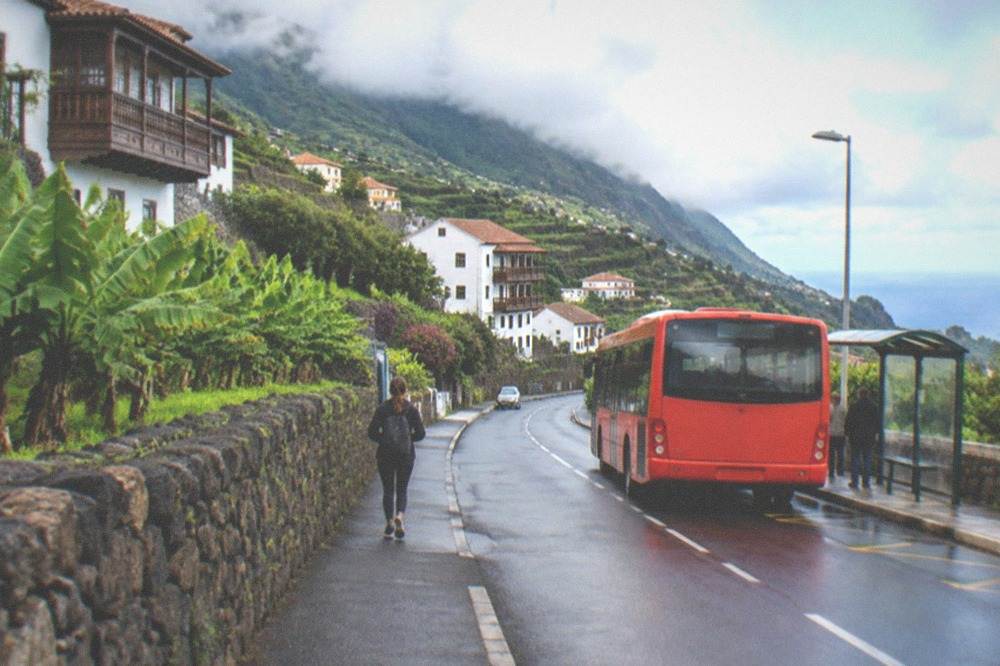
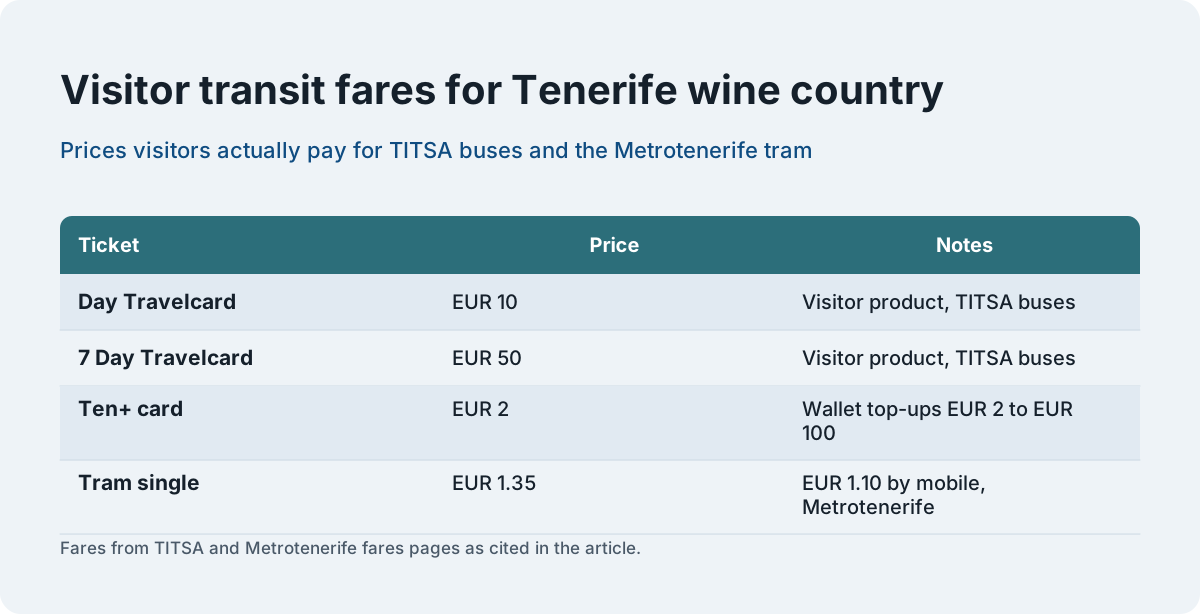
TITSA buses and the Metrotenerife tram cover the northern towns where the wineries sit, and visitors pay standard fares: the day travelcard is EUR 10, the seven-day travelcard is EUR 50, and a tram single is EUR 1.35 on a transit pass or EUR 1.10 by mobile. The 2026 free-transport subsidy applies only to resident passes, so visitors should not plan around free buses.
The resident subsidy is the fact most often garbled in online advice. The Canary government's February 2026 announcement of a 100% subsidy on passes and multi-trip tickets applies to personalised resident cards, and Metrotenerife's fares page spells out that every subsidised pass requires residency in the Canaries. Visitors qualify for none of it. What visitors can buy is straightforward: single tickets priced by route, the EUR 10 day travelcard, the EUR 50 seven-day travelcard, and the Ten+ card at EUR 2 with wallet top-ups from EUR 2 to EUR 100, all sold at airport ticket machines. Everything else covered here is indexed on Tenerife Travel Guide.
| Ticket | Price | Notes |
|---|---|---|
| Day Travelcard | EUR 10 | Visitor product, TITSA buses |
| 7 Day Travelcard | EUR 50 | Visitor product, TITSA buses |
| Ten+ card | EUR 2 | Wallet top-ups EUR 2 to EUR 100 |
| Tram single | EUR 1.35 | EUR 1.10 by mobile, Metrotenerife |
The tram itself does not serve either airport, and Metrotenerife's fares page says nothing to the contrary, so airport-transfer plans should name only TITSA buses. At Tenerife North Airport, TITSA's own airport page lists lines 20 to Santa Cruz via La Laguna, 30 to Puerto de la Cruz, and the 343 express to the south. Line 30 is the one that drops a visitor into the northern strip where the wine villages sit. One caution from the fares page: the Teide and Teno lines are excluded from the resident passes, which matters only to residents but signals that mountain routes are priced separately.
For a visitor staying in the south, the honest arithmetic is that a wine day by public transport is a long day, and that is the case a guided tour answers. The full-day gastronomy and wine tour runs eight hours from the south with lunch included, and the operator's live listing carries the current departure details. A visitor based in Puerto de la Cruz or La Laguna, by contrast, is close enough that a bus and a booked tasting make an easy independent day, and the free walking tour options in Puerto de la Cruz, run on GuruWalk's pay-what-you-want basis, pair neatly with an afternoon tasting.
Which Wine and Farm Visits Are Bookable on Tenerife?
Four bookable visits on this site cover Tenerife's wine and farm side: a Tacoronte winery tour with four wines and four cheeses, a full-day gastronomy and wine tour with lunch, a banana plantation experience in Arona, and an owner-led eco banana farm walk in La Orotava. Each carries its live price and availability on its own listing, and this site never prints a tour price in prose.
The Tacoronte winery tour is the most direct wine product: two hours in the municipality that gives the island one of its best-known wine areas, with the tasting of four wines and four cheeses listed in the tour's own description. It is rated 4.6 from 524 reviews. The full-day gastronomy and wine tour, rated 4.5 from 232 reviews, is the one to pick for a day that treats wine as part of a wider table, with lunch included and an eight-hour span from the south.
The two farm visits round the picture out. The banana plantation experience in Arona, rated 4.7 from 1,571 reviews, can be taken guided or self-guided and runs about an hour, which makes it the easiest add-on in the south. The eco banana farm walk in La Orotava, rated 4.8 from 157 reviews, is owner-led and sits in the north, within reach of the wine villages. Bananas and vines share the same volcanic soil story, and a visitor who has tasted both has tasted the island's agriculture whole.
Pairing a Wine Day with the Rest of a Tenerife Holiday
A wine tasting slots best into a northern day: a morning in La Orotava or the Orotava valley, a tasting and lunch at a bodega, and an afternoon at the botanical garden or the coast. Visitors with a car can fold Garachico and Icod de los Vinos into the same loop, and visitors without one should anchor the day on a guided tour and spend the evening on the water off the resort coast.
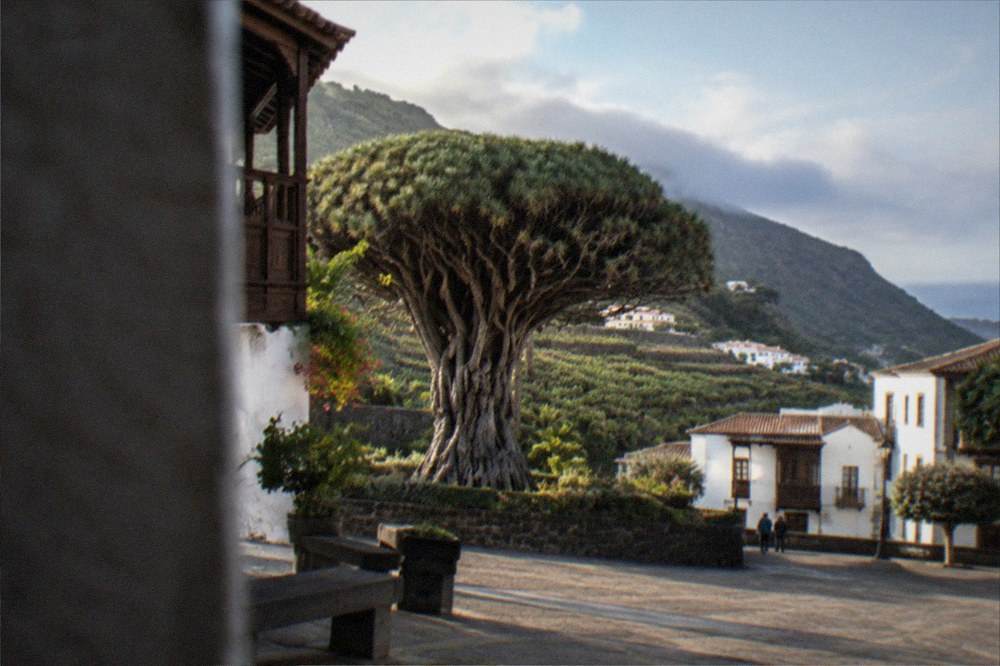
The south coast's evening trade is the boat trips and catamarans fleet, and a sunset sail is the natural end to a day that began among the vines. The north rewards a slow day instead. La Orotava holds the Casa de los Balcones and the gardens, and the drive down to the coast reaches Garachico, whose old port was buried by the Trevejo volcano's 1706 eruption according to the tourist board's own page on the town. Icod de los Vinos, as its name suggests, is wine country's town, and it holds the Drago Milenario, a tree to which Icod council attributes an age of about 1,000 years while the tourist board says over 800, so this site writes 800 to 1,000 years and calls it an estimate. A visitor who wants the full northern loop can follow the north Tenerife road trip.
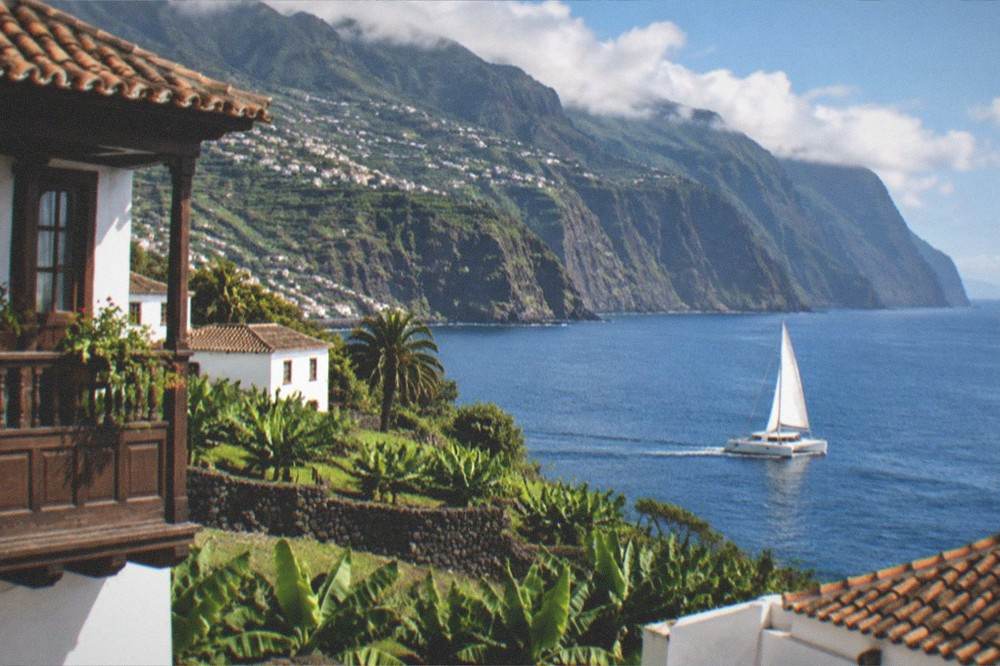
Evenings belong elsewhere. The south coast runs the whale watching that Tenerife is certified for, with the World Cetacean Alliance designating the Tenerife-La Gomera marine area a Whale Heritage Area in January 2021 and Decreto 178/2000 keeping authorised boats 60 m from the animals, flying the Barco Azul flag. And the island's clearest sky sits at altitude, where the Teide stargazing tours work the night side of the same volcano whose soils feed the vines. Wine by day, stars by night, is a Tenerife pairing that few other islands can pour.
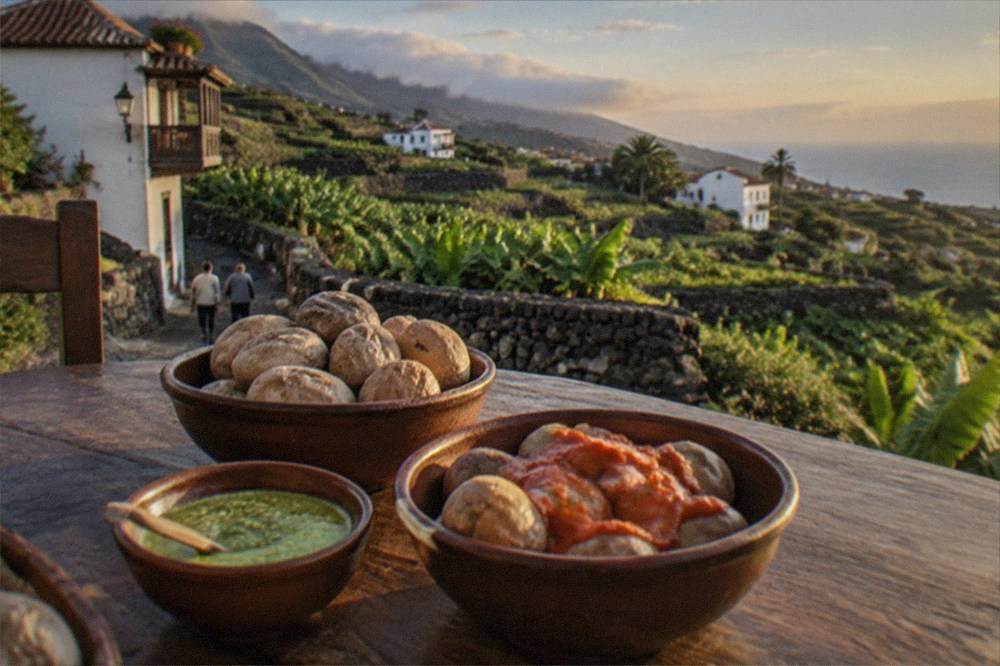
Food is the other half of the table. The island's own dishes, from papas arrugadas with mojo to the guachinche tradition of home cooking served beside the grower's wine, are covered on this site's guachinches page, and the wider food tours round up the tastings that are not about wine at all. A guachinche, for readers new to the word, is the Canary Islands' version of a grower's own tap room, and it is the most local way to drink Tenerife wine that exists.
Planning the Day: What to Confirm Before You Go
Confirm three things with the venue or operator before any winery day: the booking itself, since not every bodega takes walk-ins; the current tasting details, since hours and fees sit with each producer and none is printed here; and your route, since the northern towns sit on TITSA bus lines and the tram but not every address is walkable from a stop. A booked tour answers all three at once.
That is the whole checklist, and it is deliberately short. Tenerife does not run a tourist tax on lodging, and no official page read by this site shows one in force or approved, so a wine day adds no per-night charge; the charges that do exist on the island are the per-booking trail fees at Teide and the Masca and Barranco del Infierno tickets, none of which touches a winery visit. Entry rules for UK and US visitors are handled by the EU's Entry/Exit System, which has been fully operational since 10 April 2026 and registers arrivals with a facial image and fingerprints instead of a stamp. ETIAS is a separate, future authorisation, and the EU says it is currently not in operation and that no applications are collected; no start date is stated here because none exists on the official page.
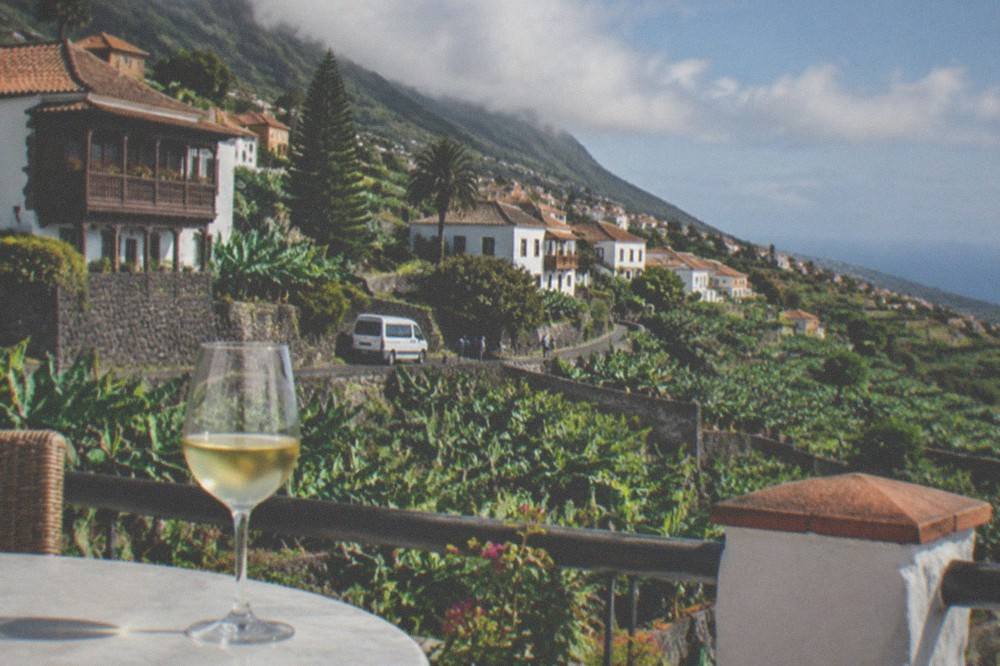
For readers building a full week, this site's things to do in Tenerife page is the round-up, and the Tenerife Travel Guide's planning pages cover where to stay and how to move. A wine day is one day of a Tenerife week, but it is the day most visitors never take, and the island's northern half is the reason it is worth taking.
Common Questions About Tenerife Wine
What is the best wine from Tenerife?
No official ranking of Tenerife's wines exists in this site's research, so no bottle is named here. The dependable way to find your own answer is a booked tasting: the Tacoronte winery tour on this site pours four wines with four cheeses, and the full-day gastronomy and wine tour builds a whole day around the island's table. Confirm current vintages and availability with the producer or the operator's live listing.
What is considered the best Spanish wine?
This site holds no verified source that ranks Spanish wines, and a confident answer would be invented. Spain's wine regions are many and the Canaries are one of them, with Tenerife's volcanic soils giving the island a style unlike the mainland's. For an official view of any region, the reader is better served by the producer's own materials than by an online ranking.
Is Spanish wine better than Italian wine?
There is no objective answer, and this site's research holds no study or ranking that settles it. Both countries produce an enormous range, from everyday table wine to bottles built for long keeping. The honest position for a traveller is that "better" is a matter of taste, and a tasting in Tenerife is a cheap way to form your own view of one corner of Spanish wine.
What wine is better for acid reflux?
This site does not give medical advice, and no health claim about wine appears on these pages. Anyone with acid reflux or any other medical condition should ask a doctor or a qualified health service about what to drink. The only health-adjacent rule this site reports is an unrelated one: the Teide cable car operator excludes people with cardiovascular conditions from riding, because of the altitude.
What is the most expensive Spanish wine?
No verified price for any Spanish wine is on file with this site, and market prices move constantly, so no bottle is named. What can be said is that Tenerife's own bottles are not the ones that headline Spain's auction tables; the island's reputation rests on distinctive volcanic-terroir wines sold mainly at the bodegas themselves, which is a good reason to buy at the source.