Food Tours and Cooking Experiences
Tenerife's food scene runs from guachinche country kitchens to volcanic-soil vineyards, and the right tour depends on whether you want to taste, to cook or to understand where the food comes from.
Banana Plantation, Guided or Self-Guided
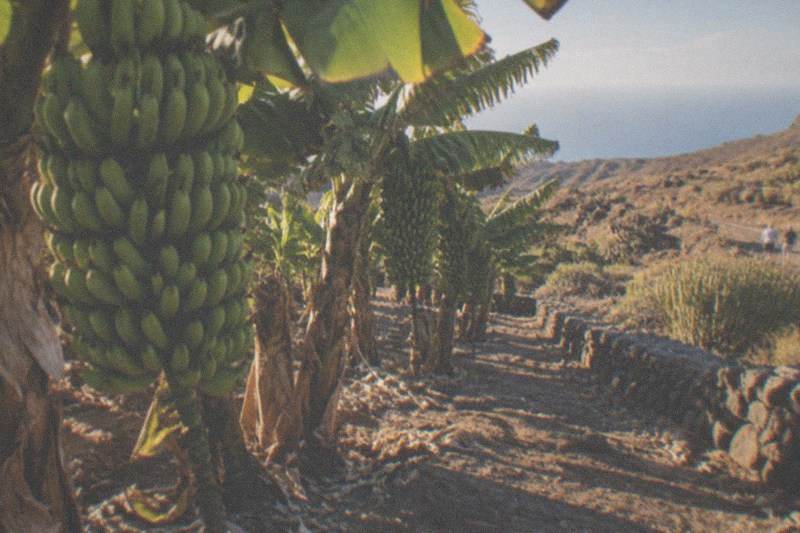
Tenerife: Finca Las Margaritas Banana Plantation Experience
Bananas shaped Tenerife's export history, and this plantation shows how they are grown, irrigated and packed today. Walk the rows, learn the island's farming story and sample the fruit and other local goods at the end.
from $11.49 Per person, in USD. The total depends on the date and option you pick.
Check Price & Availability →Opens the live booking page with up-to-date dates and prices. All booking and payment happen there; this guide takes none of it.
- Area
- Arona
- Length
- 1 hour
- Kind
- Food, Wine and Farms
Winery Tour, Four Wines and Cheeses
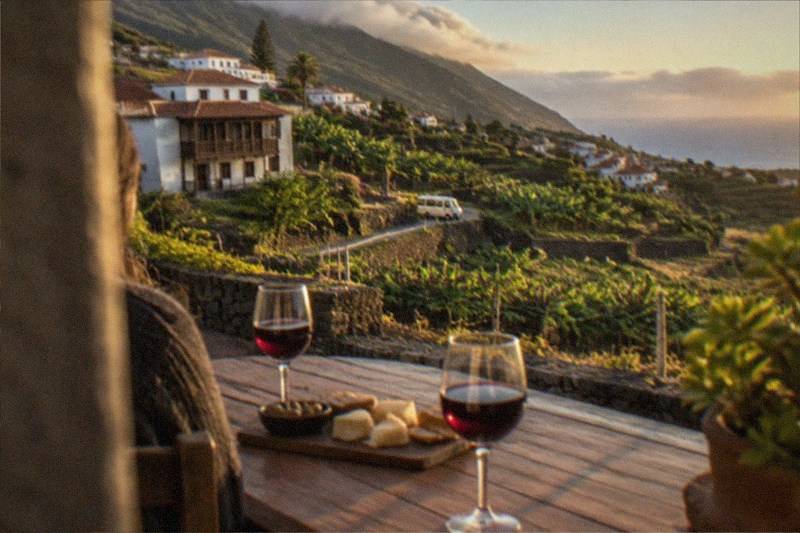
Tacoronte: Guided Winery Tour with Wine and Cheese Tastings
from $40.20 Per person, in USD. The total depends on the date and option you pick.
Check Price & Availability →- Area
- El Sauzal
- Length
- 2 hours
- Kind
- Food, Wine and Farms
Full-Day Gastronomy, Lunch Included
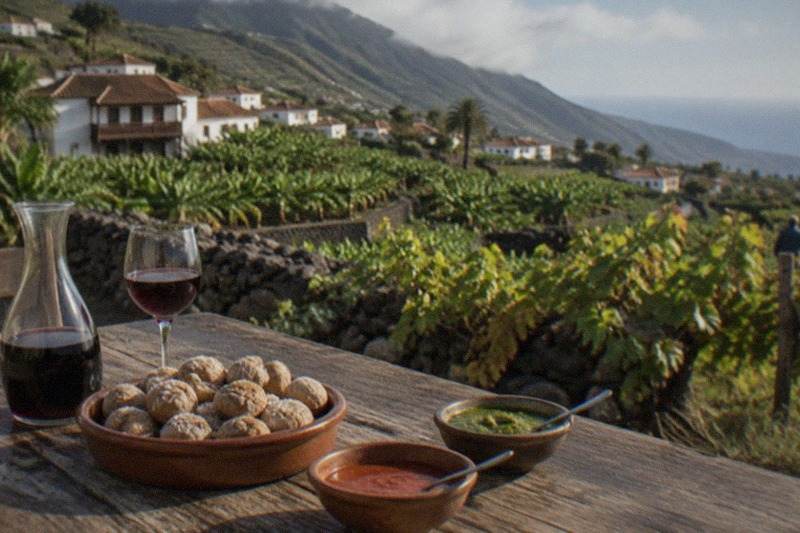
Tenerife: Full-Day Gastronomy and Wine Tour
from $97.63 Per person, in USD. The total depends on the date and option you pick.
Check Price & Availability →- Area
- South Tenerife
- Length
- 8 hours
- Kind
- Food, Wine and Farms
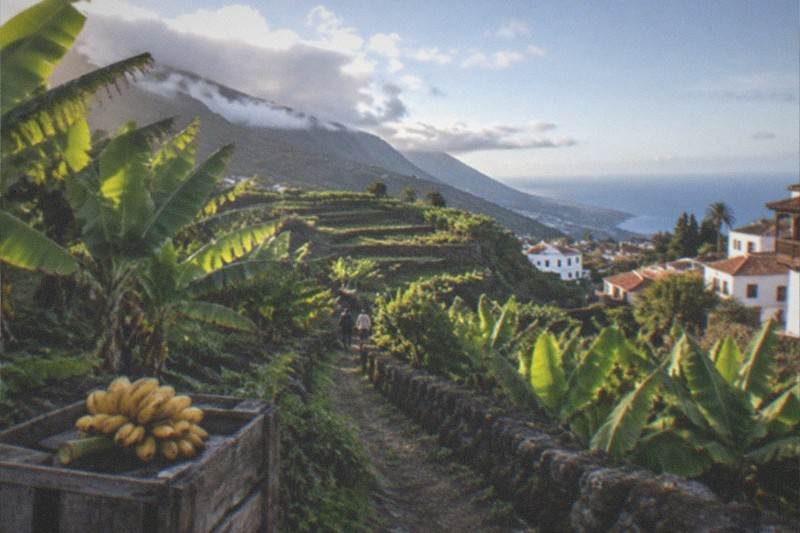
Owner-Led Eco Banana Farm Walk
Tenerife Eco Banana Farm Tour
from $23.42 Per person, in USD. The total depends on the date and option you pick.
Check Price & Availability →- Area
- La Orotava
- Length
- 1 hour
- Kind
- Food, Wine and Farms
Short answer
Tenerife food tours split into three kinds: guided tastings of island dishes, winery and farm visits in the north, and cooking experiences where you learn dishes such as papas arrugadas. The island has no tourist tax, sales tax is IGIC rather than VAT, and most food experiences sit alongside free walking tours and market visits that cost nothing to join.
Tenerife grows its food on volcanic soil, salts it with Atlantic trade winds and pours it with wines from vines that survived the phylloxera that wiped out most of Europe's vineyards. That combination, rather than any single dish, is what a good food tour on the island is really selling. The island's restaurant culture divides between resort menus and the guachinches, the licensed country kitchens of the north that serve their own wine with a short list of home-cooked dishes, and the difference between the two is the difference between a holiday meal and an island's food tradition. This page lays out what the bookable experiences cover, what they cannot cover, and how the island's rules and charges shape a food-focused day.
What Does a Tenerife Food Tour Actually Include?
A Tenerife food tour is a guided tasting or cooking experience built around island products: wrinkled potatoes with mojo sauces, local cheeses, fresh fish, Canarian bananas and wines grown in volcanic soil. Tours range from short winery visits with tastings to full-day loops that combine several food stops with sightseeing, and most include the tastings themselves in the ticket while extras such as hotel pickup vary by listing.
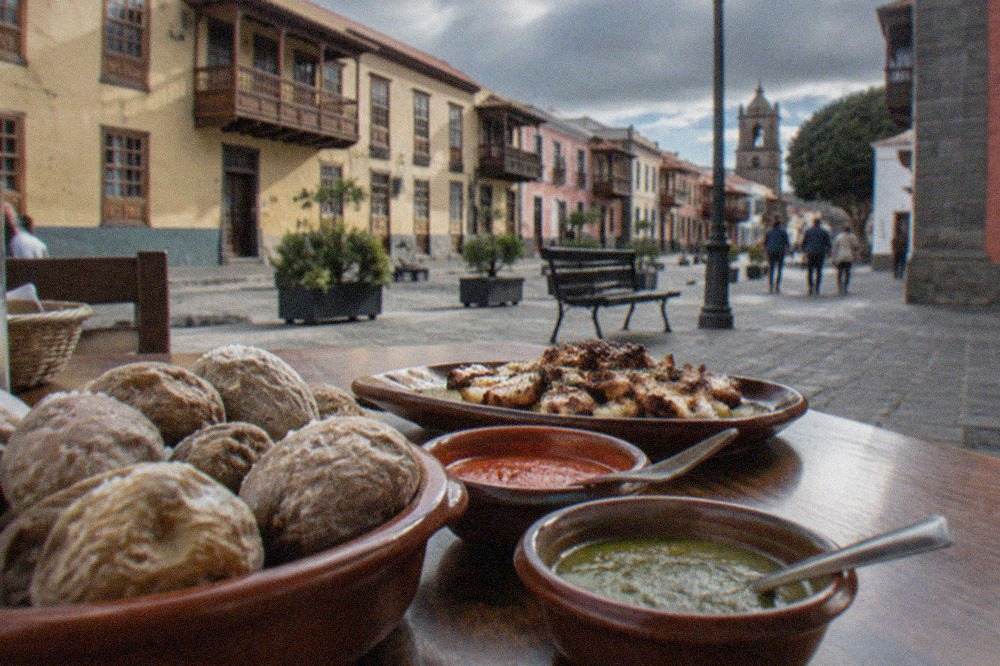
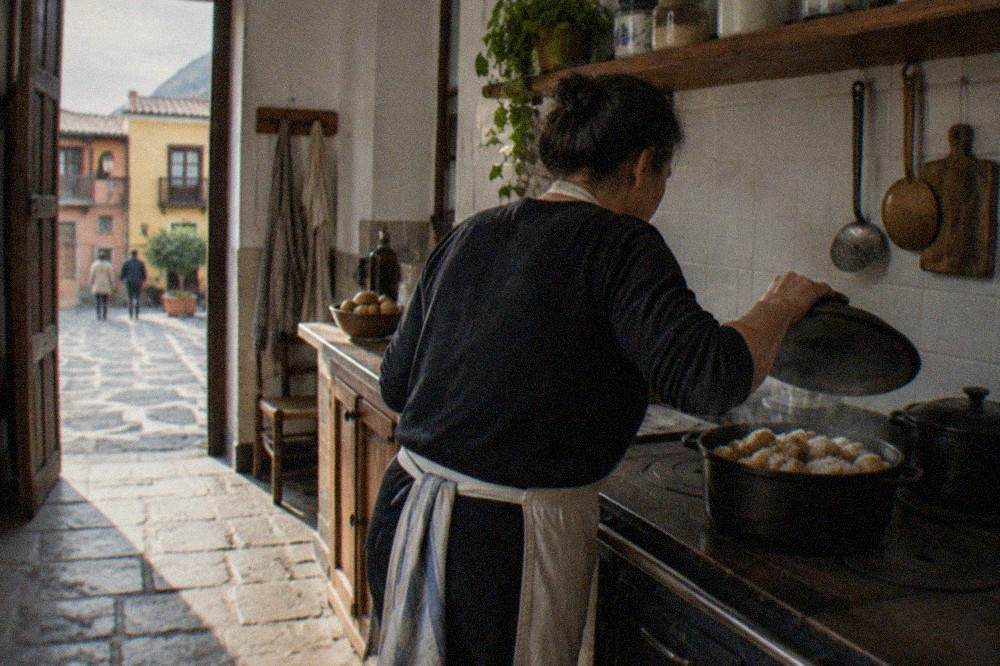
The common thread is provenance. The island's most famous dish, papas arrugadas, is potatoes boiled in heavily salted water until the skin wrinkles, served with mojo rojo, a red pepper sauce, and mojo verde, a green coriander or parsley sauce. The guide to Tenerife food covers these dishes and where to eat them in detail. What a tour adds is structure: someone who explains what you are eating, drives between stops that would otherwise take a day of route-planning, and in the case of cooking experiences, a kitchen and a teacher.
The honest caveat is that no verified fact pack exists for the island's food tour operators as a class. Opening hours, stop lists and portion sizes change with the season, and this site states no figure for any of them. Where a detail matters to your decision, the operator's live listing is the place to confirm it, and the product cards on this page carry the live prices. That is deliberate: a printed price that drifted out of date would be worse than no price at all, and the live listing is the only source that cannot lie to you.
Which Food and Farm Experiences Can You Book in Tenerife?
The bookable food experiences on this site fall into three groups: winery tours with tastings, farm visits such as banana plantation walks, and full-day gastronomy tours that combine multiple stops with lunch. There are also free, tip-based walking tours in the main towns, run through GuruWalk, which cost nothing to join and introduce a town's food shops and markets as part of the route.
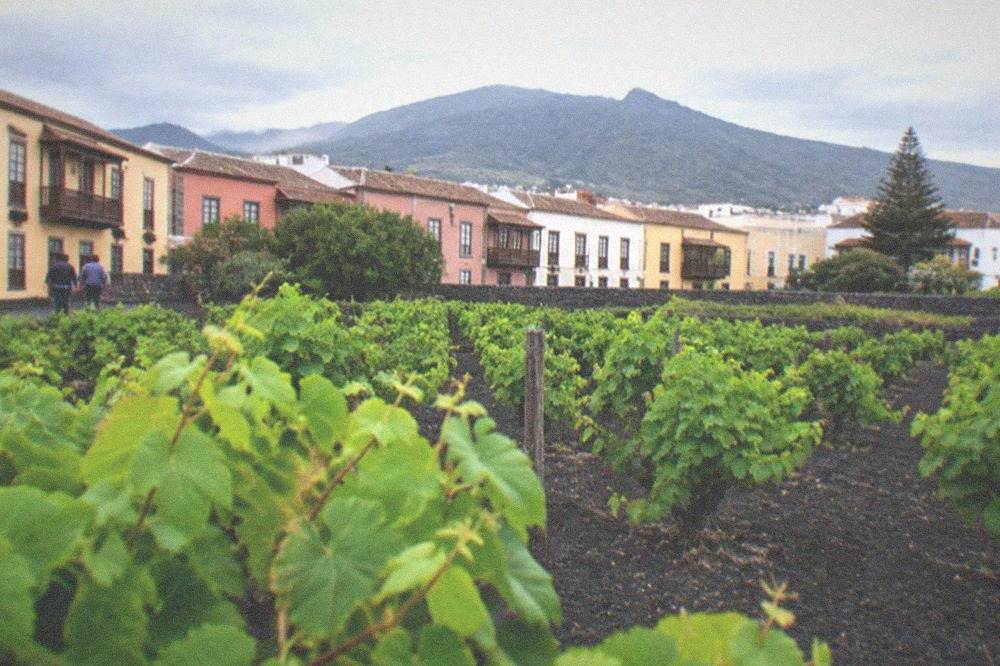
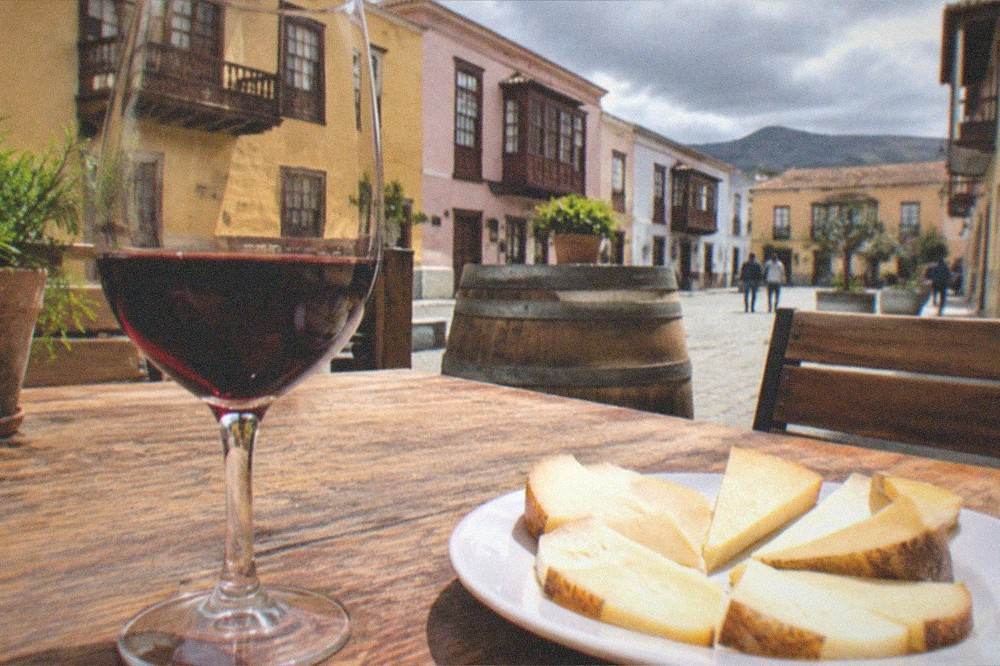
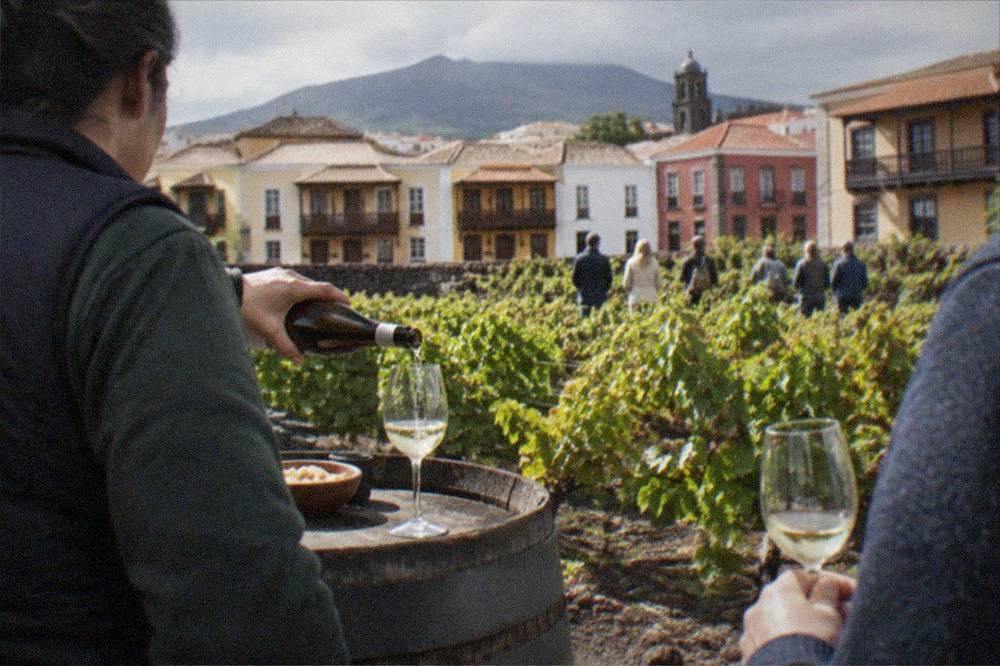
The winery option is the most established. The Bodegas Monje winery in the Tacoronte area runs a guided tour with tastings of four wines alongside four local cheeses, a pairing format that suits both newcomers and people who already know mainland Spanish wines. In the south, the Finca Las Margaritas banana plantation in Arona offers a plantation experience in guided or self-guided form, which works well for families since it is short and flat. The full-day gastronomy and wine tour is the most complete option, pairing the island's dishes with its vineyards over a full day with lunch included.
For a shorter, focused stop, the winery visit stands on its own merits.
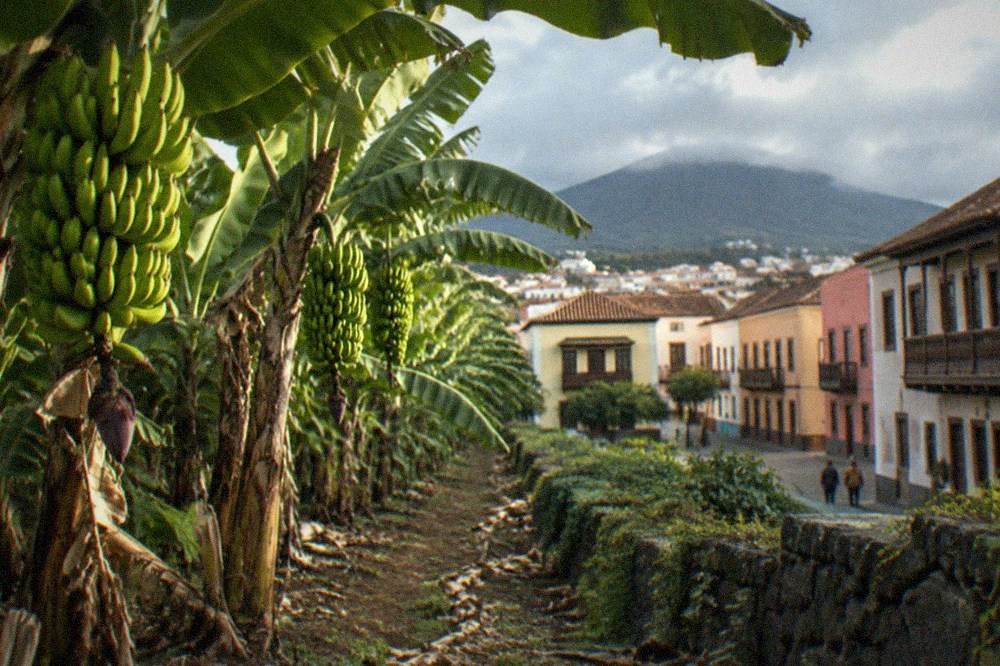
The banana plantation experience is the one most often chosen by visitors travelling with children, because it is short, outdoors and about a crop the island is genuinely famous for rather than a staged show. It also answers a question most visitors arrive with: why the bananas here taste different from the ones at home. The answer is in the ground and the climate, and a walk through the rows with someone who works them explains it better than any menu can.
One thing no tour can sell you is a permit-free shortcut to the island's regulated nature spots, and food tours do not try to. The walks that need official reservations, the Teide trails and the Masca gorge among them, are separate bookings entirely, and a food tour that happens to drive past a viewpoint is not a way around them. The two systems are run by different bodies with different purposes, and treating them as one leads to the most common planning mistake on the island: assuming a booked tour covers an official fee that it does not.
Where Do Locals Actually Eat in Tenerife?
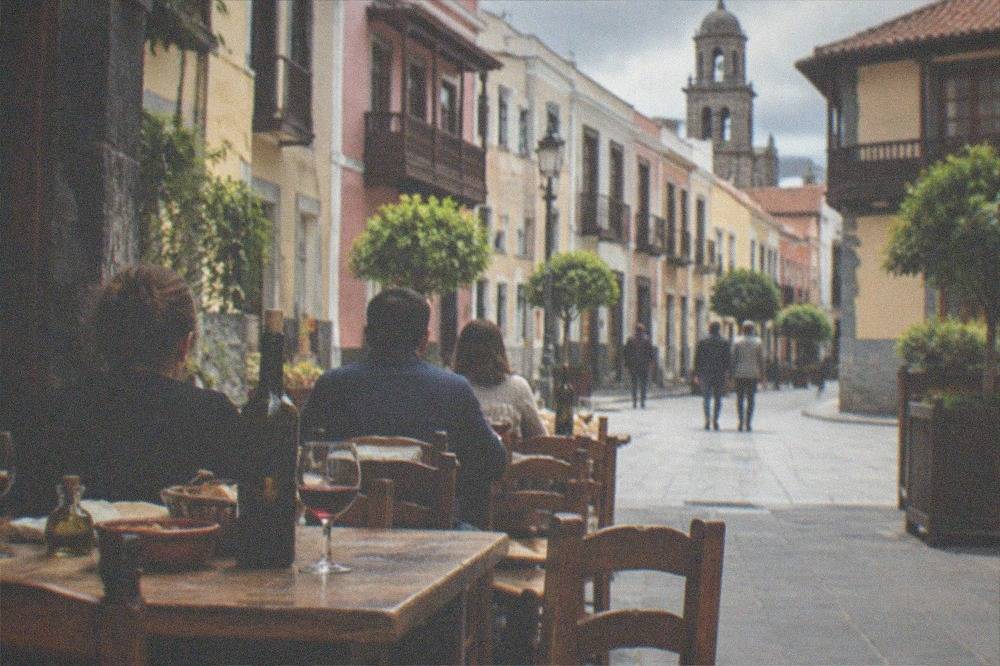
Locals eat at guachinches, the licensed country kitchens of the north that serve their own wine with a short menu of home-cooked dishes, at the island's markets, and at family-run restaurants in the towns rather than the resort strips. Guachinches are seasonal, licensed to sell only their own produce, and they are not bookable through tour platforms because most take no bookings at all.
The guachinche is the institution most visitors never encounter, and it exists because of the island's wine tradition: a grower with a licence can open a kitchen to sell the year's wine alongside a handful of dishes. The guide to guachinches explains how they work and where the licensed ones cluster. The practical point for a tour-goer is that a guided food experience and a guachinche visit solve different problems: the tour gives you context and transport, the guachinche gives you the thing itself, but only if you arrive early enough to get a table.
Markets are the other half of local food life. The Mercado de Nuestra Señora de África in Santa Cruz is the island's best-known food market, and a town walking tour that passes through it doubles as a food introduction without costing anything up front. The free walking tours in Santa Cruz, Puerto de la Cruz and La Orotava are listed on this site's free walking tours page, and all three run on the pay-what-you-want model through GuruWalk, which must be named here because a free walk cannot be described honestly without saying whose platform it runs on. They are free to join and tip-based, and no price belongs in this sentence because there isn't one.
What Do Wine Tastings in Tenerife Cover?
Wine tastings in Tenerife typically cover the island's native grape varieties, grown on volcanic soil, with the format ranging from a short guided tasting of several wines to a full winery tour that walks the vineyards and explains the production. The island's wine tradition is unusual in Europe because many of its vines were never destroyed by the phylloxera louse, so varieties survive here that vanished elsewhere.
The volcanic-soil story is the one every winery tells, and it happens to be true in the sense that the island's vineyards sit on young volcanic ground and the island's wine has its own denominations. What a tasting adds is the chance to compare varieties that most visitors have never heard of, guided by someone who can name them. The wine tours page collects the bookable options, and the Tacoronte winery visit above is the flagship short version.
What Extra Costs and Rules Should a Food Tour Visitor Know About?
Tenerife has no tourist tax: no official page shows a per-night lodging tax in force or approved on the island. The charges that do exist are per-booking public fees on specific nature trails, the Masca gorge ticket and the Barranco del Infierno ticket, none of which is a food cost. Sales tax is IGIC rather than VAT, and the tax agency's table shows 7% on everyday goods, so restaurant and shop prices already include it.
The tax point matters more than it sounds. Visitors from mainland Spain sometimes expect VAT at 21%, and visitors from Britain sometimes expect to add a tax at the till. Neither happens. The Canaries apply their own indirect tax, IGIC, with several bands, and the shelf price you see is the price you pay. The wider set of guides lives on Tenerife Travel Guide.
| Charge | What visitors pay | Who is exempt |
|---|---|---|
| IGIC on everyday goods | 7%, already in the shelf price | Non-resident travellers can claim IGIC back on qualifying purchases (form 403) |
| Teide trail PNT 10, 09:00 to 17:00 slots | EUR 15 for visitors, from 19 January 2026 | Tenerife residents EUR 0, other Canary residents EUR 6, children exempt |
| Teide trail PNT 07, working days | EUR 6 for visitors | Tenerife residents EUR 0, other Canary residents EUR 3 |
| Masca gorge ticket | EUR 40.66 general, boat extra | Tenerife residents and federation members |
| Barranco del Infierno | EUR 15 non-resident adult, booking compulsory | Canary residents EUR 5, under-5s not allowed |
| Per-night tourist tax | Does not exist on any official page read | Not applicable |
None of the trail fees touches a food tour, but they explain why a day that mixes food with hiking needs two separate bookings. The food side is a commercial product; the trail side is a public fee with a reservation system, and no tour ticket substitutes for it. The trail reservations are released on a weekly cycle rather than a fixed lead time, so a visitor planning a combined day books the tour whenever it suits and the trail slot when the release allows.
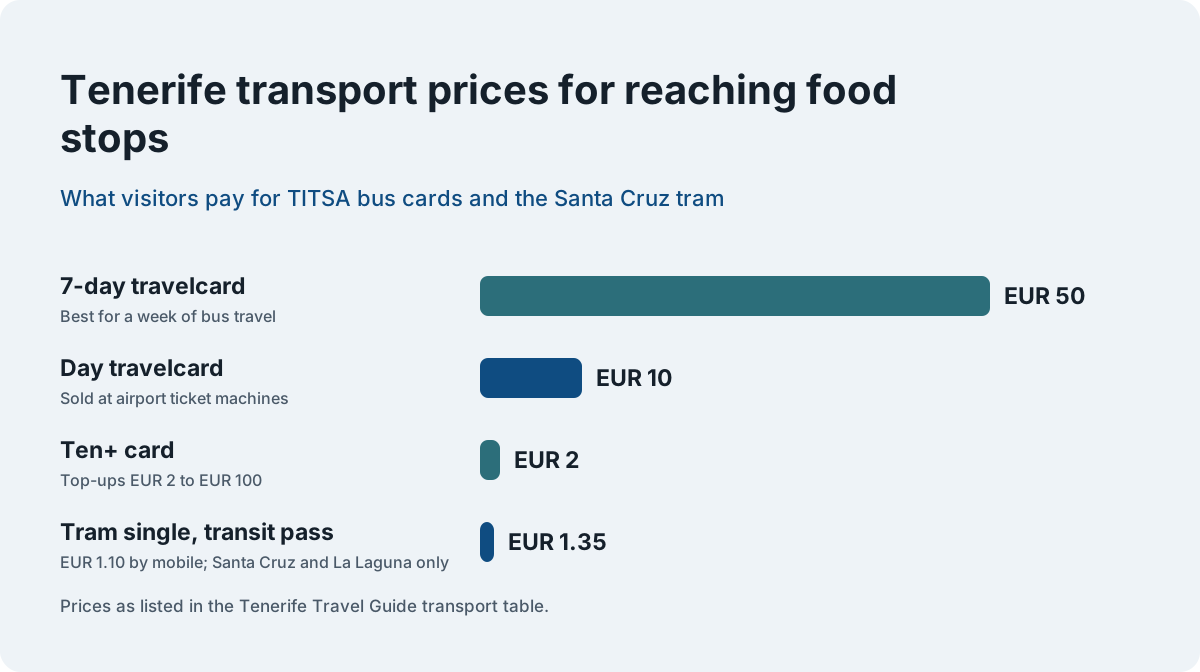
Getting to the food is the other cost. Visitors pay for public transport: the TITSA day travelcard costs EUR 10 and the seven-day travelcard EUR 50, and the free-pass subsidy the Canary government runs is for residents only. A food tour with hotel pickup removes that calculation entirely, which is one reason the full-day format is popular with visitors staying in the south whose target wineries sit an hour or more north.
| Transport product | Price | Notes for visitors |
|---|---|---|
| Single bus ticket | Priced by route, card or cash | Same-day return 10% off on trips of 20 km or more |
| Day travelcard | EUR 10 | Sold at airport ticket machines |
| 7-day travelcard | EUR 50 | Best for a week of bus travel |
| Ten+ card | EUR 2, top-ups EUR 2 to EUR 100 | The free resident pass requires residency and does not apply to visitors |
| Tram single | EUR 1.35 on a transit pass, EUR 1.10 by mobile | Santa Cruz and La Laguna only, no tram to either airport |
When Is the Best Time of Year for a Food-Focused Trip?
The best months for a food-focused trip to Tenerife are May, June and September, when the south-coast weather is warm and settled, sea temperatures are at or near their annual peak, and the tourist crowds of midsummer and Christmas have thinned. AEMET's climate normals for Santa Cruz show July and August as the hottest and driest months, with November and December the wettest, so the shoulder months balance comfort against availability.
The climate table below is AEMET's own data for Santa Cruz de Tenerife, the island's capital, and it is the honest basis for choosing a month. The sea-surface figures come from a different dataset covering the south coast, with a different reference period, so the two are never blended into one claim.
| Month | Mean daily max, Santa Cruz (C) | Rain, mm | Sea surface, south coast (C) |
|---|---|---|---|
| Jan | 21.0 | 32 | 19.9 |
| Feb | 21.2 | 35 | 19.2 |
| Mar | 22.1 | 38 | 19.1 |
| Apr | 22.7 | 12 | 19.5 |
| May | 24.1 | 4 | 20.2 |
| Jun | 26.2 | 1 | 21.4 |
| Jul | 28.7 | 0 | 22.2 |
| Aug | 29.0 | 2 | 23.1 |
| Sep | 28.1 | 7 | 23.7 |
| Oct | 26.3 | 19 | 23.7 |
| Nov | 24.1 | 34 | 22.5 |
| Dec | 22.1 | 43 | 21.1 |
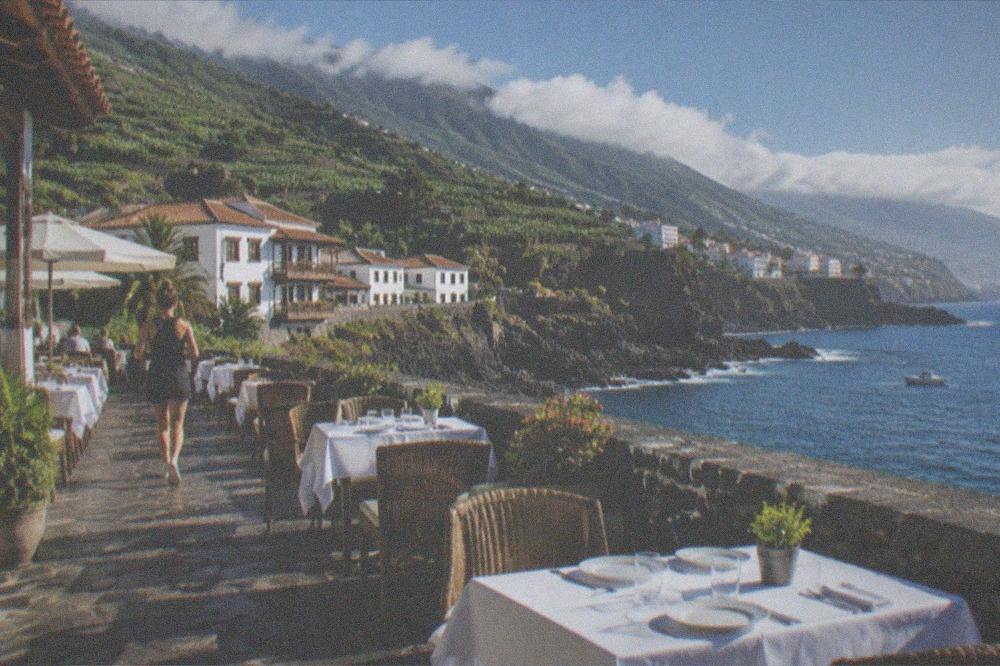
The seasonal angle matters for one food reason above all: the grape harvest. Tenerife's vineyards pick in late summer, and a visit in September or October lands in the season when the wineries are busiest with their own work, which some visitors find adds to the experience and others find slows the tour. Confirm with the winery or the operator how the season affects the visit, because no verified fact pack on this site states harvest dates. The shoulder months also carry a quieter practical advantage: the island's restaurants, including the guachinches, have more time for their guests once the August rush has passed.
Should You Combine a Food Tour with Other Island Experiences?
Yes, and the full-day formats already do it: the gastronomy and wine tour pairs food with a day of island sightseeing, and many visitors split a week between one food-focused day, one boat trip and one volcano or stargazing excursion. The combinations that work best share a base area, since the island's food heartland sits in the north while most visitors sleep in the south, so a combined day saves the most time when pickup is included.
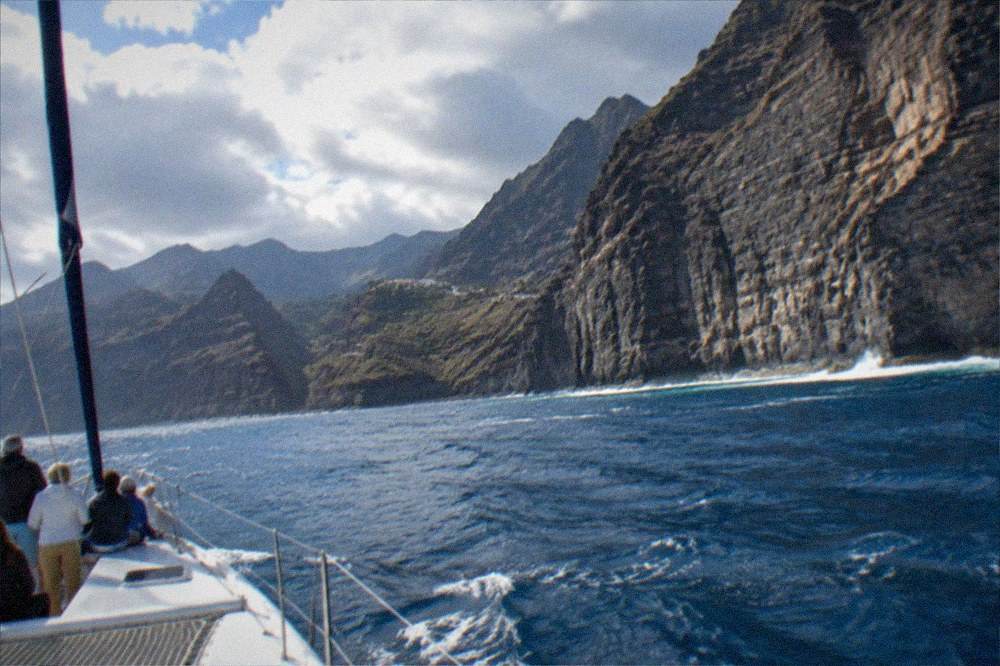
The classic pairing is food with the coast. A whale and dolphin watching cruise from Los Gigantes or Costa Adeje takes two or three hours, leaves the afternoon free, and the whale watching page collects the options. The whale watching itself is tightly regulated under Decreto 178/2000: boats may not approach within 60 metres of the animals, no more than three boats may be within 500 metres, and authorised boats fly the Barco Azul flag, so the experience is a wildlife one rather than a performance.
The other natural pairing is food with town walks. The Santa Cruz bike and e-bike tour starts near the cruise terminal and covers the capital's highlights on two wheels, which suits visitors who want the city's markets and architecture in one loop before an evening meal. For planning a whole week around this, the excursions overview and the things to do in Tenerife pages are the two to read next.
How Do You Choose Between the Tours on This Page?
Choose by depth and by base: the full-day gastronomy and wine tour suits visitors who want the island's food and wine in one organised loop with lunch, the Tacoronte winery visit suits anyone short on time who wants a proper tasting, and the banana plantation walk suits families and visitors staying in the south. If your budget is the deciding factor, join a free GuruWalk walking tour first and book a paid experience afterwards, because the free walks cost nothing to join and you tip what you choose.
The decision rarely comes down to quality. It comes down to time, transport and who is travelling. A visitor with one free afternoon in Puerto de la Cruz is a short transfer from the Tacoronte winery and should take the tasting. A family in Costa Adeje with a morning to fill will get more from the plantation. A couple on a week-long holiday who want the island's food culture properly explained should take the full day and let someone else do the driving.
Whatever you choose, book the thing you actually want rather than the thing a listing makes look biggest. The island's food culture is generous, the guachinches and markets cost nothing to explore on your own, and a tour earns its price when it takes you somewhere you could not easily take yourself. That is the test, and on this island, the wineries of the north and the full-day gastronomy loops pass it.
Common Questions About Tenerife Food Tours
Are food tours in Tenerife suitable for vegetarians?
The island's traditional cooking leans on fish, meat and cheese, but potatoes, mojo sauces, gofio, vegetables and pulses are central to the same tradition, so most operators can adapt. This site holds no verified fact on any individual operator's dietary policy, so tell the operator your requirements when booking and confirm what the kitchen can do on the day.
Can children join a Tenerife food or wine tour?
Winery tours are adult-oriented by nature, though tastings are usually paired with food and some operators admit children without the wine. The banana plantation experience is the family-friendly option on this page, being short and outdoors. No verified fact pack states age limits for the food operators, so confirm with the operator's live listing before booking.
Do I need to book a Tenerife food tour in advance?
The full-day formats have limited seats and pickup logistics, so advance booking is the sensible route, and this site's product cards show live availability. Short winery visits are more flexible, but the winery's own timetable governs. The free GuruWalk walking tours also use a booking system even though they cost nothing to join, so reserve a spot rather than turning up.
Is there a tourist tax that adds to food prices in Tenerife?
No. No official page shows a per-night tourist tax in force or approved on Tenerife. Prices in shops and restaurants include IGIC, the Canaries' own sales tax, which the tax agency's table puts at 7% on everyday goods, not the 21% VAT of mainland Spain.
What food should I try in Tenerife even without a tour?
Papas arrugadas with mojo rojo and mojo verde, fresh fish, local cheeses, Canarian bananas and the island's wines. The guachinches of the north serve several of these in one sitting, and the markets, including the Mercado de Nuestra Señora de África in Santa Cruz, are free to browse.