Golden and White Sand Beaches in Tenerife
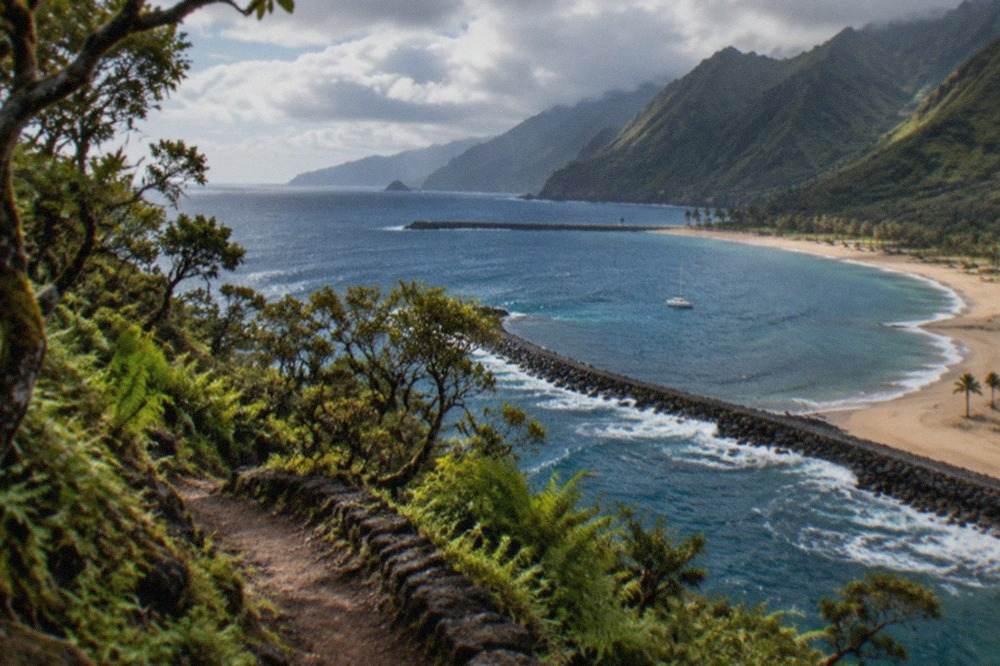
Tenerife is a volcanic island, so most of its coastline is dark sand, but the tourist board names a handful of beaches as golden or pale sand, and those are the ones this page pinpoints.
Short answer
Yes, Tenerife has golden sand beaches: the tourist board describes Las Teresitas and Las Vistas as golden sand, and Fanabe as pale sand. No official page describes any Tenerife beach as white sand.
Tenerife is a volcano with beaches, and that single fact shapes every shoreline on the island. Most of the coast is black or grey sand, the crushed product of ancient eruptions, and the tourist board says so plainly on its own beach pages. Yet a short list of beaches are described in official sources as golden or pale sand, and those beaches carry most of the island's swimming traffic. This page sets out exactly which beaches those are, in the tourist board's own words, and answers the questions people actually type before they book: whether white sand exists here at all, where the golden sand is, and what the sea is doing in each month. For the wider picture across all shorelines, the best beaches in Tenerife guide covers the full range.
Are There Any White Sandy Beaches in Tenerife?
No official source describes any Tenerife beach as white sand. The tourist board's own beach pages use three colours only: golden sand at Las Teresitas and Las Vistas, pale sand at Fanabe, and grey sand at El Duque and El Medano. Everything else on the island is darker volcanic sand, including the black sand at El Bollullo. Search results that promise white sand beaches are describing golden or pale sand in looser language.
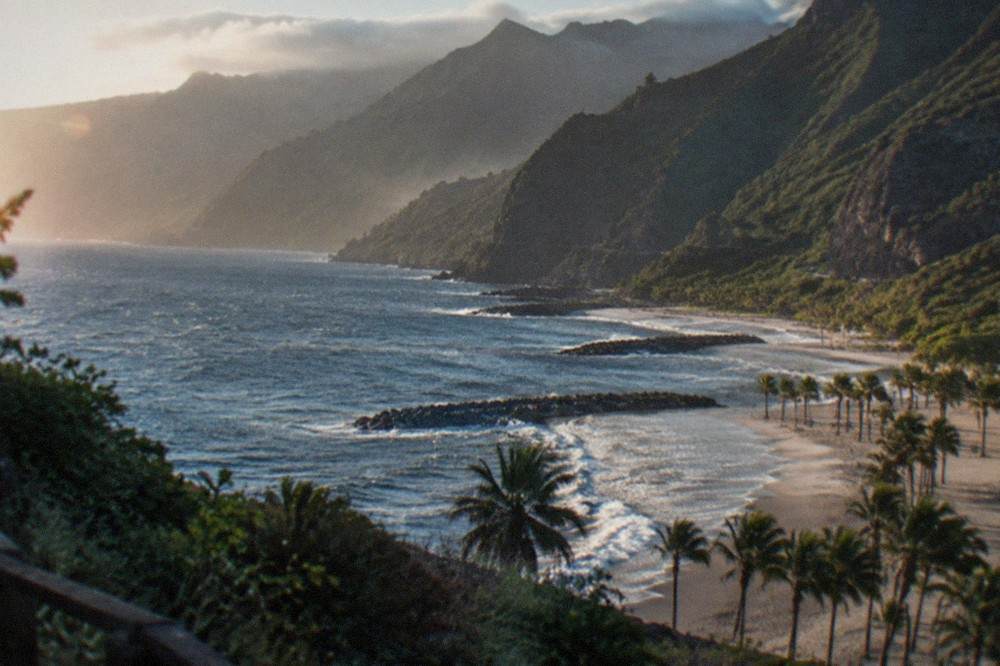
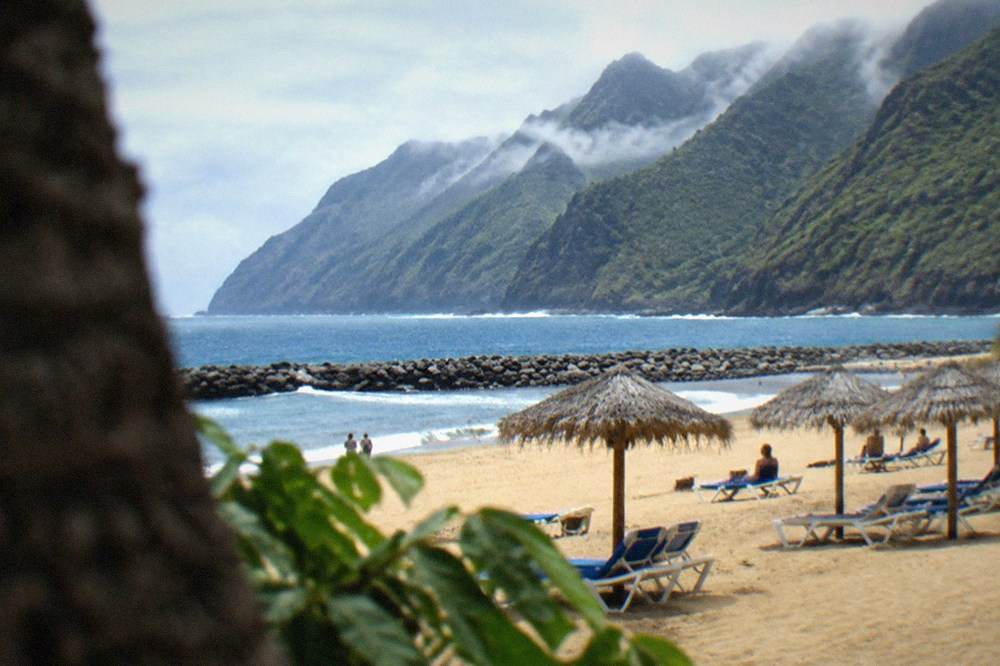
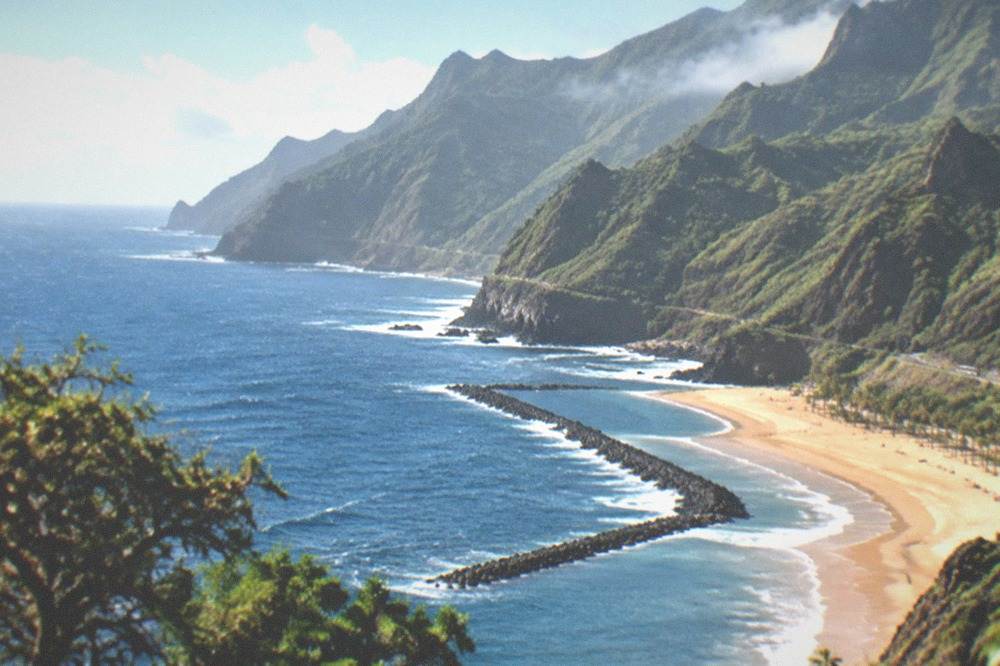
That is not a disappointment, it is a mapping problem solved. The beaches that look closest to the Caribbean postcard are real, they are just called golden sand by the body that manages them. Las Teresitas, in San Andres on the edge of Santa Cruz, is the one most often photographed: the tourist board's page describes golden sand, palm trees and breakwaters that calm the water. Las Vistas, between Los Cristianos and Playa de las Americas in Arona, gets the same golden-sand description, again with breakwaters doing the calming.
The distinction matters because Tenerife's sand colour is not cosmetic. A golden beach here is an engineered one, protected by breakwaters against the Atlantic swell, and that is exactly why the water swims like a lagoon rather than a surf beach. The dark-sand beaches, by contrast, face open water and belong to a different kind of day out, covered in the black sand beaches guide.
Which Beaches in Tenerife Have Golden Sand?
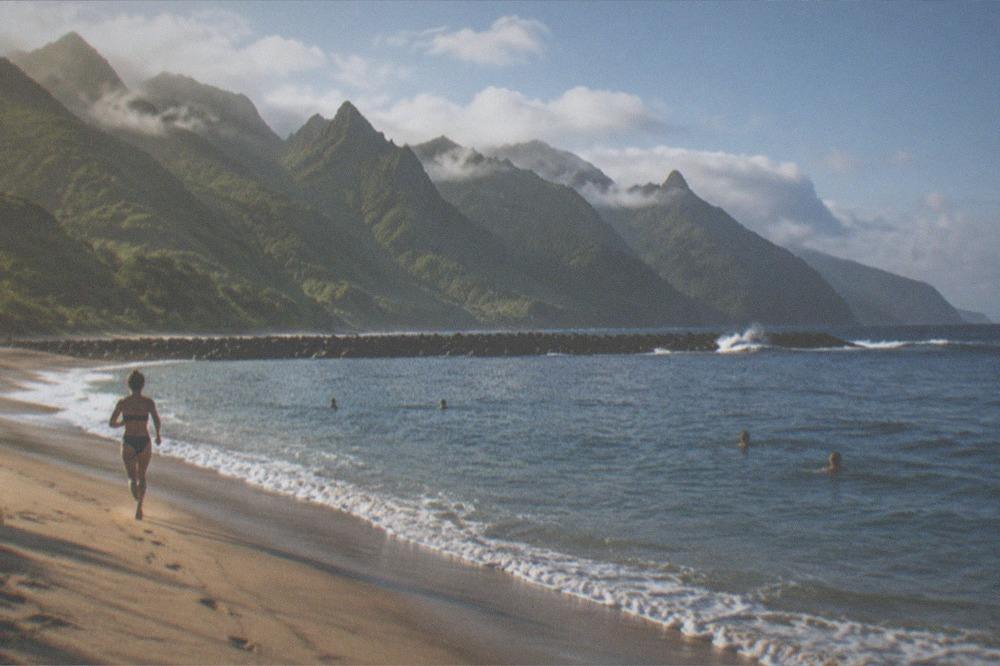
Two beaches carry the tourist board's golden-sand description: Las Teresitas in San Andres, Santa Cruz, and Las Vistas in Arona, between Los Cristianos and Playa de las Americas. Both sit behind breakwaters that calm the water. Fanabe in Costa Adeje is described as pale sand, a shade lighter than golden but not white. El Duque, despite its postcard reputation, is described by the tourist board as grey sand.
The table below is the tourist board's own wording, beach by beach, with the municipality each one sits in. It is the honest version of the list, and it is worth reading before choosing a base, because the sand colour a hotel brochure implies and the sand colour the official page states do not always match.
| Beach | Sand, as the tourist board states it | Municipality | Water conditions |
|---|---|---|---|
| Las Teresitas | Golden sand, palm trees | Santa Cruz (San Andres) | Calm behind breakwaters |
| Las Vistas | Golden sand | Arona | Calm behind a row of breakwaters |
| Fanabe | Pale sand | Adeje | Not stated on the page read |
| Playa del Duque | Grey sand | Adeje | Not stated on the page read |
| El Medano | Fine grey sand, under Montana Roja | Granadilla de Abona | Not stated on the page read |
| El Bollullo | Black sand at the foot of a cliff | La Orotava | Not stated on the page read |
Las Teresitas is the island's flagship golden beach, and the official page is specific about what it holds: golden sand, palm trees and breakwaters that calm the water. It sits in the fishing village of San Andres, which puts it within reach of Santa Cruz rather than the southern resorts, a point worth weighing when choosing between the north and south of the island. The beach's own page is Las Teresitas, with the practical detail.
Las Vistas is the southern answer. The tourist board describes golden sand and calm water behind a row of breakwaters, and its position between Los Cristianos and Playa de las Americas makes it the most resort-adjacent golden beach on the island. Its page is Las Vistas.
Fanabe, described as pale sand, is the closest thing the official record offers to a white-sand look, and it sits in the Costa Adeje resort strip. The pages for Fanabe and Playa del Duque sit side by side in Adeje, and the colour difference between them, pale against grey, is one the tourist board itself records.
If the plan is a beach day with a boat trip bolted on, the golden beaches of the south are the natural launch point. These are the operators that run from the same stretch of coast.
Is There a Beach in Tenerife with Yellow Sand?
Yes, if yellow means the warm gold the tourist board calls golden sand: Las Teresitas and Las Vistas both carry that exact description on their official pages. If yellow means the pale, almost white sand of Caribbean brochures, the closest official wording on Tenerife is the pale sand of Fanabe. No beach on the island is described in any official source as yellow or white sand.
The wording matters more than it sounds. Sand colour on a volcanic island is a fact with a source behind it, and the tourist board is that source. When a booking site or a forum post calls El Duque golden, it is disagreeing with the tourist board's own page for that beach, which says grey. The golden-sand beaches are the two behind breakwaters, and the pale-sand beach is Fanabe.
For a swimmer, the practical difference is smaller than the aesthetic one. Breakwater-protected golden beaches offer calm, shallow-feeling water that suits families and hesitant swimmers, which is why the accessible Tenerife guide points the same way. Open-coast dark-sand beaches offer waves, space and scenery instead. Choose by water, not by colour alone.
Does Tenerife Have Sandy Beaches Everywhere, or Just in the South?
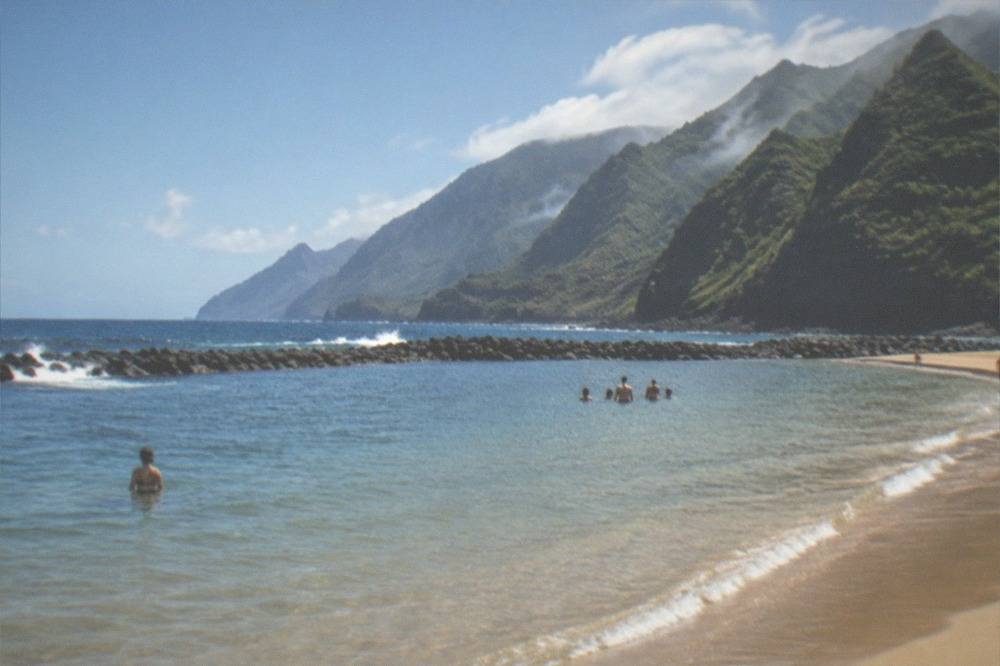
Tenerife has sandy beaches along most of its coast, but the sand is rarely golden outside the south and Santa Cruz. The tourist board records golden sand at Las Teresitas near Santa Cruz and Las Vistas in Arona, pale sand at Fanabe in Adeje, and grey or black sand everywhere else it describes, including El Medano, El Duque and El Bollullo. The south holds the concentration of light-coloured, swimmer-friendly sand.
The geography is simple once the colours are sorted. The south, Adeje and Arona especially, holds the engineered beaches: breakwaters, imported-feeling light sand, calm water and resort frontage. The north holds the wild ones: El Bollullo's black sand at the foot of a cliff in La Orotava, and the dark coves that face the open Atlantic. Santa Cruz holds one outlier, Las Teresitas, a golden beach with palm trees a bus ride from the capital.
El Medano is the interesting middle case. The tourist board describes fine grey sand under Montana Roja, and the beach is the island's windsurfing hub precisely because it faces open water and wind rather than sitting behind a breakwater. Its page, El Medano, covers the detail. Swimmers who want calm pick the golden beaches; board sports pick the grey ones.
When Is the Sea Warm Enough for Swimming in Tenerife?
The sea off Tenerife's south coast is warmest in September and October at 23.7 degrees Celsius, and coolest in March at 19.1 degrees Celsius, in the NOAA dataset for 1991 to 2020. Every month of the year sits between those figures, which means the sea never drops to a temperature most swimmers would call cold, and never reaches the bathtub warmth of the tropics either.
The table gives the full year. The numbers come from NOAA's surface-temperature dataset for the waters off the south coast, a different source and a different reference period from the air-temperature normals further down this page, so the two sets are never blended into one claim.
| Month | Sea surface temperature |
|---|---|
| Jan | 19.9 C |
| Feb | 19.2 C |
| Mar | 19.1 C |
| Apr | 19.5 C |
| May | 20.2 C |
| Jun | 21.4 C |
| Jul | 22.2 C |
| Aug | 23.1 C |
| Sep | 23.7 C |
| Oct | 23.7 C |
| Nov | 22.5 C |
| Dec | 21.1 C |
Two readings matter for planning. First, the sea peaks after the air does: September and October share the warmest water, which is why swimmers who care about sea temperature rather than air temperature plan around the autumn months. Second, the winter sea stays near 20 degrees, warm enough for a swim, which is the fact behind the island's winter sun appeal, though that guide covers the full long-stay picture.
How Warm Is the Beach Weather, Month by Month?
At Santa Cruz, AEMET's 1981 to 2010 normals show mean daily maxima from 21 degrees in January to 29 in August, with rain concentrated in November to February. At Tenerife South Airport, the range runs from 21.7 degrees in January to 28.4 in August, and the annual rainfall is 132 mm on 15.2 rain days, roughly half the capital's total. The south is drier and marginally warmer at the beach.
The two tables below are the same measure at two stations, and the difference between them is the difference between a Santa Cruz beach day and a Costa Adeje one. AEMET publishes the normals for each station separately, and the rain gap is the striking one: the airport station records 132 mm of rain a year against Santa Cruz's 226 mm.
| Month | Santa Cruz max C | Santa Cruz min C | Rain mm | Rain days | Sunshine hours |
|---|---|---|---|---|---|
| Jan | 21.0 | 15.4 | 32 | 4.2 | 178 |
| Feb | 21.2 | 15.3 | 35 | 3.8 | 186 |
| Mar | 22.1 | 15.9 | 38 | 3.8 | 221 |
| Apr | 22.7 | 16.5 | 12 | 2.4 | 237 |
| May | 24.1 | 17.8 | 4 | 0.9 | 282 |
| Jun | 26.2 | 19.5 | 1 | 0.2 | 306 |
| Jul | 28.7 | 21.2 | 0 | 0.0 | 337 |
| Aug | 29.0 | 21.9 | 2 | 0.3 | 319 |
| Sep | 28.1 | 21.7 | 7 | 0.9 | 253 |
| Oct | 26.3 | 20.3 | 19 | 3.1 | 222 |
| Nov | 24.1 | 18.4 | 34 | 4.7 | 178 |
| Dec | 22.1 | 16.6 | 43 | 5.4 | 168 |
| Month | South Airport max C | South Airport min C | Rain mm | Rain days | Sunshine hours |
|---|---|---|---|---|---|
| Jan | 21.7 | 15.2 | 17 | 1.8 | 193 |
| Feb | 22.0 | 15.0 | 20 | 2.2 | 195 |
| Mar | 23.1 | 15.6 | 15 | 1.9 | 226 |
| Apr | 23.1 | 16.0 | 7 | 1.1 | 219 |
| May | 23.9 | 17.0 | 1 | 0.3 | 246 |
| Jun | 25.4 | 18.8 | 0 | 0.0 | 259 |
| Jul | 27.7 | 20.2 | 0 | 0.0 | 295 |
| Aug | 28.4 | 21.1 | 1 | 0.2 | 277 |
| Sep | 27.9 | 21.1 | 4 | 0.6 | 213 |
| Oct | 26.8 | 20.0 | 12 | 1.6 | 214 |
| Nov | 24.8 | 18.2 | 26 | 1.9 | 193 |
| Dec | 22.8 | 16.5 | 30 | 3.5 | 195 |
For beach purposes the message is consistent: there is no month without beach weather, only months with more rain days. December and January are the wettest at both stations, and the monthly guides for January and December handle what that means for a holiday. The full climate picture, including the mountain stations where winter is genuinely cold, is in Tenerife weather by month.
How Do You Get to the Golden Beaches Without a Car?
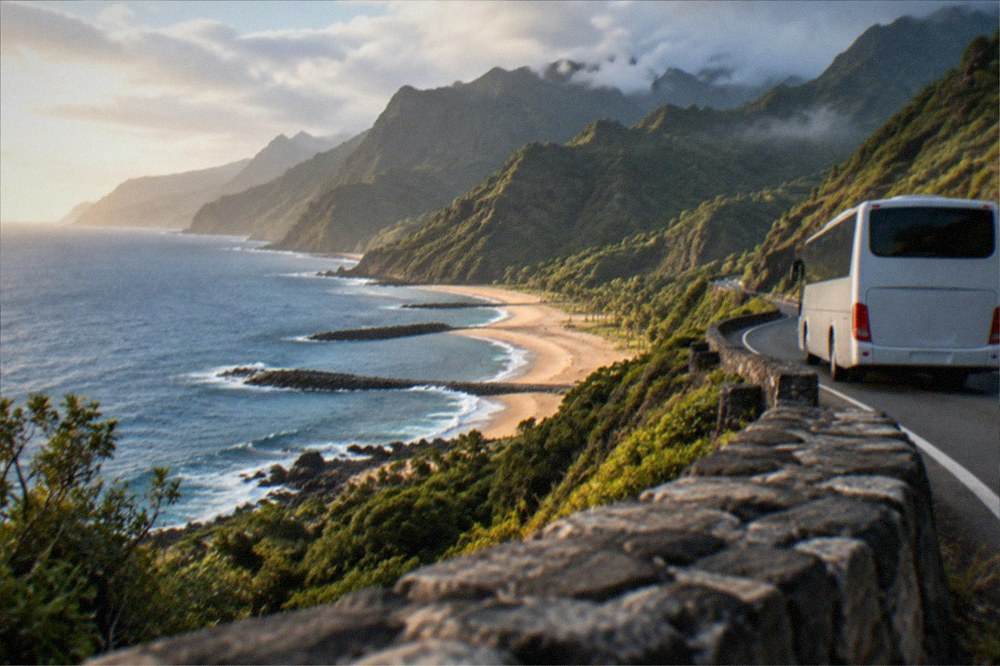
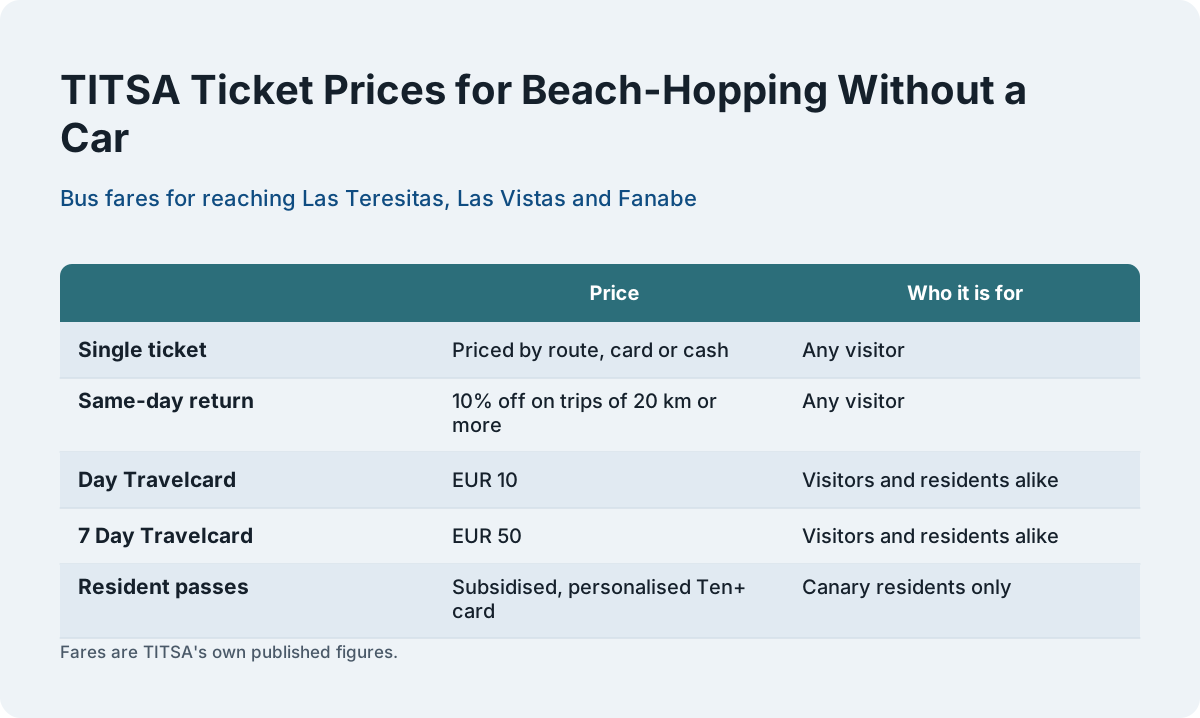
Las Teresitas is reached from Santa Cruz on TITSA buses, and Las Vistas and Fanabe sit on the bus corridors between Los Cristianos, Playa de las Americas and Costa Adeje, so no car is needed for either. Visitors pay for public transport: single tickets, the EUR 10 day travelcard or the EUR 50 seven-day travelcard. The free travel scheme the Canary government runs in 2026 is for resident passes only and visitors do not qualify.
The travelcard figures are TITSA's own, and they are the practical ones for a beach-hopping day. The day travelcard at EUR 10 covers a day of buses; the seven-day version at EUR 50 covers a week. Both are sold at the airport ticket machines, which makes them a first-stop purchase on arrival, and the Tenerife buses guide explains the network in full.
| Ticket | Price | Who it is for |
|---|---|---|
| Single ticket | Priced by route, card or cash | Any visitor |
| Same-day return | 10% off on trips of 20 km or more | Any visitor |
| Day Travelcard | EUR 10 | Visitors and residents alike |
| 7 Day Travelcard | EUR 50 | Visitors and residents alike |
| Resident passes | Subsidised, personalised Ten+ card | Canary residents only |
One planning note that catches people out: the resident subsidy is not a visitor discount in disguise. Every subsidised pass requires residency in the Canary Islands and a personalised card, so a visitor arriving at Tenerife South buys the day or seven-day travelcard and nothing else. The rest of the arrival logistics, including which bus lines serve each airport, are in getting around Tenerife.
What Can You Do on the Water at the Golden Beaches?
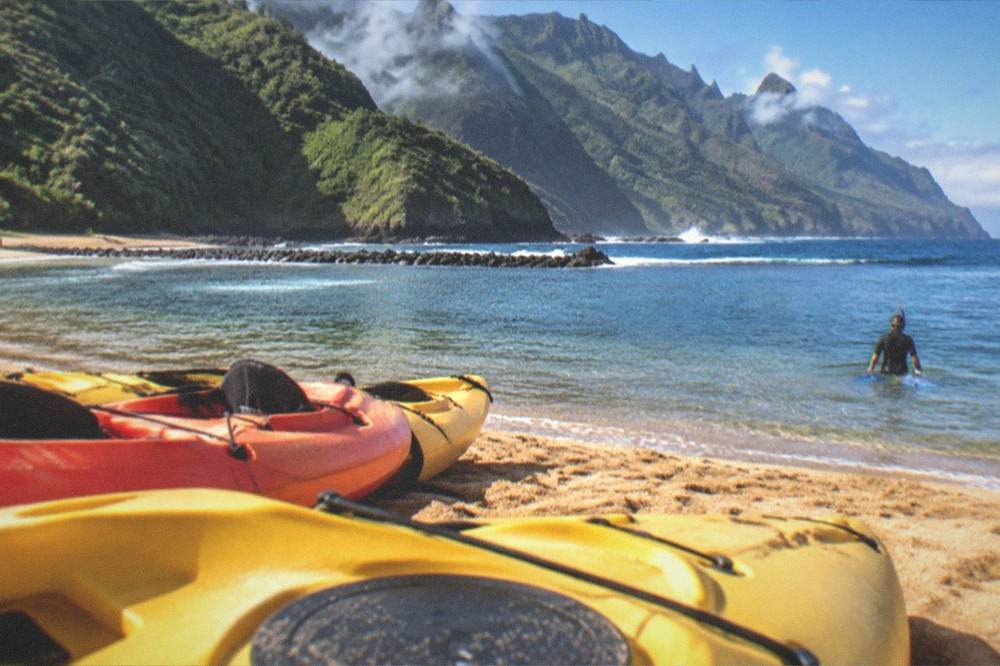
The golden-sand coast of Los Cristianos and Costa Adeje is the island's main launch point for kayaking, snorkelling and boat trips: the roster on this site lists small-group kayak and snorkel tours from Los Cristianos, whale and dolphin cruises with swim stops from Los Gigantes, and catamaran trips from Puerto Colon. The waters off the south coast are also a designated Whale Heritage Area, named by the World Cetacean Alliance in January 2021.
That designation is the fact most first pages of search results miss. The Tenerife-La Gomera Marine Area became a designated Whale Heritage Area in January 2021, in the World Cetacean Alliance's own wording, and the alliance describes a unique resident population of pilot whales plus bottlenose dolphins inside a Special Area of Conservation. Whale watching here is regulated by Decreto 178/2000, which sets the rules every authorised boat must follow: no approach within 60 metres of the animals, at most three boats within 500 metres, a maximum of 4 knots within that radius, and no swimming, diving, feeding, chasing or circling. Authorised boats fly the Barco Azul flag, so a lawful trip is identifiable from the pier.
For a swimmer who wants to be in the water rather than on it, the kayak and snorkel trips from Los Cristianos are the natural fit, and the marine ecosystem off that coast is what they sell. The details and live availability are on the listing.
The Los Gigantes coast adds the cliff setting: the tourist board describes the cliffs as towering up to 600 m, with a seabed about 30 m deep at their foot, inside Teno Rural Park. A cruise with a swim stop there pairs the marine life with the geology.
Families splitting a week between beach days and park days should know the golden-sand coast and the big parks are on the same southern bus network. Loro Parque sits in Puerto de la Cruz in the north, which is a longer ride, but the combined ticket with Siam Park is the roster's way of covering both.
Which Beach Should You Choose for Your First Day?
Choose Las Vistas for a first beach day in the south: golden sand, calm water behind breakwaters and a position on the bus corridor between Los Cristianos and Playa de las Americas. Choose Las Teresitas for the same sand with palm trees and a Santa Cruz setting, and Fanabe for pale sand in Costa Adeje. Choose El Medano or El Bollullo only when the plan is wind, waves and open coast rather than a calm swim.
The honest summary is that Tenerife's light-sand beaches are fewer than the brochures imply and better than the sceptics fear. Two golden beaches and one pale one, all behind or beside calm water, all on public transport, and all described in the tourist board's own words rather than a marketer's. The rest of the coast belongs to the volcano, and the volcano's beaches are worth their own day.
For the wider island picture, from the same coast to the mountains, things to do in Tenerife is the full round-up, and this editorial desk's Tenerife Travel Guide homepage collects every planning page in one place.
If a boat or kayak trip is part of the plan, these are the three that fit the golden-sand coast best.
Common Questions About Golden Sand Beaches in Tenerife
Are there any white sand beaches in Tenerife?
No official source describes a Tenerife beach as white sand. The tourist board's beach pages use golden, pale, grey and black as their descriptions: golden at Las Teresitas and Las Vistas, pale at Fanabe, grey at El Duque and El Medano, black at El Bollullo. Pages that promise white sand are describing the golden or pale beaches in looser language.
Does Tenerife have sandy beaches?
Yes, across most of the island's coast. The tourist board records golden sand at Las Teresitas and Las Vistas, pale sand at Fanabe, grey sand at El Duque and El Medano, and black sand at El Bollullo. The light-coloured, calm-water beaches cluster in the south and at San Andres near Santa Cruz.
Where did the sand at Las Teresitas come from?
The official page for Las Teresitas says only golden sand, palm trees and breakwaters that calm the water, and this site states nothing beyond that. Claims about imported sand tonnage do not appear on the official page and are not repeated here.
Is the sea warm enough to swim in winter?
Yes, by most swimmers' standards. The sea surface off the south coast runs 19.9 degrees Celsius in January and 19.2 in February, in NOAA's 1991 to 2020 dataset, against a September and October peak of 23.7. The air at Santa Cruz averages a 21-degree daily maximum in January.
Are the golden beaches suitable for children?
The tourist board describes both golden-sand beaches, Las Teresitas and Las Vistas, as sitting behind breakwaters that calm the water, which is the condition that suits young swimmers. The family planning guide covers the wider picture, including which resorts sit closest to these beaches.