Accessible Tenerife: Wheelchair-Friendly Resorts, Beaches and Transport
Tenerife's resort south was built flat and modern, which makes large parts of it genuinely workable for wheelchair users and scooter travellers: here is what the official sources say about beaches, buses, taxis, the cable car and the hire kit that makes the island easier.
Short answer
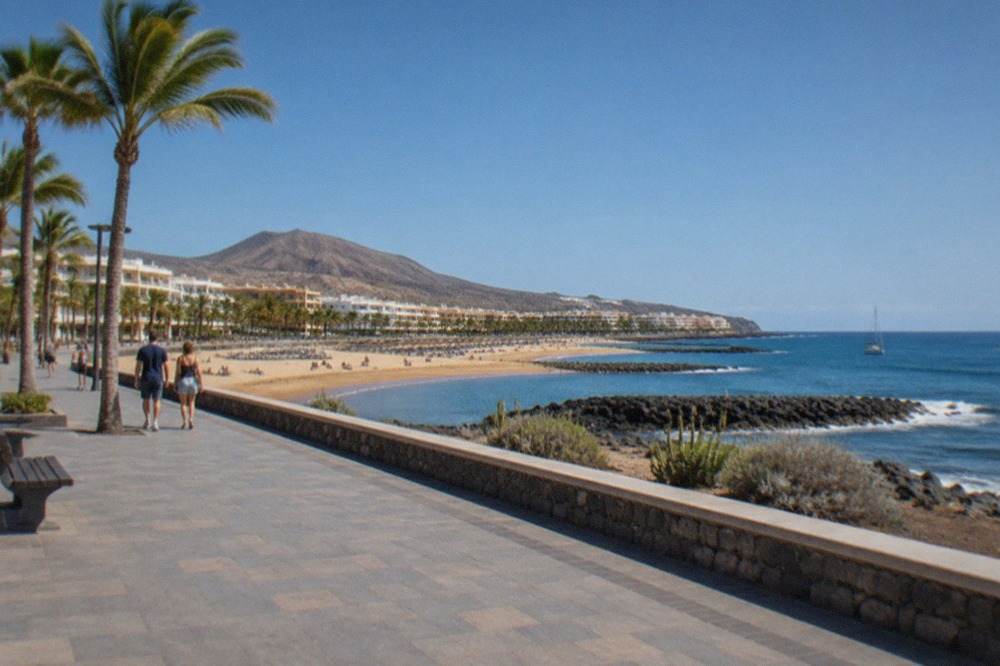
Tenerife works well for wheelchair users in the purpose-built southern resorts such as Costa Adeje and Los Cristianos, where promenades are level and beaches sit behind calm breakwaters. Buses, trams and taxis have official accessibility provisions, and the main parks and promenades need no permit. The Teide cable car, by contrast, excludes some health conditions, and the island's trails are a different question altogether.
Tenerife's south is one of the few major holiday regions in Europe that was built almost entirely after mass tourism arrived, and that shows in the physical layout: long, level promenades connect Costa Adeje to Los Cristianos, hotels are modern, and the beaches between them sit behind breakwaters that calm the water. None of that makes the whole island accessible, and this guide does not pretend otherwise. What it does is set out, from official sources, what a wheelchair user or a traveller hiring a mobility scooter can realistically plan around: which resorts and beaches the tourist board describes in useful detail, how TITSA buses and Metrotenerife trams handle wheelchairs, what the cable car operator's own access rules say, and where the island's permit-only trails should simply be left off the itinerary.
Is Tenerife a Good Destination for Wheelchair Users?
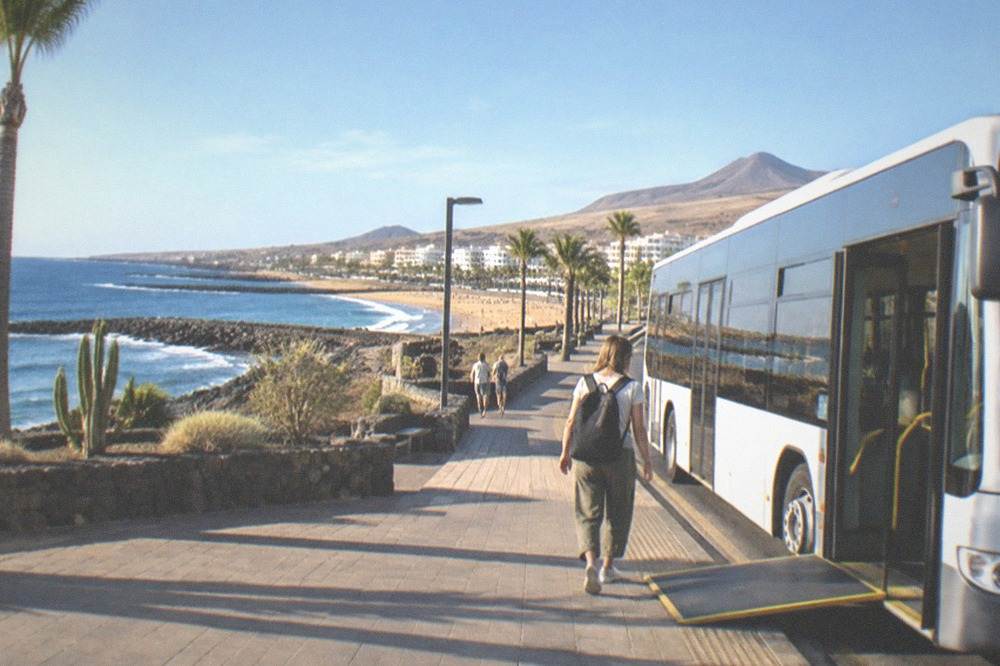
Yes, in the purpose-built resort areas, with honest limits elsewhere. Costa Adeje, Los Cristianos and Playa de las Américas offer level promenades, modern hotel stock and calm swimming water behind breakwaters, and the island's bus and tram networks carry wheelchairs. The trade-off is geography: the historic north is hillier, Teide's high trails are not wheelchair terrain, and the cable car operator excludes several health conditions, so the planning has to be area by area.
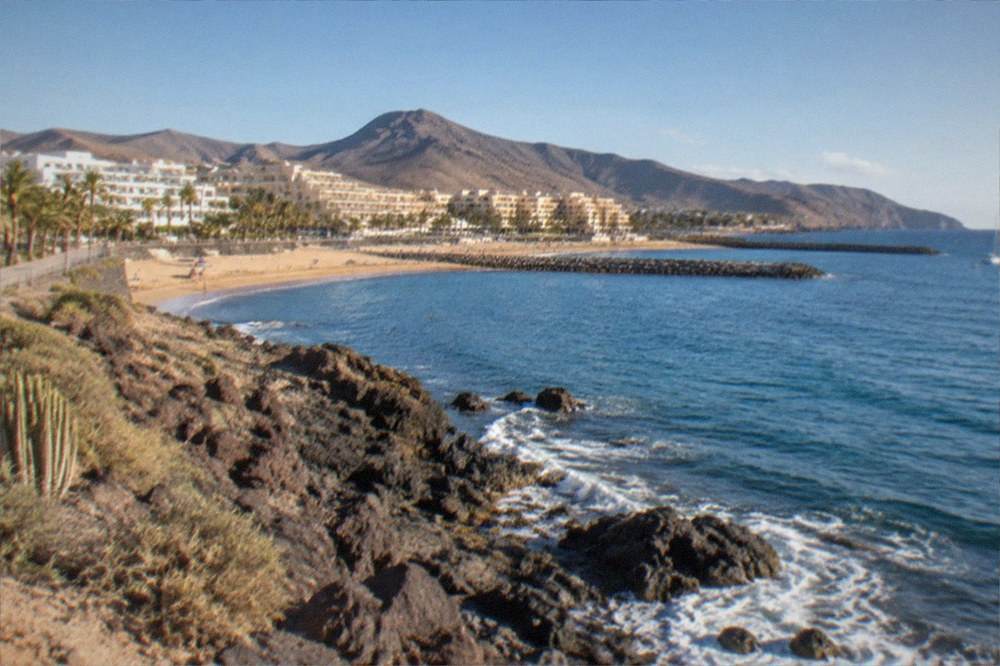
The starting point is the island's own shape. Tenerife rises from sea level to 3,715 m at Teide, Spain's highest peak on UNESCO's own wording, and that vertical gain is the single biggest accessibility constraint. The southern resort strip, by contrast, is flat by design. The tourist board's pages for the main southern beaches describe exactly the features a wheelchair user or scooter traveller needs to know: sand colour, breakwaters and the water conditions they create. Las Vistas in Arona is golden sand, calm behind a row of breakwaters. Fanabe is pale sand. El Duque in Adeje is grey sand, on the tourist board's own description, a detail worth knowing before you promise anybody a golden beach.
Where the island gets harder is the older fabric. Garachico was rebuilt after the 1706 Trevejo eruption buried its old port, and like La Laguna and La Orotava it is a historic town of narrow streets and gradients. That does not make these places impossible, but it does mean the southern resorts are the sensible base for a trip built around wheels. The question of which base to choose is covered in the guide to north versus south Tenerife, and the family-area guide covers which resorts suit a mixed group.
Mobility Scooter Hire in Tenerife: What to Check Before You Book
Mobility scooter hire in Tenerife is a private service run by local firms and hotel-adjacent suppliers, mainly in Costa Adeje, Playa de las Américas and Los Cristianos, and the practical checks are the same as anywhere: battery range against your daily route, delivery to your hotel, and whether the scooter folds for the transfer vehicle. No official public body regulates or prices the hire, so the terms are between you and the supplier.
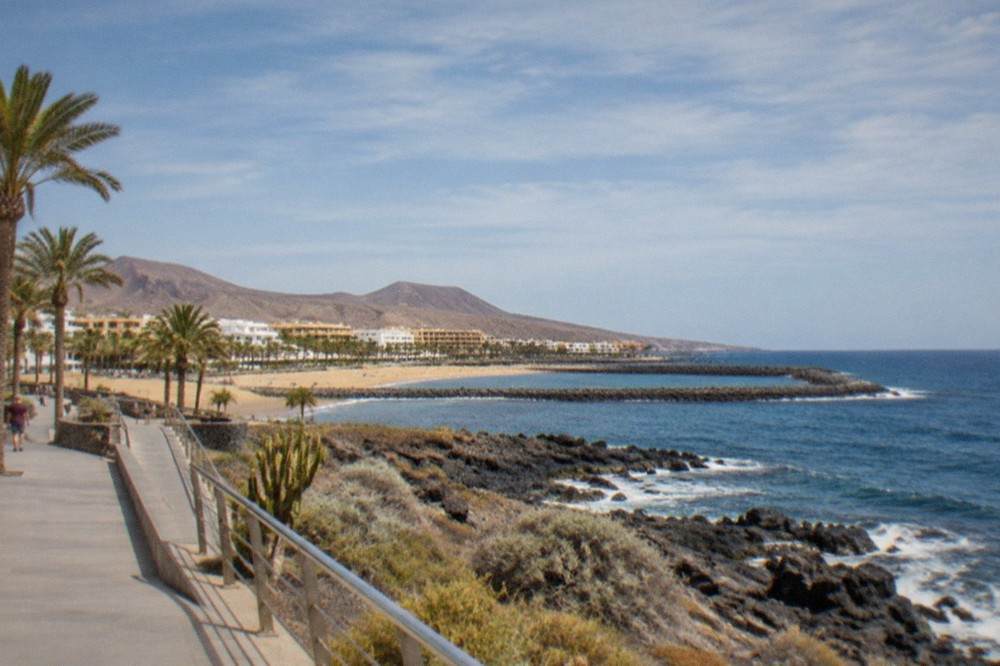
This is the one part of an accessible Tenerife trip where the official record runs out. The Cabildo, TITSA and the tourist board publish rules for trails, buses and beaches, but none of them publishes a register of scooter hire firms or their prices, so this site states none. What can be said from the island's geography is what matters in practice. The southern promenade runs continuously between the main resorts, which means a scooter used for seafront days covers a lot of ground without ever meeting a gradient worth worrying about. Battery range matters most on the days you leave the promenade, and delivery to your accommodation matters because the transfer from either airport is where a scooter that does not fold becomes a problem. For a scooter or a wheelchair that needs a vehicle with a ramp, the airport transfers guide sets out the options from both airports, and adapted taxis exist: the tourist board's own taxi page records that adapted "eurotaxis" operate on the island alongside the standard white, metered fleet.
For travellers who want the security of booking the kit before flying, mobility scooter hire in Tenerife can be reserved online for delivery to the southern resorts. Check the delivery area covers your specific hotel, and check the battery specification against the promenade distances you actually plan to cover, before you commit.
One planning note that belongs beside any hire decision: car hire with hand controls or a swivel seat is a separate market, and the car hire guide covers the island's driving conditions, which are relevant if the scooter stays at the hotel and the days out are by car.
Which Seaside Town Is Best for Disabled People?
For wheelchair users and scooter travellers, Costa Adeje and Los Cristianos are the strongest seaside bases: both have long level promenades, modern hotel stock and calm water behind breakwaters, with Las Vistas and Fanabe the pick of the beaches on the tourist board's own descriptions. Puerto de la Cruz is the northern alternative, greener and older, but its terrain and historic centre make the flat southern strip the easier choice.
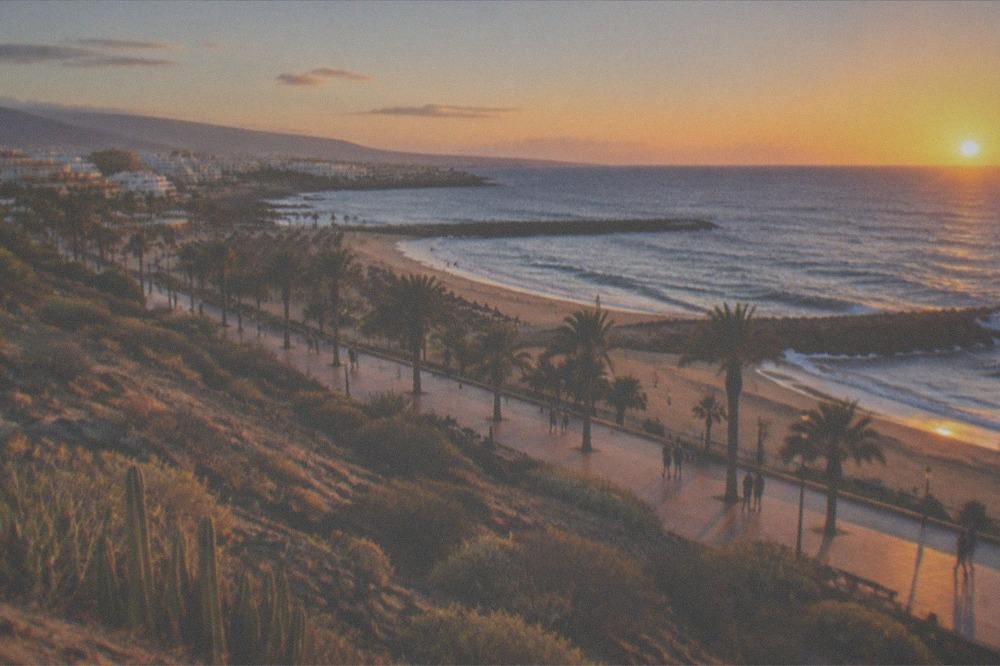
The comparison comes down to what the official pages actually say about each stretch of coast. In the south, Las Vistas sits in Arona with golden sand and water calmed by a row of breakwaters, which is the single most useful feature for anybody who needs steady support at the water's edge or a calm swim. Fanabe's pale sand and El Duque's grey sand sit in Adeje, the municipality that also holds Siam Park, which matters because a water park day is one of the few big attractions that can work well for visitors who cannot manage long walks or uneven ground. Los Cristianos, further south still, is the port town of the strip, and its flat seafront is where most of the island's whale watching boats leave from.
The north answers differently. Puerto de la Cruz has Playa Jardín and the Lago Martiánez pools, and Loro Parque is in the same town, but Puerto de la Cruz sits on a slope between the old town and the sea, and that gradient is real. Santa Cruz de Tenerife, the capital, holds Las Teresitas, golden sand with palms and breakwaters at San Andrés, plus the Auditorio and the Palmetum, and it is the most level of the northern options. For a full comparison of the bases, the guide to the best area for families covers the resort strips in detail.
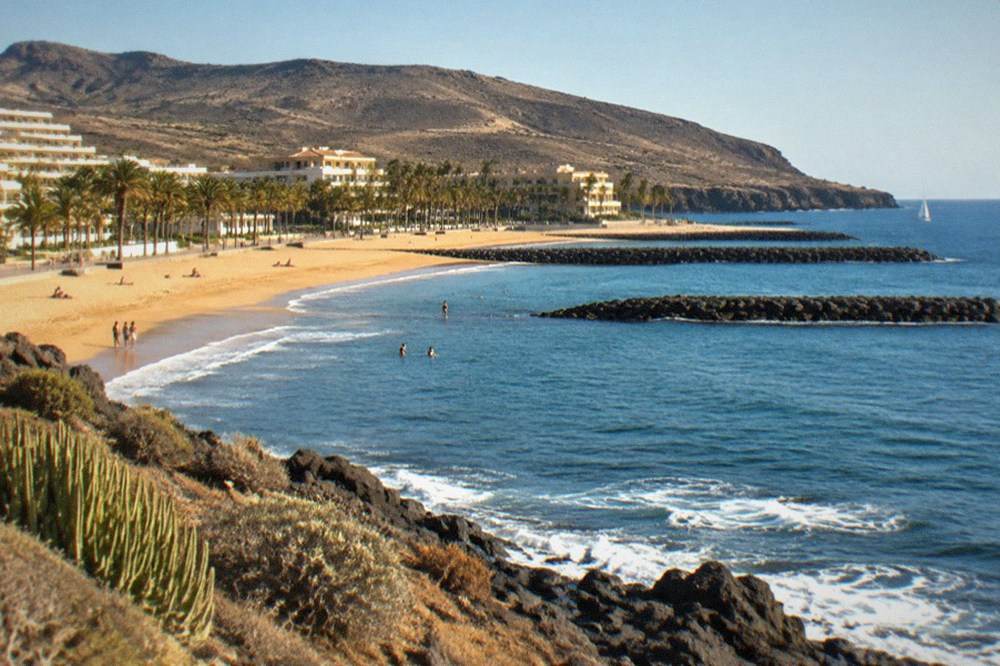
Here is what the tourist board's own beach pages record, which is the data worth planning from:
| Beach | Municipality | Sand, per the tourist board | Water and setting |
|---|---|---|---|
| Las Teresitas | Santa Cruz (San Andrés) | Golden sand | Palms and breakwaters that calm the water |
| Las Vistas | Arona | Golden sand | Calm behind a row of breakwaters |
| Playa del Duque | Adeje | Grey sand | Costa Adeje resort frontage |
| Fanabe | Adeje | Pale sand | Costa Adeje resort frontage |
| El Médano | Granadilla de Abona | Fine grey sand | Under Montaña Roja |
| El Bollullo | La Orotava | Black sand | At the foot of a cliff |
Two honest warnings follow from that table. El Bollullo is black sand at the foot of a cliff, which tells you the access is not promenade-standard. And no official page read for this site states which beaches have amphibious chairs or dedicated disabled parking, so those details must be checked with the beach's own lifeguard post or the hotel before you go: inventing them here would help nobody. The best beaches guide carries the fuller picture, including the natural pools, several of which are rocky entries.
Wheelchair-Friendly Attractions: Parks, Pools and the Cable Car Question
The big-ticket attractions that suit limited mobility are Siam Park, Loro Parque and the seafront promenades, all of which are modern and paved. The Teide cable car is the exception to check carefully: the operator's own access rules exclude people with cardiovascular conditions, pregnant women and children under 3 because of the altitude, and it stops at La Rambleta at 3,555 m, from where the crater is a permit-only trail.
Start with the parks, because they are the most reliable days out. Siam Park, in Costa Adeje, opens 365 days a year: 10:00 to 18:00 from 1 May to 29 October and 10:00 to 17:00 from 30 October to 30 April, on the park's own hours page. Loro Parque, in Puerto de la Cruz, opens 09:30 to 17:30 every day of the year and has its own car park at EUR 7 per day. The Pyramids of Güímar open daily 10:00 to 18:00 except 1 January and 25 December. All three are built environments with paved paths, which puts them ahead of almost anything natural on the island for a wheels-first itinerary.
| Attraction | Opening hours, per the operator | Notes from the official pages |
|---|---|---|
| Siam Park, Costa Adeje | 10:00 to 18:00 (1 May to 29 Oct); 10:00 to 17:00 (30 Oct to 30 Apr) | Open 365 days |
| Loro Parque, Puerto de la Cruz | 09:30 to 17:30, every day | Own car park, EUR 7 per day |
| Pyramids of Güímar | 10:00 to 18:00 daily | Closed 1 Jan and 25 Dec |
| Teide cable car | 09:00 to 17:00 standard season; longer in peak periods | Last ascent one hour before closing |
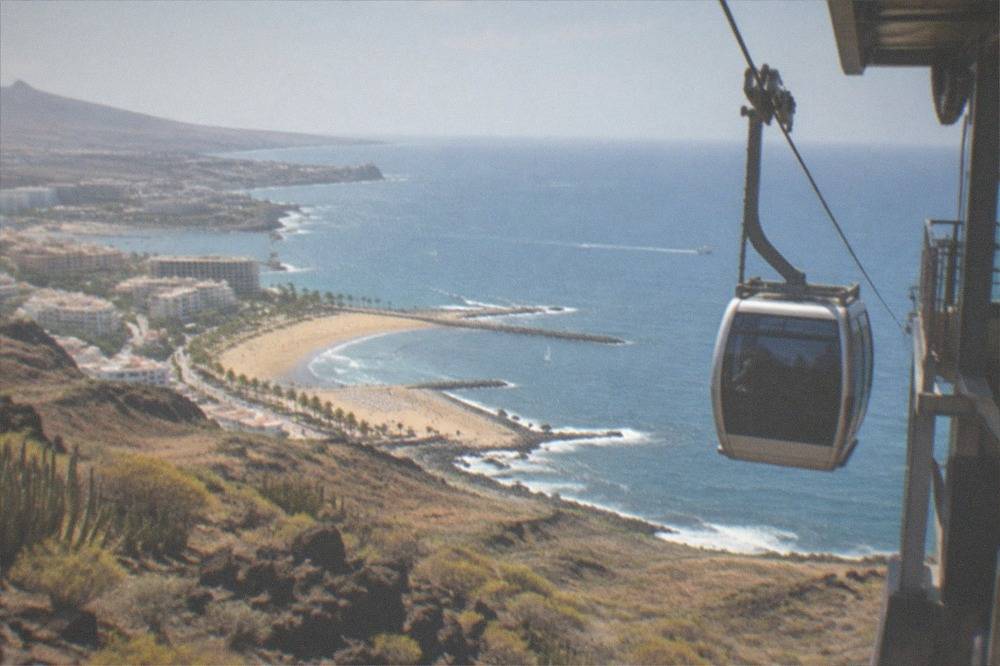
The cable car deserves its own careful paragraph, because it is the attraction most likely to be booked in good faith and then refused at the base station. The operator's rules page states plainly who may not ride: people with cardiovascular conditions, pregnant women and children under 3, all because of the altitude, and anyone with a health problem is told to ask a doctor first. The ride runs from the base station at 2,356 m to La Rambleta at 3,555 m. It does not reach the summit: the crater beyond La Rambleta is the PNT 10 Telesforo Bravo trail, which needs a personal reservation on Tenerife ON, and since Monday 19 January 2026 the 09:00 to 17:00 slots cost EUR 15 for visitors, free only for Tenerife residents and children. For a traveller with limited mobility, the honest summary is that the cable car is a viewing experience at altitude with strict health gates, not a summit trip, and the Teide summit permit guide covers the rules for anyone in your party who does want to hike it.
For a calmer high-altitude alternative, the viewpoints along the national park road need no booking at all: no official page lists an entry fee for driving through Teide National Park or stopping at the miradores, and the 2026 charges apply per booking to two trails only. The park itself is a different proposition from the trails, and the is Mount Teide active guide explains the volcano's status for anyone curious rather than athletic. One rule to pass on to any walking companions: the Cabildo bans smoking in every open-air space of the national park, car parks included.
Getting Around Tenerife with Limited Mobility: Buses, Trams and Taxis
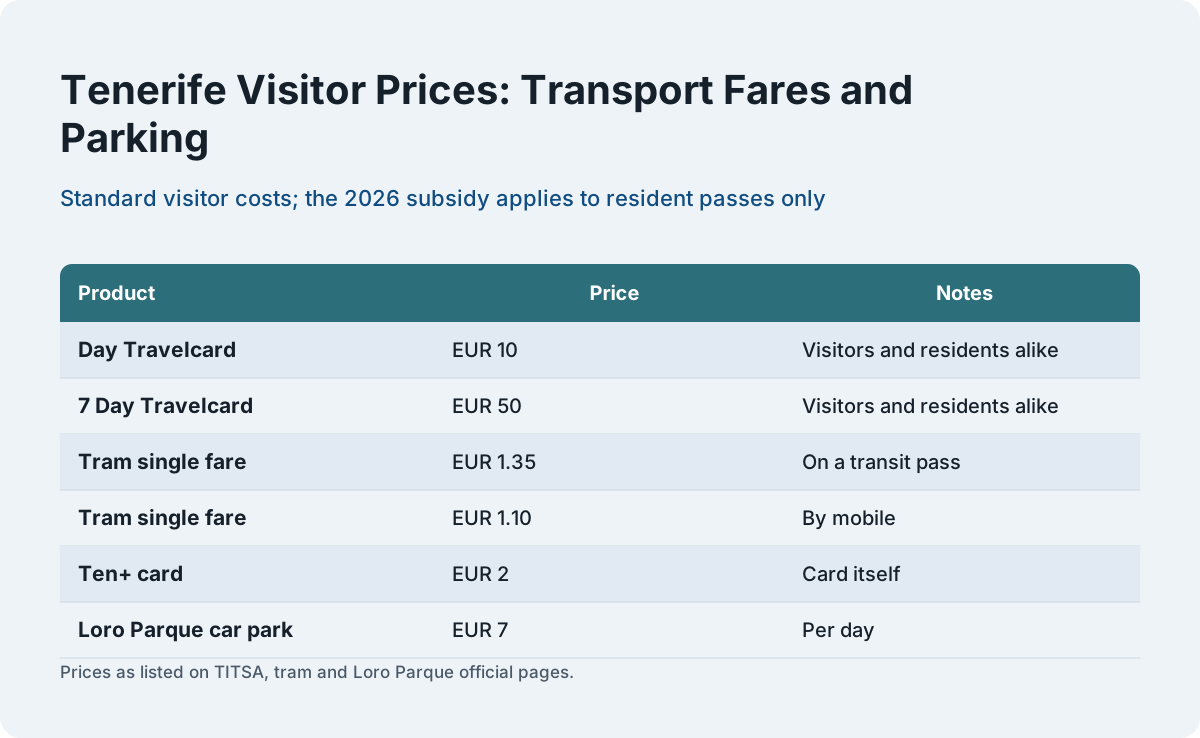
TITSA buses and the Santa Cruz tram are the two public networks, both with official accessibility provisions for wheelchair users, and visitors pay standard fares: the EUR 10 day travelcard or the EUR 50 seven-day travelcard. The free 2026 public transport subsidy applies to resident passes only, so no visitor qualifies, and adapted eurotaxis exist as the door-to-door option.
The fare position first, because it is widely misreported. The Canary government's 100% subsidy for 2026 applies to resident passes: every subsidised pass requires residency in the Canary Islands on a personalised Ten+ card. Visitors pay, and the visitor products are the single ticket, priced by route, the EUR 10 day travelcard and the EUR 50 seven-day travelcard, with the Ten+ card itself at EUR 2 and top-ups from EUR 2 to EUR 100. Airport ticket machines sell the travelcards, which makes the first journey from either airport the natural moment to buy one. Everything else covered here is indexed on Tenerife Travel Guide.
| TITSA product | Price | Who it is for |
|---|---|---|
| Single ticket | Priced by route, card or cash | Any journey |
| Same-day return | 10% off on trips of 20 km or more | Day returns |
| Day Travelcard | EUR 10 | Visitors and residents alike |
| 7 Day Travelcard | EUR 50 | Visitors and residents alike |
| Resident passes | Subsidised 100% in 2026 | Canary Islands residents only, personalised Ten+ card |
The tram runs between Santa Cruz and La Laguna and is a separate system from the buses, with a single fare of EUR 1.35 on a transit pass or EUR 1.10 by mobile. Its route matters for accessibility planning because it links the two flattest northern towns, both worth a day: Santa Cruz holds the Auditorio de Tenerife, and La Laguna is the UNESCO-listed colonial town. The tram does not serve either airport, a point worth stating plainly because pages repeat the opposite.
For airport arrivals, these are the TITSA lines at each airport, from TITSA's own airport pages:
| Airport | TITSA lines | Where they go, per TITSA |
|---|---|---|
| Tenerife South (TFS) | 10, 40, 711, 343, 415 | Santa Cruz; Costa Adeje via Los Cristianos; night bus; express to Puerto de la Cruz via both airports; El Fraile and San Isidro |
| Tenerife North (TFN) | 20, 30, 343 | Santa Cruz via La Laguna; Puerto de la Cruz; express to the south |
Taxis complete the set: white, metered from the start of the trip, with a fixed price negotiable in advance for excursions and adapted eurotaxis available. For planning journeys across the whole island, the Tenerife map guide gives the layout, and the getting around overview is on the site's main guide list.
Where to Take Someone with Limited Mobility?
The reliable answers are the southern promenade and its breakwater beaches, the two big parks, Siam Park and Loro Parque, a whale watching boat from Los Cristianos, and the viewpoints along the Teide road, which need no permit or hike. The things to avoid promising are the permit-only trails, Masca's mandatory bus-and-boat descent, and Barranco del Infierno, all of which are walking routes by design.
A day-by-day way to think about it. A promenade day in the south needs nothing but wheels and sunshine: the strip between Costa Adeje and Los Cristianos is continuous, flat and lined with cafés. A boat day works because Los Cristianos is the departure port for the island's whale watching fleet, and the whale watching trips sold through this site include no-chase eco encounters that hold to the Canary rules: Decreto 178/2000 sets a 60 m minimum approach distance, at most three boats within 500 m, 4 knots within 500 m and no swimming within 500 m, and authorised boats fly the Barco Azul flag. The waters between Tenerife and La Gomera are a designated Whale Heritage Area, the World Cetacean Alliance's designation from January 2021, holding what the WCA calls a unique resident population of pilot whales. Boarding assistance varies by boat, so state the mobility needs when booking and confirm the pontoon access with the operator.
A park day is the safest all-rounder for a mixed group: Loro Parque in Puerto de la Cruz or Siam Park in Costa Adeje, both open every day of the year with the hours in the table above. A volcano day means the national park road and its miradores, which carry no entry fee and no booking on any official page read, with the cable car as an optional extra for those who pass the operator's health rules. What should not appear on a limited-mobility itinerary is the trail network. Masca is a descent-only route under a pilot scheme with a EUR 40.66 general ticket, boat exit booked separately, and a compulsory TITSA line 355 arrival from Santiago del Teide, with closed mountain footwear a condition of entry. Barranco del Infierno is EUR 15 for non-resident adults with compulsory advance booking. El Pijaral in Anaga needs a Tenerife ON reservation and bans company-run tours altogether. These are superb days out for walkers, and the wrong days out for everybody else.
When to Go: Weather That Works for Wheels
The south coast is warm year round, with July and August the warmest months at a mean of 24 to 24.7 degrees Celsius at the south airport station and the sea at its warmest, 23.1 to 23.7 degrees, from August to October. Rain is the thing to time around: the south is dry, but November to January brings 26 to 30 mm per month, so late spring through summer is the driest window for promenade days.
The numbers come from AEMET's climate normals for the Tenerife South Airport station and from NOAA's sea surface series, and they matter for accessibility more than for the average traveller, because a scooter day or a wheelchair promenade day is a dry-weather plan. In the south, December brings 30 mm of rain and January 17 mm, against zero in June and July. The sea stays swimmable all year, from 19.1 degrees in March to 23.7 in September and October, with the two series measuring different periods: the air normals are 1981 to 2010, the sea figures 1991 to 2020.
| Month | Sea surface, south coast (C) | Rain at TFS, mm | Mean daily max at TFS (C) |
|---|---|---|---|
| Jan | 19.9 | 17 | 21.7 |
| Feb | 19.2 | 20 | 22.0 |
| Mar | 19.1 | 15 | 23.1 |
| Apr | 19.5 | 7 | 23.1 |
| May | 20.2 | 1 | 23.9 |
| Jun | 21.4 | 0 | 25.4 |
| Jul | 22.2 | 0 | 27.7 |
| Aug | 23.1 | 1 | 28.4 |
| Sep | 23.7 | 4 | 27.9 |
| Oct | 23.7 | 12 | 26.8 |
| Nov | 22.5 | 26 | 24.8 |
| Dec | 21.1 | 30 | 22.8 |
The monthly guides carry the fuller picture, including the Tenerife in October and Tenerife in November pages for anyone travelling in the shoulder season, and the weather by month guide for the whole year.
Practical Rules for an Accessible Trip
Tenerife charges no tourist tax: no official page read shows a per-night lodging tax in force or approved, and the charges that do exist are per-booking fees on specific trails, the Masca ticket and Barranco del Infierno. Entry for UK and US visitors means standard Schengen rules plus EES registration, while ETIAS is not in operation and has no announced start date. The Canaries apply IGIC at 7% on everyday goods, not VAT, and non-resident travellers can claim it back on form 403.
A few closing facts that sit outside the sections above but belong in the plan. There is no tourist tax on Tenerife: no official page read shows a per-night lodging tax in force or approved, and the charges that do exist are per-booking fees on specific trails, the Masca ticket and Barranco del Infierno. Entry rules for UK and US visitors are the standard Schengen ones plus EES registration; ETIAS is not in operation, the EU says no applications are being collected and no start date has been announced, and the fee when it launches will be EUR 20. The Canaries apply IGIC rather than VAT, at 7% on everyday goods, and non-resident travellers can claim IGIC back on form 403. None of this is mobility-specific, but each item removes a piece of planning uncertainty, and the entry requirements answer page carries the detail.
On money and packing: euros, a charged phone for the travelcard top-ups, and sun protection matter more here than in most of Spain, because the south averages 277 to 295 sunshine hours in July and August alone. The what to pack guide is the site's checklist for the rest.
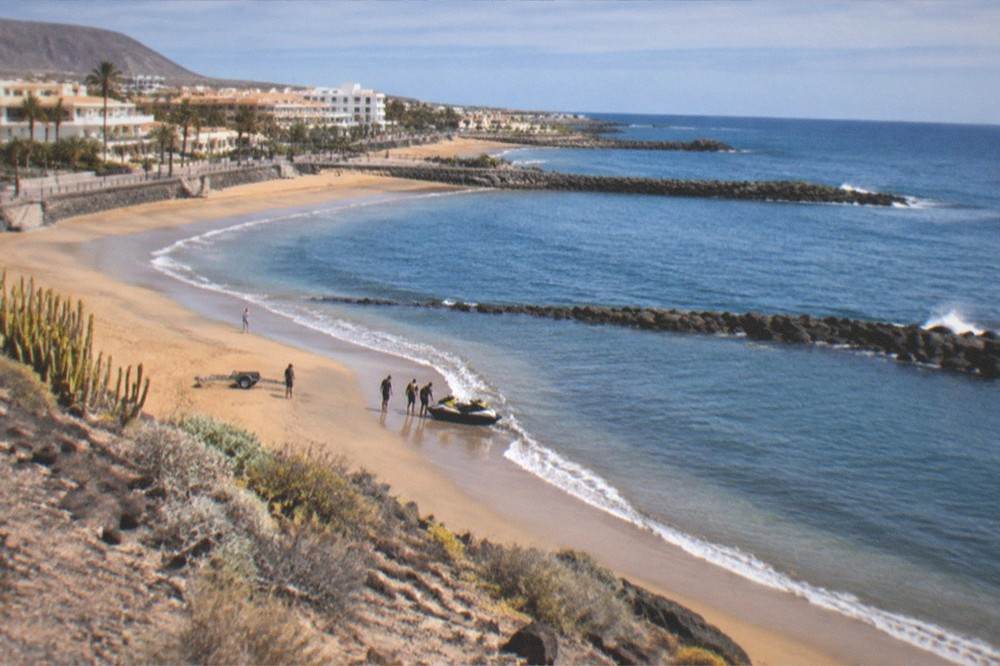
For a traveller who wants one active day in an otherwise wheels-based week, the water is where it happens: jet ski safaris run from the southern coast with guided convoys, and the operators' listings state the two durations available. Check availability on the operator's live listing, and state mobility needs at booking so the beach team can plan the launch.
Common Questions About Accessible Tenerife
Is Tenerife a good destination for wheelchair users?
Yes in the southern resorts, which are flat, modern and promenade-based, with calm breakwater beaches like Las Vistas and Fanabe. The bus and tram networks carry wheelchairs, adapted eurotaxis exist, and the big parks are paved and open year round. The limits are real: the cable car excludes several health conditions, the permit-only trails are walking routes, and the historic northern towns sit on gradients.
Which seaside town is best for disabled people?
Costa Adeje or Los Cristianos, on the flat southern strip. Las Vistas in Arona is the tourist board's golden-sand, breakwater beach, and the promenade between the resorts is continuous and level. Puerto de la Cruz is the northern alternative with Loro Parque in the same town, but it slopes between the old town and the sea.
Where to take someone with limited mobility?
The southern promenade, Las Vistas or Las Teresitas for a beach day, Siam Park or Loro Parque for a park day, a whale watching boat from Los Cristianos, and the Teide National Park viewpoints from the road, which need no booking. Avoid the permit-only trails: Masca requires a bus arrival, closed footwear and a boat exit, and Barranco del Infierno is a walking route with a quota.
Can wheelchair users ride the Tenerife cable car?
Only if they pass the operator's health rules, which exclude people with cardiovascular conditions, pregnant women and children under 3 because of the altitude, and tell anyone with a health problem to ask a doctor first. The cable car runs from 2,356 m to La Rambleta at 3,555 m and stops there; the crater beyond is a separate permit-only trail.
Is public transport free for visitors in Tenerife?
No. The 2026 subsidy covers resident passes only, on a personalised Ten+ card. Visitors pay for single tickets, the EUR 10 day travelcard or the EUR 50 seven-day travelcard, all sold at the airport ticket machines.