Winter Sun, Long Stays and Remote Work in Tenerife
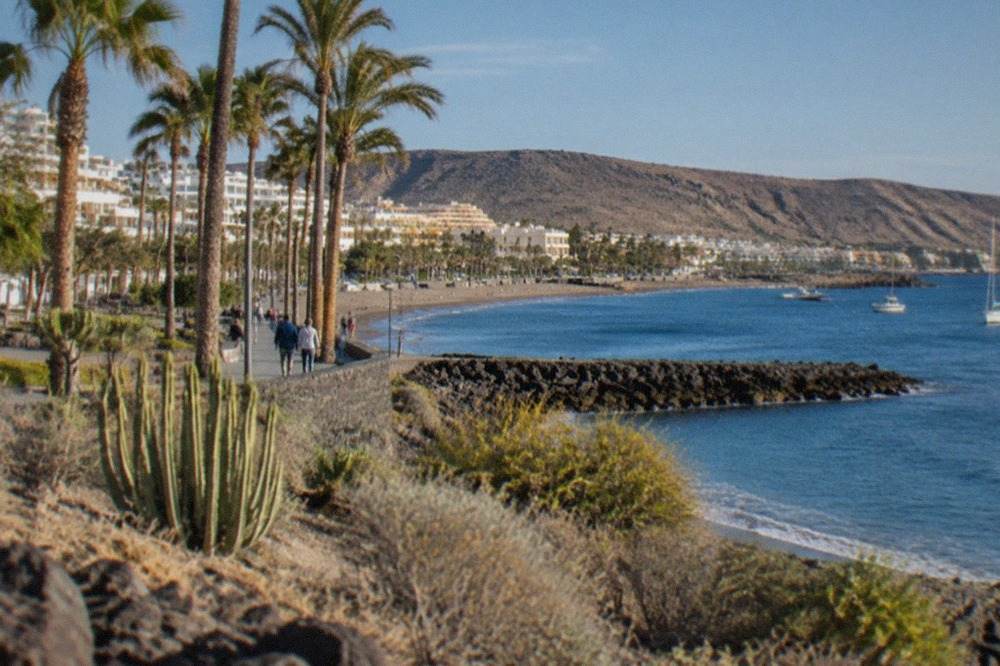
AEMET's own station data explains why winter in Tenerife splits into two islands: 132 mm of rain a year at the southern airport against 520 mm at the northern one, with January mean daily maximums of 21.7 C and 16 C respectively.
Short answer
Winter in Tenerife means beach-weather days on the south coast, jacket-cold nights at altitude, and no tourist tax. Visitors pay for buses (EUR 10 day travelcard), the Teide trail fees apply since 19 January 2026, and long-stay visitors should pick a base by the climate data, not the brochures.
A long winter stay in Tenerife is a different proposition from a summer fortnight, and the official numbers say so plainly. AEMET's climate normals put the annual rainfall at 132 mm at Tenerife South Airport against 520 mm at Tenerife North Airport, on 15.2 rain days against 64. That single contrast shapes almost every decision a winter visitor makes: which coast to base on, whether to hire a car, and how many layers to pack for the volcano. This page sets out what the verified data says about winter in Tenerife, what has changed in the rules recently, and what a month-long stay actually costs in official charges.
What Is Winter in Tenerife Actually Like?
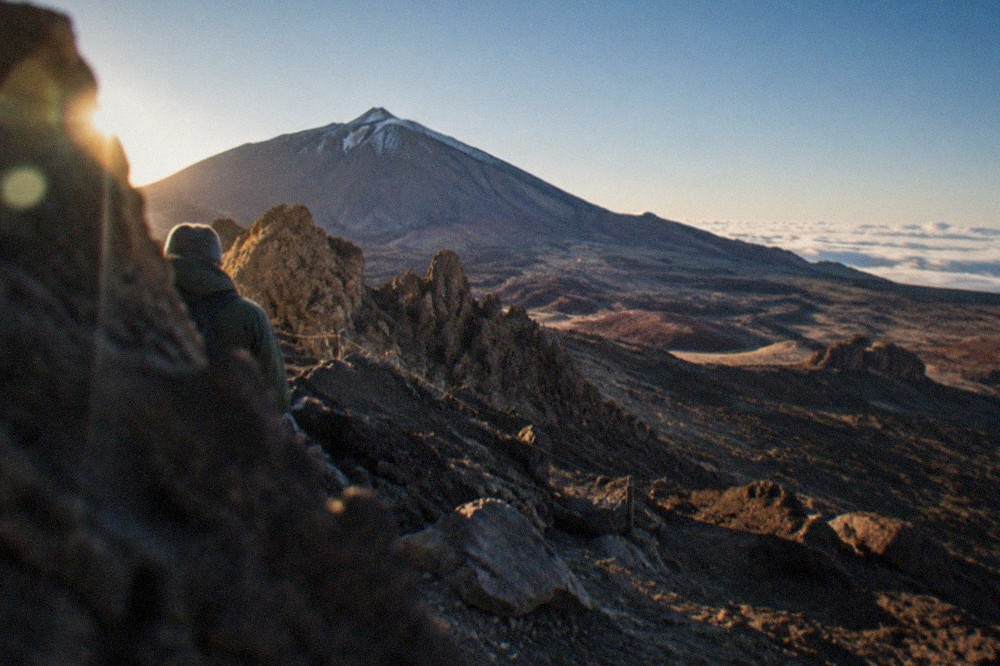
Winter in Tenerife is a tale of two climates: AEMET's normals give Tenerife South Airport a January mean daily maximum of 21.7 C and 17 mm of rain, while Tenerife North Airport at 632 m records 16 C and 80 mm in the same month. Up at Izana, on the ridge beside Teide at 2,369 m, the January mean daily maximum is 7.5 C with 47 mm of rain. The sea off the south coast stays at 19.1 to 19.9 C.
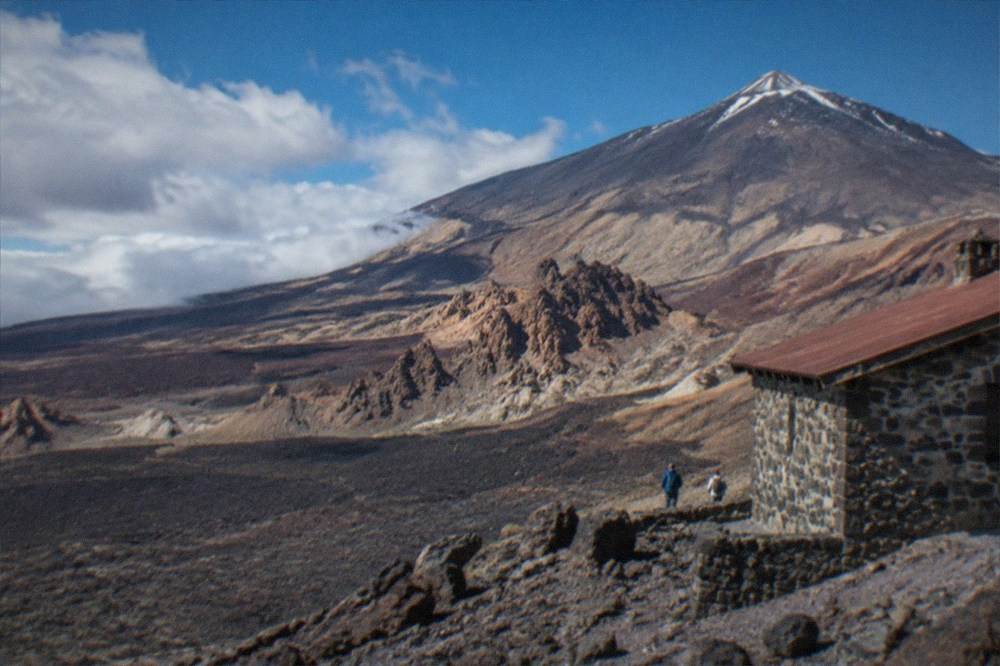
Those figures are mean daily maximums from AEMET's 1981-2010 normals, and the sea temperatures are a separate dataset, NOAA's 1991-2020 series. The practical reading is straightforward: a winter day on the Costa Adeje promenade is a shorts-and-shade day, while the same day at the Teide cable car's upper station calls for a proper jacket. The volcano's altitude does the work. The cable car climbs from 2,356 m to 3,555 m, and the operator's access rules exclude people with cardiovascular conditions, pregnant women and children under 3 precisely because of that altitude.
The winter months are also the island's busiest for arrivals. ISTAC's monthly series records 643,460 tourists arriving by air in January 2025 and 648,255 in February 2025, excluding Canary Islands residents. December is the peak of the year at 671,202. A long-stay visitor booking a winter let is competing with the high season, not a quiet one, and the month-by-month detail sits in our Tenerife Weather by Month guide.
| Month | South Airport mean daily max (C) | North Airport mean daily max (C) | South rain (mm) | North rain (mm) | Sea surface (C) |
|---|---|---|---|---|---|
| January | 21.7 | 16 | 17 | 80 | 19.9 |
| February | 22 | 16.7 | 20 | 70 | 19.2 |
| March | 23.1 | 18.2 | 15 | 61 | 19.1 |
The air figures are AEMET's 1981-2010 normals; the sea figures are NOAA's 1991-2020 series, and the two periods are not interchangeable. Note what the table does not say: it does not characterise the north as wet or the south as dry as a matter of opinion. The stations record what they record.
Where Should You Base a Winter Long Stay?
Base a winter long stay on the south coast if beach days are the priority, since the southern airport's station records 17 to 20 mm of rain across the winter months and the sea holds 19 C or better; base it in the north or La Laguna if you want green landscapes and cooler walking weather, accepting the north station's 70 to 82 mm of winter rain. Puerto de la Cruz, Santa Cruz and La Laguna each suit a different kind of stay.
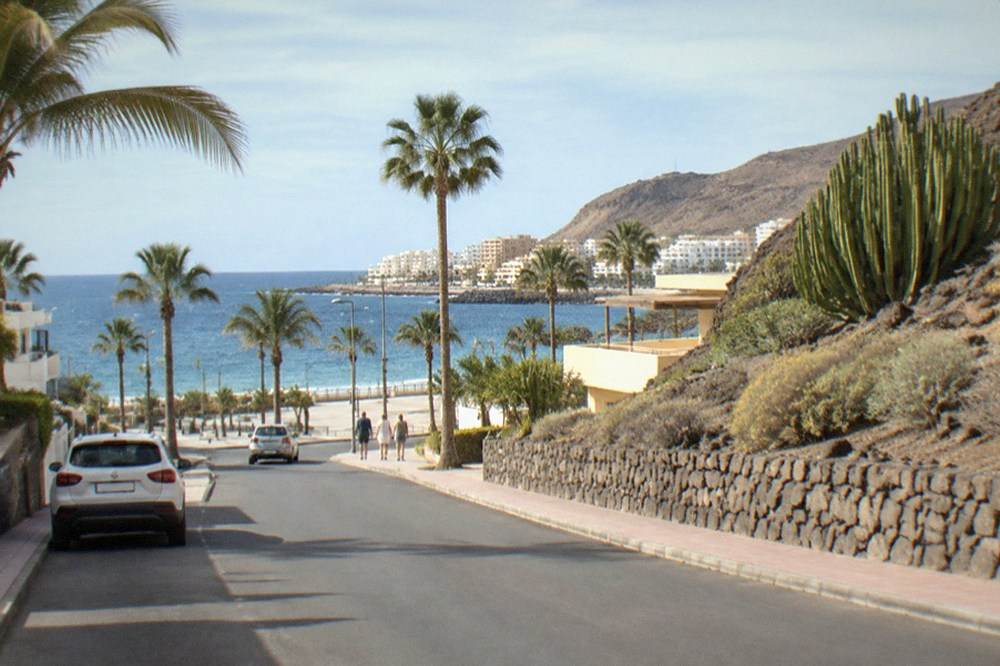
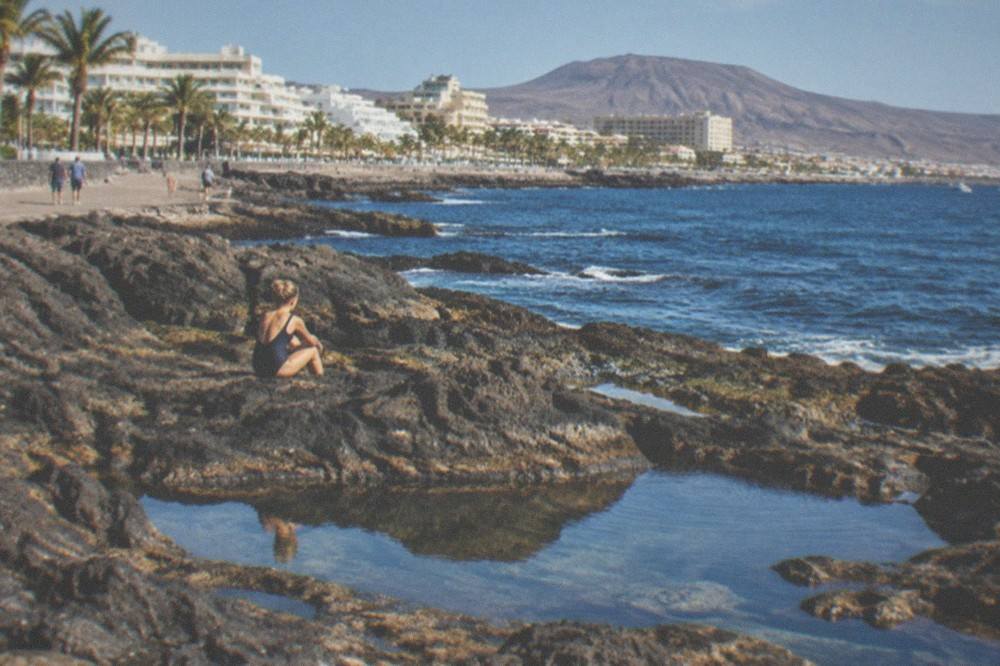
The south's resort belt runs from Los Cristianos through Costa Adeje, and the tourist board's own beach pages describe the sand there in unglamorous terms: El Duque is a grey sandy beach, Fanabe is pale sand, while Las Vistas in Arona is golden sand behind breakwaters. The beaches are swimmable all winter, and the calm-water descriptions on the board's pages are why families tend south. Our Where to Stay in Tenerife guide breaks the areas down in detail, and the Tenerife North vs South comparison covers the trade-offs for longer visits.
Long-stay visitors should know one legal fact and no more than that: the Canary Islands published Ley 6/2025, of 10 December, on the sustainable regulation of tourist use of dwellings, in the official bulletin on Friday 12 December 2025. What the law changes for a visitor booking a holiday let was not read on any official page, so nothing is claimed here. Book through a normal listing, keep the paperwork, and treat any confident summary of the law's effects on forums with caution.
For accommodation itself, a long-stay search across the island's hotels and apartments can be run through our partner search: compare winter stays across Tenerife. Rates move daily with the high season, so no figure is quoted here.
Which Tours Are Worth Booking in a Tenerife Winter?
The three winter standouts are a whale and dolphin trip from the south coast, a Teide stargazing or observatory visit, and the combined Loro Parque and Siam Park twin ticket, because all three run through the winter and none depends on summer heat. Whale watching is regulated year-round by Decreto 178/2000, the observatory runs guided visits by reservation, and both parks open every day of the year.
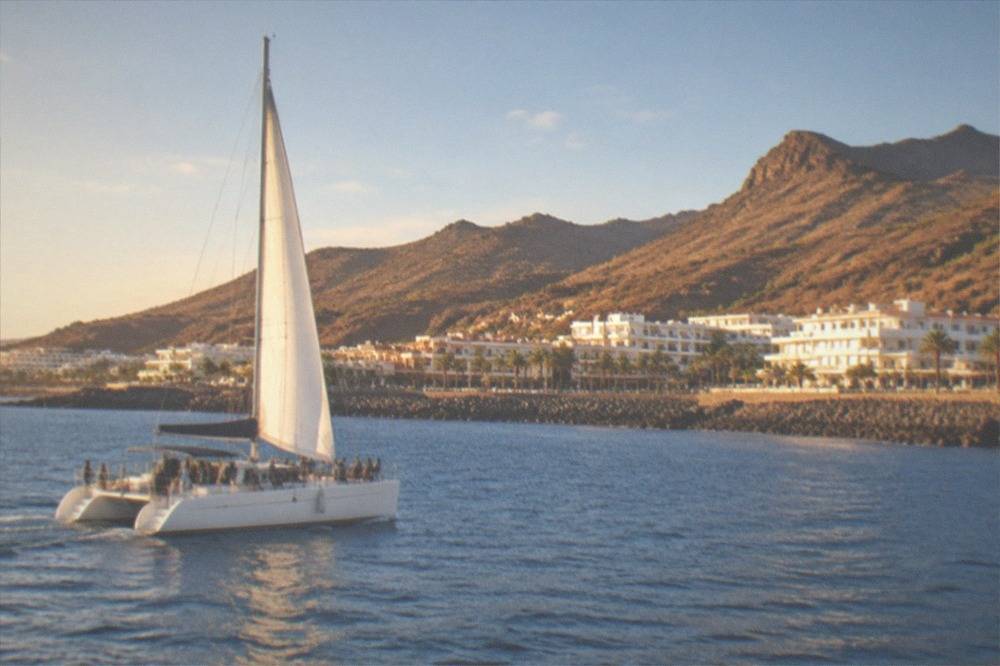
The whale watching deserves the first mention because winter changes nothing about it. The waters between Tenerife and La Gomera hold what the World Cetacean Alliance calls a unique resident population of pilot whales, plus bottlenose dolphins, inside a Special Area of Conservation. The rules come from Decreto 178/2000: no boat approaches within 60 m, at most three boats within 500 m, a 4-knot limit within 500 m, no swimming within 500 m, and no feeding, chasing or circling. Authorised boats fly the Barco Azul flag. A responsible trip is a winter trip.
The no-chase catamaran from Los Cristianos is built around those rules, with underwater windows rather than pursuit. Check availability for your dates, and read more in our Whale and Dolphin Watching roundup.
Teide is the other winter constant. The cable car's standard hours run 09:00 to 17:00 in the early part of the year, and a return ticket for a non-resident adult is listed from EUR 42 by the operator. Above the cable car, the summit trail PNT 10 Telesforo Bravo needs a personal reservation on Tenerife ON, and since Monday 19 January 2026 the 09:00 to 17:00 slots cost EUR 15 for visitors, EUR 6 for residents of the other Canary Islands, and nothing for Tenerife residents and children. The permit is booked on Tenerife ON, not on the old national parks site. Our Teide Summit Permit guide carries the full procedure.
Winter nights are the stargazing season, and the credentials are official: the Starlight Foundation lists El Teide as a Starlight Tourist Destination and the Cumbres de Tenerife as a Starlight Reserve, both since October 2013. The Teide Observatory at Izana runs guided visits by prior reservation only, with under-16s free and a resident discount; its page has carried fully booked notices, so a long-stay visitor has the advantage of flexible dates. A small-group observatory tour is the easiest structure:
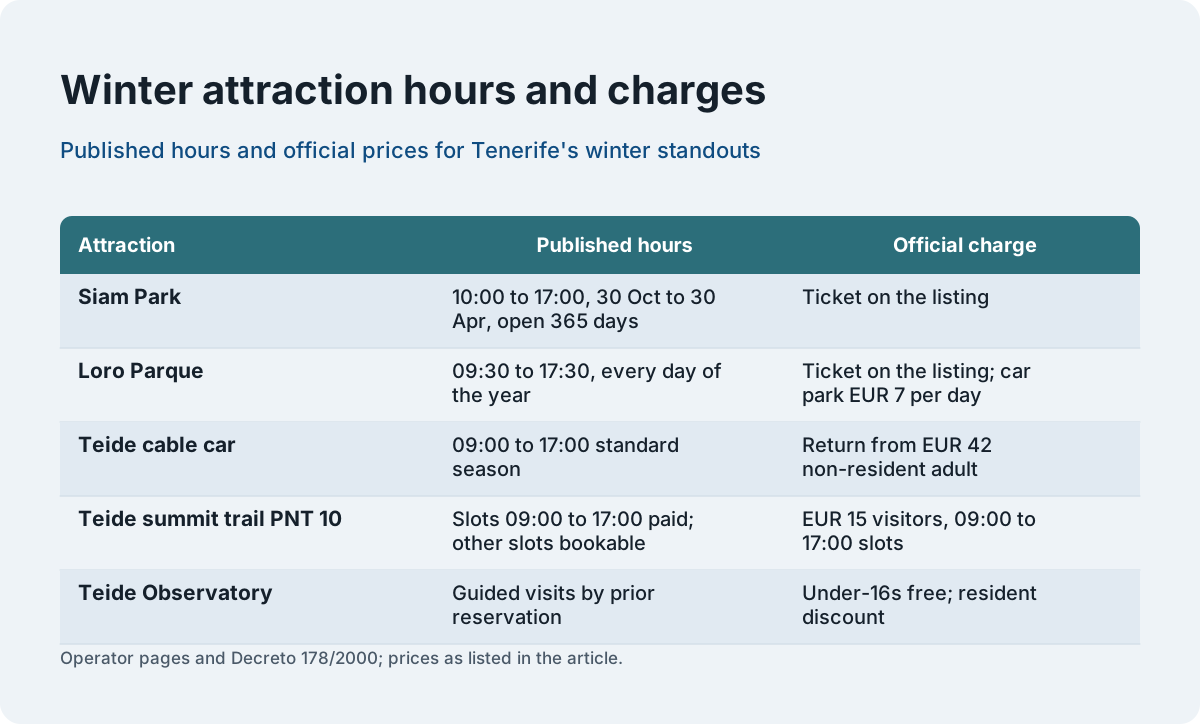
For the parks, the hours are published and winter-proof. Siam Park opens 365 days a year, 10:00 to 17:00 from 30 October to 30 April. Loro Parque opens 09:30 to 17:30 every day, with its own car park at EUR 7 a day. A twin ticket covering both is the standard money-saver for a stay long enough to use them:
| Winter attraction | Published hours | Official charge |
|---|---|---|
| Siam Park | 10:00 to 17:00, 30 Oct to 30 Apr, open 365 days | Day ticket, current price on the card above |
| Loro Parque | 09:30 to 17:30, every day of the year | Day ticket, current price on the card above; car park EUR 7 per day |
| Teide cable car | 09:00 to 17:00 standard season | Return from EUR 42 non-resident adult |
| Teide summit trail PNT 10 | Slots 09:00 to 17:00 paid; 06:00 to 09:00 and 18:00 to 22:00 bookable | EUR 15 visitors, 09:00 to 17:00 slots |
| Teide Observatory | Guided visits by prior reservation | Under-16s free; resident discount |
How Do You Get Around During a Long Stay?
Visitors pay for public transport in Tenerife: single tickets priced by route, a EUR 10 day travelcard or a EUR 50 seven-day travelcard, sold at airport ticket machines. The 2026 100% fare subsidy applies to resident passes only, held on a personalised Ten+ card, so a long-stay visitor without Canary residency buys the visitor products. The tram costs EUR 1.35 a single on a transit pass.
The free-transport headlines that circulate each year describe the Canary government's subsidy for residents, in force since 1 January 2026 under Real Decreto-ley 17/2025. Residency is the qualifying condition on every subsidised pass, and the Teide and Teno bus lines are excluded from the resident passes anyway. A visitor planning a car-free month should read our Tenerife Buses (TITSA) guide and the wider Getting Around Tenerife overview.
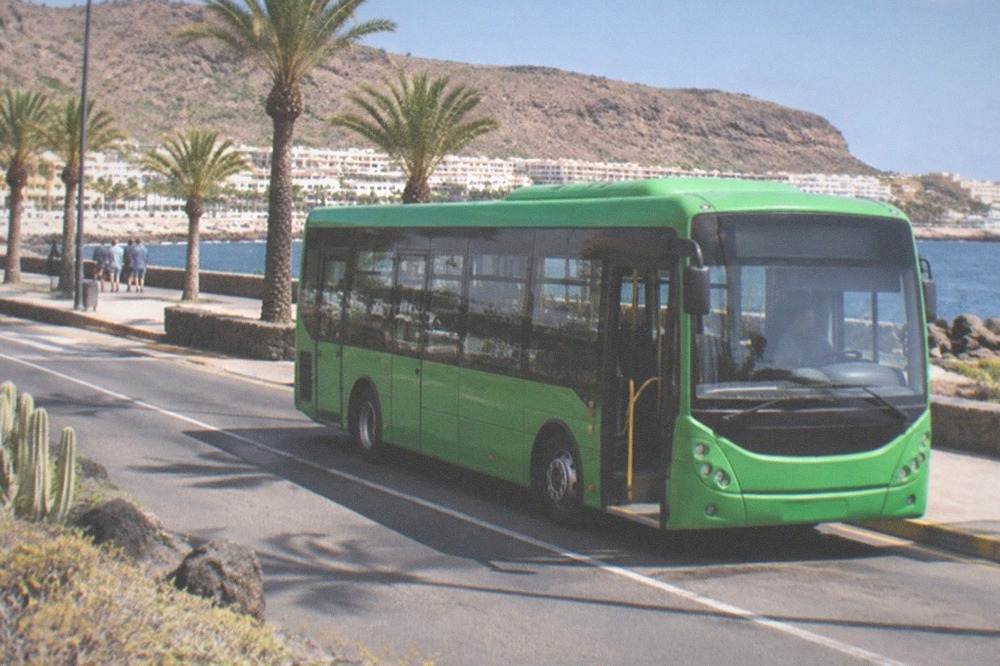
For a month-long stay, the arithmetic between travelcards and Car Hire in Tenerife depends on where you base. The south's resort belt is walkable and served by the airport lines TITSA lists at Tenerife South: 10 to Santa Cruz, 40 to Costa Adeje via Los Cristianos, the 711 night bus, the 343 express to Puerto de la Cruz via both airports, and 415 to El Fraile and San Isidro. At Tenerife North, TITSA lists lines 20, 30 and 343. No tram serves either airport, and Metrotenerife's fares page says nothing that would suggest otherwise.
| TITSA product | Price | Notes |
|---|---|---|
| Single ticket | Priced by route | Card or cash |
| Same-day return | 10% off | Trips of 20 km or more |
| Day Travelcard | EUR 10 | Visitor product |
| 7 Day Travelcard | EUR 50 | Visitor product |
| Ten+ card | EUR 2 | Top-ups EUR 2 to EUR 100 |
| Tram single (Metrotenerife) | EUR 1.35 | EUR 1.10 by mobile |
Can You Work Remotely from Tenerife for the Winter?
Yes, within the Schengen rules that apply to any non-EU visitor: UK and US nationals entering on short stays are now registered under the Entry/Exit System, which replaced passport stamping and records a facial image and fingerprints. ETIAS is not in operation, the EU collects no travel authorisation applications at this point, and no start date has been announced. Connectivity on the island is a practical question, not a legal one.
The Entry/Exit System began on 12 October 2025 and has been fully operational since 10 April 2026. That is the whole of the border fact a remote worker needs. On ETIAS, the EU's own page says it "is currently not in operation and no applications for travel authorisations are collected at this point", with the start date to be announced several months ahead and a fee set at EUR 20. Any page selling an ETIAS application today is selling something that does not exist. The full index of guides sits on Tenerife Travel Guide.
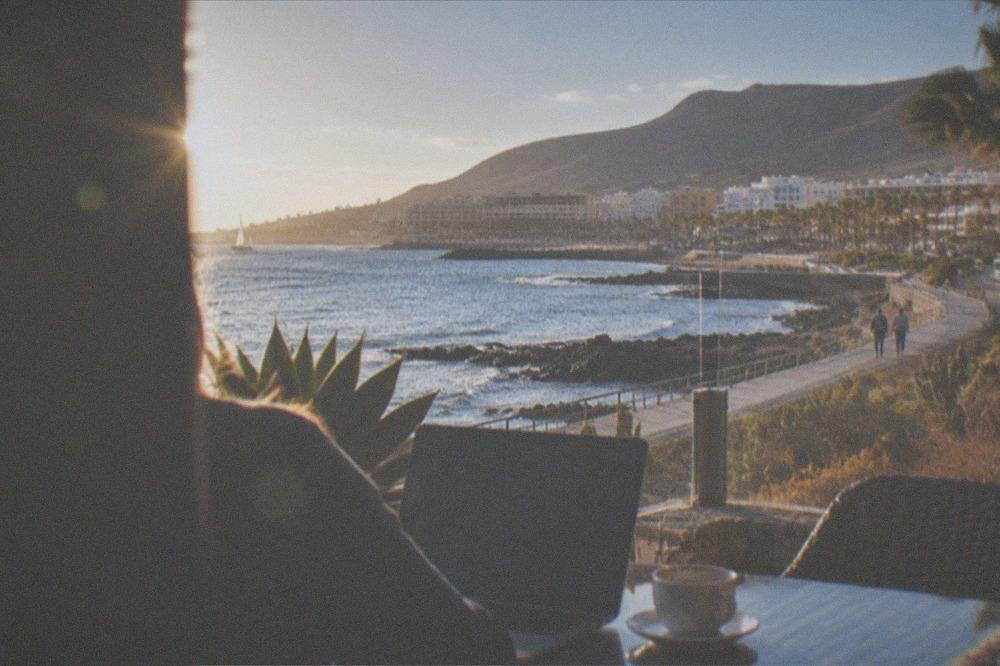
For connectivity, a Spain eSIM can be arranged before arrival through our partner: look at eSIM options for Spain. The plugs, wifi and SIM landscape is covered in our eSIM, WiFi and Plugs guide. One honest caution for anyone planning calls from a south-coast apartment: nothing in the verified facts speaks to broadband speeds at any individual property, so check the listing's own speed test rather than any island-wide claim.
The time difference is friendly for European colleagues and workable for North America: our Time Difference answer covers the UK case in full. For the social side of a solo winter, the Solo Travel guide and the free, tip-based GuruWalk walking tours are worth a look; the historic-centre walk in Santa Cruz runs about two hours and costs nothing to join.
What Does a Winter Month Cost in Official Charges?
The fixed official charges a winter visitor can meet are the Teide trail fees (EUR 15 for visitors on PNT 10's 09:00 to 17:00 slots, EUR 6 to EUR 10 on PNT 07), the Masca gorge ticket at EUR 40.66, the Barranco del Infierno ticket at EUR 15 for a non-resident adult, and the visitor travelcards at EUR 10 a day or EUR 50 for seven days. There is no per-night tourist tax on Tenerife.
No official page shows a lodging tax in force or approved on Tenerife. That is a plain fact worth stating because so many pages imply otherwise. The charges that do exist are per-booking fees on specific trails and sites, all listed in the table below, and none of them touches an ordinary beach day or a drive through the national park, which carries no entry fee on any page read.
| Official charge | Visitor price | Who pays nothing |
|---|---|---|
| Teide summit trail PNT 10, 09:00 to 17:00 | EUR 15 | Tenerife residents and children |
| Teide trail PNT 07, working days | EUR 6 | Tenerife residents |
| Teide trail PNT 07, weekends and holidays | EUR 10 | Tenerife residents |
| Masca gorge descent | EUR 40.66, boat extra | Tenerife residents |
| Barranco del Infierno | EUR 15 | Under-5s not admitted; child ticket 5 to 12 |
| National park entry, viewpoints, driving | No charge listed | All visitors |
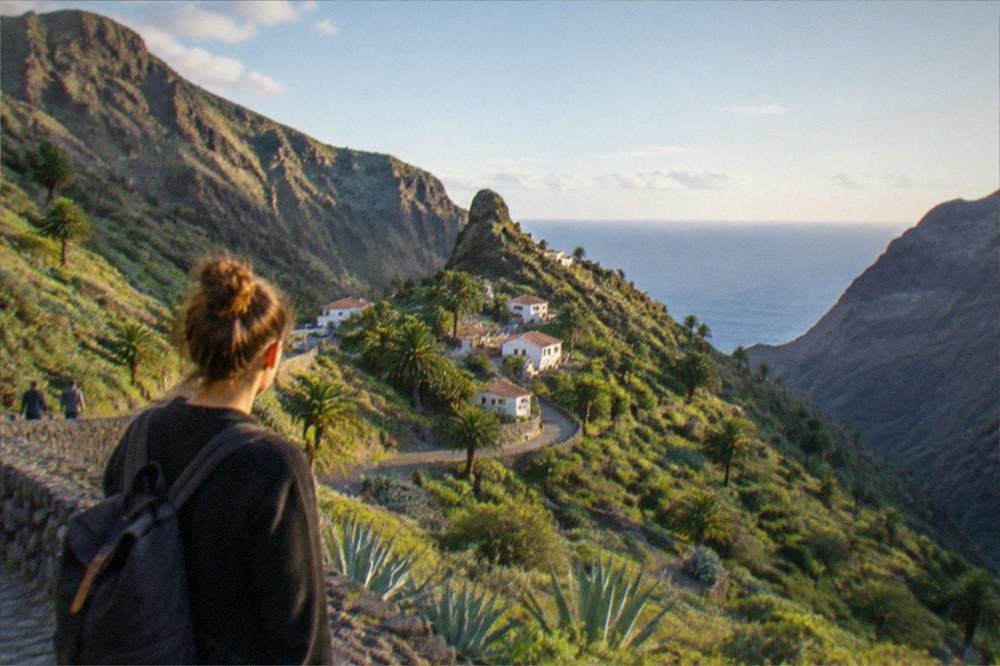
Two conditions matter on the paid trails. Bookings are non-refundable, with no change of date, slot or names, refunded only if the trail closes or the cable car is not operating; and failing to use a booking can bar a user from new applications for three months. The Masca descent has its own regime: arrival on TITSA line 355 from Santiago del Teide is compulsory, private vehicles are refused, closed mountain footwear is a condition of entry, and the boat ticket must be booked in advance for no later than four hours after the descent slot.
What Rules Changed Recently That a Winter Visitor Should Know?
Three changes matter: the Teide trail fees apply since 19 January 2026, the Entry/Exit System has been fully operational since 10 April 2026, and smoking is banned in every open-air space of Teide National Park, car parks included. Permits for the summit trail are released every Monday at 07:00 Canary time, keeping 56 days bookable, so a long-stay visitor can watch the release weeks ahead.
The smoking ban is the one that catches people at the viewpoints. The Cabildo's measure covers trails, viewpoints, car parks and recreation areas as a wildfire precaution, and bookings can be suspended for fire risk or weather alerts, so checking Tenerife ON's alerts before a walk is part of the routine. In winter, ice and snow on the stratovolcano trails trigger a mandatory equipment list of crampons and ice axe plus a signed declaration.
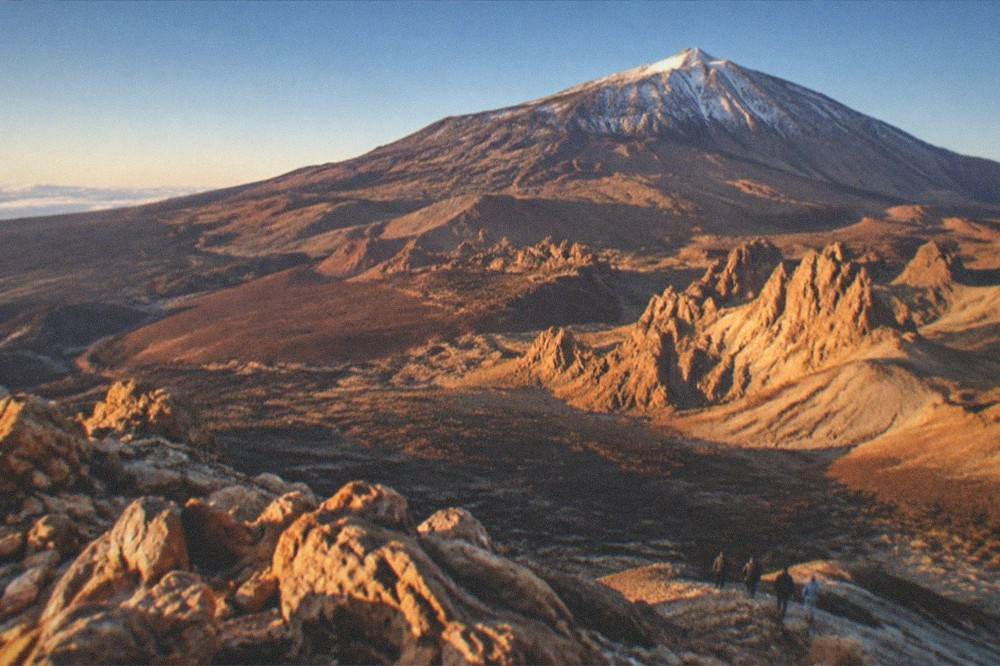
The Altavista refuge on Teide has reopened after refurbishment with 49 beds and takes prior reservations, which matters to the small number of long-stay hikers planning a sunrise summit. The refuge is a support point, not a permit substitute; the summit reservation on Tenerife ON is its own requirement. A guided summit hike bundles the logistics:
How Do You Fill the Weeks Beyond the Beach?
A winter month fills easily with the island's fee-free layer: the viewpoints and trails of Teide National Park, the old towns of La Laguna and Garachico, the beaches from Las Teresitas to Las Vistas, and the permit-free Anaga trails the Cabildo names, Bosque de los Enigmas and Pista de Las Hiedras. The paid layer, from whale trips to stargazing, slots around them.
The north suits the filler days best. Garachico's natural pools sit in a town the tourist board records as buried almost entirely by the Trevejo volcano's 1706 eruption, and La Laguna holds UNESCO World Heritage status with a colonial layout that provided the model for towns in the Americas. The Drago Milenario in Icod de los Vinos is a National Monument of 1917, about 21 m tall, with an age of 800 to 1,000 years attributed to it by the two official sources, an estimate and nothing firmer.
The month-by-month guides carry the detail for whichever weeks you choose: Tenerife in January, Tenerife in February and Tenerife in March, plus the autumn planning pages for anyone arriving early. For a structured fortnight, the 3 Days in Tenerife and 7 Days in Tenerife itineraries can be stretched to a month at a slower pace, and the Rainy Day in Tenerife itinerary covers the north-coast wet days the statistics promise.
Common Questions About Winter in Tenerife
Is Tenerife warm enough to swim in winter?
The sea surface off the south coast runs 19.1 to 19.9 C in January to March in NOAA's 1991-2020 series, and the air at Tenerife South Airport has a January mean daily maximum of 21.7 C. Swimmers used to Mediterranean winters will find it mild; the AEMET air normals and the NOAA sea series are different datasets and are never mixed into one figure.
Is winter the rainy season in Tenerife?
Winter is the wettest part of the year but the totals are small in the south: 17 mm in January at Tenerife South Airport against 80 mm at Tenerife North Airport in AEMET's normals. The north is genuinely wet in winter, with 70 to 82 mm a month and 7 to 9 rain days, so the answer depends entirely on which coast you choose.
Do I need to book the Teide summit permit months ahead for a winter visit?
Tenerife ON releases a new week of slots every Monday at 07:00 Canary time, keeping 56 days bookable at all times. No official page gives a sell-out speed, so no lead time is claimed here. A long-stay visitor has the advantage of watching several Monday releases and picking a clear-weather day.
Is there a tourist tax on a long stay in Tenerife?
No official page shows a per-night lodging tax in force or approved on Tenerife. The charges that do exist are per-booking fees on specific sites: the Teide trail fees, the Masca gorge ticket at EUR 40.66 and the Barranco del Infierno ticket at EUR 15 for a non-resident adult.
Can I use the free Tenerife buses as a visitor?
No. The 2026 100% subsidy applies to resident passes held on a personalised Ten+ card, and every subsidised pass requires Canary residency. Visitors buy single tickets, the EUR 10 day travelcard or the EUR 50 seven-day travelcard, sold at the airport ticket machines.
The winter case for Tenerife rests on numbers rather than brochures, and the numbers hold up: beach-weather maximums on the south coast, a sea that never drops below 19 C, a volcano that supplies the cold nights a sun-and-sea holiday lacks, and an official fee structure a visitor can total in advance. Pick your coast by the rainfall table, book the whale trip and the observatory around the weather, and let the Mondays bring the permits.