Tenerife in March: Weather, Sea Temperature and What to Do
March sits between the wetter winter months and the hot summer, and the official climate normals show an island already warm at the coast while the high volcano stays cold enough for ice.
Short answer
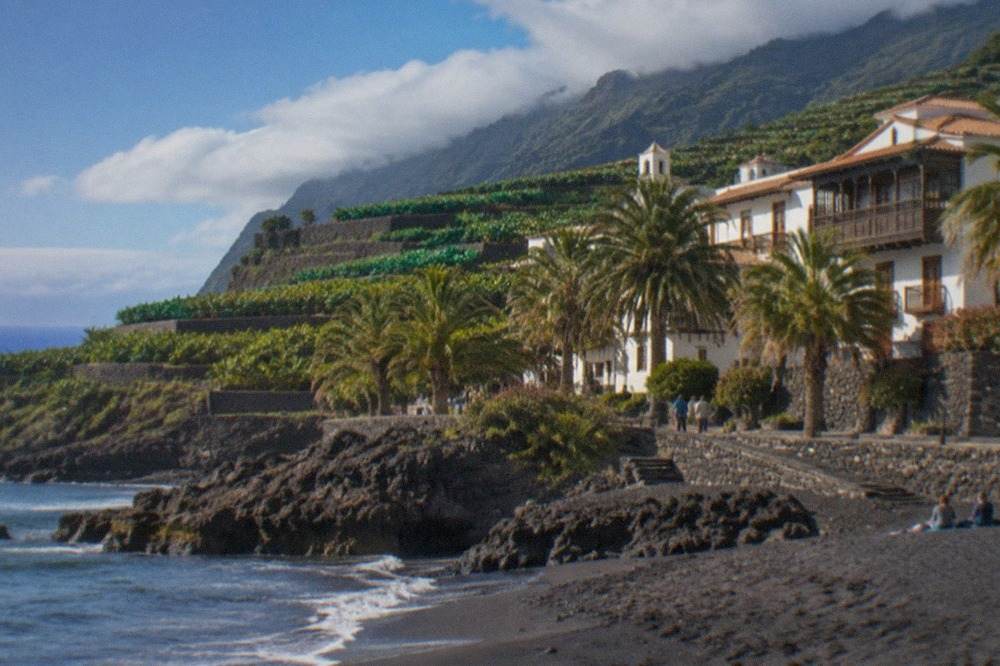
AEMET's 1981-2010 normals put March at 22.1 C mean daily maximum and 15.9 C minimum in Santa Cruz, with 38 mm of rain on 3.8 days. The sea off the south coast averages 19.1 C, and Teide's upper slopes stay near freezing at night.
March is the month when Tenerife's two climates pull hardest against each other. AEMET's climate normals, covering 1981 to 2010, record a mean daily maximum of 22.1 C in Santa Cruz de Tenerife, while the station at Izana, on the observatory ridge beside Mount Teide at 2,369 m, records a mean daily maximum of just 10.2 C and a mean minimum of 2.7 C. The same month, the same island, and roughly twenty degrees between the harbour and the high volcano. This page sets out what the official station records say about March, what they mean for swimming and sunbathing, and what the island offers while the spring season is still building. The fuller month-by-month picture, including the summer figures, is in the Tenerife weather by month guide.
Is Tenerife Hot Enough in March?
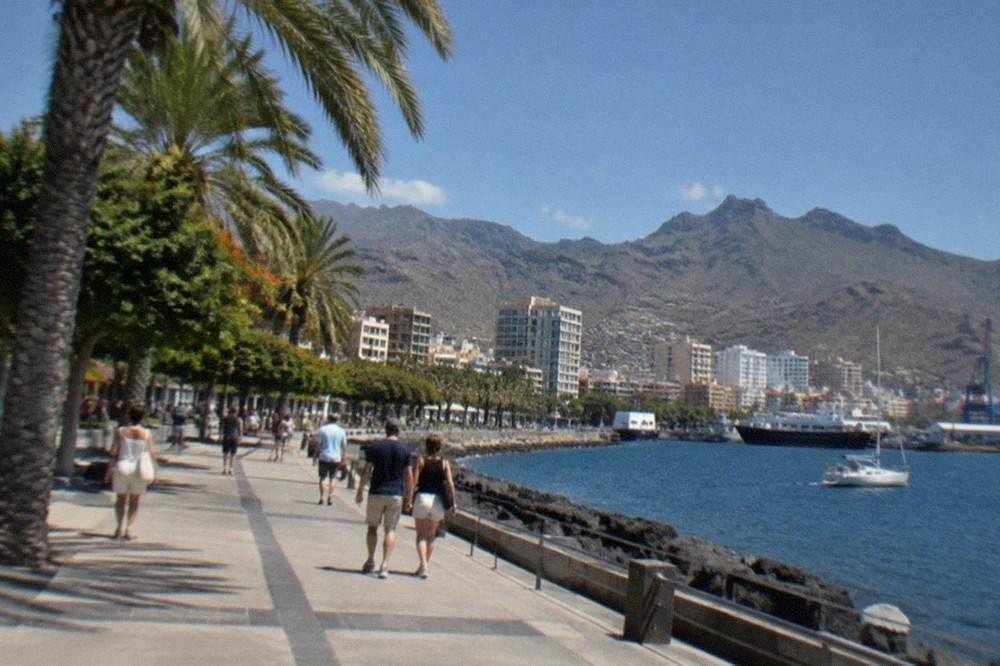
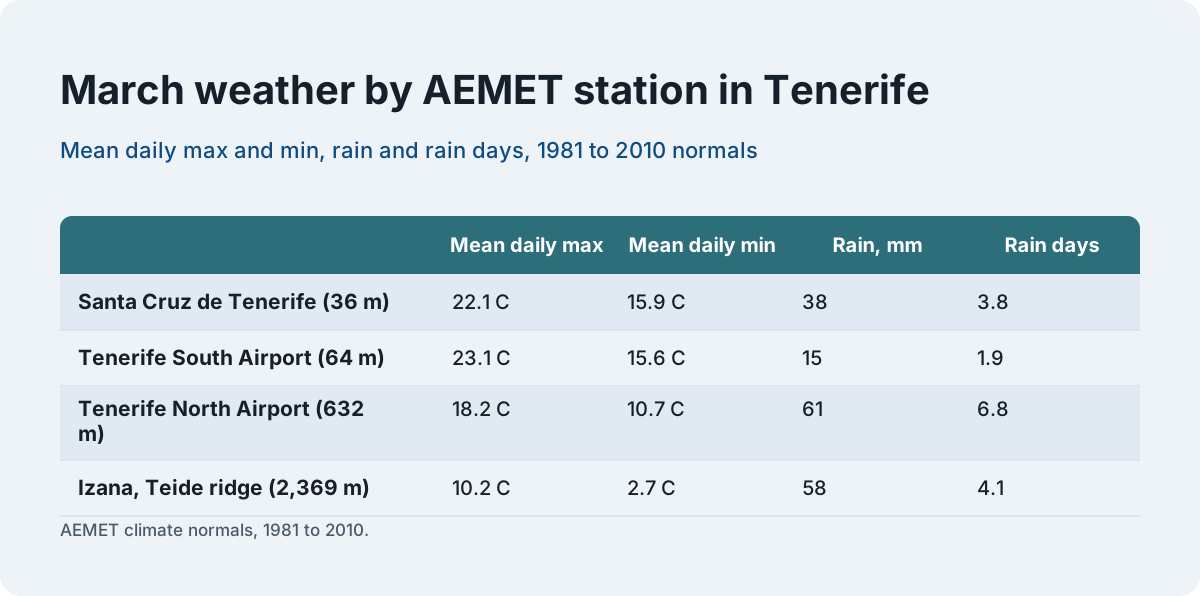
At the coast, yes, by the standards of anywhere in Europe north of the Canaries: AEMET's 1981-2010 normals give March a mean daily maximum of 22.1 C in Santa Cruz and 23.1 C at Tenerife South Airport, with mean daily minimums of 15.9 C and 15.6 C. The north airport station is cooler at 18.2 C maximum and 10.7 C minimum, and Izana records 10.2 C and 2.7 C. March is warm on the coast and still winter on the mountain.
Those figures are mean daily maximums and minimums, not the average of day and night, and they are worth reading carefully. A mean maximum of 22.1 C in Santa Cruz means a typical March afternoon sits in the low twenties, not that every afternoon does. The minimums matter just as much for packing: 15.9 C overnight in Santa Cruz is mild, but 10.7 C at Tenerife North Airport, which stands at 632 m near La Laguna, means the north of the island can feel properly cool after dark.
The station table shows the whole spread at once.
| AEMET station (altitude) | Mean daily max | Mean daily min | Rain, mm | Days with 1 mm or more | Sunshine hours |
|---|---|---|---|---|---|
| Santa Cruz de Tenerife (36 m) | 22.1 C | 15.9 C | 38 | 3.8 | 221 |
| Tenerife South Airport (64 m) | 23.1 C | 15.6 C | 15 | 1.9 | 226 |
| Tenerife North Airport (632 m) | 18.2 C | 10.7 C | 61 | 6.8 | 188 |
| Izana, Teide ridge (2,369 m) | 10.2 C | 2.7 C | 58 | 4.1 | 260 |
The normals cover 1981 to 2010, and they describe averages, not a forecast. What they do establish is the shape of the month: the south coast is the warmest and driest of the four stations, the north airport is the wettest, and the high ridge around Teide is a different climate zone altogether, with more sunshine hours than the coast because it often sits above the cloud layer. If you are choosing between the two halves of the island, the north versus south comparison works through what that difference means in practice.
What's the Weather Like in Tenerife in March?
March is a dry month on the south coast and a wet one in the north: the normals record 15 mm of rain on 1.9 days at Tenerife South Airport against 61 mm on 6.8 days at Tenerife North Airport, with Santa Cruz between them at 38 mm on 3.8 days. Sunshine runs from 226 hours at the south airport to 188 hours at the north airport, so a typical March day is mostly sunny at every station.
The rainfall split is the single most useful March fact for a visitor. A week in Costa Adeje or Los Cristianos can easily pass without rain, because the south airport station averages fewer than two rain days in the whole month. The same month at Los Rodeos, the north airport site, averages nearly seven. Neither figure says what your week will do, but they explain why the north is green and the south is arid, and they tell you where a rain jacket is a reasonable thing to pack.
March also sits on the shoulder of the Carnival season. The official programme for the 2027 Carnival places the Queen's Election Gala on 17 February and the Piñata weekend on 26 to 27 February, with the second Daytime Carnival on 27 February, so the main Santa Cruz celebrations fall before March begins in that year. The theme for 2027 is "Roma: El imperio del Carnaval", published by the Carnival's own site. If Carnival is the reason for a trip, plan around February, not March.
With the weather settled into mostly sunny and warm afternoons, March is a strong month for the island's two biggest draws: the sea life off the southwest coast and the volcanic interior. These are the three most-booked experiences for the season, and the cards carry the live prices.
Can I Swim in Tenerife in March?
Yes, with realistic expectations: the sea surface off the south coast averages 19.1 C in March in the NOAA 1991-2020 dataset, cool rather than warm, and the air normals are measured over a different period, 1981-2010, so the two should not be blended. Pools heat faster than the ocean, and the southwest coast is where March swimming is most comfortable.
Nineteen degrees is swimmable, and plenty of visitors do swim in it, but it is not the 23 C of September or the 23.1 C of August. The sea warms steadily from March's low point, so the difference between early and late March is real even inside one month.
| Month | Sea surface off the south coast |
|---|---|
| January | 19.9 C |
| February | 19.2 C |
| March | 19.1 C |
| April | 19.5 C |
| May | 20.2 C |
| June | 21.4 C |
March is the coolest month in that series, fractionally below February, and the recovery begins in April. The figures come from the NOAA OISST dataset for 1991-2020, a different dataset and period from the AEMET air normals, so the two are always labelled separately on this site. The broader question of sea conditions across the year is covered in can you swim in the sea in Tenerife.
A boat trip with a swim stop is a good way to handle the temperature, because the boat does the travelling and the swim is a short one. The whale and dolphin cruises from Los Gigantes run along the cliffs the tourist board describes as tower up to 600 m high, and a two-hour cruise with a swim stop suits a March day well.
If a boat is on your list, the cruise below runs from Los Gigantes with a swim stop built in.
Is It Warm Enough to Sunbathe in Tenerife in March?
Yes, on most days and especially on the south and southwest coasts: the normals give 23.1 C as the mean daily maximum at Tenerife South Airport in March with 226 sunshine hours, against 295 hours in July, and Santa Cruz records 221 hours. Sunbathing is a normal March activity on the coast, while the mountain stays cold and the north is changeable.
The sunshine numbers deserve a second look. Averages across the four stations range from 188 to 260 hours in March, which is six to eight hours of sun a day. The Izana figure, 260 hours, is higher than the south airport's 226, because the Teide ridge often sits above the trade-wind clouds that gather on the north slopes. That is why March is a good month for the national park: clear skies above, and a cloud sea below.
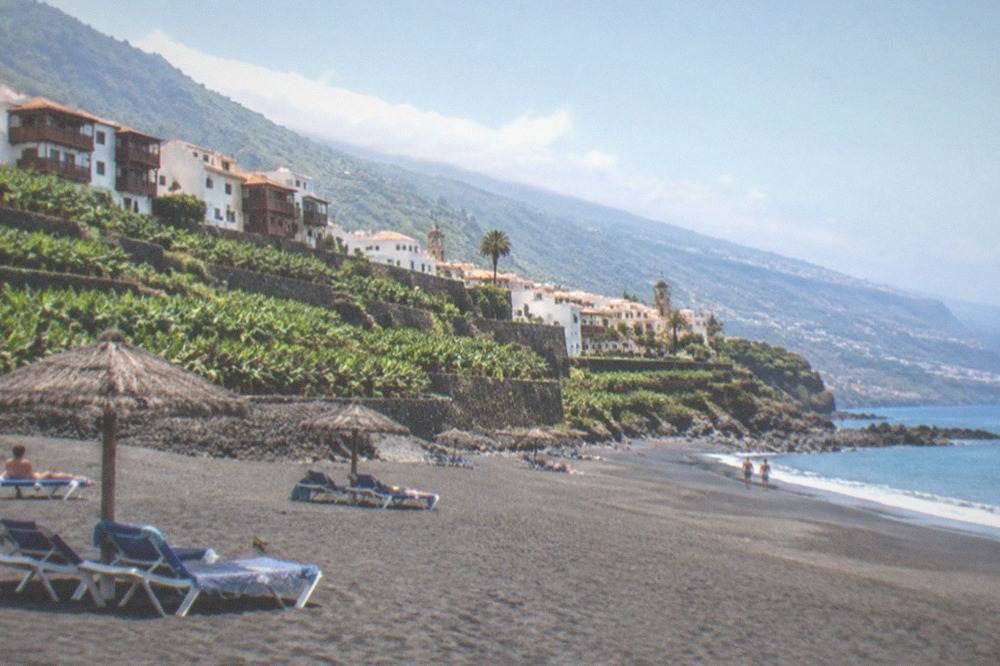
The practical advice is simple. Book beaches and boat days for the south coast, where rain days average 1.9 for the month. Keep a layer for the evening everywhere, because a 15.6 C minimum feels cool in shorts. And if a day turns grey, which the north airport's 6.8 rain days say it sometimes does, the island has indoor options, from Loro Parque to the museums of Santa Cruz and La Laguna.
How Hot Is Tenerife in March Compared with the Rest of Spring?
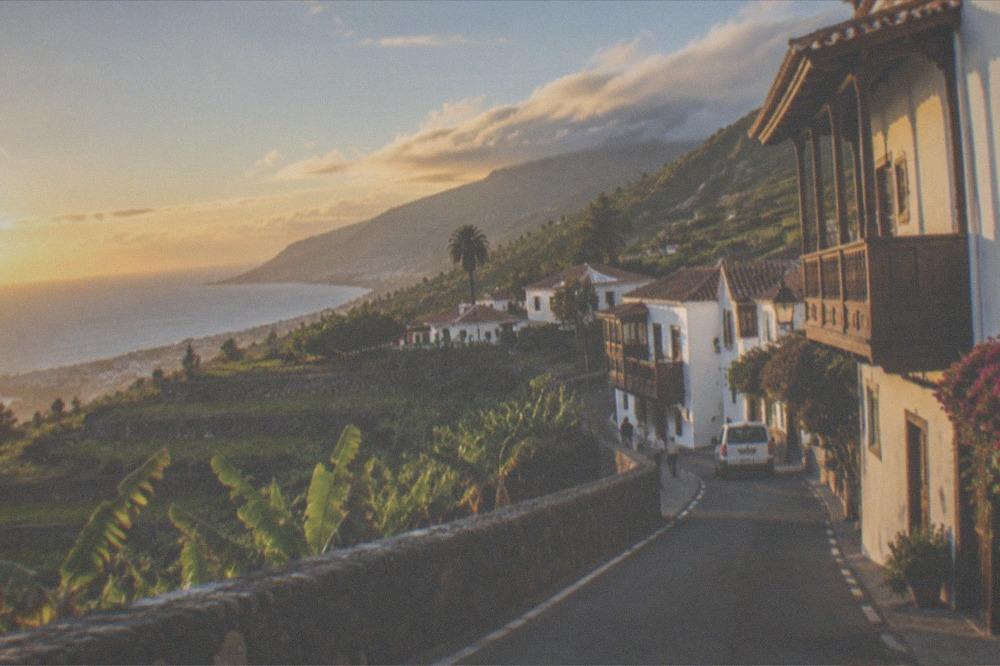
March is a step warmer than February and a step cooler than April at every coastal station: Santa Cruz mean daily maximums run 21.0 C in January, 21.2 C in February, 22.1 C in March, 22.7 C in April and 24.1 C in May, with minimums climbing from 15.4 C to 17.8 C over the same stretch. March sits in the middle of a steady spring climb, not at a peak.
| Month | Santa Cruz mean daily max | Santa Cruz mean daily min | South airport mean daily max | Rain, Santa Cruz |
|---|---|---|---|---|
| January | 21.0 C | 15.4 C | 21.7 C | 32 mm |
| February | 21.2 C | 15.3 C | 22.0 C | 35 mm |
| March | 22.1 C | 15.9 C | 23.1 C | 38 mm |
| April | 22.7 C | 16.5 C | 23.1 C | 12 mm |
| May | 24.1 C | 17.8 C | 23.9 C | 4 mm |
Two things stand out in that table. First, the coastal temperature curve is gentle: March is barely two degrees behind May at the maximum. Second, rainfall does not fall in a straight line, since March's 38 mm in Santa Cruz is higher than February's 35 mm, and the real drop comes in April. March is not the driest month of the first half of the year, and the Tenerife in April and Tenerife in February pages carry the neighbouring months in full.
What Is Mount Teide Like in March?
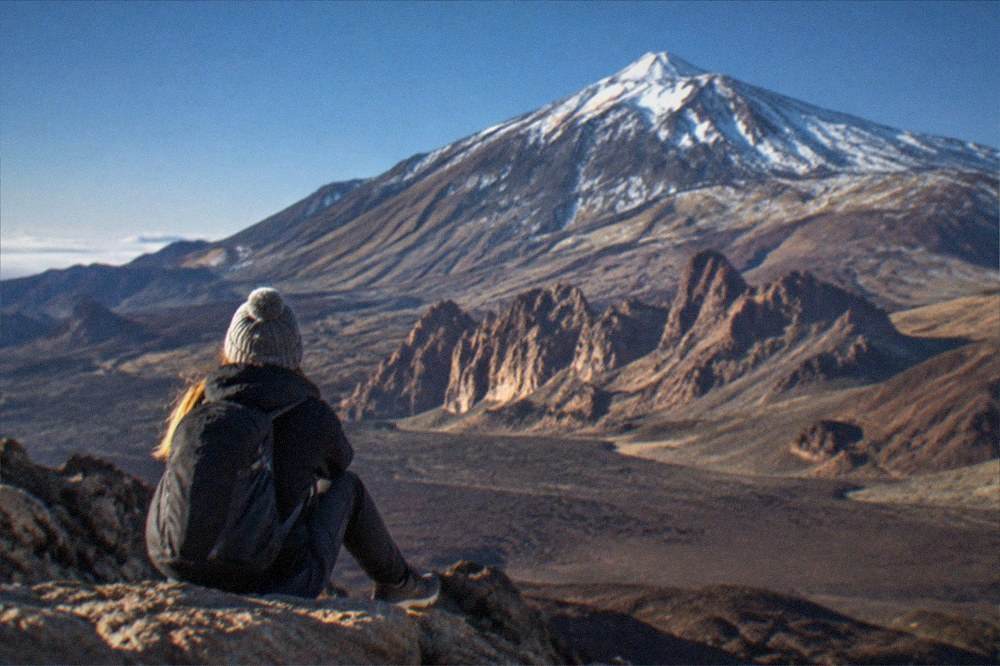
Cold, and occasionally wintry: the Izana station at 2,369 m records a March mean daily maximum of 10.2 C and a minimum of 2.7 C, with 58 mm of rain over 4.1 days, and Tenerife ON's rules add mandatory crampons and an ice axe to the stratovolcano trails when ice and snow are present, plus a signed declaration. The summit trail PNT 10 needs a personal reservation on Tenerife ON.
March is one of the months when the national park can hold snow, and the island's rules treat it that way. The smoking ban covers every open-air space of the park, car parks included. The cable car runs from the base station at 2,356 m to La Rambleta at 3,555 m, and the operator refuses the ride to people with cardiovascular conditions, pregnant women and children under 3. The crater beyond La Rambleta is a separate permit-only trail, and the operator's own guide is explicit that the cable car does not reach the summit.
The fee regime for the two booked trails, in force since Monday 19 January 2026, is worth knowing before you plan a March hike.
| Trail and slot | Tenerife residents | Other Canary residents | All other users |
|---|---|---|---|
| PNT 10 Telesforo Bravo, 09:00 to 17:00 slots | EUR 0 | EUR 6 | EUR 15 |
| PNT 07 Montana Blanca, 09:00 to 17:00, working days | EUR 0 | EUR 3 | EUR 6 |
| PNT 07 Montana Blanca, weekends and public holidays | EUR 0 | EUR 5 | EUR 10 |
Children are exempt from the fee, and the booking page shows the age band that applies, since the official page gives two different cut-offs. Permits are released every Monday at 07:00 Canary time, with 56 days always bookable, and no official page states how fast they sell out, so this site does not either. Bookings are non-refundable, and a no-show can bar a user from new applications for three months. The full permit detail, including the out-of-hours sunrise and sunset slots, is in the Teide summit permit guide.
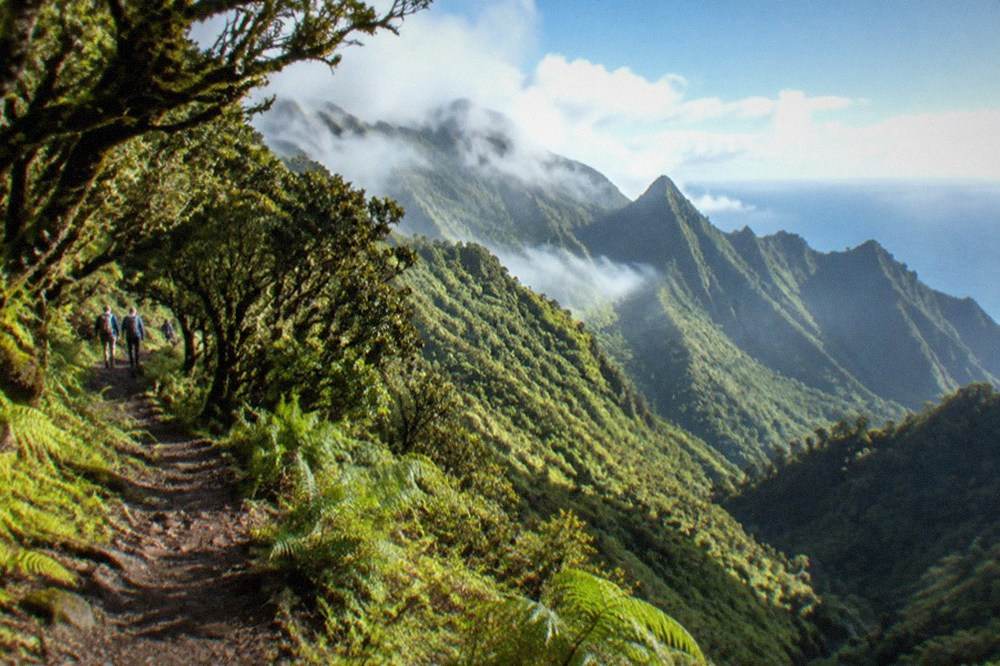
A guided small-group tour of the volcanic and forest landscapes is the alternative for visitors who want the park without the permit logistics, and the half-day format leaves the afternoon free.
What to Do in Tenerife in March?
March suits boat trips, park days and hiking better than it suits summit attempts: the sea is at its calmest annual period off the southwest coast, Siam Park and Loro Parque run their full high-season schedules, and the island's trails sit between the winter rain and the summer heat. The cable car operates its standard 09:00 to 17:00 season, and Barranco del Infierno runs its morning quota of 20 people every 30 minutes.
The month's mix of warm coast and cold mountain suits the island's spread of attractions. The headline attractions and their official hours:
| Attraction | Official hours | Notes |
|---|---|---|
| Siam Park | 10:00 to 17:00, 30 Oct to 30 Apr | Open 365 days |
| Loro Parque | 09:30 to 17:30, every day | Own car park EUR 7 per day |
| Piramides de Guimar | 10:00 to 18:00 daily | Closed 1 Jan and 25 Dec |
| Teide cable car | 09:00 to 17:00 standard season | Last ascent one hour before closing |
| Barranco del Infierno | Morning slots, 20 people every 30 minutes | Advance online booking compulsory, EUR 15 non-resident adult |
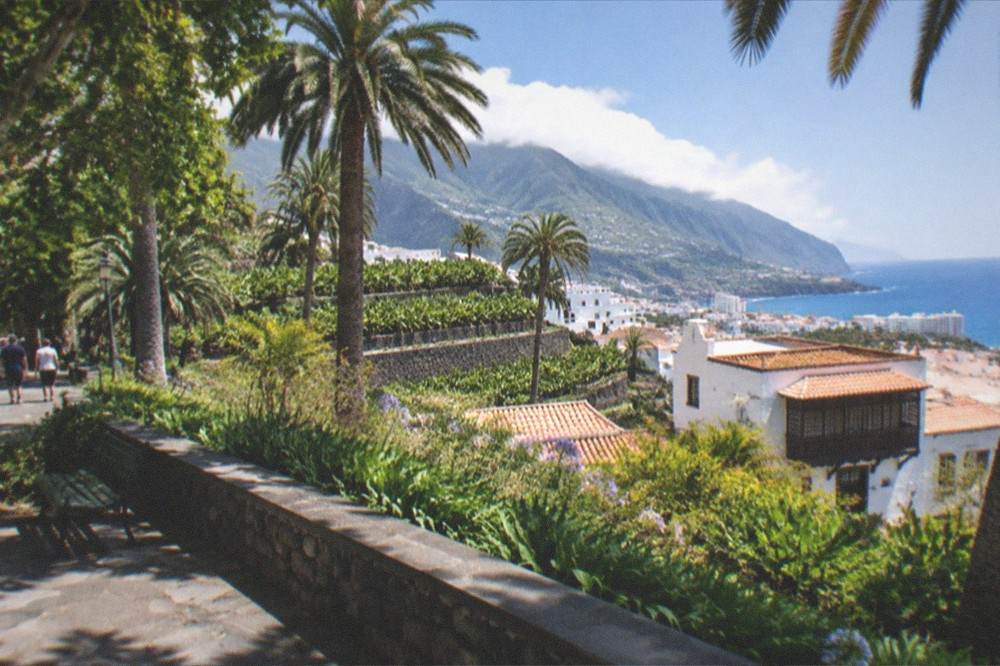
Loro Parque, in Puerto de la Cruz, is the natural bad-weather option for the north, and a March week that catches a wet day in the north can absorb it easily. The park's own FAQ lists its hours as 09:30 to 17:30 every day of the year, with its own car park at EUR 7 per day, which makes a self-drive day from the south straightforward if the weather in Puerto de la Cruz cooperates.
Whale watching deserves a March-specific note. The waters between Tenerife and La Gomera hold what the World Cetacean Alliance calls a unique resident population of pilot whales, alongside bottlenose dolphins, and the area became a designated Whale Heritage Area in January 2021 under the WCA's programme. Boats are regulated by Decreto 178/2000: no approach within 60 m, at most three boats within 500 m, a 4-knot limit within 500 m, and no swimming within 500 m. Authorised boats fly the Barco Azul flag, which the decree makes mandatory. March's calmer seas make the two-hour and three-hour cruises off the southwest coast among the most reliable trips of the year.
Hiking is the third pillar of a March week. The Anaga trails in the far northeast sit under the wettest of the four station records, so the north airport's 6.8 rain days argue for checking Tenerife ON's alerts before setting out, exactly as the Cabildo's own guidance advises for every walk. The reservation-only trails, El Pijaral in Anaga among them, release slots on Mondays at 07:00 Canary time at most 14 days ahead, and organised tours by companies are not permitted on that route, so it is a walk for independent visitors only.
For visitors weighing Tenerife against its neighbours at this time of year, the Tenerife versus Gran Canaria and Tenerife versus Lanzarote comparisons cover the March question directly, and which Canary island is best works through the choice for the archipelago as a whole. If the month is fixed and the island is not, those pages are the place to start.
The full list of what the island offers, month-neutral and area by area, sits on the things to do in Tenerife page, and this site's own Tenerife Travel Guide homepage carries the rest of the seasonal pages.
Common Questions About Tenerife in March
is tenerife hot in march
Hot is a stretch, warm is accurate. AEMET's 1981-2010 normals give March mean daily maximums of 22.1 C in Santa Cruz and 23.1 C at Tenerife South Airport. Individual afternoons go higher, but the averages describe a pleasant spring month rather than a summer one.
how hot in tenerife in march
The mean daily maximum is 23.1 C at the south airport station and 22.1 C in Santa Cruz, with mean minimums of 15.6 C and 15.9 C. The north airport station is cooler at 18.2 C and 10.7 C, and the Teide ridge station records 10.2 C and 2.7 C.
what the weather like in tenerife in march
Mostly sunny and mild on the coast, wetter in the north, cold on the mountain. March averages 1.9 rain days at the south airport against 6.8 at the north airport, and sunshine runs from 188 to 260 hours a month across the four stations.
can i sunbathe in tenerife in march
Yes, on most days, especially on the south and southwest coasts where rain days average under two for the month and sunshine averages more than seven hours a day. Keep a layer for evenings, when minimums sit in the mid-teens.
is tenerife warm in march
Warm on the coast, cool at night inland, and cold at altitude. The coastal stations record mean daily maximums in the low twenties and minimums in the mid-teens, while the Izana station on the Teide ridge records a mean minimum of 2.7 C.