Is It Safe to Swim in the Sea in Tenerife?
Sea temperatures, calm beaches, waves and marine life on Tenerife, answered from official climate data and tourist board records.
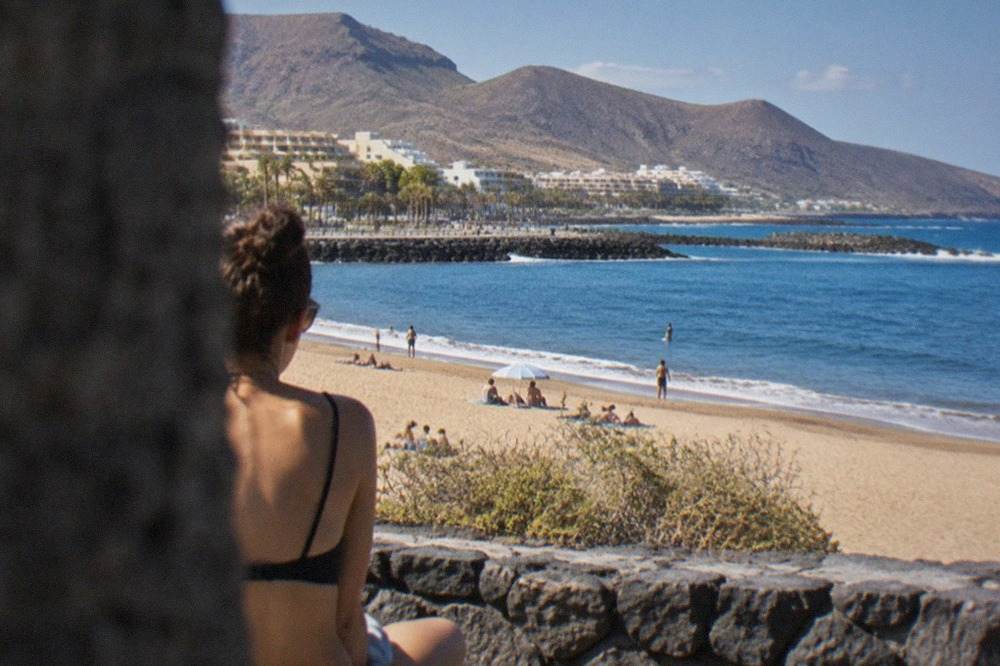
Swimming is one of the main reasons 7,412,046 tourists arrived by air in 2025, and the island's beaches are documented in detail by the tourist board, with sand colour, shelter and setting recorded for each one. The question people actually type into a search box is narrower than that: is the sea safe, is it warm, and are there waves or anything in the water worth worrying about. The short answers come from two official datasets, AEMET's climate stations on land and NOAA's sea surface measurements offshore, plus the tourist board's own page-by-page descriptions of the swimming beaches. This page assembles all three, so the decision rests on records rather than on a brochure. The broader safety picture, including beaches and general island safety, is covered in the site's guide to safety on Tenerife.
Is the Sea Warm in Tenerife?
Yes, by the standards of European swimming water the sea around Tenerife is warm all year. NOAA's 1991 to 2020 sea surface measurements for the south coast put the monthly average between 19.1 and 23.7 degrees Celsius, with the warmest water in September and October and the coolest in March. Even the coldest month sits close to the temperature of a heated indoor pool.
The numbers come from NOAA's OISST dataset, which is a different series and a different period from AEMET's land climate normals, and the two should never be confused. The land normals run 1981 to 2010 and describe the air at the weather stations; the sea figures run 1991 to 2020 and describe the ocean surface off the south coast. What the sea series shows is a shallow annual curve: the water cools slowly through winter, bottoms out in early spring, and then climbs steadily through summer to a September and October peak of 23.7 degrees.
That curve matters for planning more than a single annual average would. A swimmer visiting in February faces water around 19.2 degrees, which many people find brisk but perfectly swimmable, while the same swimmer in late September finds water at its yearly maximum. The sea also retains heat after the air has cooled: October's sea surface matches September's even as the land temperatures fall, which is why autumn is a swimming month on the island and not a shoulder-season afterthought.
For context on the air side, AEMET's station at Santa Cruz records a mean daily maximum of 21 degrees in January and 29 degrees in August, so the air and the sea never pull far apart. The south coast station is similar, with mean daily maximums from 21.7 degrees in January to 28.4 degrees in August. There is no month in which the air is too cold to dry off in.
Which Months Can You Swim in Tenerife?
Every month of the year is a swimming month on Tenerife by temperature. The sea surface off the south coast never falls below 19.1 degrees in the monthly averages, and it peaks at 23.7 degrees in September and October. Winter swimmers face the coolest water in February and March, summer swimmers the warmest from July to October, and no month closes the sea.
The full monthly picture, from NOAA's 1991 to 2020 measurements, looks like this:
| Month | Sea surface temperature off the south coast (C) |
|---|---|
| January | 19.9 |
| February | 19.2 |
| March | 19.1 |
| April | 19.5 |
| May | 20.2 |
| June | 21.4 |
| July | 22.2 |
| August | 23.1 |
| September | 23.7 |
| October | 23.7 |
| November | 22.5 |
| December | 21.1 |
Read the table as a planning tool rather than a forecast. The April figure of 19.5 degrees is warmer than the February figure, and the sea keeps climbing through spring while the land is still enjoying mild rather than hot weather, so late spring is a comfortable compromise for swimmers who dislike crowds. The double peak of September and October is the standout: the sea is at its yearly warmest after the peak of the tourist season, which makes early autumn the quietest warm-water window.
Rain rarely interrupts a swim on the south of the island. AEMET's station at Tenerife South Airport records 132 mm of rain a year on 15.2 days with at least 1 mm, against 520 mm on 64 days at Tenerife North Airport, so a swimming holiday based in the south faces far fewer wet days than one based in the north. The monthly guides carry more detail, including Tenerife in March, the month with the coolest sea, and Tenerife in October, one of the two warmest.
Is It Warm Enough to Swim in the Sea in Tenerife?
For most visitors, yes, in every month. The monthly sea surface averages off the south coast run from 19.1 to 23.7 degrees Celsius, and the air at the coastal stations stays between a mean daily maximum of 21 and 29 degrees. Swimmers used to Mediterranean or British water will find Tenerife's sea warmer than almost anything they have swum in at home, including midwinter.
The honest qualification is about people, not water. A 19-degree sea is warm for February, and it is still cold on first entry for a swimmer who only ever swims in heated water or in tropical seas. The people who most feel the winter sea are occasional swimmers doing short dips; the people who least feel it are those doing proper lengths or long snorkel sessions. A wetsuit changes the winter experience completely, and several of the island's water activities include one in the kit as standard. The wider set of guides lives on Tenerife Travel Guide.
The air side of the equation helps. Because the coastal stations never record a mean daily maximum below 21 degrees, there is no month in which getting out of the water is unpleasant, which is the real difference between swimming in Tenerife in January and swimming in northern Europe in August. The island's latitude and the trade winds keep the coastal climate inside a narrow band all year.
The beach you choose also changes the experience. The tourist board's own pages describe Las Teresitas in San Andres as golden sand with palm trees and breakwaters that calm the water, and Las Vistas in Arona as golden sand, calm behind a row of breakwaters. El Medano is fine grey sand under Montana Roja, and El Bollullo in La Orotava is black sand at the foot of a cliff. The breakwater beaches are the ones the tourist board itself describes as calm, which makes them the natural choice for swimmers rather than surfers.
Is It Safe to Swim in Tenerife Sharks?
The verified records for this site hold no shark incident statistic for Tenerife, and no official page read for this island's facts records a shark attack. What the official sources do document is a marine ecosystem built around pilot whales and bottlenose dolphins: the World Cetacean Alliance describes a unique resident population of pilot whales in the Tenerife-La Gomera marine area, designated a Whale Heritage Area in January 2021.
The honest way to answer a shark question is to say what is on file and no more. No government page, tourist board page or marine authority page in the verified facts records a shark bite, a shark warning or a shark incident on Tenerife, and this site does not invent reassurance or alarm beyond its sources. What the sources do record, in the Canary government's Decreto 178/2000, is a tightly regulated marine environment: authorised whale watching boats must fly the Barco Azul flag, no boat may approach a whale within 60 m, at most three boats may sit within 500 m, and swimming or diving within 500 m of the animals is prohibited. Regulation of that density does not describe a wild, unmanaged coastline.
For swimmers who want to see marine life rather than worry about it, the organised routes are the documented way in. The kayak and snorkel trips out of Los Cristianos run in the rich marine ecosystem off the south coast, in small groups with a wetsuit included, and the turtle habitat off Costa Adeje is the setting for the island's beginner scuba experiences. The resident animals the official pages name are turtles, dolphins and pilot whales, and the whale watching fleet is built around watching them from a boat under the Barco Azul rules rather than from the water.
Are There Big Waves in Tenerife?
It depends entirely on the beach, and the tourist board's own pages say which is which. Las Teresitas and Las Vistas sit behind breakwaters that the tourist board says calm the water, making them the island's documented sheltered swimming beaches. The open-coast beaches, including the north shore and the exposed stretches around Los Gigantes, take the full Atlantic swell, and Los Gigantes itself is a cliff face the tourist board records as rising up to 600 m with a seabed about 30 m deep at its foot.
The distinction is geographic, not seasonal. The south coast from Costa Adeje to Los Cristianos faces a relatively sheltered lee, and the breakwater beaches are engineered for calm water on top of that. The north coast faces the open Atlantic and takes whatever the ocean sends, which is why the same island holds both gentle family swimming beaches and a serious surf and windsurf scene around El Medano, where the tourist board describes fine grey sand under Montana Roja.
For a swimmer, the practical rule is to match the beach to the day and the swimmer. The breakwater beaches at Las Teresitas and Las Vistas are the documented calm options, and the tourist board's descriptions of them are explicit on that point. The wilder beaches are for confident swimmers, and the organised water activities, from surf lessons at Playa de las Americas to the sailboat whale cruises out of Los Gigantes, are run by operators who make their own go and no-go calls on conditions, as the Masca operator does on the other side of the issue when sea state closes its pier.
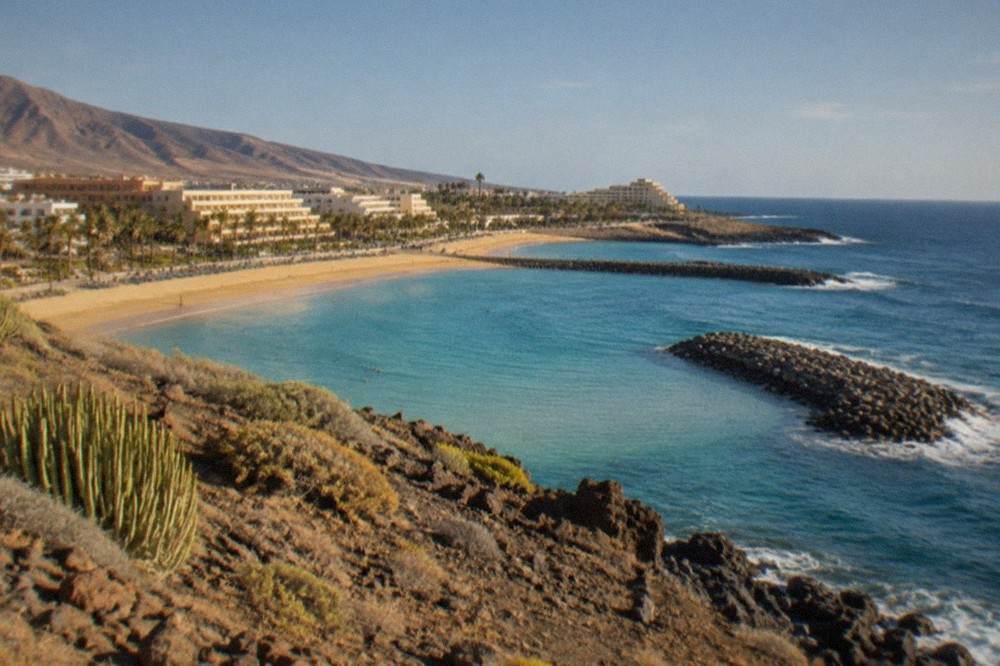
The same logic applies to choosing where to base a swimming holiday. The calmest documented water sits at the engineered beaches, and the natural pools scattered along the coast, including the pools at Garachico, offer sheltered sea swimming without any breakwater at all. More on choosing a base is in the site's guide to the best time to visit Tenerife, which pairs the sea temperatures with the crowd calendar.
Common Questions About Swimming in Tenerife
Is it warm enough to swim in Tenerife?
Yes, in every month. The sea surface off the south coast averages between 19.1 and 23.7 degrees Celsius across the year in NOAA's 1991 to 2020 series, and the coastal air stations record mean daily maximums from 21 to 29 degrees. Swimmers who feel the cold should target July to October, when the sea is at or near its peak.
Which wave has killed the most surfers?
No official source in this site's verified records names a Tenerife wave in connection with any surfer fatality, so no wave can be named here. The island's documented surf scene is centred on Playa de las Americas and El Medano, and the surf schools there run beginner lessons with photos included, which points to conditions suited to learners rather than to extreme water.
Where are the calmest beaches for swimming in Tenerife?
The tourist board's own pages name Las Teresitas in San Andres and Las Vistas in Arona as golden sand beaches behind breakwaters that calm the water. Both are described as calm for swimming, which makes them the documented choice for families and nervous swimmers.
Can you swim with turtles in Tenerife?
Yes, through the organised trips. Kayak and snorkel tours run out of Los Cristianos in the rich marine ecosystem off the south coast with a wetsuit included, and beginner scuba dives take place in a natural turtle habitat off Costa Adeje. The rules in Decreto 178/2000 on keeping distance from cetaceans apply to boats, and the tours operate inside those rules.
Do you need a wetsuit to swim in the sea in Tenerife?
Not for comfort in summer, when the sea reaches 23.7 degrees in September and October. In winter, when the monthly average bottoms out near 19 degrees, a wetsuit makes long swims far more comfortable, and several of the island's water activities include one as standard kit.