Tenerife in February: Weather, Sea Temperature and What to Do
February sits inside Tenerife's carnival season and outside its summer heat, and AEMET's station normals show exactly what that means: 22 C mean daily maximums at Tenerife South Airport, 67 mm of rain in the same month on the Teide observatory ridge, and a sea surface temperature of 19.2 C off the south coast.
Short answer
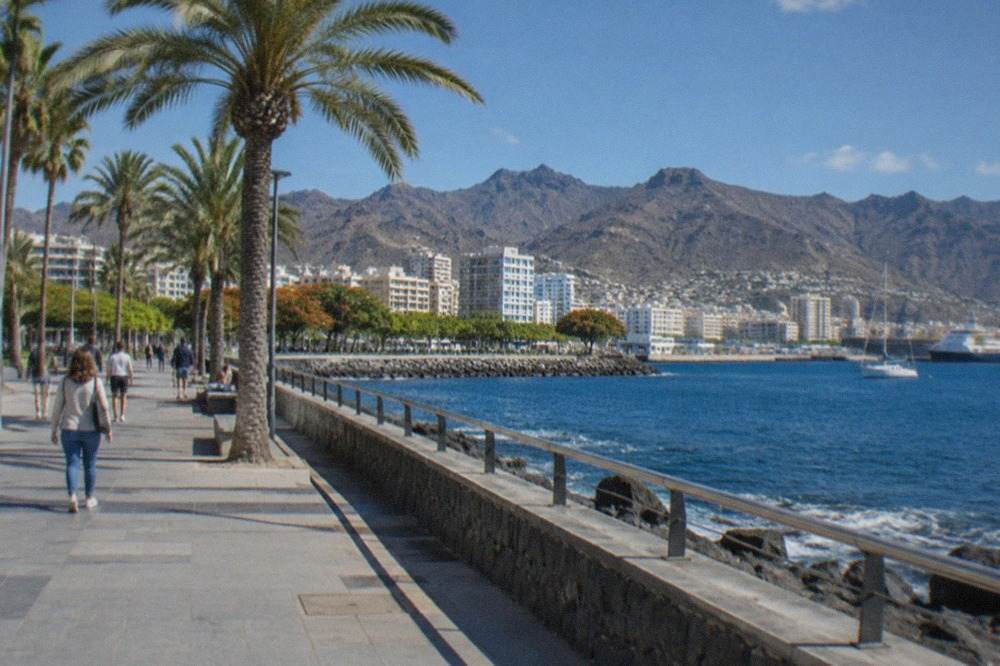
Yes, February is warm in Tenerife by northern European standards: AEMET's 1981-2010 normals give mean daily maximums of 21.2 C in Santa Cruz and 22 C at Tenerife South Airport, with the sea off the south coast at 19.2 C. Rain falls on 2.2 days of the month at the southern airport against 7.4 at the northern one.
February is the month when two very different Tenerifes run at once. On the coast, AEMET's 1981-2010 climate normals put the mean daily maximum at 21.2 C in Santa Cruz de Tenerife and 22 C at Tenerife South Airport. Up on the ridge beside Teide, at the Izana station 2,369 metres above the sea, the same month's mean daily maximum is 8 C and its minimum 1.3 C, with 67 mm of rain. One island, four weather stations, and a gap wide enough that packing for February is really packing for two trips in one. The sea off the south coast averages 19.2 C, on the NOAA series for 1991-2020, and the month sits inside the opening of the Santa Cruz Carnival programme, whose 2027 edition runs its Queen's Election Gala on 17 February.
This page sets out the verified figures station by station, answers the questions people actually ask about February warmth and swimming, and then looks at what the month offers once you have decided what to pack. The neighbour months are covered in depth in the guides to Tenerife in January and Tenerife in March, and the whole year is laid out in Tenerife Weather by Month.
Is Tenerife Warm in February?
Yes, by any northern European measure. AEMET's 1981-2010 normals give February a mean daily maximum of 21.2 C in Santa Cruz de Tenerife and 22 C at Tenerife South Airport, with mean daily minimums of 15.3 C and 15 C. The same month at the Izana station beside Teide, 2,369 m up, averages a maximum of 8 C and a minimum of 1.3 C, so the warmth is a coastal fact, not an island-wide one.
The numbers deserve their exact labels. Those coastal figures are mean daily maximums, not the hottest a February afternoon can reach, and the minimums are mean daily minimums, not a forecast for one particular night. They are thirty-year averages, and any single February will wander around them.
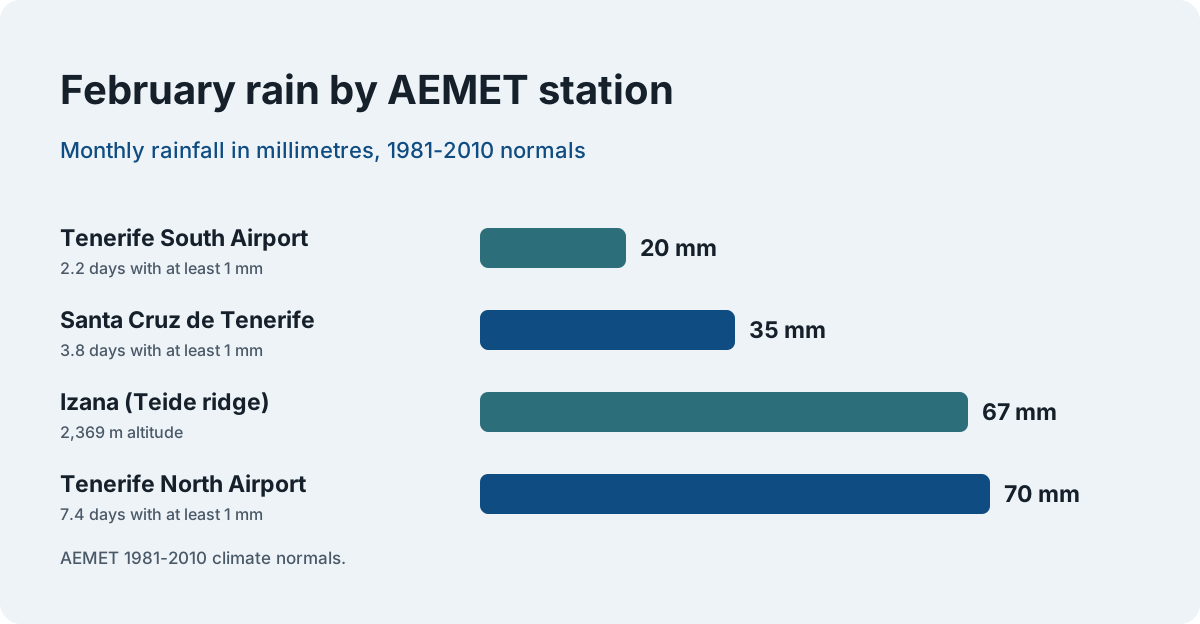
Rain is where the island divides. The southern airport station records 20 mm across the whole month, on 2.2 days with at least 1 mm. The northern airport, at 632 m of altitude, records 70 mm on 7.4 days. Izana, high on the volcano's flank, records 67 mm on 4 days. A wet afternoon in Puerto de la Cruz and a dry one in Costa Adeje is a perfectly ordinary February outcome, and the station table below shows why.
| AEMET station (1981-2010 normals) | Altitude | Feb mean daily max C | Feb mean daily min C | Feb rain mm | Feb rain days of 1 mm or more | Feb sunshine hours |
|---|---|---|---|---|---|---|
| Santa Cruz de Tenerife | 36 m | 21.2 | 15.3 | 35 | 3.8 | 186 |
| Tenerife South Airport | 64 m | 22 | 15 | 20 | 2.2 | 195 |
| Tenerife North Airport | 632 m | 16.7 | 10 | 70 | 7.4 | 168 |
| Izana (Teide observatory ridge) | 2,369 m | 8 | 1.3 | 67 | 4 | 223 |
Sunshine holds up everywhere: 186 hours in Santa Cruz and 195 at the southern airport, which is more than six hours a day averaged across the month. Izana, above much of the cloud, records 223 hours, more than the capital, which is the mountain's usual trick.
Is It Warm Enough to Swim in Tenerife in February?
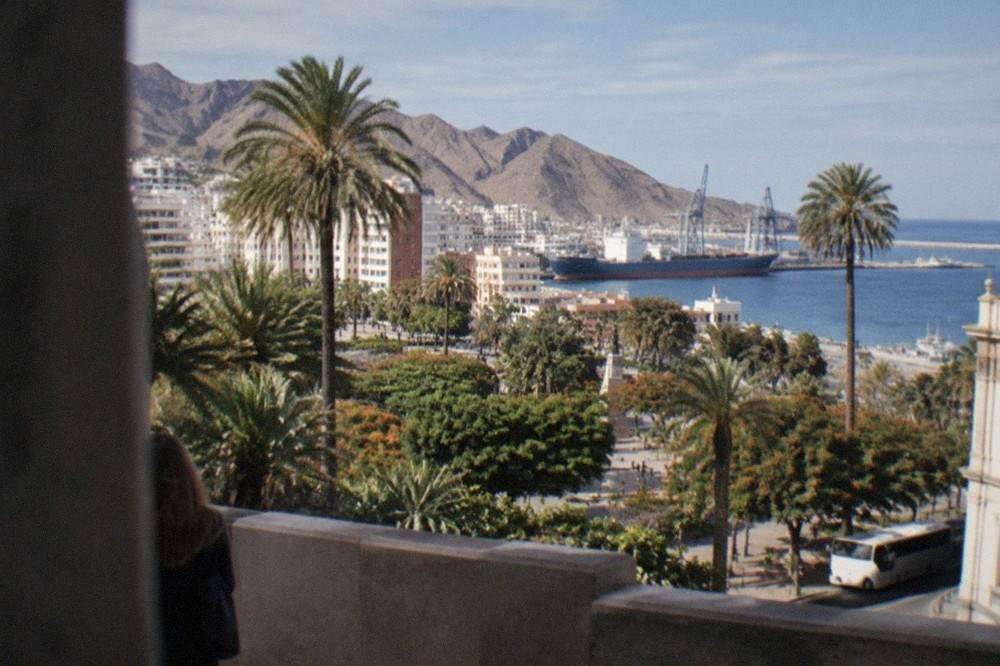
For most people, yes, with the sea rather than the air as the deciding factor. The NOAA series for 1991-2020 puts February's sea surface temperature off the south coast at 19.2 C, the coldest month of the year but only about 4 degrees below the September peak of 23.7 C. Pools heated by hotels and the calm, breakwater-protected bays such as Las Vistas and Las Teresitas make swimming a normal February activity.
The sea is worth reading across the winter. It cools from 19.9 C in January to 19.2 C in February, then recovers slowly through spring. That makes February the low point of the annual curve, and it is still a temperature many British swimmers would call a pleasant summer sea.
| Month | Sea surface C off the south coast (NOAA 1991-2020) |
|---|---|
| January | 19.9 |
| February | 19.2 |
| March | 19.1 |
| April | 19.5 |
| May | 20.2 |
| September | 23.7 |
Two periods are in play on this page and they are not the same dataset: the air normals are AEMET's 1981-2010 series and the sea figures are NOAA's 1991-2020 series. The deeper discussion of swimming conditions across the year, including which beaches hold calm water, is in Can You Swim in the Sea in Tenerife?.
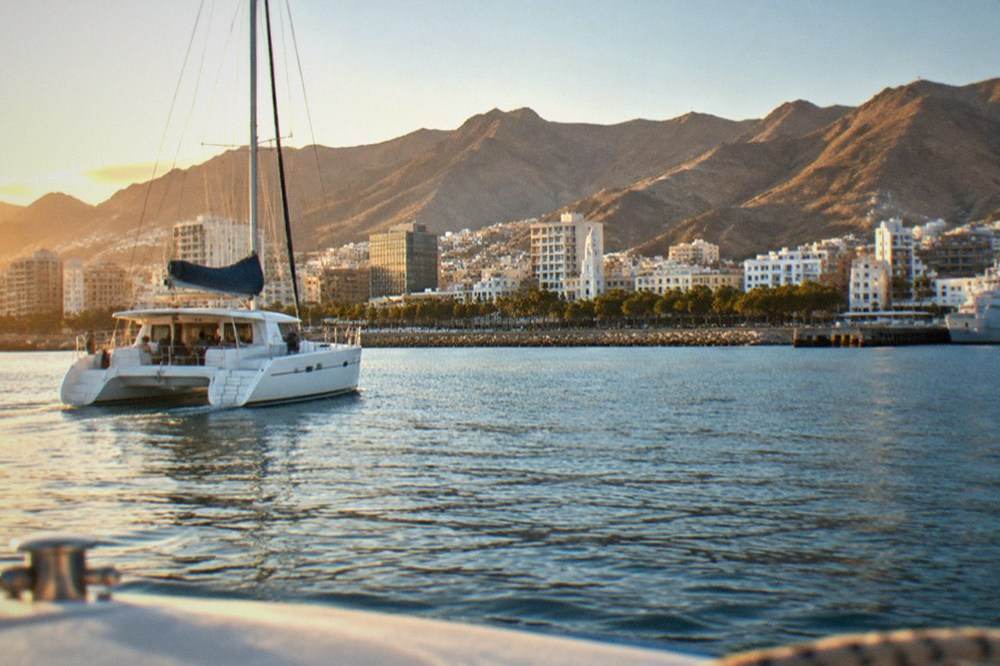
February is also a strong month for being on the water rather than in it. The whale and dolphin watching fleet runs year-round out of the southern ports, and the resident pilot whale population the World Cetacean Alliance describes does not migrate away for the winter. A two to three hour catamaran with drinks, such as the Costa Adeje whale watching catamaran, is the most-booked shape of February boat trip on this site.
Is February a Good Time to Visit the Canary Islands?
Yes, and Tenerife is the island where February's two drawbacks, cooler nights and the chance of rain, are most manageable. Its southern airport station records just 20 mm of February rain against 70 mm at the northern one, and its February sea temperature of 19.2 C is paired with 195 sunshine hours. The month also carries the Santa Cruz Carnival programme, one of the few events that can fill hotel rooms island-wide.
The honest comparison is between the islands, not between February and summer. The question of which island suits which traveller is covered in Which Canary Island Is Best?, and the two-island comparisons in Tenerife vs Gran Canaria and Tenerife vs Lanzarote both come back to the same point: February warmth across the archipelago is similar, and what differs is the mix of landscape, beaches and nightlife.
What February gives up against the summer months it partly returns in visitor numbers. The FRONTUR-Canarias series counted 648,255 tourists arriving by air in February 2025, against 618,578 in August of the same year, so the month is busy but not the peak. The March figures are similar, which is why the Tenerife in March guide reads so much like this one.
If the month's plan is whales, stargazing or the parks, the cards below carry the live prices for the three products February visitors book most from this site.
Of the three, the catamaran is the one whose timing matters least: the boats run on a fixed daily timetable from Puerto Colon, and the resident pilot whales are in the area all year, so any February afternoon serves. The observatory visit, by contrast, needs a reservation made well ahead, because the observatory's own page has carried a fully booked notice, and the twin park ticket is best used on the days the carnival programme leaves free.
How Different Are the North and the South in February?
The station figures differ more than any guide's adjectives can. AEMET gives February 22 C mean daily maximum and 20 mm of rain at Tenerife South Airport, against 16.7 C and 70 mm at Tenerife North Airport, 632 m up. Izana, beside Teide, averages 8 C with 67 mm. Those are the measured differences; where you base yourself decides which of them you actually experience.
The rule on this site is to let the stations speak rather than put words in AEMET's mouth, so the table below simply sets the February figures side by side with January's, which shows the direction the year is moving.
| Station | Jan mean daily max C | Feb mean daily max C | Jan rain mm | Feb rain mm |
|---|---|---|---|---|
| Santa Cruz de Tenerife | 21 | 21.2 | 32 | 35 |
| Tenerife South Airport | 21.7 | 22 | 17 | 20 |
| Tenerife North Airport | 16 | 16.7 | 80 | 70 |
| Izana | 7.5 | 8 | 47 | 67 |
Every station is marginally warmer in February than January, and the northern airport is the only one of the four that gets drier. The practical read is in Tenerife North vs South, which weighs the two coasts across the whole year rather than one month.
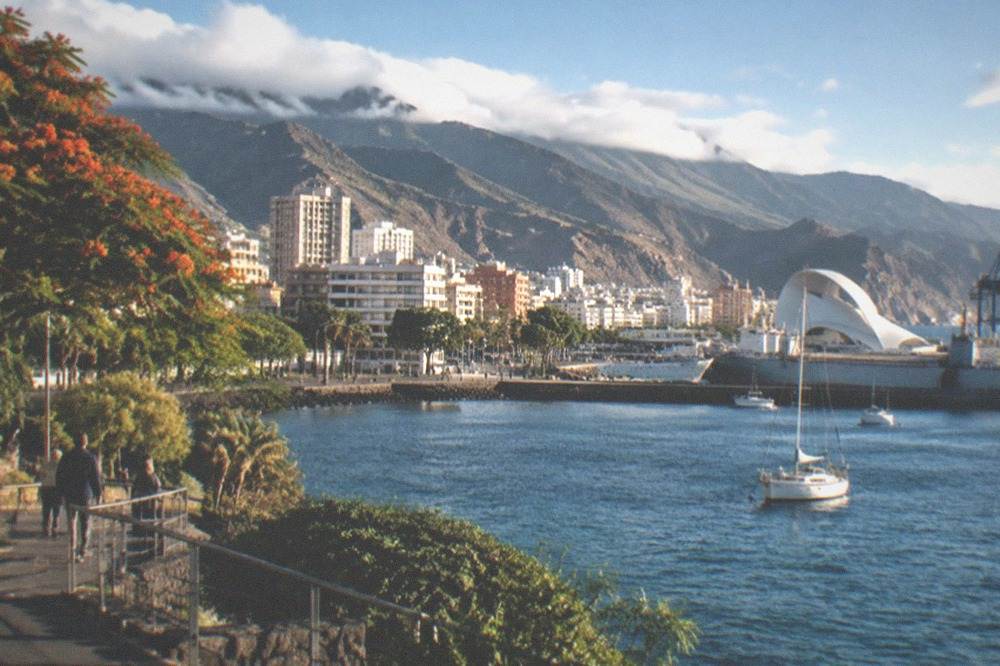
What Does the Santa Cruz Carnival Put in February?
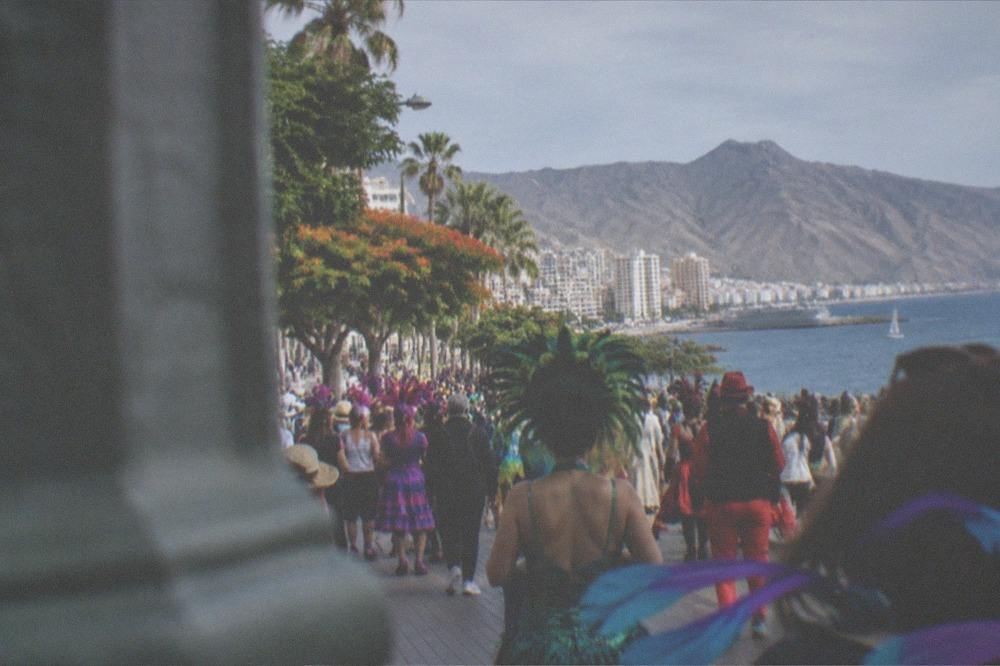
The 2027 programme puts the carnival's opening on 22 January and its biggest February dates in a tight block: the Children's Queen gala on 7 February, the Queen's Election Gala on 17 February, the floats contest on 19 February, the first Daytime Carnival on 21 February and the Pinata weekend on 26 and 27 February. The theme is 'Roma: El imperio del Carnaval', and the dates follow the official programme, not the church calendar.
One detail catches out visitors who plan from habit: Ash Wednesday in 2027 falls on 10 February, but the programme's headline events sit after it, with the Queen's Gala on the 17th and the Pinata weekend on the 26th and 27th. Anyone booking a February trip around carnival week should work from the official programme dates and not from assumptions about when carnival "should" end. Other pages covering the same trip are gathered on Tenerife Travel Guide.
| 2027 Santa Cruz Carnival event | Official programme date |
|---|---|
| Opening | 22 January |
| Children's Queen gala | 7 February |
| Ash Wednesday | 10 February |
| Queen's Election Gala | 17 February |
| Floats contest | 19 February |
| First Daytime Carnival | 21 February |
| Pinata Friday | 26 February |
| Second Daytime Carnival | 27 February |
Carnival fills Santa Cruz de Tenerife in particular, and hotel availability in the capital tightens around the gala weekends. The rest of the island carries on as normal, and the theme parks, beaches and boat trips run their standard timetables.
Can You Visit Teide in February?
Yes, and February is one of the months when the mountain shows its winter face. Izana's normals give 8 C mean daily maximum and 1.3 C minimum, with 67 mm of rain, and when ice and snow are on the stratovolcano trails Tenerife ON makes crampons and an ice axe mandatory equipment with a signed declaration. The cable car runs its standard hours and stops at La Rambleta at 3,555 m; the summit crater trail PNT 10 needs its own reservation.
The three Teide experiences must not be blurred together. Driving through the national park and stopping at the viewpoints needs no booking on any official page this site has read. The cable car is an operator ticket from the base station at 2,356 m to La Rambleta at 3,555 m, and the operator refuses the ride to people with cardiovascular conditions, pregnant women and children under 3. The summit trail, PNT 10 Telesforo Bravo, is a personal reservation booked through Tenerife ON, and the full rules, fees and release pattern are in the Teide summit permit guide.
| Teide trail booking, 09:00 to 17:00 slots | Tenerife residents | Other Canary residents | All other users |
|---|---|---|---|
| PNT 10 Telesforo Bravo (summit) | EUR 0 | EUR 6 | EUR 15 |
| PNT 07 Montana Blanca, working days | EUR 0 | EUR 3 | EUR 6 |
| PNT 07 Montana Blanca, weekends and public holidays | EUR 0 | EUR 5 | EUR 10 |
Children are exempt from the fee, and the booking page shows the age band that applies. Bookings are released every Monday at 07:00 Canary time, keeping 56 days bookable, and this site states no lead time of its own because no official page gives one. The fees above have applied since Monday 19 January 2026.
February's clear, cold nights are also the reason the observatory exists. The Teide Observatory at Izana, about 2,400 m up, runs guided visits by prior reservation only, and its own page has carried a fully booked notice, so a February visit needs to be arranged ahead rather than assumed. A guided observatory tour with the solar telescope is one of the products this site lists.
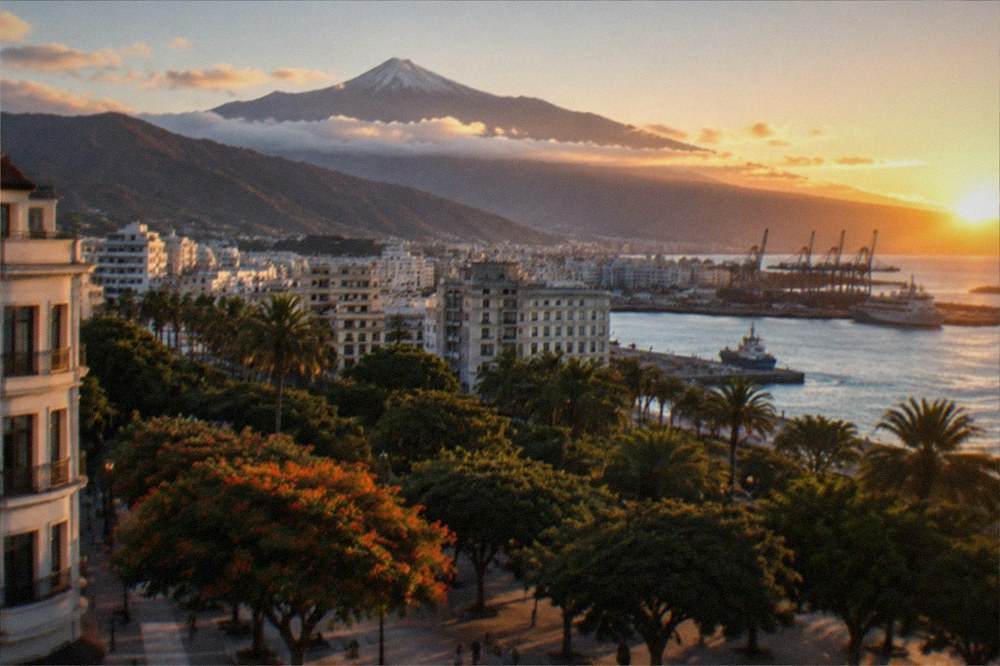
The winter night sky is the other February dividend. Teide is a Starlight Tourist Destination on the Fundacion Starlight list, and the sunset and stargazing tours that run from both coasts are built around exactly the long, dry nights the Izana normals describe. Whether the volcano is technically sleeping is a separate question, answered in Is Mount Teide Active?.
What About the Parks and the Rest of the Island?
The two big parks run their standard timetables in February. Siam Park is open 365 days a year, 10:00 to 17:00 in the winter period from 30 October to 30 April, and Loro Parque runs 09:30 to 17:30 every day of the year with its own car park at EUR 7 per day. A twin ticket covering both parks is the product most families book for a February week.
February suits the parks well: the queues are nothing like the summer months, and 22 C is comfortable water-park weather for anyone used to northern European summers. The twin ticket makes sense when a week has room for both a Costa Adeje water day and a Puerto de la Cruz animal-park day, which is a common pairing for families splitting a week between the two coasts.
Away from the parks, February is a walking month. The Masca gorge runs its pilot scheme year-round, descent only with a pre-booked boat exit, the general ticket at EUR 40.66 with the boat separate, and arrival compulsory on TITSA line 355 from Santiago del Teide. El Pijaral in Anaga needs a Tenerife ON reservation released on Mondays at 07:00, bookable at most 14 days ahead, and company-run tours are not permitted there. The permit-free Anaga alternatives the Cabildo names are the Bosque de los Enigmas trail and the Pista de Las Hiedras.
How Do You Get Around in February?
On the same fares as any other month, with one warning worth repeating: public transport is not free for visitors. The 2026 subsidy covers resident passes only, so visitors pay single fares, the EUR 10 day travelcard or the EUR 50 seven-day travelcard, all sold at the airport ticket machines. TITSA serves both airports, with lines 10, 40, 711, 343 and 415 at Tenerife South and 20, 30 and 343 at Tenerife North.
Carnival weekends are the one February period when planning matters. Santa Cruz fills up on the gala and Daytime Carnival dates, buses run full, and a hire car or an early start is the difference between watching the parade and reading about it. The year-round picture, including the tram and taxi rules, is in the airport transfers guide, and the two airport pages cover Tenerife South Airport and Tenerife North Airport in detail.
For a week that mixes carnival, whales and the parks, these are the three products February visitors book most, with live prices on each card.
Common Questions About Tenerife in February
How hot is it in Tenerife in February?
AEMET's 1981-2010 normals give February a mean daily maximum of 21.2 C in Santa Cruz de Tenerife and 22 C at Tenerife South Airport, with mean daily minimums of 15.3 C and 15 C. At the northern airport the mean daily maximum is 16.7 C, and on the Izana ridge beside Teide it is 8 C.
How hot is Tenerife in February?
On the coast, expect mean daily maximums of 21 to 22 C with nights averaging 15 C. Those are thirty-year averages rather than a forecast for a specific week, and the mountain interior is far colder: Izana's February mean is 4.7 C across the whole day.
Is Tenerife hot in February?
Hot is a stretch, warm is accurate. February's coastal maximums of 21 to 22 C sit about 6 degrees below August's, and the sea off the south coast averages 19.2 C, the coolest month of the year on the NOAA series. For visitors from northern Europe it reads as a warm spring week.
Is Tenerife hot in Feb?
The same answer applies: coastal mean daily maximums of 21.2 C in Santa Cruz and 22 C at the southern airport, with 195 sunshine hours at the southern station. The high ground around Teide is a different climate, averaging 8 C maximum and 1.3 C minimum at Izana.
Is February a good time to visit the Canary Islands?
Yes. February is one of the archipelago's mildest months outside summer, Tenerife's southern station records only 20 mm of rain across it, and Santa Cruz Carnival puts one of Europe's biggest carnival programmes into the second half of the month. The trade-off is the year's lowest sea temperature, 19.2 C off the south coast.