Playa De Fanabe
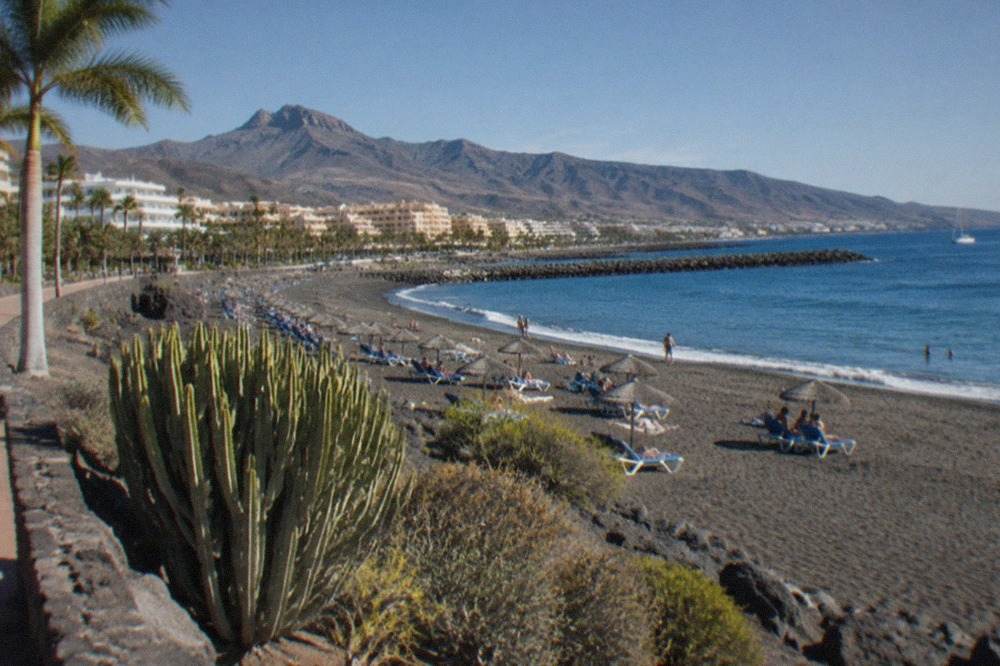
Playa de Fanabe sits in the municipality of Adeje, on the stretch of south Tenerife coast the tourist board describes as pale sand. This page sets out what the official sources say about the beach, the water, the buses, the weather by month and the trips that leave from the resorts around it.
Short answer
Playa de Fanabe is a pale-sand beach in Adeje on Tenerife's south coast, served by TITSA buses from both airports, with calm swimming water, a promenade shared with Costa Adeje, and whale-watching ports a short ride along the coast.
Playa de Fanabe belongs to Adeje, the municipality that also holds Costa Adeje and El Duque, on the dry south-west shoulder of Tenerife. The tourist board's own page for the beach uses two words for the sand, "pale sand", and those two words matter more than they sound: several neighbouring beaches are described quite differently by the same official source, and a visitor who books accommodation expecting one colour of shoreline sometimes gets another. This guide collects what the official pages actually say, from the sand and the sea temperature to the bus lines that reach the coast and the rules that govern the whale boats that work off it.
The beach is part of the continuous resort strip that runs through Costa Adeje and toward Playa de las Americas, and most of what a visitor does from Fanabe, boat trips, surf lessons, park days, is organised from that strip. The editorial desk behind this Tenerife Travel Guide has assembled the verified figures below from the tourist board, TITSA, AEMET, NOAA and the Canary decree that regulates whale watching, and every number printed here comes from one of those pages.
Where Is Playa de Fanabe?
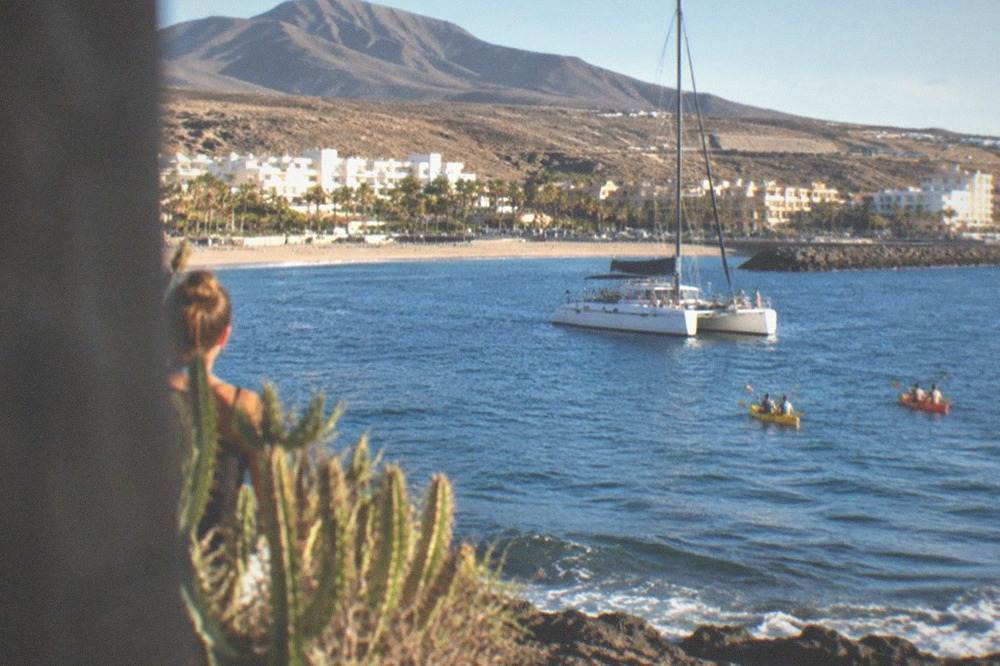
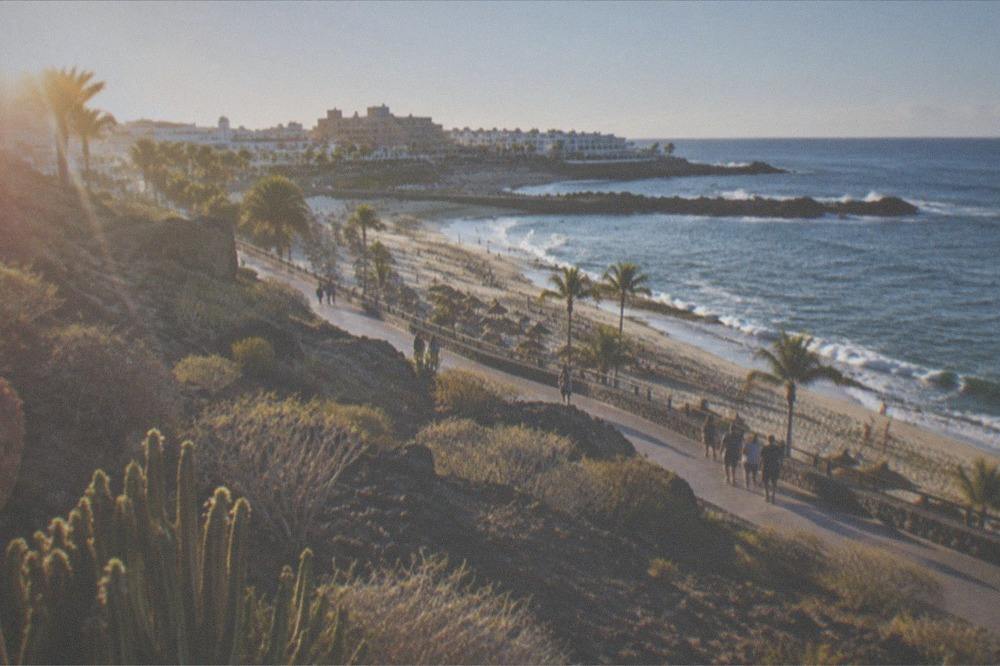
Playa de Fanabe is a pale-sand beach in the municipality of Adeje, on Tenerife's south-west coast, set in the Costa Adeje resort strip a short distance south of Playa del Duque and north of the boundary with Arona, where the neighbouring beaches of Las Vistas and Los Cristianos begin.
Adeje is one of the island's biggest municipalities by population, with 50,021 registered residents on 1 January 2025 according to the INE municipal register, and tourism is concentrated along this one coastal shelf. The tourist board's beach pages place Fanabe, El Duque and Costa Adeje together in Adeje, while Las Vistas, the next bay south, sits in Arona. That municipal line is invisible on the sand but it explains the practical geography: everything from Fanabe northward looks toward Puerto Colon and the marinas, and everything southward toward Los Cristianos, and both directions are served by the same coastal bus corridor.
The strip is also the island's densest base for booked activities. Whale and dolphin watching leaves from Puerto Colon and Los Cristianos, surf lessons run from Playa de las Americas, and the two big parks, Siam Park and Loro Parque, sell entry from kiosks along the promenade. A visitor staying at Fanabe is, in booking terms, staying in the middle of the shop window.
What Is the Sand and Water Like at Fanabe?
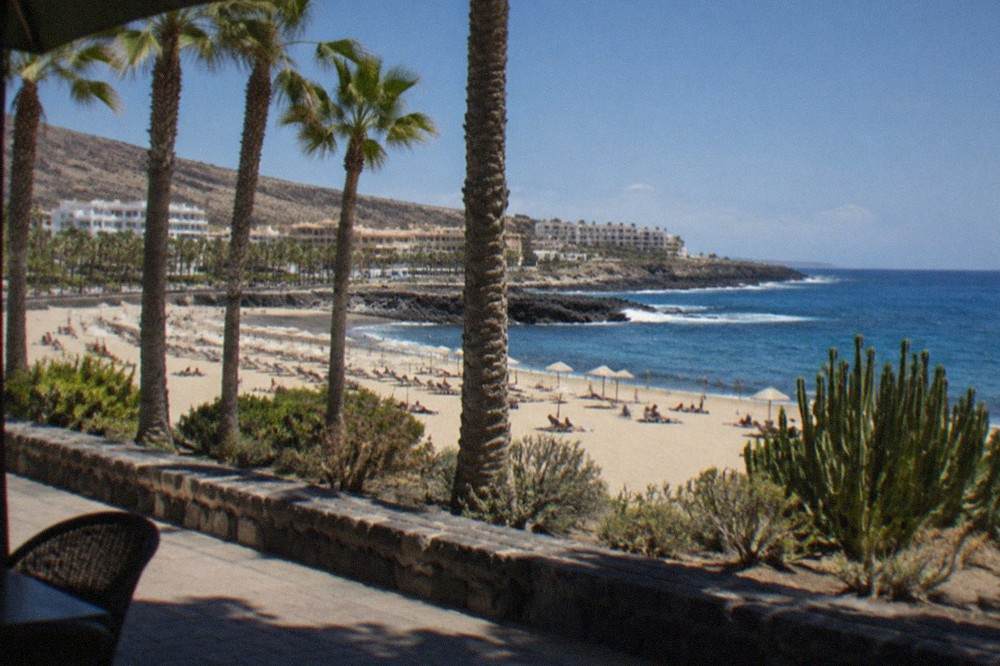
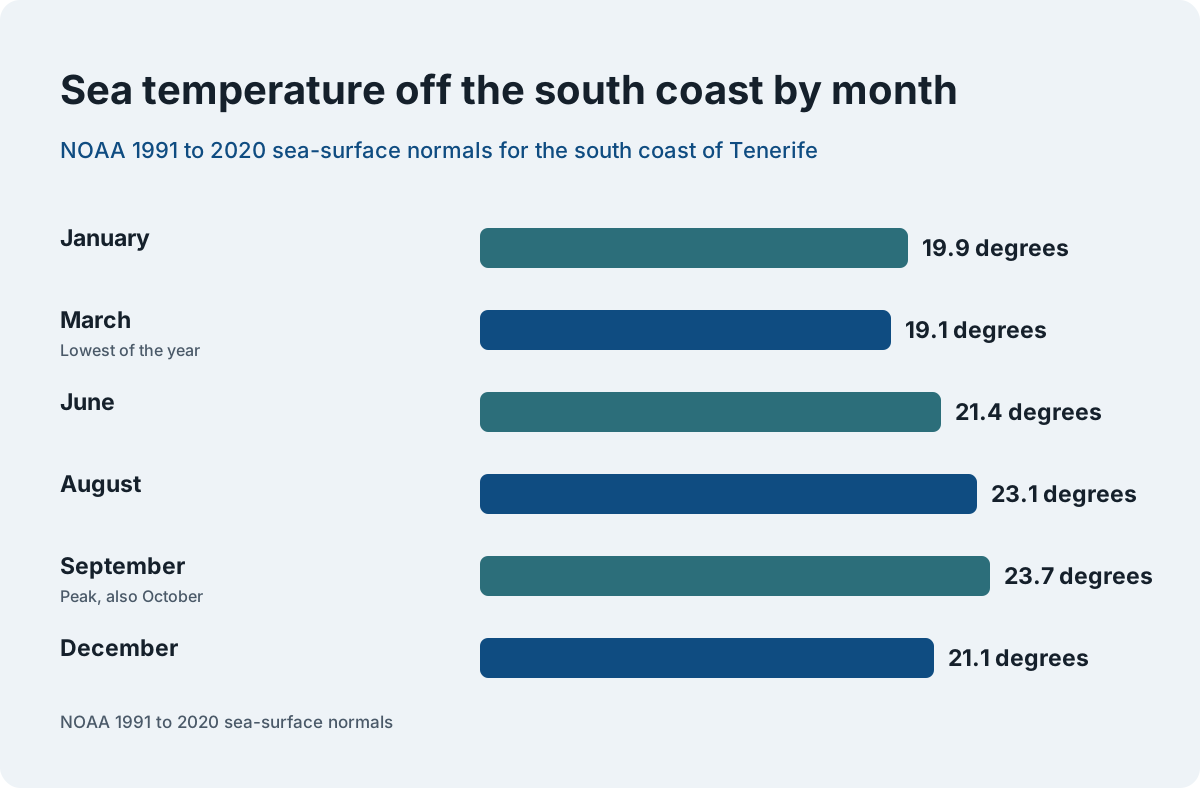
The tourist board describes Fanabe as a pale-sand beach, a lighter shoreline than the grey sand it records at neighbouring El Duque, and the sea off the south coast is at its warmest in September and October at 23.7 degrees Celsius, cooling to its lowest, 19.1 degrees, in March, according to NOAA's 1991 to 2020 sea-surface normals.
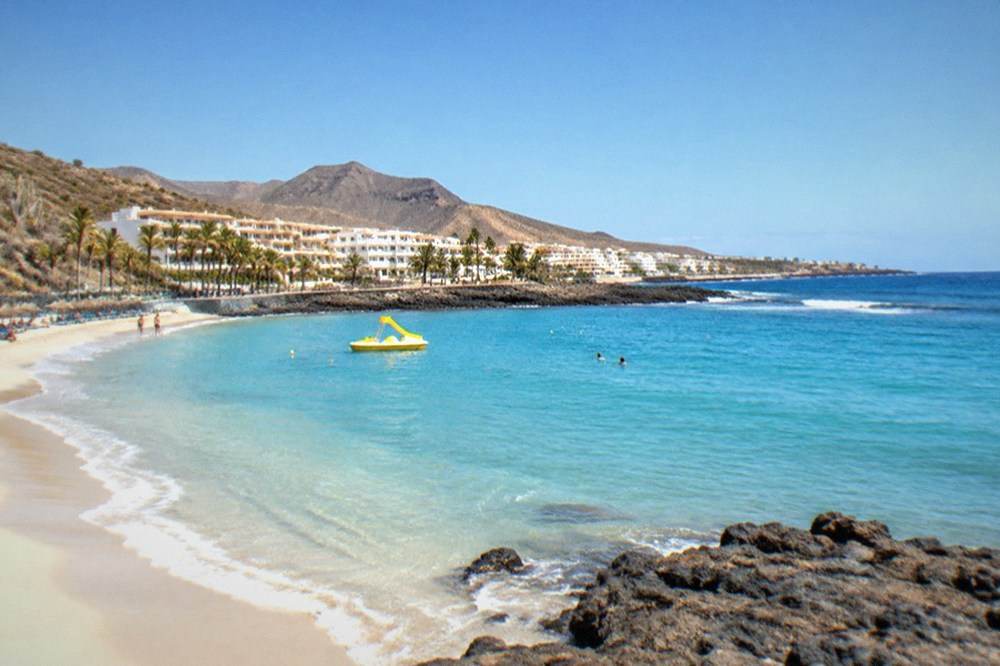
Sand colour is the detail most guides blur, and the tourist board does not. Its page for Playa del Duque says grey sandy beach. Its page for Fanabe says pale sand. Its pages for Las Teresitas and Las Vistas both say golden sand. El Medano is fine grey sand, and El Bollullo is black sand at the foot of a cliff. A visitor choosing between south-coast beaches on appearance alone can therefore use the official descriptions to pick a shoreline that matches the photograph in their head, and Fanabe and Las Vistas are the two pale-to-golden options within a short bus ride of each other.
The water is the other half of the question. NOAA's 1991 to 2020 sea-surface normals for the south coast of Tenerife show a narrow annual range: 19.9 degrees in January, a low of 19.1 in March, 21.4 in June, 23.1 in August and a peak of 23.7 in September and October, easing to 21.1 by December. In practice that means swimming is comfortable year-round, with the warmest water falling in the months most British visitors have already gone home.
Because the sand descriptions are official wording, they are worth setting side by side:
| Beach | Tourist board's description | Municipality |
|---|---|---|
| Fanabe | Pale sand | Adeje |
| Playa del Duque | Grey sandy beach | Adeje |
| Las Vistas | Golden sand, calm behind breakwaters | Arona |
| Las Teresitas | Golden sand, palms, calming breakwaters | Santa Cruz (San Andres) |
| El Medano | Fine grey sand, under Montana Roja | Granadilla de Abona |
| El Bollullo | Black sand at the foot of a cliff | La Orotava |
For a family weighing swimming conditions rather than colour, the calmest official descriptions belong to the breakwater beaches: the tourist board says Las Teresitas has breakwaters that calm the water and Las Vistas is calm behind a row of breakwaters. Fanabe shares the same sheltered, south-facing shelf, which is why the resort strip built up around it.
How Do You Get to Playa de Fanabe?
TITSA's own airport pages list lines 10, 40, 711, 343 and 415 at Tenerife South Airport and lines 20, 30 and 343 at Tenerife North Airport, with line 40 running from the south airport toward Costa Adeje bus station via Los Cristianos, and visitors pay for every journey: a single ticket, the EUR 10 day travelcard or the EUR 50 seven-day travelcard.
The airport question is really two questions, because Tenerife has two airports and AENA's formal names are Tenerife Sur and Tenerife Norte-Ciudad de La Laguna, familiarly the south and north airports. Most visitors arriving for a Fanabe holiday fly into Tenerife South, which handled 13,969,678 passengers in 2025, an all-time record according to AENA. From there, TITSA line 40 is the direct service down the coast to Costa Adeje bus station via Los Cristianos, and line 343 is the express that links Puerto de la Cruz, both airports, Los Cristianos and Costa Adeje on one route. From Tenerife North, line 343 also reaches the south, and line 30 runs to Puerto de la Cruz for anyone combining a Fanabe stay with the north.
Taxis on the island are white and metered from the start of the trip, with a fixed price available if agreed in advance for excursions, according to the tourist board's transport page. There is no tram connection to either airport; Metrotenerife's tram serves Santa Cruz and La Laguna, and TITSA buses are the public option at both airports.
The fare rules deserve a plain statement, because a lot of out-of-date copy claims otherwise. The 2026 subsidy that makes public transport free applies to resident passes only, held by people resident in the Canary Islands on a personalised Ten+ card. Visitors do not qualify. What a visitor buys is a single ticket priced by route, a same-day return with 10% off on trips of 20 km or more, the EUR 10 day travelcard or the EUR 50 seven-day travelcard, and the travelcards are sold at the airport ticket machines, which is convenient on arrival day.
| TITSA line | Airport | Route, as TITSA lists it |
|---|---|---|
| 10 | Tenerife South | Santa Cruz |
| 40 | Tenerife South | Costa Adeje bus station via Los Cristianos |
| 711 | Tenerife South | Night bus: Santa Cruz, airport, Los Cristianos, Costa Adeje |
| 343 | Both | Express: Puerto de la Cruz to Los Cristianos via both airports |
| 415 | Tenerife South | El Fraile, San Isidro |
| 20 | Tenerife North | Santa Cruz via La Laguna |
| 30 | Tenerife North | Puerto de la Cruz |
What Is the Weather Like at Fanabe Month by Month?
AEMET's 1981 to 2010 normals for Tenerife South Airport, the closest station to Fanabe, show July and August averaging 24 degrees Celsius with zero rain days, December and January the coolest months at around 18 degrees, and the wettest months being November and December with 26 and 30 millimetres of rain, so the beach is genuinely a year-round proposition.
The south of the island is the dry half, and the station data makes the contrast with the north concrete. Tenerife South Airport averages 132 mm of rain across the year on 15.2 days with a millimetre or more, while Tenerife North Airport, at 632 m of altitude on the other side of the island, averages 520 mm on 64 such days. A rainy afternoon in Puerto de la Cruz and a sunny afternoon at Fanabe is not a travel myth; it is what two AEMET stations four dozen kilometres apart record.
| Month | Mean daily max C | Mean daily min C | Rain mm | Sunshine hours |
|---|---|---|---|---|
| Jan | 21.7 | 15.2 | 17 | 193 |
| Feb | 22.0 | 15.0 | 20 | 195 |
| Mar | 23.1 | 15.6 | 15 | 226 |
| Apr | 23.1 | 16.0 | 7 | 219 |
| May | 23.9 | 17.0 | 1 | 246 |
| Jun | 25.4 | 18.8 | 0 | 259 |
| Jul | 27.7 | 20.2 | 0 | 295 |
| Aug | 28.4 | 21.1 | 1 | 277 |
| Sep | 27.9 | 21.1 | 4 | 213 |
| Oct | 26.8 | 20.0 | 12 | 214 |
| Nov | 24.8 | 18.2 | 26 | 193 |
| Dec | 22.8 | 16.5 | 30 | 195 |
Two cautions come with that table. The air normals are 1981 to 2010 and the sea-surface figures are 1991 to 2020, two datasets from two periods, and they should never be presented as one. And the mountain above the resort strip plays by different rules: AEMET's Izana station on the Teide observatory ridge at 2,369 m averages January highs of 7.5 degrees and records snow-season conditions that trigger the crampon and ice-axe requirements on the stratovolcano trails, so a day that begins in swimwear at Fanabe can end in winter equipment at altitude.
What Can You Do on the Water at Fanabe?
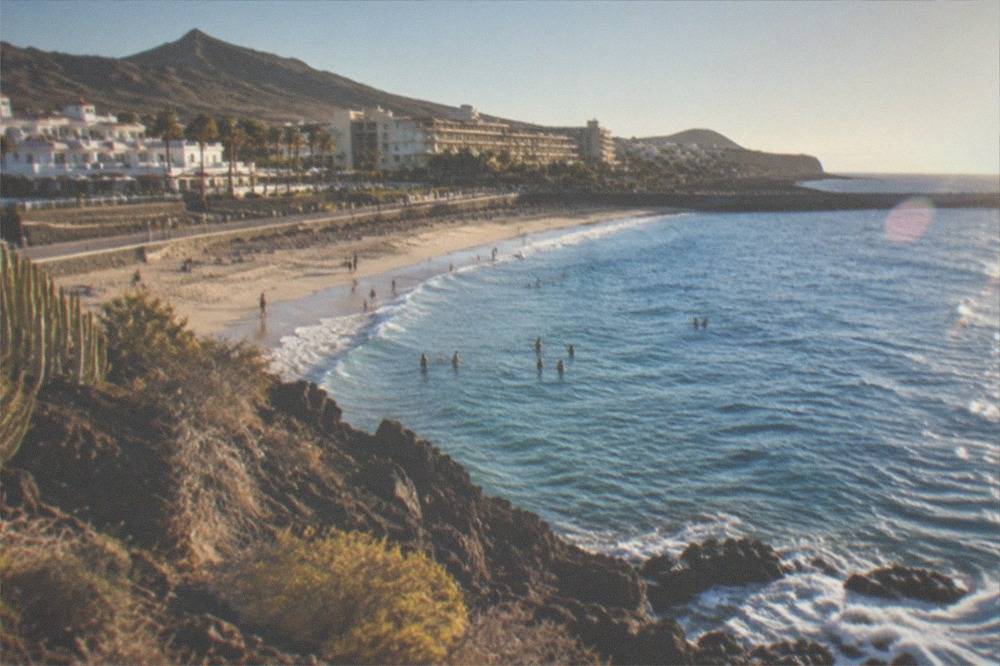
The resort strip around Fanabe is the island's main base for paid water activities: whale and dolphin watching leaves from Puerto Colon and Los Cristianos under Decreto 178/2000, surf lessons run from Playa de las Americas, and kayak and scuba trips work the same calm south-coast water, all of them bookable as carded tours with live prices on the operator's listing.
The whale boats are the signature trip, and the law that governs them is worth knowing because it tells you what a compliant operator looks like. Decreto 178/2000, the Canary decree of 6 September 2000, forbids boats from approaching within 60 m of the animals, allows no more than three boats within 500 m, sets a maximum of 4 knots inside that 500 m zone, bans swimming or diving within 500 m, and forbids feeding, chasing or circling. Article 15 requires authorised boats to fly the Barco Azul flag, issued with the permit and renewed annually. The World Cetacean Alliance records that the Tenerife-La Gomera marine area became a designated Whale Heritage Area in January 2021, citing a unique resident population of pilot whales, bottlenose dolphins and a migration stop for 21 other cetacean species, inside a Special Area of Conservation.
| Rule in Decreto 178/2000 | Figure |
|---|---|
| Minimum approach distance | 60 m |
| Maximum boats within 500 m | 3 |
| Speed limit within 500 m | 4 knots |
| Swimming or diving within 500 m | Prohibited |
| Feeding, chasing, circling | Prohibited |
| Authorised boats | Must fly the Barco Azul flag |
Surf is the other water activity within easy reach. The lessons carded on this site run from Playa de las Americas, the next resort south along the promenade, and the card below covers a two-hour all-levels lesson with photos included.
Kayaking and snorkelling trips work the same stretch, several of them around the marine ecosystem off Los Cristianos, and beginner scuba try-dives run from Costa Adeje. None of these needs a permit; the reservation-only trails on Tenerife, the Teide summit, Montana Blanca, El Pijaral, Masca and Barranco del Infierno, are all in the hills, and the beach and the sea off Fanabe carry no booking requirement of that kind.
Which Beaches Nearby Are Worth Comparing with Fanabe?
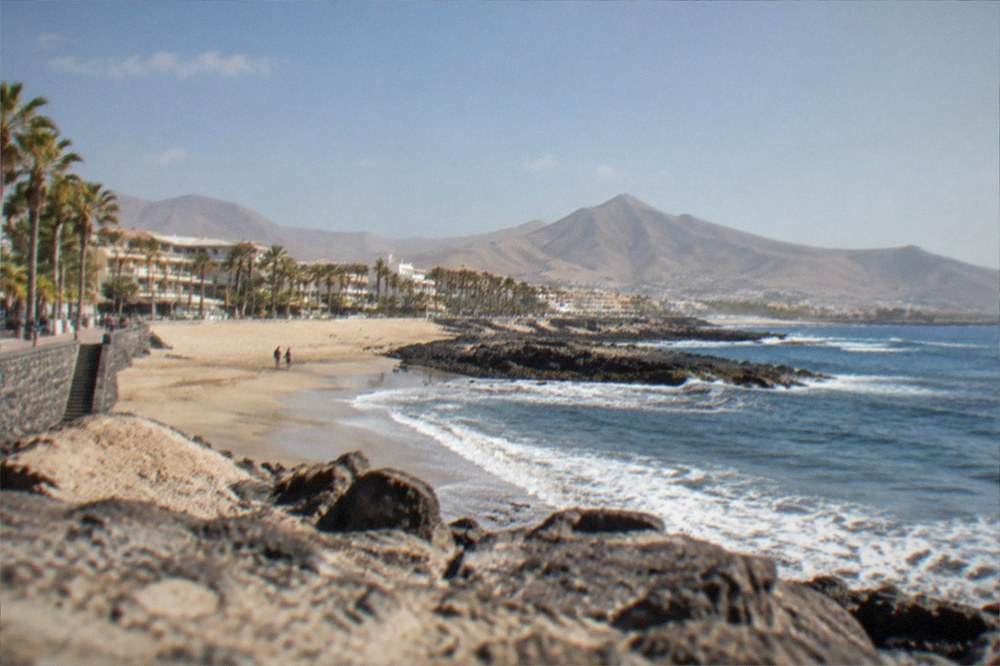
Within the same municipality the tourist board records Playa del Duque as grey sand a short walk north along the promenade, while a bus ride south crosses into Arona to Las Vistas, described as golden sand calm behind breakwaters, and the island's other headline strands, Las Teresitas, El Medano and the black-sand north-coast beaches, each offer a different official character.
The comparison matters for families in particular. Las Vistas, in Arona, is the golden-sand, calm-water option closest to Fanabe, and the two beaches between them cover most of what a family wants from a resort shoreline. Playa de las Teresitas, outside San Andres near Santa Cruz, is the island's flagship golden beach with palms and calming breakwaters, an hour away by bus but a different proposition altogether. On the north coast, Playa Jardin and El Bollullo offer volcanic black sand, and the comparison between pale Fanabe and black-sand El Bollullo is the sharpest illustration of how varied one small island's shoreline is.
For a day away from sand entirely, the Los Gigantes cliffs, which the tourist board says tower up to 600 m, sit inside Teno Rural Park on the far west coast, and boat trips from the ports there are the other main whale-watching base. The guide to Los Cristianos vs Costa Adeje works through the resort choice in more detail for anyone still deciding where to stay.
Do You Need to Book Anything in Advance from Fanabe?
The beach itself, the promenade and the swimming cost nothing and need no booking, but the paid activities around it are best reserved ahead in the busy months: whale-watching boats, surf lessons, and the park tickets, because ISTAC's monthly figures show arrivals by air peaking at over 600,000 tourists in the winter months and again in July and August.
The arrival numbers explain the booking pressure. ISTAC's series for tourists arriving by air, excluding Canary Islands residents, records 679,245 arrivals in December 2024 and 671,202 in December 2025, with a summer peak of 618,578 in August 2025, and the quieter months, May and June, still bring over half a million each. In a resort strip that size, the popular boat departures and the parks fill on the peak days first.
The parks deserve a note because they are the biggest fixed-cost items in a Fanabe holiday. Siam Park, in Costa Adeje, is open 365 days a year, from 10:00 to 18:00 between 1 May and 29 October and 10:00 to 17:00 from 30 October to 30 April, according to its own opening-hours page. Loro Parque, in Puerto de la Cruz, opens 09:30 to 17:30 every day of the year and charges EUR 7 per day for its own car park, per its FAQ page. A combined twin ticket covering both parks is carded below, and the card prints the live price.
One thing no visitor needs to budget for is a tourist tax, because no official page read shows a per-night lodging tax in force or approved on Tenerife. The charges that do exist are per-booking fees on specific trails, the Teide trails PNT 10 and PNT 07, the Masca gorge ticket and the Barranco del Infierno ticket, and none of them touches a beach holiday at Fanabe unless you head uphill.
Are There Free Walking Tours Near Fanabe?
The resort south, including Costa Adeje, Adeje, Arona, Los Cristianos and Playa de las Americas, has no free walking tour listed on GuruWalk; the three free, pay-what-you-want walks carded on this site all run in the north, in La Orotava, Puerto de la Cruz and the historic centre of Santa Cruz de Tenerife.
That is what the listings show, not a claim that no free walk exists anywhere in the south. What a Fanabe visitor can do is ride a free walk into a north-coast day: the TITSA line 343 express links the Costa Adeje bus station corridor with Puerto de la Cruz, where the GuruWalk free tour of the town runs, and the Santa Cruz historic-centre walk, also on GuruWalk, is free to join and tip-based. All three walks are carded on this site's town-walks pages, and the cards carry the English-language ratings without combining them with other languages.
The north-coast day pairs well with the gardens and the old town, and the Jardin Botanico in Puerto de the Cruz is on the same route. The full rundown of the island's headline sights is on the Things to Do in Tenerife page.
What Should Families Know Before Choosing Fanabe?
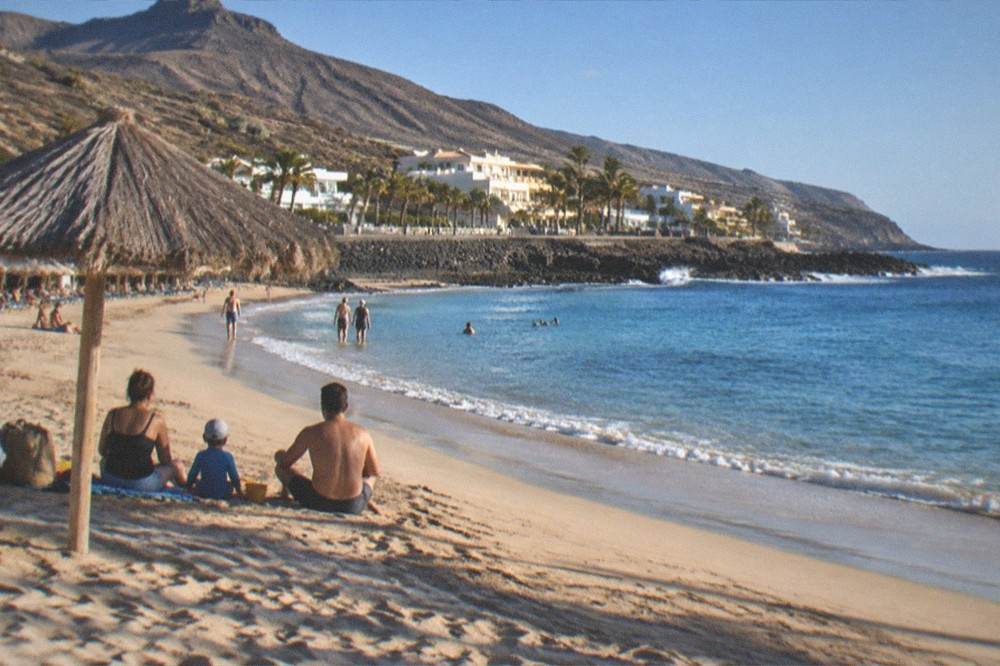
Fanabe suits families who want pale sand, calm south-coast water and everything bookable within one resort strip: the official descriptions put grey-sand El Duque to the north and golden, breakwater-calm Las Vistas to the south, the sea stays between 19.1 and 23.7 degrees Celsius all year, and the island's two big parks are both reachable, with Siam Park in Costa Adeje itself.
The practical family case for the beach rests on the water and the weather, and both are documented above. The case for the location is concentration: whale boats, surf lessons, kayak trips, a water park in the same municipality and a combined park ticket that covers the north-coast zoo as well, all bookable from one base. The bus links make the airport transfer simple, with line 40 from Tenerife South running directly to Costa Adeje bus station via Los Cristianos, and the travelcards sold at the airport machines cover a family's journeys from arrival day.
The whale-watching trips carded below are the three this page's readers book most often from the Fanabe area, and each card prints the operator's live price and availability.
Common Questions About Playa de Fanabe
Is Fanabe the same beach as Playa del Duque?
No. They are neighbouring beaches in the same municipality, Adeje, but the tourist board describes them differently: Fanabe as pale sand and Playa del Duque as a grey sandy beach. The promenade links them, so they are easy to walk between.
Can you swim at Fanabe all year round?
Yes, in temperature terms. NOAA's 1991 to 2020 sea-surface normals for the south coast range from 19.1 degrees Celsius in March to 23.7 in September and October, and AEMET's air normals for Tenerife South Airport show no month averaging below 18 degrees.
Which bus goes from Tenerife South Airport to Fanabe?
TITSA line 40 runs from the airport to Costa Adeje bus station via Los Cristianos, and line 343 is the express linking both airports with Los Cristianos and Costa Adeje. TITSA's airport page also lists lines 10, 711 and 415 at the south airport.
Is public transport free for tourists in Tenerife?
No. The 2026 subsidy covers resident passes only, held by people resident in the Canary Islands. Visitors pay for single tickets, the EUR 10 day travelcard or the EUR 50 seven-day travelcard, sold at the airport ticket machines.
Are there whale-watching trips from near Fanabe?
Yes, the main departure points are Puerto Colon in Costa Adeje and the port at Los Cristianos, both a short bus ride along the coast. Authorised boats fly the Barco Azul flag, and the rules in Decreto 178/2000 keep boats at least 60 m from the animals.