Playa Jardin
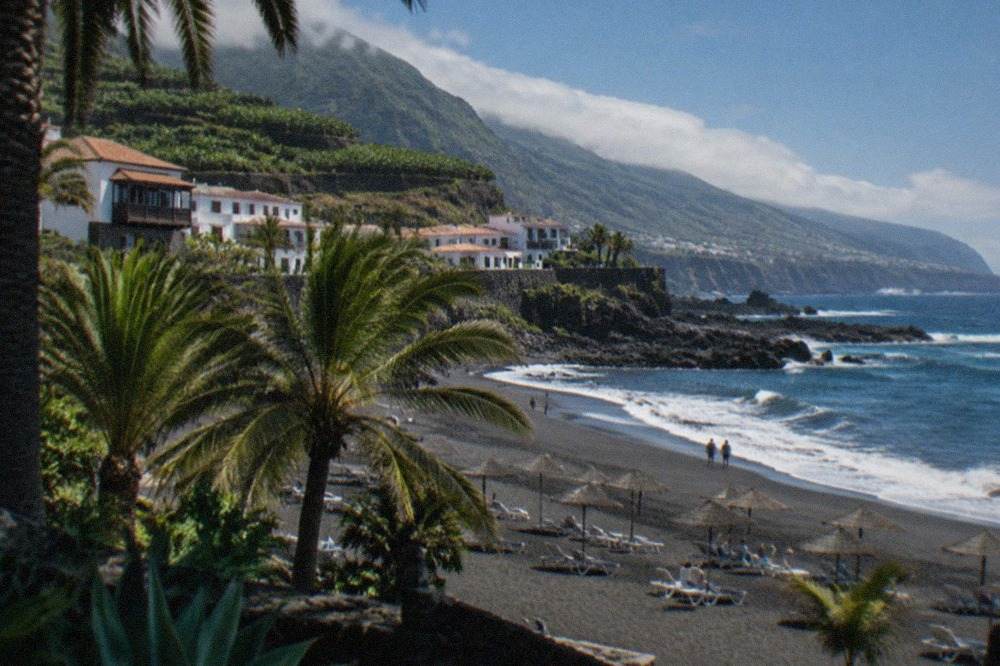
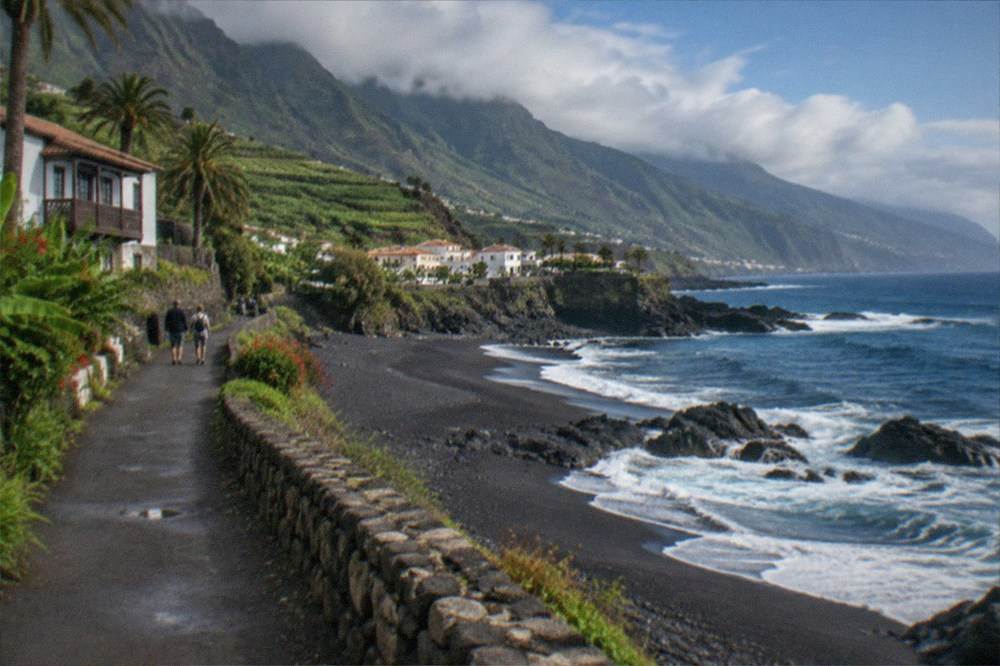
Playa Jardin is Puerto de la Cruz's best-known beach, a dark-sand bay on Tenerife's north coast with Loro Parque and the town's other sights within easy reach.
Short answer
Playa Jardin is a black volcanic sand beach in Puerto de la Cruz on Tenerife's north coast, within the municipality that counted 31,137 residents in 2025, and it is the natural base for combining a beach day with Loro Parque, which opens 09:30 to 17:30 every day of the year.
Puerto de la Cruz counted 31,137 residents in 2025, according to the INE municipal register, and its best-known beach sits right at the foot of the town. Playa Jardin is a dark, volcanic-sand bay fringed by planted gardens, the element that gives the beach its name, and it is the swimming beach most visitors to the north of the island end up on. This page sets out what the verified sources say about the beach, the sea, the transport and the sights around it, so a reader can plan a day there without guessing.
Where Is Playa Jardin in Tenerife?
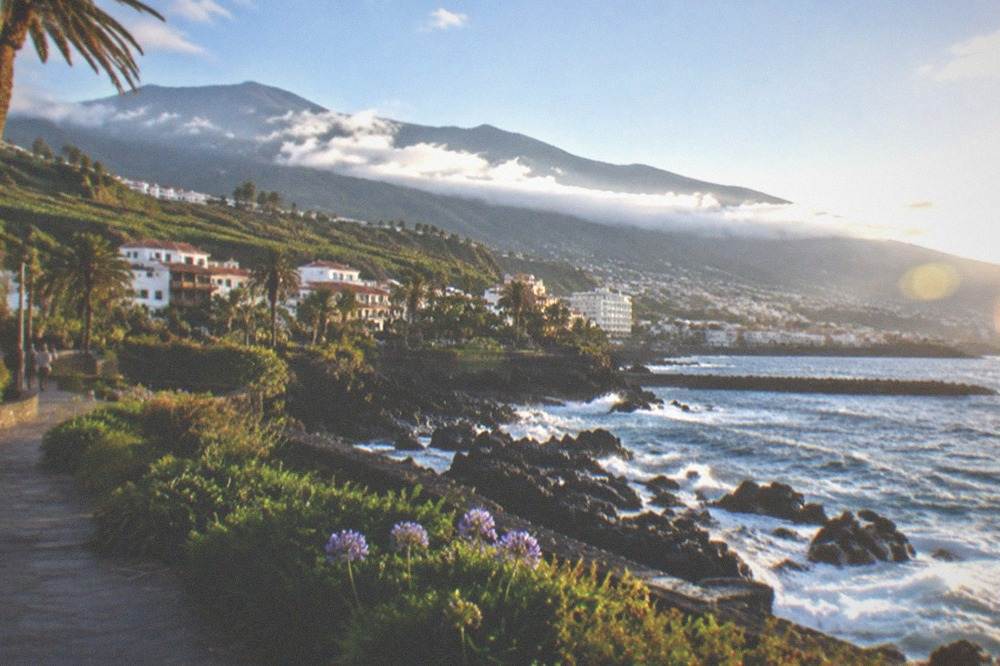
Playa Jardin sits on Tenerife's north coast inside the town of Puerto de la Cruz, the island's historic resort, roughly opposite the coast of Santa Cruz de Tenerife across the bay. It is a town beach, walking distance from the centre of Puerto de la Cruz rather than a drive-away cove, and it is the swimming beach most often paired with a visit to Loro Parque on the town's western edge.
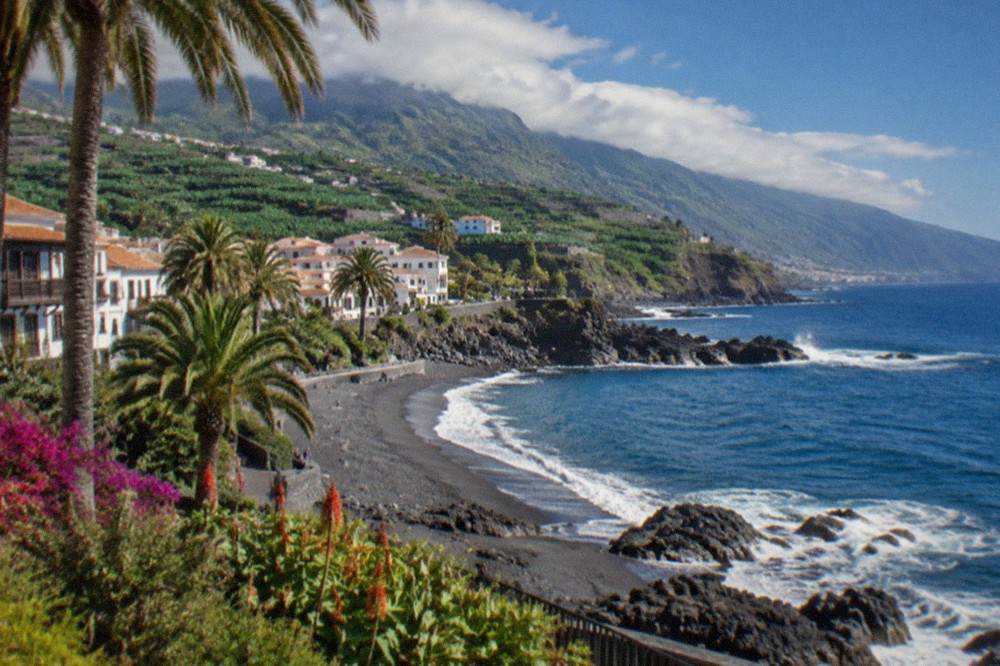
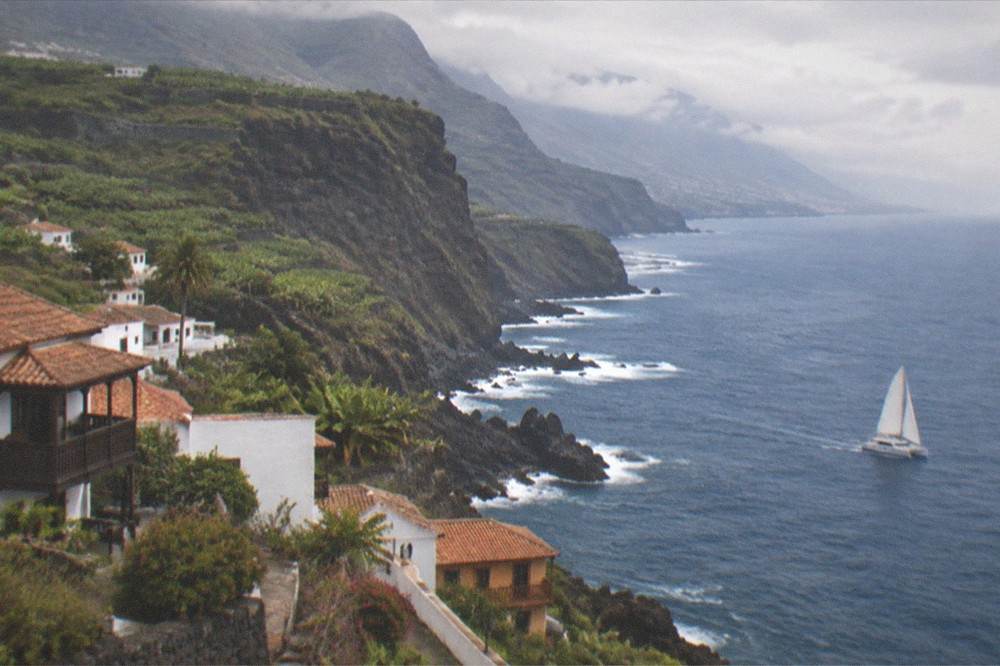
The north of Tenerife is a different proposition from the purpose-built resorts of the south. Where Costa Adeje and Playa de las Américas were laid out around tourism, Puerto de la Cruz grew as a town first, and its seafront mixes old promenades with planted gardens. The beach's own name, Jardin, is the Spanish word for garden, and the planted terraces behind the sand are the feature that separates it from the wilder bays further along the coast.
That has practical consequences. A town beach means restaurants, shops and bus connections close at hand, and it means the sand is busy in high summer. It also means the north coast's weather applies: AEMET's climate normals for Tenerife North Airport, at 632 m up the road in Los Rodeos, record rain on 64 days a year with 1 mm or more, a useful reminder that the north is greener and cooler than the south for a reason. The green is not an accident of landscaping; it is the direct product of that rainfall, and it is why the gardens behind this particular beach thrive in a way the arid south cannot match.
How Does Playa Jardin's Sand Compare with Tenerife's Other Beaches?
Tenerife's beaches split into two families: the volcanic dark and black sand of the north and west, and the pale and golden sand of the big resort bays. The tourist board describes El Bollullo as black sand at the foot of a cliff, El Medano as fine grey sand, and Playa del Duque as grey, while Las Teresitas and Las Vistas are the two it calls golden. Playa Jardin belongs to the dark, volcanic family.
That comparison is worth understanding before you choose where to swim, because the marketing photographs of Tenerife often show only one family. The verified descriptions, from the tourist board's own beach pages, are set out below.
| Beach | Location | Sand, in the tourist board's words |
|---|---|---|
| Playa Jardin | Puerto de la Cruz | Dark volcanic sand |
| El Bollullo | La Orotava | Black sand at the foot of a cliff |
| El Medano | Granadilla de Abona | Fine grey sand, under Montana Roja |
| Playa del Duque | Adeje | Grey sandy beach |
| Fanabe | Costa Adeje | Pale sand |
| Las Teresitas | Santa Cruz (San Andres) | Golden sand, palm trees, breakwaters |
| Las Vistas | Arona | Golden sand, calm behind breakwaters |
Two honest notes on that table. First, the golden-sand bays are not the island's default: they are concentrated in the south, and Las Teresitas in San Andres is the exception on the north-east side. Second, sand colour says nothing about water quality or cleanliness, only about which part of the volcano the coast is made of. A reader who wants the full island picture can compare the two families in depth on the black sand beaches rundown, and the golden-sand equivalents have their own guide.
If dark sand and gardens appeal but a quieter bay is the goal, Playa El Bollullo is the nearby natural alternative, an untamed black-sand cove at the foot of a cliff in La Orotava with none of the town behind it. The trade is simple: Bollullo has the scenery and Playa Jardin has the facilities.
What Is the Sea Temperature at Playa Jardin Through the Year?
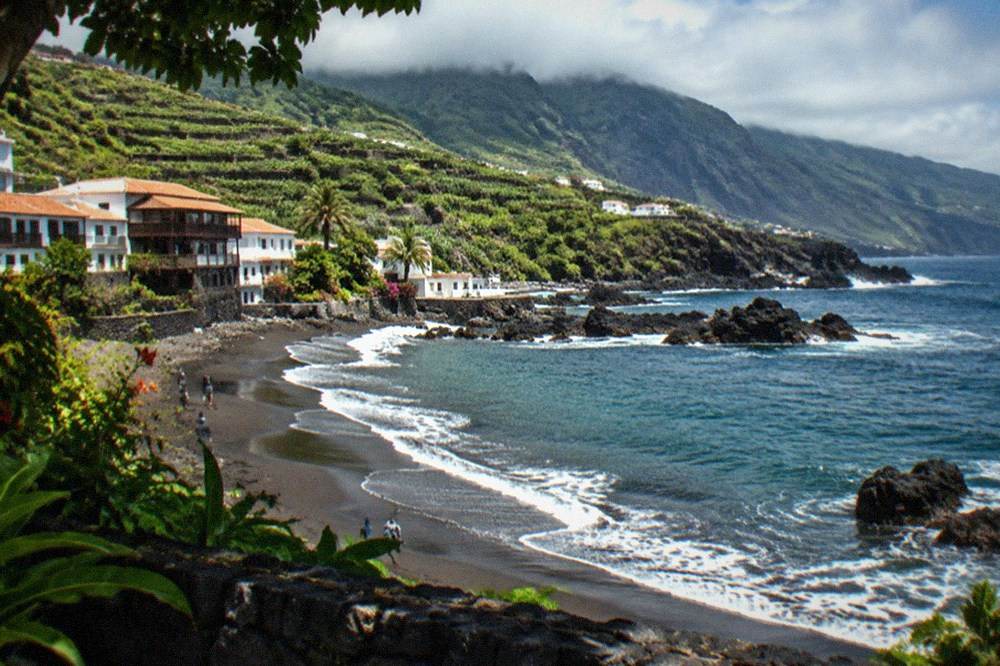
The sea off Tenerife's south coast averages 19.1 Celsius in March, the coldest month, and 23.7 Celsius in September and October, the warmest, on NOAA's 1991 to 2020 dataset. The north coast around Puerto de la Cruz sits within the same band, so the sea at Playa Jardin is at its warmest at the end of summer and at its coolest in late winter, and it never approaches the cold of northern Europe.
Those are the measured figures, not estimates, and they are the reason the island's beach season does not really close. The full monthly series, from NOAA's National Centers for Environmental Information, is worth planning around.
| Month | Sea surface temperature (Celsius) |
|---|---|
| January | 19.9 |
| February | 19.2 |
| March | 19.1 |
| April | 19.5 |
| May | 20.2 |
| June | 21.4 |
| July | 22.2 |
| August | 23.1 |
| September | 23.7 |
| October | 23.7 |
| November | 22.5 |
| December | 21.1 |
Two caats apply to reading that table honestly. The sea figures are a 1991 to 2020 dataset and the air normals cited elsewhere on this site are 1981 to 2010, two datasets with two periods, and they are never mixed into one claim. And the measurement is surface temperature off the south coast: the north coast faces the open Atlantic, so a swim at Playa Jardin can feel brisker than the number suggests, particularly between February and April.
What Is There to Do Near Playa Jardin?
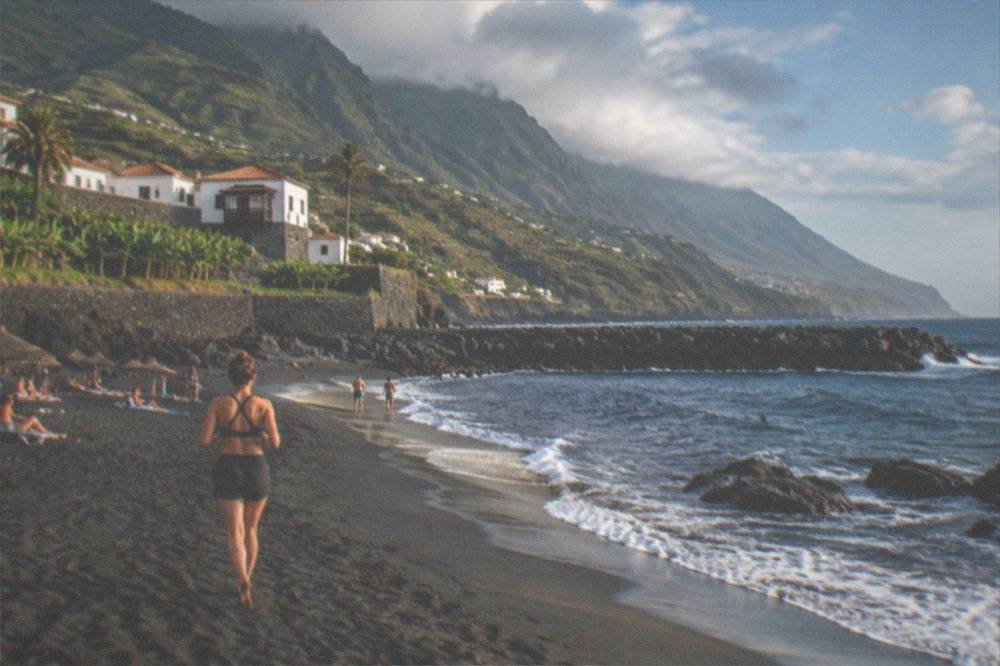
The headline neighbour is Loro Parque, the Puerto de la Cruz animal park that opens 09:30 to 17:30 every day of the year with its own car park at EUR 7 per day, and the beach pairs naturally with it in a single day. Beyond the park, the town's seafront, its old quarter and the ferry-free north-coast road towards Icod de los Vinos and its dragon tree fill out the rest of a stay.
Loro Parque is the reason many families base themselves in Puerto de la Cruz at all. The park's own FAQ page states its hours, 09:30 to 17:30 Monday to Sunday every day of the year, and its car park charge, which makes it one of the few big Tenerife attractions whose daily timetable is published plainly. Tickets for the park are sold through this site's Loro Parque entry ticket listing.
West of the town, the coast road climbs towards Icod de los Vinos, where the Icod dragon tree stands. Icod council attributes an age of roughly 1,000 years to the tree and calls it the oldest and largest known of its species, while the tourist board says over 800 years; both readings are estimates, and the honest sentence is "800 to 1,000 years, by official estimate".
North-coast beaches are for swimming and sunbathing, but the island's famous marine life is concentrated along the south-west, where the resident pilot whales live. If a sea day with animals is the priority, the boat trips below run from the southern bases, and the drive between the two coasts is covered in the getting around Tenerife guide.
How Do You Get to Playa Jardin Without a Car?
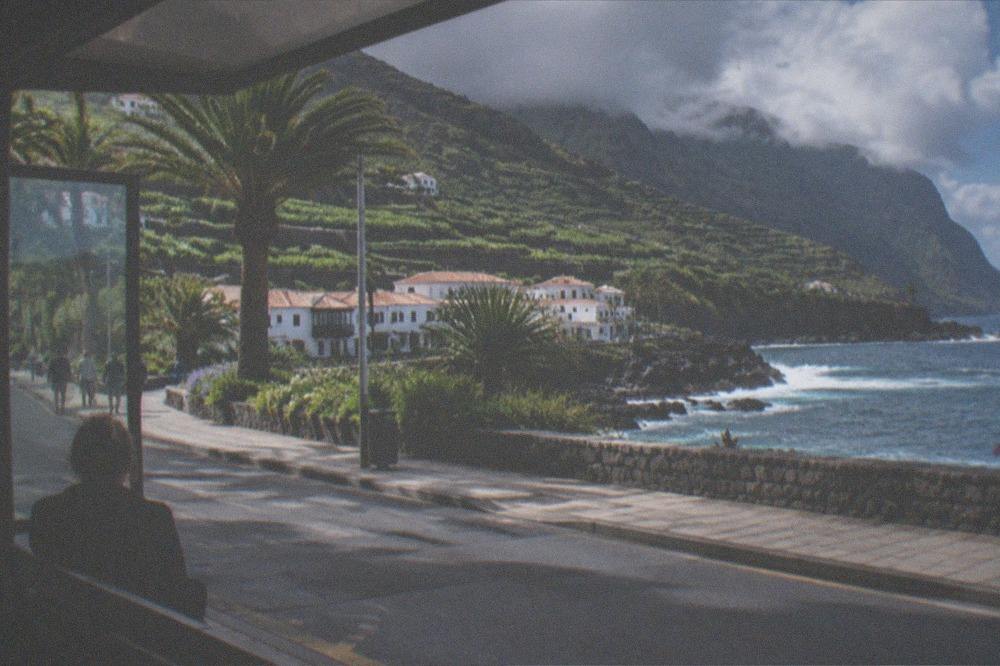
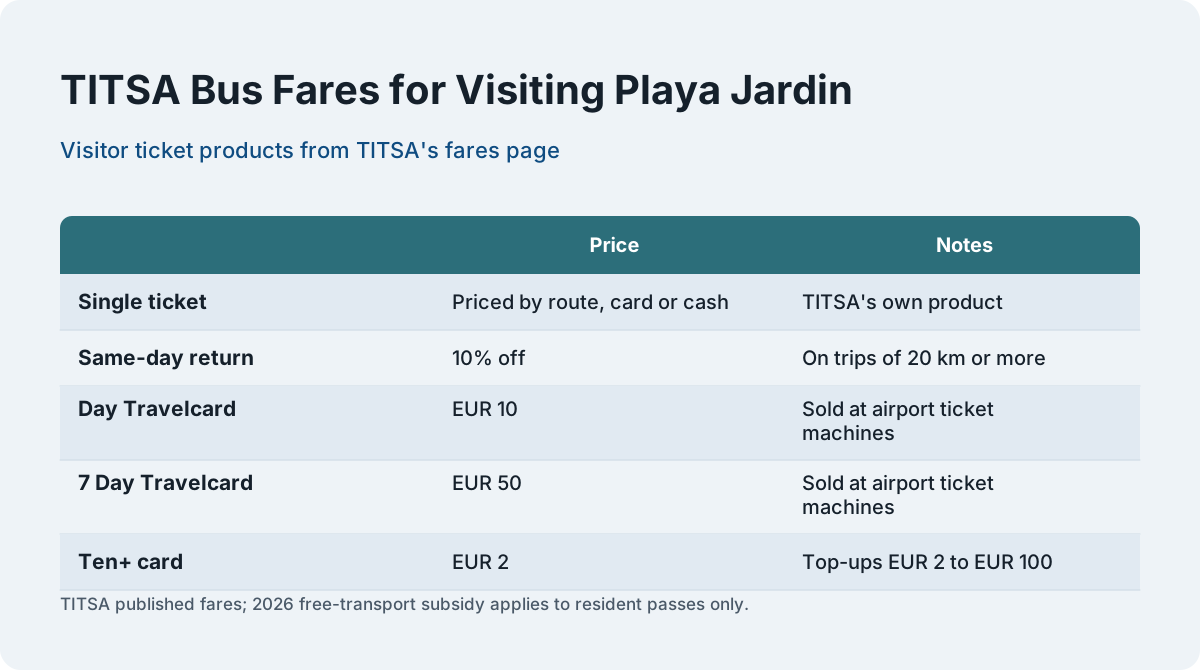
Puerto de la Cruz is a stop on TITSA line 343, the express service that runs from Puerto de la Cruz to Los Cristianos via both Tenerife airports, and line 30 runs from Tenerife North Airport to Puerto de la Cruz, so the beach is reachable by bus from either airport without a transfer. Visitors pay for buses: a single ticket, the EUR 10 day travelcard or the EUR 50 seven-day travelcard.
Those are TITSA's own published lines and fares. The 2026 free-transport subsidy applies to resident passes only, so a visitor planning a car-free stay should budget with the visitor products in the table below, all taken from TITSA's fares page. The full index of guides sits on Tenerife Travel Guide.
| Ticket | Price | Notes |
|---|---|---|
| Single ticket | Priced by route, card or cash | TITSA's own product |
| Same-day return | 10% off | On trips of 20 km or more |
| Day Travelcard | EUR 10 | Sold at airport ticket machines |
| 7 Day Travelcard | EUR 50 | Sold at airport ticket machines |
| Ten+ card | EUR 2 | Top-ups EUR 2 to EUR 100 |
The practical point for a beach day is that Puerto de la Cruz is one of the easiest towns on the island to reach and to leave. The express line 343 threads through both airports, Tenerife South and Tenerife North, so a visitor arriving at either can be in the town without hiring a car, and the tram in Santa Cruz, Metrotenerife's line, does not serve either airport; the buses do. Whether a car is worth it at all is argued properly in the do you need a car in Tenerife answer, and the car-free itinerary page shows how the whole island can be done on TITSA alone.
When Is the Best Weather for Playa Jardin?
AEMET's Santa Cruz station, the nearest lowland normals to the north coast, records mean daily highs of 28.7 Celsius in July and 29 Celsius in August against 21 Celsius in January, with July's 337 sunshine hours the annual peak and December's 168 the floor. For beach weather on this coast, June to September is the strongest window, and the sea is warmest just after it, in September and October.
The monthly detail, from AEMET's 1981 to 2010 normals for Santa Cruz de Tenerife at 36 m, shows why the island's season is long but not flat.
| Month | Mean daily max (C) | Mean daily min (C) | Rain, mm | Sunshine hours |
|---|---|---|---|---|
| January | 21 | 15.4 | 32 | 178 |
| February | 21.2 | 15.3 | 35 | 186 |
| March | 22.1 | 15.9 | 38 | 221 |
| April | 22.7 | 16.5 | 12 | 237 |
| May | 24.1 | 17.8 | 4 | 282 |
| June | 26.2 | 19.5 | 1 | 306 |
| July | 28.7 | 21.2 | 0 | 337 |
| August | 29 | 21.9 | 2 | 319 |
| September | 28.1 | 21.7 | 7 | 253 |
| October | 26.3 | 20.3 | 19 | 222 |
| November | 24.1 | 18.4 | 34 | 178 |
| December | 22.1 | 16.6 | 43 | 168 |
One nuance the table cannot show: Puerto de la Cruz sits on the humid north side of the island, and the higher ground behind it, the La Orotava valley climbing towards Teide National Park, can hold cloud while the south bakes in clear sky. The monthly guides on this site track that pattern beach by beach; see the Tenerife weather by month overview for the full picture.
Is Playa Jardin Good for Swimming and Snorkelling?
The sea at Playa Jardin is Atlantic water on a volcanic coast, warmest at 23.7 Celsius in September and October and coolest at 19.1 Celsius in March, and the island's marine life, including the turtles that snorkellers come for, is abundant in the south-west's protected waters. For snorkelling with turtles, the organised trips run from the Los Cristianos side of the island rather than the north coast.
The distinction matters and is worth being plain about. The turtle habitat that Tenerife's kayak and snorkel trips are built around sits along the southern coast, which is why the operators launch from Los Cristianos and its neighbours rather than from Puerto de la Cruz. A visitor staying near Playa Jardin who wants the turtle experience has a choice: travel south for a guided trip, or swim and snorkel off the local beach independently.
The marine life around the island is protected by law, not by goodwill. Decreto 178/2000, the Canary regulation that governs whale and dolphin watching, bans approaching cetaceans within 60 m, allows at most three boats within 500 m, sets a 4-knot limit inside that zone and forbids swimming or diving within 500 m of them. Authorised boats must fly the Barco Azul flag, issued with the permit and renewed annually. A reader choosing any boat trip anywhere on the island can check for that flag and know exactly what it certifies.
Can You Combine Playa Jardin with Whale Watching or a Boat Trip?
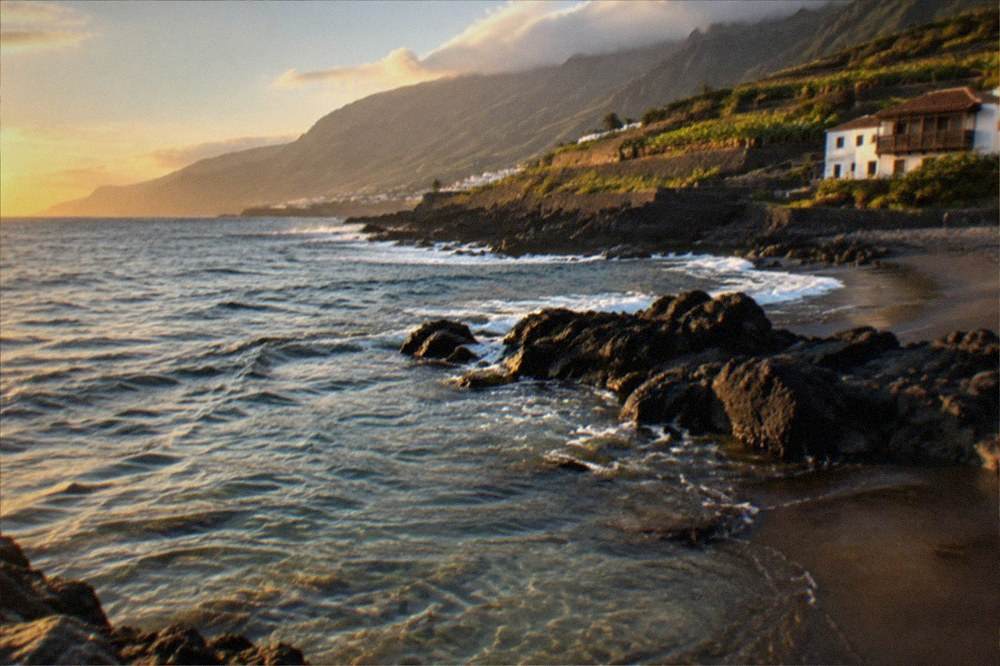
Yes, but not from the beach itself: Tenerife's whale watching fleet is based on the south-west coast, at Los Cristianos, Costa Adeje and Los Gigantes, where the resident pilot whales live inside a Special Area of Conservation. The World Cetacean Alliance designated the Tenerife-La Gomera Marine Area a Whale Heritage Area in January 2021, and the trips below reach that water from the southern ports.
The geography is the whole story. The pilot whales and bottlenose dolphins the island is famous for live in the channel between Tenerife and La Gomera, on the south-western corner, which is why every major operator sails from the south. From Puerto de la Cruz, that means a transfer, usually arranged by the tour itself, and a day that pairs badly with a lazy beach morning but well with a full day out.
The Los Gigantes end of that coast adds the island's most dramatic sea cliffs, which the tourist board describes as towering up to 600 m, with the seabed about 30 m deep at their foot inside Teno Rural Park. A cruise that combines the whales with the cliffs, with a swim stop in between, is the classic southern sea day, and the Los Gigantes cliffs page covers the coastline in detail.
What Else Should You Know Before Visiting Playa Jardin?
Four practical rules matter: there is no tourist tax on Tenerife, no official page read shows a per-night lodging tax in force or approved, visitors pay full fare on buses and the resident subsidy is not for them, the Canaries apply IGIC at 7% on everyday goods rather than VAT, and UK and US visitors are registered at the border with a facial image and fingerprints under the EES, which replaced passport stamping.
Each of those is a place where outdated advice circulates. The charges that do exist on Tenerife are specific ones: the per-booking public fees on the Teide trails PNT 10 and PNT 07 since 19 January 2026, the Masca gorge ticket at EUR 40.66 general, and the Barranco del Infierno ticket at EUR 15 for non-resident adults. None of them touches a beach day at Playa Jardin, but a reader building a wider itinerary should know where the money goes. The tourist tax and local rules answer carries the detail.
Border rules are the other moving part. The EU's Entry/Exit System started on 12 October 2025 and has been fully operational since 10 April 2026, recording the facial image and fingerprints of non-EU nationals on short stays instead of stamping. ETIAS, the travel authorisation, is a separate thing: the EU says it "is currently not in operation and no applications for travel authorisations are collected at this point", and its fee will be EUR 20 when it starts. No start date has been announced, and any page printing one is guessing.
Common Questions About Playa Jardin
Is Playa Jardin safe for swimming?
The sea is open Atlantic on a volcanic coast, warmest at 23.7 Celsius in September and October and coolest at 19.1 Celsius in March. As on any Atlantic beach, conditions vary day to day and swimmers should follow the lifeguard and flag signals present on the day. No official page read for this site ranks beaches by safety, so no ranking is printed here.
Is Playa Jardin suitable for families?
Yes, in the way a town beach is: facilities, food and transport are close at hand and the beach sits beside Puerto de la Cruz's gardens. Families pairing the beach with Loro Parque should note the park's published hours, 09:30 to 17:30 every day of the year, and its own car park at EUR 7 per day.
Can you reach Playa Jardin by bus from the airport?
Yes. TITSA line 30 runs from Tenerife North Airport to Puerto de la Cruz, and line 343, the express, runs from Puerto de la Cruz to Los Cristianos via both Tenerife airports. Visitors pay for buses: single tickets, the EUR 10 day travelcard or the EUR 50 seven-day travelcard.
Is Playa Jardin a golden sand beach?
No. Playa Jardin is a dark volcanic sand beach on the island's north coast. The tourist board's golden-sand descriptions belong to Las Teresitas in San Andres and Las Vistas in Arona, both on the other side of the island.
Do you need to book anything to visit Playa Jardin?
No booking, permit or entry fee applies to the beach itself. The bookable things around it are separate products: Loro Parque tickets, boat trips from the southern ports, and, elsewhere on the island, the reservation-only trails such as the Teide summit path, which is booked on Tenerife ON.