North Tenerife Day Trip from the South
The south of Tenerife holds the big resorts, the grey and golden sand, and most of the island's hotel beds. The north holds the Drago Milenario, Garachico's lava-buried port, La Orotava's balconies and a climate AEMET's own stations measure as cooler and wetter than the airport you landed at. Here is how to cross the island for one day, with every fee, hour and rule taken from the official pages.
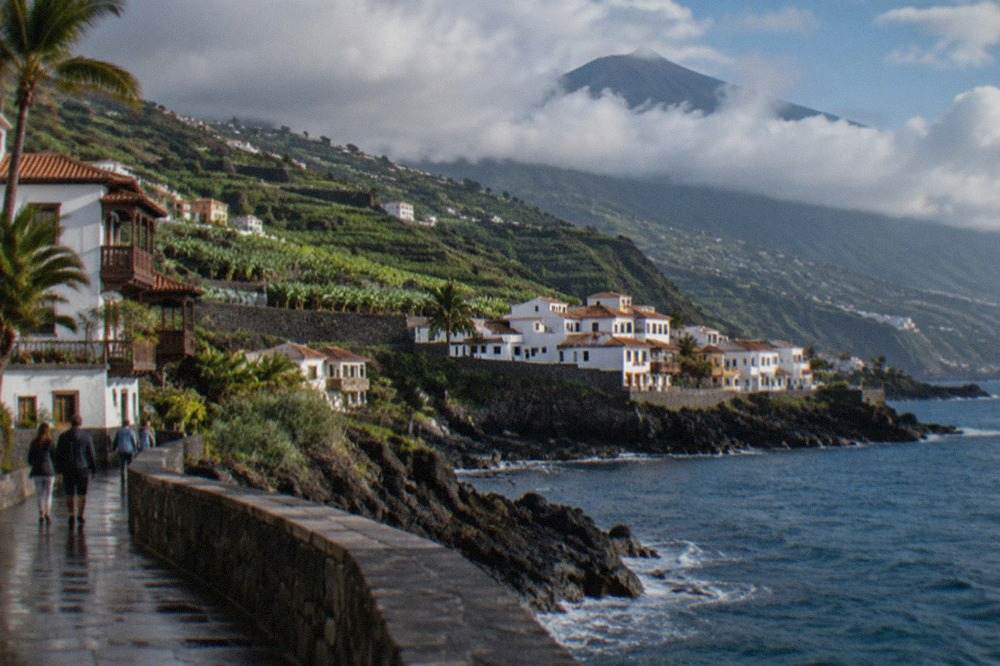
Short answer
A north Tenerife day trip from the south works best with a hire car or an early start on TITSA line 343. A realistic one-day loop takes in the Drago Milenario at Icod de los Vinos, the Garachico natural pools, La Orotava's old town and, if time allows, Puerto de la Cruz. Expect cooler, cloudier weather than the south, and book nothing you cannot cancel if the forecast turns.
The south of Tenerife and the north of Tenerife behave like two different islands sharing one road network. AEMET's climate normals make the split measurable: Tenerife North Airport, at 632 m, averages 520 mm of rain a year on 64 days with 1 mm or more, while Tenerife South Airport averages 132 mm on 15.2 days. That is why the resort belt sits in the dry south and the dragon trees, laurel forests and lava-buried harbour towns sit in the green north. A day trip across the ridge is the single most common excursion south-based holidaymakers plan for themselves, and this page lays out how to do it with the verified numbers: which buses run, what each stop charges, what the weather will do, and how the day compares with the other big island days out. The whole subject is covered in depth across this Tenerife Travel Guide, and the north-versus-south question has its own long read at Tenerife North vs South.
Is North Tenerife Worth a Day Trip from the South?
Yes, for most holidaymakers a single day in the north is the easiest way to see the half of the island the resort belt does not show you. The north is measurably greener, cooler and wetter than the south, and its stops have no southern equivalent. The trade-off is travel time each way, so the day rewards an early start.
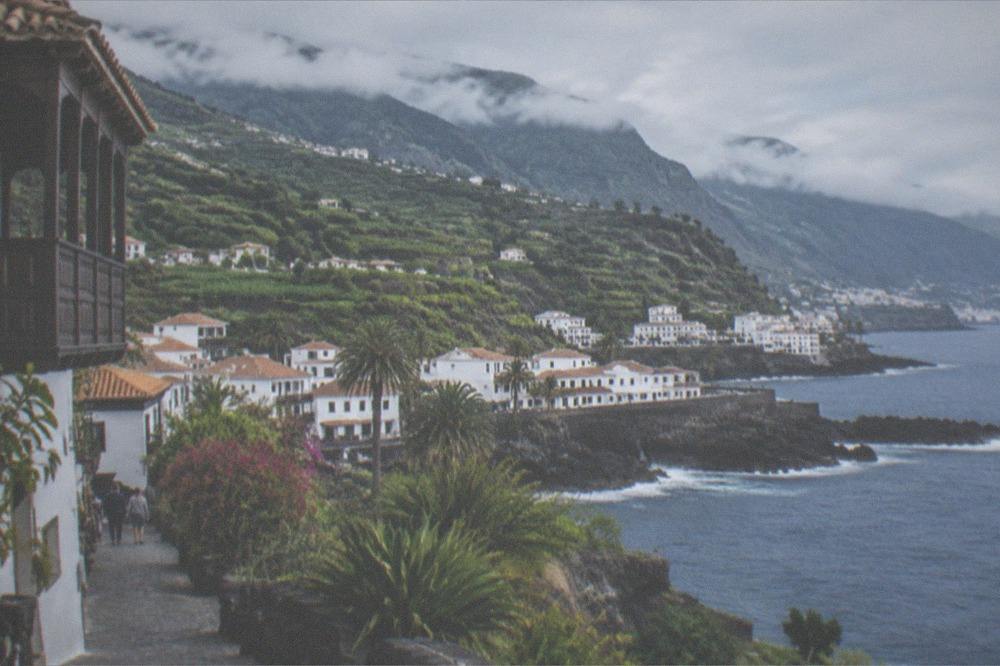
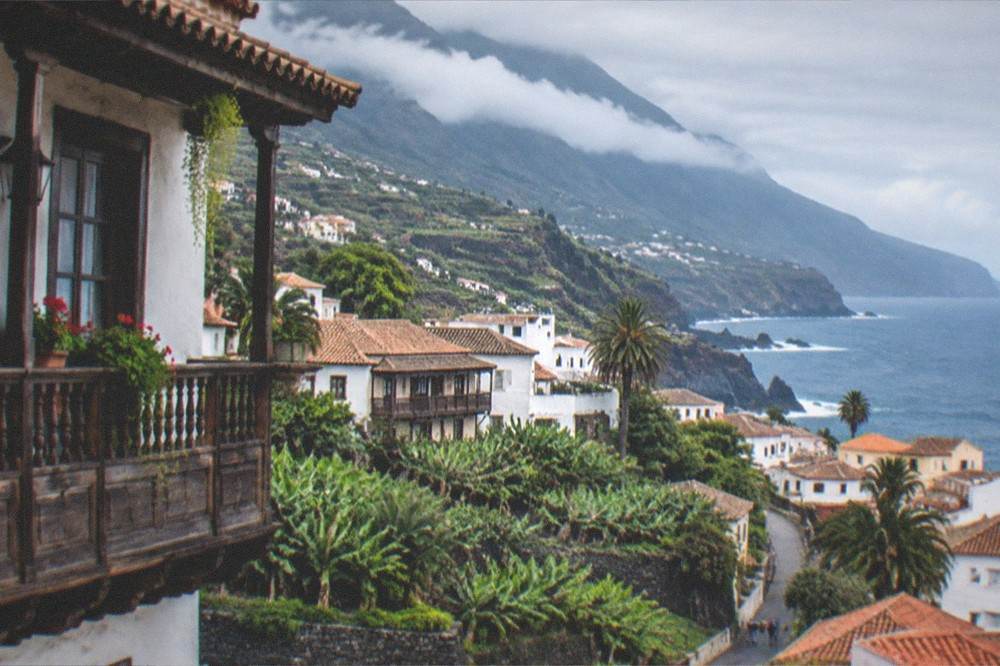
The case for going is straightforward. The tourist board records that the Trevejo volcano erupted in 1706, destroyed almost the entire town of Garachico and buried its old port, and that Garachico had been the island's trade hub in the 16th and 17th centuries. A town with that history, fronted by natural pools, is not something the purpose-built south can match. Icod de los Vinos holds the Drago Milenario, which Icod council calls the oldest and largest known dragon tree of its species and a National Monument since 1917. La Orotava holds the Casa de los Balcones and a UNESCO-listed neighbour in San Cristóbal de La Laguna if you extend the day.
The case against is the commute. No verified source in this site's facts gives a driving time between the south and any northern town, so none is printed here; what can be said is that the island is one road network with a motorway spine, and that a loop covering Icod de los Vinos, Garachico and La Orotava is a full day by any measure. Holidaymakers who dislike long drives have an alternative covered lower down: a booked island tour that runs the loop for them, or a La Gomera ferry day instead, which is a shorter crossing than most people expect at 50 minutes from Los Cristianos.
How Do You Get from the South to the North?
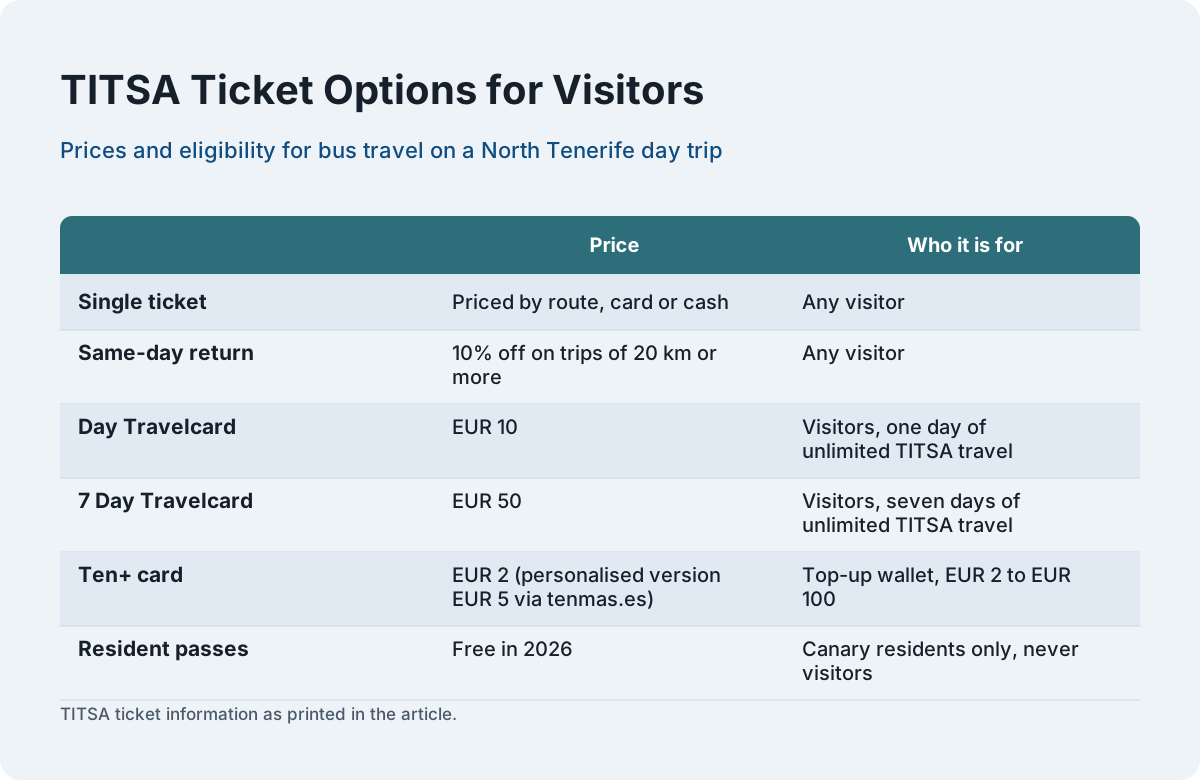
The two practical options are a hire car, which lets you run the coastal loop at your own pace, or TITSA buses: line 343 runs express from Los Cristianos through both airports to Puerto de la Cruz, and line 30 connects Tenerife North Airport to Puerto de la Cruz, with line 20 reaching Santa Cruz via La Laguna. Visitors pay for every journey: single tickets, the EUR 10 day travelcard or the EUR 50 seven-day travelcard. The free 2026 subsidy is for Canary residents only.
TITSA's own airport pages are the source for the lines, and they are worth reading before you plan. At Tenerife South Airport the listed lines are 10 to Santa Cruz, 40 to Costa Adeje bus station via Los Cristianos, 711 as the night bus, 343 express to Puerto de la Cruz via both airports, and 415 to El Fraile and San Isidro. At Tenerife North Airport the listed lines are 20 to Santa Cruz via La Laguna, 30 to Puerto de la Cruz, and 343 express to the south. Line 343 is therefore the one bus that stitches the whole island together, and the airport pages at Tenerife North Airport and Tenerife South Airport carry the detail.
Visitors do not qualify for the free pass, and this trips up a lot of pages online. The Canary government confirmed a 100% subsidy on passes and multi-trip tickets for 2026, in force since 1 January 2026, but every subsidised pass requires residency in the Canary Islands and a personalised Ten+ card. What a visitor buys is different: single tickets priced by route, the EUR 10 day travelcard, or the EUR 50 seven-day travelcard, all sold at airport ticket machines. A same-day return carries 10% off on trips of 20 km or more.
| Ticket | Price | Who it is for |
|---|---|---|
| Single ticket | Priced by route, card or cash | Any visitor |
| Same-day return | 10% off on trips of 20 km or more | Any visitor |
| Day Travelcard | EUR 10 | Visitors, one day of unlimited TITSA travel |
| 7 Day Travelcard | EUR 50 | Visitors, seven days of unlimited TITSA travel |
| Ten+ card | EUR 2 (personalised version EUR 5 via tenmas.es) | Top-up wallet, EUR 2 to EUR 100 |
| Resident passes | Free in 2026 | Canary residents only, never visitors |
For drivers, the practical detail is that the north's stops are spread along the coast road between Puerto de la Cruz and Buenavista del Norte, so a loop rather than an out-and-back saves distance. Holidaymakers who have not booked a car can weigh the island-wide options through car hire for the island. One rule worth knowing before you drive anywhere near Teide: the Cabildo bans smoking in all open-air spaces of the national park, car parks included, and the park's trails carry per-booking fees described in the Teide summit permit guide.
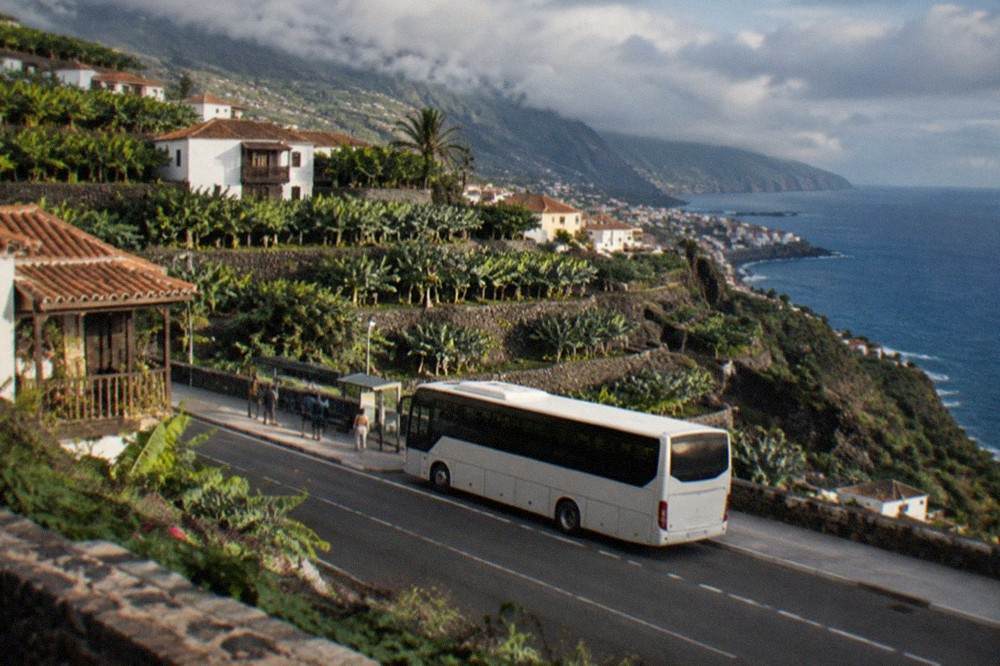
What Should a One-Day North Tenerife Route Include?
The classic loop runs Icod de los Vinos first for the Drago Milenario, then Garachico for the natural pools and the 1706 lava story, then La Orotava for the historic centre, ending in Puerto de la Cruz if the day has hours left. Every stop is free to walk around except the Drago park and the paid attractions. The order can be reversed to put the farthest stop first while energy is high.
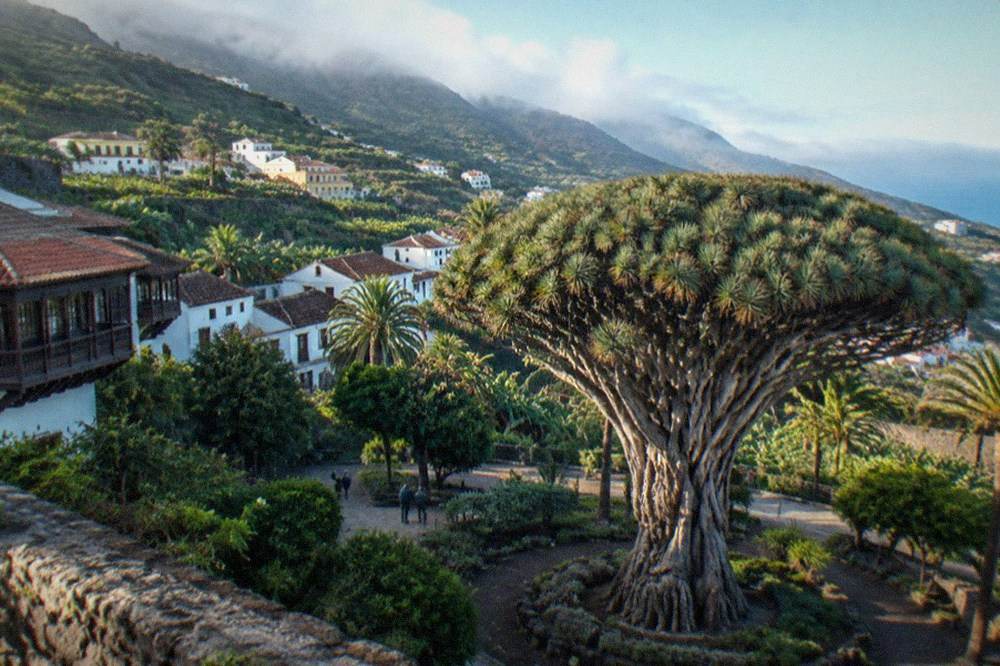
Icod de los Vinos is usually first because it is the farthest north of the three towns on the loop. The Drago Milenario stands there, and the two official sources give two ages, so this site prints both: Icod council says an age of approximately 1,000 years is attributed to it, and Turismo de Tenerife calls it estimated to be over 800 years old. Both agree on the measurements, which the council records as about 21 m tall with a trunk base about 17 m round. No entry price or opening hours for the Drago park are stated on any official page this site has read, so check the council's own page before you go.
| Drago Milenario | Official figure | Source |
|---|---|---|
| Height | About 21 m | Icod council |
| Trunk base | About 17 m round | Icod council |
| Age | 800 to 1,000 years, an estimate | Icod council and Turismo de Tenerife |
| Status | National Monument since 1917 | Icod council |
| Standing | Oldest and largest known of its species | Icod council |
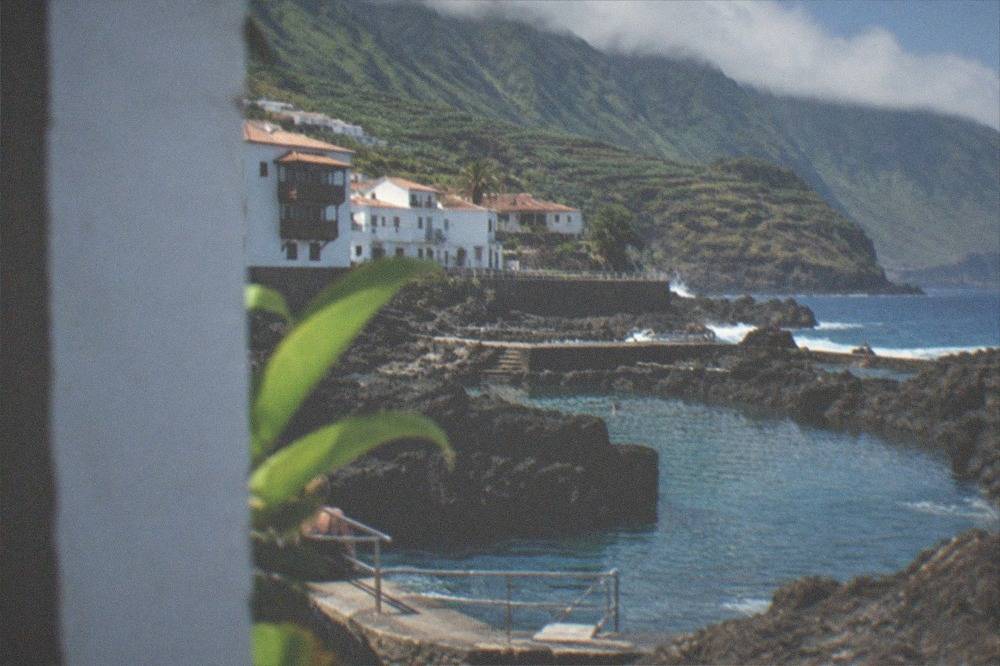
Garachico is next along the coast, and its story is the reason the town looks the way it does. The Trevejo volcano erupted in 1706, destroyed almost the entire town and buried the old port, ending Garachico's run as the island's trade hub in the 16th and 17th centuries. The natural pools the town is now known for are a direct legacy of that lava, and the Garachico natural pools page covers them in detail. Walking the old streets costs nothing.
La Orotava sits above the coast road on the way back east, and its historic centre is the third stop. A free, pay-what-you-want GuruWalk walking tour of La Orotava runs 1 hour 30 minutes and is rated 4.77 from 26 English-language reviews; it is free to join and tip-based, which suits a day trip's budget nicely. If the day still has light, Puerto de la Cruz adds the seafront, Playa Jardin and, for families, Loro Parque, which opens 09:30 to 17:30 every day of the year with its own car park at EUR 7 per day. No gate price for Loro Parque is printed here because none was confirmed on an official page; the product cards carry live prices.
A booked coach version of this exact territory exists for anyone who would rather not drive it, and it is worth comparing against self-drive before you commit. The tour runs the Teide, Masca, Icod and Garachico loop in 9 hours and is rated 4.6 from 2,951 reviews. It trades the freedom of a car for a guaranteed seat and a guide, and for many one-week holidaymakers that trade is worth making on the single longest driving day of the trip. The dedicated route write-up for the same territory, including Masca's boat-exit rules, is at Masca, Garachico and Icod route.
Should You Add Teide to a North Tenerife Day?
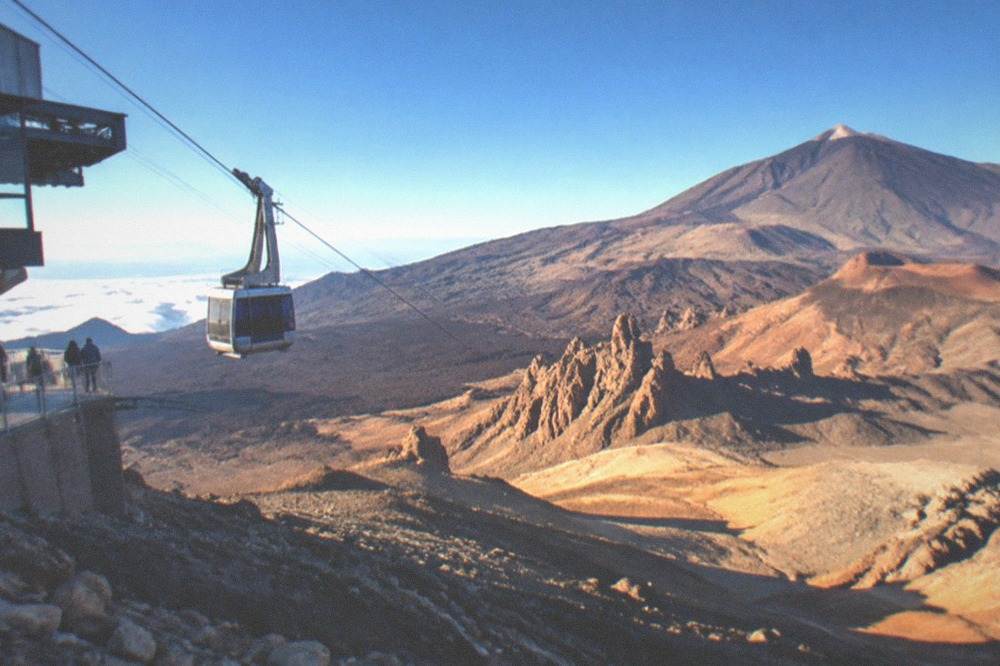
You can, because the road to the national park climbs from La Orotava, but a Teide stop plus a full north loop is a lot for one day. The cable car runs to La Rambleta at 3,555 m, with a 2026 return ticket at EUR 42 for a non-resident adult and EUR 21 for a child 3 to 13, and it does not reach the summit: the crater trail is a separate Tenerife ON reservation costing EUR 15 for visitors on the 09:00 to 17:00 slots.
The cable car's own price page is the source for the tickets, and the split between the two products is the single most misunderstood thing on the island. The cable car stops at La Rambleta, 3,555 m. The crater trail, PNT 10 Telesforo Bravo, needs a personal reservation on Tenerife ON, and since Monday 19 January 2026 the 09:00 to 17:00 slots cost EUR 15 for visitors, EUR 6 for residents of the other Canary Islands, and nothing for Tenerife residents and children. Permits are released every Monday at 07:00 Canary time, keeping 56 days bookable, and this site states no lead time beyond that because no official page gives one.
| Cable car ticket, 2026 | Non-resident adult | Non-resident child (3 to 13) | Resident adult | Resident child |
|---|---|---|---|---|
| Return | EUR 42.00 | EUR 21.00 | EUR 10.50 | EUR 5.25 |
| One way | EUR 23.50 | EUR 11.75 | EUR 5.88 | EUR 2.94 |
| Return plus audio guide | EUR 45.50 | EUR 24.50 | EUR 14.00 | EUR 8.75 |
The operator's exclusion list matters more here than at the beach: people with cardiovascular conditions, pregnant women and children under 3 are not allowed on the cable car because of the altitude, and the operator tells anyone with health problems to ask a doctor first. Driving through the national park itself carries no charge on any official page read, and the viewpoints are free, so a short Teide photo stop on the way back south is possible without any booking at all. The full cable car detail, including hours by season, is on the Teide cable car page, and the summit-permit rules have their own guide.
What Does the Weather Do in the North?
The north is cooler and wetter than the south in every month, and the gap is largest in winter. AEMET's 1981-2010 normals put Tenerife North Airport at a January mean of 13.1 C with 80 mm of rain, against Tenerife South Airport at 18.4 C with 17 mm; in July the gap narrows to 20.2 C against 24 C with almost no rain at either station. Pack a layer for the north even in August, and check the forecast rather than trusting the south's sunshine.
The two airport stations are the fairest comparison because they measure the air holidaymakers actually stand in. The north station sits at 632 m, which is why it reads so differently from the coast-hugging south station at 64 m. Rain falls on the north in every month of the year, peaking in November and December, while the south records months with zero days of 1 mm or more from June through August.
| Month | North mean C | North rain mm | South mean C | South rain mm |
|---|---|---|---|---|
| Jan | 13.1 | 80 | 18.4 | 17 |
| Feb | 13.4 | 70 | 18.5 | 20 |
| Mar | 14.5 | 61 | 19.3 | 15 |
| Apr | 14.7 | 39 | 19.5 | 7 |
| May | 16.1 | 19 | 20.4 | 1 |
| Jun | 18.1 | 11 | 22.1 | 0 |
| Jul | 20.2 | 6 | 24 | 0 |
| Aug | 21.2 | 5 | 24.7 | 1 |
| Sep | 20.7 | 16 | 24.5 | 4 |
| Oct | 18.9 | 47 | 23.4 | 12 |
| Nov | 16.5 | 81 | 21.5 | 26 |
| Dec | 14.3 | 82 | 19.7 | 30 |
The sea, by contrast, barely differs around the island. NOAA's 1991-2020 series for the south coast shows the sea surface running from 19.1 C in March to 23.7 C in September and October, a gentle curve that makes swimming plausible in any month with a wetsuit-free tolerance for cool water. The air normals are 1981-2010 and the sea figures are 1991-2020, two datasets and two periods, so they are never quoted as one.
How Does a North Day Trip Compare with the Other Big Island Days Out?
A north loop competes for the same holiday day as Teide, Masca and the La Gomera ferry, and the choice comes down to driving appetite and weather. Teide needs clear skies and, for the summit, a reservation; Masca needs a pre-booked boat exit and a TITSA bus arrival; La Gomera is a 50-minute ferry from Los Cristianos. A north loop is the most weather-tolerant of the four, because its highlights are trees, towns and pools rather than views.
The comparison table below holds only what the official pages state. Masca's rules are the strictest on the island: the gorge is open as a descent only under a continuing pilot scheme, the general ticket is EUR 40.66 with the boat extra, hikers must arrive on TITSA line 355 from Santiago del Teide and show the bus ticket, private vehicles are refused, and closed mountain footwear is a condition of entry. Sea conditions can close the pier suddenly and void the day's ticket. The Masca page carries the full rule set.
| Day out | What it needs | Headline rule from the official page |
|---|---|---|
| North loop (Icod, Garachico, La Orotava) | A car or TITSA lines 343 and 30 | No booking for the towns; Drago park details on the council page |
| Teide cable car | An operator ticket | EUR 42 return for a non-resident adult; stops at La Rambleta, 3,555 m |
| Teide summit trail PNT 10 | A Tenerife ON reservation | EUR 15 for visitors on 09:00 to 17:00 slots since 19 January 2026 |
| Masca gorge | A pre-booked ticket plus boat | EUR 40.66, descent only, TITSA line 355 arrival mandatory |
| Barranco del Infierno | Advance online booking | EUR 15 non-resident adult, 20 people every 30 minutes, mornings |
| La Gomera | A ferry ticket | 50 minutes from Los Cristianos with Fred. Olsen Express |
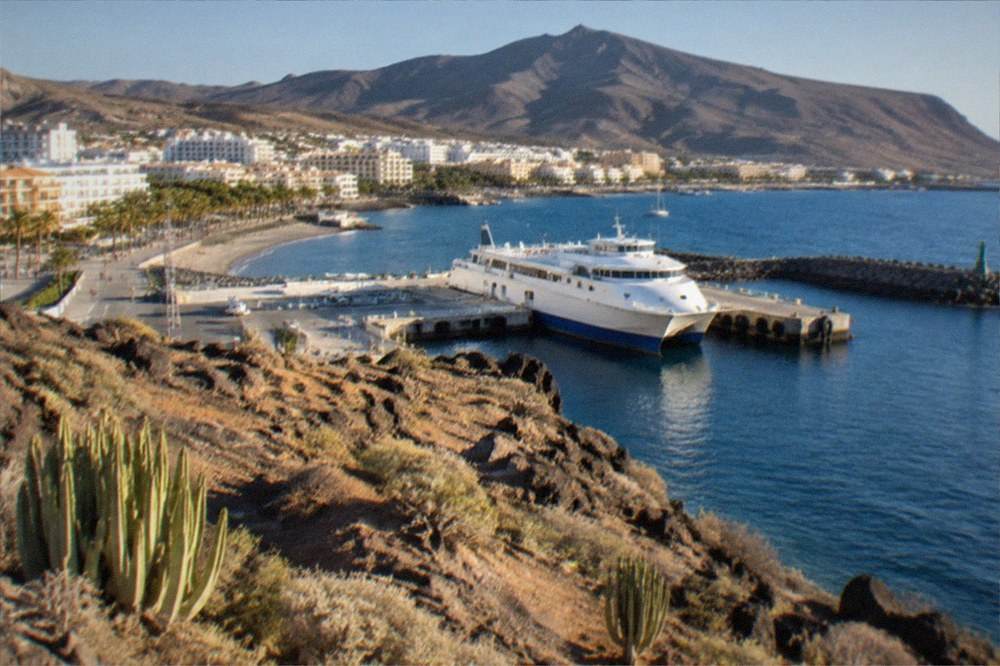
La Gomera deserves a special word because it is the day trip most often underestimated. The crossing from Los Cristianos to San Sebastian de La Gomera takes 50 minutes on Fred. Olsen Express, and a coach-and-ferry day trip with lunch included runs the whole thing from south Tenerife hotels in 9 hours, rated 4.1 from 2,218 reviews. The island's La Gomera day trip page covers the island itself, and a jeep-safari variant with Garajonay and lunch also runs, rated 4.7 from 571 reviews.
For holidaymakers who want the north's highlights without any of the logistics, a whole-island guided tour with a north focus runs 8 hours from the south and is rated 4.5 from 374 reviews. It is the honest fallback when a hire car is not booked and the bus timetable looks thin, and the Teide from the south page covers the volcanic half of the same decision. Cruise passengers have their own tighter version of all this, laid out in the one day from the cruise port itinerary.
What About a Second Day Out Instead?
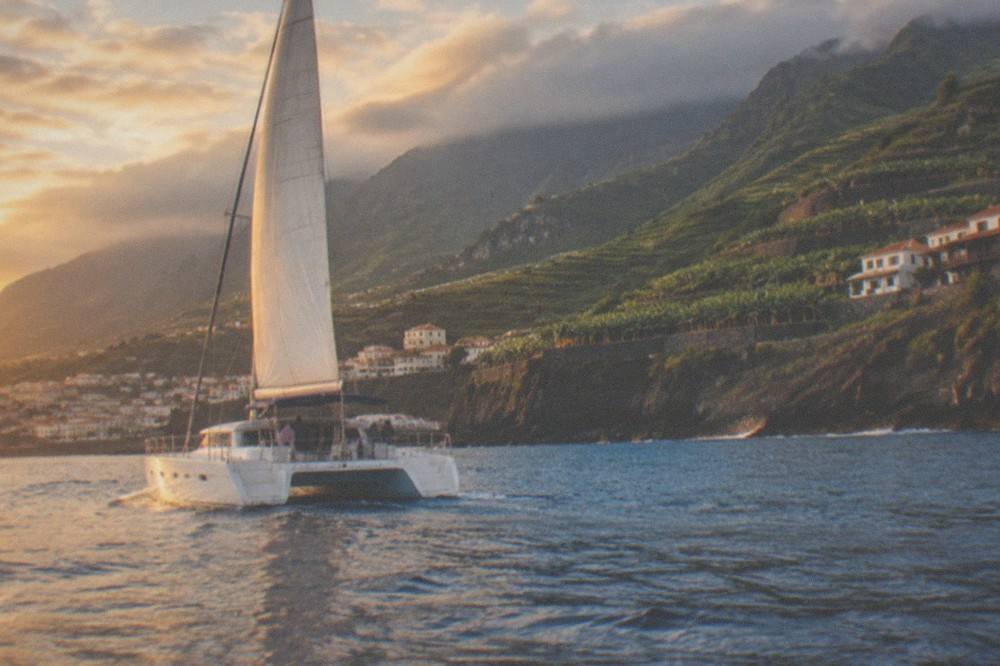
If the weather forecast turns against the north, the strongest swaps are a boat trip from the south coast, a Teide sunset and stargazing evening, or a second island entirely: Gran Canaria is an 80-minute ferry from Santa Cruz de Tenerife to Agaete, and La Palma and El Hierro both sail from Los Cristianos. None of those depends on the north's cloud, and the whale-watching fleet runs year-round from ports in the south.
The whale fleet is worth a sentence of regulation, because it is the most-sold product on the island and the rules are official. Decreto 178/2000 governs every trip: boats may not approach within 60 m of a cetacean, no more than three boats may sit within 500 m, speed is limited to 4 knots within 500 m, and swimming or diving within 500 m is banned. Authorised boats must fly the Barco Azul flag, issued with the permit and at each annual renewal. The World Cetacean Alliance designated the Tenerife-La Gomera Marine Area a Whale Heritage Area in January 2021, citing a unique resident population of pilot whales, bottlenose dolphins and a migration stop for 21 other cetacean species. The boat trips and catamarans page lists the sailings.
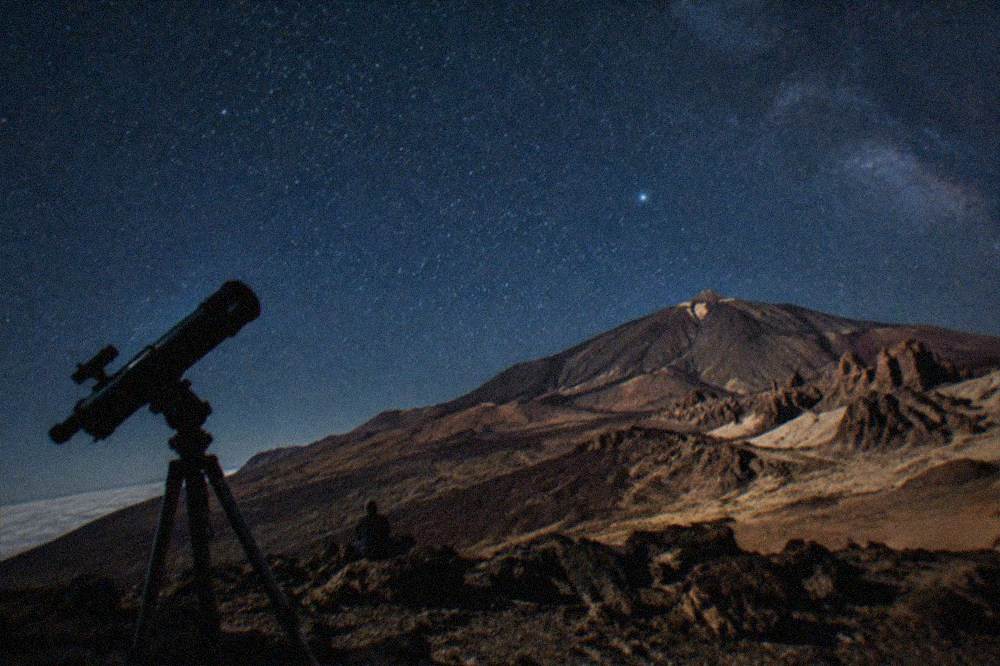
The stargazing alternative is the one that pairs best with a north day, because it runs in the evening and leaves the daytime free. Teide National Park is a Starlight Tourist Destination, listed by the Fundacion Starlight since October 2013, and the Teide stargazing tours page covers the telescope evenings. The other-island alternatives have their own pages: Gran Canaria from Tenerife and La Palma and El Hierro.
Common Questions About North Tenerife Day Trips
Can you do north Tenerife without a car?
Yes. TITSA line 343 runs express from Los Cristianos through both airports to Puerto de la Cruz, and line 30 connects Tenerife North Airport to Puerto de la Cruz. A day travelcard costs EUR 10 and a seven-day travelcard EUR 50, both sold at airport ticket machines. The trade-off is timetable discipline: the towns of the loop are linked by local buses, so a car-free day usually means fewer stops.
Is the Drago Milenario worth the stop?
Icod council calls it the oldest and largest known dragon tree of its species, about 21 m tall with a trunk base about 17 m round, and a National Monument since 1917. Its age is an estimate: the council attributes about 1,000 years to it and the tourist board says over 800. No entry price or opening hours are stated on any official page this site has read, so check the council's page before you go.
What is the difference between the cable car and the Teide summit permit?
The cable car is an operator ticket that stops at La Rambleta, 3,555 m; a 2026 return ticket costs EUR 42 for a non-resident adult. The summit trail, PNT 10 Telesforo Bravo, is a separate Tenerife ON reservation, and since 19 January 2026 the 09:00 to 17:00 slots cost EUR 15 for visitors. The cable car does not reach the crater, and the crater cannot be walked without the reservation.
Is it colder in the north than the south?
Yes, in every month. AEMET's 1981-2010 normals put Tenerife North Airport at a January mean of 13.1 C against 18.4 C at Tenerife South Airport, and even in August the north averages 21.2 C against 24.7 C in the south. The north also records rain in every month, while the south has three summer months with none.
Can you combine Teide and the north in one day?
You can, because the road to the national park climbs from the La Orotava side, but it makes for a long day. The viewpoints and the drive through the park need no booking on any official page read, so a short stop is realistic; the cable car and the summit trail each need their own ticket or reservation, and doing either justice plus a full north loop is more than most holidaymakers want in one day.
Which is the better day trip, the north loop or La Gomera?
They suit different holidaymakers. The north loop stays on Tenerife and is the most weather-tolerant option because its highlights are towns, trees and pools. La Gomera is a 50-minute ferry from Los Cristianos, needs a full 9 hours with a coach and ferry, and gives the only day trip that actually leaves the island. Holidaymakers with two spare days usually do both.