Tenerife in August: Weather, Sea Temperature and What to Do
August is the driest month in Tenerife's climate record, with mean daily maximums of 29 C in Santa Cruz and 28.4 C at the south airport, and a sea surface temperature of 23.1 C off the south coast.
Short answer
August is one of the warmest and driest months of the Tenerife year. AEMET's 1981-2010 normals give mean daily maximums of 29 C in Santa Cruz and 28.4 C at Tenerife South Airport, with 2 mm and 1 mm of rain respectively, and the sea off the south coast averages 23.1 C.
August is the month the climate record and the holiday calendar agree on. AEMET's 1981-2010 normals, measured at the official stations, show the south airport recording a mean daily maximum of 28.4 C and just 1 mm of rain across the whole month, while Santa Cruz de Tenerife reaches 29 C on the same measure. Off the south coast, the sea surface averages 23.1 C, the joint warmest reading in the NOAA 1991-2020 series alongside September. This page sets out what those figures mean in practice, station by station, and what they mean for the island's beaches, its volcano and its whale waters. For the wider picture across the year, see the Tenerife weather by month guide.
How Hot Is Tenerife in August?
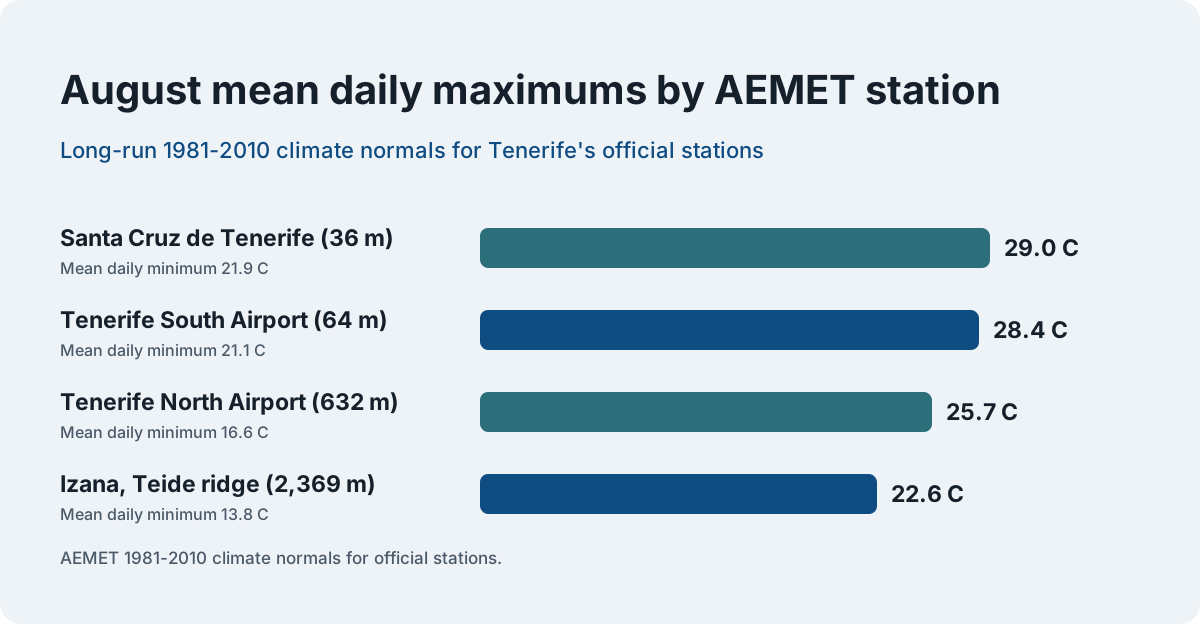
August is one of the two warmest months in Tenerife's climate record, with mean daily maximums of 29 C in Santa Cruz, 28.4 C at Tenerife South Airport and 25.7 C at Tenerife North Airport, and mean daily minimums of 21.9, 21.1 and 16.6 C respectively. Rain is almost absent: 2 mm in Santa Cruz, 1 mm at the south airport and 5 mm at the north airport across the whole month, on roughly one rain day at most.
Those figures come from AEMET's 1981-2010 climate normals, the Spanish state meteorological agency's long-run averages for its official stations. They are mean daily maximums and minimums, not the hottest or coldest any single day has reached, and that distinction matters for planning: a mean maximum of 29 C in Santa Cruz describes the typical afternoon, not a heatwave peak.
The three stations also describe three different islands in one. The north airport sits at 632 m of altitude and its August mean of 25.7 C is three degrees below the south airport's, while Izana, the observatory ridge beside Teide at 2,369 m, records a mean daily maximum of just 22.6 C and a minimum of 13.8 C. A visitor who spends the morning at the summit and the afternoon at a southern beach crosses that whole range in a day.
| AEMET station (altitude) | Mean daily max | Mean daily min | Rain mm | Rain days of 1 mm+ | Sunshine hours |
|---|---|---|---|---|---|
| Santa Cruz de Tenerife (36 m) | 29.0 C | 21.9 C | 2 | 0.3 | 319 |
| Tenerife South Airport (64 m) | 28.4 C | 21.1 C | 1 | 0.2 | 277 |
| Tenerife North Airport (632 m) | 25.7 C | 16.6 C | 5 | 1.1 | 269 |
| Izana, Teide ridge (2,369 m) | 22.6 C | 13.8 C | 5 | 0.5 | 358 |
The sunshine column rewards a second look. Izana, the coldest of the four stations, records 358 sunshine hours in August, more than any of the coastal stations, which is the statistic behind Teide's standing as a stargazing destination: the Fundacion Starlight lists El Teide as a Starlight Tourist Destination and the Cumbres de Tenerife as a Starlight Reserve, both designated in October 2013.
Can You Swim in Tenerife in August?
Yes, and August is among the warmest months for it: the sea surface off the south coast averages 23.1 C in August in the NOAA 1991-2020 series, the joint warmest monthly figure of the year alongside September's 23.7 C peak in that dataset. The air temperatures that frame a beach day, a mean maximum of 28.4 C at the south airport, make swimming comfortable rather than brave.
The sea figure and the air figures come from two different datasets and two different periods, and this page keeps them apart for that reason. The air normals are AEMET's 1981-2010 averages; the sea surface series is NOAA's 1991-2020 average for the waters off the south coast. Both are long-run means rather than a forecast for any given week.
| Month | Sea surface off the south coast (NOAA 1991-2020) |
|---|---|
| June | 21.4 C |
| July | 22.2 C |
| August | 23.1 C |
| September | 23.7 C |
| October | 23.7 C |
| November | 22.5 C |
The beach itself is a matter of choice rather than season. The tourist board describes Las Teresitas in San Andres and Las Vistas in Arona as golden sand beaches with calm water behind breakwaters, Playa del Duque in Costa Adeje as grey sand, and El Bollullo in La Orotava as black sand at the foot of a cliff. All of them are swimmable in August; the question is whether a visitor wants calm water behind a breakwater or an open Atlantic bay. More on that choice in can you swim in the sea in Tenerife.
Is Tenerife Hot in August on the Beach and in the Mountains?
It depends entirely on altitude. In the same month, the mean daily maximum is 29 C on the Santa Cruz seafront and 22.6 C on the Izana ridge beside Teide, a gap of more than six degrees between stations on the same island, and the mean minimum at Izana is 13.8 C. August is hot at sea level and mild at 2,400 m, and a single day can involve both.
The cable car operator's own figures frame what that means for the volcano. The base station sits at 2,356 m and the upper station at La Rambleta at 3,555 m, so anyone riding up in August leaves beach temperatures behind and arrives at a mean daily maximum more than ten degrees below the coast. The operator's rules also state who may not ride at all: people with cardiovascular conditions, pregnant women and children under 3 are not allowed because of the altitude.
The cable car is a separate thing from the summit. It stops at La Rambleta; the crater trail, PNT 10 Telesforo Bravo, needs its own reservation booked on Tenerife ON, and since Monday 19 January 2026 the 09:00 to 17:00 slots cost EUR 15 for visitors, EUR 6 for residents of the other Canary Islands, and nothing for Tenerife residents and children. A new week of slots is released every Monday at 07:00 Canary time, keeping 56 days bookable. The full detail is in the Teide summit permit guide.
| Teide access | What it is | August relevance |
|---|---|---|
| Driving through the national park | No booking and no charge on any official page read | Viewpoints, lava fields, no reservation needed |
| Cable car to La Rambleta | Operator ticket, 2,356 m to 3,555 m | Hours extend to 18:40 from 1 July to 30 Sep |
| Summit trail PNT 10 | Tenerife ON reservation, EUR 15 for visitors on daytime slots | Weekly Monday 07:00 release, 56 days bookable |
| Montaña Blanca trail PNT 07 | Tenerife ON reservation, EUR 6 visitors on working days | EUR 10 on weekends and public holidays |
One August-specific rule matters for anyone planning a day in the park: the Cabildo bans smoking in all open-air spaces of Teide National Park, car parks and viewpoints included, as a wildfire measure, and bookings can be suspended for fire risk or weather alerts. Checking the Tenerife ON alerts page before walking is the operator's own advice.
The trio above covers the three August pillars this page keeps returning to: a respectful whale boat, the volcano itself and a family park day. Between them they answer most of what an August visitor is deciding, and the sections below go deeper on each of the three.
What to Do in Tenerife in August
The August combination of warm seas, near-zero rain and long sunshine hours points to three things: the whale waters off the south and west coasts, the summit and observatory up on Teide, and the water parks and animal parks of the Costa Adeje belt. All three are operating at full summer hours, and the whale waters are a constant rather than a season, since the World Cetacean Alliance describes a unique resident population of pilot whales off this coast.
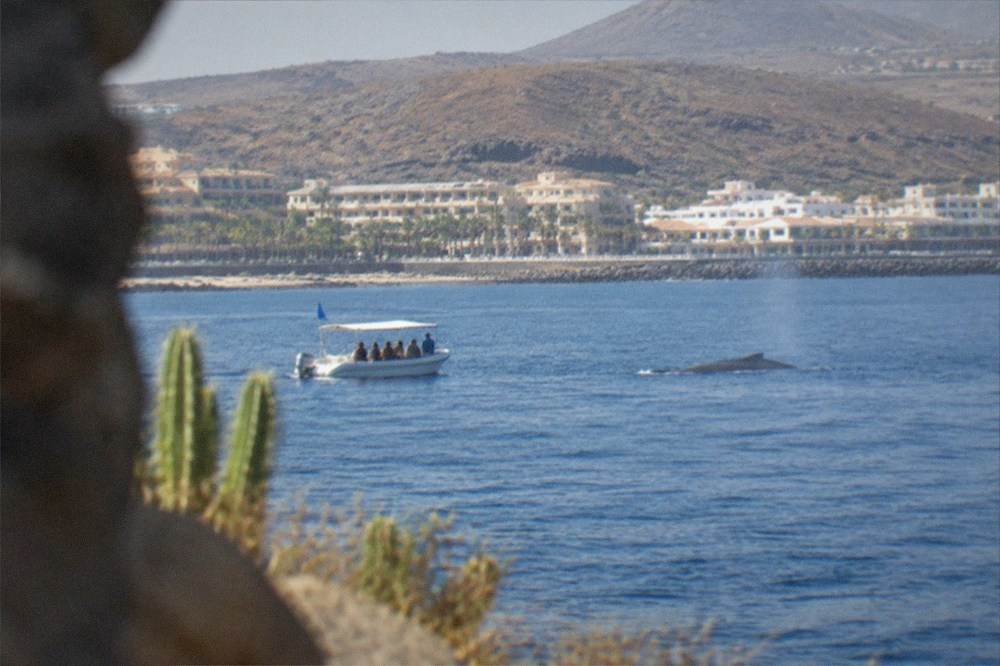
The whale watching is the one activity whose season never opens or closes. The World Cetacean Alliance designated the Tenerife-La Gomera Marine Area a Whale Heritage Area in January 2021, describing a resident pilot whale population, bottlenose dolphins and a migration stop for 21 other cetacean species, inside a Special Area of Conservation. The activity is regulated by Decreto 178/2000: boats may not approach within 60 m, no more than three boats may be within 500 m, speed is limited to 4 knots within 500 m, swimming within 500 m is banned, and authorised boats fly the Barco Azul flag.
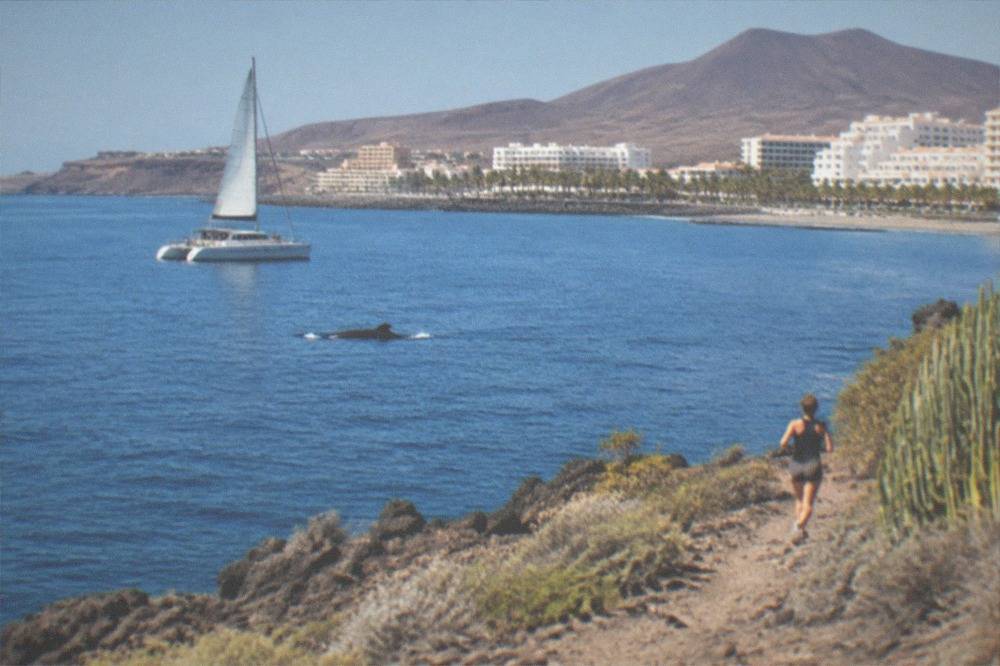
A boat that follows those rules is the difference between watching whales and chasing them, and the no-chase catamaran option is built around exactly that distinction. Check availability alongside the whale and dolphin watching tours overview, where the full range of boats is compared.
Up on the volcano, August sits inside the cable car's extended summer hours: the operator's 2026 timetable runs 09:00 to 18:40 from 1 July to 30 September, with the last ascent one hour before closing and the last descent ten minutes before. The observatory beside the ridge, at Izana about 2,400 m, runs guided visits by prior reservation only, and its page has carried fully booked notices, so early booking is the practical advice.
For families, the parks run their full summer schedules. Siam Park is open 365 days a year, 10:00 to 18:00 from 1 May to 29 October, and Loro Parque opens 09:30 to 17:30 every day of the year with its own car park at EUR 7 per day. The things to do in Tenerife with kids itinerary folds both into a workable week.
How Busy Is Tenerife in August?
August is a peak month but not the busiest in the arrivals record: 618,578 tourists arrived in Tenerife by air in August 2025, against 631,662 in October 2025 and 671,202 in December 2025 in the same ISTAC series, which counts tourists arriving by air and excludes Canary Islands residents. The summer figures are high and stable rather than exceptional, with August 2024 at 603,529 on the same measure.
The by-air series is one of three ways to count visitors and the definition travels with the number. The tourist board's 2025 balance counts 7,561,659 tourists in total across the year and 5,451,268 lodged in hotels and apartments, and those totals are not interchangeable with the monthly by-air figures. What the monthly series shows is that Tenerife's August is busy in the way a year-round destination is busy, with October, November and December each carrying comparable or larger arrivals. The rest of the planning pages sit on Tenerife Travel Guide.
| Month | Tourists arrived by air 2024 | Tourists arrived by air 2025 |
|---|---|---|
| June | 522,461 | 542,881 |
| July | 580,512 | 611,623 |
| August | 603,529 | 618,578 |
| September | 551,175 | 563,261 |
| October | 617,714 | 631,662 |
Practically, that level of demand means the things with quotas sell their quotas. The Teide summit trail releases a new week of permits every Monday at 07:00 Canary time. Masca's gorge descent runs entry sessions of 25 places every 30 minutes, 50 at the 09:00 session, and the general ticket is EUR 40.66 with the boat extra. The whale boats fill their decks. None of this argues against August; it argues for booking the permit-dependent days before the flights.
Is the North or the South of Tenerife Better in August?
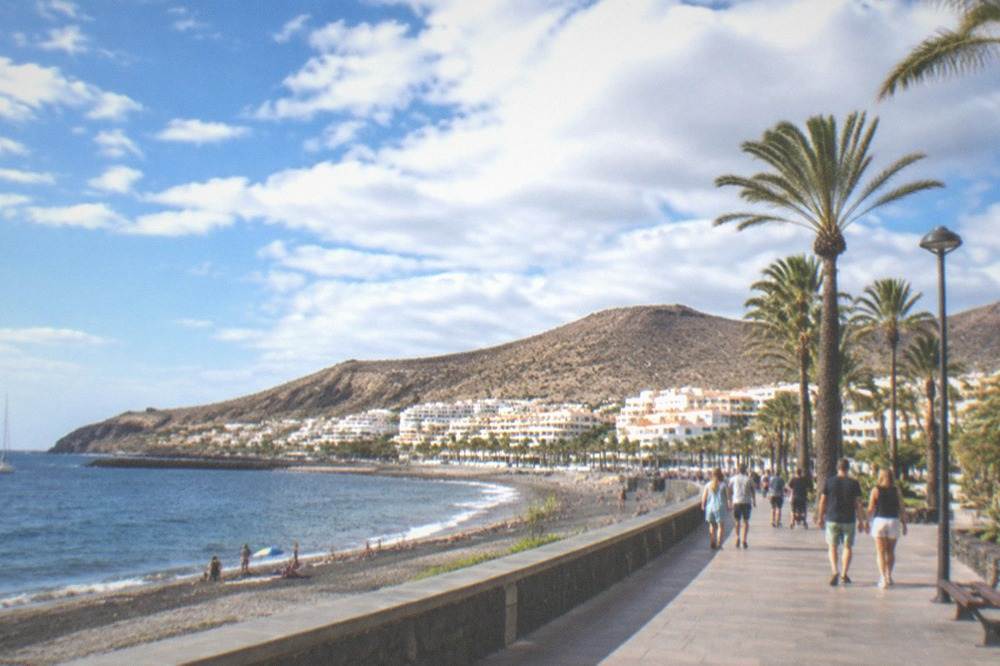
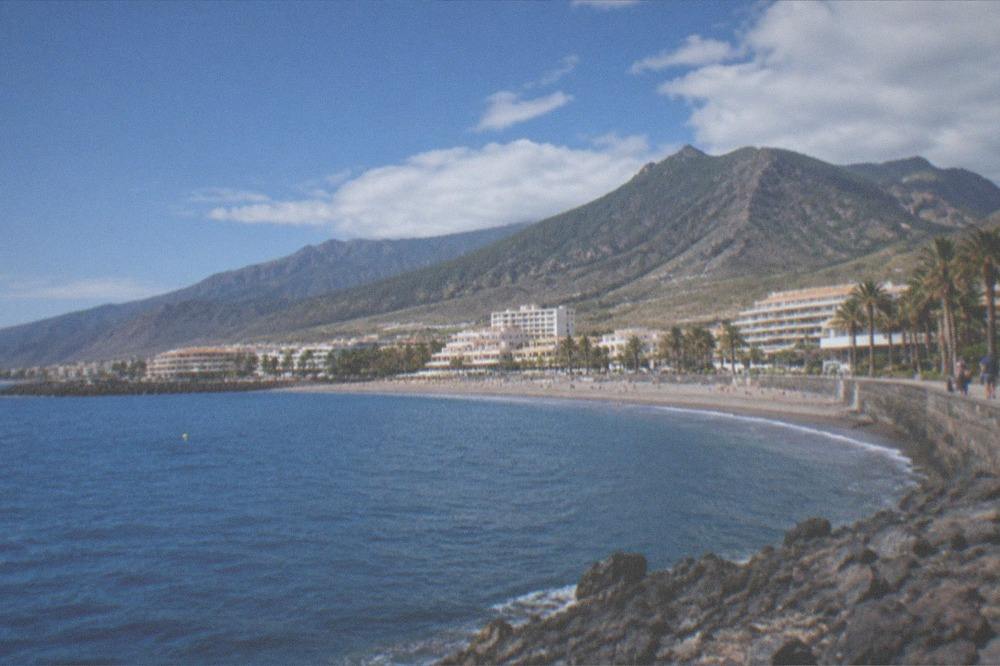
The station record gives the south the warmer, drier August: Tenerife South Airport records a mean daily maximum of 28.4 C with 1 mm of rain, against 25.7 C and 5 mm at Tenerife North Airport, which sits at 632 m of altitude, three degrees of difference in the mean maximum and five times the rainfall, though 5 mm in a month is still almost nothing. The north answers with greener scenery and fewer of the August crowds.
Those are the station figures and they speak for themselves. What the numbers do not capture is that the north's rainfall is what makes the laurel forests of Anaga and the gardens of La Orotava what they are, and that a 25.7 C mean maximum is hardly a cold day anywhere. The Tenerife north vs south guide works through the choice in full, including the airport question, since Tenerife South and Tenerife North are two separate AENA airports with separate TITSA bus connections.
What Should You Pack for Tenerife in August?
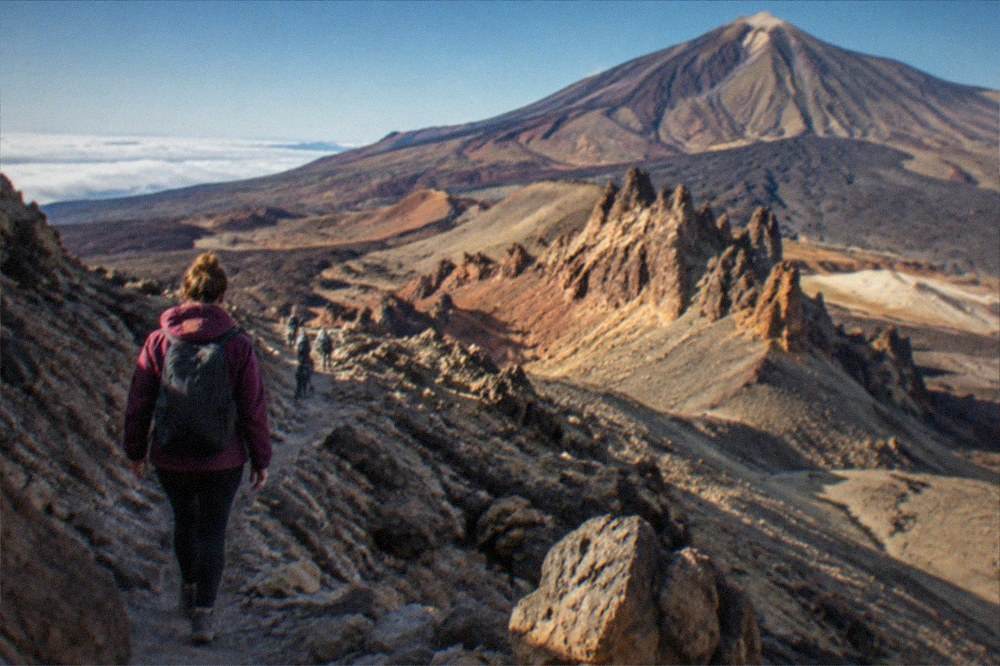
For the coast, pack for a mean daily maximum of 29 C and nights that only fall to 21.9 C in Santa Cruz: summer clothing, swimwear and high-factor sun protection. For Teide, pack for a different climate, a mean maximum of 22.6 C and minimum of 13.8 C at 2,369 m, so a warm layer for the summit and closed shoes for the trails, and crampons and an ice axe join the mandatory equipment list when ice or snow is present on the stratovolcano trails.
The two packing lists are the single most common August mistake, and the cable car operator's health rules are the reason the second list matters even in summer: the altitude at La Rambleta, 3,555 m, is the operator's stated ground for refusing anyone with cardiovascular conditions, and the same rules exclude pregnant women and children under 3. The full packing detail, including plugs and connectivity, is in what to pack for Tenerife.
Do You Need a Car in Tenerife in August?
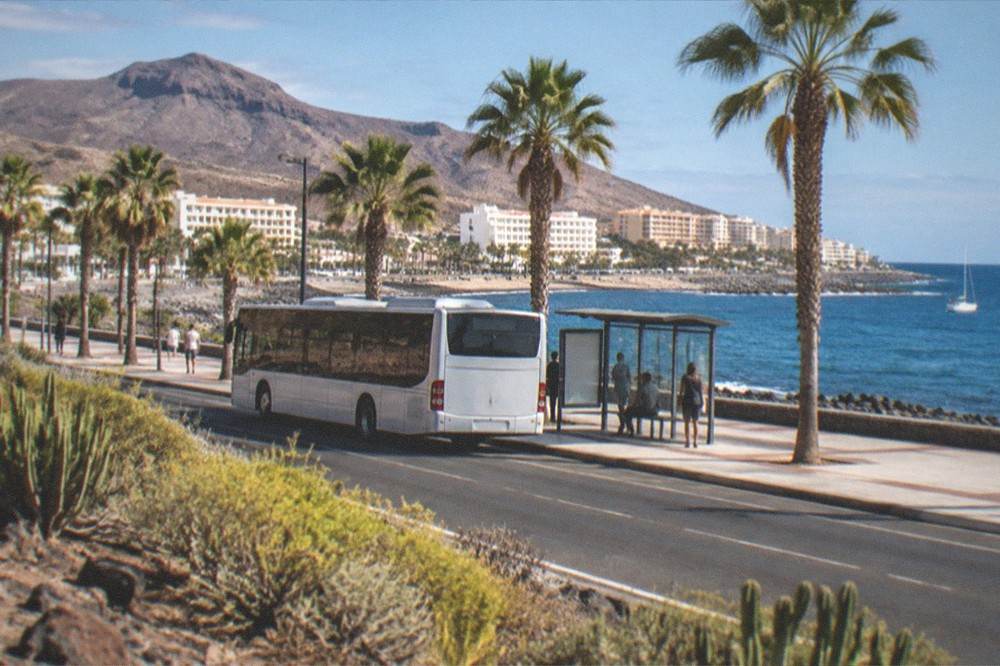
A car is useful but not necessary: visitors who use public transport pay for single tickets, the EUR 10 day travelcard or the EUR 50 seven-day travelcard, because the 2026 free-transport subsidy applies to resident passes only, and TITSA buses serve both airports, with lines 10, 40, 711, 343 and 415 at Tenerife South and lines 20, 30 and 343 at Tenerife North. The trade-off in August is heat against flexibility on the mountain roads.
The resident subsidy question causes more confusion than any other transport fact on the island, and it is worth being plain: the free pass requires residency in the Canary Islands and a personalised card. Visitors do not qualify. The Tenerife buses and TITSA guide covers the network, and the do you need a car in Tenerife page works through the decision for each type of trip, including the car-free itineraries.
What Are the Rules for Whale Watching in Tenerife in August?
Decreto 178/2000 sets the distances: no approach within 60 m of a cetacean, at most three boats within 500 m, a maximum of 4 knots within 500 m, and no swimming, diving, feeding, chasing or circling, and authorised boats must fly the Barco Azul flag issued by the Canary tourism department. These rules apply in every month, and August's calm seas make them easy to observe from a boat that follows them.
The flag is the visible test. A boat flying Barco Azul holds the authorisation the decree requires, renewed annually, and the no-chase operators on this site are chosen for exactly that approach. The resident pilot whales the World Cetacean Alliance describes are present year round, so August adds warm water and settled conditions to an encounter that is already on offer every day of the year.
What About August Crowds, Prices and Neighbouring Months?
July and September bracket August with almost identical weather and slightly different demand: July 2025 saw 611,623 tourists arrive by air and September 551,175, against August's 618,578, while the station normals differ by fractions of a degree between the three months. Anyone with flexible dates can trade a marginally quieter island for a marginally cooler one and lose almost nothing on either side.
The Tenerife in July and Tenerife in September pages carry the full station tables for those months. September's sea temperature, 23.7 C, is actually the warmer of the two, and September's sunshine hours at the south airport, 213 against August's 277, are the trade. For visitors weighing the whole archipelago, the which Canary island is best comparison covers the neighbouring islands too.
| August figure | Santa Cruz | Tenerife South Airport | Tenerife North Airport | Izana |
|---|---|---|---|---|
| Mean daily max | 29.0 C | 28.4 C | 25.7 C | 22.6 C |
| Mean daily min | 21.9 C | 21.1 C | 16.6 C | 13.8 C |
| Rain mm | 2 | 1 | 5 | 5 |
| Rain days of 1 mm+ | 0.3 | 0.2 | 1.1 | 0.5 |
| Sunshine hours | 319 | 277 | 269 | 358 |
Common Questions About Tenerife in August
Is August a good time to visit Tenerife?
For warmth, dry weather and sea swimming, August is close to the island's peak: mean daily maximums of 29 C in Santa Cruz and 28.4 C at the south airport, 1 to 2 mm of rain across the whole month, and a sea surface of 23.1 C off the south coast. The trade-offs are peak-season demand for the quota-limited activities and the need to book permits and boats ahead.
Does it ever rain in Tenerife in August?
Almost never at the coastal stations: AEMET's 1981-2010 normals record 2 mm of rain in August in Santa Cruz on 0.3 rain days, 1 mm at Tenerife South Airport on 0.2 days, and 5 mm at Tenerife North Airport on 1.1 days. Rain is a statistical rarity rather than a planning factor anywhere near sea level.
Is Teide cold in August?
Relative to the coast, yes. Izana, the station on the observatory ridge at 2,369 m, records a mean daily maximum of 22.6 C and a mean minimum of 13.8 C in August, and the cable car's upper station sits higher still at 3,555 m. A warm layer is standard advice for the summit at any time of year, and the operator's health exclusions apply in every month.
Can you hike the Masca gorge in August?
Yes, it is open under the pilot scheme, descent only with a pre-booked boat exit, and the general ticket is EUR 40.66 with the boat extra. Hikers must arrive on TITSA line 355 from Santiago del Teide and show the transport ticket, closed mountain footwear is a condition of entry, and the operator warns that sea conditions can close the pier and void the day's ticket, which is a real consideration in any summer month.
Is there a tourist tax in Tenerife?
No official page read shows a per-night lodging tax in force or approved on Tenerife. The charges that do exist are per-booking public fees on the Teide trails PNT 10 and PNT 07, the Masca ticket and the Barranco del Infierno ticket, none of which is a lodging tax.
How busy are the ferries and day trips in August?
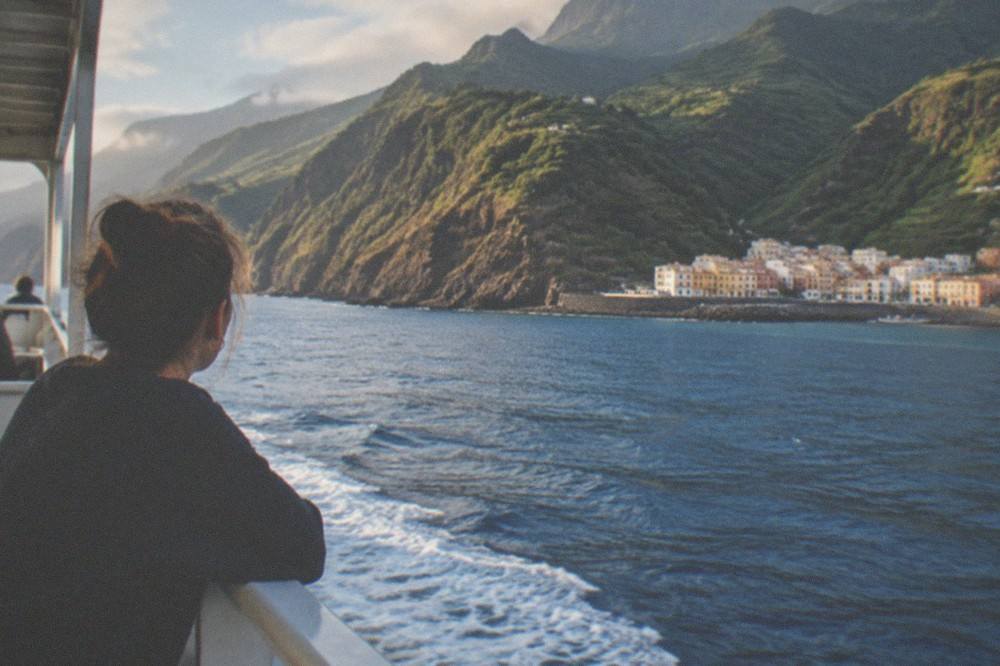
August sits inside the peak season for the La Gomera day trips, which run on the ferry from Los Cristianos to San Sebastian de La Gomera, a crossing Fred. Olsen Express lists at 50 minutes. The whale watching boats, the cable car and the parks all run full summer schedules, so the practical rule is to book anything with a quota or a departure time before arriving on the island.
The three cards above are the same trio from earlier in the page, repeated here because the end of the article is where most readers actually commit to a booking. Each one solves a different part of the August plan, and none of them needs a car to join.
The cable car tour with coach transfer is the one to pick for the volcano day, since it removes the summer parking question at the base station entirely and pairs the ride to La Rambleta with the extended summer timetable described above. Anyone weighing it against the summit trail should re-read the permit section first, because the cable car and the crater trail remain two separate bookings.
Loro Parque's card rounds out the trio for families, and the park's 09:30 to 17:30 opening hours hold every day of the year, August included. With the whale boat, the volcano and the park chosen, the only August decisions left are the beach and the ferry, and the tables on this page cover both.