Tenerife in September: Weather, Sea Temperature and What to Do
September is the month when the sea around Tenerife reaches its warmest recorded surface temperatures while the airports are past their August peak, and the official climate normals show why.
Short answer
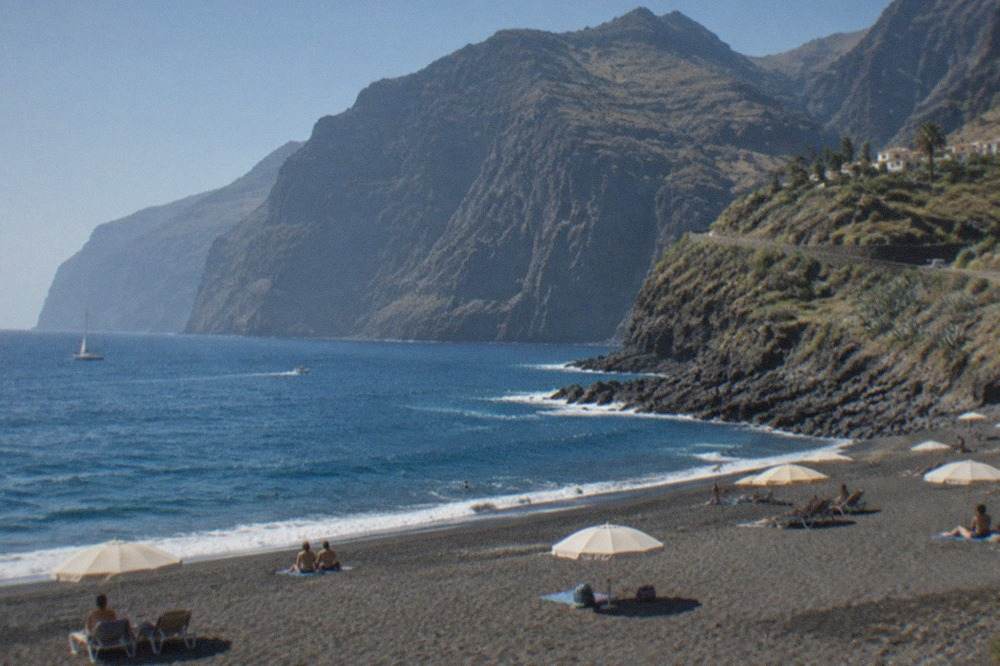
September is one of the warmest and driest months in Tenerife: mean daily maximums of 28.1 C in Santa Cruz and 27.9 C at Tenerife South Airport, 7 mm of rain in the capital on 0.9 rain days, and a sea surface of 23.7 C off the south coast.
The sea off Tenerife's south coast reaches 23.7 C in September, the joint warmest monthly figure in the NOAA satellite record for that stretch of water, and the air above it is barely behind August. AEMET's climate normals put the mean daily maximum at 28.1 C in Santa Cruz de Tenerife and 27.9 C at Tenerife South Airport, with under a millimetre of rain falling on a typical September day at the southern station. This is the month when the island is warm at every altitude that matters to a visitor, the summer crowds have thinned after the school holidays, and the national park's trails are usually free of the ice that arrives later in the year. This guide sets out what the official station records say, what the sea is doing, and what the rules are for the things worth booking.
How Hot Is Tenerife in September?
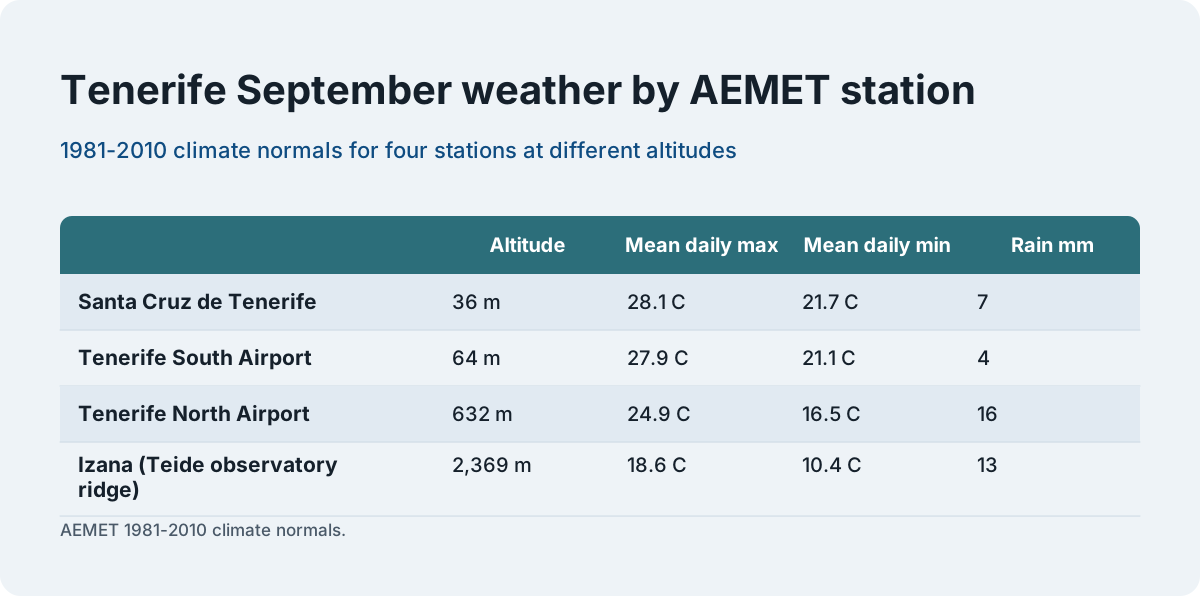
September is one of the two warmest months of the year in Tenerife: AEMET's 1981-2010 normals give a mean daily maximum of 28.1 C in Santa Cruz de Tenerife and 27.9 C at Tenerife South Airport, with mean daily minimums of 21.7 C and 21.1 C, so nights stay in the low twenties. At Tenerife North Airport, 632 m up, the maximum is 24.9 C, and on the Izana ridge beside Teide at 2,369 m it is 18.6 C.
Those four stations tell the whole story of the island's vertical climate. A day that begins on a Costa Adeje beach at nearly 28 C can end on the Teide observatory ridge at less than 19 C, and the gap only widens once the sun drops. The Izana minimum of 10.4 C in September is a reminder that the national park is a different climate zone, not a hotter version of the coast. Anyone planning an evening stargazing trip should read those two numbers together: the summit roads cool fast after sunset, and the operator's own access rules list the exclusions that apply at altitude.
| AEMET station (1981-2010 normals) | Altitude | Mean daily max | Mean daily min | Rain mm | Rain days of 1 mm or more | Sunshine hours |
|---|---|---|---|---|---|---|
| Santa Cruz de Tenerife | 36 m | 28.1 C | 21.7 C | 7 | 0.9 | 253 |
| Tenerife South Airport | 64 m | 27.9 C | 21.1 C | 4 | 0.6 | 213 |
| Tenerife North Airport | 632 m | 24.9 C | 16.5 C | 16 | 2.8 | 213 |
| Izana (Teide observatory ridge) | 2,369 m | 18.6 C | 10.4 C | 13 | 1.6 | 295 |
The sunshine column rewards a closer look. Izana records 295 sunshine hours in September, more than any of the three lower stations, because the high ridge sits above the cloud layer that sometimes dampens the coasts. That is the physical fact behind Tenerife's reputation as a winter-sun and stargazing destination, and it is why the observatory and the sunset tours run all month. The Fundacion Starlight lists El Teide as a Starlight Tourist Destination and the Cumbres de Tenerife as a Starlight Reserve, both since October 2013.
What's the Weather Like in Tenerife in September?
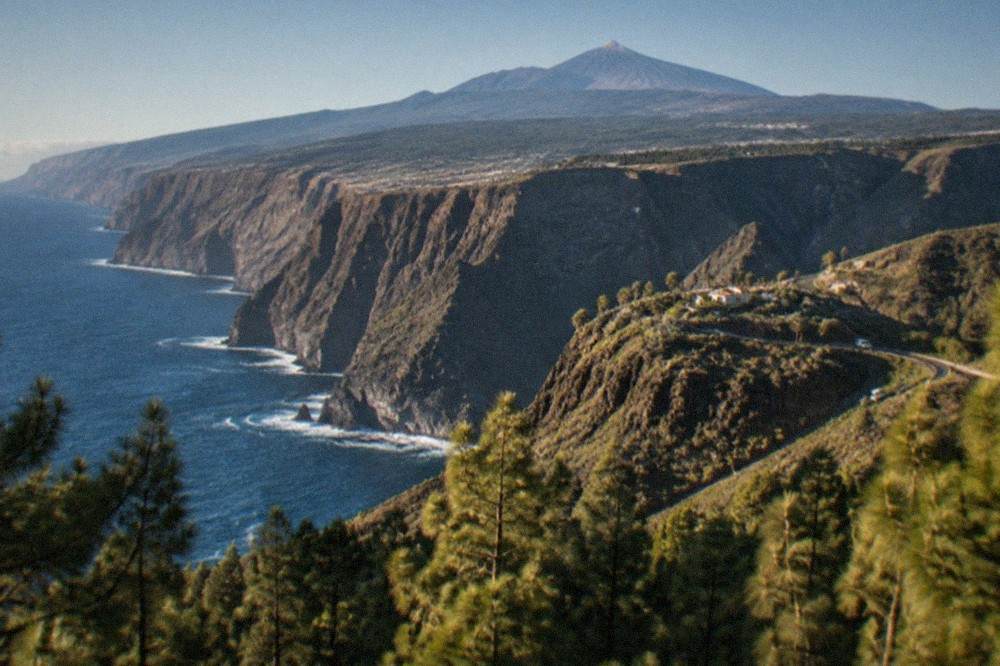
September in Tenerife is dry, sunny and settled at coastal level: 7 mm of rain in the whole month in Santa Cruz on 0.9 days with measurable rain, 4 mm at Tenerife South Airport on 0.6 days, and 16 mm at Tenerife North Airport on 2.8 days. The north of the island is greener and wetter than the south in every month of the normals, and September follows the pattern: the north gets roughly four times the southern rainfall.
The north-south split is the single most useful thing to understand about Tenerife weather, and the station records state it without editorial help. Tenerife North Airport records 520 mm of rain a year on 64 days with at least 1 mm; Tenerife South Airport records 132 mm on 15.2 days. A visitor staying in Costa Adeje or Los Cristianos can go a September fortnight without seeing rain, while a visitor in Puerto de la Cruz or the Orotava valley may catch a shower on the hills behind the town. Neither experience contradicts the other, because the trade winds push cloud onto the northern slopes and leave the south in their rain shadow.
| AEMET station | Annual rainfall | Annual days with 1 mm or more of rain | September share |
|---|---|---|---|
| Tenerife North Airport (632 m) | 520 mm | 64.0 | 16 mm on 2.8 days |
| Tenerife South Airport (64 m) | 132 mm | 15.2 | 4 mm on 0.6 days |
| Santa Cruz de Tenerife (36 m) | 226 mm | 29.7 | 7 mm on 0.9 days |
September sits at the dry end of the island's year. The wet months in the normals are November, December and February at every coastal station, and the summer half-year is nearly rainless in the south: June and July record 0 mm at Tenerife South Airport. By September the first Atlantic fronts are still weeks away, and the sea has spent three months storing heat. For a reader weighing September against a winter month, the month-by-month picture is laid out in the Tenerife weather by month guide, and the practical differences between the two halves of the island are covered in Tenerife North vs South.
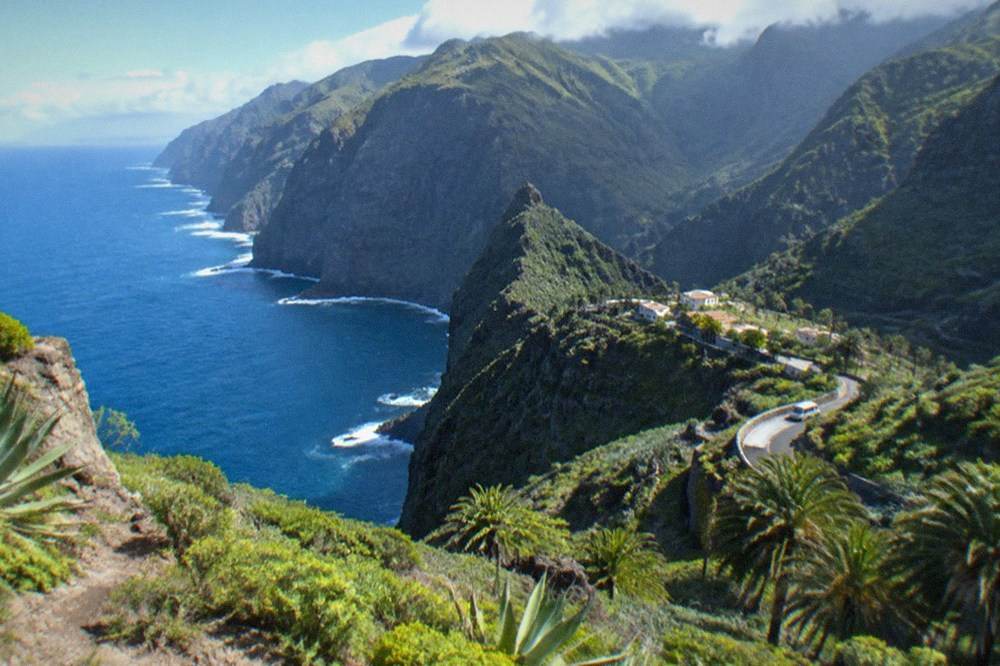
September is also a shoulder month for arrivals. ISTAC's FRONTUR-Canarias series records 563,261 tourists arriving by air in September 2025, down from 618,578 in August 2025 and below the October figure of 631,662. The families have gone home, and the October half-term crowd has not yet arrived.
Can You Swim in the Sea in Tenerife in September?
Yes, and September is the warmest the sea gets all year: the NOAA satellite record for the south coast of Tenerife gives a September sea surface temperature of 23.7 C, level with October and above every other month. The air normals and the sea figures come from two datasets and two periods, AEMET's 1981-2010 normals for the air and NOAA's 1991-2020 series for the water, so the two are reported separately here.
The sea's warmth is the quiet headline of a Tenerife September. The water has absorbed heat since the spring and gives none of it back until the autumn winds arrive, so swimming, snorkelling and boat stops are at their most comfortable. The question of swimming conditions across the year, including the breakwaters that calm the water at beaches like Las Teresitas and Las Vistas, is answered in full in Can You Swim in the Sea in Tenerife?.
| Month | Sea surface off the south coast (NOAA, 1991-2020) |
|---|---|
| June | 21.4 C |
| July | 22.2 C |
| August | 23.1 C |
| September | 23.7 C |
| October | 23.7 C |
| November | 22.5 C |
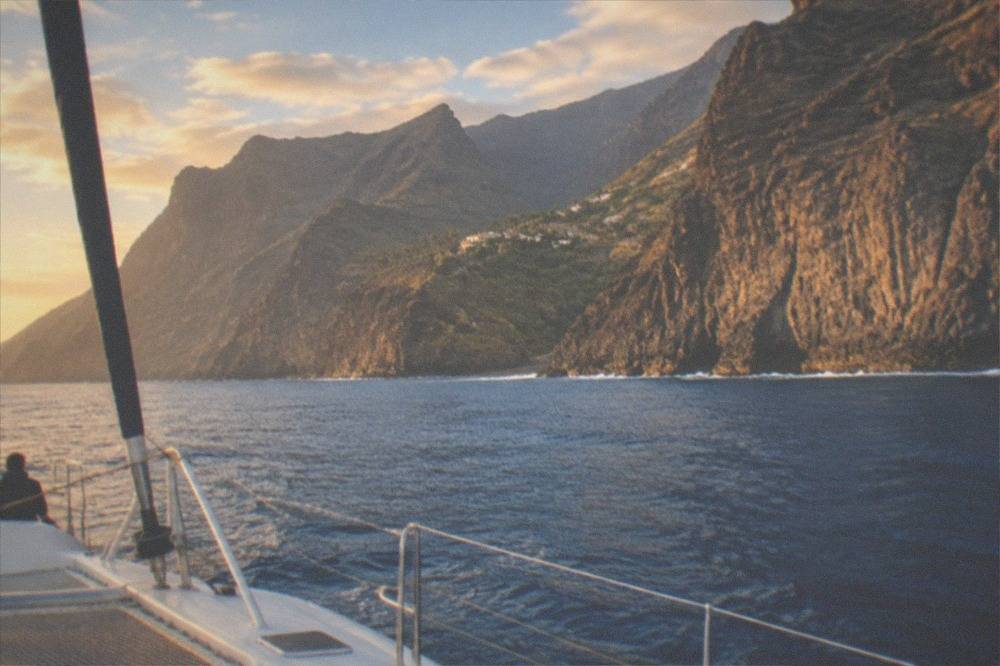
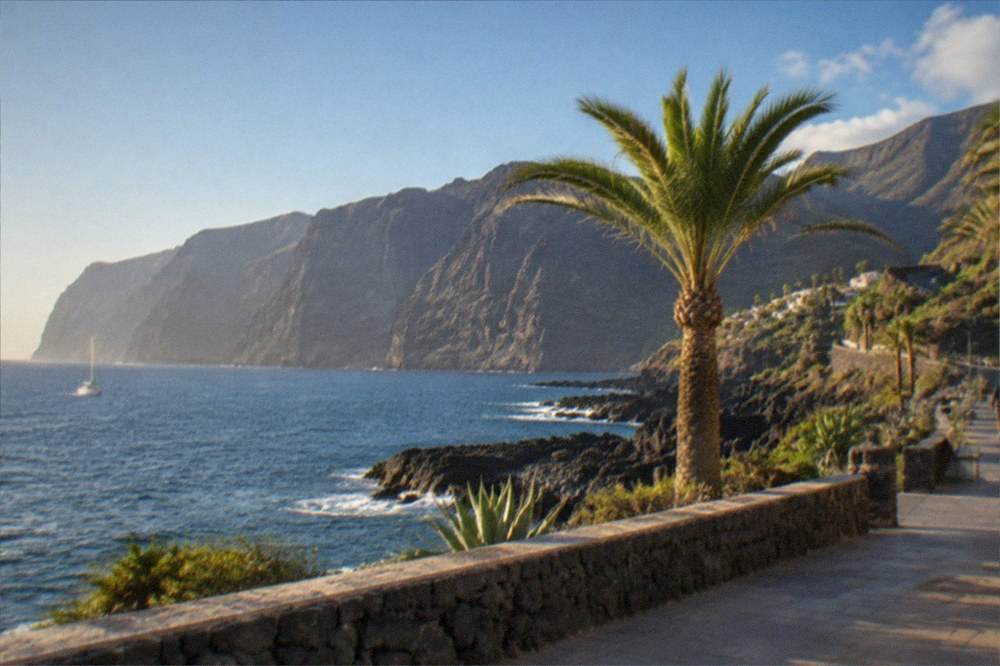
The warm sea also explains September's whale-watching conditions. The waters between Tenerife and La Gomera hold what the World Cetacean Alliance calls a unique resident population of pilot whales, plus bottlenose dolphins, inside a Special Area of Conservation, and the area has been a designated Whale Heritage Area since January 2021. The activity is regulated by Decreto 178/2000: boats may not approach within 60 m, no more than three boats may be within 500 m, speed is limited to 4 knots within 500 m, and swimming with the animals is banned within that radius. Authorised boats fly the Barco Azul flag. A cruise out of Los Gigantes combines the resident cetaceans with the cliffs the tourist board describes as towering up to 600 m, and a swim stop in water at its annual peak.
Is Teide Worth Visiting in September?
Yes, and September is one of the easiest months to do it: the cable car runs its extended summer hours, 09:00 to 18:40, the summit trails are normally free of the ice and snow that trigger the mandatory crampon rule, and AEMET's Izana station records 295 sunshine hours and only 13 mm of rain for the month. The summit trail PNT 10 still needs a personal reservation on Tenerife ON, and since 19 January 2026 the 09:00 to 17:00 slots cost EUR 15 for visitors.
The three Teide experiences must not be blurred together, because they are three separate bookings. Driving through the national park and stopping at the viewpoints costs nothing and needs no booking on any official page read. The cable car is an operator ticket from the base station at 2,356 m to La Rambleta at 3,555 m, and it does not reach the summit; the crater is the permit-only trail beyond the upper station. The third is the observatory at Izana, which the Instituto de Astrofisica de Canarias runs by prior reservation only.
| Teide item | What it costs (official pages) | What it needs |
|---|---|---|
| Driving through the national park | No entry fee listed on any official page | Nothing |
| Cable car return, non-resident adult | EUR 42.00 (child 3 to 13: EUR 21) | Operator ticket |
| Cable car return, resident adult | EUR 10.50 (child: EUR 5.25) | Operator ticket plus ID |
| Summit trail PNT 10, 09:00 to 17:00 slots | EUR 15 visitors, EUR 6 other Canary residents, free for Tenerife residents and children | Tenerife ON reservation |
| Trail PNT 07 Montana Blanca, working days | EUR 6 visitors, EUR 3 other Canary residents | Tenerife ON reservation |
| Trail PNT 07, weekends and public holidays | EUR 10 visitors, EUR 5 other Canary residents | Tenerife ON reservation |
Permits are released every Monday at 07:00 Canary time, with a new week opening so that 56 days are always bookable. The cable car's own rules refuse the ride to people with cardiovascular conditions, pregnant women and children under 3, and the summit trail page carries the same health warning plus an age rule of no under-3s and no under-16s without an adult. Smoking is banned in every open-air space of the national park, car parks included, as a wildfire measure. The full booking procedure is walked through in the Teide summit permit guide, and the volcano's current status is covered in Is Mount Teide Active?.
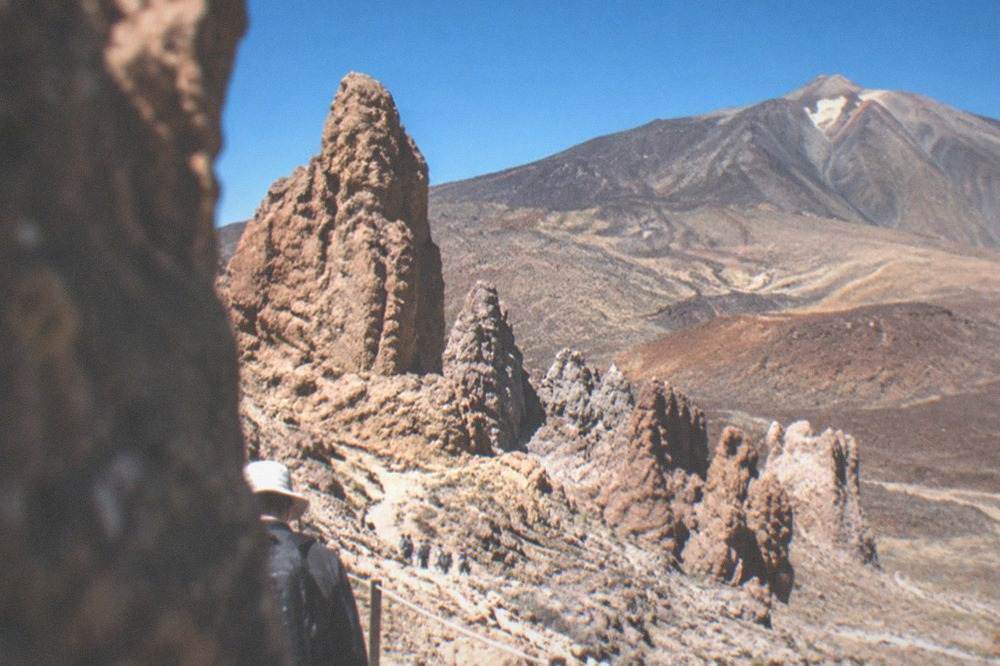
For a September day trip without a reservation of your own, a small-group guided tour of the national park's volcanic and forest scenery covers the viewpoints and the pine forests in half a day, with the guide handling the timings around the cable car queues.
What Are the Park Opening Hours in September?
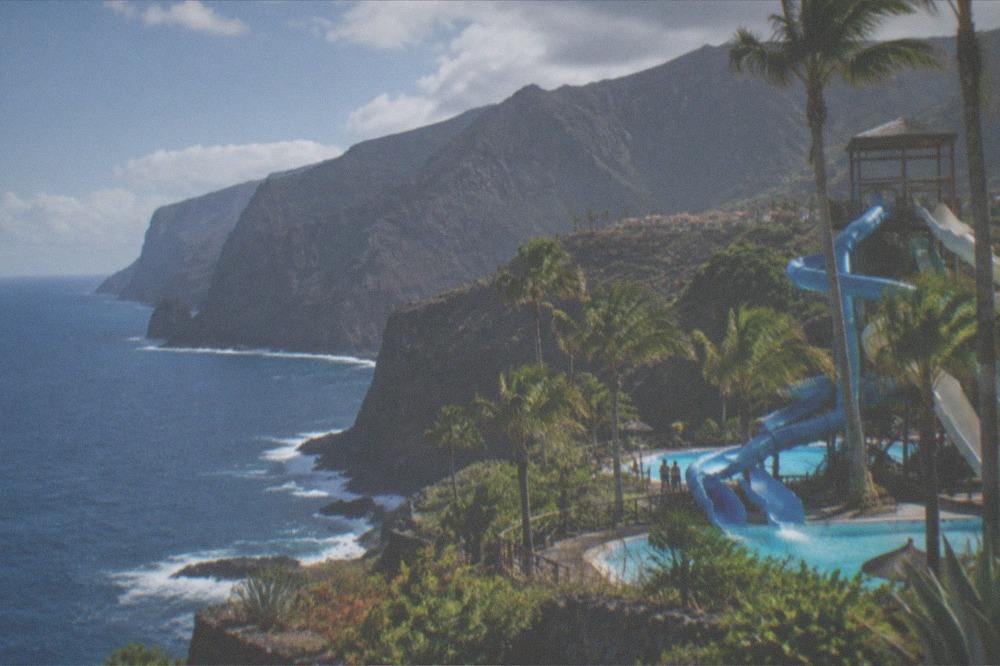
Siam Park opens 10:00 to 18:00 in September, inside its summer period of 1 May to 29 October, and Loro Parque opens 09:30 to 17:30 every day of the year with its own car park at EUR 7 per day. The cable car's extended summer timetable, 09:00 to 18:40, runs to 30 September, with the last ascent one hour before closing and the last descent ten minutes before.
September is arguably the best month of the year for the water parks: the air is at its annual peak, the sea-fed atmosphere is settled, and the family crowds of July and August have gone. The tables below give the official hours a visitor needs to plan around.
| Venue | September hours | Source basis |
|---|---|---|
| Siam Park | 10:00 to 18:00 (summer period 1 May to 29 Oct) | siampark.net opening hours |
| Loro Parque | 09:30 to 17:30, every day of the year | loroparque.com FAQ |
| Teide cable car | 09:00 to 18:40 (1 Jul to 30 Sep period) | volcanoteide.com prices and hours |
| Piramides de Guimar | 10:00 to 18:00 daily, closed 1 Jan and 25 Dec | piramidesdeguimar.es |
Loro Parque's owner has released a statement saying Tripadvisor awarded Siam Park the Travellers' Choice award for the best waterpark in the world for a fifth consecutive year; later years are not confirmed on the awarding body's page, so that is as far as the claim goes. The two parks also sell a combined ticket, which suits a split-base holiday or a week long enough to do both.
How Busy Is Tenerife in September?
September is a shoulder month by arrivals: ISTAC's FRONTUR-Canarias series records 563,261 tourists arriving by air in September 2025, fewer than August's 618,578 and October's 631,662, and the 2025 figure is up slightly on the 551,175 recorded for September 2024. Those figures count tourists arriving by air and exclude Canary Islands residents, so they measure the holiday market directly.
The pattern is consistent across the three years in the series: a spring peak in March, a summer plateau, and a second peak in October and December. September sits in the dip between the school-holiday surge and the autumn half-term. For a visitor, that translates into shorter queues at the parks, more availability on boats and tours, and easier summit permits than the weeks either side.
| Month | Tourists arriving by air, 2024 | 2025 |
|---|---|---|
| July | 580,512 | 611,623 |
| August | 603,529 | 618,578 |
| September | 551,175 | 563,261 |
| October | 617,714 | 631,662 |
There is no tourist tax on Tenerife: no official page read shows a per-night lodging tax in force or approved. The charges that do exist are per-booking fees on specific trails, the Masca ticket and the Barranco del Infierno entry, all covered above or in the permit guides.
What Should You Pack for Tenerife in September?
Pack for a warm beach holiday with one layer for altitude: mean daily maximums near 28 C on the coasts, nights in the low twenties, and an Izana ridge that drops to 10.4 C at night, so a jacket is needed for any sunset or stargazing trip into the national park. Rain is unlikely but not impossible, with 0.9 rain days in the month at the southern airport station.
Sunscreen and a hat belong in every bag, and the September sun is at its most deceptive because the sea breeze hides it. For the national park, the operator's altitude rules matter more than the wardrobe: the cable car refuses riders with cardiovascular conditions, pregnant women and under-3s, and anyone with a health problem is told to ask a doctor first. The packing question is really an altitude question, and the full list, including what the trails require when ice returns later in the year, is in the what to pack guide and the month-by-month comparisons with October and August.
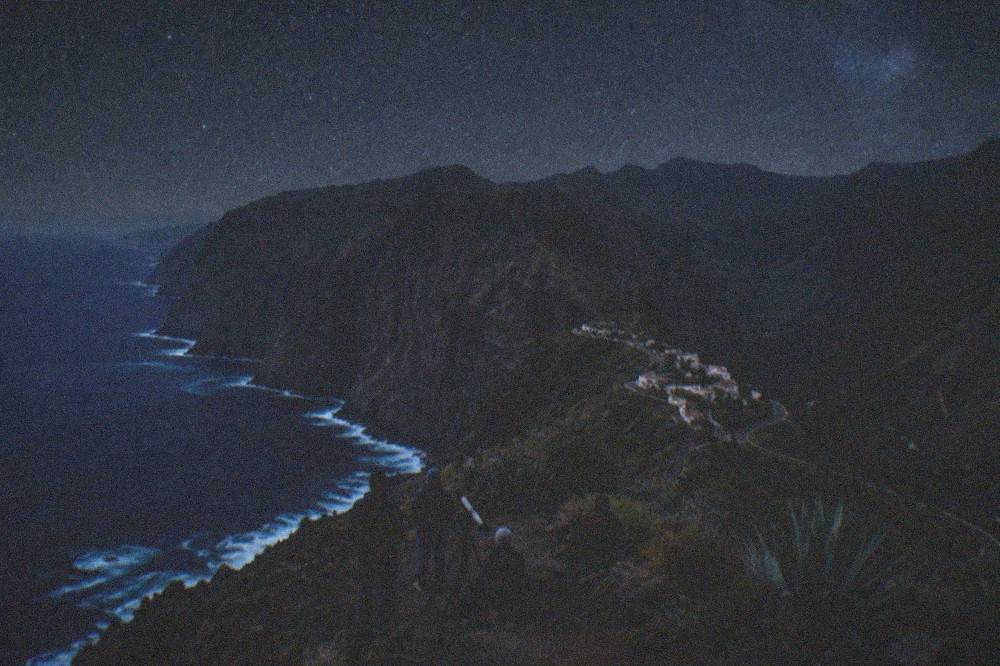
September's evenings deserve their own plan. The capital's mean daily minimum of 21.7 C means dinner on a terrace needs no extra layer, while a telescope session at 2,400 m is a different proposition entirely. The island's evening options, from flamenco shows in Puerto de la Cruz to the sunset coach tours into the park, are laid out in the Tenerife Travel Guide pages on sunsets and nightlife, and the free GuruWalk walking tours of Santa Cruz, Puerto de la Cruz and La Orotava run year-round, free to join and tip-based.
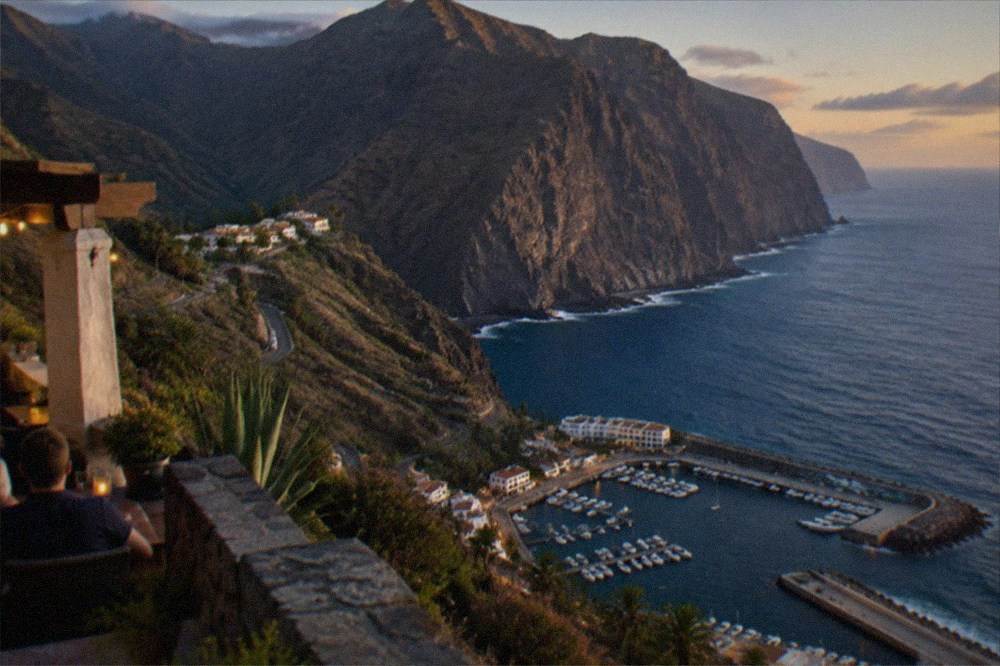
The month rewards two kinds of traveller especially well. The first is the swimmer: the sea at 23.7 C is the warmest of the year, and every boat trip, kayak route and natural pool is at its most inviting. The second is the hiker: the trails are dry, the high station records its sunniest stretch, and the permits that opened in the summer rush are easier to catch. September is not the cheapest month and not the quietest, but on the official numbers it is the month when the island is at its warmest in the water and its calmest on the land.
Common Questions About Tenerife in September
is tenerife hot in september
Yes. AEMET's 1981-2010 normals give September mean daily maximums of 28.1 C in Santa Cruz de Tenerife and 27.9 C at Tenerife South Airport, the second warmest month after August at both stations, with mean daily minimums of 21.7 C and 21.1 C.
is tenerife warm in september
Warm at every coastal altitude: mean daily minimums stay above 21 C at both the capital and the southern airport station, so evenings are warm as well as days. On the Izana ridge at 2,369 m the mean daily minimum is 10.4 C, which is why a jacket is listed for national park evenings.
can you sunbathe in tenerife in september?
Yes. The southern airport station records 213 sunshine hours in September and only 0.6 days with 1 mm or more of rain, and the sea surface off the south coast is 23.7 C, the joint warmest monthly figure in the NOAA record. Beaches such as Las Teresitas and Las Vistas are described by the tourist board as golden sand behind breakwaters.
what the weather like in tenerife in september
Dry, sunny and warm, with 7 mm of rain in the month in Santa Cruz, 4 mm at Tenerife South Airport and 16 mm at Tenerife North Airport, and mean daily maximums between 24.9 C and 28.1 C depending on station and altitude.
what's weather like in tenerife in september
Settled late-summer weather: the mean daily maximum is 28.1 C in Santa Cruz and 27.9 C at Tenerife South Airport, rain falls on fewer than one day in the month at the southern stations, and the sea off the south coast is at its annual peak of 23.7 C.
what's the weather like in tenerife in september
AEMET's normals for September: 28.1 C mean daily maximum and 21.7 C minimum in Santa Cruz de Tenerife; 27.9 C and 21.1 C at Tenerife South Airport; 24.9 C and 16.5 C at Tenerife North Airport; and 18.6 C and 10.4 C on the Izana ridge beside Teide. Rainfall ranges from 4 mm in the south to 16 mm at the northern airport station.