Tenerife in July: Weather, Sea Temperature and What to Do
July is the driest month in Tenerife's climate record: AEMET's normals show 0 mm of rain at Santa Cruz and at the south airport, and the sea off the south coast averages 22.2 C.
Short answer
July is Tenerife's driest and one of its warmest months: mean daily maximums of 28.7 C in Santa Cruz and 27.7 C at Tenerife South Airport, no measurable rain at the coastal stations, and a sea surface of 22.2 C off the south coast.
July is the month Tenerife's climate record flattens out. AEMET's 1981-2010 normals show no measurable rain at all in July at Santa Cruz de Tenerife, at Tenerife South Airport or on the Izana ridge beside Teide, and only 6 mm at Tenerife North Airport. The sea off the south coast, in a separate dataset from NOAA covering 1991-2020, averages 22.2 C. It is also peak season: FRONTUR-Canarias records 611,623 tourists arriving by air in July 2025, the second-highest month of that year after August.
This page sets out what the official station figures actually say about July, how the mountain changes the picture at altitude, what the sea is doing, and how to plan the days around it. The numbers come from AEMET, the state met office, and NOAA for the sea, and every fee quoted is an official charge listed by the operator or the Cabildo. For the whole-year picture, the month-by-month breakdown sits alongside this one at Tenerife Weather by Month.
How Hot Is Tenerife in July?
July's mean daily maximum is 28.7 C in Santa Cruz de Tenerife and 27.7 C at Tenerife South Airport, with mean daily minimums of 21.2 C and 20.2 C, and AEMET's normals record 0 mm of rain and 0 rain days at both stations. Tenerife North Airport, at 632 m of altitude, is cooler at 24.7 C by day and 15.7 C at night, with 6 mm of rain on 1.7 days.
Those are averages across the 1981-2010 normal period, not a forecast for any particular week, and they are mean daily maximums rather than mean temperatures. The practical reading is that the coasts sit in the high twenties by day and barely drop below twenty at night, while the north of the island starts from a lower base. The two airport stations also describe two different holidays: the south airport serves the main resort belt, the north airport serves the greener, quieter side of the island. The comparison between the two halves is covered in detail in Tenerife North vs South.
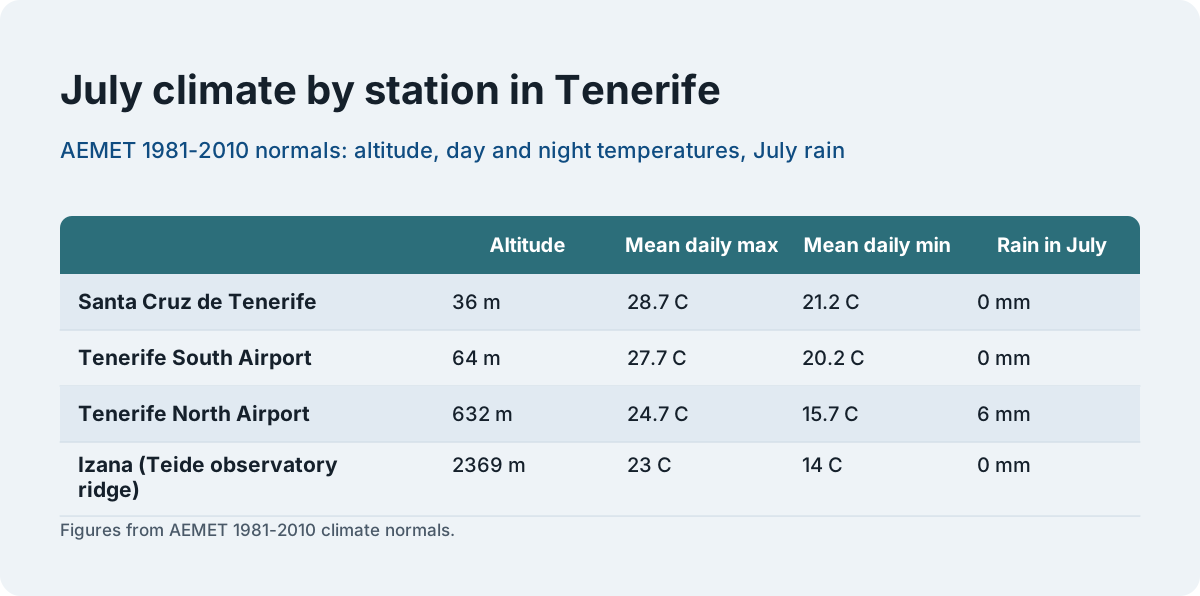
The station figures, all from AEMET's 1981-2010 normals, are these:
| Station | Altitude | Mean daily max | Mean daily min | Rain in July | Rain days |
|---|---|---|---|---|---|
| Santa Cruz de Tenerife | 36 m | 28.7 C | 21.2 C | 0 mm | 0 |
| Tenerife South Airport | 64 m | 27.7 C | 20.2 C | 0 mm | 0 |
| Tenerife North Airport | 632 m | 24.7 C | 15.7 C | 6 mm | 1.7 |
| Izana (Teide observatory ridge) | 2369 m | 23 C | 14 C | 0 mm | 0.1 |
Note what the table does not say. AEMET publishes these figures per station, and this site does not turn them into a general claim about "the north" or "the south" beyond what the stations themselves record. What the numbers do show is a spread of five degrees between the coast and the north airport, and a much bigger one once altitude enters the picture, which is the next section.
How Hot Is Teide at 2,400 Metres in July?
Izana, the AEMET station on the observatory ridge at 2,369 m beside Mount Teide, records a July mean daily maximum of 23 C and a mean daily minimum of 14 C, with 0 mm of rain and 382 sunshine hours, the joint-highest month in its record alongside June.
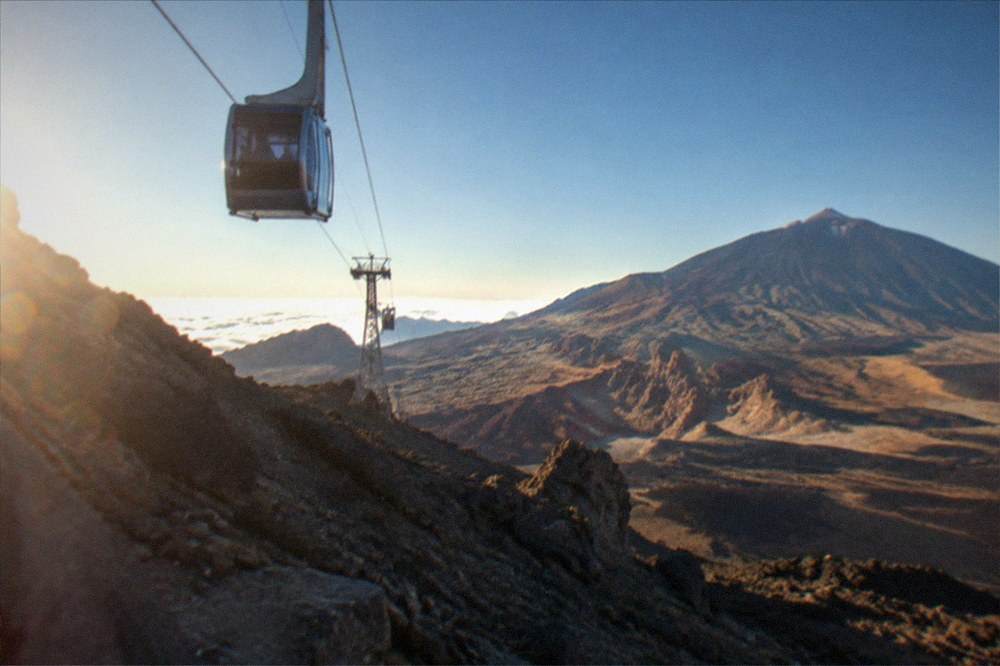
The mountain behaves like a different island. A day that starts at nearly 29 C on the Santa Cruz seafront can be a walk in the low twenties at the observatory, and the cable car's upper station at La Rambleta sits higher still, at 3,555 m, where the operator's own access rules apply. The cable car operator refuses the ride to people with cardiovascular conditions, pregnant women and children under 3, and tells anyone with a health problem to ask a doctor first. That is the operator's exclusion list and it is the only medical guidance this site repeats.
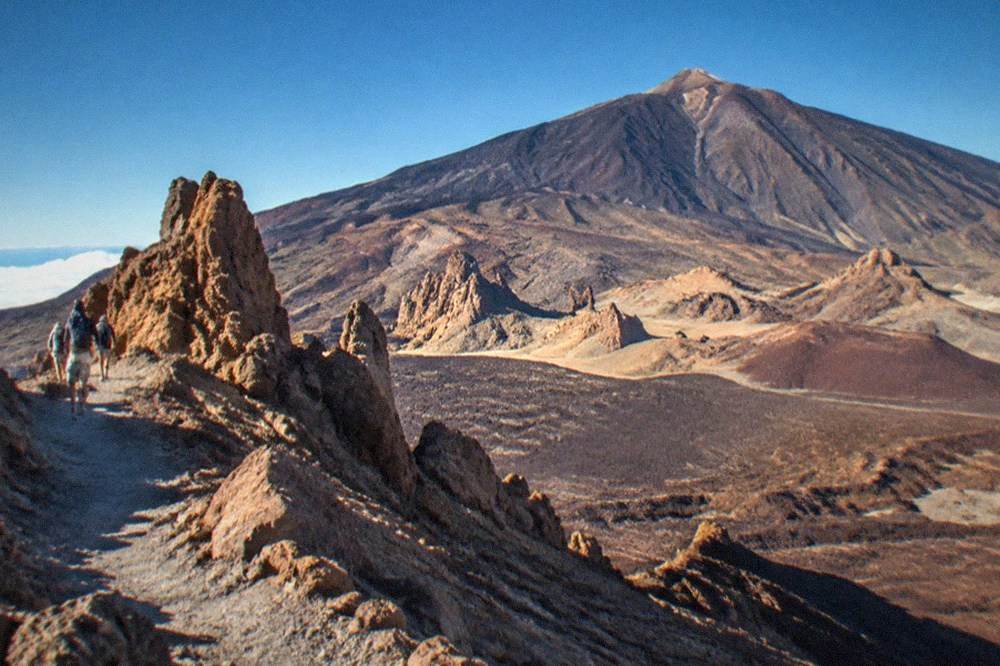
The altitude gap has a planning consequence: pack for two climates. A light jacket is not a hedge, it is what the Izana figures say the evenings up there are. The national park is also where the island's wildfire rules bite hardest, and the Cabildo's ban on smoking in every open-air space of the park, car parks and viewpoints included, is in force year round. Bookings for park activities can be suspended for fire risk or weather alerts, and Tenerife ON's alerts page is the place to check before a mountain day.
Can You Swim in Tenerife in July?
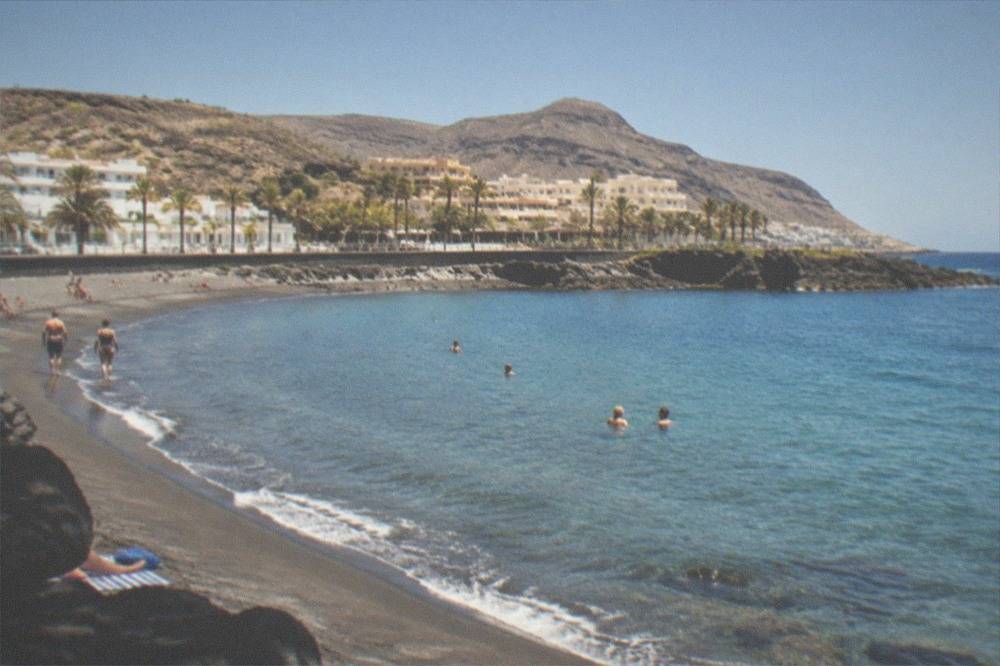
Yes, and July is one of the warmest sea months of the year: the sea surface off Tenerife's south coast averages 22.2 C in July, rising to 23.7 C in September and October, in NOAA's 1991-2020 dataset. AEMET's air normals for the same month show 28.7 C by day in Santa Cruz and no recorded rain days at the coastal stations.
The sea and air figures come from two different datasets and two different normal periods, 1991-2020 for the sea and 1981-2010 for the air, and this site never prints one period for both. The sea warms through the summer and holds its peak into early autumn, which is why September and October swims are warmer than July ones even though the air has cooled. The full question of swimming conditions, beaches and safety is covered in Can You Swim in the Sea in Tenerife?.
| Month | Mean sea surface off the south coast |
|---|---|
| May | 20.2 C |
| June | 21.4 C |
| July | 22.2 C |
| August | 23.1 C |
| September | 23.7 C |
| October | 23.7 C |
| November | 22.5 C |
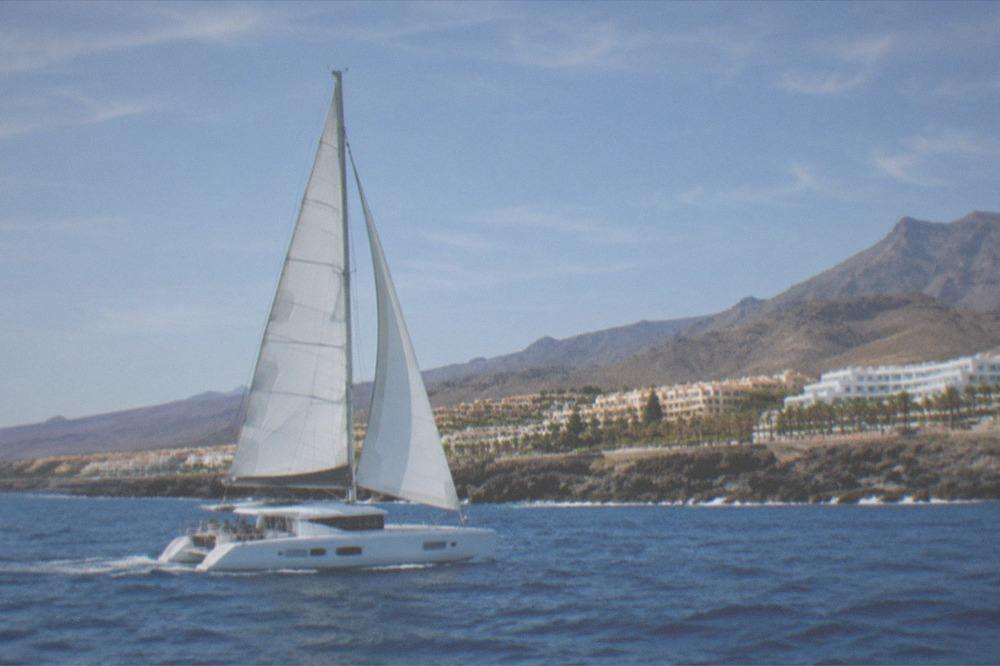
July's calm, warm water is also the reason the whale and dolphin boats out of Los Cristianos and Costa Adeje are at their busiest. The waters between Tenerife and La Gomera hold what the World Cetacean Alliance calls a unique resident population of pilot whales, plus bottlenose dolphins, and the area was designated a Whale Heritage Area by the WCA in January 2021. Whale watching there is regulated by Decreto 178/2000: boats may not approach within 60 m, no more than three boats may be within 500 m, speed is limited to 4 knots inside 500 m, and swimming with the animals is banned within 500 m. Authorised boats fly the Barco Azul flag, which is the quickest way to check a boat's paperwork from the quay.
The eco yacht safari from Los Cristianos is the one this desk would point a July swimmer at first, because it combines the whale watching with a swim stop and carries a strong rating on its live listing. The fuller write-up of the options, from catamarans to small eco boats, sits in whale and dolphin watching.
Is Tenerife Hot in July Compared with August and June?
July sits between June and August but close to the top of the year: AEMET's normals give Santa Cruz 26.2 C by day in June, 28.7 C in July and 29 C in August, and the sea off the south coast warms from 21.4 C in June to 22.2 C in July and 23.1 C in August.
August edges July on both measures, but the gap is under a degree and a degree of sea. The bigger difference is on the ground rather than in the averages: FRONTUR-Canarias recorded 542,881 tourists arriving by air in June 2025, 611,623 in July and 618,578 in August, so July is already carrying near-peak crowds. Anyone with flexibility in the shoulder months will find the same island with fewer people at the table, and the neighbouring month pages, Tenerife in June and Tenerife in August, carry the figures for those.
| Month, 2025 | Tourists arriving by air, excluding Canary Islands residents |
|---|---|
| June | 542,881 |
| July | 611,623 |
| August | 618,578 |
| September | 563,261 |
The series counts arrivals by air, and the words "by air" belong with every figure from it, because the tourist board's annual totals measure different things and are never interchangeable with this one. What the monthly pattern shows is that July and August form a single high plateau, and the practical planning advice follows from it: the things that need a booking, the summit permit, the Masca descent, the popular boats, are the things to sort out before travel rather than on arrival.
Things to Do in Tenerife in July
The July shortlist splits into water, mountain and parks: whale and dolphin boats from Los Cristianos and Costa Adeje in the calmest sea of the year, Teide National Park for a day five to ten degrees cooler than the coast, and Siam Park and Loro Parque as the two big ticketed attractions, with Siam Park open 10:00 to 18:00 in the summer season.
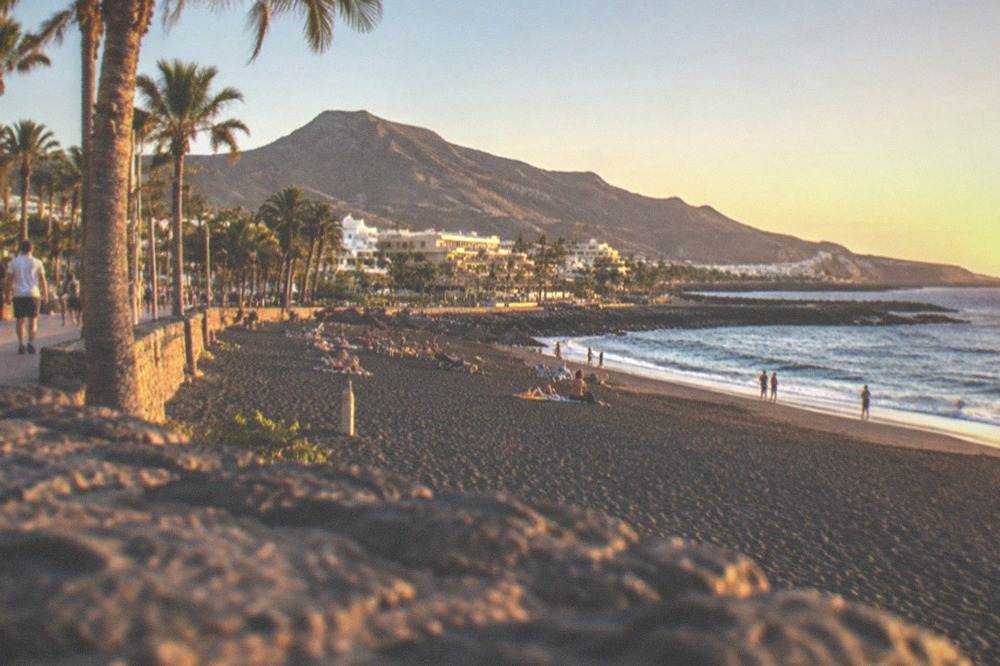
The water first. Beyond the whale boats, the July sea is the season for kayaking with turtles off Los Cristianos, first scuba dives in the south's sheltered bays, and parasailing from Costa Adeje. The south coast's beaches are at their most swimmable: the tourist board describes Las Vistas in Arona as golden sand behind a row of breakwaters, and Las Teresitas at San Andrés as golden sand with palms and breakwaters that calm the water. El Duque in Costa Adeje, for the record, is grey sand on the tourist board's own page, whatever the brochures imply. Other pages covering the same trip are gathered on Tenerife Travel Guide.
The mountain second. A July Teide day is the island's own air conditioning: the figures above are the reason. The small-group volcanic and forest tour of the national park from the south runs four to five hours and suits a family that wants the lava fields and the pine forest without a full-day commitment. The wider options, from coach day trips to stargazing evenings, are gathered in Teide tours.
The parks third. Siam Park's own hours page lists 10:00 to 18:00 from 1 May to 29 Oct, so July gets the full summer day, and Loro Parque in Puerto de la Cruz opens 09:30 to 17:30 every day of the year. The combined twin ticket covering both parks is the product families with a week usually settle on, and the background on both venues sits in theme parks.
Teide in July: Cable Car, Permits and Fees
The cable car runs 09:00 to 18:40 in July, from 2,356 m at the base station to La Rambleta at 3,555 m, with a non-resident return ticket at EUR 42 for an adult and EUR 21 for a child aged 3 to 13, and the summit trail above La Rambleta needs a separate Tenerife ON reservation costing EUR 15 for visitors on the 09:00 to 17:00 slots.
Three separate things get blurred together in most guides, and they must not be. Driving through the national park and using the viewpoints carries no charge on any official page read. The cable car is an operator ticket to La Rambleta, and it does not reach the summit. The crater trail, PNT 10 Telesforo Bravo, is a personal reservation booked on Tenerife ON, and since Monday 19 January 2026 the 09:00 to 17:00 slots cost EUR 15 for visitors, EUR 6 for residents of the other Canary Islands and nothing for Tenerife residents and children. Permits are released weekly, every Monday at 07:00 Canary time, keeping 56 days bookable, and this site gives no lead-time advice beyond that rule because no official page does. The full permit walkthrough is at Teide summit permit.
| Teide item | Who it is for | 2026 charge |
|---|---|---|
| National park drive and viewpoints | Everyone | No entry fee on any official page |
| Cable car return, La Rambleta | Non-resident adult | EUR 42 (child 3 to 13: EUR 21) |
| Cable car return, La Rambleta | Resident adult | EUR 10.50 (child: EUR 5.25) |
| Summit trail PNT 10, 09:00 to 17:00 slots | Visitors | EUR 15 |
| Summit trail PNT 10, 09:00 to 17:00 slots | Other Canary Islands residents | EUR 6 |
| Trail PNT 07 Montana Blanca, working day | Visitors | EUR 6 |
July adds two mountain-specific cautions. The cable car's standard hours on a July day run to 18:40, with the last ascent one hour before closing and the last descent ten minutes before, so a late-afternoon ticket is possible but tight against sunset stargazing plans. And the 06:00 to 09:00 and 18:00 to 22:00 slots on PNT 10 are also bookable reservations, not free-for-all windows: Tenerife ON lists them, walking the trail without one may be penalised, and the fee regime's refund rules are strict, with no changes of date, slot or names.
Getting Around Tenerife in July
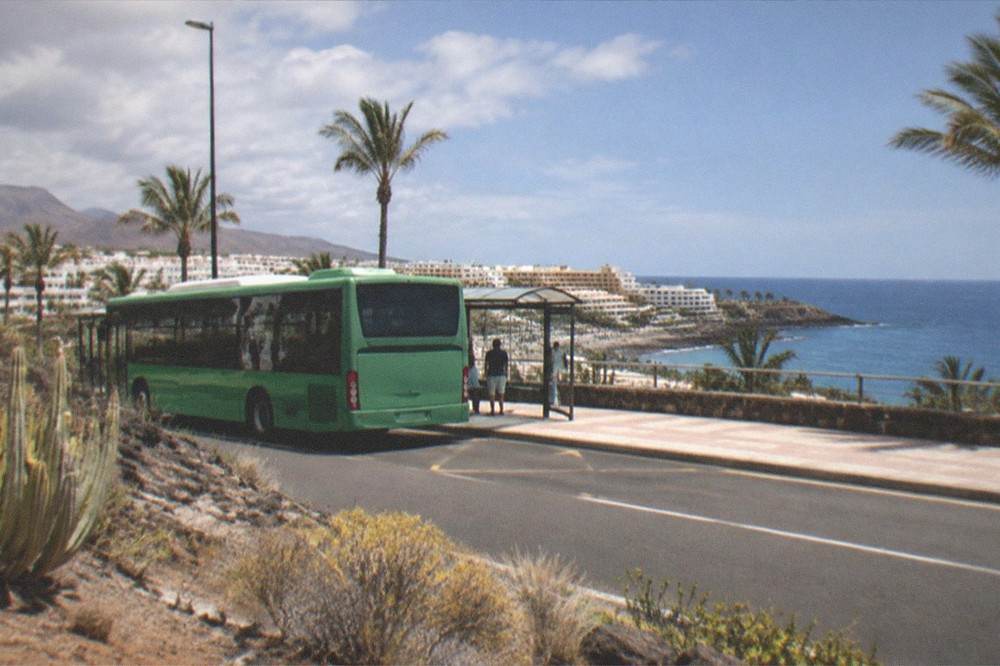
Visitors pay for public transport: TITSA's visitor products are single tickets priced by route, a EUR 10 day travelcard and a EUR 50 seven-day travelcard, and the 2026 free-travel subsidy applies only to resident passes held by Canary Islands residents on a personalised Ten+ card.
The free-transport headlines that circulate each year are about residents, and a visitor reading them as good news will be standing at the airport ticket machine anyway. Those machines sell the travelcards, which is the practical answer for a week of bus days. TITSA's own airport pages list lines 10, 40, 711, 343 and 415 at Tenerife South, and lines 20, 30 and 343 at Tenerife North, and those are the only line numbers this site states. The tram has no airport stop and is not part of airport-transfer planning; Metrotenerife's fares page lists a EUR 1.35 single on a transit pass.
| TITSA product | Price | Notes |
|---|---|---|
| Single ticket | Priced by route | Card or cash on board |
| Same-day return | 10% off | On trips of 20 km or more |
| Day Travelcard | EUR 10 | Sold at airport ticket machines |
| 7 Day Travelcard | EUR 50 | Sold at airport ticket machines |
| Ten+ card | EUR 2 | Top-ups EUR 2 to EUR 100 |
July crowds mean the practical notes matter more than in May. The Teide and Teno bus lines are excluded from the resident passes, which affects visitors not at all since visitors cannot hold one, but it is worth knowing when reading forum advice. Taxis are white and metered from the start of the trip, with a fixed price negotiable in advance for excursions. And there is no per-night tourist tax on Tenerife: no official page read shows one in force or approved, and the charges that do exist are the per-booking trail fees, the Masca ticket and the Barranco del Infierno ticket. The entry rules page covers the rest, including the EU's Entry/Exit System, fully operational since 10 April 2026, which registers UK and US visitors with a facial image and fingerprints instead of a passport stamp.
July Planning: What to Book Before You Fly
Book four things ahead in July: the Teide summit reservation if the crater is on the list, the Masca descent with its boat exit, the whale watching day, and any park tickets, because July 2025 brought 611,623 air arrivals and the quota-controlled activities are the ones that fill.
The quota-controlled items are the ones with hard ceilings. Masca runs 25 places every 30 minutes from 08:30, with 50 at the 09:00 session, and the EUR 40.66 general ticket excludes the boat, which must be booked separately and for no later than four hours after the descent slot. Hikers must arrive on TITSA line 355 from Santiago del Teide and show the bus ticket; private vehicles are refused. Barranco del Infierno takes 20 people every 30 minutes, mornings only, at EUR 15 for a non-resident adult with compulsory advance booking. El Pijaral in Anaga, the trail the guides call the Enchanted Forest, takes reservations on Tenerife ON released Mondays at 07:00, at most 14 days ahead, and company-run tours are not permitted there at all, which rules out every commercial walk of it.
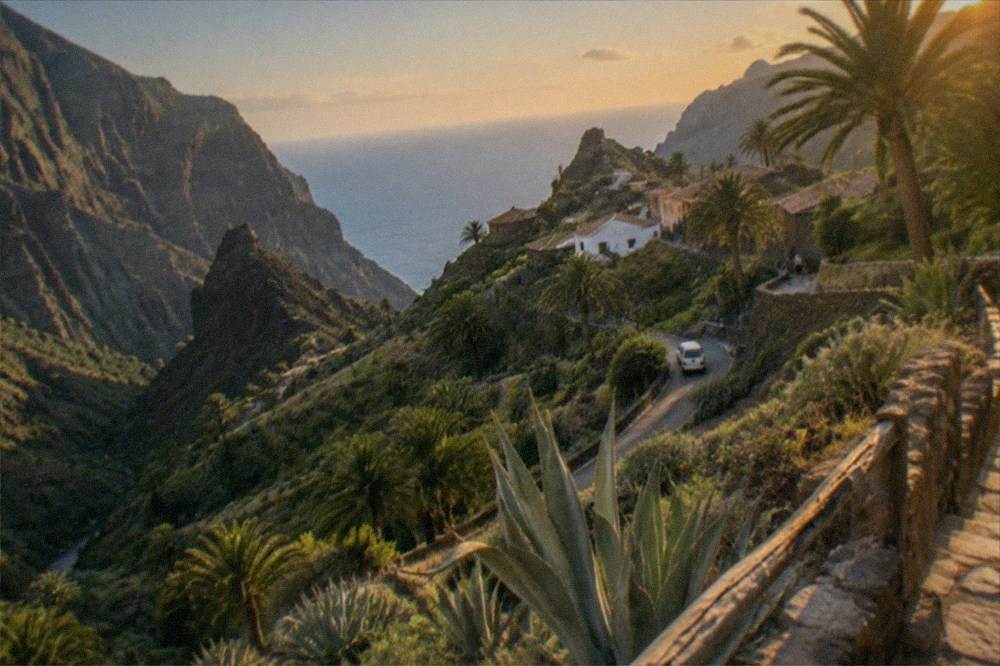
The bookable-elsewhere items are the boats, the tours and the park tickets, and the trio below is where a July planner usually starts: a whale day from the south coast, a half-day in the national park, and the twin park ticket that covers Siam Park and Loro Parque in one purchase.
Common Questions About Tenerife in July
Can You Swim in Tenerife in July?
Yes. The sea surface off the south coast averages 22.2 C in July in NOAA's 1991-2020 dataset, warmer than June and a degree cooler than August. AEMET's July normals show 28.7 C mean daily maximum in Santa Cruz and no rain days at the coastal stations, so sea swimming is comfortably in season.
How Hot Is Tenerife in July?
The mean daily maximum is 28.7 C in Santa Cruz de Tenerife and 27.7 C at Tenerife South Airport, with mean daily minimums of 21.2 C and 20.2 C. Tenerife North Airport, at 632 m, averages 24.7 C by day, and Izana on the Teide ridge averages 23 C. These are AEMET 1981-2010 normals, not a forecast for a specific week.
Is Tenerife Hot in July?
Yes, it is one of the two warmest months. August's normals are marginally higher, 29 C against 28.7 C in Santa Cruz, but the difference is under a degree. The sea is warmer still in August and September, reaching 23.1 C and 23.7 C off the south coast.
Does It Rain in Tenerife in July?
At the coastal stations, effectively no. AEMET's July normals record 0 mm of rain on 0 days at both Santa Cruz and Tenerife South Airport. Tenerife North Airport records 6 mm on 1.7 days, and Izana records 0 mm on 0.1 days, so a July shower is rare everywhere and likeliest, marginally, in the north.
Is the Teide Summit Permit Needed in July?
Yes, for every slot. The crater trail PNT 10 Telesforo Bravo requires a personal reservation booked on Tenerife ON, including the 06:00 to 09:00 and 18:00 to 22:00 slots. Since 19 January 2026 the 09:00 to 17:00 slots cost EUR 15 for visitors, EUR 6 for residents of the other Canary Islands, and nothing for Tenerife residents and children. New slots are released every Monday at 07:00 Canary time, with 56 days always bookable.
Is Public Transport Free for Tourists in July?
No. The 2026 subsidy covers resident passes only, held by Canary Islands residents on a personalised Ten+ card. Visitors pay for single tickets, the EUR 10 day travelcard or the EUR 50 seven-day travelcard, all sold through TITSA including the airport ticket machines.