Planning a Tenerife Holiday: What to Book and When
Tenerife holidays need less booking than most islands, but the few things that do need a reservation, the Teide summit trail, Masca and the observatory, follow strict release rules. This guide sets out what to book, when, and what genuinely costs nothing.
Short answer
Book the Teide summit permit on Tenerife ON, where a new week of slots opens every Monday at 07:00 Canary time with 56 days always bookable, and book Masca and the Teide Observatory separately on their own sites. Everything else, beaches, viewpoints and driving through the national park, needs no booking at all.
Tenerife holidays divide cleanly into two piles: the days that need nothing but a bus fare or a towel, and the small set of experiences that are quota-controlled and sell on a clock. The island recorded 5,242,653 visits to Teide National Park in 2024, the most visited park in Spain's national park network, yet most of that traffic flows through viewpoints and car parks that carry no charge and no booking. The scarce things are specific: the summit trail, the Masca gorge, the Barranco del Infierno ravine and the observatory visit. Get those four right and the rest of the week plans itself.
This page walks through the decisions in the order a reader actually makes them: which month, what to book, what it costs, how to move around, and which base to choose. Every figure comes from the official source named beside it, and where two official sources disagree, both readings are shown. For the full menu of days out, start with the things to do in Tenerife round-up, then come back here for the booking mechanics.
Which Month Gives You the Best Tenerife Holiday?
The south coast is warmest and driest from May to September, when AEMET's normals for Tenerife South Airport show mean daily maxima of 23.9 to 28.4 Celsius and one millimetre of rain or less per month, while the sea off the south coast peaks at 23.7 Celsius in September and October. Winter months stay beach-friendly, with January maxima of 21.7 Celsius at the airport station and sea temperatures of 19.9 Celsius.
The climate tables are the honest answer to the month question, because Tenerife's weather changes with altitude more than with the calendar. AEMET's station at Izaña, on the Teide observatory ridge at 2,369 metres, records a January mean of 4.3 Celsius and 47 mm of rain, while Santa Cruz at sea level records 18.2 Celsius the same month. A holiday plan that puts a Teide stargazing evening on the same day as a beach morning needs to account for a mountain that behaves like a different country.
| Month | South airport mean daily max (C) | Rain mm, south airport | Sea surface C, south coast | Tourists arriving by air (2025) |
|---|---|---|---|---|
| Jan | 21.7 | 17 | 19.9 | 643,460 |
| Feb | 22.0 | 20 | 19.2 | 648,255 |
| Mar | 23.1 | 15 | 19.1 | 677,688 |
| Apr | 23.1 | 7 | 19.5 | 604,370 |
| May | 23.9 | 1 | 20.2 | 539,410 |
| Jun | 25.4 | 0 | 21.4 | 542,881 |
| Jul | 27.7 | 0 | 22.2 | 611,623 |
| Aug | 28.4 | 1 | 23.1 | 618,578 |
| Sep | 27.9 | 4 | 23.7 | 563,261 |
| Oct | 26.8 | 12 | 23.7 | 631,662 |
| Nov | 24.8 | 26 | 22.5 | 659,656 |
| Dec | 22.8 | 30 | 21.1 | 671,202 |
The arrivals column, from the Canary statistics institute's FRONTUR-Canarias series, counts tourists arriving by air and excludes Canary Islands residents. It shows the shape of the year clearly: May and June are the quietest warm months, while the winter half, November through March, is when the island is at its busiest. The sea is at its warmest exactly when the crowds have thinned, in September and October, which is why those two months reward a late-season booking.
The air normals are AEMET's 1981 to 2010 series and the sea figures are NOAA's 1991 to 2020 series, two datasets from two periods, so treat them as neighbours rather than a single forecast. For a month-by-month breakdown with the carnival dates and event calendar folded in, the Tenerife weather by month guide carries the detail, and the single-month pages, such as Tenerife in October, take the idea further.
What Do You Need to Book Before You Fly?
Book four things ahead: the Teide summit trail on Tenerife ON, where a new week opens every Monday at 07:00 Canary time and 56 days stay bookable; the Masca gorge at caminobarrancodemasca.com, EUR 40.66 general ticket with the boat sold separately; Barranco del Infierno, EUR 15 for a non-resident adult with online booking compulsory; and the Teide Observatory visit, which is by prior reservation only.
Everything else on the island is either free or flexible. Driving through Teide National Park needs no booking and no entry fee on any official page read. The beaches, the viewpoints, the old towns of La Laguna and Garachico, and most walking trails need nothing but a start time. The temporary rule on Tenerife ON even suspends authorisation for most trails until 31 December 2026, so ordinary hiking is open access for now.
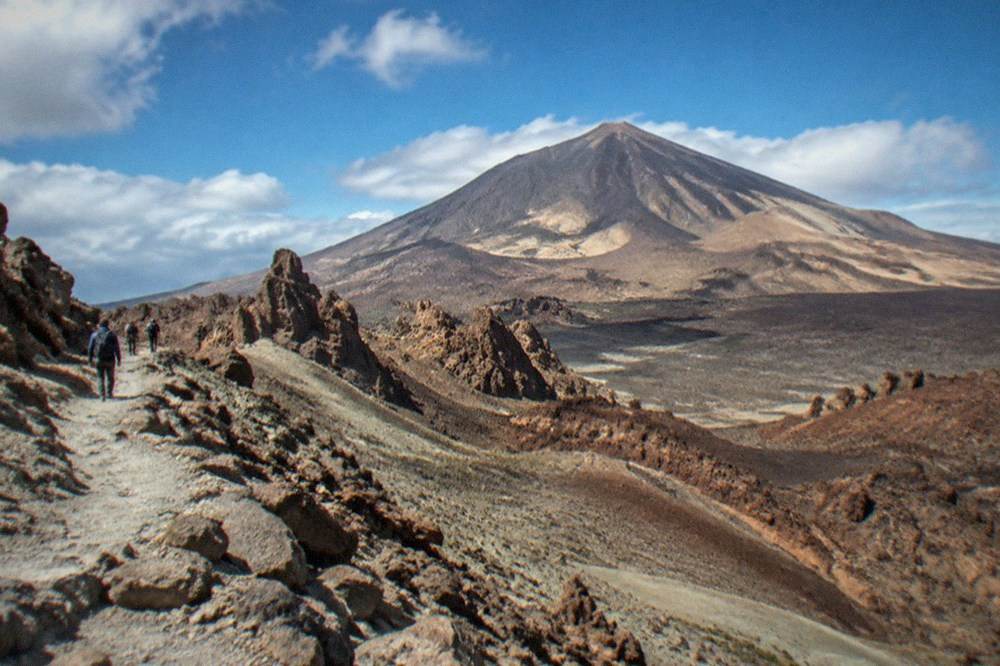
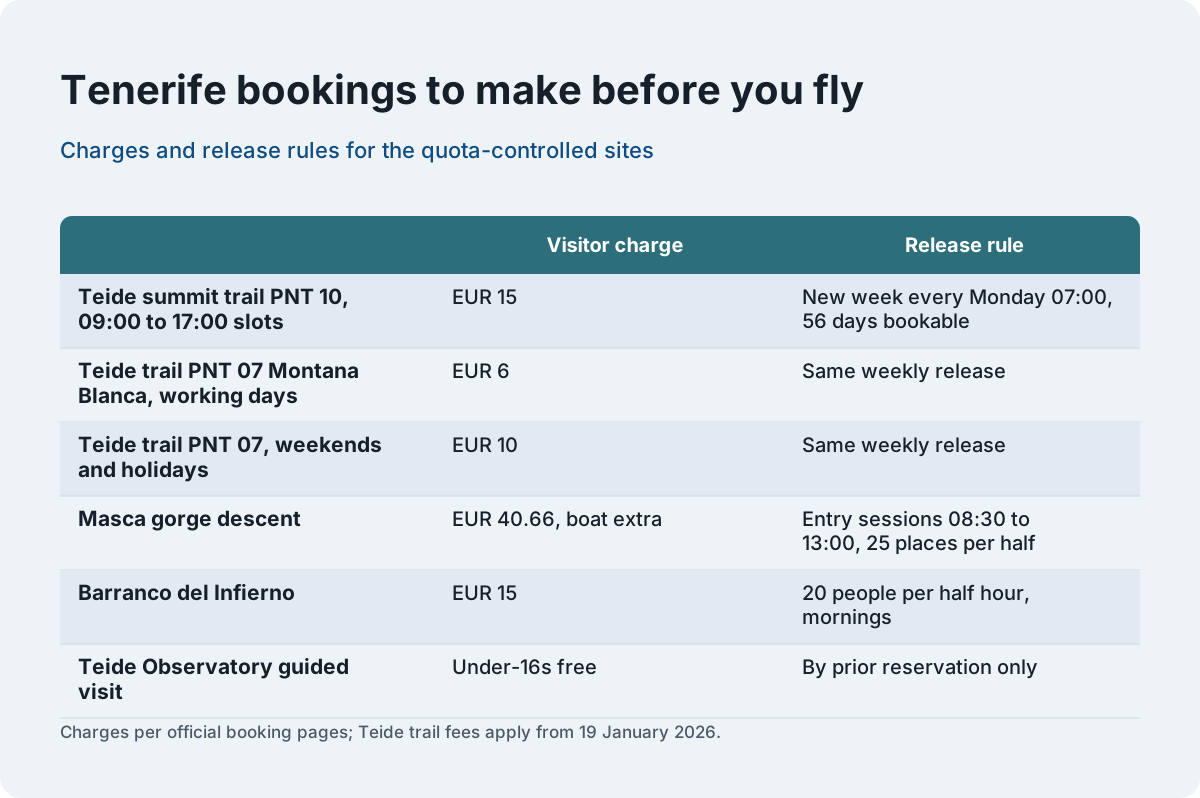
The summit trail, PNT 10 Telesforo Bravo, is the one that catches people out. Since slots for 1 September 2025 onward, the reservation is made on Tenerife ON, the Cabildo's own platform, and you must be registered and logged in. The old national parks booking page still loads, but it now only tells users to book on Tenerife ON. Since Monday 19 January 2026 the daytime slots, 09:00 to 17:00, cost EUR 15 for visitors, EUR 6 for residents of the other Canary Islands and nothing for Tenerife residents and children. Refunds do not exist: the booking is non-refundable, with no changes of date, slot or names.
| Booking | Where | Visitor charge | Release rule |
|---|---|---|---|
| Teide summit trail PNT 10, 09:00 to 17:00 slots | Tenerife ON | EUR 15 | New week every Monday 07:00, 56 days bookable |
| Teide trail PNT 07 Montana Blanca, working days | Tenerife ON | EUR 6 | Same weekly release |
| Teide trail PNT 07, weekends and holidays | Tenerife ON | EUR 10 | Same weekly release |
| Masca gorge descent | caminobarrancodemasca.com | EUR 40.66, boat extra | Entry sessions 08:30 to 13:00, 25 places per half hour |
| Barranco del Infierno | barrancodelinfierno.es | EUR 15 | 20 people per half hour, mornings |
| Teide Observatory guided visit | Reservations via the observatory's own page | Under-16s free | By prior reservation only |
Masca deserves a second warning before it is booked. The pilot scheme sells a descent only, with a boat exit from Masca bay that must be booked beforehand and be no later than four hours after the descent slot. Hikers must arrive on TITSA line 355 from Santiago del Teide and show the bus ticket, because private vehicles are refused. Closed mountain footwear is a condition of entry, and the operator states plainly that the pier can close suddenly when the sea turns, which voids the day's ticket. The Teide summit permit guide carries the full mechanics for the volcano end of this table.
The observatory is the sleeper booking. The Teide Observatory's visits page carried a fully booked notice when the research for this site was done, and guided visits run only with prior reservation. If astronomy is the point of the trip, the reservation matters more than the flight. A guided evening under the same skies is the easier route, and the observatory's own daytime tour is the structured version.
What Does a Tenerife Holiday Actually Cost?
There is no tourist tax on Tenerife: no official page shows a per-night lodging tax in force or approved. The charges that do exist are per-booking fees on two Teide trails from 19 January 2026, the EUR 40.66 Masca ticket, the EUR 15 Barranco del Infierno ticket, and the cable car, listed from EUR 42 for a non-resident adult return. Beaches, viewpoints and driving through the national park cost nothing.
That paragraph is the whole tax story, and it is worth being precise because plenty of pages blur it. The Canaries apply IGIC rather than VAT, and the tax agency's table shows 7% on everyday goods, with reduced and zero bands for basics. Non-resident travellers can claim IGIC back on form 403. Nothing in that structure is a holiday levy on your stay.
The cable car is the one Teide cost most visitors meet. The operator's 2026 price page lists the non-resident adult return from EUR 42, children aged 3 to 13 from EUR 21, with resident rates far lower. The cable car stops at La Rambleta at 3,555 metres; it does not reach the summit, and the crater beyond is the permit-only PNT 10 trail. The operator also refuses the ride to people with cardiovascular conditions, pregnant women and children under 3, which is a health rule, not a ticketing rule. The Teide cable car page carries the full hours and access detail.
For the paid experiences that run on quotas and weather, the cards below carry the live prices and the current availability picture, which no guide page can hold honestly for long.
Beyond the quota items, a Tenerife week can be shaped almost entirely from free material. The Tenerife on a budget approach is not a compromise here, it is simply how the island is built: golden-sand beaches such as Las Teresitas and Las Vistas cost nothing, the whale-watching law means the animals come close to authorised boats, and the national park's viewpoints are open to anyone who drives up.
Do You Need a Car on a Tenerife Holiday?
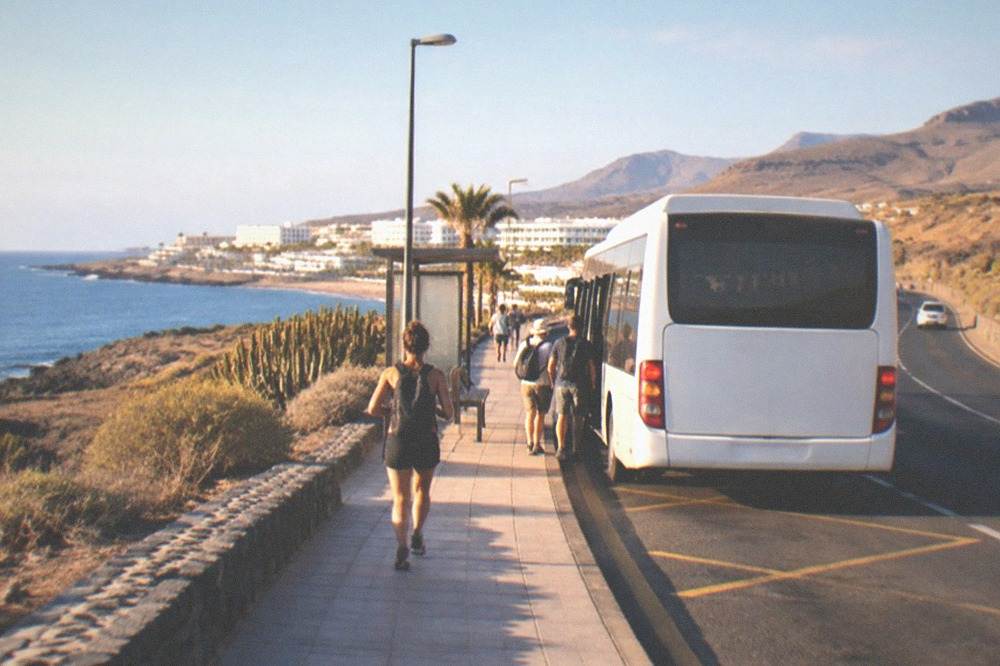
You do not need a car: TITSA buses serve both airports and the whole island, and visitors can buy a EUR 10 day travelcard or a EUR 50 seven-day travelcard, but the free public transport of 2026 applies only to resident passes, so visitors pay. A car earns its keep for the national park loop, Masca logistics and Anaga, where bus frequency thins out.
The resident subsidy is the fact most often garbled. The Canary government's 100% subsidy for 2026 applies to passes that require residency in the Canary Islands on a personalised Ten+ card. Visitors do not qualify, full stop. What visitors get instead is a decent fare structure: single tickets priced by route, a 10% same-day return discount on trips of 20 km or more, and the two travelcards, both sold at airport ticket machines. The full index of guides sits on Tenerife Travel Guide.
| Airport | AENA's name | TITSA lines serving it |
|---|---|---|
| Tenerife South (TFS) | Tenerife Sur | 10 to Santa Cruz; 40 to Costa Adeje via Los Cristianos; 711 night bus; 343 express to Puerto de la Cruz via both airports; 415 to El Fraile and San Isidro |
| Tenerife North (TFN) | Tenerife Norte-Ciudad de La Laguna | 20 to Santa Cruz via La Laguna; 30 to Puerto de la Cruz; 343 express to the south |
TFS handled 13,969,678 passengers in 2025, an all-time record, and TFN handled 7,174,977, so both airports are serious gateways rather than one main and one spare. Which one to fly into is its own decision, covered in full in the which Tenerife airport question and the airport transfers guide. There is no tram to either airport, and Metrotenerife's fares page says nothing that would suggest otherwise; the tram single fare is EUR 1.35 on a transit pass.
If the plan is a car-free week, base it in Puerto de la Cruz or Santa Cruz and use the express lines; the Tenerife without a car itinerary shows a full week built on buses and the tram. If the plan is the opposite, the driving in Tenerife and car hire in Tenerife guides cover the roads, the petrol stations and the parking. The general drink-drive limit the DGT refers to is 0.5 g/l in blood, worth knowing before a wine lunch in Tacoronte.
Where Should You Stay on a Tenerife Holiday?
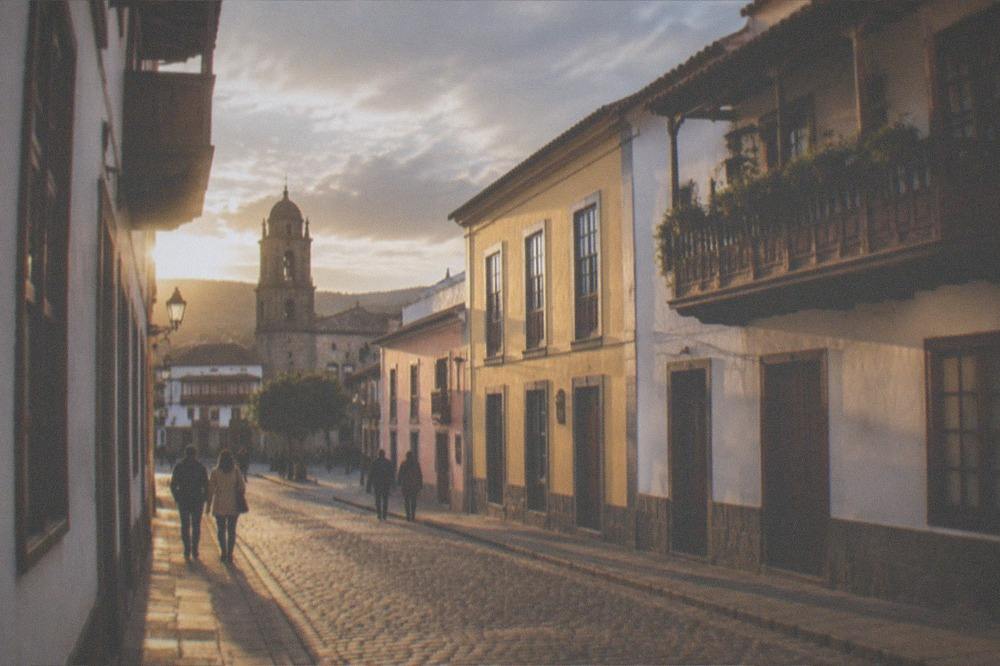
The south, Costa Adeje, Los Cristianos and Playa de las Americas, is the beach-and-activity base with the warmest, driest weather, while the north, Puerto de la Cruz and La Laguna, is quieter, greener and closer to the vineyards and Anaga; the split is real enough that the island effectively offers two different holidays, so pick by holiday type, not by price alone.
The south holds the purpose-built beach resorts and most of the island's headline attractions: Siam Park in Costa Adeje, the whale-watching fleet of Los Cristianos and Puerto Colon, and the quickest run up to Teide. The north holds Puerto de la Cruz with its old town and Lago Martianez, La Laguna's UNESCO-listed streets, and the greener, wetter climate AEMET's north airport station records, 520 mm of rain a year against the south airport's 132 mm.
The full comparison, including nightlife, families and winter sun, sits in the Tenerife north vs south guide, and the area-by-area detail is in where to stay in Tenerife. If the island itself is still the decision, the which Canary island is best guide puts Tenerife beside its neighbours, and the head-to-heads with Gran Canaria and Lanzarote cover the trade-offs.
For accommodation itself, the season drives availability more than anything else: the FRONTUR series shows November through March as the peak arrival window, and the tourist board's 2025 balance recorded 5,451,268 tourists lodged in hotels and apartments. Book the winter half earlier than you would for a Mediterranean destination.
Compare places to stay across the island once the base is chosen, and check flights into Tenerife South or Tenerife North before committing to an area, because the two airports sit an hour apart by road. Data connection is the last practical item: an eSIM for Spain removes the arrival-day hunt for a shop.
What Are the Best Days Out to Lock in Early?
The days that need early decisions are the whale-watching sailings out of Los Gigantes, the observatory visit, and the water park, because the first depends on weather and the other two run on capacity; a sailboat cruise from Los Gigantes, the observatory's guided tour and a Siam Park ticket are the three bookings worth making before the holiday starts.
Whale watching is Tenerife's most reliable headline act, and it is regulated in unusual detail. Decreto 178/2000 forbids any boat from approaching within 60 metres of a cetacean, allows at most three boats within 500 metres, caps speed at 4 knots inside that zone, and bans swimming or diving within 500 metres. Authorised boats fly the Barco Azul flag, issued with the permit and at each annual renewal. The World Cetacean Alliance designated the Tenerife-La Gomera marine area a Whale Heritage Area in January 2021, citing a unique resident population of pilot whales and bottlenose dolphins inside a Special Area of Conservation.
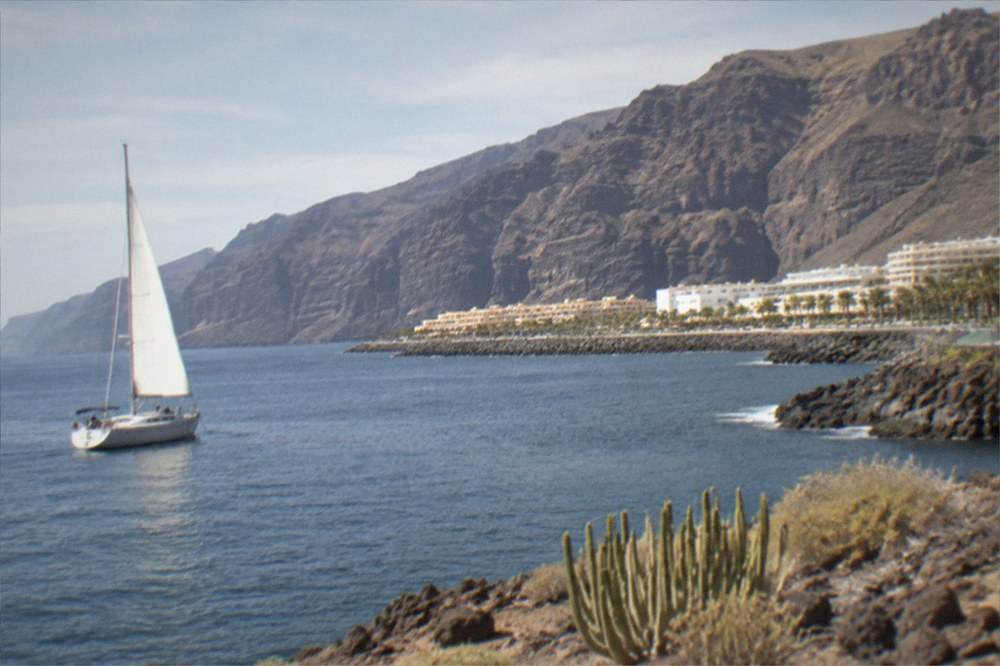
Los Gigantes is the setting that makes a sailing day feel different from a resort catamaran run: the tourist board describes the cliffs as towering up to 600 metres, inside Teno Rural Park, with a seabed about 30 metres deep at their foot. The sailboat cruise below runs from that harbour, and it is the related pick for this page because it combines the cliffs and the resident whales in one booking.
Check availability once the dates are fixed, and read the whale and dolphin watching page for the full fleet comparison. The Los Gigantes cliffs page covers the village and the viewpoints for anyone who prefers to meet the cliffs from land.
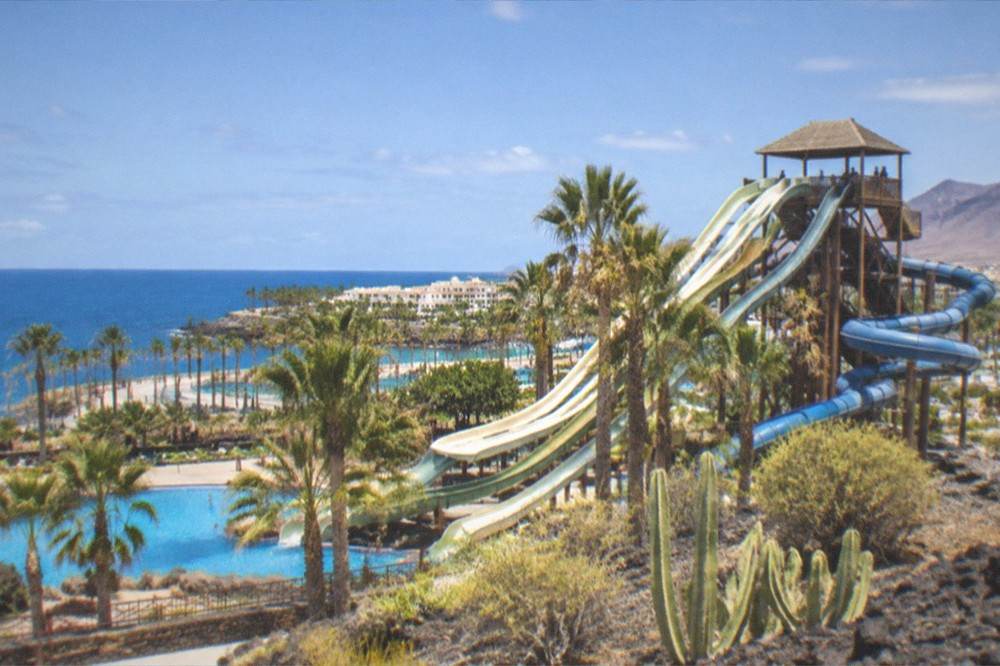
Siam Park is the other capacity booking. It opens 365 days a year, 10:00 to 18:00 from 1 May to 29 October and 10:00 to 17:00 for the rest of the year, and its owner's release records Tripadvisor's Travellers' Choice award for the best water park in the world for a fifth consecutive year, though later years were not confirmed on the awarding body's own page. Loro Parque, the island's other big ticket, runs 09:30 to 17:30 every day of the year, and a twin ticket covers both parks. The water parks guide compares them properly.
What Should You Pack and Prepare for the Mountain Days?
Pack for two climates: AEMET's normals put the south coast at a 24 Celsius mean in July but the Izaña ridge at 2,369 metres at a 4.3 Celsius mean in January, and in winter ice and snow make crampons and an ice axe mandatory equipment on the stratovolcano trails, so the mountain days need layers, proper footwear and a check of the Tenerife ON alerts before setting out.
The smoking ban is the rule that surprises people: the Cabildo prohibits smoking in all open-air spaces of Teide National Park, trails, viewpoints, car parks and recreation areas included, as a wildfire measure, and bookings can be suspended for fire risk or weather alerts. The operator of the Masca gorge calls it the place with the most rescues in the Canaries in recent years, which is why closed mountain footwear is a condition of entry there too.
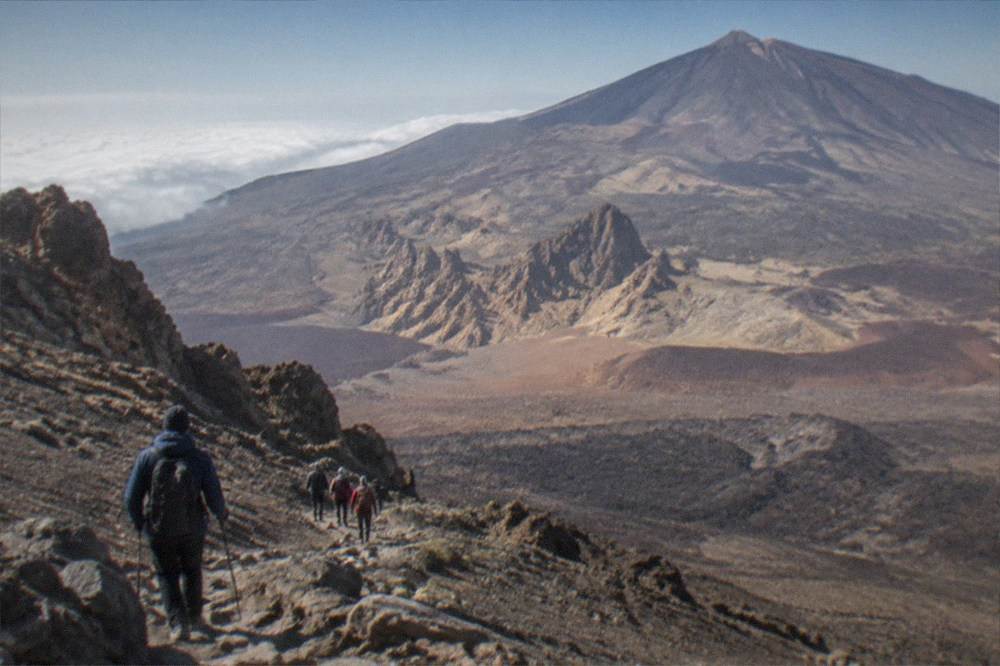
Altitude rules on Teide are the operator's, not a writer's: the cable car refuses people with cardiovascular conditions, pregnant women and children under 3, and the PNT 10 trail page says the same trail is not suitable for people with heart, respiratory or mobility problems. Anyone with a health question should ask a doctor first, which is the operator's own advice. The what to pack for Tenerife guide turns the climate tables into a packing list, and the hiking in Tenerife guide covers the trails beyond the two permit-only ones.
Entry formalities are the last item, and they are simple to state honestly. The EU's Entry/Exit System began on 12 October 2025 and has been fully operational since 10 April 2026, registering non-EU nationals on short stays with a facial image and fingerprints instead of a passport stamp, which covers UK and US visitors. ETIAS is a different thing: the EU says it is currently not in operation, no applications are collected at this point, and the start date will be announced several months ahead, so no date belongs in any plan. The fee is set at EUR 20. Passport validity rules and the short-stay day limit were not read on an official page in this research, so the honest pointer is your own government's travel advice.
Common Questions About Tenerife Holidays
is tenerife good for a family holiday?
Yes, on the evidence of what the island offers families: Siam Park opens 365 days a year, Loro Parque runs every day of the year from 09:30 to 17:30, the south coast's golden-sand beaches such as Las Vistas sit behind breakwaters that calm the water, and the whale-watching fleet runs short 90-minute and two-hour trips that suit children. The cable car refuses children under 3 and the summit trail bars under-3s and requires under-16s to be with an adult, so the high mountain is a family option only from age three up.
is tenerife cheap for a holiday?
It can be, because the core attractions cost nothing: beaches, viewpoints, old towns and driving through Teide National Park are free on every official page read. The paid items are specific and published: EUR 15 for the Teide summit trail daytime slot, EUR 40.66 for the Masca gorge, EUR 15 for Barranco del Infierno, and visitor bus travel at EUR 10 for a day travelcard or EUR 50 for seven days. There is no tourist tax, and IGIC on everyday goods runs at 7%.
is tenerife an expensive holiday?
Not at the level of a ski resort or a long-haul city break, but the costs that exist add up if every day is a booked excursion. The tourist board recorded EUR 2,121 million in hotel and apartment revenue for 2025 across 5,451,268 lodged tourists, and the winter half of the year is the peak, when accommodation is hardest to find. The free layer, beaches, viewpoints and trails, is large enough to keep a week inexpensive if the paid days are chosen deliberately.
what month is the cheapest for tenerife holidays?
The Canary statistics institute's by-air series shows May and June as the quietest months for tourist arrivals, 539,410 and 542,881 in 2025, against 671,202 in December, so late spring is when demand is lowest. The weather holds up: AEMET's south airport normals give May a 23.9 Celsius mean daily maximum and 1 mm of rain, and the sea is 20.2 Celsius. April is similarly quiet by air arrivals and only slightly cooler.
is tenerife a good holiday destination
On the official record, yes: 7,412,046 tourists arrived by air in 2025, the island holds two UNESCO inscriptions, Teide National Park in 2007 and La Laguna, and AEMET's normals give Santa Cruz a 25 Celsius mean in July with zero rain days. The range is unusually wide for one island: a winter-sun beach week, a hiking week in Anaga, a stargazing week at a Starlight Reserve and a city break in Santa Cruz are all the same island.
What are the best holidays for wheelchair users?
What the official sources record: the island's taxi fleet includes adapted eurotaxis, metered like every other taxi, and the tourist board lists them as part of standard public transport. Siam Park and Loro Parque both open every day of the year, so park days are available year-round. Detailed accessibility by beach and by trail was not verified on official pages for this site, so the honest route is to check each venue's own accessibility page before booking, and the ferry operators' pages for island-hopping days.