Natural Pools in Tenerife
Tenerife's volcanic coast has carved pools where the Atlantic pours in and settles, and the best of them sit where the lava met the sea. This guide sets out where the pools are, what the official pages say about swimming in them, and how the island's rules and charges apply.
Short answer
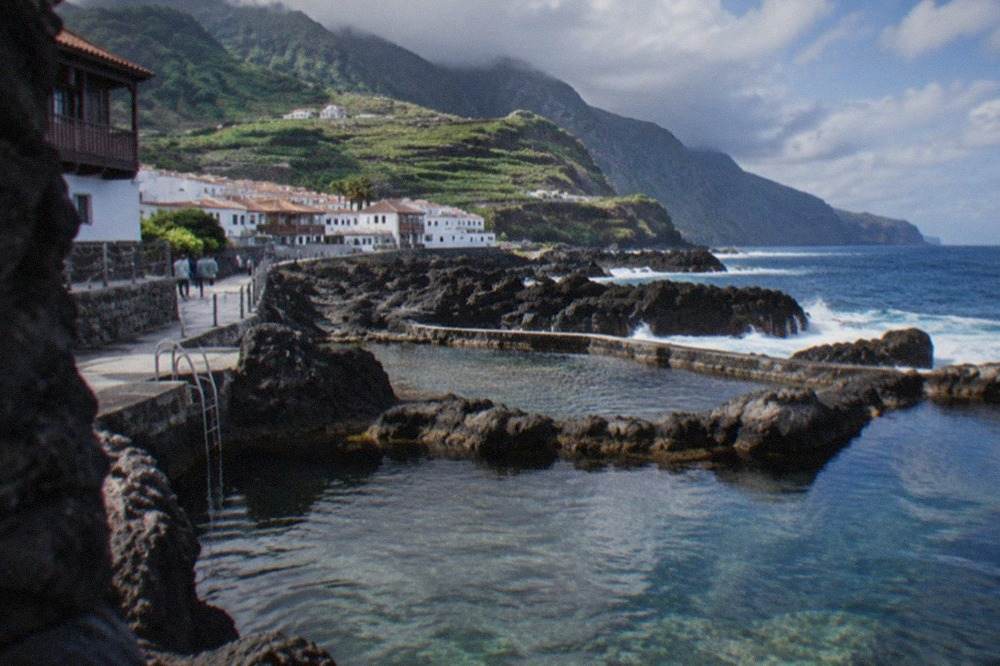
The best-known natural pools on Tenerife are at Garachico on the north coast, where lava flows formed basins in the rock. The sea is warmest in September and October at 23.7 C, swimming is free at the public pools, and the north of the island is wetter and cooler than the south, which shapes when and where you swim.
Tenerife's coastline is new rock in geological terms, and the sea has been working on it. Where lava met the Atlantic, it cooled into shelves and hollows, and the tide fills those hollows twice a day. The result is a string of natural pools, from the famous basins at Garachico on the north coast to quiet rock pools tucked under cliffs in the south and west. This guide, from the Tenerife Travel Guide desk, sets out what the official sources say about them: where they sit, what the water does through the year, and what rules and charges apply.
What Are Natural Pools in Tenerife?
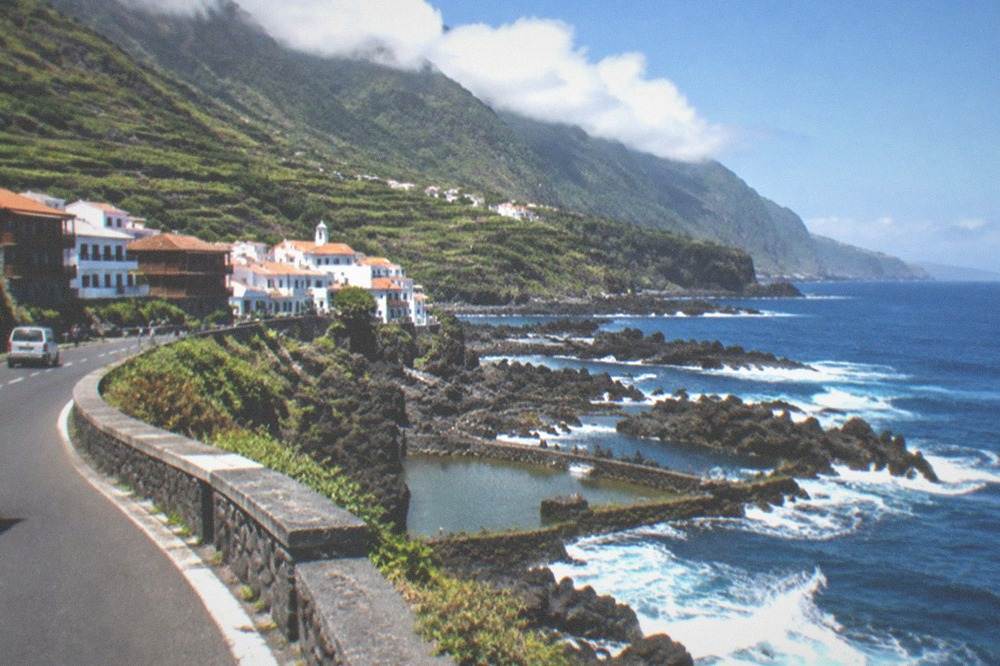
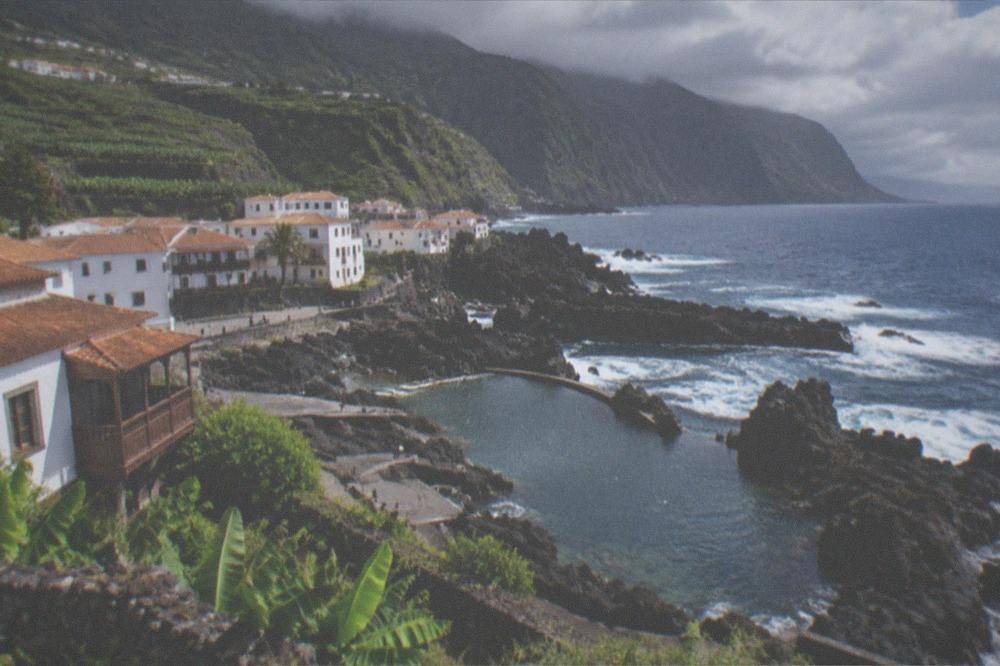
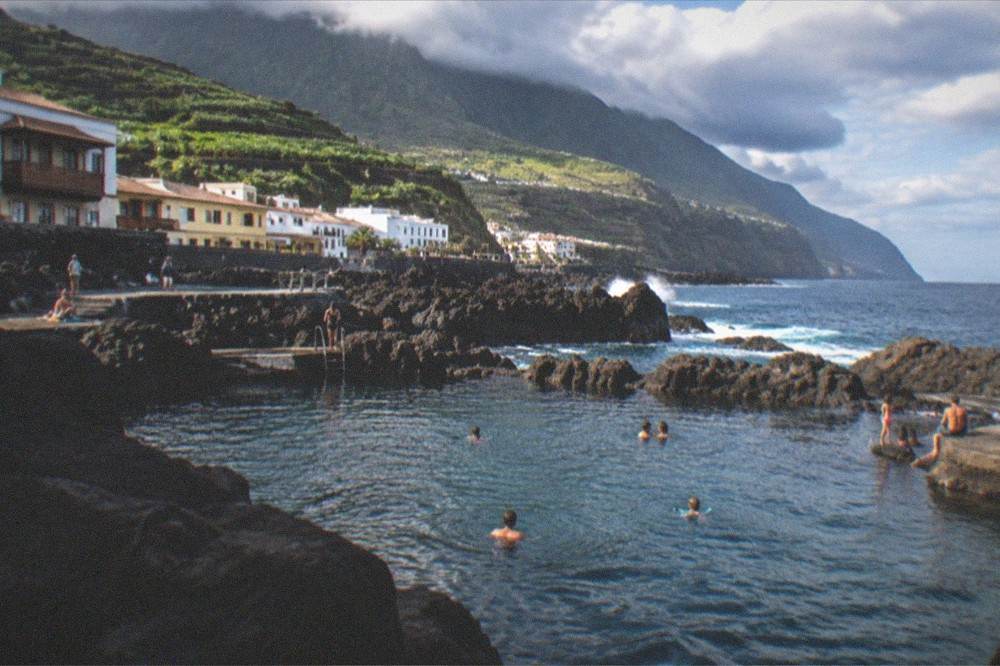
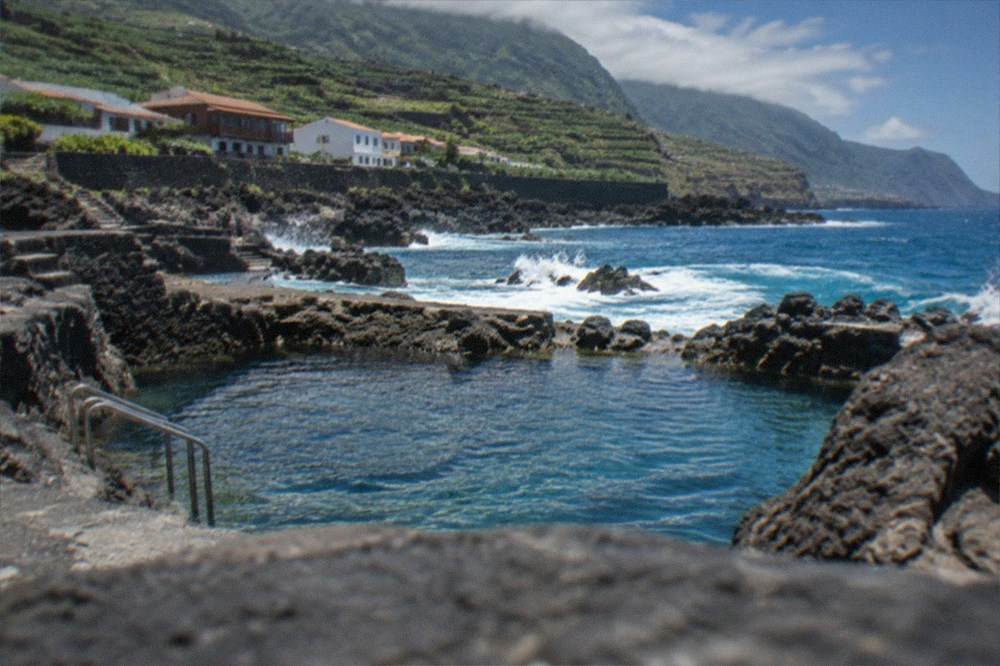
Natural pools on Tenerife are basins the sea has carved or filled in volcanic rock along the coast, and the most visited set sits at Garachico, where lava from the Trevejo volcano buried the old port in 1706 and left a shelf of rock the ocean now fills. They are free public bathing spots in most cases, filled and refreshed by the tide rather than by pipes, and they sit mostly on the north and west coasts where the rock is youngest and the cliffs are steepest.
Garachico's story is the one that explains the whole coast. The tourist board records that the Trevejo volcano erupted in 1706, destroyed almost the entire town and buried the old port, and that Garachico had been the island's trade hub in the 16th and 17th centuries before that. The lava that ended the port created the rock shelves the sea now fills, which is why the island's best-known public pools sit in the town that lost its harbour to the same eruption. The full story of the site is on our page for the Garachico natural pools.
The rest of the island's pools follow the same logic. Rock that met the sea in living geological memory is broken, hollowed and reworked by waves, and where the hollows are big enough and the access is safe, the island has steps, railings and ladders at them. Sandy beaches are a different thing altogether, and the tourist board is precise about which is which: El Bollullo is black sand at the foot of a cliff, while the pools are bare rock with water in it.
Where Are the Best Natural Pools in Tenerife?
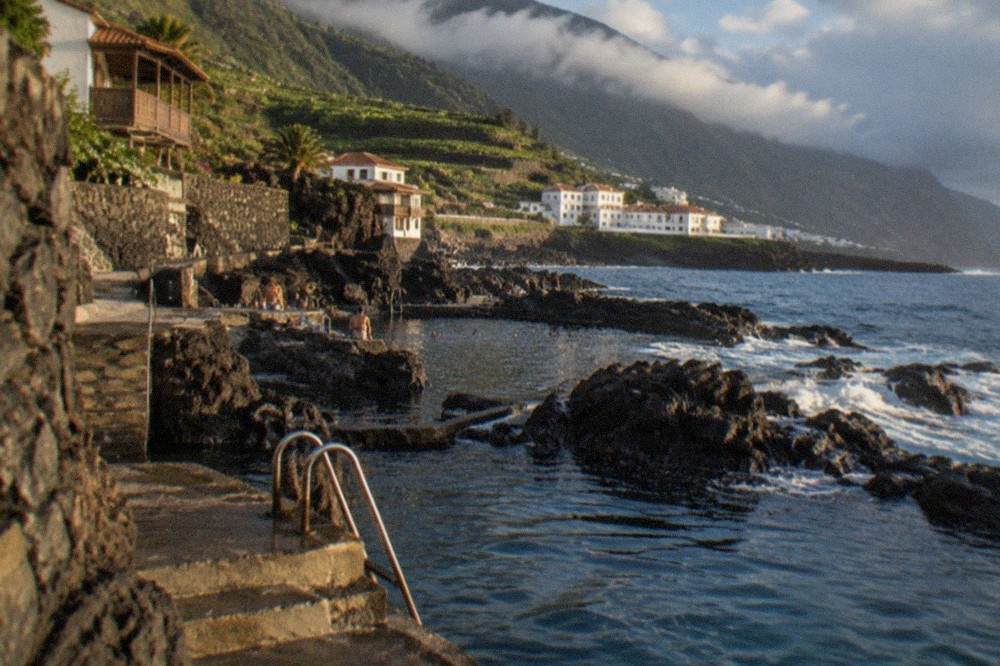
The best-known pools are at Garachico on the north coast, in the municipality of the same name, where the 1706 lava flows left a large public bathing complex. Further west, the coast below the Los Gigantes cliffs, which Turismo de Tenerife says tower up to 600 m, holds smaller pools and coves, and the south coast around Costa Adeje has rock platforms and quieter basins reachable on foot from the resorts.
Garachico is the headline. It is a town of a few thousand people on the north coast, and its pools are the reason many day-trippers include it on the loop that also takes in Icod de los Vinos and the Teide road. The Masca, Garachico and Icod route exists because those three stops stack so neatly along the west of the island, and the pools are the natural place to end the day with a swim.
The west coast is the second cluster. Los Gigantes sits in Santiago del Teide, and the tourist board's figures for the cliffs there, up to 600 m high with a seabed about 30 m deep at their foot, tell you what kind of coast this is: steep, rocky and shaped for pools rather than sand. The coves at the foot of the cliffs are reached from the water as often as from the land, which is why boat trips and pool days pair well here.
The south is the third option, and it is the one most visitors stay closest to. The resort coast from Los Cristianos through Costa Adeje runs more to sand than to rock, but the volcanic platforms between the beaches hold pools, and the tourist board's own descriptions draw the line clearly between them. Here is how it describes the sand at the named beaches of the south and north:
| Beach | Municipality | Tourist board's description |
|---|---|---|
| Las Teresitas | Santa Cruz (San Andres) | Golden sand, palm trees, breakwaters that calm the water |
| Las Vistas | Arona | Golden sand, calm behind a row of breakwaters |
| Playa del Duque | Adeje | Grey sandy beach |
| Fanabe | Adeje | Pale sand |
| El Medano | Granadilla de Abona | Fine grey sand, under Montana Roja |
| El Bollullo | La Orotava | Black sand at the foot of a cliff |
That table is the honest map of the coast. If a day's plan says sand, the tourist board's own words tell you which beaches are golden and which are grey or black; if it says rock pools, the north and west are where the geology put them.
If a guided day appeals, this tour pairs the pools with Masca and the cliffs:
The Masca, Los Gigantes and natural pools tour runs from Los Cristianos and builds the whole west-coast day into one booking, picnic included. For a swim-focused half day closer to the resorts, the kayak and snorkel trip in Los Cristianos reaches the same clear water from a different angle. Our page on kayaking with turtles covers what that kind of trip involves.
Is It Safe to Swim in Tenerife's Natural Pools?
Swimming in Tenerife's natural pools is generally safe in calm conditions, because the tide refreshes them and most public sets have steps, ladders and access built in, but the sea sets the rules: swell arrives on the north and west coasts, the operator of the Masca gorge warns that sea conditions can close the pier there suddenly, and no pool is lifeguarded in the way a hotel pool is, so the official advice is to check sea conditions before you go and not to swim alone in rough weather.
The honest framing is that a natural pool is the sea with walls, and the sea has weather. The Masca operator's own page is blunt about the west coast: it calls the gorge the place with the most rescues in the Canaries in recent years, and warns that the pier can close suddenly when conditions turn. That is a hiking warning, but it describes the same water the pools sit in.
Practical rules that hold everywhere on this coast:
- Check the sea state before you set out, especially on the north coast between October and March, when the Atlantic swell is at its biggest.
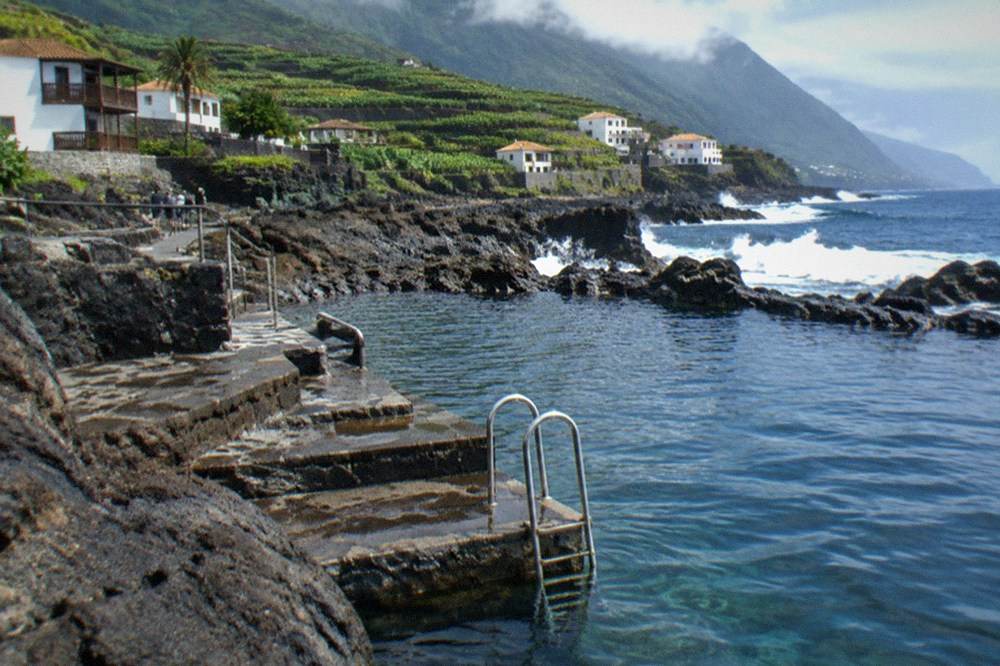
- Swim where there are steps, ladders or a built platform; the developed sets have them for a reason.
- Never turn your back on the sea in a pool that waves can reach, and keep children within arm's length.
- Wear rock shoes: the basalt is abrasive and often sharp underfoot.
- If a red flag or a closure notice is up, the pool is closed, whatever the water looks like.
The wildlife question comes up too, and the answer is reassuring. Our page on mosquitoes, sharks and wildlife covers it in full, but the short version is that dangerous marine life is not a feature of Tenerife's bathing spots. The island's offshore waters are famous for the opposite: the World Cetacean Alliance describes a unique resident population of pilot whales and bottlenose dolphins, and boats that watch them are regulated by Decreto 178/2000, which forbids any approach within 60 m, allows at most three boats within 500 m, caps speed at 4 knots inside that zone and bans swimming within 500 m. Authorised boats fly the Barco Azul flag.
If a sea-life encounter is part of the same trip, the no-chase whale and dolphin trip from Los Cristianos runs on those rules, and pairs with a pools day on the south coast.
When Is the Best Time of Year to Swim in Tenerife's Natural Pools?
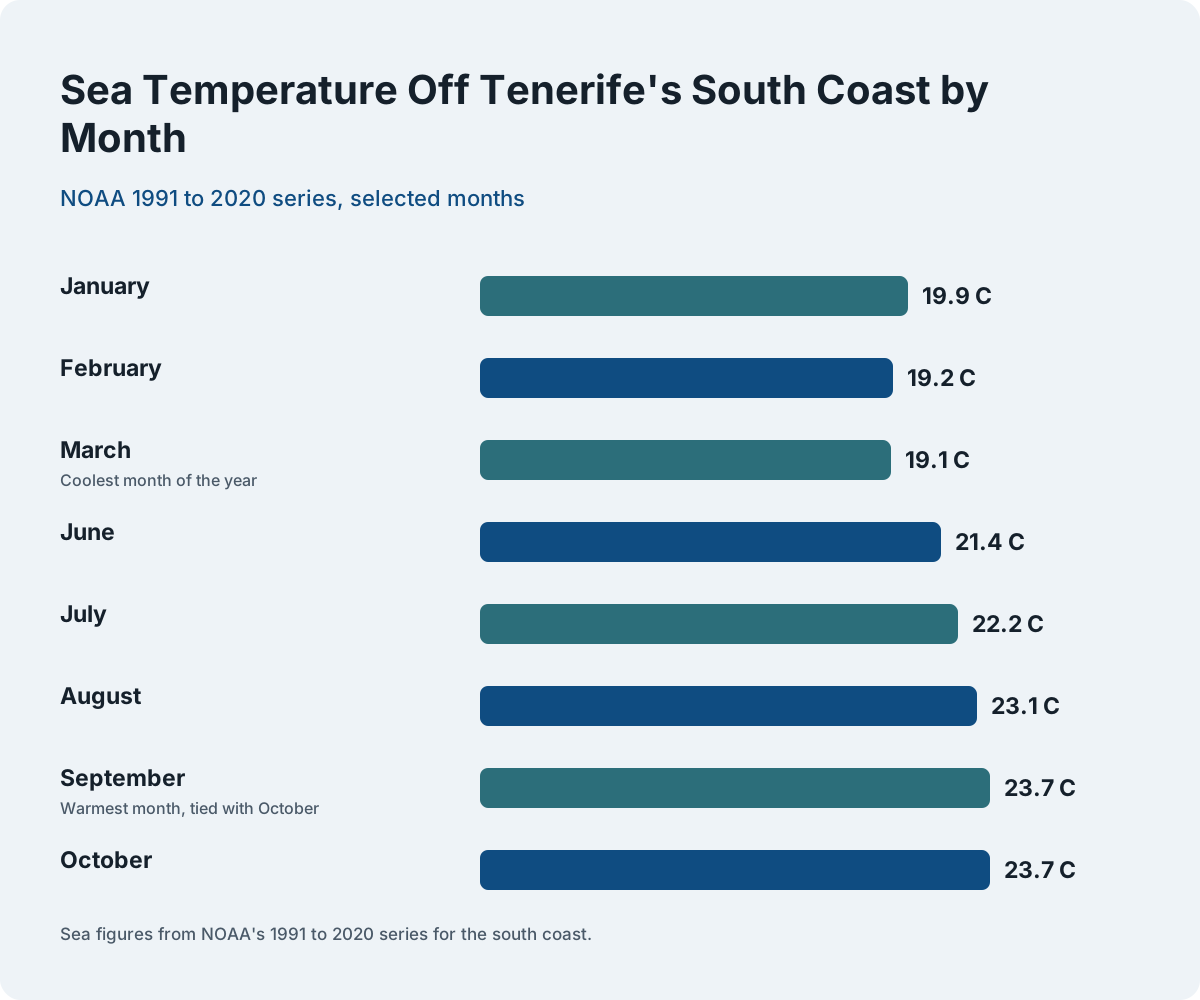
The sea off Tenerife's south coast is warmest in September and October, at 23.7 C, and stays at 22 C or more from July through November, so the best swimming months for the pools are late summer and autumn. The sea is at its coolest in March at 19.1 C, which is still swimmable, and the air temperature barely changes: AEMET's normals for Santa Cruz put the mean daily maximum between 21 C in January and 29 C in August.
The sea figures come from NOAA's 1991 to 2020 series for the south coast, and they are the single most useful planning table for a swimming trip:
| Month | Sea surface temperature off the south coast |
|---|---|
| Jan | 19.9 C |
| Feb | 19.2 C |
| Mar | 19.1 C |
| Apr | 19.5 C |
| May | 20.2 C |
| Jun | 21.4 C |
| Jul | 22.2 C |
| Aug | 23.1 C |
| Sep | 23.7 C |
| Oct | 23.7 C |
| Nov | 22.5 C |
| Dec | 21.1 C |
The air normals are a different dataset, AEMET's 1981 to 2010 series, and the two periods should not be blended. What they say together is that Tenerife has no bad month for swimming, only cooler and warmer ones. Our month-by-month breakdown at Tenerife weather by month carries the full tables.
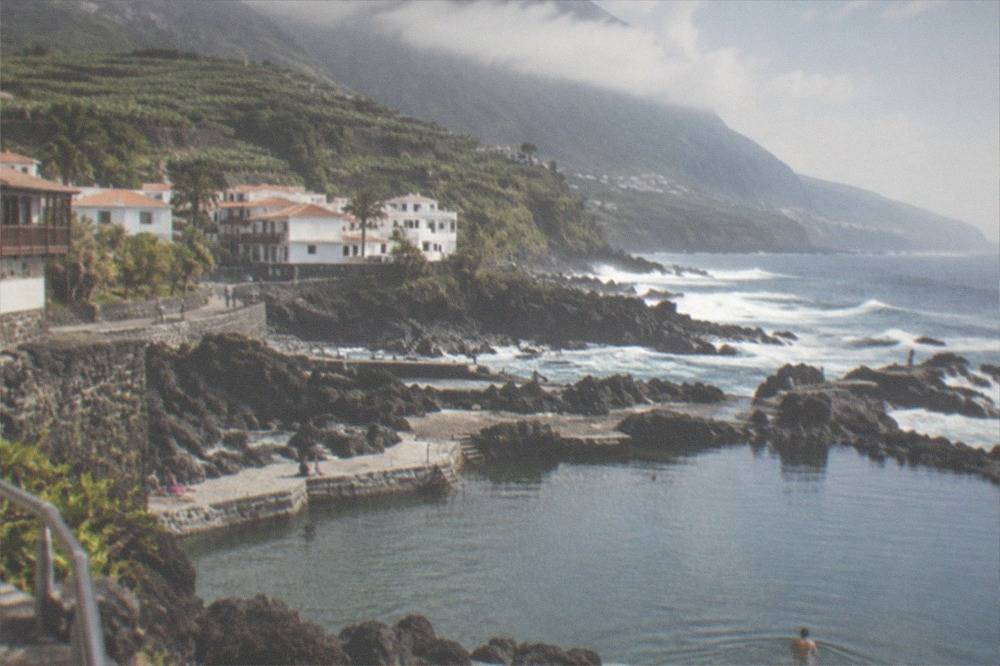
That north-south rain gap matters more than the temperature gap. The pools at Garachico sit on the wet coast, and a winter day there can be grey even when the south is in sunshine. The comparison is stark:
| Station (AEMET normals, 1981-2010) | Annual rain | Days with 1 mm or more |
|---|---|---|
| Tenerife North Airport, 632 m | 520 mm | 64 |
| Santa Cruz de Tenerife, 36 m | 226 mm | 29.7 |
| Tenerife South Airport, 64 m | 132 mm | 15.2 |
The practical reading: in winter, keep the pools day flexible and check the sky as well as the swell. October, November and December pages on this site, such as Tenerife in October and Tenerife in December, carry the month-by-month detail if the trip sits on a seasonal edge.
How Do You Get to the Natural Pools Without a Car?
The public pools at Garachico are reachable by TITSA bus, with the island's network running along the north coast road, and visitors pay normal fares: single tickets priced by route, a EUR 10 day travelcard or a EUR 50 seven-day travelcard. Public transport on Tenerife is not free for visitors, the 100% subsidy applies to resident passes only, and there is no tram line to either airport, so the bus network is the car-free option.
The bus facts come from TITSA's own fares page, and they are worth stating plainly because so many pages repeat the wrong version. Visitors pay. Single tickets are priced by route, and the travelcards are EUR 10 for a day and EUR 50 for seven days, sold at airport ticket machines. The free passes that exist in 2026 require residency in the Canary Islands and a personalised Ten+ card.
| TITSA product | Price | Who it suits |
|---|---|---|
| Single ticket | Priced by route, card or cash | One-off journeys |
| Same-day return | 10% off on trips of 20 km or more | A return to one pool and back |
| Day Travelcard | EUR 10 | A pools day with several buses |
| 7 Day Travelcard | EUR 50 | A week of car-free exploring |
Our fuller pages on Tenerife buses and TITSA and getting around Tenerife cover the network in detail, including which lines serve the north coast. If the pools are one stop on a bigger plan, the question of whether you need a vehicle at all is answered at do you need a car in Tenerife, and car hire is covered at car hire in Tenerife.
The guided alternative removes the timetable entirely. A coach tour that includes Garachico, such as the full-day island loop, puts the pools inside a day that also covers Teide National Park and Icod de los Vinos, and the Masca and pools excursion from Los Cristianos reaches the west coast and the water in one booking: Check availability.
What Does a Day at the Pools Cost?
Swimming at Tenerife's public natural pools costs nothing: no official page lists an entry fee for them, and no tourist tax exists on the island, since no official page read shows a per-night lodging tax in force or approved on Tenerife. The charges that do exist are per-booking fees on specific trails and sites, such as the Masca gorge ticket at EUR 40.66 and the Barranco del Infierno trail at EUR 15 for a non-resident adult, and none of them is a pool fee.
This is where honesty matters, because plenty of pages blur the island's charges together. Tenerife has no tourist tax. What it has are site-specific tickets, all listed on official pages, and a swim at Garachico or at any roadside pool is not one of them. Here is the full list of the visitor charges that do exist, in euros exactly as the official pages state them:
| Charge | Amount | What it covers |
|---|---|---|
| Masca gorge ticket | EUR 40.66 general, boat not included | Descent with a pre-booked boat exit |
| Barranco del Infierno | EUR 15 non-resident adult, EUR 5 Canary residents | Gorge trail, advance booking compulsory |
| Teide summit trail PNT 10, 09:00 to 17:00 slots | EUR 15 visitors, EUR 6 other Canary residents | La Rambleta to the crater, from 19 January 2026 |
| Teide trail PNT 07, working days | EUR 6 visitors | Montana Blanca to La Rambleta |
| Teide cable car return | EUR 42.00 non-resident adult, "price from" | Base station to La Rambleta |
| Public natural pools | No fee listed on any official page | Swimming |
The Masca row deserves its own warning, because the gorge is a hike, not a pool, and the rules around it are strict. The descent is open under a pilot scheme, booked at the operator's own site, and hikers must arrive on TITSA line 355 from Santiago del Teide and show the bus ticket; arriving by private vehicle means refusal. Closed mountain footwear is a condition of entry, the boat exit must be booked beforehand and for no later than four hours after the descent slot, and sea conditions can close the pier and void the day's ticket. Our Masca page carries the full set of rules.
Which Tours Combine Well with the Natural Pools?
The best pairing is the Masca and Los Gigantes excursion, which includes the pools and a picnic in one five-hour booking. Whale and dolphin trips from Los Cristianos and Costa Adeje share the same protected stretch of water, and kayak and snorkel tours reach the rocky coves from the sea. Families often swap a pools day for Siam Park, open 365 days a year, 10:00 to 18:00 from 1 May to 29 October and 10:00 to 17:00 the rest of the year.
The logic is geographic. The pools, the cliffs and the whale watching all sit on the same west and south coast, so a two-day plan can cover the water twice without repeating itself: one day in the rock pools and under the cliffs, one day on a boat among the pilot whales the World Cetacean Alliance describes as a unique resident population.
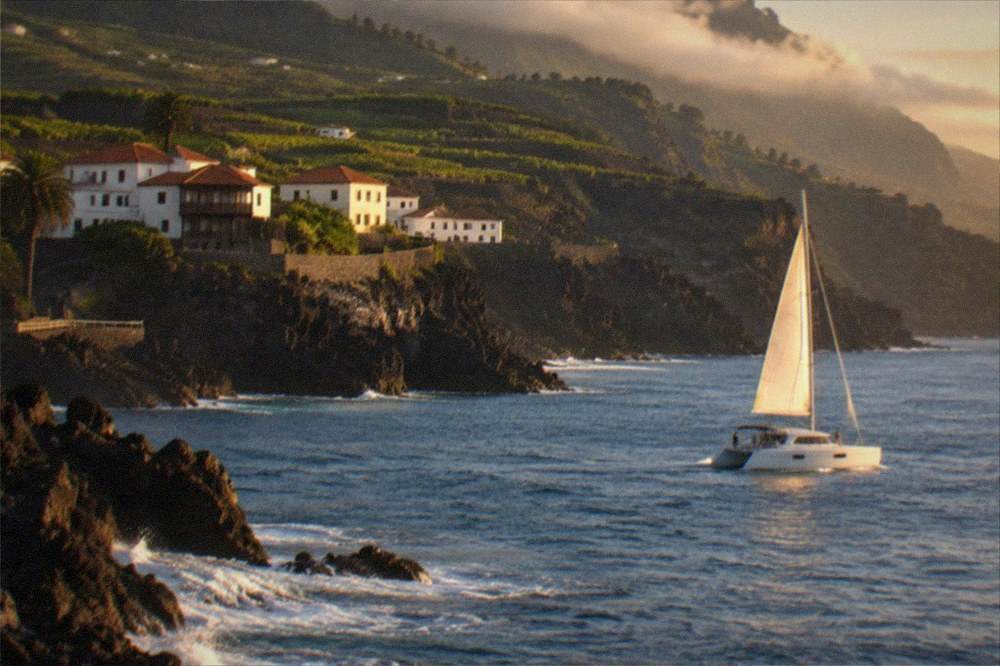
The whale cruise from Los Gigantes with a swim stop is the most natural pairing of all, because the swim stop is in the same clear water the pools hold, under the cliffs the tourist board measures at up to 600 m. Our page on whale and dolphin watching explains the Barco Azul flag and the decree distances to look for when you book.
For families, the honest comparison is between a free pools day and a water park day. Siam Park's own hours page sets the times in the table below, and our water parks guide weighs it against Aqualand and the rest. Many families do both across a week: the park for the slides, the pools for the rock and the sea.
| Venue | Hours (per the operator's own page) |
|---|---|
| Siam Park, 1 May to 29 Oct | 10:00 to 18:00, open 365 days |
| Siam Park, 30 Oct to 30 Apr | 10:00 to 17:00 |
| Loro Parque | 09:30 to 17:30, every day of the year |
Where Should You Stay to Be Near the Pools?
The best bases for a pools-focused trip are Garachico itself or Puerto de la Cruz on the north coast, which put the main public pools within a short drive or bus ride, while Los Cristianos and Costa Adeje on the south coast suit visitors who want the southern rock platforms and the boat trips alongside the golden-sand beaches of Las Vistas and Las Teresitas, and the choice between the two coasts is really a choice between the wetter, greener north and the drier, warmer south.
The north-south decision is the biggest one a Tenerife visitor makes, and our Tenerife north vs south comparison walks through it in full. In short: the north is greener, wetter and closer to Garachico, Puerto de la Cruz and La Laguna; the south is where most of the resort hotels, the golden-sand beaches and the whale-watching ports sit. AEMET's rain table above is the hard evidence for the difference.
For the pools specifically, the north wins on geology and the south wins on water temperature, since the sea series above is measured off the south coast. A split stay is the answer some visitors land on, and our where to stay in Tenerife page covers the areas in detail, with the hotel picks at the best hotels in Tenerife.
If the trip is still taking shape, the wider set of options is on our things to do in Tenerife page, and the full day-by-day plans, including one built for travellers without a car, sit in our itineraries section.
Common Questions About Natural Pools in Tenerife
Are the natural pools in Tenerife free?
Yes. No official page lists an entry fee for the public natural pools, including the main set at Garachico. Tenerife has no tourist tax either: no official page read shows a per-night lodging tax in force or approved on the island. The charges that do exist are per-booking fees on specific trails and sites, such as the Masca gorge ticket at EUR 40.66 and the Barranco del Infierno trail at EUR 15 for a non-resident adult.
Which side of Tenerife has the best natural pools?
The north and west coasts. Garachico on the north coast holds the best-known public pools, formed where the Trevejo volcano's 1706 lava buried the old port, and the coast below the Los Gigantes cliffs, up to 600 m high in the tourist board's words, holds smaller basins and coves. The south coast is more sand than rock, and its golden-sand beaches, Las Teresitas and Las Vistas, are a different kind of swimming day.
When is the sea warmest for swimming in Tenerife?
September and October, when the sea surface off the south coast reaches 23.7 C in NOAA's 1991 to 2020 series. The water stays at 22 C or more from July through November and is at its coolest in March at 19.1 C, which is still warm enough for most swimmers. There is no month in which the sea drops below 19 C.
Do I need to book anything to swim at the natural pools?
No. The public pools need no booking, no ticket and no permit. Bookings are only needed for specific trails and sites: the Masca gorge descent, the Barranco del Infierno trail, which requires advance online booking, and the Teide summit trail PNT 10, whose 09:00 to 17:00 slots cost EUR 15 for visitors since 19 January 2026. None of these is a swimming spot.
Are the natural pools safe for children?
In calm conditions, yes, with the usual cautions: keep children within arm's reach, choose pools with built steps and ladders, and check the sea state before you go, especially on the north coast between October and March when the Atlantic swell is biggest. The pools are the sea with walls, not hotel pools, and no red-flag or closure notice should be ignored. Rock shoes are advisable, as the basalt is abrasive underfoot.
Can I visit the natural pools by public transport?
Yes. TITSA buses run along the north coast road that serves Garachico, and visitors pay normal fares: single tickets priced by route, the EUR 10 day travelcard or the EUR 50 seven-day travelcard. Public transport on Tenerife is not free for visitors; the 2026 100% subsidy applies to resident passes only, held on a personalised Ten+ card.