Tacoronte and El Sauzal
Tacoronte and El Sauzal sit on Tenerife's green north coast between the two big cities and the Orotava Valley, and the pair form the quiet heart of the island's wine country.
Short answer
Tacoronte and El Sauzal are neighbouring municipalities on Tenerife's north coast, between Santa Cruz de Tenerife and Puerto de la Cruz. The area is known for its vineyards, its family wineries and its guachinches, the seasonal country eateries that serve their own wine. The nearest AEMET climate station with published normals is Tenerife North Airport at 632 m, which records mild, rainier weather than the south of the island.
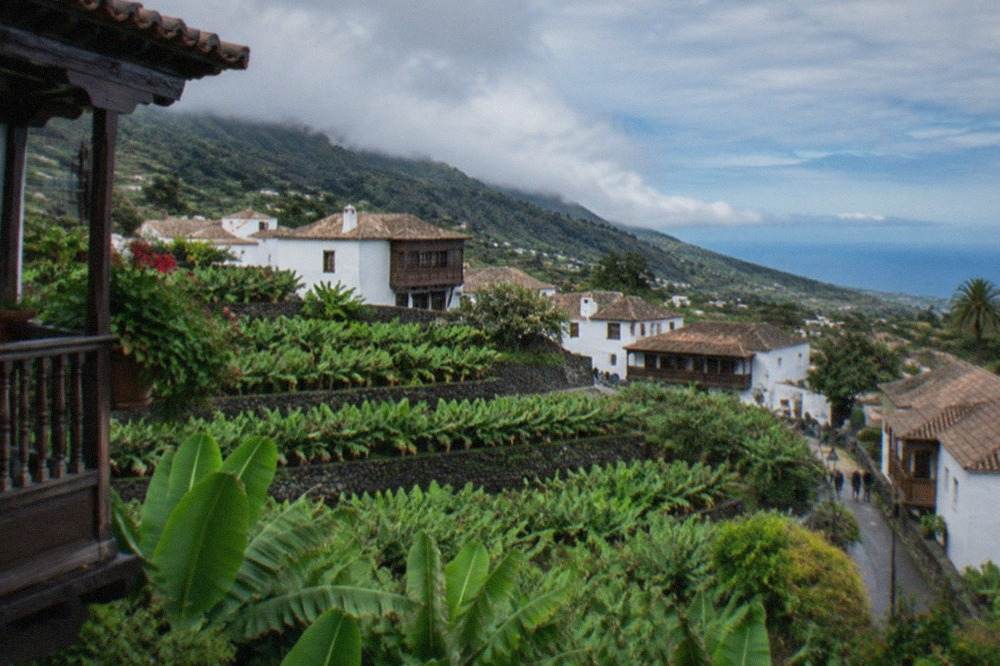
Two neighbouring municipalities on Tenerife's north coast hold most of the island's wine country between them, and most visitors who arrive in the south never see them at all. Tacoronte and El Sauzal sit on the green, Atlantic-facing slope that runs from the capital towards the Orotava Valley, a stretch where vineyards, smallholdings and family wineries outnumber hotels. The area gives a visitor the agricultural north of Tenerife at its most accessible: close enough to Santa Cruz de Tenerife for a half day, quiet enough that the vine terraces, not the traffic, set the pace.
Where Are Tacoronte and El Sauzal in Tenerife?
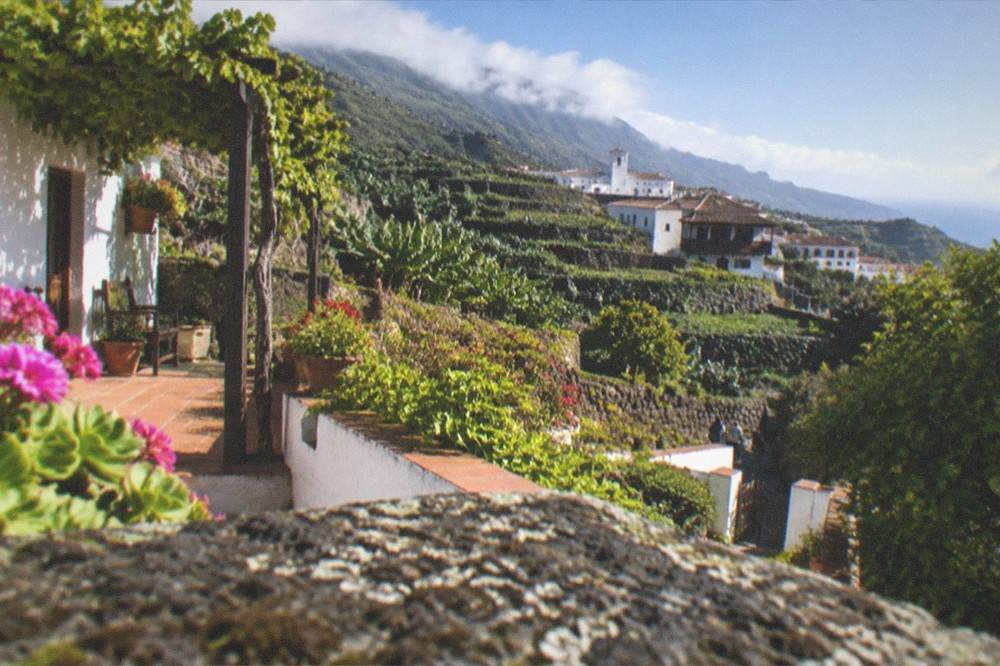
Tacoronte and El Sauzal are neighbouring municipalities on the north coast of Tenerife, roughly between Santa Cruz de Tenerife and La Laguna inland to the east and Puerto de la Cruz and La Orotava to the west. The area faces the Atlantic, sits on the island's green northern slope, and belongs to the quieter, agricultural half of Tenerife rather than the resort belt of Costa Adeje and Playa de las Americas.
The north coast is where Tenerife's trade winds first meet land, and the difference shows in the landscape. Slopes that would be brown in the south are green here, and the smallholdings that cover them grow vines alongside potatoes and fruit trees. The island's road network threads the coast road and the motorway through the area, so a visitor based anywhere from Santa Cruz de Tenerife to Puerto de la Cruz can reach it without a long detour.
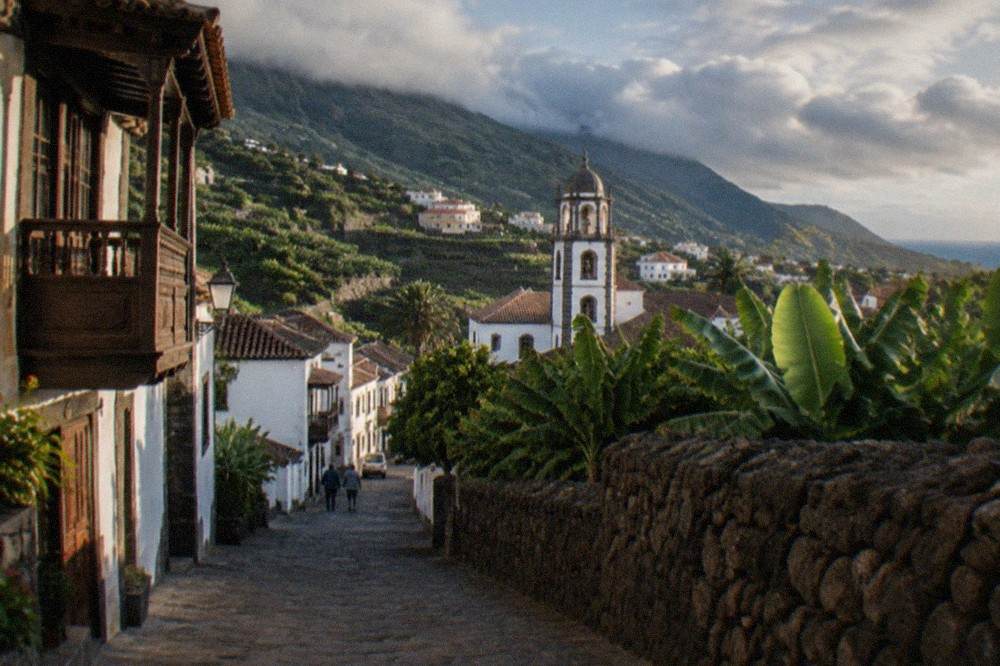
That position is the area's main practical advantage. To the east lie the capital and the UNESCO-listed old town of La Laguna, both easy trips along the motorway. To the west, the road runs on towards La Orotava and Icod de los Vinos, so Tacoronte and El Sauzal work well either as a stop on a north-coast drive or as a base for one. Visitors comparing the island's two halves will find the trade-offs laid out in the guide to Tenerife North vs South.
What Is the Weather Like in Tacoronte and El Sauzal?
The nearest AEMET station with published climate normals is Tenerife North Airport at 632 m, which records mean daily highs of 16 Celsius in January and 25.7 in August, with 520 mm of rain a year on 64 rain days. That is markedly wetter and cooler than Tenerife South Airport, whose annual total is 132 mm on 15.2 rain days. The north coast is green because of exactly this difference.
AEMET's normals for the north-airport station, covering 1981 to 2010, give a fuller picture than any single figure can. The table below is the station's own data, month by month.
| Month | Mean daily max C | Mean daily min C | Rain mm | Rain days (1 mm or more) | Sunshine hours |
|---|---|---|---|---|---|
| Jan | 16.0 | 10.2 | 80 | 7.7 | 150 |
| Feb | 16.7 | 10.0 | 70 | 7.4 | 168 |
| Mar | 18.2 | 10.7 | 61 | 6.8 | 188 |
| Apr | 18.5 | 10.9 | 39 | 6.2 | 202 |
| May | 20.1 | 12.0 | 19 | 3.8 | 234 |
| Jun | 22.2 | 14.0 | 11 | 2.4 | 237 |
| Jul | 24.7 | 15.7 | 6 | 1.7 | 262 |
| Aug | 25.7 | 16.6 | 5 | 1.1 | 269 |
| Sep | 24.9 | 16.5 | 16 | 2.8 | 213 |
| Oct | 22.5 | 15.2 | 47 | 6.5 | 194 |
| Nov | 19.6 | 13.3 | 81 | 8.3 | 155 |
| Dec | 17.1 | 11.5 | 82 | 8.8 | 137 |
Two things follow from those numbers. First, winter here is genuinely mild rather than hot: January's mean daily high of 16 Celsius calls for a jacket in the evening, and the same month can feel warm at sea level in Santa Cruz de Tenerife. Second, the rain is concentrated from October to February, and it is the reason the vineyards and smallholdings look the way they do. A visitor planning a winter walk in the area should pack for the possibility of a shower, not for the desert conditions of the south.
The sea tells a similar story of mildness rather than heat. NOAA's 1991 to 2020 series for the south coast of Tenerife puts sea surface temperature at 23.7 Celsius at its September and October peak and 19.1 at its March low, and the north coast's water runs within a similar mild band. Swimmers should expect Atlantic conditions rather than bathtub warmth, and the island's swimming question is answered in full on the page about whether you can swim in the sea in Tenerife.
What to Do in Tacoronte and El Sauzal?
The area's main draw is its wine country: family wineries with tasting visits, the seasonal guachinche eateries of the north, and a quiet town pace within easy reach of the coast road. A guided winery visit with tastings is the single most bookable activity here, and the rest of the area, its viewpoints, its small squares and its vineyard lanes, costs nothing to explore.
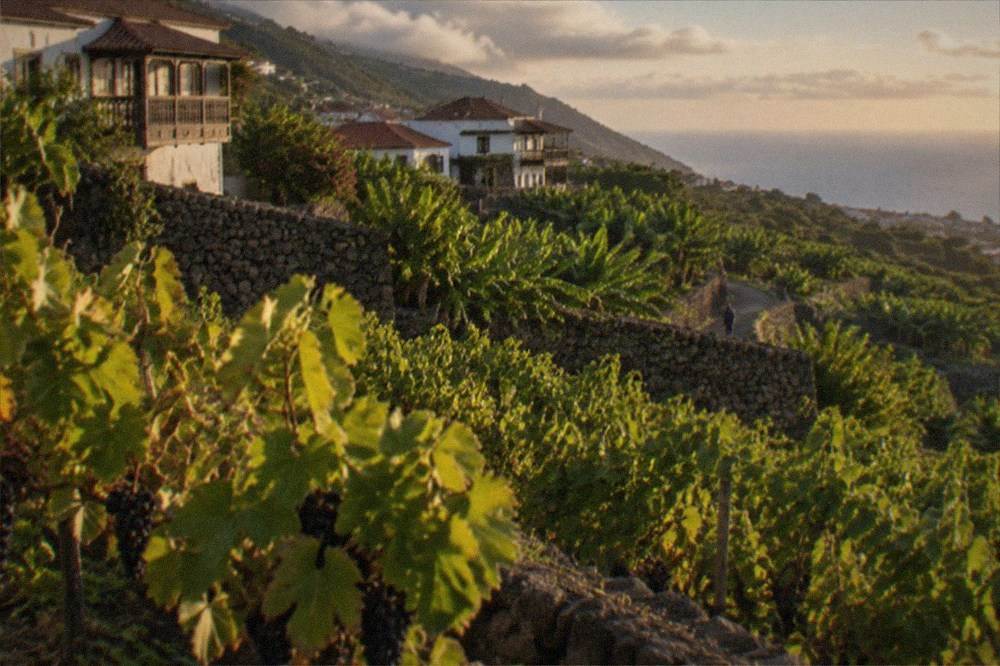
Wine is the reason most visitors come. The Tacoronte-Acentejo region on this slope is the island's best-known wine country, and the wineries of El Sauzal and Tacoronte open their doors for tours and tastings. Bodegas Monje, in El Sauzal, runs a guided winery tour with tastings of four wines paired with four cheeses, rated 4.6 from 524 reviews on its live listing, and the visit lasts about two hours. The listing is the place to confirm current session times and availability.
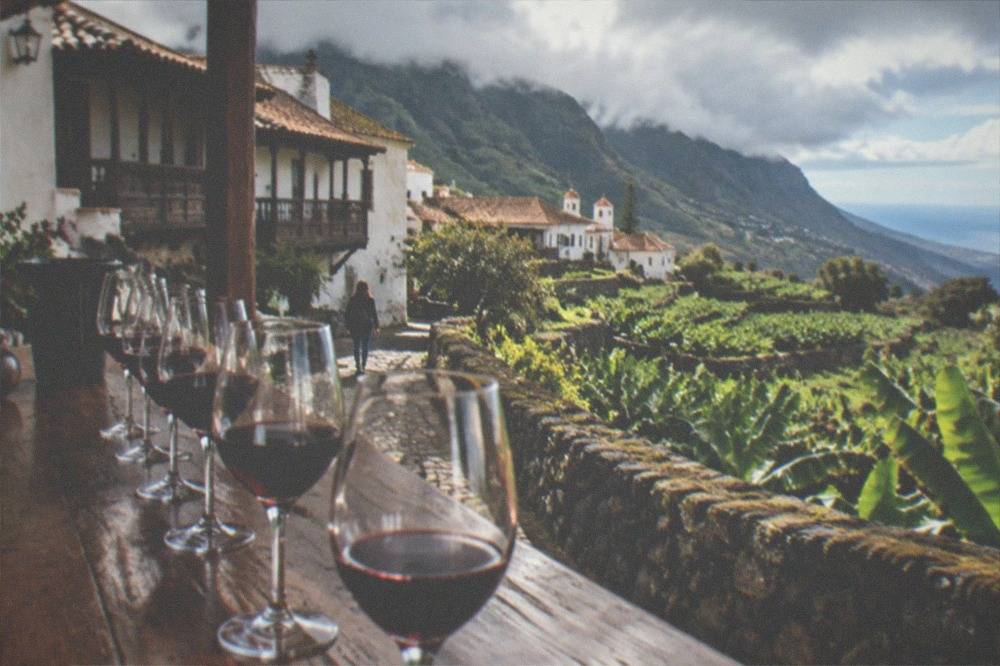
The guinchinche tradition belongs to this same slope. A guachinche is a licensed country eatery that serves its own wine alongside a short menu of home-cooked Canarian dishes, and the season runs with the harvest, so the winter months are the time to find them open. What a guachinche is, how the licensing works and what to order is covered in the site's guide to guachinches in Tenerife, and the classic dishes themselves, papas arrugadas with mojo and the rest, have their own page on papas arrugadas and mojo. Visitors who want the food without the driving can also look at a full-day gastronomy and wine tour of the island, rated 4.5 from 232 reviews, which removes the need for a designated driver entirely.
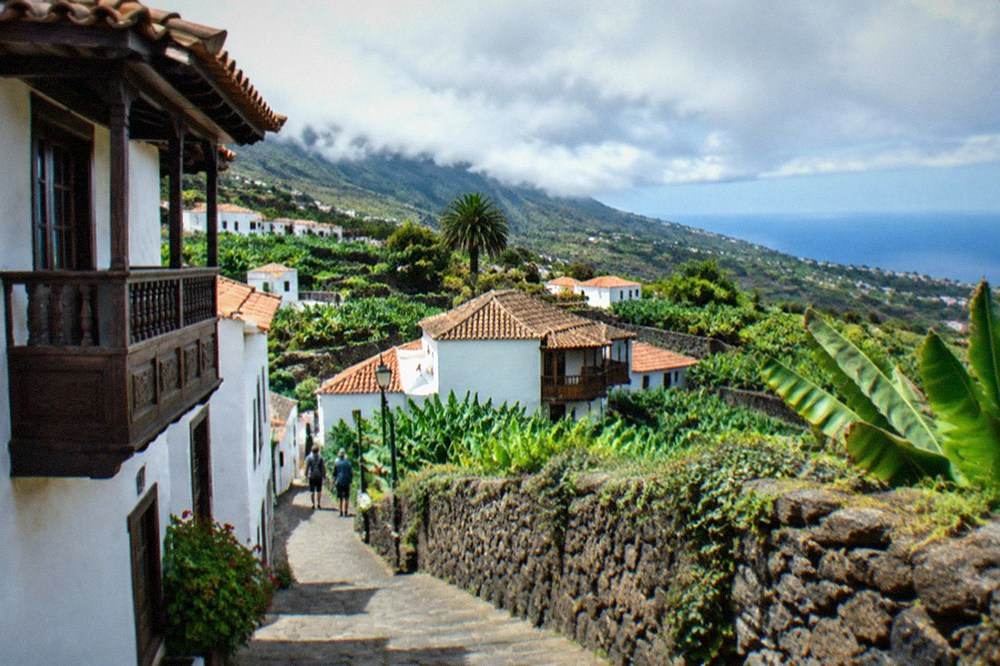
Beyond wine, the area's appeal is its everyday north-coast scenery. The coast road west of El Sauzal runs along a low cliff line with the Atlantic below, and the agricultural interior climbs in terraces towards the ridge. None of this carries an entry fee or a ticket. Visitors with a free afternoon in the capital can also trade the town for a guided ride: a Santa Cruz highlights bike and e-bike tour, rated 4.5 from 177 reviews, starts near the cruise terminal and covers the city's waterfront and old quarter in about two and a half hours.
How Do You Get to Tacoronte and El Sauzal?
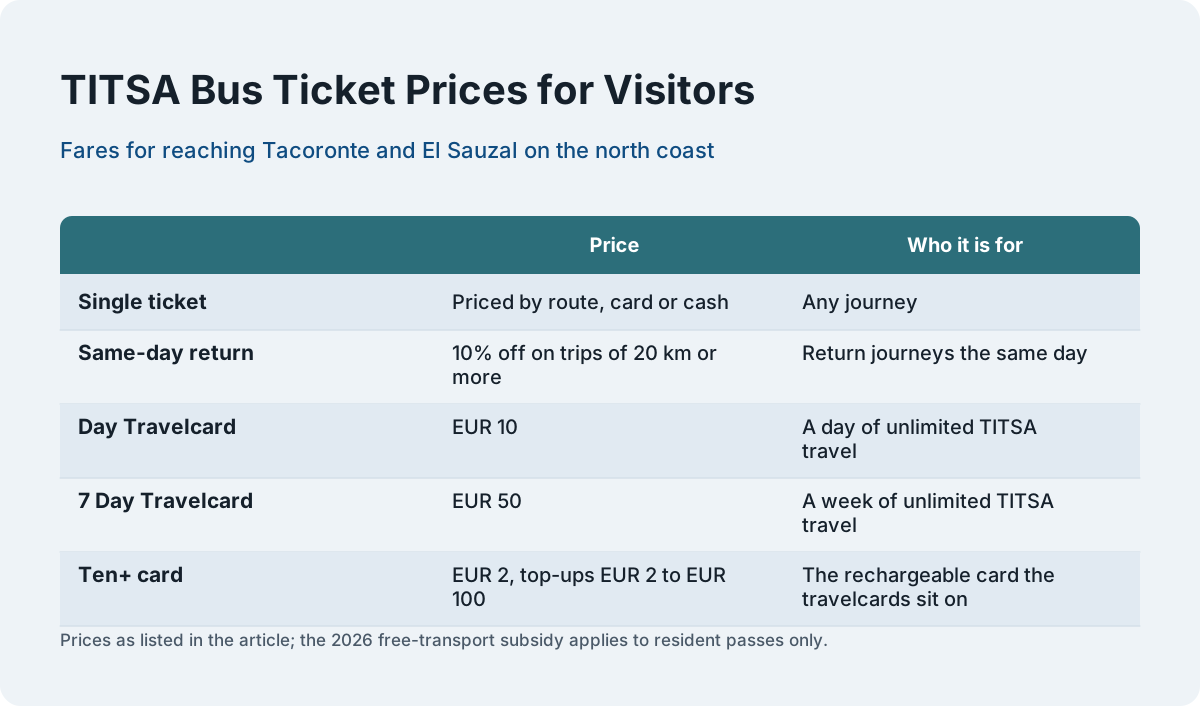
TITSA buses serve the north coast, and visitors pay normal fares: single tickets priced by route, a EUR 10 day travelcard or a EUR 50 seven-day travelcard, all sold at airport ticket machines. The 2026 free-transport subsidy applies to resident passes only, so a visitor should not plan around free buses. Drivers reach the area on the island's motorway network, which connects Santa Cruz, La Laguna and Puerto de la Cruz.
The visitor ticket products are straightforward, and the table below sets out what TITSA's fares page lists.
| Ticket | Price | Who it is for |
|---|---|---|
| Single ticket | Priced by route, card or cash | Any journey |
| Same-day return | 10% off on trips of 20 km or more | Return journeys the same day |
| Day Travelcard | EUR 10 | A day of unlimited TITSA travel |
| 7 Day Travelcard | EUR 50 | A week of unlimited TITSA travel |
| Ten+ card | EUR 2, top-ups EUR 2 to EUR 100 | The rechargeable card the travelcards sit on |
One line deserves emphasis because so many pages get it wrong. The Canary government's 100% subsidy for 2026 applies to resident passes: the monthly pass requires residency in the Canary Islands, the youth pass requires being under 30 and resident, and the child card requires residency in Tenerife. Visitors do not qualify, and the Teide and Teno lines are excluded from the subsidised passes anyway. The tram is a Santa Cruz and La Laguna service and does not reach either airport; airport buses are TITSA lines, listed on the site's airport transfers guide.
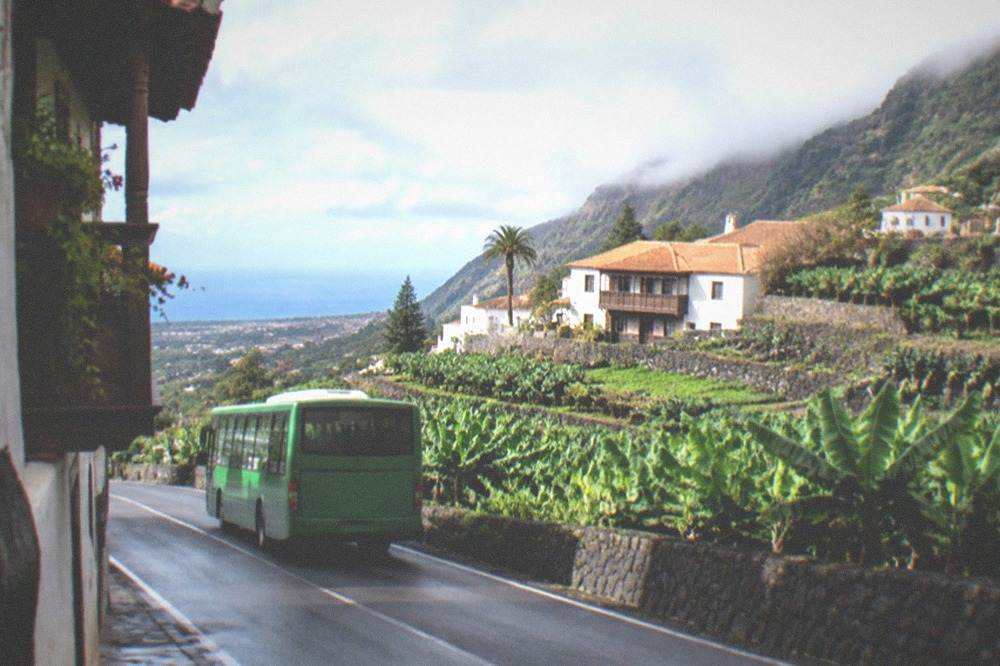
For a wine afternoon, driving has an obvious catch: someone in the party should not taste. Taxis on Tenerife are white and metered from the start of the trip, and a fixed price can be agreed in advance for excursions, which makes a taxi the natural companion to a tasting visit. Cyclists and walkers should confirm current bus provision and timetables with TITSA directly, because the site's verified facts do not carry the individual line numbers that serve these two towns. The full index of guides sits on Tenerife Travel Guide.
Where Should You Eat in the Area?
The area's food identity is the guachinche: a licensed country kitchen that serves its own wine with a short, seasonal menu, open around the harvest months rather than year round. Beyond them, the towns hold ordinary Canarian bars and restaurants, and the island's classic dishes, papas arrugadas, mojo sauces and fresh fish, anchor most menus. Confirm opening days with the venue, because seasonal kitchens keep seasonal hours.
No verified fact packet exists for individual restaurants in Tacoronte and El Sauzal, so this page will not print addresses, hours or prices for named places. What can be said with confidence is structural: the guachinche licence ties the kitchen to the grower, the wine served must be the establishment's own, and the season follows the vintage, which makes late autumn through winter the best window. Visitors who miss the season lose nothing else: the area sits between two of the island's better eating towns, and the general standard is covered in the guide to the best restaurants in Tenerife.
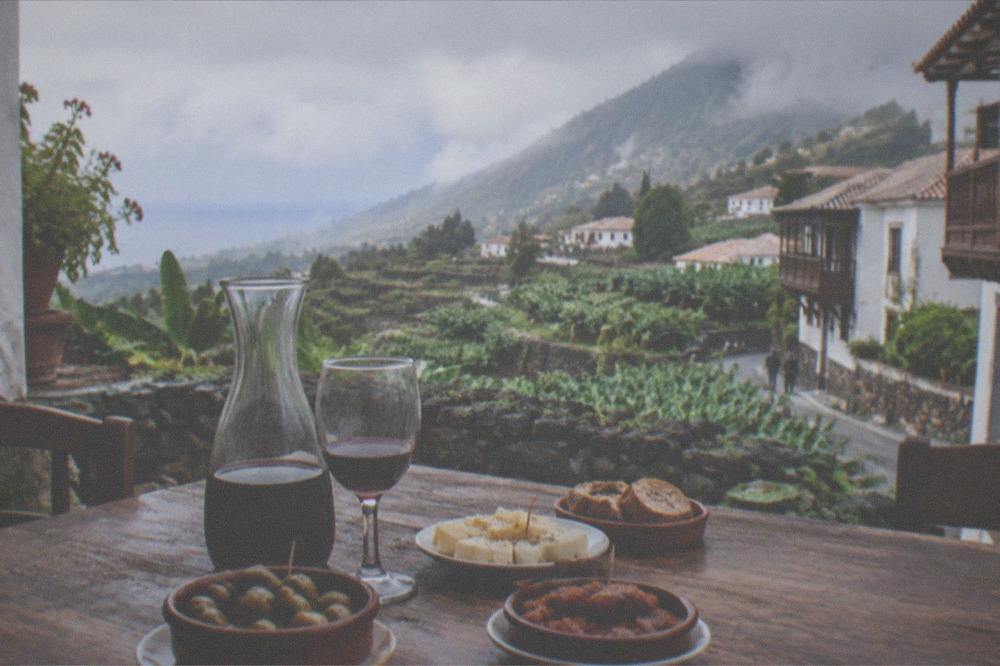
Shopping for the picnic version of the same food is easy too. Municipal markets across the island sell local cheese, honey, fruit and wine, and the guide to Tenerife markets explains which towns hold them and on which days. The tax angle is worth knowing at the till: the Canaries apply IGIC rather than VAT, the everyday rate on goods is 7%, and non-resident travellers can claim it back on form 403.
What Are the Best Day Trips from Tacoronte and El Sauzal?
The area's position makes three directions easy: east to Santa Cruz de Tenerife and La Laguna, west along the north coast to La Orotava, Icod de los Vinos and Garachico, and inland up towards the island's ridge and Mount Teide. All of them are drivable in a day, and the coastal string in particular rewards a slow road rather than the motorway.
Westwards is the classic run. The road drops into the Orotava Valley, whose historic town centre is one of the island's finest, and continues to Icod de los Vinos, home of the thousand-year-old dragon tree, before reaching Garachico, the town the 1706 eruption of the Trevejo volcano all but destroyed and whose old port now forms natural swimming pools. The full westward run, with what to stop for, is laid out on the page for the Masca, Garachico and Icod route.
| Direction | Main stops | What the verified facts say |
|---|---|---|
| East | Santa Cruz de Tenerife, La Laguna | La Laguna was the first non-fortified Spanish colonial town, and its layout provided the model for many colonial towns in the Americas |
| West | La Orotava, Icod de los Vinos, Garachico | The Trevejo volcano erupted in 1706, destroyed almost all of Garachico and buried its old port |
| Inland | Teide National Park | 18,990 ha, Spain's most visited national park with 5,242,653 visitors in 2024 |
| Coast | El Bollullo, natural pools | El Bollullo is a black-sand beach at the foot of a cliff, in La Orotava |
Inland, the national park needs a little planning. Driving through Teide National Park costs nothing and no page read lists a park entry fee, but two trails carry per-booking public fees since 19 January 2026, and the summit trail requires a personal reservation on Tenerife ON. The fee table below is the official one.
| Trail and slot | Tenerife residents | Other Canary residents | All other users |
|---|---|---|---|
| PNT 10 Telesforo Bravo, 09:00 to 17:00 | EUR 0 | EUR 6 | EUR 15 |
| PNT 07 Montana Blanca, 09:00 to 17:00, working days | EUR 0 | EUR 3 | EUR 6 |
| PNT 07 Montana Blanca, weekends and public holidays | EUR 0 | EUR 5 | EUR 10 |
Slots are released every Monday at 07:00 Canary time so that 56 days stay bookable, and the reservation, not a tour ticket, is the thing the checkpoint wants to see. The full rules, including the free early-morning and evening slots and the child exemption, are on the site's guide to the Teide summit permit.
Where Should You Stay in Tacoronte and El Sauzal?
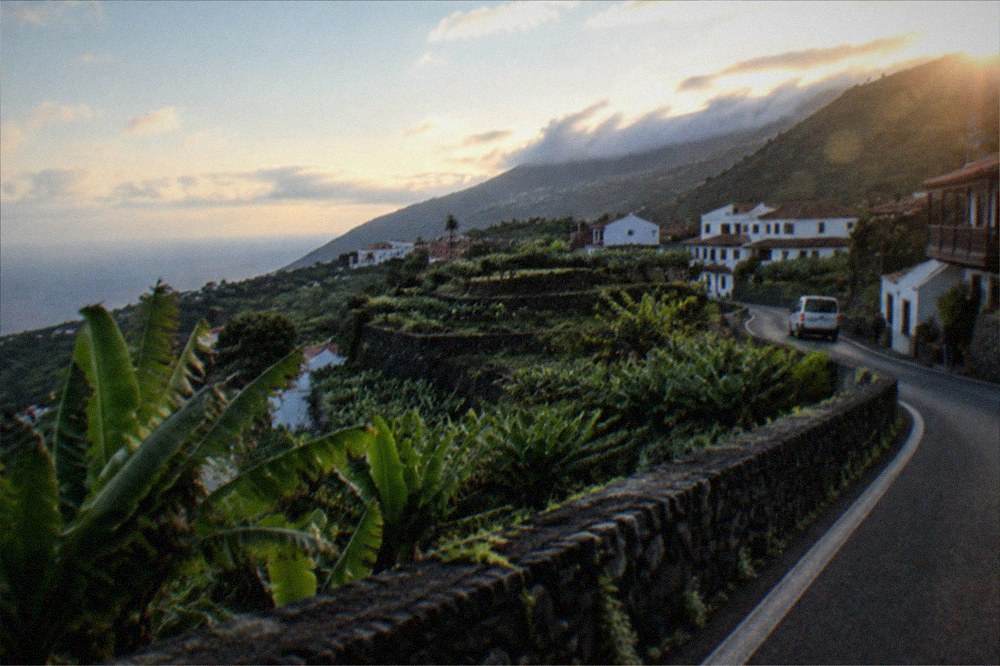
The area holds small-town and rural accommodation rather than resorts: guesthouses, rural houses and small hotels among the vineyards, with the big hotel belts elsewhere. Visitors who want beaches and pools within walking distance do better in the south, while visitors who want quiet, green surroundings and short drives to wine country do better here. Confirm any specific property's details on its own listing.
The honest trade-off is the one the whole island poses. The resort infrastructure, the beaches and the boat trips cluster in Costa Adeje, Los Cristianos and Playa de las Americas, and no verified fact suggests this area competes on that front. What the north coast offers instead is space, greenery and a slower rhythm, plus a position that shortens every trip to La Laguna, the Orotava Valley and the north-coast road. Visitors weighing the two halves can compare Los Cristianos vs Costa Adeje or browse the broader guide to where to stay in Tenerife, and those who want to see what the north-coast towns themselves offer can check places to stay in the area.
A week based here splits naturally. Give two or three days to the immediate area, the wineries, the guachinches and the coast road. Give one day to Teide, one to the far north-west, Garachico and Icod de los Vinos, and one to the capital or a boat trip from the south, which is a longer drive but the island's most reliable wildlife: the waters between Tenerife and La Gomera hold a resident population of pilot whales and bottlenose dolphins, and the World Cetacean Alliance designated the Tenerife-La Gomera Marine Area a Whale Heritage Area in January 2021.
For families, the practical question is usually Loro Parque, which sits in Puerto de la Cruz at the western end of the same coast road. It opens 09:30 to 17:30 every day of the year, its own car park costs EUR 7 per day, and a combined ticket with Siam Park exists for visitors who want both parks in one holiday. The details of both are compared in the guide to zoos and animal parks.
Is a Visit to Tacoronte and El Sauzal Worth It?
Yes, for the right visitor: the area is Tenerife's most accessible wine country, with mild weather, seasonal country kitchens and family wineries within a short drive of the capital and the Orotava Valley. It is not a resort destination, and a visitor who wants beaches, nightlife and hotel infrastructure should stay in the south and visit the north as a day trip instead.
The distinction matters because expectations, not distance, decide most holidays. A couple with a hire car and an interest in wine will find the area close, quiet and generous with its produce. A family that wants a water park outside the door will not, and the honest advice is the island's own geography: the south for the resort week, the north for the days out. The site's overall verdict on the island, and on which kind of traveller it suits, sits on the page about whether Tenerife is worth visiting.
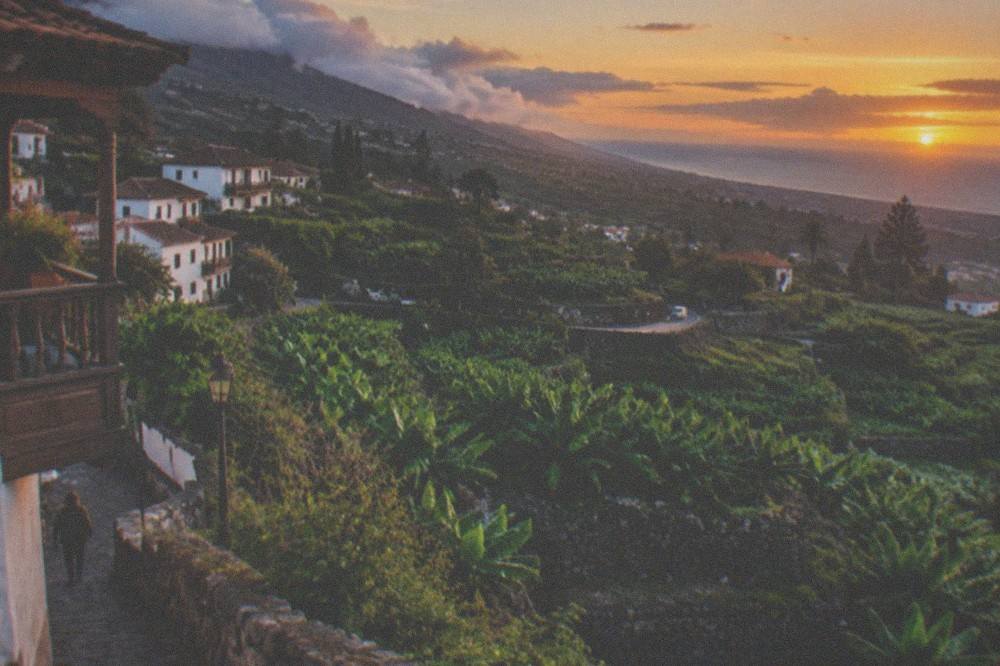
Timing follows the vines more than the thermometer. The guachinche season runs with the harvest, so the months from late autumn through winter pair the area's kitchens with its freshest weather, and AEMET's north-airport normals show exactly why: mild days, regular rain and green slopes. Summer is drier and warmer, better for the coast road and the viewpoints than for log fires and roast chestnuts. Whichever half of the year a visitor picks, the area asks for little: a car or a bus card, a jacket for the evening, and a reservation at whichever winery or guachinche tops the list.
Common Questions About Tacoronte and El Sauzal
Is Tacoronte Tenerife worth visiting?
For most visitors, yes, as a half day or a full day rather than a base for everything. The area holds the island's best-known wine country, seasonal guachinche eateries and quiet north-coast scenery, all within a short drive of Santa Cruz de Tenerife, La Laguna and Puerto de la Cruz. Visitors whose priority is beaches and resort facilities will prefer the south of the island.
What is the best time of year to visit Tacoronte and El Sauzal?
The guachinche season follows the wine harvest, so late autumn through winter is when the area's country kitchens are most reliably open, and AEMET's normals for nearby Tenerife North Airport show mild weather then, with January mean daily highs of 16 Celsius. Summer is drier and warmer. Confirm any specific venue's opening days directly, because seasonal kitchens keep seasonal hours.
Do you need a car in Tacoronte and El Sauzal?
A car makes the area far easier, especially for winery visits and guachinches, which sit on rural roads. TITSA buses do serve the north coast, and visitors pay normal fares: single tickets, a EUR 10 day travelcard or a EUR 50 seven-day travelcard. Anyone tasting wine should either appoint a driver or agree a taxi fare in advance, since Tenerife's taxis are metered and fixed excursion prices can be set at the start.
Is there a tourist tax on Tenerife?
No official page read shows a per-night lodging tax in force or approved on Tenerife. The charges that do exist are per-booking public fees on specific activities: the Teide trail fees on PNT 10 and PNT 07 since 19 January 2026, the Masca gorge ticket and the Barranco del Infierno ticket. None is a tax on staying somewhere.
Can you visit a winery in El Sauzal without booking?
This site's verified facts do not cover individual wineries' walk-in policies, so confirm with the venue or its live listing before travelling. The area's best-known winery visit, the Bodegas Monje guided tour with four wines and four cheeses, runs about two hours and is bookable in advance, and booking ahead is the sensible default for any tasting visit in wine country.