Zoos and Animal Parks in Tenerife
Tenerife's animal attractions run from a world-famous parrot and orca park in Puerto de la Cruz to regulated whale watching off the south coast, and the rules that govern each are stricter than most visitors expect.
Short answer
Tenerife's main animal parks are Loro Parque in Puerto de la Cruz, Siam Park in Costa Adeje, plus Monkey Park, Jungle Park and Aqualand Costa Adeje. Whale and dolphin watching is regulated by a Canary decree, and authorised boats fly the Barco Azul flag.
Tenerife keeps more than five million tourists lodged in hotels and apartments each year, and a striking share of them end up at the same handful of animal attractions: Loro Parque in Puerto de la Cruz, Siam Park in Costa Adeje, and the whale watching boats that work the strait between Tenerife and La Gomera. What separates a good visit from a wasted one is rarely the animal in front of you. It is the opening hours you did not check, the bus you did not know existed, and the difference between a boat that follows the Canary whale watching rules and one that merely says it does.
This guide from Tenerife Travel Guide sets out what the official pages actually say: the hours for each park, the transport that reaches them, the decree that governs every whale watching trip, and the seasons that decide whether your day is a success. The smaller parks, Monkey Park, Jungle Park and Aqualand Costa Adeje, are covered too, alongside the wilder alternatives, because Tenerife's best animal experiences are not all behind a turnstile.
Which Animal Parks Are in Tenerife and Where Are They?
Tenerife's animal parks split across two corners of the island: Loro Parque sits in Puerto de la Cruz in the north, while Siam Park, Aqualand Costa Adeje, Monkey Park and Jungle Park all cluster in the Costa Adeje and Arona belt in the south, and the island's wild animal experience, whale and dolphin watching, runs from Los Cristianos, Costa Adeje and Los Gigantes.
The north-south split matters more than it sounds. Puerto de la Cruz is the island's old tourist town, and Loro Parque has grown up alongside it into the largest animal attraction on the island. The south is where most package holiday visitors stay, and it holds the densest concentration of parks: Siam Park in Costa Adeje, Monkey Park near Arona, Jungle Park in the hills above Los Cristianos, and Aqualand on the Costa Adeje side. A visitor staying in the south who wants Loro Parque faces a genuine journey, and a visitor staying in Puerto de la Cruz who wants Siam Park faces the same one in reverse. The north vs south question decides which set of parks is on your doorstep.
There is a fifth category that no zoo can replicate. The strait between Tenerife and La Gomera holds what the World Cetacean Alliance describes as a unique resident population of pilot whales, plus bottlenose dolphins, inside a Special Area of Conservation. Boat trips leave from Los Cristianos, Costa Adeje and Los Gigantes, and they are governed by a Canary decree rather than by any park's marketing. Wild animals, regulated by law, are the island's most reliable animal attraction, and the section on whale watching below explains the rules in full.
| Attraction | Area | Municipality | What It Is |
|---|---|---|---|
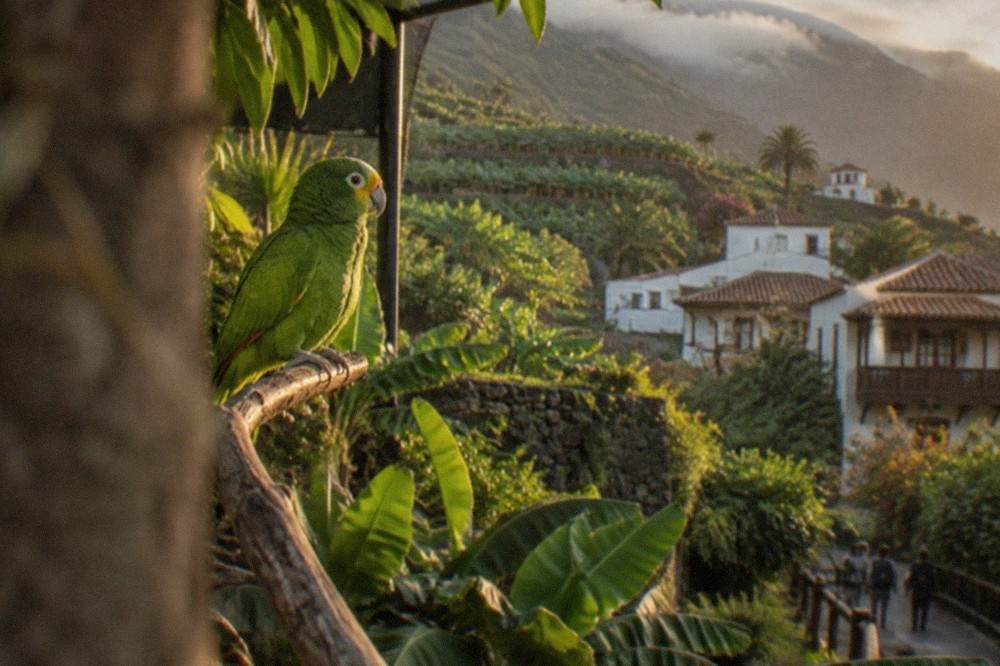
| Loro Parque | Puerto de la Cruz | Puerto de la Cruz | Zoo, aquarium and orca facility |
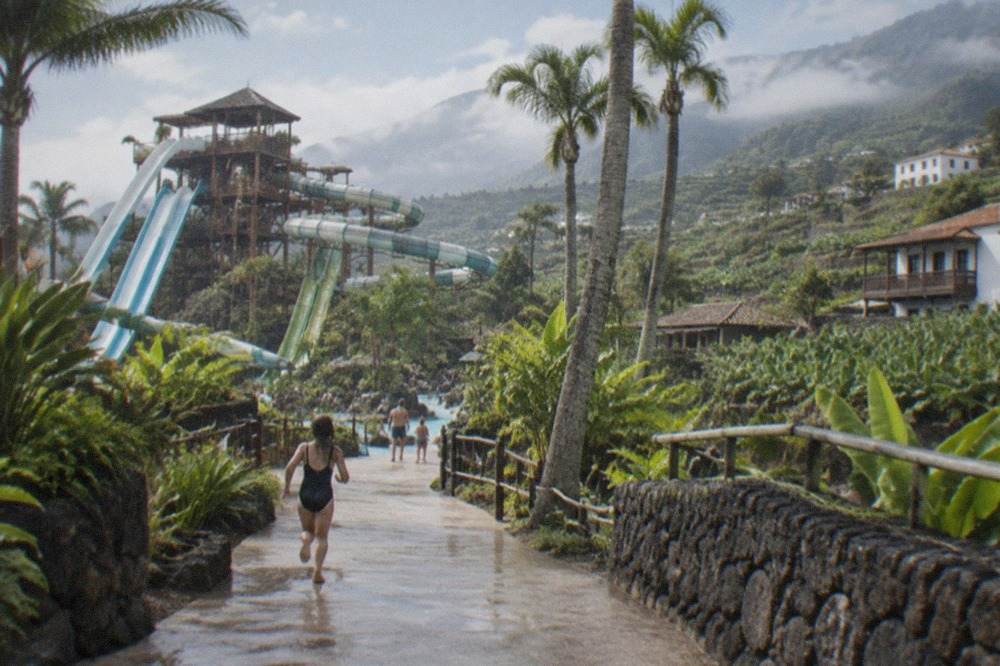
| Siam Park | Costa Adeje | Adeje | Thai-themed water park |
| Aqualand Costa Adeje | Costa Adeje | Adeje | Water park and dolphinarium |
| Monkey Park | Arona | Arona | Small primate reserve |
| Jungle Park | Arona | Arona | Jungle-themed park with bird shows |
| Whale watching boats | Los Cristianos, Costa Adeje, Los Gigantes | Arona, Adeje, Santiago del Teide | Wild cetaceans under Decreto 178/2000 |
What Are the Opening Hours at Loro Parque and Siam Park?
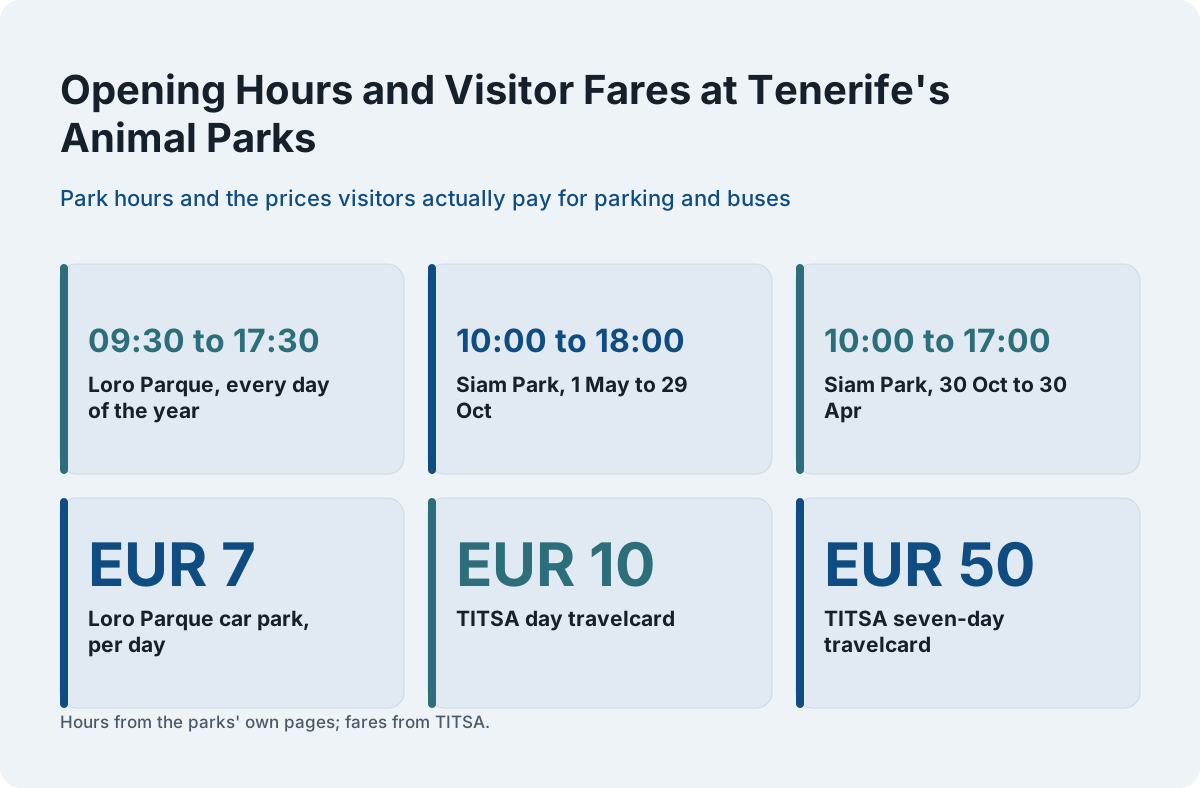
Loro Parque opens 09:30 to 17:30, Monday to Sunday, every day of the year, with its own car park at EUR 7 per day, while Siam Park is also open 365 days a year but shifts its hours by season: 10:00 to 18:00 from 1 May to 29 Oct, and 10:00 to 17:00 from 30 Oct to 30 Apr.
Those two schedules come from the parks' own pages, and they reward a moment of thought. Loro Parque's flat schedule means a winter visit and a summer visit have the same window, so the only variable is how long you need inside. Siam Park's seasonal split is the opposite: the park gives you an extra hour in the warmer months, and the water is why. Sea surface temperature off the south coast peaks at 23.7 Celsius in September and October and bottoms out at 19.1 Celsius in March, so the longer summer days sit alongside the warmer sea.
Neither park publishes a gate price on an official page that this site has verified, and neither does this site state one. Live prices for Siam Park entry and the combined Loro Parque and Siam Park twin ticket are carried on the product listings, which is where a booking decision should be made. What can be stated is the award history: Loro Parque's own release says Tripadvisor awarded Siam Park the Travellers' Choice award for best water park in the world for a fifth consecutive year, with the release undated in its body. Later years are unsourced, and this site does not claim them.
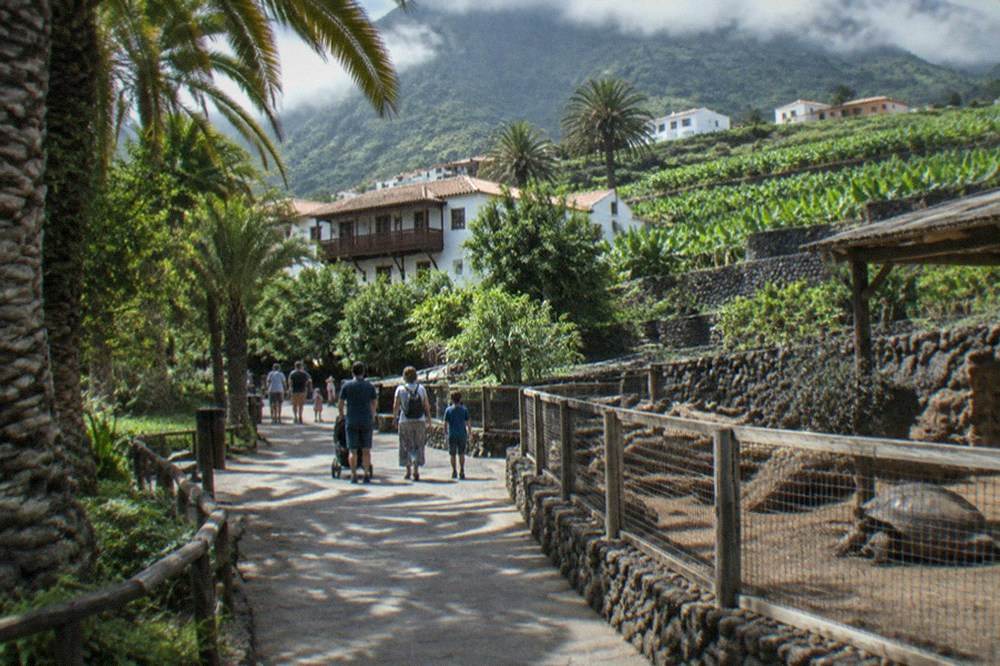
For visitors weighing both parks against each other, the choice is really a choice about water. Siam Park is a water park first, and the companion water parks guide covers its slides and the alternatives in detail. Loro Parque is an animal park, one of the largest in Europe by collection, and it pairs naturally with the town around it rather than with a swimming costume. Families doing both usually split them across separate days, and the twin ticket exists for exactly that plan.
| Park | Opening Hours | Days Open | Season Note |
|---|---|---|---|
| Loro Parque | 09:30 to 17:30 | Every day of the year | Same hours all year |
| Siam Park, 1 May to 29 Oct | 10:00 to 18:00 | 365 days a year | Longer summer day |
| Siam Park, 30 Oct to 30 Apr | 10:00 to 17:00 | 365 days a year | Shorter winter day |
How Do You Get to the Animal Parks Without a Car?
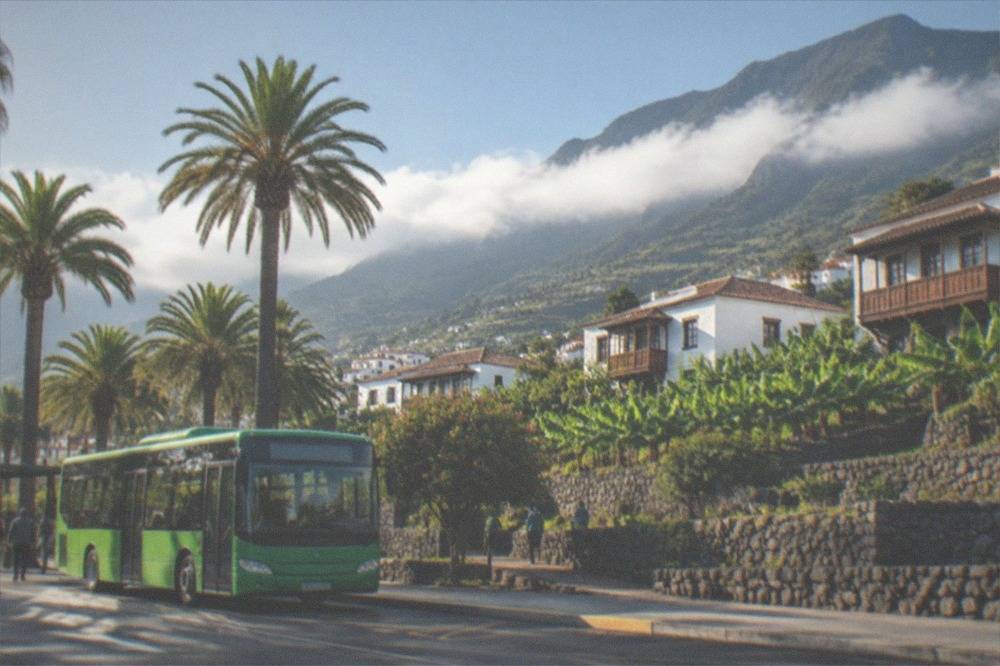
TITSA buses reach every major animal park on the island, and visitors pay standard fares: a single ticket priced by route, the EUR 10 day travelcard or the EUR 50 seven-day travelcard, because the 2026 free-transport subsidy applies only to Canary residents with personalised resident passes, not to holidaymakers.
The free public transport question is the one most visitors get wrong. The Canary government's 100% subsidy on passes and multi-trip tickets is real, and it has been in force since 1 January 2026, but every subsidised pass requires residency in the Canary Islands. Visitors do not qualify. What visitors buy instead are the TITSA travelcards sold at airport ticket machines: the day travelcard at EUR 10, the seven-day travelcard at EUR 50, or the Ten+ card at EUR 2 with wallet top-ups from EUR 2 to EUR 100. The full picture is in the Tenerife buses guide.
Reaching the parks is straightforward once you accept the geography. From Tenerife South Airport, TITSA's own airport page lists line 40 to the Costa Adeje bus station via Los Cristianos, which is the line that serves the southern park belt. From Tenerife North Airport, line 30 runs to Puerto de la Cruz, which is the useful one for Loro Parque. The airport pages for Tenerife South and Tenerife North list every line, and the wider getting around guide covers the car hire decision for families who find the bus timetable a poor fit.
One warning worth carrying: the tram does not serve either airport, and Metrotenerife's fares page says nothing that would suggest it does. The tram is a Santa Cruz and La Laguna system. If a transfer seller or a forum post mentions a tram connection to a flight, that plan is wrong, and the bus lines above are the verified answer.
Can You See Whales and Dolphins Responsibly in Tenerife?
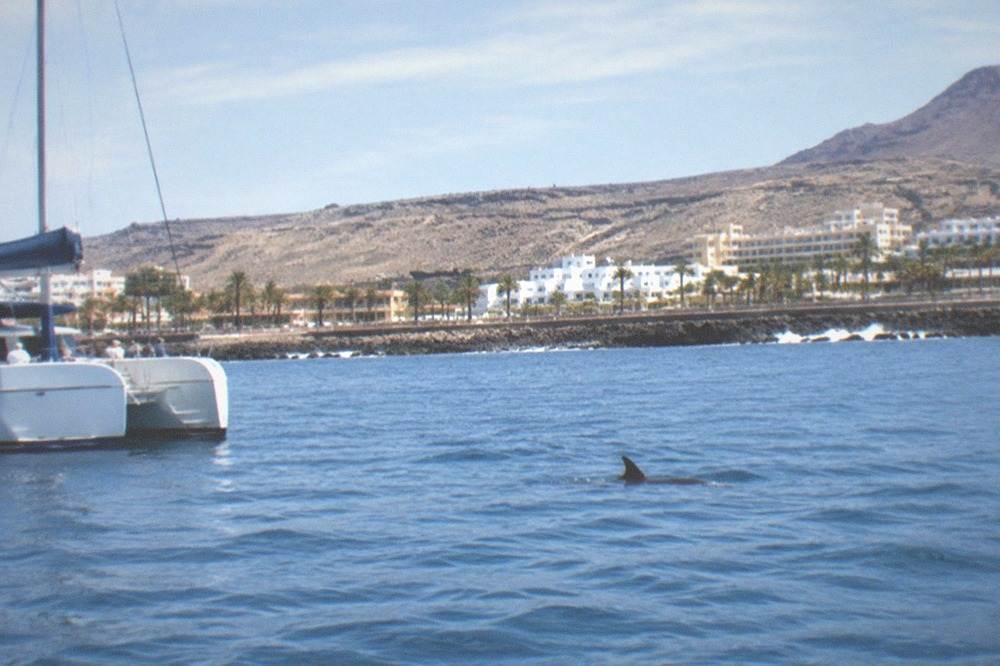
Yes, and the rules are written into Canary law: Decreto 178/2000 bans any approach within 60 metres of a cetacean, allows at most three boats within 500 metres, sets a 4-knot speed limit inside that zone, and forbids swimming, diving, feeding, chasing or circling the animals, while authorised boats must fly the Barco Azul flag.
That decree is the single most useful thing a visitor can know before booking any boat. It means the difference between operators is not the size of the boat or the price of the ticket but whether the crew obeys a set of published distances, and the flag is the visible proof. The World Cetacean Alliance designated the Tenerife-La Gomera Marine Area a Whale Heritage Area in January 2021, and the programme is now called Whale Heritage Areas, a designation by that body rather than by UNESCO. The resident pilot whales live in the strait year round, which is why the south coast trips can promise sightings at a rate no zoo could match.
The eco-labelled trips make the rules their selling point. The no-chase catamaran trip from Los Cristianos, with underwater viewing windows, is built around the decree's no-chasing clause, and the small-boat eco-adventure from Costa Adeje caps its passenger list at ten guests, which keeps the experience inside the spirit of the three-boat rule rather than merely the letter. Both carry live prices on their listings, and both are worth checking against the standard catamaran options before you decide.
| Rule | Figure | Source |
|---|---|---|
| Minimum approach distance | 60 m | Decreto 178/2000 |
| Boats allowed within 500 m | At most 3 | Decreto 178/2000 |
| Speed within 500 m | 4 knots maximum | Decreto 178/2000 |
| Swimming or diving within 500 m | Prohibited | Decreto 178/2000 |
| Feeding, chasing, circling | Prohibited | Decreto 178/2000 |
| Authorised boat flag | Barco Azul, mandatory | Decreto 178/2000, article 15 |
What About the Smaller Parks: Monkey Park, Jungle Park and Aqualand?
Monkey Park in Arona is a compact primate reserve, Jungle Park in the hills above Los Cristianos is a jungle-themed park with bird and bird-of-prey shows, and Aqualand Costa Adeje is a water park with a dolphinarium, and all three sit within the southern resort belt where most visitors already stay.
The honest framing is that these are half-day parks. Loro Parque and Siam Park can absorb a full day each; the three smaller southern parks cannot, and their own listings position them as such. Monkey Park's listing describes a small reserve where the focus is proximity to the primates rather than scale. Jungle Park's listing leans on its shows and its jungle setting, which is the thing that separates it from a standard zoo. Aqualand pairs water slides with a dolphin facility, which makes it the southern alternative for families who want animals and swimming in one ticket, and it belongs in the same planning conversation as the theme parks guide rather than a purely animal one.
None of the three publishes a gate price that this site has verified, so none is stated here. The product cards carry live prices where these parks are bookable. What can be planned around is location: all three sit close enough to the Los Cristianos and Costa Adeje bus network that a morning at one park and an afternoon at another is realistic without a car, and the karting and adventure parks listed under karting and adventure parks round out a full day for older children.
When Is the Best Time of Year for Animal Parks in Tenerife?
The south coast is warm enough for the outdoor parks all year, with mean daily highs between 21.7 and 28.4 Celsius at the AEMET Tenerife South Airport station, but the sea is warmest for water parks from July to October at 22.2 to 23.7 Celsius, while whale watching is viable in every month because the pilot whales are resident.
The climate data is the quiet advantage of an island zoo holiday. AEMET's normals for the Tenerife South Airport station show mean daily highs of 21.7 Celsius in January, 27.7 in July and 22.8 in December, with rain concentrated between October and December. The sea tells the water park story: the NOAA 1991-2020 series for the south coast starts at 19.1 Celsius in March and peaks at 23.7 in September and October. A family visiting in February can do Loro Parque in perfect comfort and Siam Park with braver children; a family visiting in September gets both at their warmest.
| Month | Mean Daily Max (C), South Airport | Rain (mm) | Sea Surface (C) |
|---|---|---|---|
| Jan | 21.7 | 17 | 19.9 |
| Feb | 22.0 | 20 | 19.2 |
| Mar | 23.1 | 15 | 19.1 |
| Apr | 23.1 | 7 | 19.5 |
| May | 23.9 | 1 | 20.2 |
| Jun | 25.4 | 0 | 21.4 |
| Jul | 27.7 | 0 | 22.2 |
| Aug | 28.4 | 1 | 23.1 |
| Sep | 27.9 | 4 | 23.7 |
| Oct | 26.8 | 12 | 23.7 |
| Nov | 24.8 | 26 | 22.5 |
| Dec | 22.8 | 30 | 21.1 |
Crowd pressure follows the flight numbers. The ISTAC monthly series, which counts tourists arriving by air and excludes Canary Islands residents, shows the winter months carrying more arrivals than the shoulder seasons: 649,614 by air in January 2026 against 518,359 in May 2026. The parks are therefore busiest exactly when northern Europeans are escaping their own winters, and a visit early in the park's opening window is the standard advice for avoiding the mid-morning surge. The month-by-month guides, from January through October and December, carry the full seasonal picture.
What Should Families Know Before Visiting the Animal Parks?
Families should plan around three verified facts: Loro Parque charges EUR 7 per day for its own car park and opens at 09:30, Siam Park's hours shift between the summer and winter seasons, and the whale watching decree forbids swimming within 500 metres of any cetacean, so no lawful boat trip lets children swim with the wild whales.
The swimming point is the one that catches families out. Some Tenerife boat trips advertise a swim stop, and several of the listings in this site's roster genuinely include one, but the swim happens in a bay, not among the animals, because Decreto 178/2000 prohibits swimming or diving within 500 metres of a cetacean. A family booking a trip should read the swim stop for what it is: a swim in the sea, with the whales watched from the boat at the decree's distances. Turtles are a different matter, and the kayak and snorkel trips around Los Cristianos are built around the resident turtles in that bay, which is why they are among the most popular water bookings on the island.
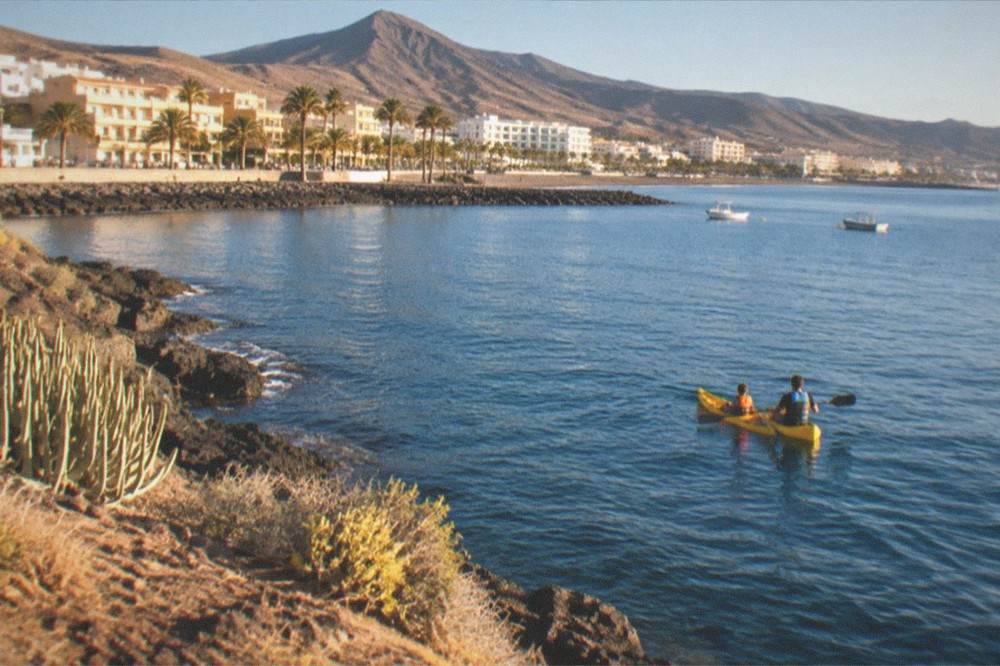
For the parks themselves, the practical notes are short. Loro Parque's own car park costs EUR 7 per day, which settles the driving question for Puerto de la Cruz visitors. Siam Park opens at 10:00 in both seasons, so there is no early-entry advantage to chase. The wider things to do in Tenerife page places the animal parks among everything else the island offers, and families building a full week should read it alongside the water park and theme park guides rather than treating the animal parks as a separate category.
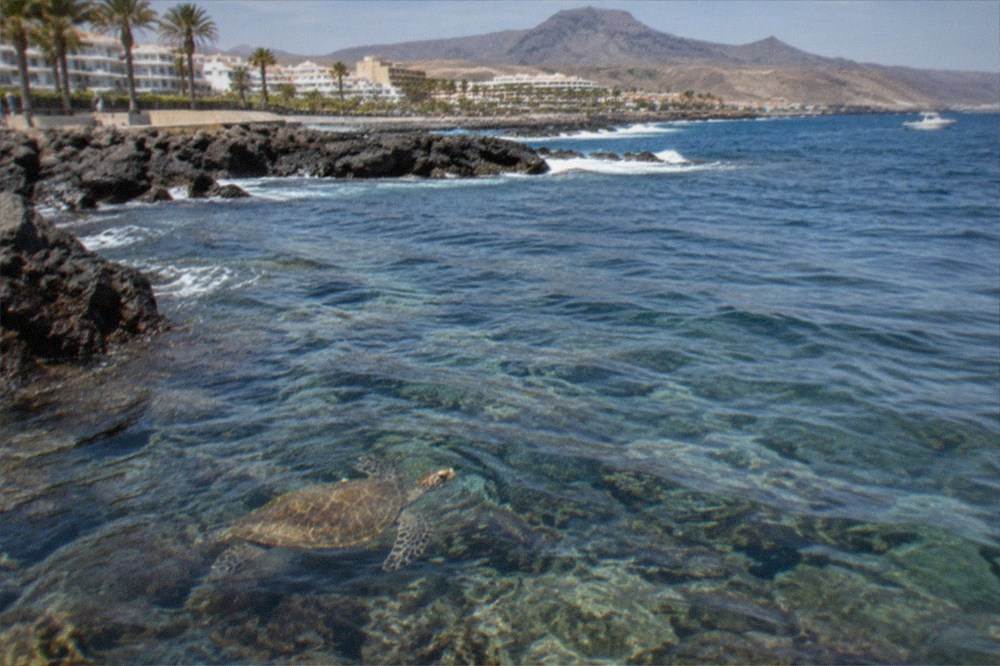
Booking order matters more than most guides admit. The animal parks have fixed hours and fixed locations, so they anchor the week: Loro Parque takes a north day, Siam Park takes a south day, and the whale watching boats depend on sea conditions rather than schedules, which makes them the item to book with the most flexibility. The kayaking with turtles trips around Los Cristianos are the same, and the companion kayaking with turtles category page collects the options. Book the fixed things first and leave the sea-dependent things a fallback day.
What About Wild Animals Outside the Parks?
Tenerife's most accessible wild animal is the loggerhead turtle in the bays around Los Cristianos, and the island's wild birdlife, from the laurel forests of Anaga to the cliffs of Los Gigantes, needs no ticket at all, while the resident pilot whales in the Tenerife-La Gomera strait remain the one wild population a visitor can reliably plan to see.
The turtles deserve their own sentence because they are the island's most underestimated animal experience. The kayak and snorkel trips from Los Cristianos are built around them, and the listings for those trips describe a rich marine ecosystem in the bay, with small groups and wetsuits included. No entrance fee, no enclosure, and the animals are wild in a way no park can replicate. The whale and dolphin watching category page collects the boat options for the strait, where the pilot whales live year round.
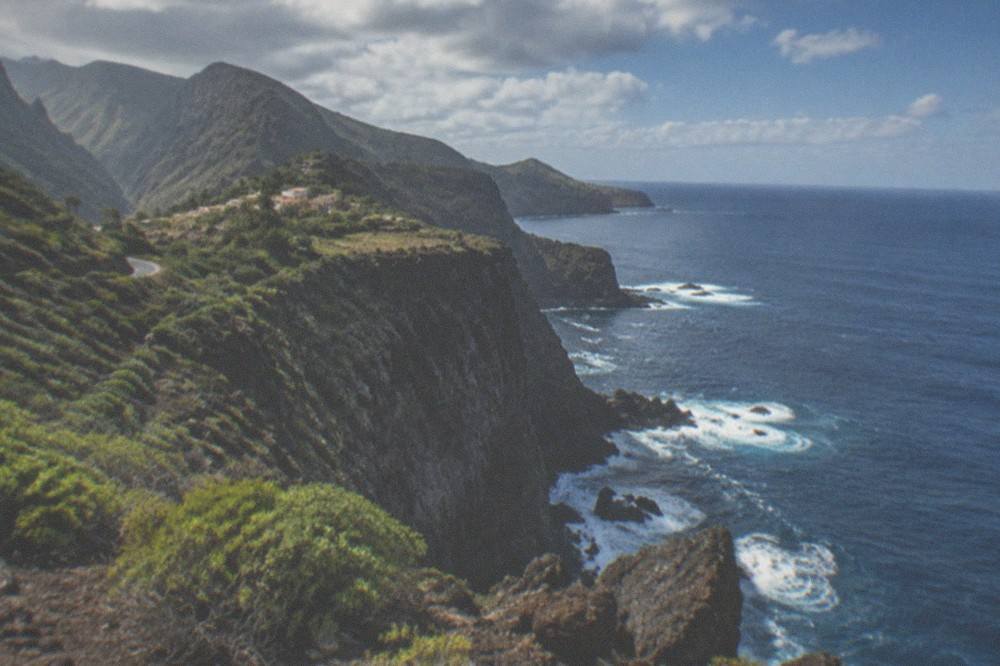
The land side is quieter but real. Anaga Rural Park in the northeast holds laurel forest, a habitat that survives in few places on earth, and its birdlife is the reason hikers go there with binoculars. The El Pijaral trail inside Anaga needs a Tenerife ON reservation, released Mondays at 07:00 Canary time and bookable at most 14 days ahead, and company-run tours are not permitted there, which keeps the forest to independent walkers. The Los Gigantes cliffs, which the tourist board describes as towering up to 600 m, mark the western edge of the same wild island. None of this costs a euro, and none of it needs a booking except the named trail.
Common Questions About Animal Parks in Tenerife
Is Loro Parque or Siam Park better for animals?
Loro Parque is the animal park: it is a zoo, aquarium and orca facility in Puerto de la Cruz, open 09:30 to 17:30 every day of the year. Siam Park is a water park in Costa Adeje with no animal collection, open 10:00 to 18:00 in summer and 10:00 to 17:00 in winter. For animals, the answer is Loro Parque; for water slides, it is Siam Park; the twin ticket exists for families doing both.
Can you swim with whales in Tenerife?
No. Decreto 178/2000 prohibits swimming or diving within 500 metres of a cetacean, along with feeding, chasing and circling, so no lawful trip offers it. Boat trips with a swim stop do exist, but the swim happens away from the animals. Swimming with turtles, in the bays around Los Cristianos, is a different activity and is permitted.
How do you know a whale watching boat is legal?
Decreto 178/2000 requires authorised boats to fly the Barco Azul flag, issued by the Canary tourism department with the permit and renewed annually. The same decree bans approaches within 60 metres, allows at most three boats within 500 metres, and sets a 4-knot limit inside that zone. If a boat is not flying the flag, that is your answer.
Are the animal parks open in winter?
Yes. Loro Parque opens 09:30 to 17:30 every day of the year, and Siam Park is open 365 days with winter hours of 10:00 to 17:00 from 30 Oct to 30 Apr. AEMET's normals for the south coast put January's mean daily maximum at 21.7 Celsius, so the weather is not the obstacle it would be further north.
Is public transport free for tourists going to the parks?
No. The 2026 100% subsidy on Canary public transport applies to resident passes only, and every subsidised pass requires residency in the Canary Islands. Visitors pay for single tickets, the EUR 10 day travelcard or the EUR 50 seven-day travelcard, all sold through TITSA including at airport ticket machines.
Where can you see turtles in Tenerife?
The bays around Los Cristianos hold a resident turtle population, and the kayak and snorkel trips there are built around it, with small groups and wetsuits included on the listings that offer them. The trips are sea-dependent, so book them with a fallback day in your week.