Palm-Mar
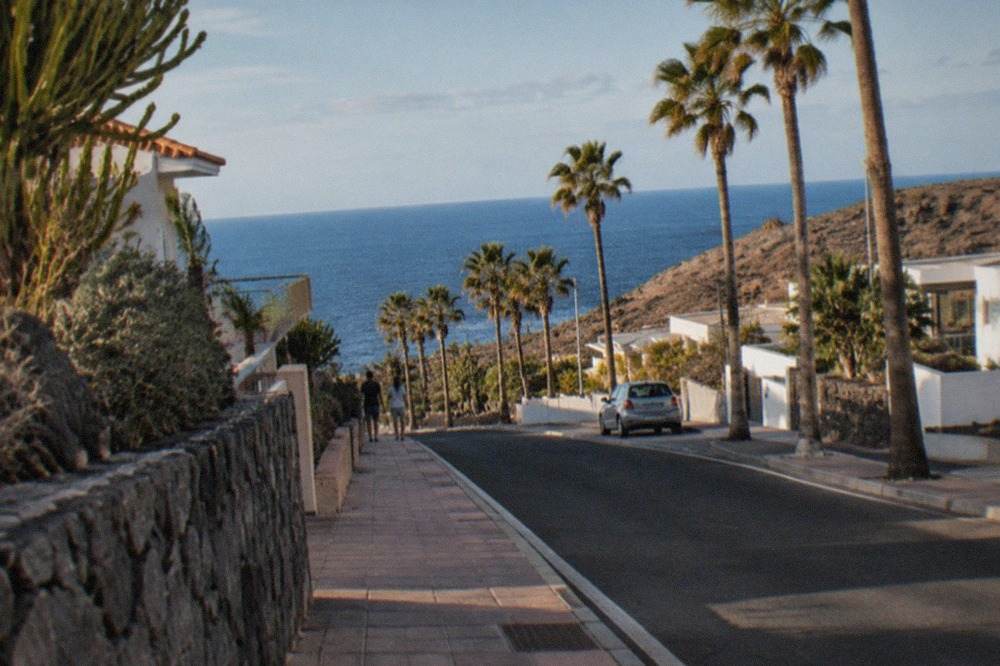
Palm-Mar is a small, calm coastal district on Tenerife's south side, within the municipality of Arona, sitting between the busier resort strips and the fishing village atmosphere of Las Galletas. This guide sets out what is on record about the area, its climate, the whale watching rules that govern the waters offshore, and how the resort fits into a wider Tenerife holiday.
Short answer
Palm-Mar is a low-key, largely residential coastal district in Arona on Tenerife's south coast, best suited to travellers who want a quiet base within reach of the island's bigger resorts, beaches and whale watching ports.
Palm-Mar occupies a modest stretch of Tenerife's south coast, inside the municipality of Arona, which the municipal register recorded as home to 87,793 people in 2025. The district sits between the resort belt that runs from Los Cristianos through Costa Adeje and the quieter, more local stretch of coast around Las Galletas and Costa del Silencio. It is not one of the island's headline resort names, and that is precisely the reason travellers look at it: the accommodation is smaller in scale, the pace is slower, and the big-water activities of the south coast are all within reach by car or bus. This guide reports what the official record states about the area and its surroundings, from AEMET's climate station data to the Canary decree that governs whale watching offshore, and points to the trips and excursions that fit a stay here.
Where Is Palm-Mar on the Map of Tenerife?
Palm-Mar lies on Tenerife's south coast within the municipality of Arona, positioned between the major resort strip of Los Cristianos and Costa Adeje to the west and the smaller fishing-village coast around Las Galletas to the east, with the island's two airports both reachable by road and bus.
Arona is one of the island's largest municipalities, and its coastline carries several distinct personalities: the high-energy strip around Playa de las Américas, the older harbour town of Los Cristianos, and then progressively quieter districts as you move east. Palm-Mar belongs to the quiet end of that sequence. The verified facts file records which municipality each well-known base sits in, and Arona's name appears against Las Vistas beach, one of the golden-sand beaches the tourist board highlights on this coast.
Geographically the district benefits from the same sheltered south-coast position that makes this whole side of Tenerife the island's holiday engine. AEMET's climate normals for Tenerife South Airport, the station nearest this stretch of coast, show why: the mean daily maximum never falls below 21 Celsius in any month of the year. To the east, a short drive along the coast, sits El Médano, the town the tourist board describes as having fine grey sand under Montaña Roja, and a well-known spot for wind sports.
For orientation purposes, the distances that matter are the ones to the ports. Los Cristianos and Costa Adeje both operate as departure points for whale watching boats, and TITSA, the island's bus operator, runs the coastal routes that connect the district to both. No verified walking time or driving time for Palm-Mar itself is on file with this desk, so none is printed: travellers should confirm transfer times with their accommodation or the operator when booking.
What Is the Weather Like in Palm-Mar?
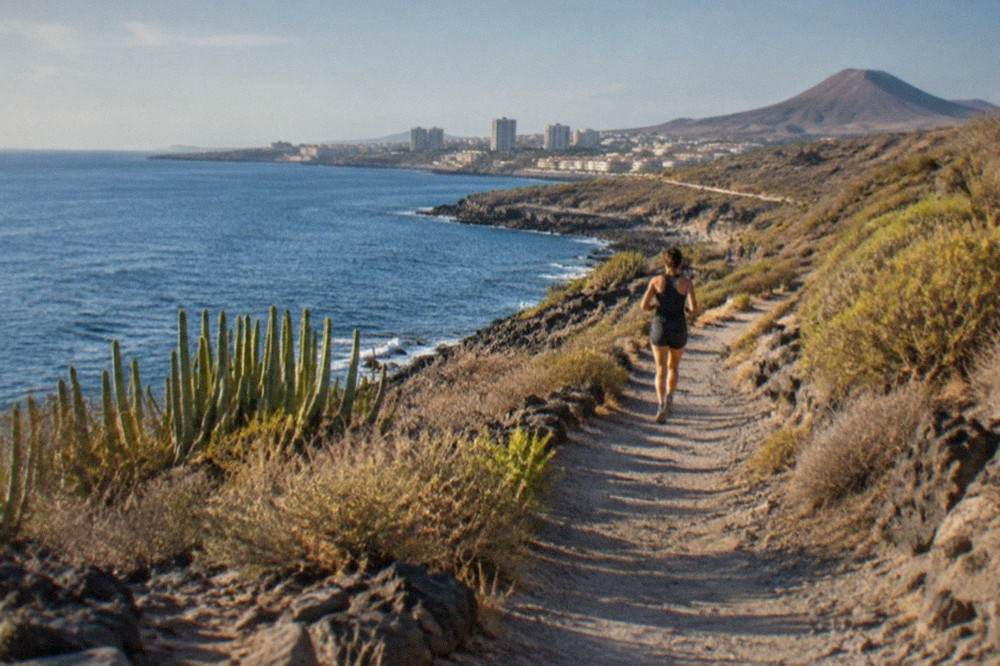
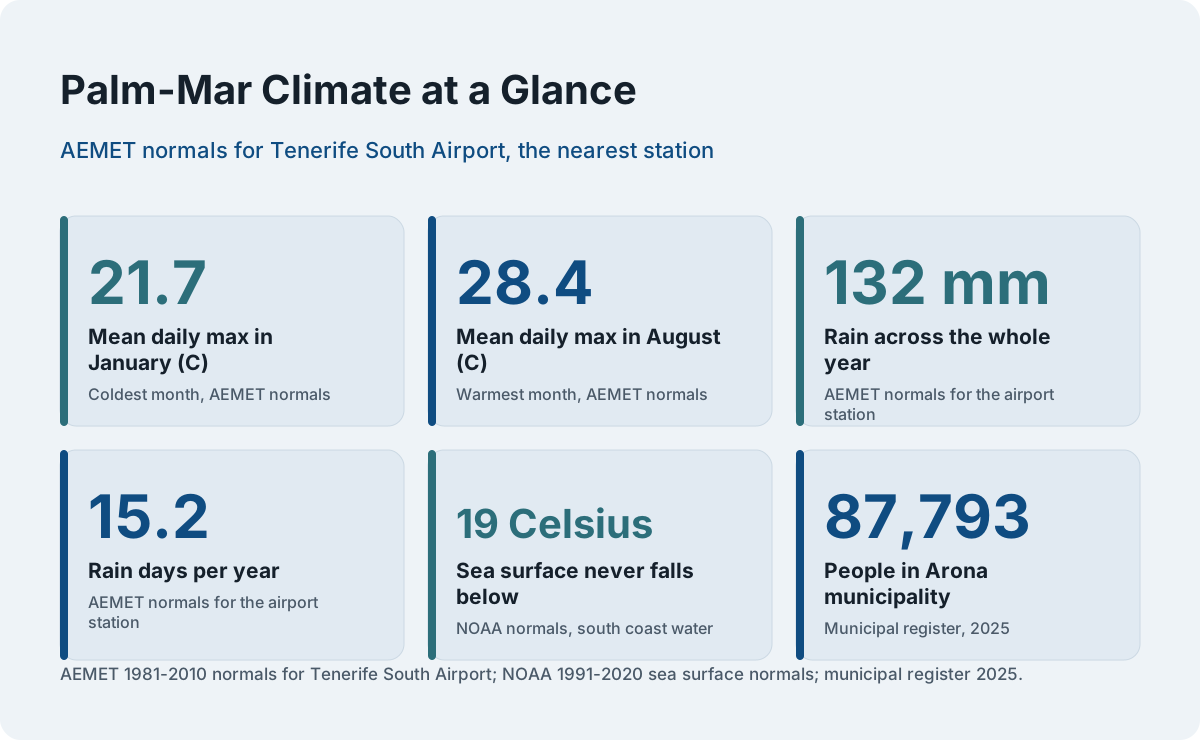
AEMET's climate normals for Tenerife South Airport, the station that represents this stretch of coast, record a mean daily maximum of 21.7 Celsius in January rising to 28.4 in August, with just 132 mm of rain across the whole year on 15.2 rain days, and sea surface temperatures off the south coast that never fall below 19 Celsius in any month.
The south coast is the driest, sunniest part of Tenerife, and the official numbers bear that out. AEMET's 1981-2010 normals for the airport station show a genuinely winterless pattern: the coldest month, January, still averages a daily maximum above 21 Celsius, and the warmest, August, sits at 28.4. Rainfall is the real story for British travellers comparing destinations: November, the wettest month at the airport station, records 26 mm, and July records none at all on a monthly average of zero rain days.
| Month | Mean daily max (C) | Mean daily min (C) | Rain (mm) | Sunshine (hours) |
|---|---|---|---|---|
| Jan | 21.7 | 15.2 | 17 | 193 |
| Feb | 22.0 | 15.0 | 20 | 195 |
| Mar | 23.1 | 15.6 | 15 | 226 |
| Apr | 23.1 | 16.0 | 7 | 219 |
| May | 23.9 | 17.0 | 1 | 246 |
| Jun | 25.4 | 18.8 | 0 | 259 |
| Jul | 27.7 | 20.2 | 0 | 295 |
| Aug | 28.4 | 21.1 | 1 | 277 |
| Sep | 27.9 | 21.1 | 4 | 213 |
| Oct | 26.8 | 20.0 | 12 | 214 |
| Nov | 24.8 | 18.2 | 26 | 193 |
| Dec | 22.8 | 16.5 | 30 | 195 |
These figures are AEMET's 1981-2010 normals for the airport station, which sits at 64 m elevation a short way inland from this coast. The sea tells its own story, from a separate dataset: NOAA's 1991-2020 sea surface normals for the water off Tenerife's south coast. The two periods are different and this desk does not blur them, but together they describe a coast where swimming is plausible in every month.
| Month | Sea surface temperature (C) |
|---|---|
| Jan | 19.9 |
| Feb | 19.2 |
| Mar | 19.1 |
| Apr | 19.5 |
| May | 20.2 |
| Jun | 21.4 |
| Jul | 22.2 |
| Aug | 23.1 |
| Sep | 23.7 |
| Oct | 23.7 |
| Nov | 22.5 |
| Dec | 21.1 |
One planning note worth having: the south coast is not the whole island. AEMET's station at Izaña, on the Teide observatory ridge at 2,369 m, records January mean daily maxima of 7.5 Celsius and 67 mm of February rain. A day trip up to the national park from Palm-Mar is a change of climate, not a change of scenery only, and the Teide from the South day trip is the standard way to make it.
What Is There to Do in and Around Palm-Mar?
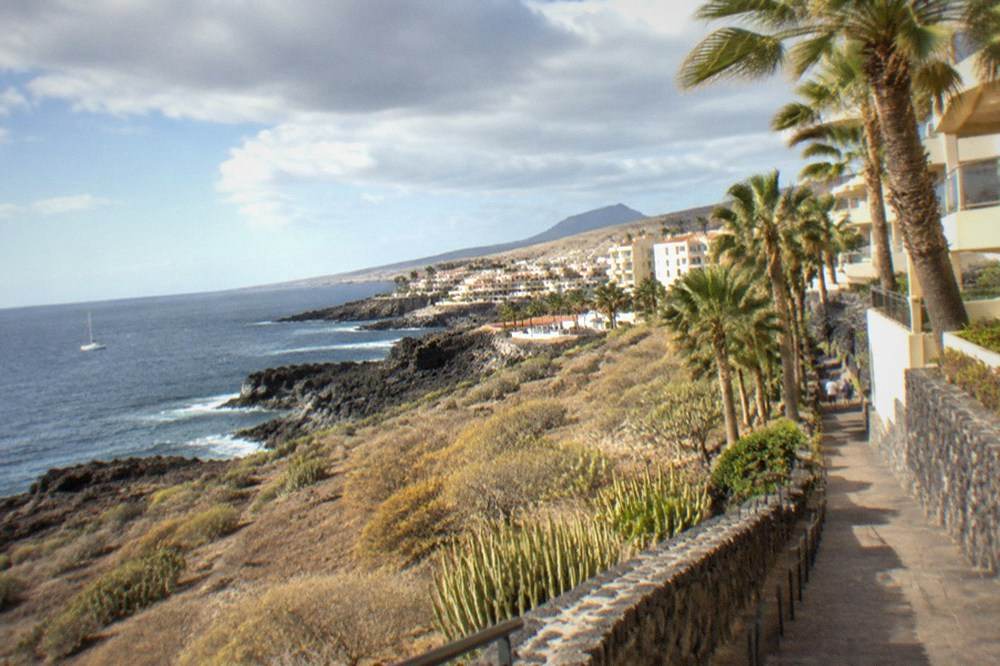
The district itself is quiet and largely residential, so the activity list is really the south coast's list: whale and dolphin watching from Los Cristianos or Costa Adeje, water sports and boat trips from the nearby ports, and day excursions to Teide National Park, Masca and the island's northern towns, all reachable from a Palm-Mar base.
The honest description of the district is a calm one. There is no theme park here, no water park, no nightlife strip; those sit a bus ride away, with Siam Park and the Costa Adeje resort infrastructure covered in the Costa Adeje area guide. What the location offers is proximity without immersion: the restaurants and harbour of Los Cristianos, the beaches of the Arona coast, and the departure points for the island's single most famous boat activity, whale watching.
That activity deserves its own section below, because the waters off this coast carry an international designation and a specific set of legal rules. Beyond the boats, the on-the-water category on this coast includes kayaking with turtles, first-time scuba dives, jet ski safaris and parasailing, and the kayaking trips from Los Cristianos run close enough to this stretch of coast to be a natural fit for a stay here.
For travellers who want the resort's quiet without giving up organised sightseeing, the island tours that loop Teide National Park, Masca, Icod de los Vinos and Garachico all collect from the south coast. The Masca, Garachico and Icod route is the classic full-day circuit, and a reminder worth carrying: the Masca gorge itself is a pre-booked descent with a boat exit, booked at the operator's own site, not an open walk.
Is Palm-Mar a Good Base for Whale and Dolphin Watching?
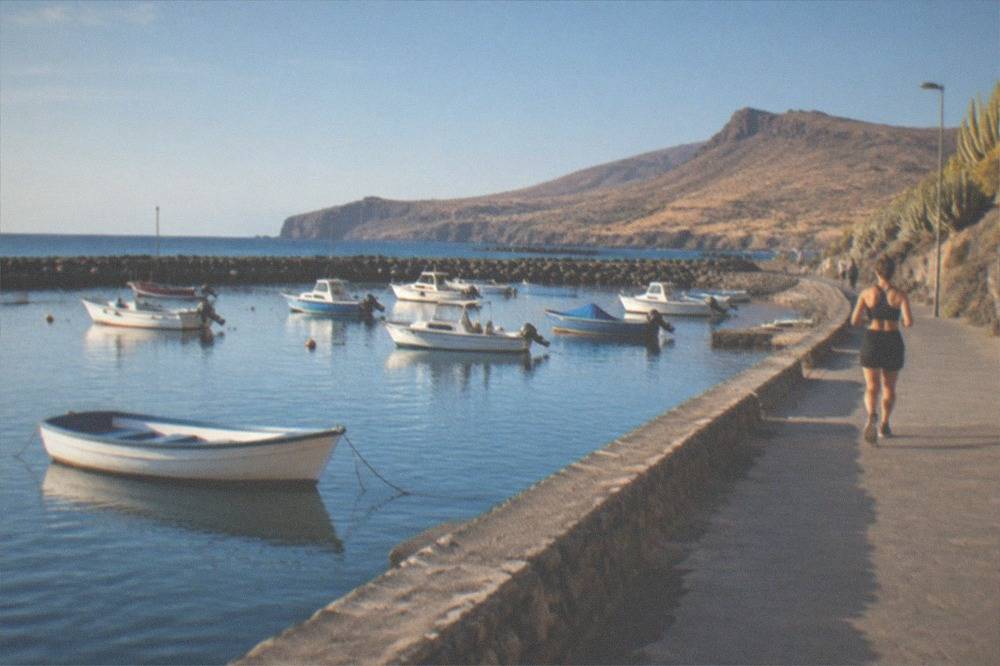
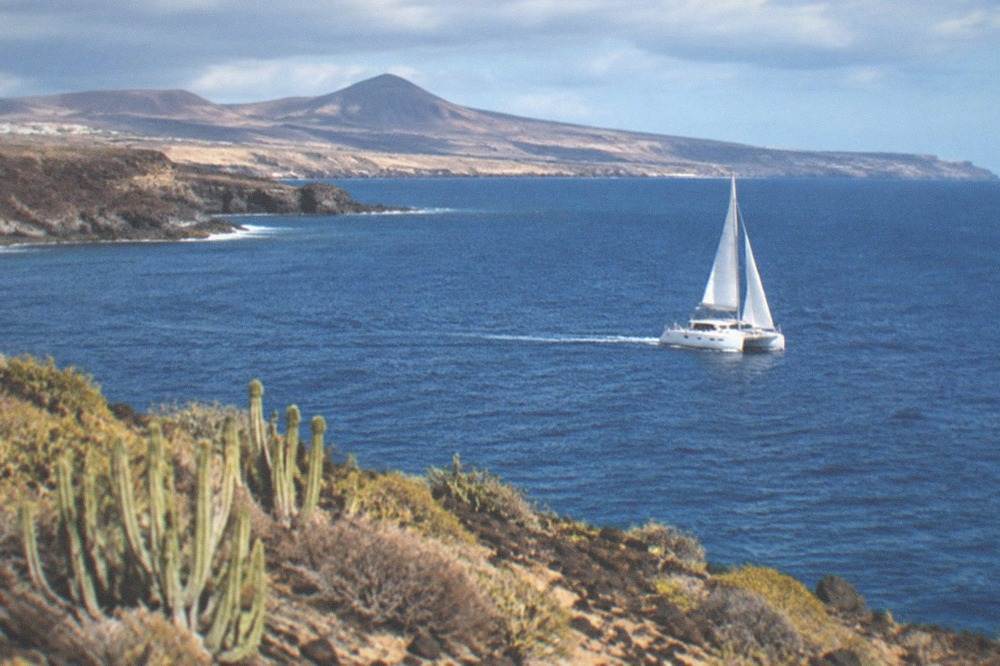
Yes, because the boats leave from Los Cristianos and Costa Adeje, both a short hop along this same coast, and the water offshore is a designated Whale Heritage Area holding a resident population of pilot whales and bottlenose dolphins, with every authorised boat flying the Barco Azul flag under rules set by Decreto 178/2000.
This is the strongest reason the south coast has its reputation, and the record behind it is specific. The World Cetacean Alliance states that the Tenerife-La Gomera Marine Area became a designated Whale Heritage Area in January 2021, describing a unique resident population of pilot whales, bottlenose dolphins, and a migration stop for 21 other cetacean species, inside a Special Area of Conservation. The designation is the World Cetacean Alliance's, and this desk attributes it that way.
The rules of engagement are law, not operator preference. Decreto 178/2000 of 6 September, published in the Canary Official Gazette, sets the distances and conduct for every whale watching boat on this coast, and article 15 requires authorised boats to fly the Barco Azul flag, issued with the permit and renewed annually. A traveller choosing a trip can check for that flag, and the eco-focused no-chase trips sold through this site make a point of the same rules.
| Rule under Decreto 178/2000 | What It Means on the Water |
|---|---|
| No approach within 60 m | Boats may not come closer than 60 metres of the animals |
| At most three boats within 500 m | No more than three vessels inside a 500 m radius of the animals |
| 4 knots maximum within 500 m | Speed is capped inside that 500 m radius |
| No swimming or diving within 500 m | Entering the water near the animals is prohibited |
| No feeding, chasing or circling | Listed conduct bans in the decree |
| Barco Azul flag | Authorised boats must fly it, per article 15 |
The practical fit for a Palm-Mar stay is straightforward: the ports are close, the trips are short, and the whale and dolphin watching options from Los Cristianos and Costa Adeje include catamarans, sailboats, eco no-chase encounters and small-boat trips with swim stops in the broader category. No whale population number is on file from an official source, so none is printed; the WCA's own wording, a unique resident population, is the supportable claim.
How Do You Get to Palm-Mar and Around Without a Car?
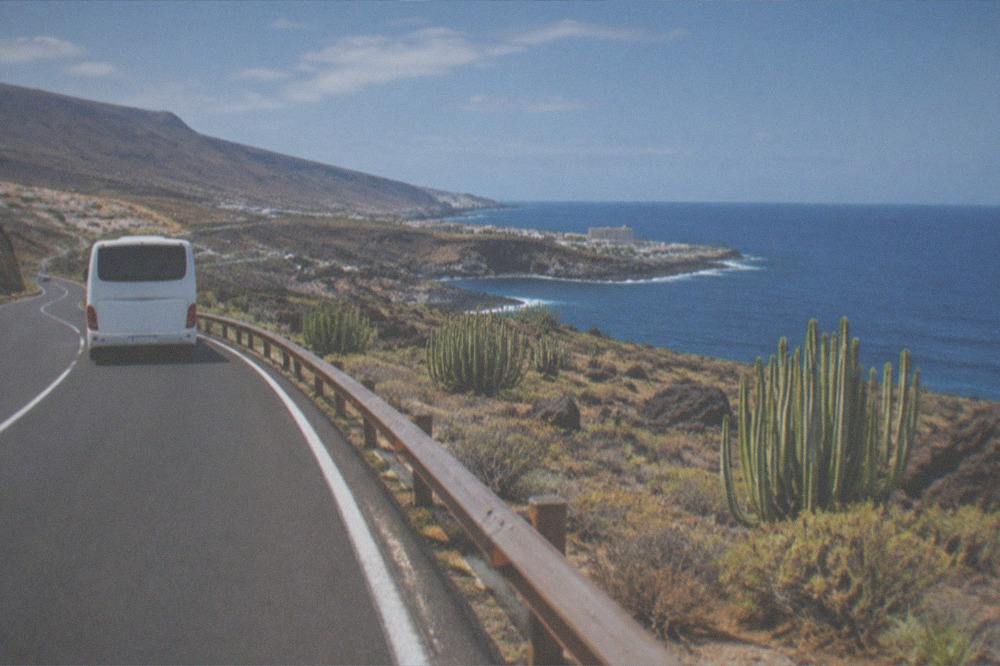
Tenerife South Airport is the nearer of the island's two airports for this coast, with TITSA lines 10, 40, 711, 343 and 415 serving it, and visitors pay for public transport: single tickets, the EUR 10 day travelcard or the EUR 50 seven-day travelcard, since the 2026 free-travel subsidy applies to resident passes only.
The airport question is settled by AENA's own naming: the island's airports are Tenerife Sur and Tenerife Norte-Ciudad de La Laguna, and the south airport is the natural arrival point for this coast. TITSA's own airport page lists the lines serving Tenerife South: line 10 to Santa Cruz, line 40 to Costa Adeje bus station via Los Cristianos, the 711 night bus, the 343 express linking Puerto de la Cruz to Los Cristianos via both airports, and line 415 towards El Fraile and San Isidro. Line 40 is the one that connects the airport corridor to the coastal resorts this district sits among. Everything else covered here is indexed on Tenerife Travel Guide.
| Ticket | Price | Notes |
|---|---|---|
| Single ticket | Priced by route | Card or cash on board |
| Same-day return | 10% off | On trips of 20 km or more |
| Day Travelcard | EUR 10 | Visitor product |
| 7 Day Travelcard | EUR 50 | Visitor product |
| Ten+ card | EUR 2 | Top-ups EUR 2 to EUR 100, sold at airport machines |
The free transport point matters, because misleading pages circulate. The Canary government's 2026 subsidy covers resident passes only, under a personalised Ten+ card held by Canary residents; visitors do not qualify. The honest summary for a holidaymaker is that buses on this island are inexpensive and frequent on the south coast corridor, but they are not free, and the Tenerife buses guide carries the full fare detail. Taxis are white and metered from the start of every trip, with fixed prices agreeable in advance for excursions, per the tourist board's own transport page.
Whether a car is needed at all is a fair question for a quiet base like this, and the do you need a car in Tenerife answer covers the trade-offs: the south coast bus network serves the resorts well, while the national park, Anaga and the north are easier with wheels. The airport transfers guide covers the arrival logistics for both airports.
Where Should You Stay in Palm-Mar?
The district's accommodation is smaller-scale and largely residential compared with the tower hotels of Costa Adeje and Playa de las Américas, which suits travellers who want a quiet base, and no per-night rate can be quoted here because none is on file; the cost drivers are season, property type and how far ahead you book.
This desk does not print nightly rates, because no verified source holds them and rates move daily. What can be said on the record is structural: the district sits inside Arona, the municipality that also contains Las Vistas beach and the Los Cristianos harbour front, and it trades the density of the big resorts for calm. Travellers comparing bases should read the where to stay in Tenerife guide alongside the area pages for Golf del Sur and Costa del Silencio, the two neighbouring low-key districts travellers most often weigh against it.
For booking accommodation in and around Palm-Mar, check live availability for the area and compare against the quiet-district alternatives before committing, since the differences between these small south-coast bases are more about immediate surroundings than about facilities.
One rule worth knowing before booking any island stay: no per-night tourist tax is in force or approved on Tenerife, per the verified facts file. The charges that do exist are per-booking activity fees, such as the Teide trail fees and the Masca ticket, and the tourist tax and local rules answer lists them.
Can You Explore Palm-Mar on a Free Walking Tour?
No free walking tour is listed for Palm-Mar or anywhere in the resort south on GuruWalk, the platform this site's free walks run through; the three English-guided, pay-what-you-want walks carded here are all in the north, at La Orotava, Puerto de la Cruz and the historic centre of Santa Cruz de Tenerife.
That is stated as what the listings show, not as proof that nothing exists. The resort south, Los Cristianos, Costa Adeje, Adeje, Arona and Playa de las Américas, has no free walking tour listed on GuruWalk at the time this desk compiled its roster, and a quiet district like this one is unlikely to change that. Travellers who enjoy a guided walk and are staying here have two honest options: a paid town tour, or a day trip north to one of the free walks.
The northern walks are worth the journey. The Visit to La Orotava free tour covers the town of balconies and its heritage streets, the Puerto de la Cruz free tour covers the old resort town's historic core, and the Santa Cruz free tour covers the capital's historic centre, all free to join and tip-based, all bookable through the free walking tours page.
GuruWalk is named here because a free, pay-what-you-want walk cannot be described honestly without saying whose it is; no price is printed for these walks because there is none to print, the tip is the visitor's choice.
What Day Trips Work from a Palm-Mar Base?
The full set of south-coast day trips works from here: Teide National Park by coach or self-drive, the Masca, Icod and Garachico circuit, La Gomera by ferry from Los Cristianos, and the north of the island around Puerto de la Cruz and La Laguna, all with collection points or ferry terminals within the same coastal corridor.
The Teide trips are the headline. The national park recorded 5,242,653 visitors in 2024, the most visited park in Spain's national park network, and the sunset-and-stargazing versions are the island's signature evening out, riding on the park's status as a Starlight Tourist Destination listed by the Starlight Foundation. A reminder that travels with every Teide mention: driving through the park needs no booking, the cable car is an operator ticket to La Rambleta at 3,555 m, and the summit crater trail is a separate Tenerife ON reservation, three different things that pages routinely blur.
La Gomera is the other ferry-served option, and the verified facts hold the crossing: Fred. Olsen Express lists Los Cristianos to San Sebastián de La Gomera as a 50-minute sailing, with the port at Los Cristianos being the nearest major terminal to this district. The La Gomera day trip guide covers the coach-and-ferry options, some with lunch included.
For the north, the North Tenerife from the South route collects the Orotava valley, Puerto de la Cruz and La Laguna, the colonial town UNESCO inscribes for the model its layout gave to towns in the Americas. And for cruise passengers or anyone with a single day, the one-day itinerary from the cruise port shows what fits into a tight window.
Common Questions About Palm-Mar
Is Palm-Mar suitable for families?
The district's quiet, largely residential character suits families who want calm, and the family infrastructure of the south coast, including the beaches of the Arona coast and the water parks of Costa Adeje, sits a short bus ride away. The best area for families guide compares the bases in detail.
How far is Palm-Mar from the airport?
Tenerife South Airport is the nearer of the island's two airports for this coast, and TITSA lines 10, 40, 711, 343 and 415 serve it. No verified journey time from the district to the airport is on file, so none is printed; confirm transfer times with your accommodation or transfer operator when booking.
Is Palm-Mar windy like El Médano?
El Médano, east along this coast, is the island's well-known wind-sports town, described by the tourist board as fine grey sand under Montaña Roja. No verified wind data specific to Palm-Mar is on file with this desk, so no comparison figure is stated; travellers should judge it on their own visit or ask their accommodation.
Can you walk from Palm-Mar to the beach?
The district sits on the coast, but no verified walking time or distance from any point in Palm-Mar to any named beach is on file, so none is printed here. The nearest well-documented golden-sand beaches on this coast are Las Vistas in Arona and the Los Cristianos bay, both covered in the best beaches in Tenerife guide.
Do you need to book whale watching trips in advance?
The whale watching boats run daily from Los Cristianos and Costa Adeje in high season, and advance booking secures the departure time and boat type you want. Every authorised boat flies the Barco Azul flag under Decreto 178/2000, whichever you choose.
Is there a tourist tax to budget for?
No per-night tourist tax is in force or approved on Tenerife, per the verified facts file. The charges that do exist are per-booking activity fees, such as the Teide trail fees, the Masca ticket and the Barranco del Infierno ticket.