Las Galletas and Costa Del Silencio
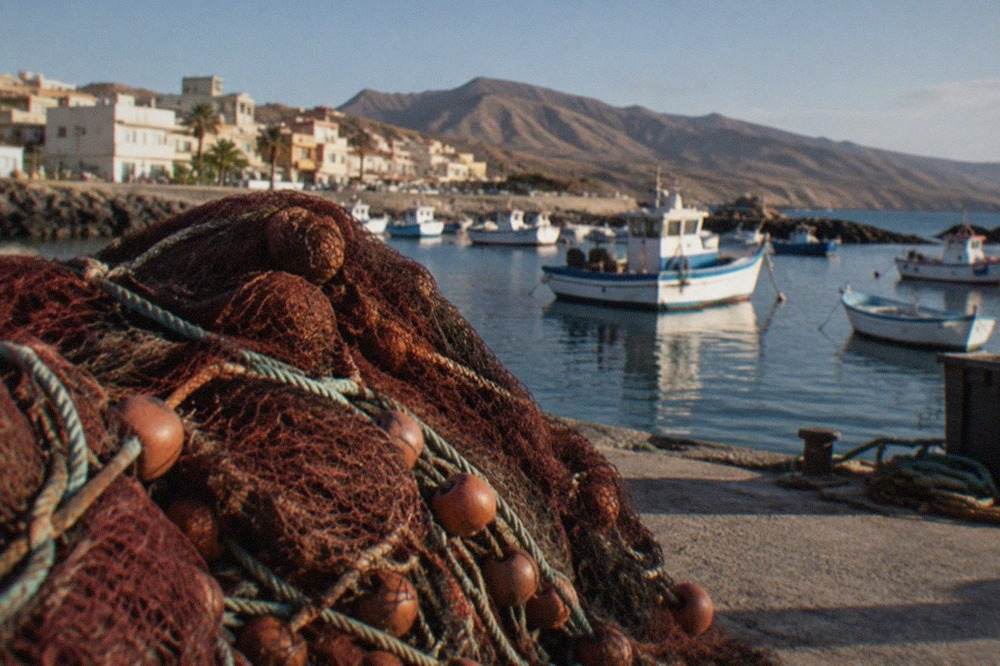
Las Galletas and Costa Del Silencio sit on Tenerife's quiet south-western corner of the Arona coast, a working fishing harbour next to a low-rise holiday spread that most visitors only meet when they are staying there.
Short answer
Las Galletas is a small fishing town in the municipality of Arona, on Tenerife's south coast, with Costa Del Silencio the low-rise resort beside it. The area trades on sea trips, a relaxed pace and proximity to the island's whale-watching coast rather than on nightlife or big beaches.
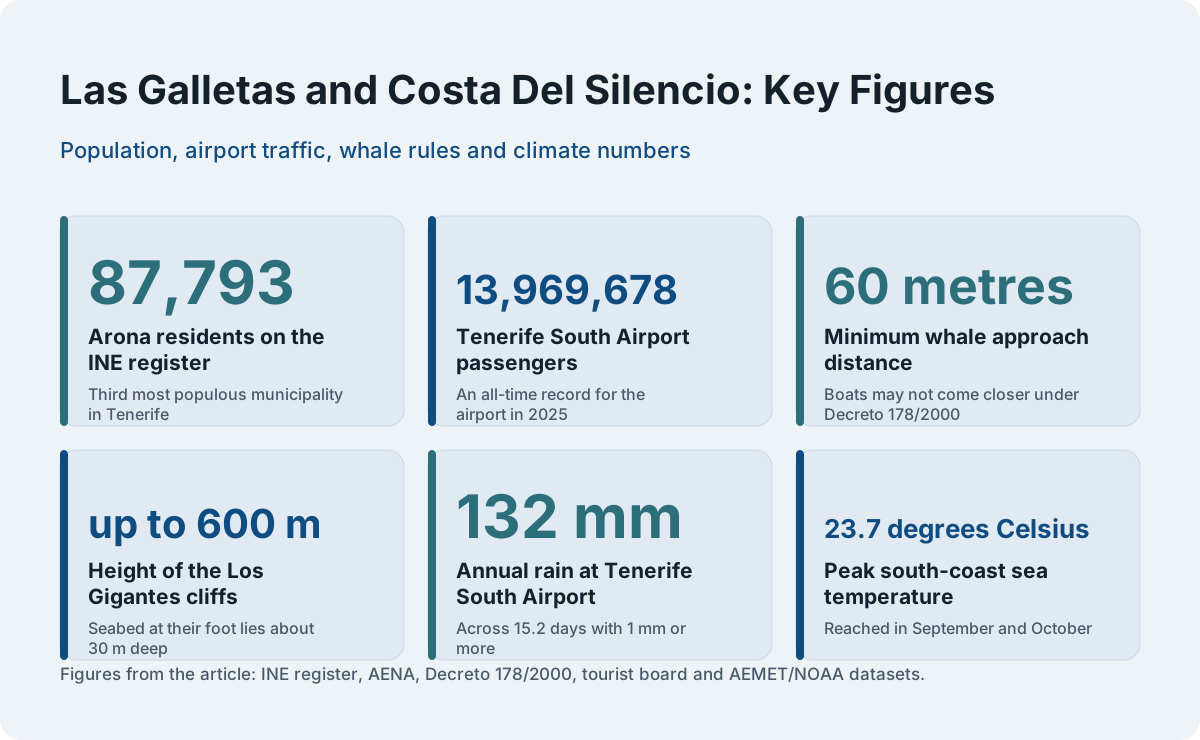
Las Galletas is a fishing harbour in the municipality of Arona, on the south coast of Tenerife, and Costa Del Silencio is the low-rise resort that grew up beside it. The tourist board's own figures place Arona third among the island's municipalities by population, 87,793 residents on the INE register, behind only Santa Cruz de Tenerife and La Laguna, yet the seafront here still runs at the pace of a working port rather than a purpose-built resort strip. That contrast is the area's whole appeal. This guide from Tenerife Travel Guide sets out what is verified about the place: what the coast offers, what the climate actually does month by month, how to move around without a car, and which official charges a visitor will genuinely meet.
Where Are Las Galletas and Costa Del Silencio?
Las Galletas is a coastal town in the municipality of Arona on Tenerife's south coast, with Costa Del Silencio the resort district immediately beside it. Arona is the island's third most populous municipality at 87,793 residents, and the area sits west of the better-known resort belt that runs from Los Cristianos through Costa Adeje.
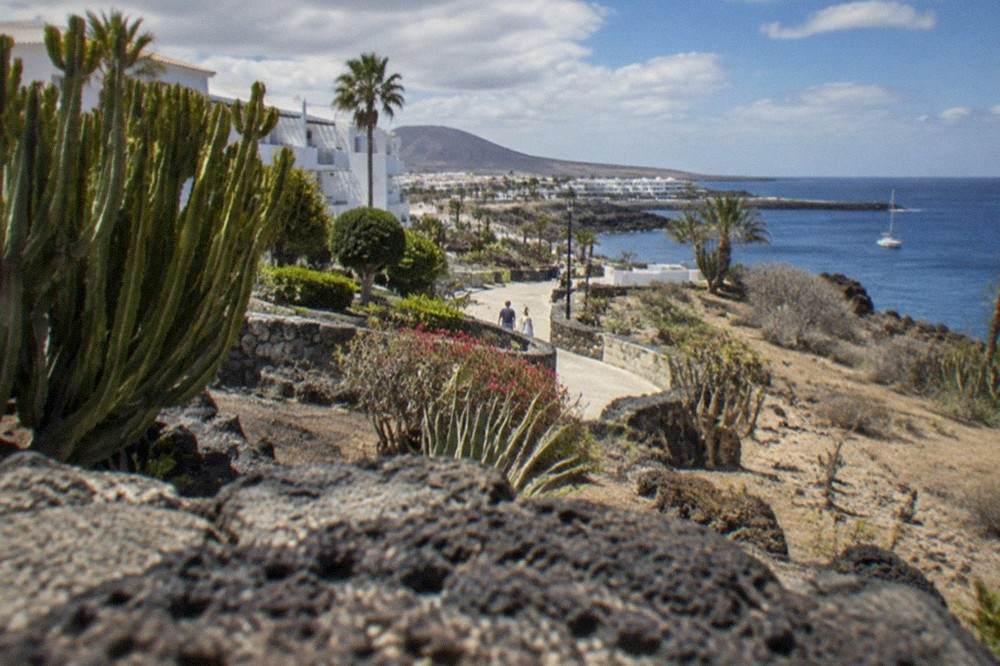
Arona's coastline holds several distinct characters, and this end of it is the quietest. The municipal register that the INE publishes lists Arona's population across a stretch of coast that includes the busy sands of Playa de las Vistas at one end and the harbour at Las Galletas at the other, and the two feel like different settlements even though a single council governs both. Costa Del Silencio, the "coast of silence", was laid out as a low-rise holiday development, and much of its housing stock is apartment blocks set among gardens rather than towers.
The nearest transport landmark is Golf del Sur, the golf-course settlement a short way up the coast toward Tenerife South Airport, AENA's Tenerife Sur, which handled 13,969,678 passengers in 2025, an all-time record. That airport is the reason this end of Arona exists in its present form: it is close, it is on the flat coastal shelf, and the resort belt grew westward from Los Cristianos toward it over decades.
What Kind of Base Is Costa Del Silencio for a Holiday?
Costa Del Silencio suits visitors who want a quiet, low-rise base within reach of the busy south-coast resorts but not inside them. It trades on self-catering apartments, sea trips from the nearby harbours and short hops to Los Cristianos and Costa Adeje, and it offers little in the way of nightlife or large beaches of its own.
The honest way to describe the area is as a residential resort rather than a destination in itself. Visitors who book here tend to spend their days elsewhere and their evenings at home, and that is a perfectly good plan: the roads south put the whole of the Arona coast within a short drive, and the bus network does the same job for anyone without a car. The comparison that matters for most readers is Los Cristianos vs Costa Adeje, because those two resorts bracket the choice, busy and family-geared respectively, and Costa Del Silencio sits as the quieter third option beside both.
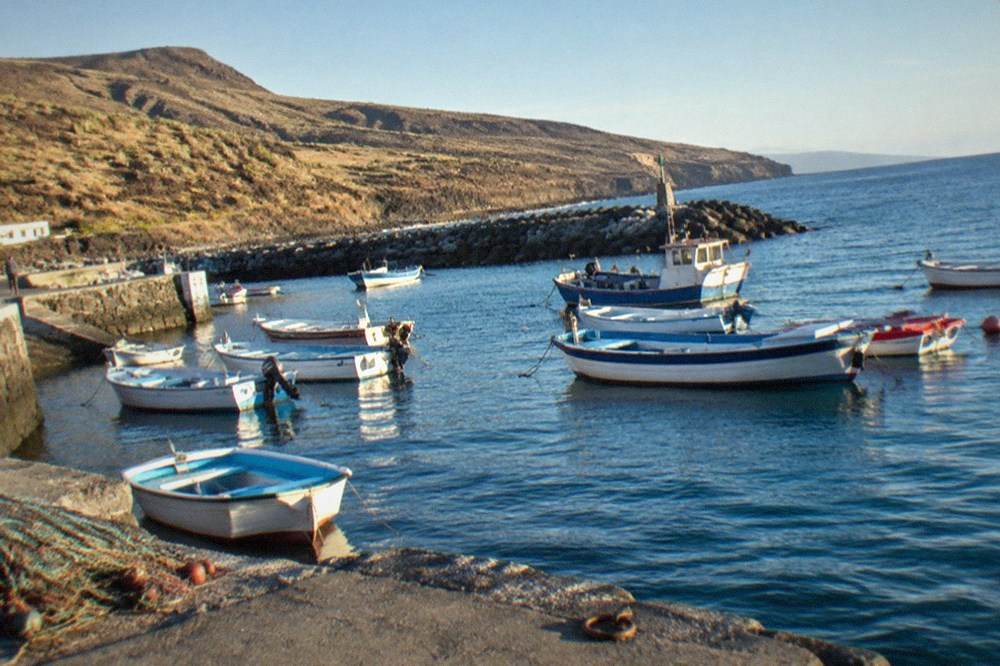
What the area does have on its own account is the sea. The harbour at Las Galletas is a genuine working port, and the south coast of Tenerife is one of the most reliably productive whale-watching coasts in Europe. The World Cetacean Alliance records the Tenerife-La Gomera marine area as a designated Whale Heritage Area since January 2021, noting a unique resident population of pilot whales, bottlenose dolphins and a migration stop for 21 other cetacean species, inside a Special Area of Conservation. That designation is the WCA's, and it is the reason the boat fleet here is as busy as it is.
For anyone weighing the quiet end of Arona against the livelier centres, the choice usually comes down to temperament. Costa Adeje carries the island's grey-sand flagship at Playa del Duque, the water parks and the beach clubs; Los Cristianos carries the ferry port and the biggest boat-trip fleet; Costa Del Silencio carries neither, and offers a slower daily rhythm in exchange.
What Can You Do on the Water Around Las Galletas?
The sea is the area's main attraction: scuba diving on the south coast's turtle sites, snorkelling, kayaking and boat trips all operate from harbours within a short distance of Costa Del Silencio, and the whale-watching fleet runs year-round under the Canary Islands' strict approach rules, which ban boats from coming within 60 metres of the animals.
The diving deserves the first mention because the south coast is where most of Tenerife's beginner diving happens. The listing for a first scuba experience with turtles describes a two-in-one try-dive and snorkelling session for ages 8 and up, rated 4.7 from 1,968 reviews, based in Costa Adeje, which is the next resort up the coast. No certificate is needed for a try-dive, which is the point of it.
For a diver who has never breathed underwater, the south coast's calm lee and turtle habitat are the reason operators base themselves here rather than on the windward side of the island. The wider picture of courses and sites is covered in the scuba diving roundup.
Boat trips, meanwhile, are governed by rules that a visitor can check with their own eyes. Decreto 178/2000 of the Canary government sets the approach distances for whale and dolphin watching, and article 15 of the same decree requires every authorised vessel to fly the Barco Azul, the Blue Boat flag, issued with the permit and renewed annually. The rules in full:
| Rule under Decreto 178/2000 | What It Means on the Water |
|---|---|
| No approach within 60 m | Boats may not come closer than 60 metres to a whale or dolphin |
| At most three boats within 500 m | Only three vessels may share the 500 m zone at once |
| 4 knots maximum within 500 m | Speed is capped inside the zone |
| No swimming or diving within 500 m | Entering the water near the animals is prohibited |
| No feeding, chasing or circling | Harassment behaviours are banned outright |
| Barco Azul flag required | Authorised boats must fly the flag, renewed each year |
A reader standing on a quay in the south can look for that flag before boarding, and it is the single quickest check that a trip is legal. The decree is the law of the Canary Islands, not a voluntary code, and the tourism department issues the flag with the permit itself.
Which Boat Trips Run from the Nearby Coast?
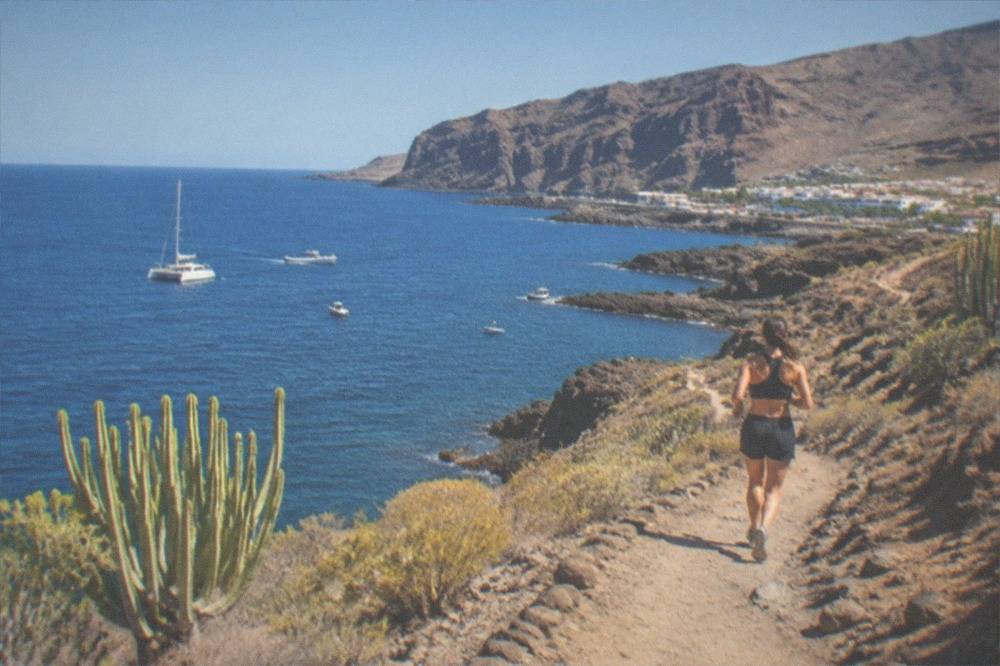
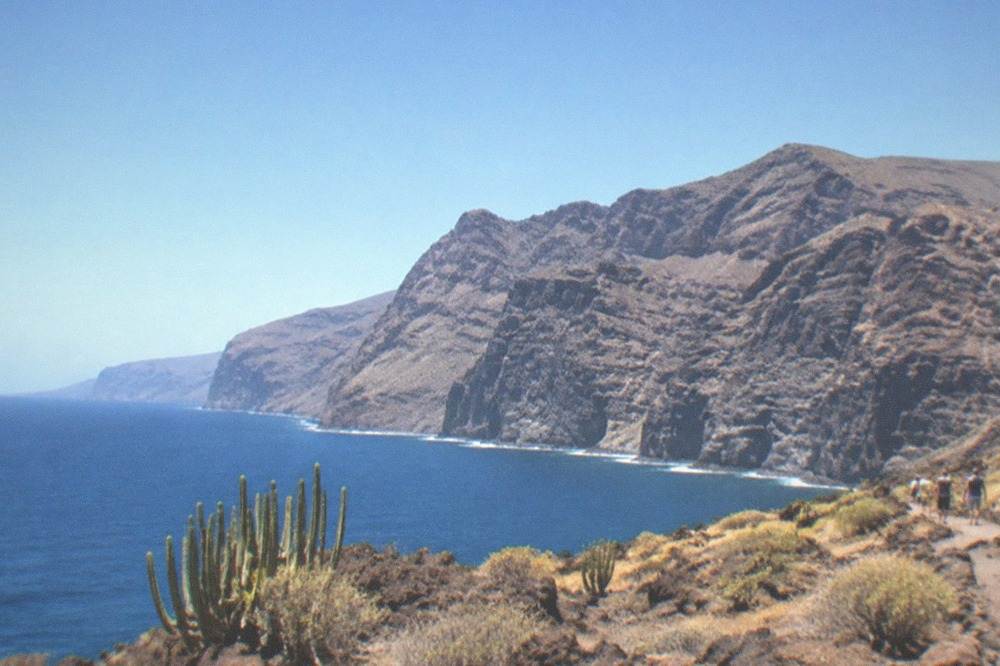
The main whale and dolphin trips run from Los Cristianos, Costa Adeje and Los Gigantes, all within reach of Costa Del Silencio, and the standout option for this coast is the cruise to the Los Gigantes cliffs, which the tourist board describes as towering up to 600 m, with a swim stop in a cove beneath them.
The cliffs at Los Gigantes are the single most dramatic feature of the south-west coast. The tourist board's wording is "up to 600 m", and it adds that the seabed at their foot lies about 30 m deep, inside Teno Rural Park. A boat is the only way to see them from below, and the listing for the dolphin and whale cruise with a swim stop, rated 4.7 from 5,673 reviews and two hours long, combines the two things this coast does best: cetaceans on the way out, a cove swim at the far end.
The wider fleet is covered in the site's whale and dolphin watching guide, which compares the catamarans, sailboats and small-boat options by harbour. What matters for a Costa Del Silencio reader is that every one of those harbours is a short hop along the same coast, so the choice of trip matters more than the choice of departure point.
What Is the Weather Like on This Coast?
The south coast around Costa Del Silencio is the driest part of Tenerife: AEMET's station at Tenerife South Airport records 132 mm of rain across the year on just 15.2 days with 1 mm or more, and July and August average zero rain days, while the sea off the south coast peaks at 23.7 degrees Celsius in September and October.
Those figures come from AEMET's climate normals for 1981 to 2010 at the airport station, which stands at 64 m, on the same coastal shelf as Costa Del Silencio. The contrast with the north of the island is the whole story of Tenerife's weather: the station at Tenerife North Airport, at 632 m, records 520 mm of rain on 64 days, roughly four times the south's rainfall on more than four times the rain days. A visitor who books the south coast is booking the arid side.
| Month | Mean Daily Max (C) | Mean Daily Min (C) | Rain (mm) | Rain Days of 1 mm or More | Sunshine Hours |
|---|---|---|---|---|---|
| Jan | 21.7 | 15.2 | 17 | 1.8 | 193 |
| Feb | 22.0 | 15.0 | 20 | 2.2 | 195 |
| Mar | 23.1 | 15.6 | 15 | 1.9 | 226 |
| Apr | 23.1 | 16.0 | 7 | 1.1 | 219 |
| May | 23.9 | 17.0 | 1 | 0.3 | 246 |
| Jun | 25.4 | 18.8 | 0 | 0.0 | 259 |
| Jul | 27.7 | 20.2 | 0 | 0.0 | 295 |
| Aug | 28.4 | 21.1 | 1 | 0.2 | 277 |
| Sep | 27.9 | 21.1 | 4 | 0.6 | 213 |
| Oct | 26.8 | 20.0 | 12 | 1.6 | 214 |
| Nov | 24.8 | 18.2 | 26 | 1.9 | 193 |
| Dec | 22.8 | 16.5 | 30 | 3.5 | 195 |
The sea temperatures are a separate dataset, NOAA's 1991 to 2020 series for the south coast, and the two periods should not be mixed in one sentence. The sea is at its warmest in September and October, at 23.7 degrees Celsius, and at its coolest in March, at 19.1 degrees:
| Month | Sea Surface Temperature (C) |
|---|---|
| Jan | 19.9 |
| Feb | 19.2 |
| Mar | 19.1 |
| Apr | 19.5 |
| May | 20.2 |
| Jun | 21.4 |
| Jul | 22.2 |
| Aug | 23.1 |
| Sep | 23.7 |
| Oct | 23.7 |
| Nov | 22.5 |
| Dec | 21.1 |
For swimmers and divers this is the practical difference between the seasons: the air is beach-warm almost all year, but the sea takes until late summer to reach its peak and holds that warmth through October. The month-by-month picture for the whole island, including what these numbers mean for crowds and prices, is in the site's weather by month guide.
Can You Stay Here Without a Car?
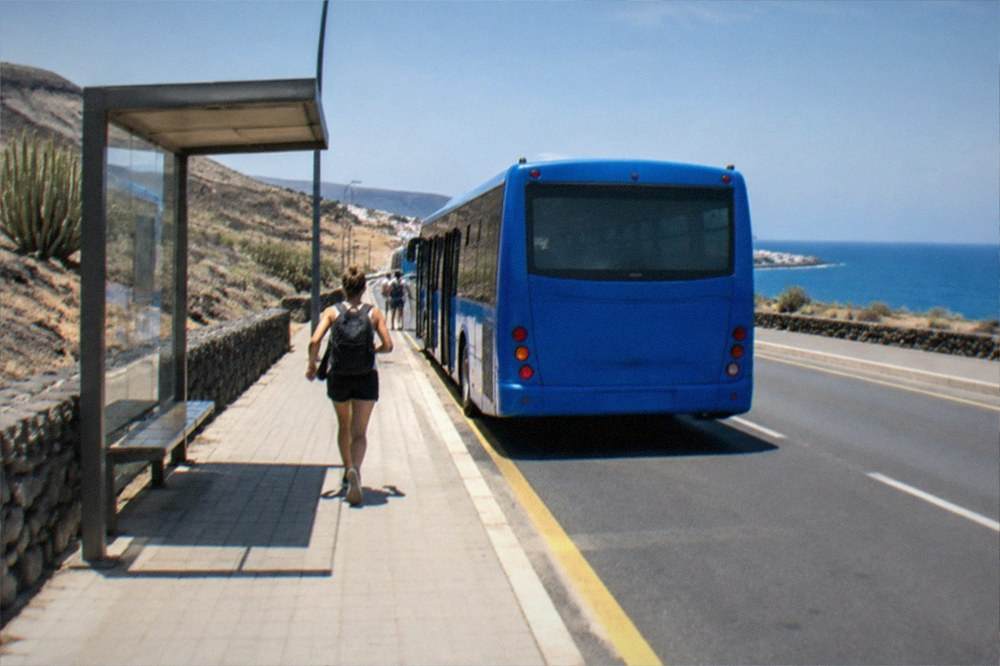
Yes. TITSA buses serve this coast, visitors pay normal fares, and the EUR 10 day travelcard and EUR 50 seven-day travelcard are the two products designed for exactly this kind of stay. Public transport is not free for visitors: the 2026 subsidy covers resident passes only, and it requires residency in the Canary Islands and a personalised Ten+ card.
The subsidy question causes more confusion than any other transport fact on the island, so it is worth stating precisely. The Canary government confirmed a 100% subsidy on passes and multi-trip tickets for 2026, in force since 1 January 2026, but every subsidised pass requires residency: the monthly pass is for residents of the Canary Islands, the youth pass for residents under 30, the child card for residents of Tenerife under 10. A holidaymaker in Costa Del Silencio does not qualify. What visitors buy instead:
| TITSA Product | Price | Notes |
|---|---|---|
| Single ticket | Priced by route, card or cash | The default fare |
| Same-day return | 10% off on trips of 20 km or more | Round trips only |
| Day Travelcard | EUR 10 | One day of unlimited TITSA travel |
| 7 Day Travelcard | EUR 50 | A week of unlimited TITSA travel |
| Ten+ card | EUR 2, wallet top-ups EUR 2 to EUR 100 | Sold at airport ticket machines |
The day and seven-day travelcards are the sensible buys for a Costa Del Silencio stay, because the buses along this coast connect the area to Los Cristianos, Costa Adeje and the airport. The tram does not serve this part of the island at all; Metrotenerife's tram runs between Santa Cruz and La Laguna in the north-east, and no tram line reaches either airport, so airport transfers here are a bus, a taxi or a transfer. Taxis on the island are white and metered from the start of the trip, with a fixed price negotiable in advance for excursions.
Where Should You Stay in Las Galletas and Costa Del Silencio?
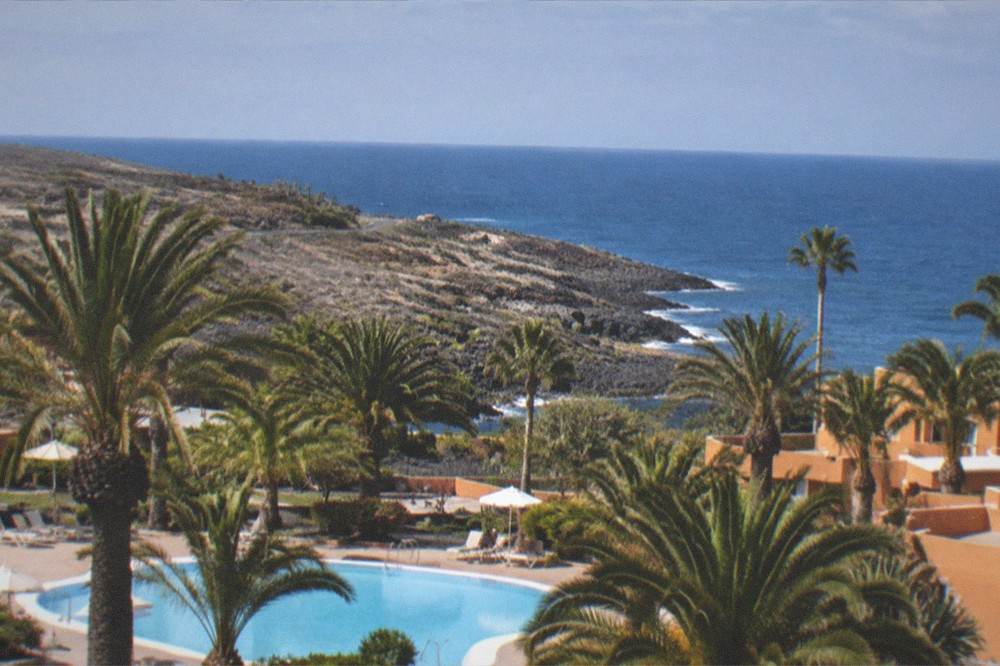
The area's stock is overwhelmingly self-catering apartments and small complexes rather than large hotels, which keeps it cheaper and quieter than Costa Adeje, and the practical choice is between a seafront block in Las Galletas near the harbour and a garden complex in Costa Del Silencio a short walk inland.
Neither option is a resort-hotel experience, and readers who want pools, entertainment programmes and on-site restaurants should look up the coast at Costa Adeje instead. What Costa Del Silencio offers is space and calm, and the visitors who return to it year after year do so for exactly that. Anyone comparing accommodation across the island can browse stays across Tenerife to weigh the two ends of the Arona coast against each other.
Families have a specific calculation here. The big parks, Siam Park and Aqualand Costa Adeje, sit up the coast at Costa Adeje, reachable by bus or a short drive, and the Loro Parque entry ticket, rated 4.8 from 14,633 reviews, is a full day out in Puerto de la Cruz at the far end of the island. A Costa Del Silencio base with a hire car or a bus pass handles both, but a family whose holiday revolves around the water parks may prefer to stay beside them.
What Rules and Charges Should Visitors Know About?
There is no tourist tax on Tenerife: no official page shows a per-night lodging tax in force or approved. The charges that do exist are per-booking fees on specific trails and sites, namely the Teide summit trail, the Montana Blanca trail, the Masca gorge and Barranco del Infierno, none of which is anywhere near Costa Del Silencio.
That is the honest summary, and it matters because plenty of pages claim otherwise. The fees on Teide's two booked trails apply from 19 January 2026: on the summit trail PNT 10, the 09:00 to 17:00 slots cost EUR 15 for visitors and EUR 6 for residents of the other Canary Islands, free only for Tenerife residents and children. On trail PNT 07, Montana Blanca, the daytime slots cost visitors EUR 6 on working days and EUR 10 at weekends and public holidays. Driving through the national park, the viewpoints and the other trails carry no charge on any official page read.
| Official Charge | Who Pays What |
|---|---|
| Teide summit trail PNT 10, 09:00 to 17:00 slots | Visitors EUR 15, other Canary residents EUR 6, Tenerife residents and children free |
| Teide trail PNT 07, working days 09:00 to 17:00 | Visitors EUR 6, other Canary residents EUR 3, Tenerife residents free |
| Teide trail PNT 07, weekends and public holidays | Visitors EUR 10, other Canary residents EUR 5, Tenerife residents free |
| Masca gorge ticket | EUR 40.66 general, boat not included, Tenerife residents free |
| Barranco del Infierno | EUR 15 non-resident adult, EUR 5 Canary residents, booking compulsory |
Two further rules affect a south-coast holiday. The Canaries apply IGIC rather than mainland VAT, and the tax agency's table shows 7% on everyday goods, with non-resident travellers able to claim it back through the form 403 process. And entry formalities for UK and US visitors are handled by the EU's Entry/Exit System, which began on 12 October 2025 and has been fully operational since 10 April 2026, registering a facial image and fingerprints instead of a passport stamp. ETIAS, the separate travel authorisation, is not in operation, and the EU says no applications are being collected at this point; its fee will be EUR 20.
What Day Trips Work from Costa Del Silencio?
The whole island is reachable on a day trip from this coast: Teide National Park lies up the road to the north, Los Gigantes and the Masca country sit to the west, and the ferry to La Gomera leaves from Los Cristianos, with Fred. Olsen Express listing the crossing to San Sebastian de La Gomera at 50 minutes.
The Teide day trip is the classic, and the south coast is its natural starting point. The national park was declared by decree on 22 January 1954 and covers 18,990 hectares, and UNESCO inscribed it as a World Heritage Site on 2 July 2007. Spain's own sources put the peak at 3,715 m, the highest point on Spanish soil, and UNESCO adds that rising 7,500 m above the ocean floor it is regarded as the world's third-tallest volcanic structure. The full route from this end of the island is mapped in the site's Teide from the south guide.
Westward, the coast road reaches Los Gigantes and the Teno country, the Masca, Garachico and Icod route beyond it. Anyone planning to walk the Masca gorge itself needs to know the current regime before setting out: the descent is open under a pilot scheme with a pre-booked boat exit, the general ticket is EUR 40.66 with the boat extra, hikers must arrive on TITSA line 355 from Santiago del Teide and show the bus ticket, and private vehicles are refused. Sea conditions can close the pier and void the day's ticket, and closed mountain footwear is a condition of entry.
The ferries add two more islands. From Los Cristianos, Fred. Olsen Express lists San Sebastian de La Gomera at 50 minutes, Santa Cruz de La Palma at 150 minutes and Valverde on El Hierro at 140 minutes, so even La Palma is a long but possible day out. The island-hopping options are compared in the site's island hopping and ferries guide.
Common Questions About Las Galletas and Costa Del Silencio
Is Costa Del Silencio good for a quiet holiday?
Yes. The area is low-rise and residential in character, built around apartment complexes rather than hotel towers, and it sits apart from the nightlife and beach-club scene of Costa Adeje and Playa de las Americas. Visitors who want entertainment on their doorstep should look up the coast instead.
Which airport is closest to Las Galletas?
Tenerife South, AENA's Tenerife Sur, is the closest airport, on the same coastal shelf a short distance up the road. It handled 13,969,678 passengers in 2025, an all-time record. TITSA's airport page lists bus lines 10, 40, 711, 343 and 415 serving Tenerife South.
Can you watch whales from this part of the coast?
Boat trips run from the harbours at Los Cristianos and Costa Adeje, both a short hop along the same coast. The Tenerife-La Gomera marine area has been a designated Whale Heritage Area of the World Cetacean Alliance since January 2021, with a resident population of pilot whales and bottlenose dolphins. Look for the Barco Azul flag before boarding: authorised boats must fly it under Decreto 178/2000.
Is there a tourist tax on Tenerife?
No. No official page shows a per-night lodging tax in force or approved on Tenerife. The charges that do exist are per-booking fees on specific sites: the Teide trail fees, the Masca gorge ticket at EUR 40.66 and the Barranco del Infierno ticket at EUR 15 for non-resident adults.
Are the buses free for visitors in Tenerife?
No. The 2026 100% subsidy on public transport applies to resident passes only, and every subsidised pass requires residency in the Canary Islands with a personalised Ten+ card. Visitors pay single fares, the EUR 10 day travelcard or the EUR 50 seven-day travelcard.