Palmetum of Santa Cruz
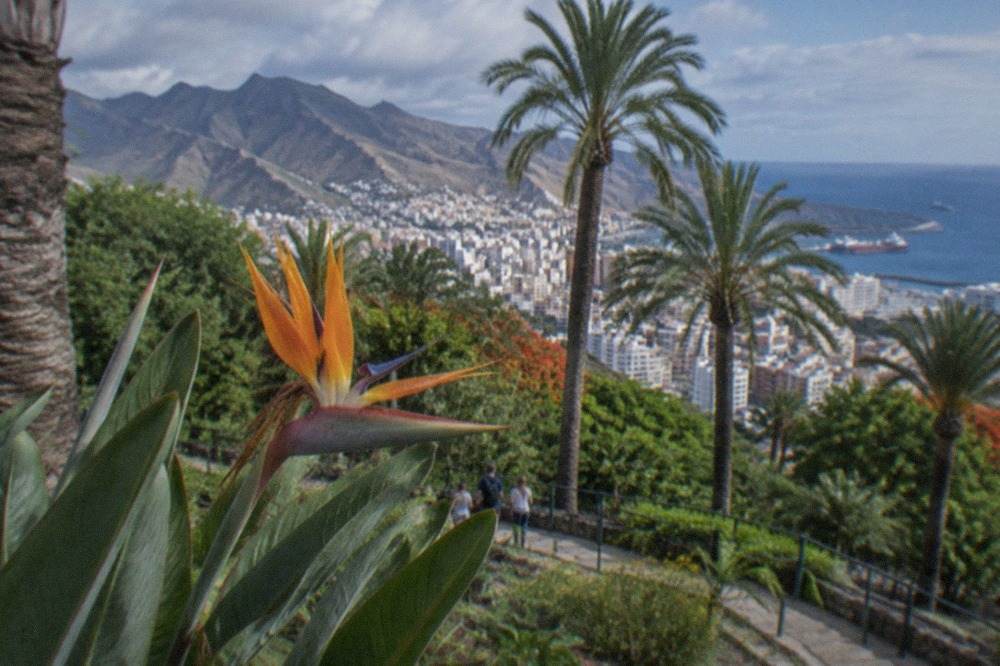
The Palmetum of Santa Cruz is Tenerife's botanical garden dedicated to palms, set on a hillside above the island's capital. This guide covers how to reach it by tram or bus, when the Santa Cruz climate is at its best, and what else to see within the city on the same day.
Short answer
The Palmetum of Santa Cruz is a botanical garden in the island's capital that specialises in palms, reachable by the island's tram and bus network. No entry fee or opening hour is published in this site's verified research, so confirm current prices and times with the venue before travelling.
The Palmetum of Santa Cruz is one of the quieter names on Tenerife's list of gardens, and that is exactly its appeal for a certain kind of visitor. The island's capital holds a botanical collection given over almost entirely to palms, on a hillside site that looks out over the city and the Atlantic. This editorial desk has not walked its paths, and no entry price, opening hour or collection size for the venue appears in this site's verified research, so this guide does what a planning guide should do instead: it covers everything around the visit that can be checked against an official source, and tells you plainly where you need to confirm details with the venue itself.
Santa Cruz de Tenerife is a working capital of 211,957 people, per the INE municipal register, and it is the island's transport hub in a way the resort south never is. The Santa Cruz de Tenerife area guide covers the city in full; this page stays on the garden and the practical questions around it. What follows is arranged around the questions a reader actually asks: what the place is, how to reach it, when to go, and what to combine it with.
What Is the Palmetum of Santa Cruz?
The Palmetum is a botanical garden in Santa Cruz de Tenerife that specialises in palms, occupying a hillside site above the capital with views over the city and the sea. It is a plant collection first and a park second, run as a scientific and municipal institution rather than a theme attraction, and it stands apart from Tenerife's animal parks and water parks in that the plants themselves are the whole point.
That distinction matters when you are planning. Tenerife's headline attractions divide fairly cleanly into three kinds: the natural landscapes of Teide National Park and Anaga Rural Park, the commercial parks of the south coast such as Siam Park and Loro Parque, and the city institutions of the capital. The Palmetum sits in the third group, alongside the Jardin Botanico in Puerto de la Cruz as one of the island's two serious botanical collections.
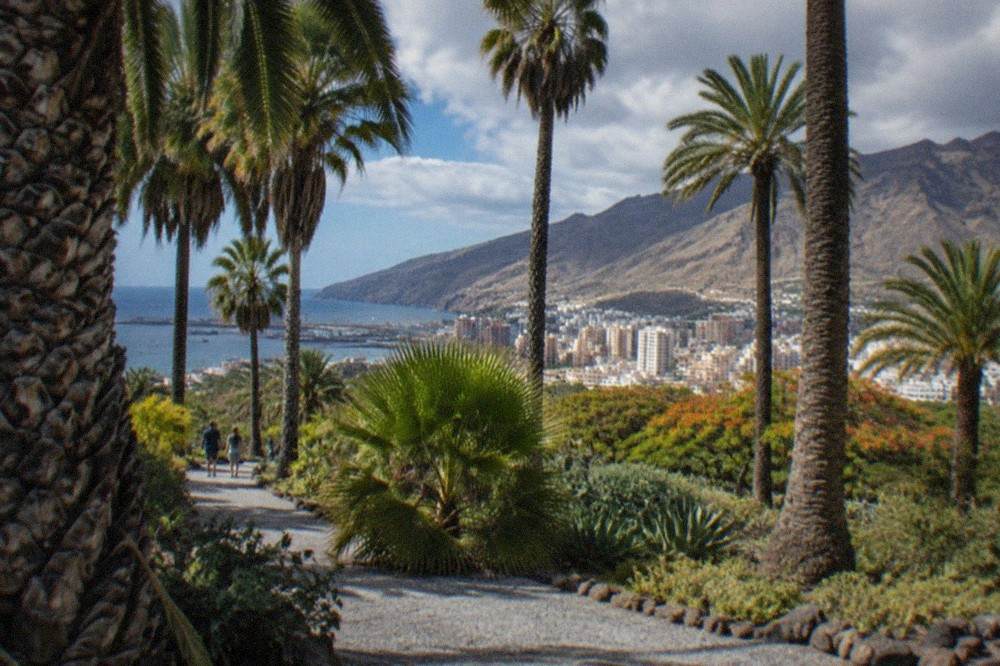
Because no verified fact packet exists for the venue itself, this desk states no figure about it: no price, no opening hour, no collection count, no site area. Those details change, and a planning page that prints a stale number does the reader a disservice. The honest instruction is simple: check the venue's own current pages for admission and hours before you travel, and treat anything you read on a third-party site, including older guidebooks, as needing the same check.
What can be said in general terms is why a palm collection makes sense here at all. The Canary Islands sit in the subtropical Atlantic, and AEMET's climate normals for Santa Cruz record a mean daily maximum of 21 to 29 degrees Celsius across the twelve months, with the coldest month's mean daily minimum still above 15 degrees. That is a climate in which palms from many parts of the world can live outdoors year-round, which is the working condition a garden like this depends on.
How Do You Get to the Palmetum?
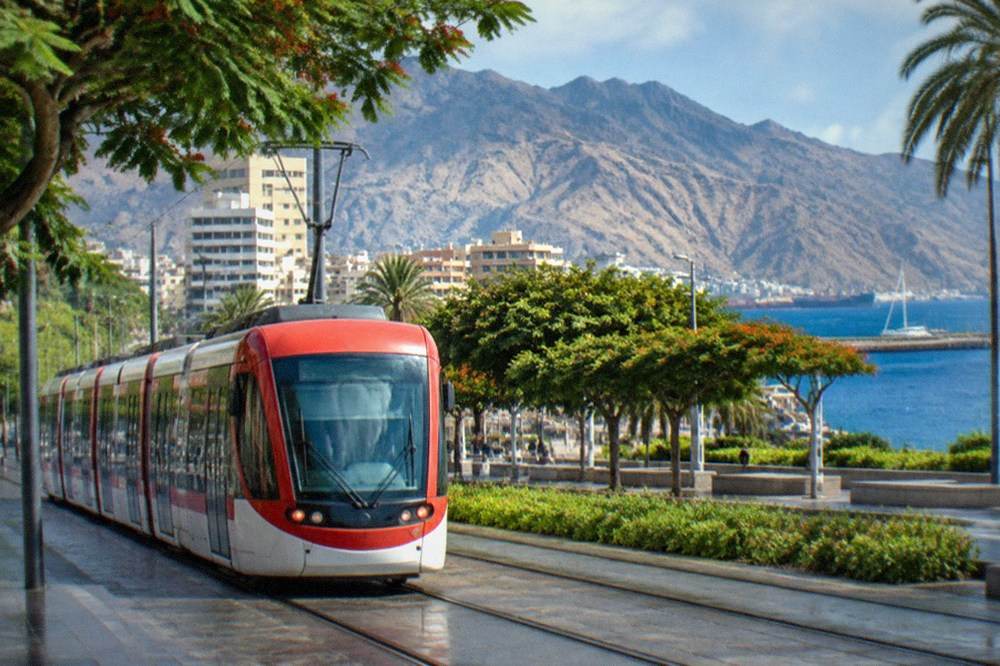
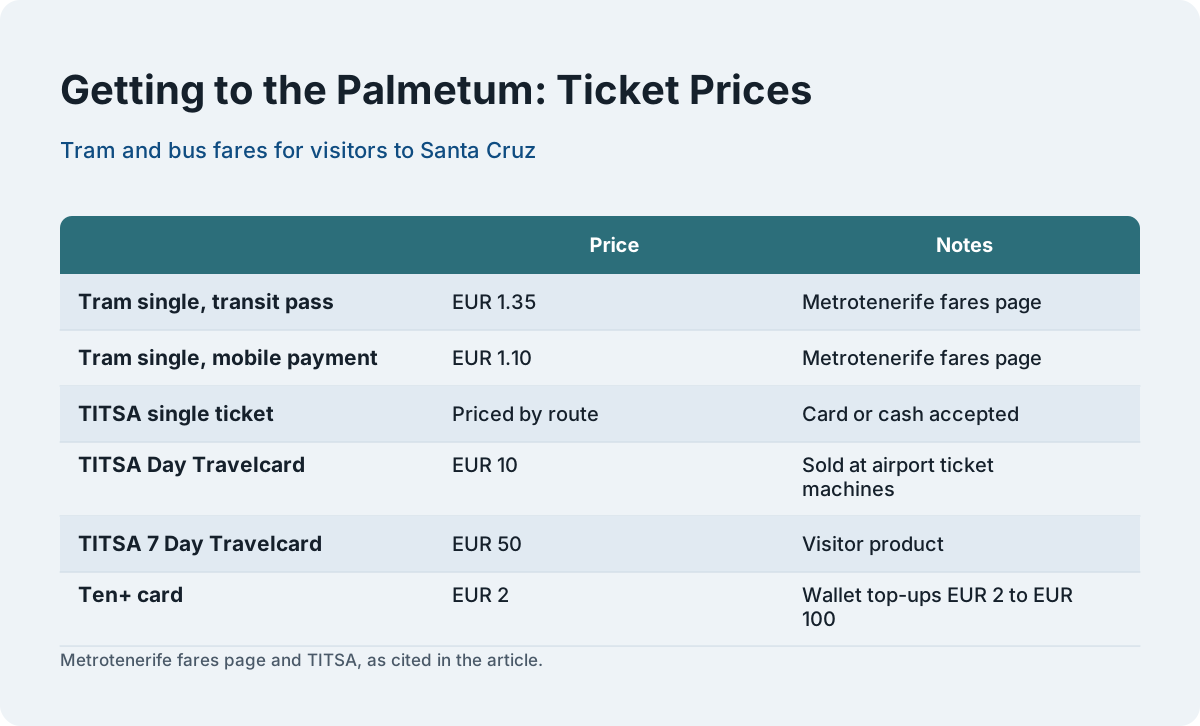
Santa Cruz is the one city on Tenerife with a tram, and Metrotenerife's fares page lists a single tram ticket at EUR 1.35 on a transit pass or EUR 1.10 paid by mobile, while TITSA buses take single tickets priced by route plus a EUR 10 day travelcard and a EUR 50 seven-day travelcard for visitors. No tram line or bus route is stated on the venue's own pages in this site's research, so confirm the stop closest to the garden with Metrotenerife or TITSA before travelling.
The tram is the capital's signature piece of transport, and the Tenerife tram guide covers the network in detail. One point from the verified facts is worth repeating here because so many pages get it wrong: the tram serves neither of Tenerife's two airports. TITSA's own airport pages list lines 10, 40, 711, 343 and 415 at Tenerife South and lines 20, 30 and 343 at Tenerife North, and those buses are the airport connections that exist.
| Ticket | Price | Notes |
|---|---|---|
| Tram single, transit pass | EUR 1.35 | Metrotenerife fares page |
| Tram single, mobile payment | EUR 1.10 | Metrotenerife fares page |
| TITSA single ticket | Priced by route | Card or cash accepted |
| TITSA Day Travelcard | EUR 10 | Visitor product, sold at airport ticket machines |
| TITSA 7 Day Travelcard | EUR 50 | Visitor product |
| Ten+ card | EUR 2 | Wallet top-ups EUR 2 to EUR 100 |
A word on the "free public transport" claims you may have seen. The Canary government did announce a 100% subsidy on passes and multi-trip tickets, in force since 1 January 2026, but Metrotenerife's fares page is explicit about who qualifies: every subsidised pass requires residency in the Canary Islands, held on a personalised Ten+ card. Visitors do not qualify. What visitors buy are the single tickets and travelcards in the table above, and the Teide and Teno bus lines are excluded from the resident passes altogether.
Driving is the other option, and the driving in Tenerife guide covers road rules, the 0.5 g/l blood-alcohol limit the DGT page refers to, and petrol stations. Santa Cruz is the end of the island's motorway spine from the south, and the car hire in Tenerife guide is the place to weigh whether a car makes sense for a city day at all. For a garden visit inside the capital, the tram and bus answer is usually the simpler one.
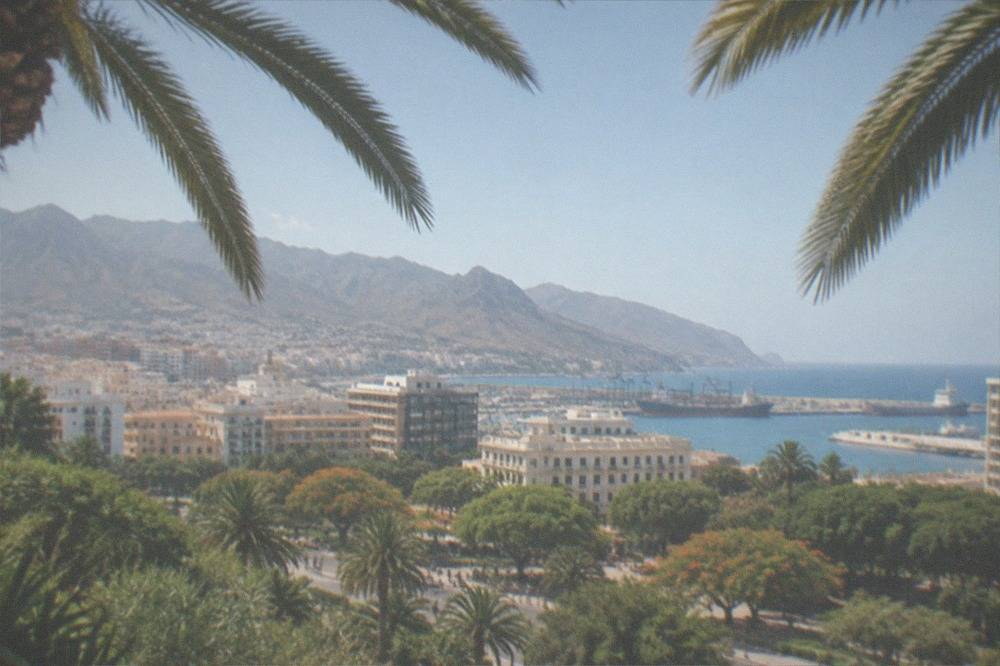
Taxis are white, metered from the start of the trip, and a fixed price can be agreed in advance for excursions, per the tourist board's taxi page. For cruise passengers the practical note is different: ships call at the cruise port in Santa Cruz, and no berth, terminal or walking time from the port to the garden is stated in this site's verified research, so plan the connection with the port's own information rather than a guess.
When Is the Best Time to Visit the Palmetum?
AEMET's climate normals put Santa Cruz's mean daily maximum between 21 and 29 degrees Celsius in every month of the year, with July and August the warmest at 28.7 and 29 degrees, so there is no month when the city is too cold for a garden visit; the real variables are rain, which peaks in November to February, and crowd pressure, which follows the island's air-arrival figures rather than the weather.
The table below is AEMET's own data for the Santa Cruz station at 36 metres, normals for 1981 to 2010. Read the rain column against the sunshine column and a pattern appears: the wet months are also the dull ones, while the May to September stretch is close to rainless.
| Month | Mean daily max C | Mean daily min C | Rain mm | Days with 1 mm or more | Sunshine hours |
|---|---|---|---|---|---|
| Jan | 21.0 | 15.4 | 32 | 4.2 | 178 |
| Feb | 21.2 | 15.3 | 35 | 3.8 | 186 |
| Mar | 22.1 | 15.9 | 38 | 3.8 | 221 |
| Apr | 22.7 | 16.5 | 12 | 2.4 | 237 |
| May | 24.1 | 17.8 | 4 | 0.9 | 282 |
| Jun | 26.2 | 19.5 | 1 | 0.2 | 306 |
| Jul | 28.7 | 21.2 | 0 | 0 | 337 |
| Aug | 29.0 | 21.9 | 2 | 0.3 | 319 |
| Sep | 28.1 | 21.7 | 7 | 0.9 | 253 |
| Oct | 26.3 | 20.3 | 19 | 3.1 | 222 |
| Nov | 24.1 | 18.4 | 34 | 4.7 | 178 |
| Dec | 22.1 | 16.6 | 43 | 5.4 | 168 |
For a garden, the shoulder months are the ones the numbers point to. April and May combine mean daily maxima of 22.7 and 24.1 degrees with 12 and 4 mm of rain respectively, and October still holds a mean maximum of 26.3 degrees with only 19 mm of rain. The sea tells the same story: NOAA's 1991 to 2020 sea-surface normals for the south coast run from 19.1 degrees in March to 23.7 in September and October, so the shoulder season is also the comfortable swimming season if you plan to add a beach.
| Month | Sea surface C | Month | Sea surface C |
|---|---|---|---|
| Jan | 19.9 | Jul | 22.2 |
| Feb | 19.2 | Aug | 23.1 |
| Mar | 19.1 | Sep | 23.7 |
| Apr | 19.5 | Oct | 23.7 |
| May | 20.2 | Nov | 22.5 |
| Jun | 21.4 | Dec | 21.1 |
Crowd pressure is a separate question, and the tourist board's arrival series answers it. Tourists arriving by air, excluding Canary Islands residents, numbered 649,614 in January 2026 against 518,359 in May 2026, so the winter half of the year carries visibly more arrivals than the late spring. A city garden is less exposed to that than a beach or a water park, but if you want the paths to yourself, the May and June numbers are the quiet end of the series.
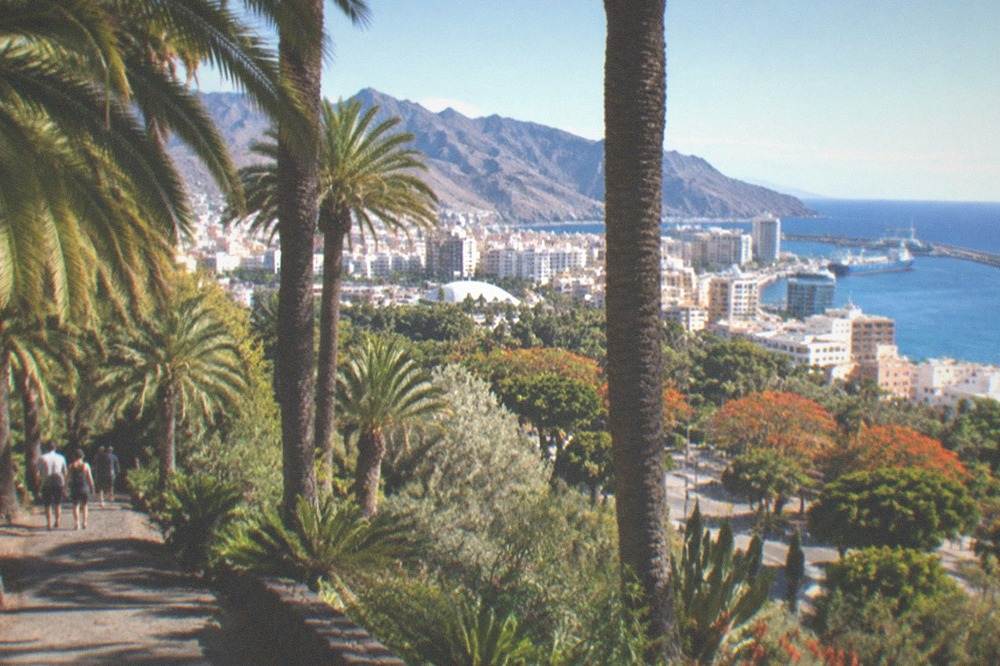
One timing question is worth settling in advance rather than on the day: how the garden fits a wider Santa Cruz itinerary. A half-day in the city can carry the garden, the Mercado Nuestra Senora de Africa and a look at the waterfront, and the one day in Tenerife cruise port itinerary is the ready-made version of that plan for visitors arriving by ship.
What Else Should You See Near the Palmetum?
Santa Cruz packs more official-sourced sights into a small area than any other municipality on the island: the Auditorio de Tenerife, a Santiago Calatrava building inaugurated in 2003 with 23,000 square metres of floor space, the Basilica of Candelaria with its 45-metre tower, and Las Teresitas, the golden-sand beach at San Andres with palms and breakwaters, all sit within the capital's reach.
The table below gathers what the official pages actually say about the city's headline sights, so you can sort the must-sees from the maybe-sees without a second search.
| Sight | What the official page states |
|---|---|
| Auditorio de Tenerife | Santiago Calatrava design, inaugurated 2003, 23,000 m2, white trencadis skin |
| Basilica of Candelaria | Enrique Marrero Regalado, built 1959, 45 m tower, 25 m cupola, dedicated to the patron saint of the archipelago |
| Las Teresitas | Golden sand, palm trees, breakwaters that calm the water, at San Andres |
| Mercado Nuestra Senora de Africa | The capital's main market, covered in its own attraction page on this site |
| Palmetum of Santa Cruz | Botanical garden specialising in palms; confirm hours and admission with the venue |
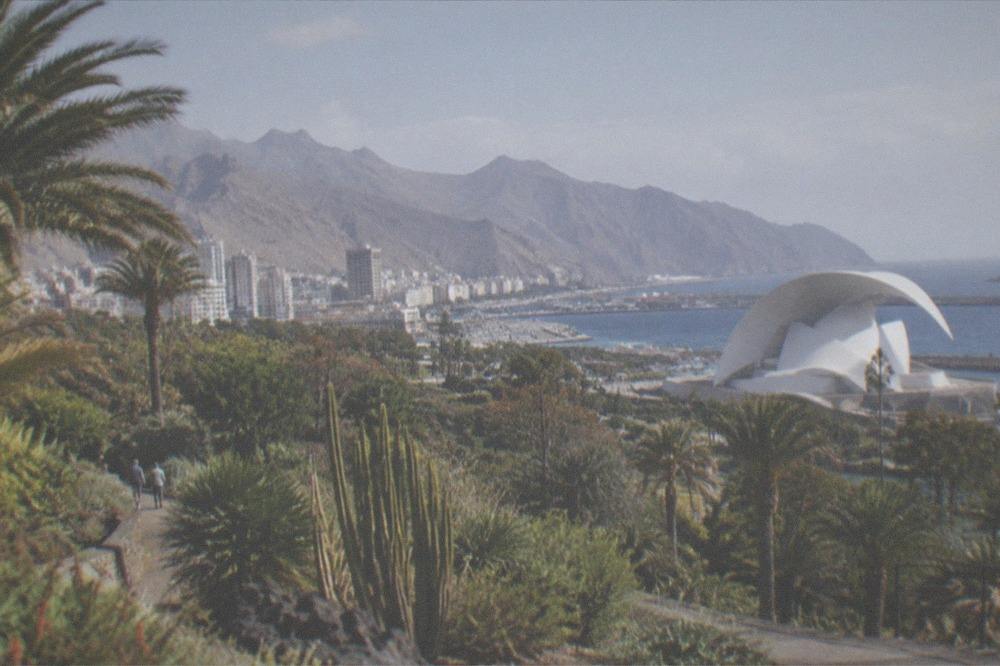
Two of those deserve a line of context. The Auditorio is the building on every Santa Cruz postcard, and the official venue page's own figures, the architect, the year and the floor area, are the ones printed above. The Basilica of Candelaria sits a short bus ride along the east coast rather than in the city centre; the original carving of the Virgin was lost in a flood in 1826 and the current image dates from 1827, which is the kind of detail that changes how you look at the interior.
For visitors who like their sightseeing guided, the city has a free option that this desk can name precisely because it is free: the Free Tour of the Historic Center of Santa Cruz de Tenerife, a pay-what-you-want walking tour listed on GuruWalk, rated 4.81 from 233 English-language reviews and running about two hours. GuruWalk is named here because a free, tip-based walk cannot be described honestly without saying whose it is. It pairs naturally with a garden visit, since one covers the old centre and the other covers the hillside.
If the garden leaves you with an appetite for Tenerife's plant life beyond palms, the comparison worth making is with the Jardin Botanico in Puerto de la Cruz, the island's older botanical institution. The two gardens bookend a north-coast day: the Palmetum in the capital, the Jardin Botanico beside the old resort town, with the North Tenerife road trip itinerary as the ready-made route between them.
Is the Palmetum Worth It on a Cruise Day?
For a cruise visitor with one day, a Santa Cruz garden visit is a low-effort addition to a port day, because the city's sights cluster around the port and the tram and bus network links them; the trade-off is time, since the island's headline landscape, Teide National Park, sits inland, and a short port day rarely carries both the city and the volcano.
The shore-excursion roster on this site reflects that trade-off. The From Santa Cruz: Teide Volcano, Icod, & Garachico Tour is the small-group option built around the port, rated 4.9 from 275 reviews over seven hours, and it spends its day inland rather than in the city. A visitor who books it is choosing the volcano, the dragon tree at Icod and Garachico's lava-buried old port over the capital's gardens, and that is a defensible choice on a first and possibly only Tenerife day.
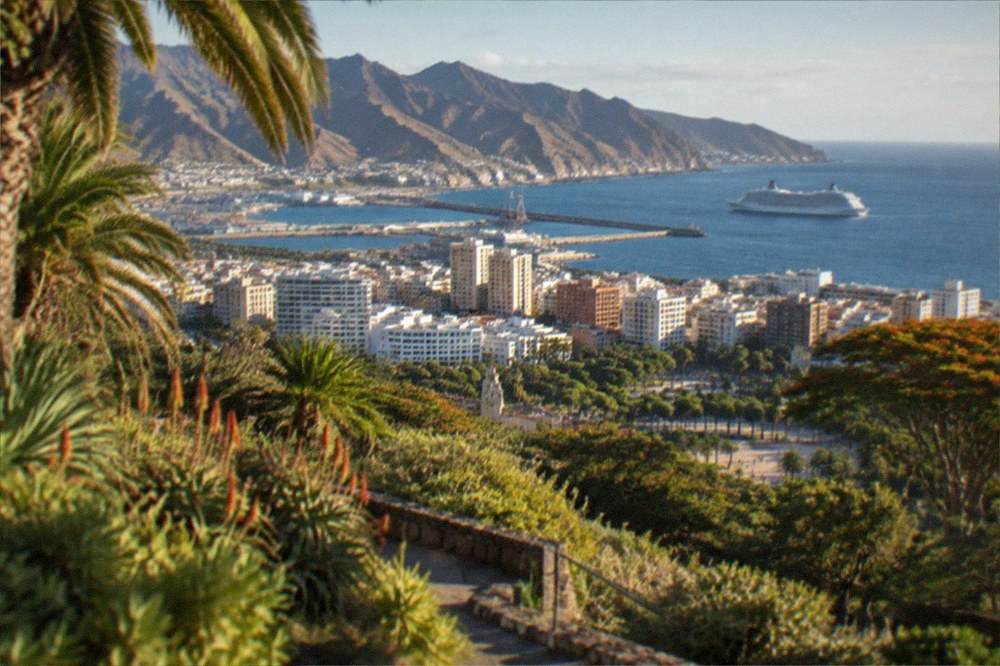
The counter-argument is the one a garden exists to make. Tenerife took 7,561,659 tourists in 2025 by the tourist board's all-tourists measure, and the overwhelming majority of them spent their days in the south's parks and beaches or on the Teide road. A capital garden is the island at its least crowded, and a visitor who has already done a volcano day, or who prefers plants to queues, gets more from an hour above Santa Cruz than from a second lap of the same viewpoints.
Cruise visitors should also know what does not exist. There is no tourist tax on Tenerife: no official page read shows a per-night lodging tax in force or approved, and the charges that do exist are the per-booking trail fees on Teide's PNT 10 and PNT 07, the Masca ticket and the Barranco del Infierno ticket. And the UK and US entry picture is settled for now: ETIAS is, in the EU's own words, "currently not in operation and no applications for travel authorisations are collected at this point", with the fee set at EUR 20 when it launches and no start date announced. The entry requirements for Tenerife answer page carries the full detail.
How Does the Palmetum Fit a Longer Tenerife Trip?
A garden visit slots most naturally into days two or three of a longer stay, after the volcano day and before the beach days, and the itineraries on this site treat Santa Cruz as the half-day or full-day city block of a wider route; the Palmetum, the market and the Auditorio together fill one of those blocks comfortably, leaving the island's harder-to-reach landscapes for the days either side.
The 3 days in Tenerife itinerary and its longer siblings each carry a city day, and the garden is the kind of stop that improves one without displacing anything. For a family trip the calculus is different: the Tenerife with kids itinerary leans on the parks and boat trips, and a botanical garden competes with those for attention rather than complementing them.
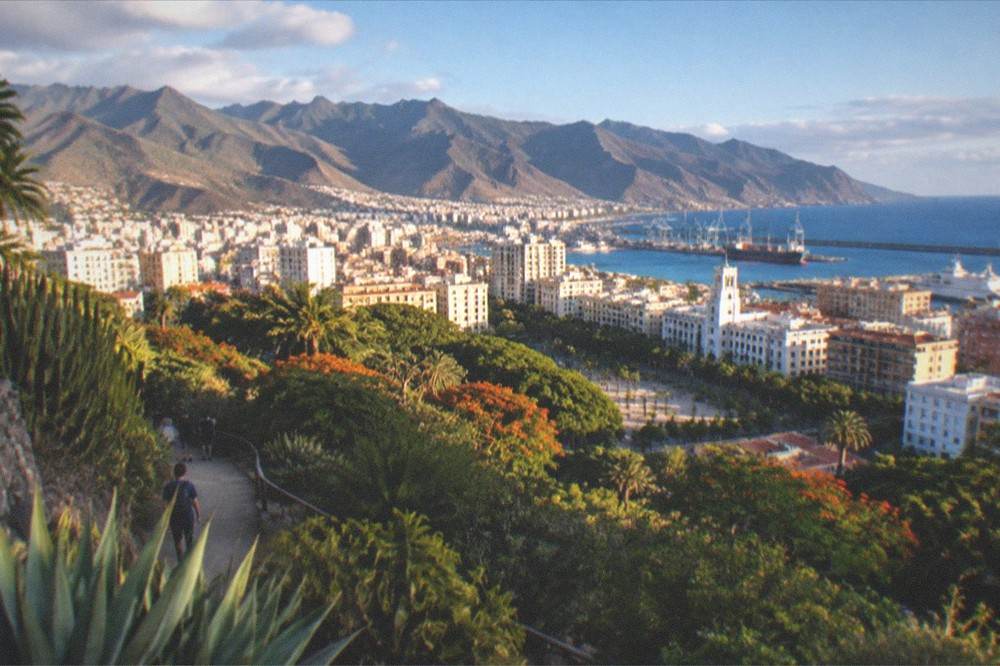
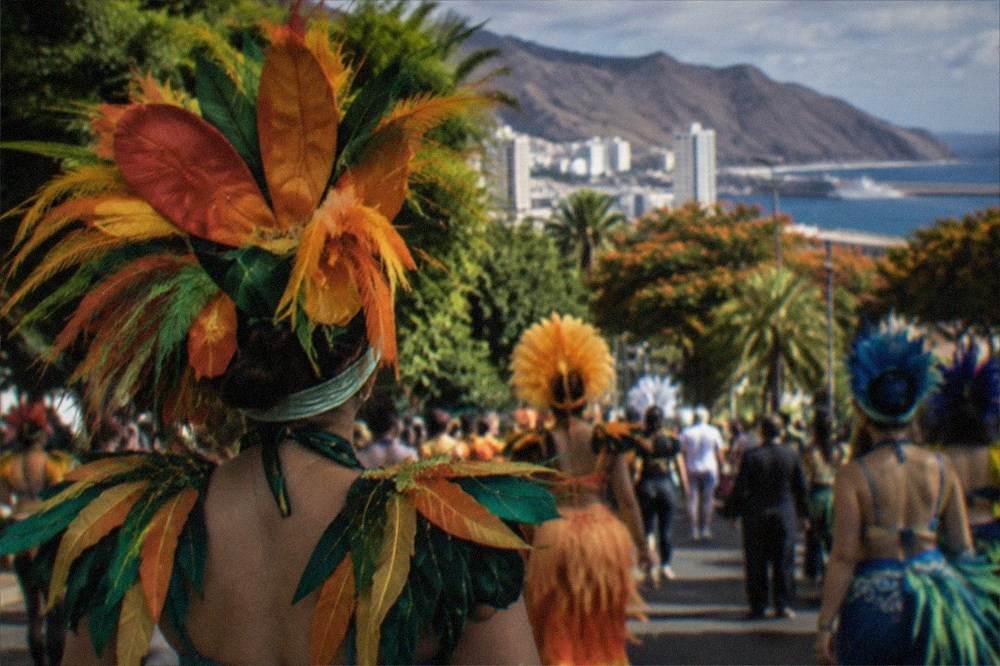
Season matters for the surrounding city as much as for the garden. Carnival takes over Santa Cruz in the weeks before Lent, and the official programme for 2027 puts the opening on 22 January, the Queen's Election Gala on 17 February and the two Daytime Carnival street parties on 21 and 27 February 2027, dates that sit after Ash Wednesday on 10 February and should not be "corrected" from the church calendar. The Santa Cruz Carnival guide covers the whole programme; the planning point here is that a garden visit during Carnival fortnight shares the city with the biggest street party in the Canary Islands.
| Carnival 2027 event | Official programme date |
|---|---|
| Opening | 22 January 2027 |
| Children's Queen gala | 7 February 2027 |
| Queen's Election Gala | 17 February 2027 |
| Floats contest | 19 February 2027 |
| First Daytime Carnival | 21 February 2027 |
| Pinata Friday | 26 February 2027 |
| Second Daytime Carnival | 27 February 2027 |
For visitors basing themselves in the south, the garden belongs to a northbound day. The North Tenerife from the South day-trip guide is the route that carries it, and the Tenerife without a car itinerary proves the whole sequence works on the tram and bus network alone, using the visitor tickets listed earlier in this guide.
The last planning decision is the honest one this page has been building towards. The Palmetum is a specialist stop inside a capital city that most of Tenerife's 7.5 million annual visitors pass through rather than explore, and the visitors who enjoy it most are the ones who arrive knowing what it is: a plant collection with a view, reached by a tram, best in the shoulder months, and priced and timed by a venue whose own pages are the only place to check the current numbers. Everything around it, the climate, the transport, the city and the calendar, is documented above from official sources, and this Tenerife Travel Guide holds the rest of the island's planning pages.
Common Questions About the Palmetum of Santa Cruz
How much does the Palmetum of Santa Cruz cost?
No admission price for the Palmetum appears in this site's verified research, so this desk does not print one. Check the venue's own current pages for the price in force on the day you plan to visit, and treat figures on third-party sites as unverified until you have.
What are the Palmetum's opening hours?
No opening hours for the venue are held in this site's verified facts. Confirm current hours with the venue directly before travelling, since botanical gardens commonly vary hours by season and can close sections for maintenance.
Can you reach the Palmetum by tram?
Santa Cruz is served by the Metrotenerife tram network, with a single ticket at EUR 1.35 on a transit pass or EUR 1.10 by mobile payment. This site's research does not state which stop serves the garden, so check the Metrotenerife network map for the stop closest to the entrance.
Is the Palmetum good for cruise visitors?
It can be, with one condition: time. Ships call at the cruise port in Santa Cruz, and a garden visit competes directly with a Teide inland day for the hours available. On a short port day most visitors choose between the city and the volcano rather than attempting both.
When is the best month to visit?
By AEMET's Santa Cruz normals, April and May pair mean daily maxima of 22.7 and 24.1 degrees with 12 and 4 mm of rain, and October holds 26.3 degrees with 19 mm. Any month is warm enough; the wetter, duller months are November to February.
Is the Palmetum suitable for children?
A botanical garden is a calm, walkable stop rather than an attraction built for children, and no family facilities for the venue are stated in this site's verified research. Families usually balance it against the island's parks and boat trips; the choice depends on the children more than the garden.