Arona and Chayofa
Arona is the municipality that holds Los Cristianos, much of Playa de las Americas and a string of quieter villages inland and along the coast. Here is what the official records say about it and how to plan a stay.
Short answer
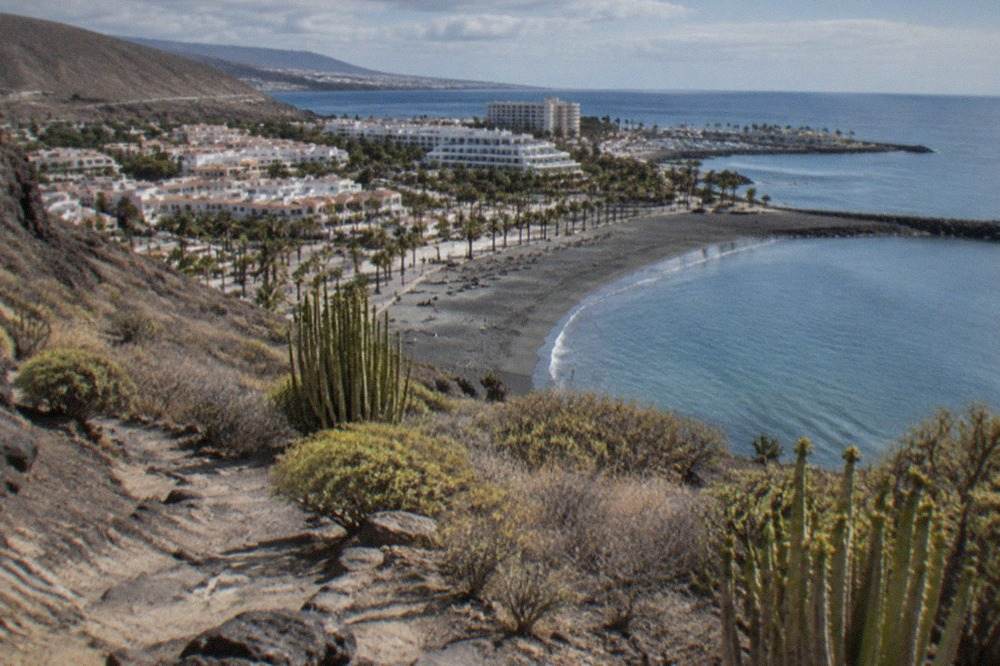
Arona is a municipality on Tenerife's south coast, home to 87,793 residents and the resort towns of Los Cristianos and much of Playa de las Americas, plus quieter Chayofa, Palm Mar and Las Galletas.
Arona is the third most populous municipality in Tenerife, with 87,793 residents on the INE municipal register for 2025, behind only Santa Cruz de Tenerife and La Laguna. That single figure surprises many visitors, because most of them never hear the name Arona at all. They hear Los Cristianos. They hear Playa de las Americas. Both sit inside this one municipality, along with a stretch of quieter coastline and the green inland village of Chayofa, and understanding that map is the difference between booking the right base and booking the wrong one.
This page lays out what the official record states about the municipality: where it sits, which beaches belong to it, how the buses and travelcards work, and what a stay here realistically covers. Where a detail is not held in any verified source, such as a specific attraction's opening hours, the page says so and tells you to confirm it directly.
Where Is Arona in Tenerife?
Arona is a municipality on the south coast of Tenerife, the largest of the Canary Islands, sitting between Adeje to the west and Granadilla de Abona to the east, with the island's two main resort towns, Los Cristianos and most of Playa de las Americas, inside its boundary. The municipal register counted 87,793 residents in 2025, the third largest population on the island.
The distinction between the municipality and the resorts matters when you plan. Los Cristianos began as a fishing village and is now one of the busiest resort bases on the island, covered in detail on the Los Cristianos area page. Playa de las Americas, the neighbouring resort that grew into the island's nightlife capital, has its own page too, and much of it falls inside Arona's boundary rather than Adeje's. The verified facts file for this site deliberately does not state exactly which municipality each part of Playa de las Americas belongs to, so this page does not either.
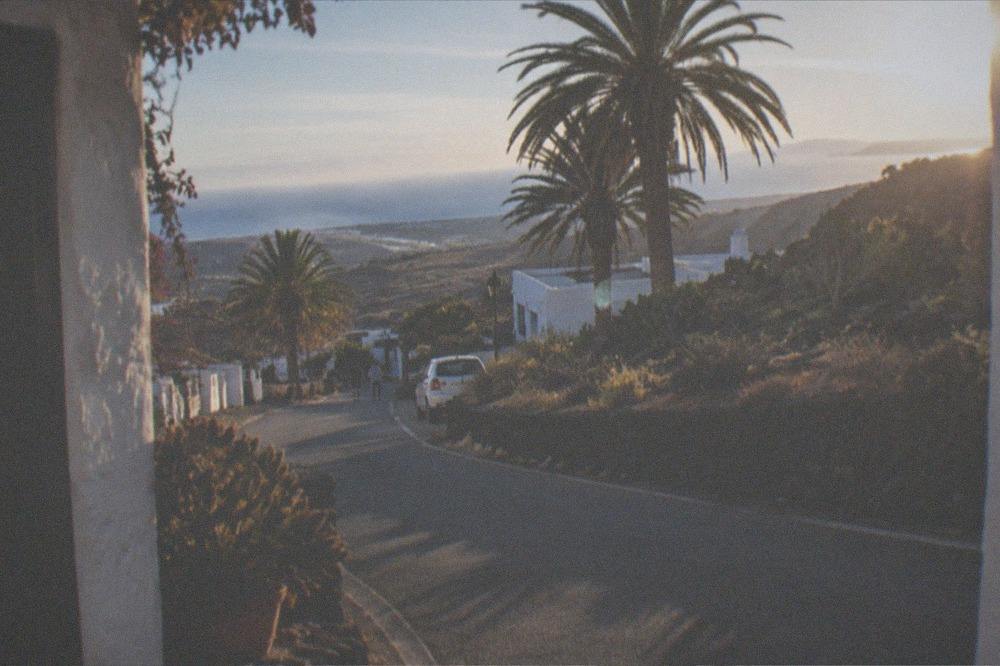
Chayofa is the inland corner of the municipality. It sits above the coastal strip, in the green belt that climbs toward Arona's upper villages, and it is the part of Arona that package brochures rarely mention: residential, quiet and within easy reach of the coast by car or taxi. Visitors who want a calmer base within a short drive of the beaches often land here, and the trade-off is simple, a car or taxi for almost everything.
Geographically the municipality runs from the sea at Los Cristianos and Las Galletas up through the resort plain and into the mid-altitude villages. The island's road network connects it all, and the TF-1 motorway is the spine of the south. For orientation, the island has about 960,000 residents across 31 municipalities, and Arona is one of only three with more than 80,000.
What Sits Inside the Municipality of Arona?
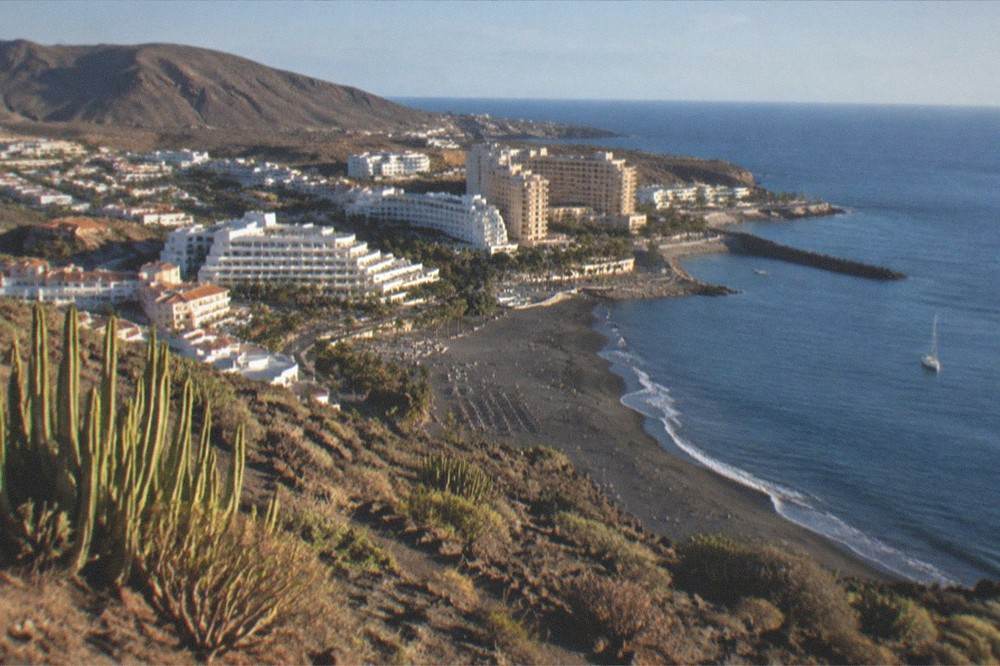
Inside Arona's boundary are the resort cores of Los Cristianos and much of Playa de las Americas, the golden-sand beach of Las Vistas, the fishing-village-turned-holiday-base of Las Galletas and Costa del Silencio, the inland village of Chayofa and the residential spread of Palm Mar, together covering the busiest and the quietest ends of Tenerife's south coast.
The resort end needs little introduction. Los Cristianos has the port from which the ferries leave for La Gomera, La Palma and El Hierro, a crossing of 50 minutes to San Sebastian de La Gomera on Fred. Olsen Express, with Armas Trasmediterranea also selling that route. Las Vistas, the beach between Los Cristianos and Playa de las Americas, is described by the tourist board as golden sand with calm water behind a row of breakwaters, and the facts file confirms it sits in Arona, one of the few beaches on the island the board calls golden.
The quieter end is where Arona changes character. Las Galletas and Costa del Silencio hold a working fishing harbour and a low-rise holiday belt, and Palm Mar is a residential development on the coast road east of Los Cristianos. Both are covered on their own pages. Inland, Chayofa sits in the hills above the plain, and Arona town itself, the administrative capital, sits inland too, which is why so many visitors never see it.
For stays, the choice within the municipality splits cleanly: the resort strip for walkable beaches and ferries, and the inland and eastern villages for space and quiet. If you are comparing accommodation options, stays across the municipality can be checked on the live listing, and the same goes for the neighbouring areas, since the border with Adeje runs through the resort plain and the difference between the two sides is mostly a name on a map.
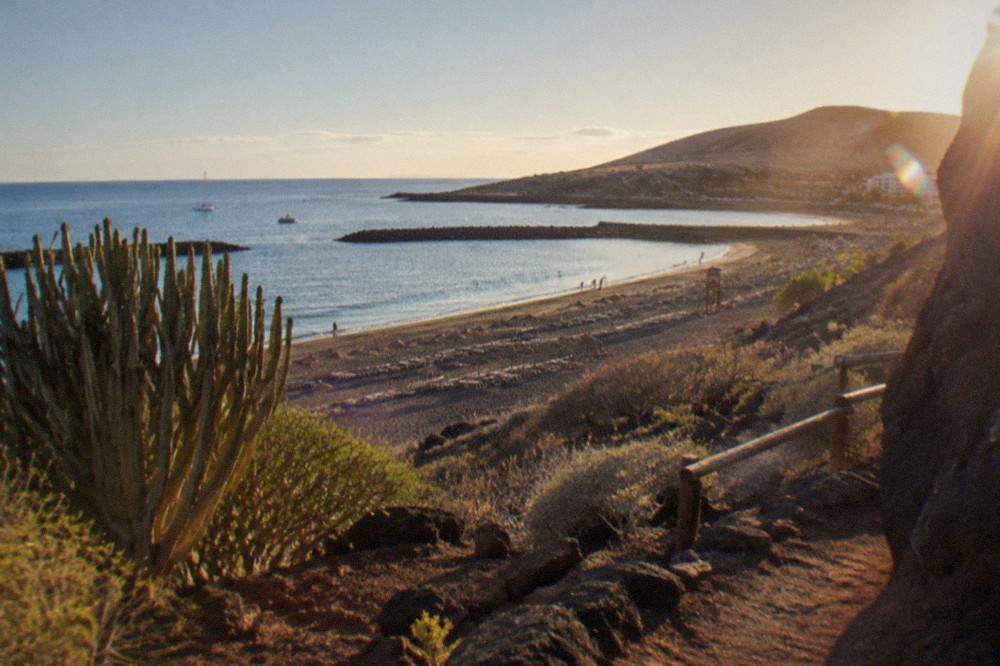
Because the municipality covers so much of the south's visitor economy, the tours that leave from its harbours cover most of what a holiday here involves: whale watching from Los Cristianos and neighbouring Costa Adeje, surf lessons at Playa de las Americas, and day trips by coach and ferry to La Gomera. The cards below carry the three options most often booked by visitors staying in Arona, with live prices on each listing.
Which Beaches in Arona Are Worth Your Time?
Las Vistas is the municipality's headline beach, golden sand with calm water behind breakwaters on the tourist board's own page, and it sits between Los Cristianos and Playa de las Americas; beyond it the Arona coast offers darker sand and quieter stretches at Las Galletas, while the neighbouring grey-sand El Duque beach belongs to Adeje, not Arona.
Sand colour is worth getting right, because the internet is full of claims about it. The tourist board describes Las Vistas as golden sand, and it describes El Duque in Costa Adeje as a grey sandy beach, despite the repeated claim elsewhere that El Duque is golden Saharan sand. Within Arona itself, Las Vistas is the one the board calls golden, and the resort beaches around Los Cristianos and Playa de las Americas are the island's most crowded precisely because of that.
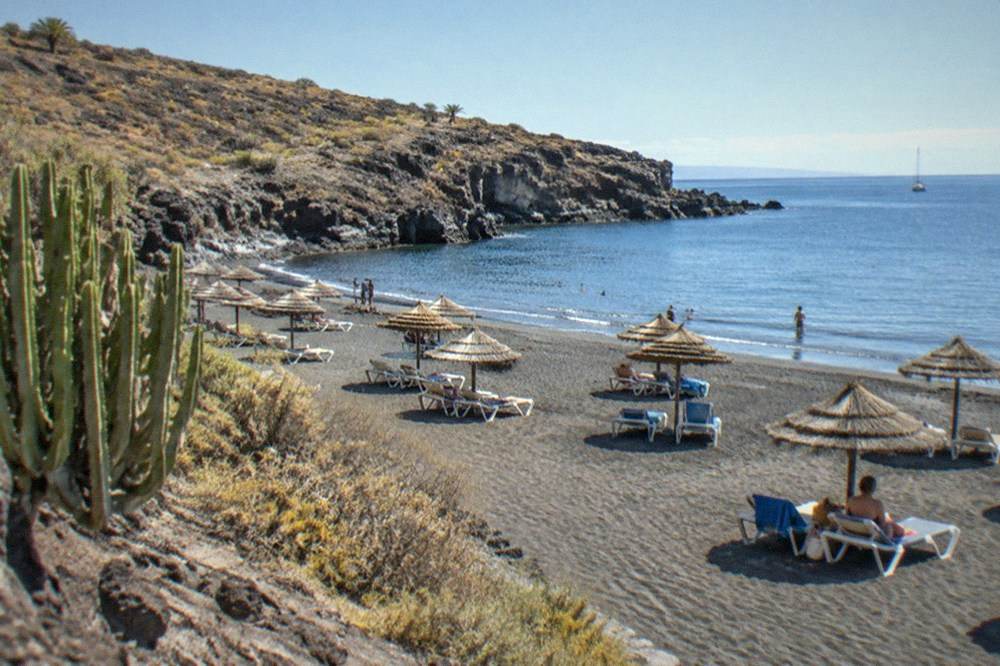
The verified facts hold sand descriptions for the island's main beaches, and the table below assembles them so you can see at a glance which municipality each beach belongs to and what the tourist board says it is made of.
| Beach | Municipality | Tourist board description |
|---|---|---|
| Las Vistas | Arona | Golden sand, calm behind a row of breakwaters |
| Las Teresitas | Santa Cruz (San Andres) | Golden sand, palm trees, breakwaters |
| El Duque | Adeje | Grey sandy beach |
| Fanabe | Adeje | Pale sand |
| El Medano | Granadilla de Abona | Fine grey sand, under Montana Roja |
| El Bollullo | La Orotava | Black sand at the foot of a cliff |
Swimming conditions matter as much as sand. The sea off the south coast is the warmest in the island's waters: the NOAA series for this coast puts the surface temperature at 23.7 degrees Celsius in September and October at its peak, falling to 19.1 degrees in March. For a UK reader, March in the Atlantic here is warmer than a British August in the Channel.
| Month | Sea surface temperature off the south coast |
|---|---|
| Jan | 19.9 C |
| Feb | 19.2 C |
| Mar | 19.1 C |
| Apr | 19.5 C |
| May | 20.2 C |
| Jun | 21.4 C |
| Jul | 22.2 C |
| Aug | 23.1 C |
| Sep | 23.7 C |
| Oct | 23.7 C |
| Nov | 22.5 C |
| Dec | 21.1 C |
The air tells a similar story. AEMET's climate normals for the Tenerife South Airport station, which sits a short distance east of the municipality, record a mean daily maximum of 21.7 degrees in January and 28.4 in August, with July and August recording no rain days at all in the 1981 to 2010 series. The sea figures above come from a different dataset with a different period, 1991 to 2020, so the two are never quoted as one.
| Month | Mean daily max C | Mean daily min C | Rain, mm | Sunshine hours |
|---|---|---|---|---|
| Jan | 21.7 | 15.2 | 17 | 193 |
| Feb | 22.0 | 15.0 | 20 | 195 |
| Mar | 23.1 | 15.6 | 15 | 226 |
| Apr | 23.1 | 16.0 | 7 | 219 |
| May | 23.9 | 17.0 | 1 | 246 |
| Jun | 25.4 | 18.8 | 0 | 259 |
| Jul | 27.7 | 20.2 | 0 | 295 |
| Aug | 28.4 | 21.1 | 1 | 277 |
| Sep | 27.9 | 21.1 | 4 | 213 |
| Oct | 26.8 | 20.0 | 12 | 214 |
| Nov | 24.8 | 18.2 | 26 | 193 |
| Dec | 22.8 | 16.5 | 30 | 195 |
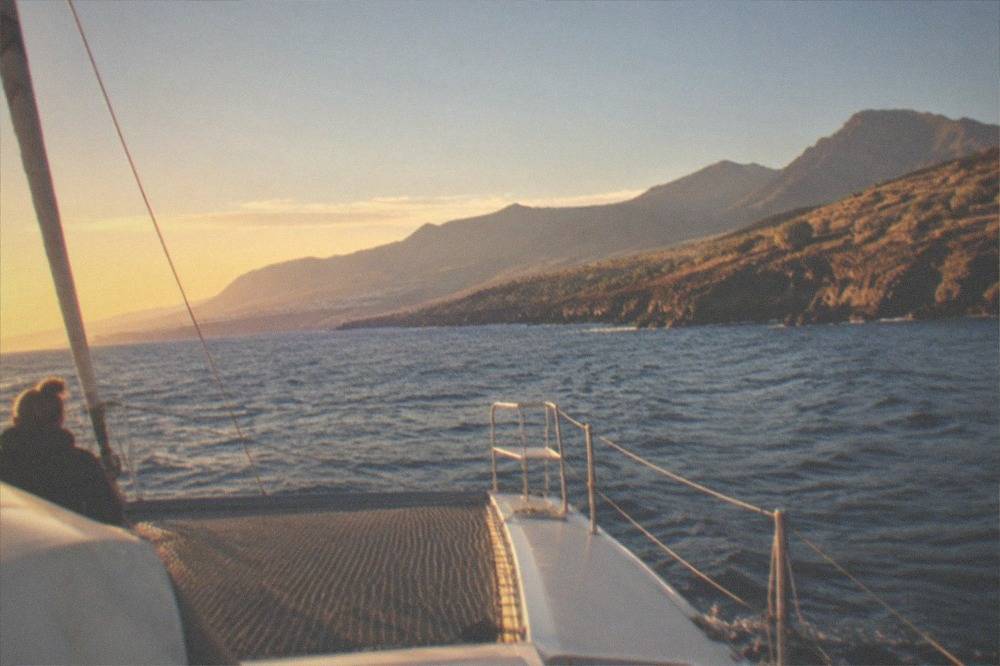
If a day on the water is the priority, the whale and dolphin trips leaving from the harbours either side of the municipality border are the single most booked activity on this coast. The listing below carries the live price and the current review figures.
How Do You Get to Arona and Around It?
Arona is served by Tenerife South Airport, a short drive from the resort strip, with TITSA bus lines 40, 711, 343 and others connecting the airport to Los Cristianos and Costa Adeje, while the TF-1 motorway runs the length of the south coast; visitors pay for public transport, with single tickets, the EUR 10 day travelcard and the EUR 50 seven-day travelcard the products on sale to them.
The airport question is settled on AENA's own pages. Tenerife South, formally Tenerife Sur, handled 13,969,678 passengers in 2025, an all-time record, and TITSA's airport page lists the lines serving it: line 10 to Santa Cruz, line 40 to Costa Adeje bus station via Los Cristianos, the 711 night bus, the 343 express from Puerto de la Cruz to Los Cristianos via both airports, and line 415 to El Fraile and San Isidro. Line 40 is the one that matters for most Arona visitors, since it stops in Los Cristianos.
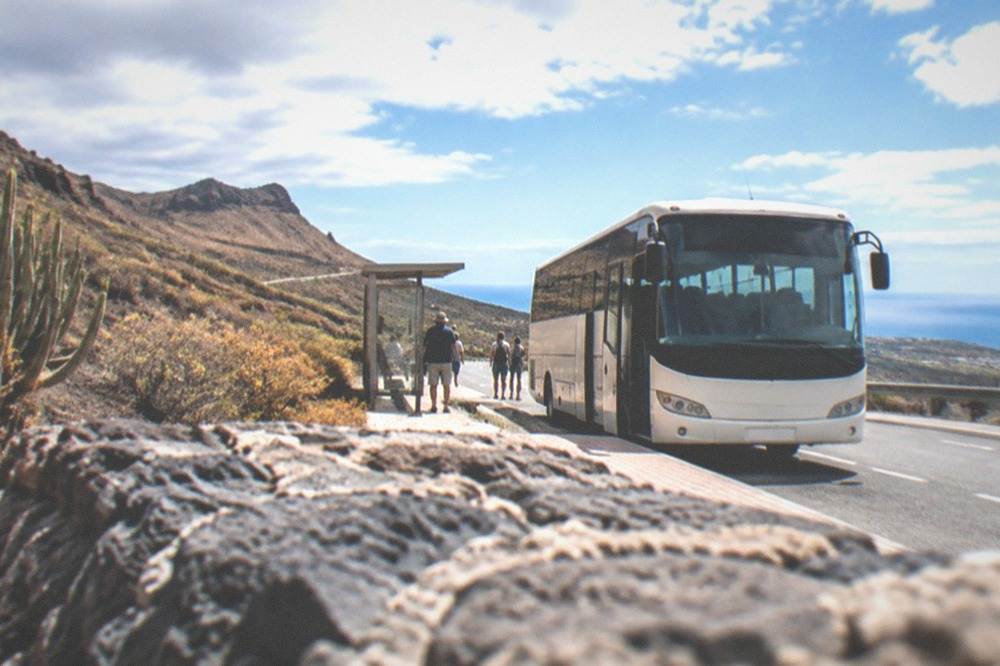
The travelcard prices are worth knowing before you land, because the free transport you may have read about does not apply to you. The 2026 subsidy of 100% applies to resident passes only, tied to a personalised Ten+ card and Canary Islands residency. Visitors buy single tickets priced by route, a same-day return with 10% off on trips of 20 km or more, or the travelcards below, sold at airport ticket machines.
| TITSA product | Price | Notes |
|---|---|---|
| Single ticket | Priced by route | Card or cash |
| Same-day return | 10% off | Trips of 20 km or more |
| Day Travelcard | EUR 10 | Visitor product |
| 7 Day Travelcard | EUR 50 | Visitor product |
| Ten+ card | EUR 2 | Wallet top-ups EUR 2 to EUR 100 |
Taxis are white and metered from the start of the trip, with a fixed price agreeable in advance for excursions, and adapted eurotaxis exist, all per the tourist board's transport page. There is no tram anywhere in the south: Metrotenerife's tram runs in the Santa Cruz and La Laguna area only, and no official page states any tram link to either airport, so plan on rubber wheels.
Driving is straightforward. The TF-1 motorway connects the municipality west to Adeje and the Teide access roads and east to the airport and El Medano. The driving in Tenerife guide covers the rules, and the car hire guide covers the practicalities, though no verified rate for car hire is published on this site because those prices move daily. For anyone staying in Chayofa or the upper villages, a car is close to essential; for Los Cristianos and the Las Vistas strip, the buses and ferries do most of the work.
What Is There to Do in Arona Beyond the Beach?
Beyond its beaches, Arona offers the ferry port at Los Cristianos with 50-minute crossings to La Gomera, whale and dolphin watching under some of Europe's strictest approach rules, surfing lessons at Playa de las Americas, and easy day trips inland to the island's volcanic and forest interior, all reachable without changing your base.
The whale watching deserves a proper explanation, because the rules here are unusual in Europe. The waters between Tenerife and La Gomera were designated a Whale Heritage Area by the World Cetacean Alliance in January 2021, and the World Cetacean Alliance's page describes a unique resident population of pilot whales, bottlenose dolphins and a migration stop for 21 other cetacean species. The designation is the Alliance's, not UNESCO's, and no official whale population count exists, so none is printed here.
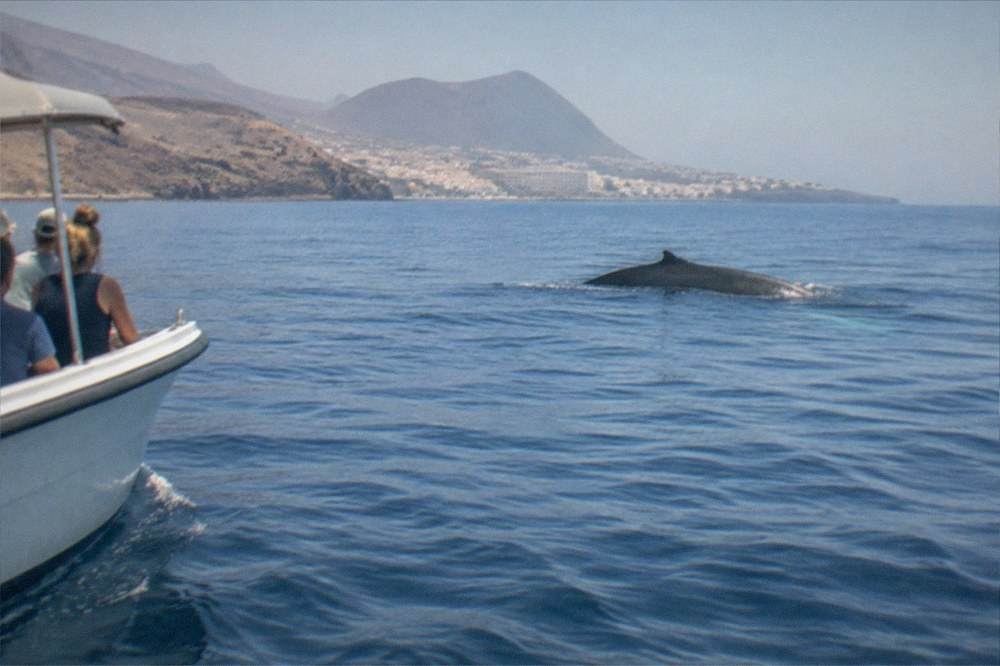
The activity is regulated by Decreto 178/2000, and the rules below are the decree's own figures. Authorised boats must fly the Barco Azul flag, and any operator that chases, circles or feeds the animals is breaking the law.
| Rule under Decreto 178/2000 | Figure |
|---|---|
| Minimum approach distance | 60 m |
| Boats allowed within 500 m | No more than three |
| Speed within 500 m | 4 knots maximum |
| Swimming or diving within 500 m | Prohibited |
| Feeding, chasing, circling | Prohibited |
| Authorised boats | Must fly the Barco Azul flag |
The trips themselves leave from Los Cristianos in Arona and from Puerto Colon in neighbouring Costa Adeje, and the choice between them is mostly a matter of where you are staying. The eco cruise carded on this page runs from the Costa Adeje side with snacks and drinks included, and its live listing carries the current price.
Surfing sits at the other end of the municipality. Playa de las Americas has a beach break suited to lessons, and the group and individual lesson options on this site's surf lessons page cover all levels with photos included on the listing carded here.
Inland, the day-trip menu from Arona is the island's greatest hits: the Teide National Park, which recorded 5,242,653 visitors in 2024 as the most visited park in Spain's national park network, Masca, and the north-coast loop through Garachico and Icod de los Vinos. The Masca, Garachico and Icod route is covered on its own page. Two things to know before you plan any Teide walking: the summit trail PNT 10 Telesforo Bravo needs a personal reservation on Tenerife ON, with the 09:00 to 17:00 slots costing EUR 15 for visitors since 19 January 2026, and the cable car stops at La Rambleta at 3,555 m, it does not reach the crater. The full detail is on the Teide summit permit guide.
One thing the resort south does not have is a free walking tour. The three English-guided, pay-what-you-want walks carded on this site, run through GuruWalk, are all in the north: La Orotava, Puerto de la Cruz and the historic centre of Santa Cruz de Tenerife. That is what is listed on GuruWalk for the island today, not proof that no south-coast walk exists, but a visitor hoping for a free guided walk out of Los Cristianos will not find one carded here.
Is Arona a Good Base for Exploring Tenerife?
Arona is one of the two best-connected bases on the island, with the airport on its doorstep, the ferry port for La Gomera, La Palma and El Hierro at Los Cristianos, and the TF-1 motorway running both west to the parks and east to the volcano country, though anyone whose holiday centres on Puerto de la Cruz, La Laguna and the Anaga mountains will spend more time on the road than a northern base would.
The ferry timetable makes the case for the south. Fred. Olsen Express runs Los Cristianos to San Sebastian de La Gomera in 50 minutes, to Santa Cruz de La Palma in 150 minutes and to Valverde on El Hierro in 140 minutes, so a day trip to La Gomera is the easiest island hop in the archipelago from an Arona base. The La Gomera day trip page covers what the crossing and the island involve.
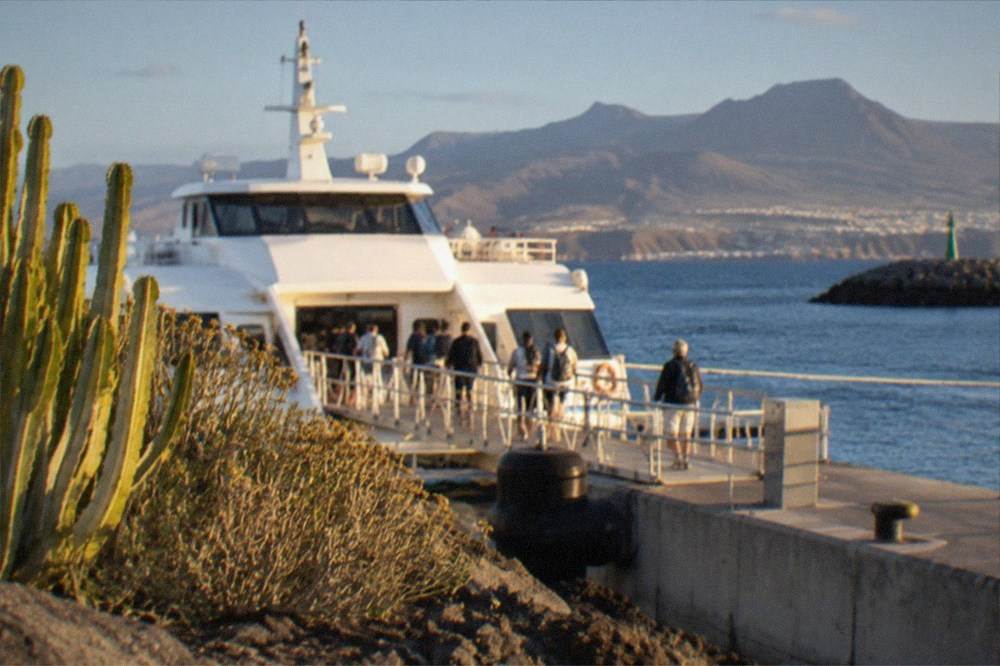
The trade-off is the north. Puerto de la Cruz, La Laguna, the Anaga Rural Park and the Orotava Valley are all a drive of an hour or more, and a visitor who books Arona for a week of gardens, colonial towns and laurel forest will spend much of it on the TF-5. The comparison is covered properly on the north vs south guide, and the honest summary is that Arona wins on beaches, ferries, whale watching and winter warmth, and loses on walking distance to the north's heritage towns.
For a mixed week, the coach and small-group tours solve the distance problem, and the full-day island tours from the south cover Teide, Masca, Icod and Garachico in one loop. The three cards below are the options most booked from this coast, each with its current from-price and traveller rating on the card.
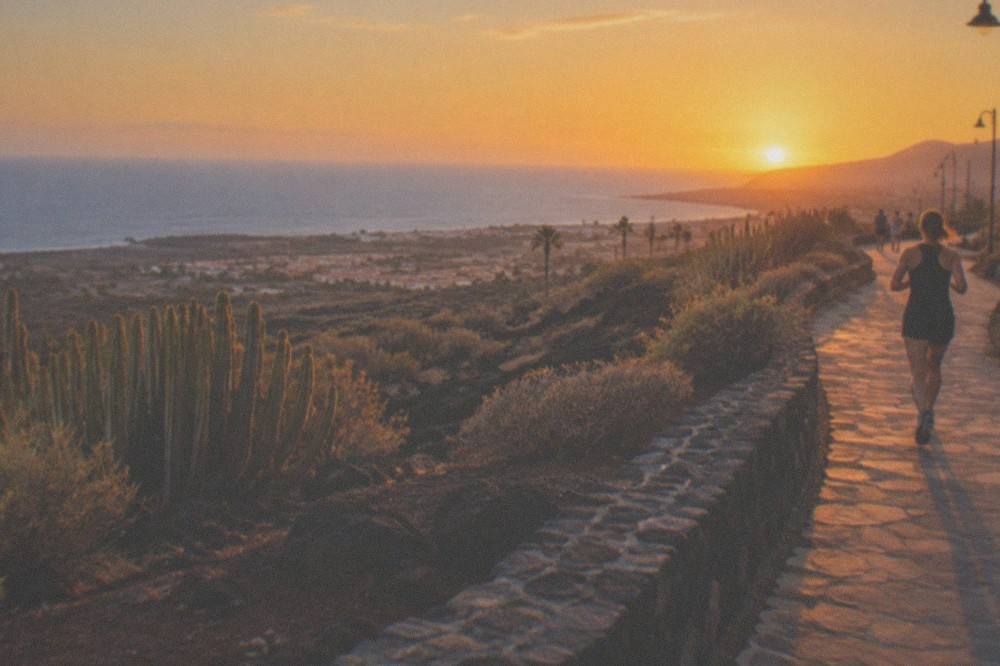
Chayofa, meanwhile, is the base for the visitor who wants Arona's access without Arona's noise. The village sits close enough to the coast for the beaches and ferries, far enough up for cooler evenings, and the where to stay guide sets out how it compares with the resort strip and the neighbouring areas. Whatever you choose inside the municipality, the same practical rules apply, and the rest of this site, beginning with the Tenerife Travel Guide homepage, covers each of them in detail.

Common Questions About Arona and Chayofa
Is Arona the same as Los Cristianos?
No. Arona is the municipality, one of Tenerife's 31, with 87,793 residents on the 2025 register. Los Cristianos is the resort town inside it, and much of Playa de las Americas is inside it too, alongside Chayofa, Palm Mar, Las Galletas and Costa del Silencio.
Which municipality is Las Vistas beach in?
Las Vistas is in Arona, on the tourist board's own beach page, which describes golden sand and calm water behind a row of breakwaters. The neighbouring El Duque beach, often described elsewhere as golden, is in Adeje and is described by the tourist board as a grey sandy beach.
Are the buses free for tourists in Arona?
No. The 2026 100% subsidy on public transport applies to resident passes only, tied to Canary Islands residency and a personalised Ten+ card. Visitors pay for single tickets, the EUR 10 day travelcard or the EUR 50 seven-day travelcard, all sold at the airport ticket machines.
Can you do a day trip to La Gomera from Arona?
Yes, and it is the shortest island hop from anywhere on Tenerife. Fred. Olsen Express runs the crossing from Los Cristianos to San Sebastian de La Gomera in 50 minutes, and Armas Trasmediterranea also sells the route. Organised day trips with coach and ferry are carded on this site's La Gomera page.
Is there a tourist tax on a stay in Arona?
No official page shows a per-night lodging tax in force or approved on Tenerife. The charges that do exist are per-booking fees on specific trails: the Teide summit and Montana Blanca trails, the Masca gorge ticket and the Barranco del Infierno ticket.
Is Chayofa a good place to stay without a car?
It is harder without one. Chayofa sits inland above the resort strip, and no verified timetable on this site shows a frequent bus link to the beaches, so a car or taxis are the realistic options. Visitors who want to be car-free are better placed in Los Cristianos, where the beaches, the port and the bus station are all walkable.