Helicopter Tours in Tenerife
Tenerife is an island that makes sense from above: a 3,715 m volcano in the middle, cliffs that rise up to 600 m in the west, and a protected whale coast along the south. This page sets out what a helicopter flight can show you, what the official rules say, and how it compares with the other ways to get airborne.
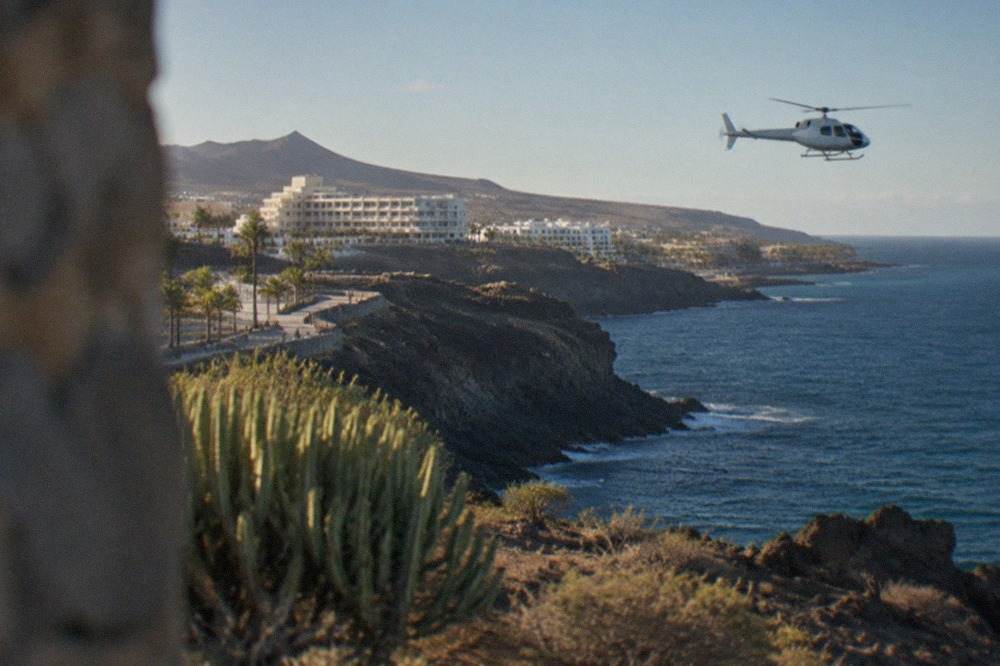
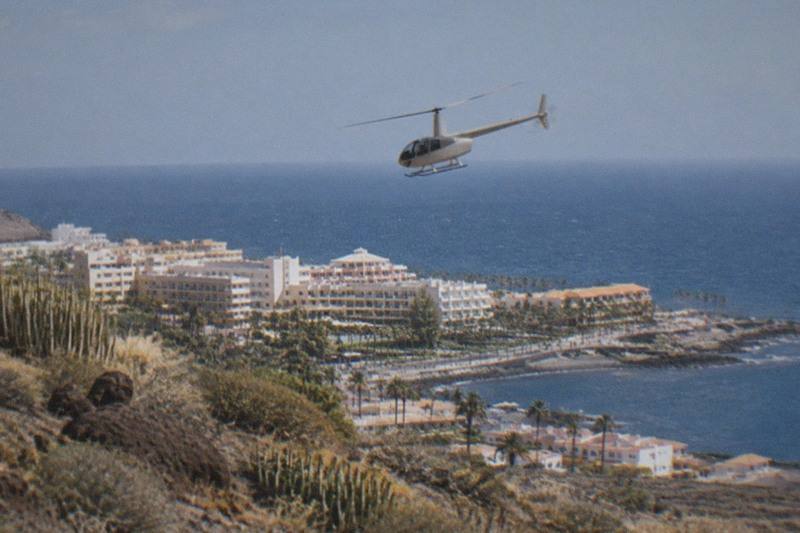
Scenic Helicopter, Route Choice
Adeje: Scenic Tenerife Helicopter Flight
Take off from Adeje and choose your route: each option traces a different stretch of the island's south and west, from open water to steep ravines. Flights are brief by design, but the view over Tenerife's shoreline is one few visitors ever get.
from $126.27 Per person, in USD. The total depends on the date and option you pick.
Check Price & Availability →Opens the live booking page with up-to-date dates and prices. All booking and payment happen there; this guide takes none of it.
- Area
- Adeje
- Length
- 7 minutes to 45 minutes
- Kind
- Quads, Buggies and Paragliding
Short answer
A helicopter tour in Tenerife is a short scenic flight, usually from a southern airfield or heliport, that overflies the volcano, the Los Gigantes cliffs or the south coast. No verified fact pack exists for the operators themselves, so treat every price, route and duration as something to confirm on the operator's live listing before booking.
Tenerife is one of the few holiday islands where the scenery above the beaches is worth the price of admission on its own. The volcano in the middle of the island stands 3,715 m high on Spain's own figures, the national park around it covers 18,990 hectares, and the Los Gigantes cliffs in the west tower up to 600 m above the sea in the tourist board's words. A helicopter is the only way to take all of that in during a single outing, which is exactly why scenic flights have become one of the island's more talked-about excursions.
This page is written as an honest briefing rather than a sales pitch. No verified fact pack exists for Tenerife's helicopter operators, so nothing here states a flight price, a route length, a departure point or a duration for any specific operator: every one of those details changes between companies and between seasons, and the right place to check them is the operator's live listing. What the verified facts do cover is the island itself, and that is what follows, because knowing what a flight passes over, and what the rules protect, is what separates a good booking decision from a disappointing one.
What Can You Actually See from a Helicopter in Tenerife?
A scenic flight over Tenerife can take in the summit cone of Mount Teide and the lava fields of the national park, the up-to-600 m Los Gigantes cliffs dropping into the sea, the green ridges of the Anaga massif in the northeast, and the south coast where authorised whale-watching boats operate under the Canary Islands' approach rules. What any single flight covers depends entirely on the route the operator files, so confirm the itinerary before you book.
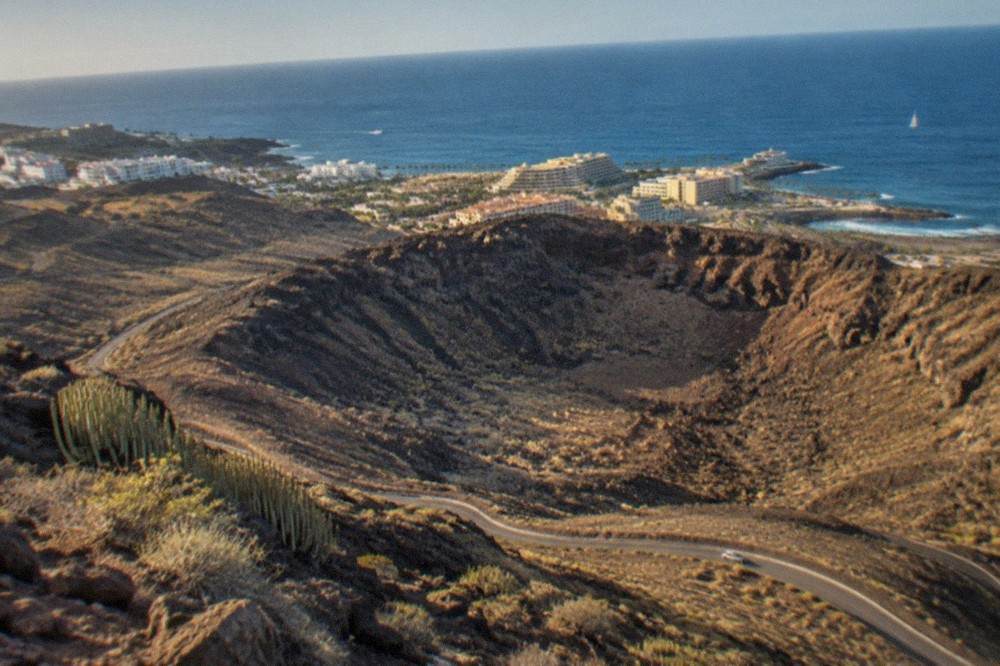
The headline sight is the volcano. Mount Teide stands 3,715 m according to MITECO and Turismo de Tenerife, and UNESCO records that it rises 7,500 m above the ocean floor, which makes it, in UNESCO's exact wording, "regarded as the world's third-tallest volcanic structure". From the air the whole caldera is visible at once, the Roques de García rock formations included, in a way no ground viewpoint manages. The national park that surrounds it was declared by decree on 22 January 1954 and is the largest and oldest of the Canary Islands' national parks on MITECO's own description.
The west of the island gives a different spectacle. The Los Gigantes cliffs, inside Teno Rural Park, rise up to 600 m in the tourist board's words, with a seabed about 30 m deep at their foot. From a helicopter the scale reads instantly: the cliffs, the village below them and the boats leaving Los Gigantes harbour appear in a single frame.
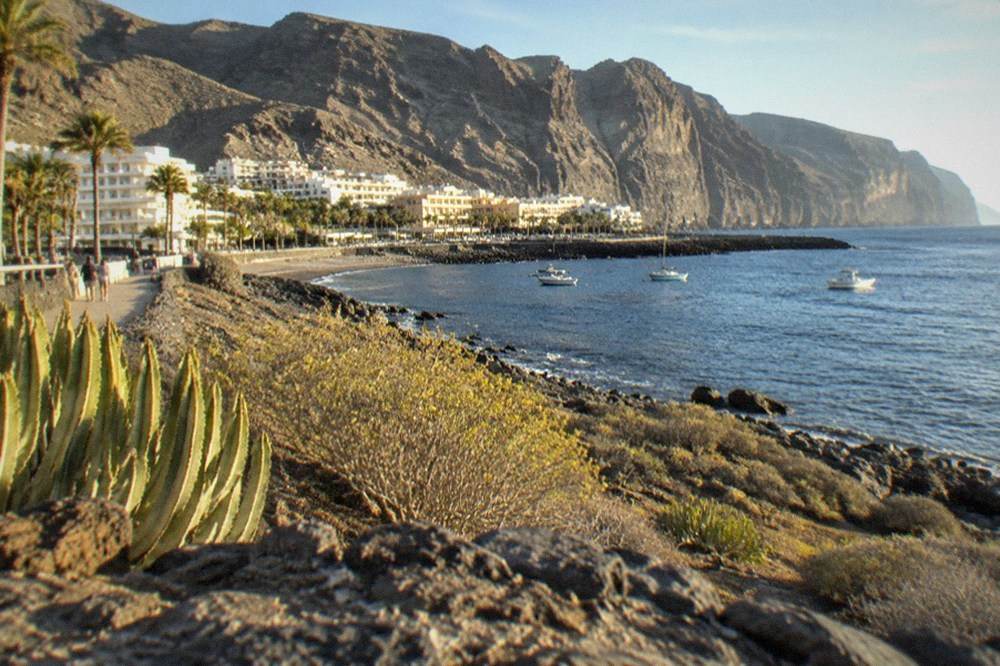
The south coast matters for a second reason. The stretch between Los Cristianos and Costa Adeje is where the whale-watching fleet works, and the World Cetacean Alliance records that the Tenerife-La Gomera marine area became a designated Whale Heritage Area in January 2021, home to what the WCA calls a unique resident population of pilot whales. A flight along this coast passes over a protected marine zone, which is one reason the rules in a later section matter from the air as well as from a boat deck.
Helicopter Tour or Paragliding in Tenerife: Which Suits You?
A helicopter flight and a tandem paragliding flight are both aerial experiences, but they are different products: the helicopter carries several passengers, flies a set route and needs no participation, while a tandem paraglider is a two-person flight launched from a ridge with a pilot who holds the controls throughout. Neither is verified in the fact pack for price or duration, so compare both on the operators' live listings before deciding.
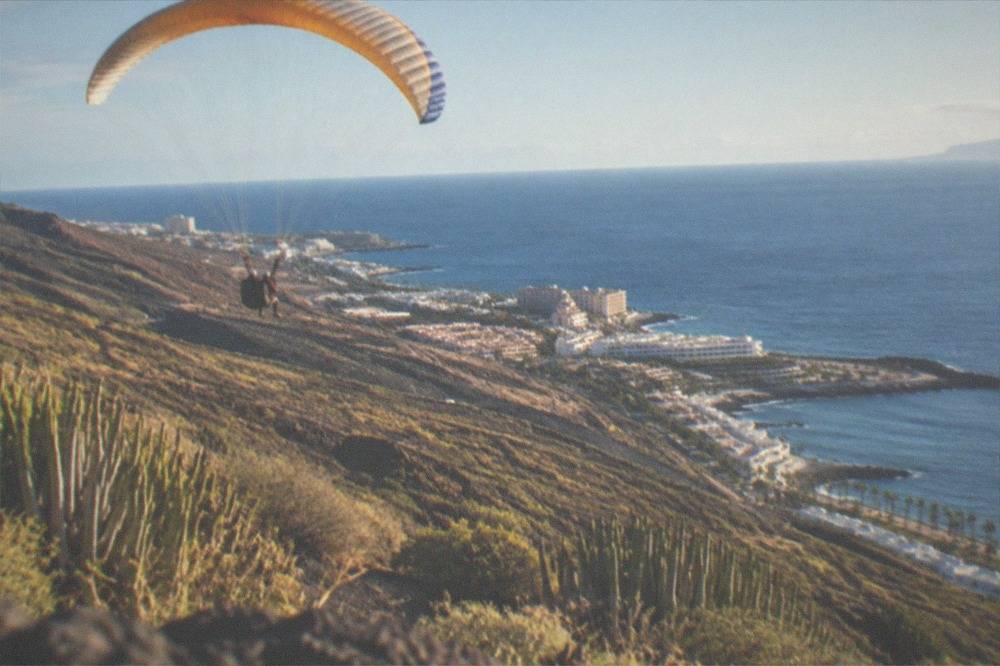
Paragliding in Tenerife is an established product, and this site carries a paragliding page with the tandem flights available from Costa Adeje. The trade-off is simple. A helicopter gives a stable platform for photography and a route that can reach the volcano or the cliffs, while a paraglider gives silence and a slower drift along the ridge lines, at the cost of depending entirely on the wind conditions of the day. Families with children, anyone with a health condition that the operator lists as an exclusion, and travellers who want photographs rather than adrenaline will usually find the helicopter the easier fit, but that is a general observation about the two formats, not a claim about any specific operator's rules.
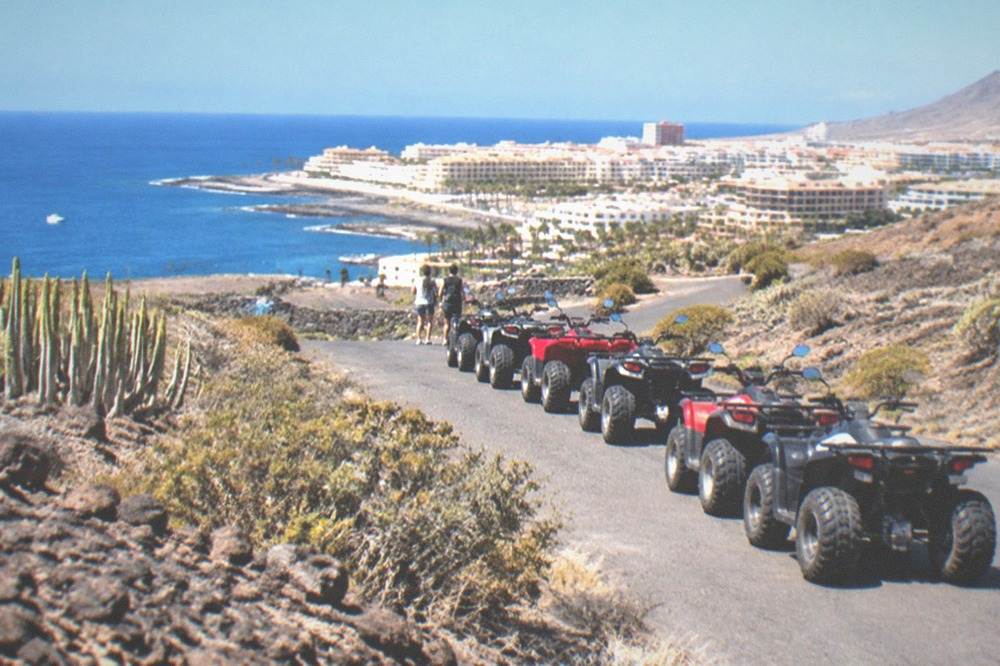
There is a third option that many visitors overlook: keeping your wheels on the ground. A quad and buggy tour through Teide National Park reaches the same volcanic landscape at handlebar height, with a guide leading a convoy along the park roads, and it needs no flight at all.
How Does a Helicopter Flight Compare with the Teide Cable Car?
The cable car is the island's official mechanised ascent, carrying passengers from the base station at 2,356 m to La Rambleta at 3,555 m, where it stops: the crater itself is a separate, permit-only trail. A helicopter overflies the summit without landing, so it trades the cable car's ground-level arrival for a view of the whole caldera in one circuit. The two are not substitutes, and the cable car's 2026 prices are on the operator's own page.
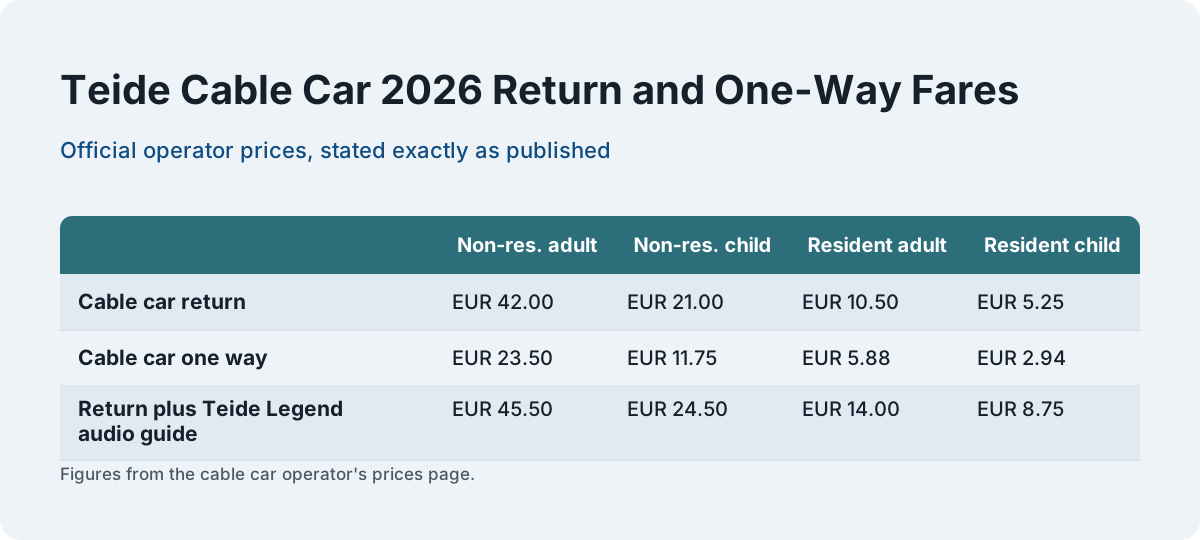
The cable car's published 2026 return fares, as shown on the operator's prices page, are set out below. They are official figures and are stated exactly as the operator publishes them.
| Ticket | Non-resident adult | Non-resident child (3 to 13) | Resident adult | Resident child |
|---|---|---|---|---|
| Cable car return | EUR 42.00 | EUR 21.00 | EUR 10.50 | EUR 5.25 |
| Cable car one way | EUR 23.50 | EUR 11.75 | EUR 5.88 | EUR 2.94 |
| Return plus Teide Legend audio guide | EUR 45.50 | EUR 24.50 | EUR 14.00 | EUR 8.75 |
Two rules from the operator's access page matter to anyone comparing the two. The cable car does not allow children under 3, pregnant women, or people with cardiovascular conditions, because of the altitude. And the cable car does not reach the summit: it stops at La Rambleta at 3,555 m, and the crater trail beyond it needs a separate reservation processed via Tenerife ON, with the 09:00 to 17:00 slots costing EUR 15 for visitors since Monday 19 January 2026, free only for Tenerife residents and children. A full briefing on that permit sits on this site's Teide summit permit guide and its Teide tours page.
Which Areas of Tenerife Do Scenic Flights Cover?
Operators on this island typically market flights over three zones: the Teide National Park and the Orotava Valley in the centre, the Los Gigantes cliffs and Teno Rural Park in the west, and the south coast from Costa Adeje to Los Cristianos. Which zone a given flight covers is a route choice the operator makes, so the itinerary on the live listing is the only reliable statement of what you will overfly.
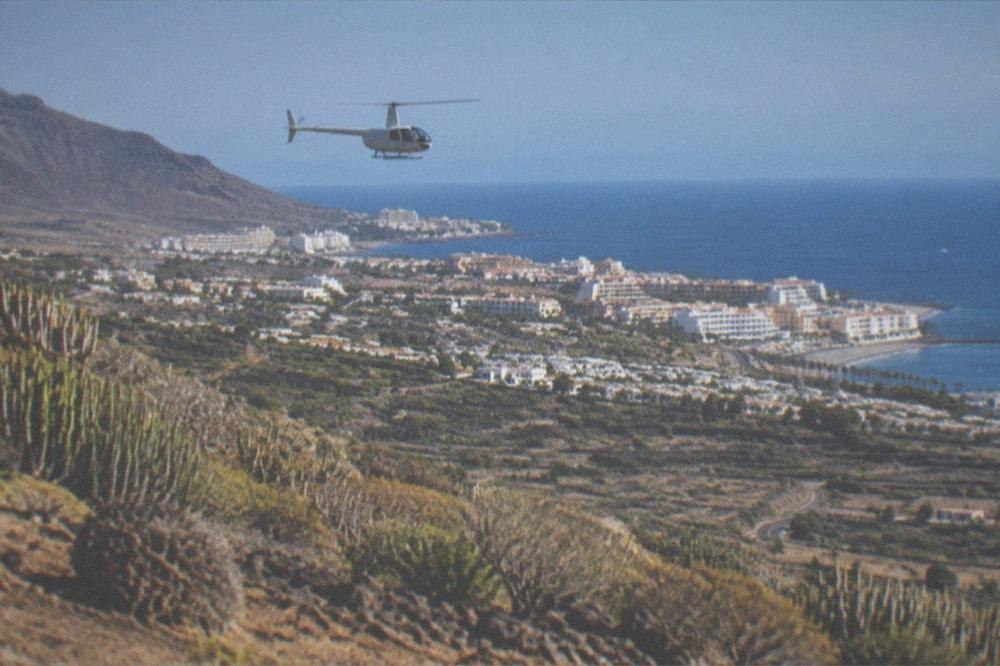
The centre of the island is the classic route. It takes in the whole national park, the Orotava Valley below it and, on longer circuits, the north coast towns. The west is the dramatic one: Teno Rural Park, the cliffs and the stretch of coast where the Masca gorge meets the sea. Masca itself is worth understanding before you fly over it, because the gorge is not open walking access: the descent is sold as a pre-booked ticket, EUR 40.66 general with the boat extra, and hikers must arrive on TITSA line 355 from Santiago del Teide, since arriving by private vehicle means refusal.
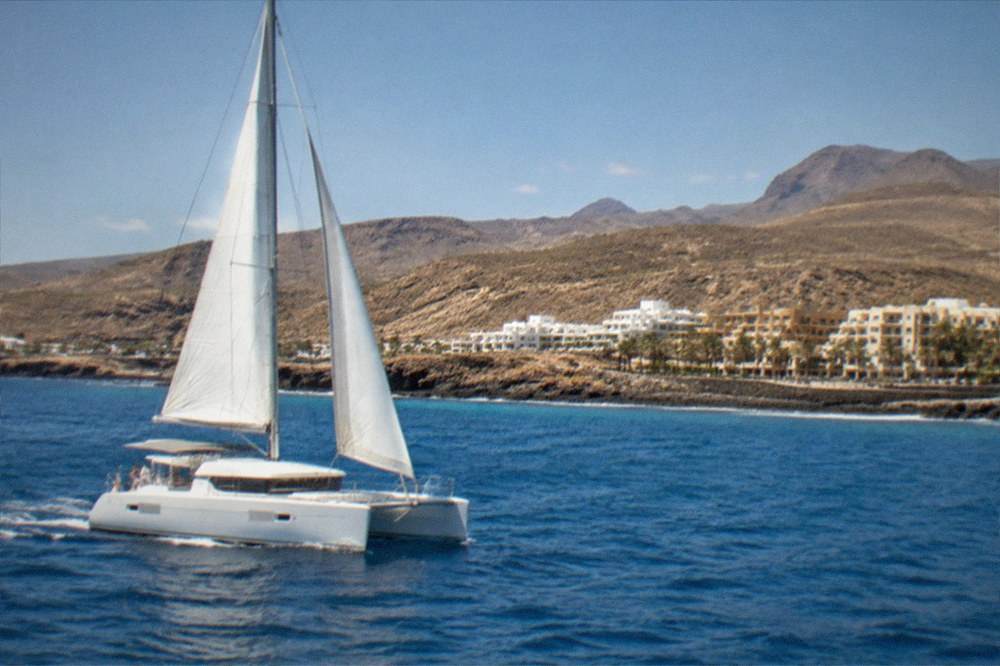
The south coast is the route for travellers staying in Costa Adeje or Los Cristianos who want a shorter outing, and it pairs naturally with a day on the water. The boat trips and catamarans page covers the sea-level version of the same coastline, where the whales and dolphins are the point rather than the scenery.
What Do the Rules Mean for Flying Over Teide and the Whale Coast?
Two sets of official rules touch a scenic flight: the whale-protection decree, Decreto 178/2000, which governs how boats approach cetaceans and applies to the waters below any coastal flight, and the national park's own measures, including a Cabildo smoking ban across every open-air space in Teide National Park. Airspace rules themselves are set by aviation authorities, not by this site, so confirm any route restriction with the operator.
The whale decree is worth knowing even from the air, because it explains what the boats you see from above are doing. Its figures are fixed by law.
| Rule under Decreto 178/2000 | Figure |
|---|---|
| Minimum approach distance to a whale or dolphin | 60 m |
| Maximum boats within 500 m of an animal | 3 |
| Maximum speed within 500 m | 4 knots |
| Swimming or diving within 500 m | Prohibited |
| Feeding, chasing or circling | Prohibited |
| Authorised boats | Must fly the Barco Azul flag |
Over the park itself, the Cabildo de Tenerife bans smoking in all open-air spaces of Teide National Park, car parks and viewpoints included, as a wildfire measure, and bookings for trails can be suspended for fire risk or weather alerts. None of that binds a helicopter, but it tells you what the ground below is subject to, and it explains why flights are sometimes the more reliable option on days when trail access is being reviewed. The trail fees that do exist on Tenerife are per-booking public charges, not a general entry ticket: no official page lists a park entrance fee, and no official page read shows a per-night tourist tax in force or approved on the island.
| Official charge on Tenerife | Visitor figure | Who pays nothing |
|---|---|---|
| Teide summit trail PNT 10, 09:00 to 17:00 slots | EUR 15 | Tenerife residents and children |
| Teide trail PNT 07, 09:00 to 17:00, working days | EUR 6 | Tenerife residents |
| Teide trail PNT 07, weekends and public holidays | EUR 10 | Tenerife residents |
| Masca gorge descent ticket | EUR 40.66, boat extra | Tenerife residents |
| Barranco del Infierno | EUR 15 | Under-5s not admitted |
How Do You Choose a Reputable Helicopter Operator in Tenerife?
Check four things on the operator's own listing before booking any helicopter flight: that the operator is a licensed commercial air transport company, that the route and its duration are stated precisely, that passenger weight and health conditions are addressed in the booking terms, and that the cancellation terms are written down. None of these details is verified in this site's fact pack, so the listing and the operator's own pages are the authority, not any third-party summary.
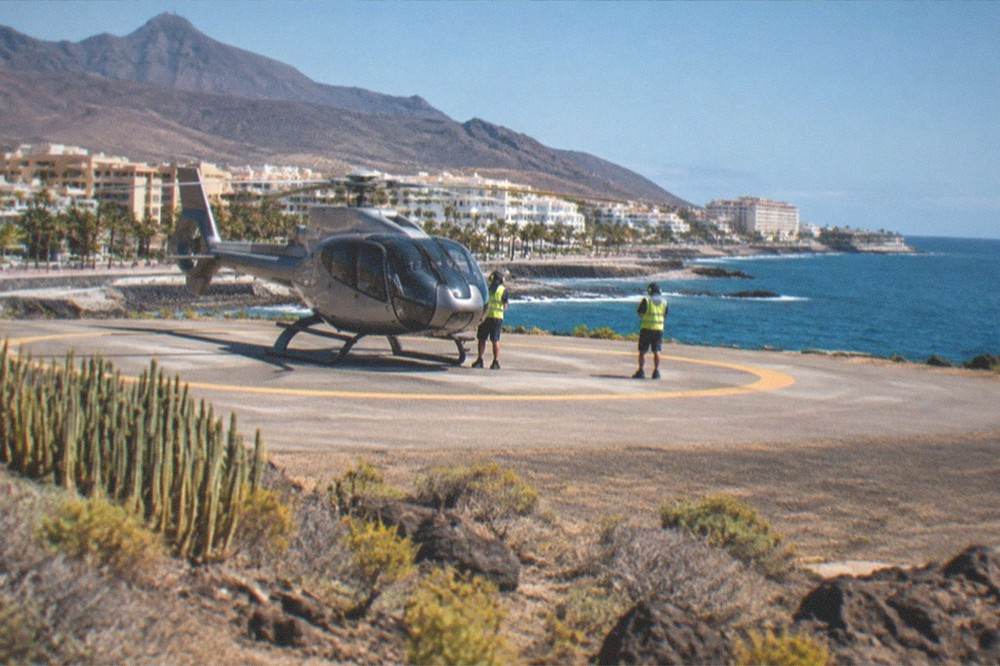
The general principles are the same as for any airborne activity anywhere. A commercial helicopter operator in Spain flies under an air operator certificate, and the aircraft carries a registration marking you can note down. Weather is the single biggest factor in whether a scenic flight departs: wind, cloud and visibility all ground light helicopters more readily than they ground boats or coaches, so a booking with clear rebooking terms is worth more than a marginally cheaper one without. Weight limits are standard in the industry, usually applied per seat and per passenger, and they exist for safety rather than for upselling, so declare honestly when asked.
The same caution applies to reviews and ratings. This site's roster carries verified ratings for the tours it sells, but helicopter operators are described here only in general terms because no verified fact pack exists for them, and a rating you read elsewhere should be treated as a signal, not a guarantee.
What Should You Weigh Up Before Booking a Helicopter Tour?
Weigh up the route against your priorities: a summit-and-caldera circuit rewards the volcano, a west-coast circuit rewards the cliffs, and a short south-coast hop rewards convenience. Then weigh up the format against the alternatives, because the cable car, paragliding, quads and guided hikes all reach parts of the same landscape for different budgets and different nerves. Confirm every operational detail on the live listing, since none of it is verified here.
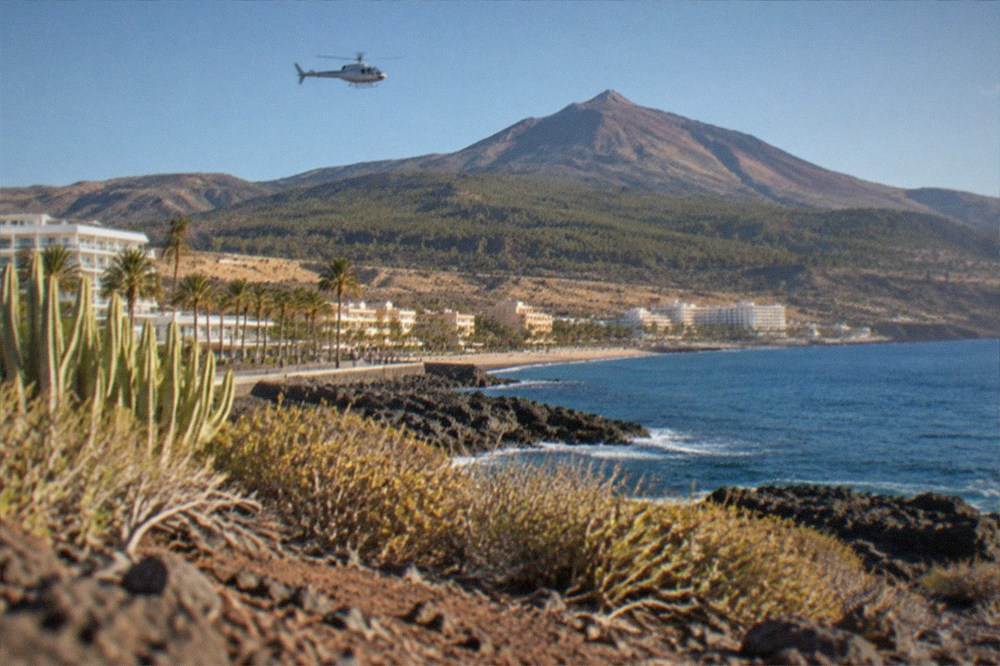
The comparison table below sets the aerial and ground-level options against each other using only the verified figures. It is a rules-and-facts table, not a price comparison, because product prices live on the listings.
| Way up or over the island | What the official sources say | Key constraint |
|---|---|---|
| Helicopter scenic flight | No verified fact pack for operators; route set by operator | Confirm all details on the listing |
| Teide cable car | Base station 2,356 m, La Rambleta 3,555 m, return EUR 42.00 non-resident adult | No under-3s, no pregnant women, no cardiovascular conditions |
| Summit trail PNT 10 | Reservation via Tenerife ON, EUR 15 visitors on 09:00 to 17:00 slots | Children under 3 not admitted; under-16s with an adult only |
| Tandem paragliding | Flights sold from Costa Adeje with a pilot | Wind-dependent; check operator exclusions |
| Quad or buggy tour | Convoy tours sold through the national park roads | Road rules apply; smoking banned in the park |
| Guided hike | Guided walks sold across the island's trail network | Permit trails still need their own reservations |
One planning point that surprises visitors: the best light for photography over the volcano comes early or late in the day, and AEMET's climate normals for the Izaña station on the Teide ridge record mean daily maxima of 7.5 C in January and 23 C in July at 2,369 m, a reminder that the summit zone is cold for most of the year even when the beaches below sit at 21 C or more. A flight in the middle of a summer day over the caldera will find harsh shadows and haze; the same is true of every viewpoint on the island, which is a general property of the terrain rather than a claim about any operator's schedule. The site's sunsets guide covers the same logic from the ground.
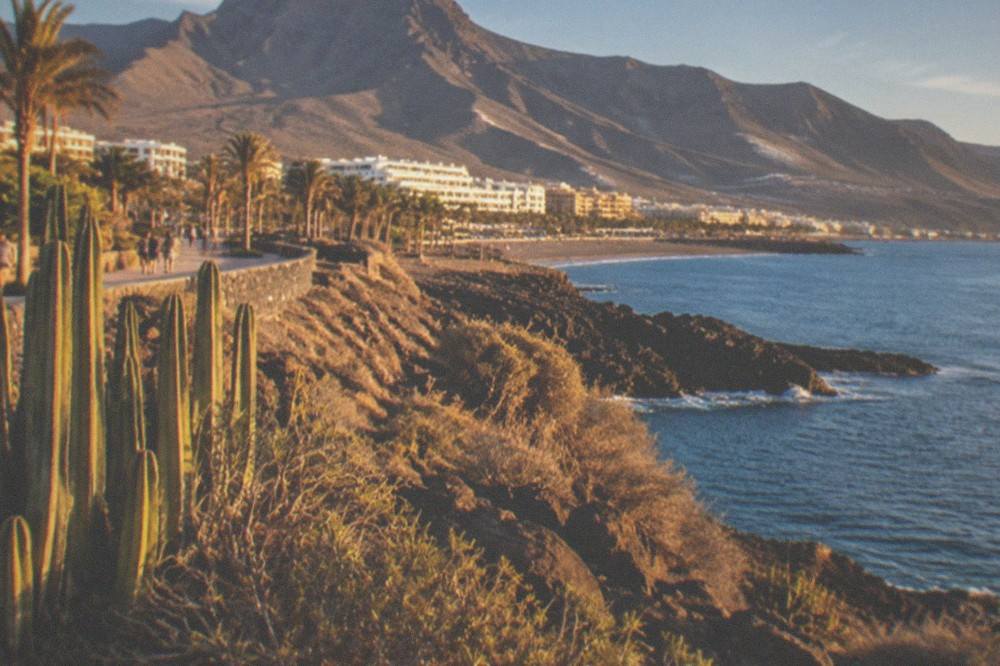
For travellers building a whole day around the sky rather than one flight, the guided hiking tours page covers the walks that reach the same ridgelines under their own power, and the Tenerife excursions page collects the coach and jeep options for the volcano. The full spread of the island's activities sits on the things to do in Tenerife round-up, and this Tenerife Travel Guide hub carries the transport, permit and area briefings that a flight booking usually raises next.
Common Questions About Helicopter Tours in Tenerife
How much does a helicopter tour in Tenerife cost?
No verified price exists for helicopter flights on this island in this site's fact pack, so no figure is stated here. Prices vary by route, duration and operator, and the operator's live listing is the only place to read the current one. For comparison, official ground-level figures are fixed: the Teide cable car return is EUR 42.00 for a non-resident adult, and the summit trail permit costs EUR 15 for visitors on the daytime slots.
Do helicopter flights go over Mount Teide?
Routes over the national park and the summit cone are the most commonly marketed flights on the island, and the caldera, 18,990 hectares of protected park, reads best from directly above. Whether a specific flight files that route is an operator decision, so the itinerary on the listing is the statement that counts. The flight overflies the summit at 3,715 m rather than landing anywhere in the park.
Is a helicopter tour better than the cable car?
They are different products. The cable car is an ascent: it carries you from 2,356 m to La Rambleta at 3,555 m, where you stand on the volcano itself, subject to the operator's health exclusions. A helicopter is an overview: it shows the whole caldera and the neighbouring peaks in one circuit but never puts you on the ground. Travellers who want to stand on Teide need the cable car or a hike; travellers who want the photograph need the flight.
Can a helicopter flight be cancelled for weather?
Yes, that is normal for light helicopter operations everywhere, and Tenerife is no exception: wind, low cloud over the Teide ridge and poor visibility all ground flights. The trail network below has a parallel rule, with bookings suspended for fire risk or weather alerts on Tenerife ON's own notice. Read the operator's cancellation and rebooking terms before booking, since this site's fact pack verifies none of them.
Are there weight or age limits on Tenerife helicopter flights?
Per-seat and per-passenger weight limits are standard practice in commercial helicopter operations, and operators normally ask for weights at booking. Age and health rules vary by company and are not verified in this site's fact pack, so the booking terms are the authority. As a fixed comparison, the cable car operator does not allow children under 3, pregnant women, or people with cardiovascular conditions, because of the altitude.
Can you see whales from a helicopter in Tenerife?
Sometimes, from a height, and it is a matter of luck rather than a route promise. The resident pilot whales the World Cetacean Alliance records for the Whale Heritage Area live in the waters off the south coast, and boats are the regulated way to meet them: Decreto 178/2000 fixes a 60 m minimum approach and forbids swimming within 500 m. A flight over the south coast passes over that zone, but a dedicated boat trip is the product built for whale watching.