Fishing Trips and Charters in Tenerife
Tenerife sits inside a protected marine area with a resident population of pilot whales and a migration route used by more than twenty other cetacean species, and every boat that fishes or watches wildlife here works under the Canary Islands' own watching regulations.
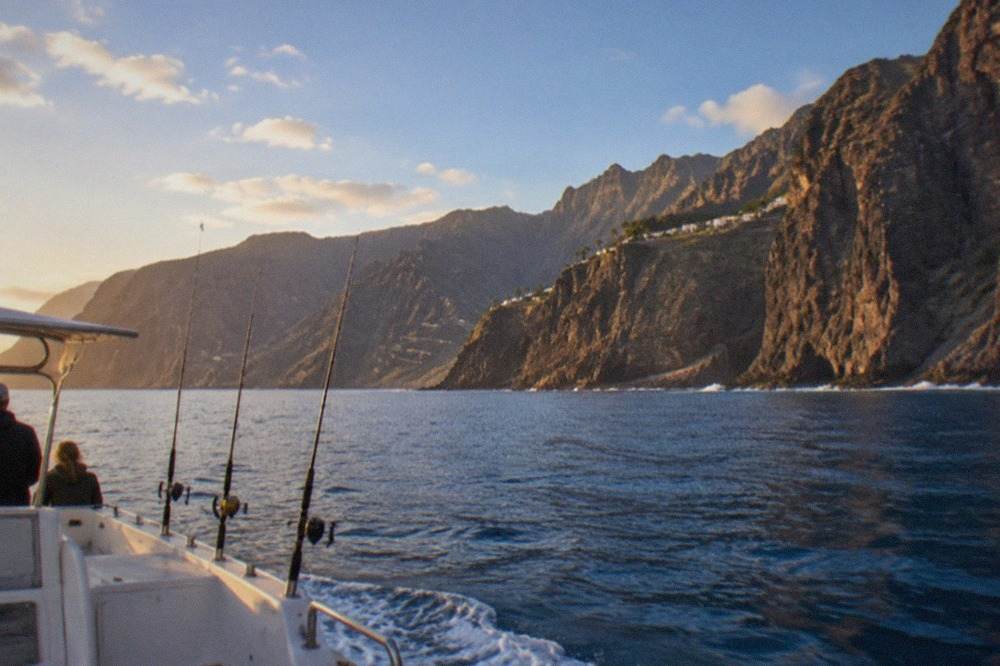
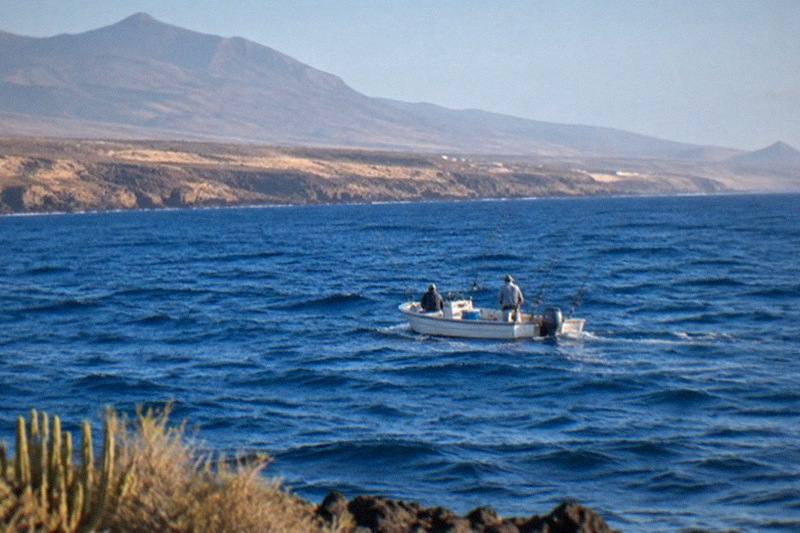
Small-Group Fishing, Tackle Included
Fishing trip, Tenerife Sea Passion
A fishing trip run on a small-group basis, with rods, tackle and bait supplied on board. The crew know the local waters and handle the rigging, so a first-timer can fish alongside more practised hands, and the group size means space and attention for everyone aboard.
from $93.67 Per person, in USD. The total depends on the date and option you pick.
Check Price & Availability →Opens the live booking page with up-to-date dates and prices. All booking and payment happen there; this guide takes none of it.
- Area
- Playa San Juan
- Length
- 4 hours
- Kind
- On and Under the Water
Short answer
Fishing charters in Tenerife run from harbours along the south and west coasts, inside a Special Area of Conservation governed by Decreto 178/2000, which sets approach distances and boat numbers around cetaceans and requires authorised vessels to fly the Barco Azul flag.
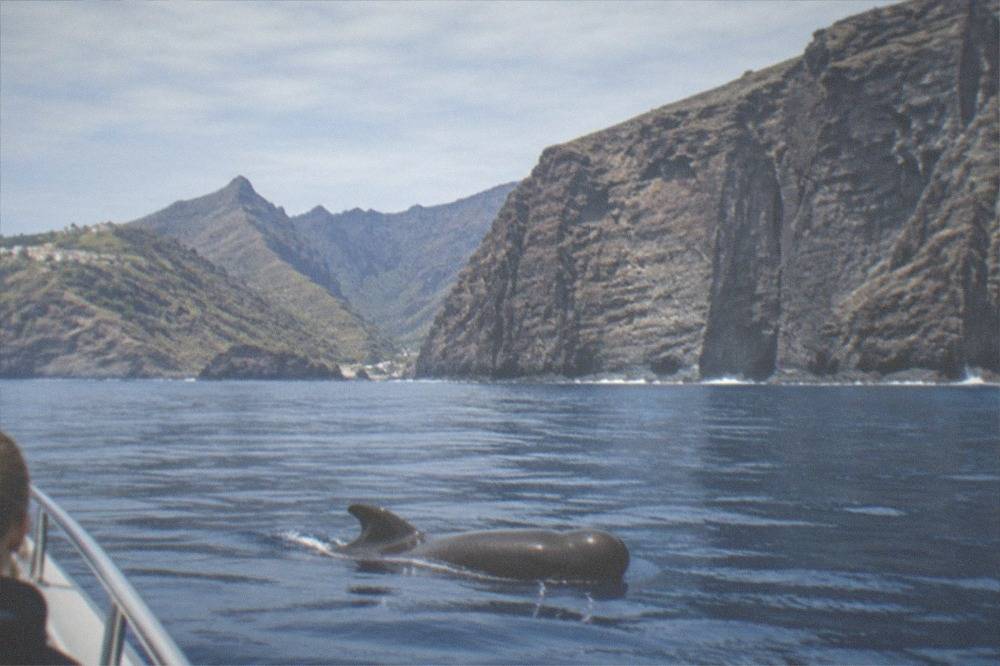
The stretch of water between Tenerife and La Gomera is not ordinary holiday sea. The World Cetacean Alliance records that the Tenerife-La Gomera Marine Area became a designated Whale Heritage Area in January 2021, and describes a unique resident population of pilot whales, bottlenose dolphins, and a migration stop for 21 other cetacean species, all inside a Special Area of Conservation. That is the water a fishing charter in Tenerife works on, and it shapes everything from where boats sail to how they must behave around the animals that live there year-round.
This page lays out what is actually verified about fishing trips on the island: the harbours charters use, the Canary regulations that govern every vessel, the sea temperatures by month, and how a fishing day sits alongside the whale and dolphin trips that share the same water. Where a figure is not on an official record, it is left out rather than guessed. For a broader look at the island's boat scene, the Tenerife boat trips and catamarans page covers the sightseeing side, and the whale and dolphin watching page covers the wildlife trips in detail.
Why Is the Water Off Tenerife So Rich for Boat Trips?
The sea between Tenerife and La Gomera holds a resident population of pilot whales and bottlenose dolphins that stays there year-round, and the World Cetacean Alliance lists the area as a migration stop for 21 further cetacean species, all inside a designated Special Area of Conservation. The same alliance designated the Tenerife-La Gomera Marine Area a Whale Heritage Area in January 2021.
That designation matters for anyone booking a day on the water, because it is the reason the boats here operate under written rules rather than custom. The World Cetacean Alliance, not UNESCO, made the designation, and its programme is now called Whale Heritage Areas. No official count of the pilot whales exists: the alliance's own page says only that the population is unique and resident, and this site does not print a number nobody has verified. What a visitor can rely on is that the animals are present in all seasons, which is why boat trips here are not a summer-only proposition the way they are in many holiday destinations.
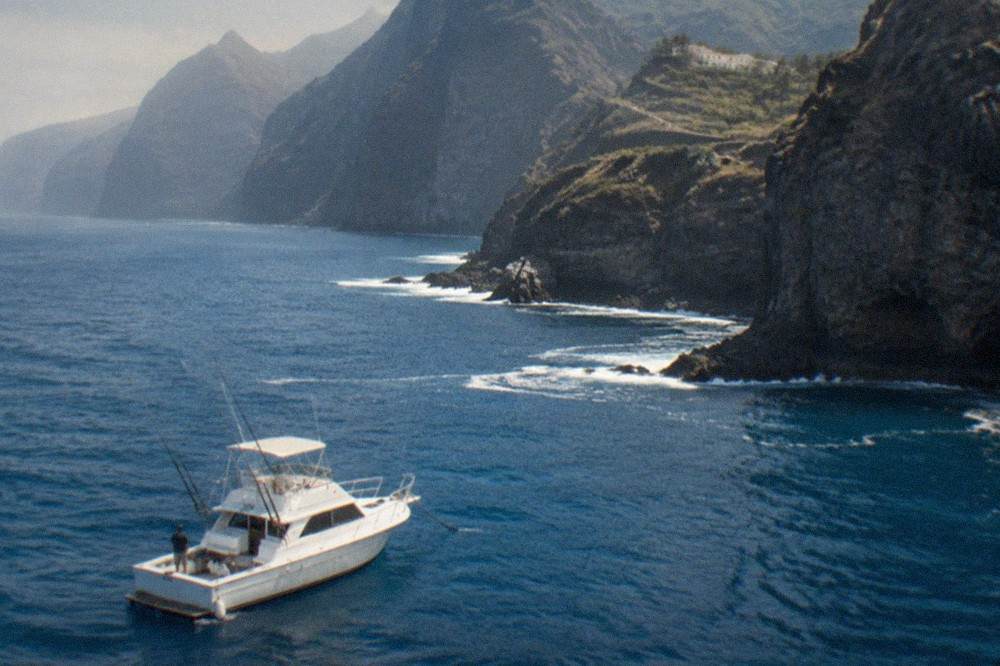
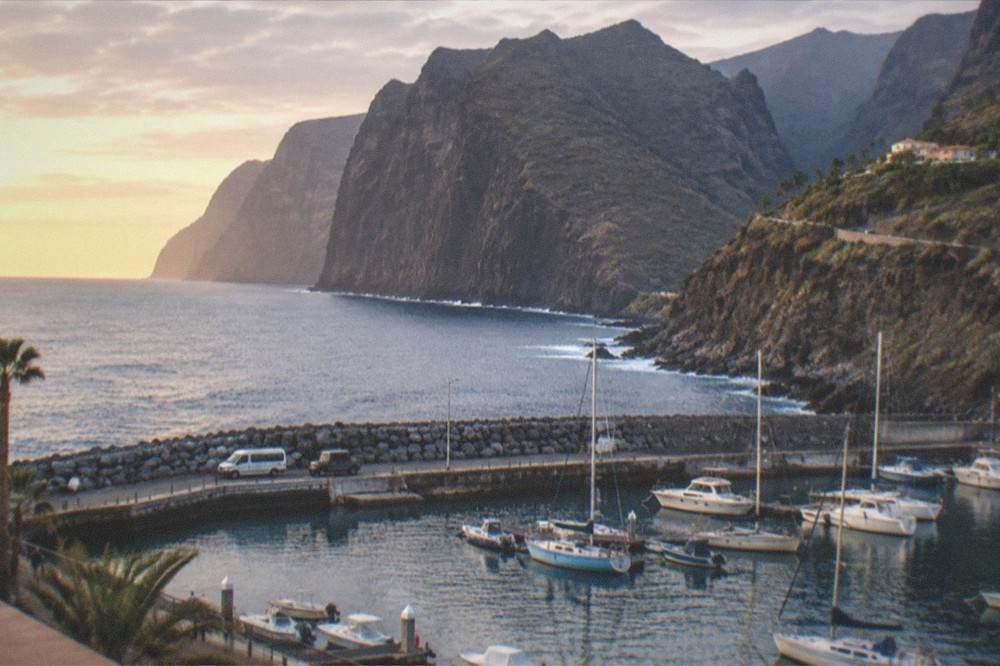
The island's geography does the rest. Los Gigantes, in the municipality of Santiago del Teide, gives the west coast cliffs the tourist board describes as towering up to 600 m, with a seabed about 30 m deep at their foot, and the drop-off close to shore is why boats reach deep water quickly from several harbours. The south coast faces the channel towards La Gomera, the ferry crossing to San Sebastián de La Gomera takes 50 minutes, so the marine area the alliance designated begins effectively at the harbour mouth.
The same channel also explains why the island's boat economy is so dense. Fred. Olsen Express lists Los Cristianos as the departure port not only for La Gomera but also for Santa Cruz de La Palma at 150 minutes and Valverde on El Hierro at 140 minutes, which means the harbour infrastructure, the moorings and the passenger services a charter relies on already exist at full scale. A fishing trip here borrows a working port, not a purpose-built tourist jetty, and that shows in how quickly a boat can be clear of the breakwater and over fishing ground.
Where Do Fishing Charters in Tenerife Sail From?
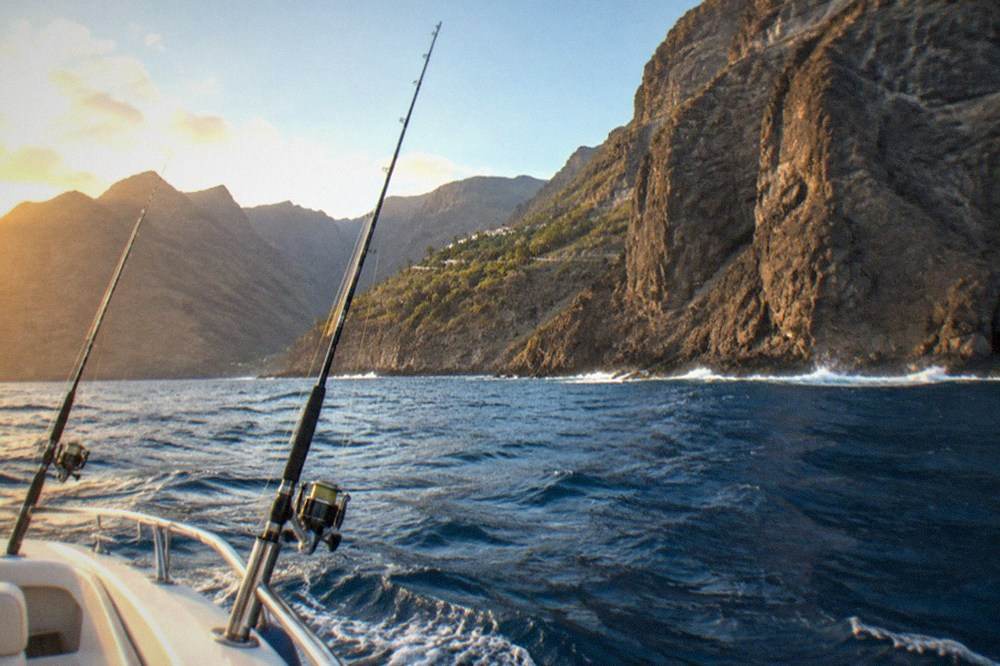
Most fishing charters in Tenerife depart from harbours along the south coast, principally around Los Cristianos and Costa Adeje in the municipalities of Arona and Adeje, with a second cluster operating from Los Gigantes on the west coast, where the cliffs drop into water about 30 m deep close to the pier.
The south is where the island's tourist boat industry is concentrated, and it is where most of the products this site lists are based. Los Cristianos is the ferry port for La Gomera, El Hierro and La Palma, which tells a reader something useful: the harbour is large, working and easy to reach from the main resorts. Costa Adeje's Puerto Colón is the other big departure point for boat trips of every kind. Los Gigantes, further north on the west coast, is the smaller, quieter base, and its position under the cliffs puts a charter over deep water within minutes of leaving the pier.
Getting to the harbour is straightforward. Taxis on the island are white and metered from the start of the trip, with a fixed price available to agree in advance for excursions, and the TITSA bus network covers the resort towns. Visitors pay normal fares: single tickets priced by route, a EUR 10 day travelcard or a EUR 50 seven-day travelcard. The free public transport that the Canary government subsidises is for resident passes only, so no visitor should plan around it. An early departure or a late return is not a problem either way: TITSA's line 711 runs through the night between Santa Cruz, Tenerife South Airport, Los Cristianos and Costa Adeje, which covers the two harbour towns most charters use. The getting around Tenerife page has the full transport picture, and the Los Cristianos and Costa Adeje area pages describe each harbour town in detail.
If a day on the water sounds right but fishing is not the whole plan, these are the boat-based trips the site carries:
What Rules Govern a Tenerife Charter Around Marine Life?
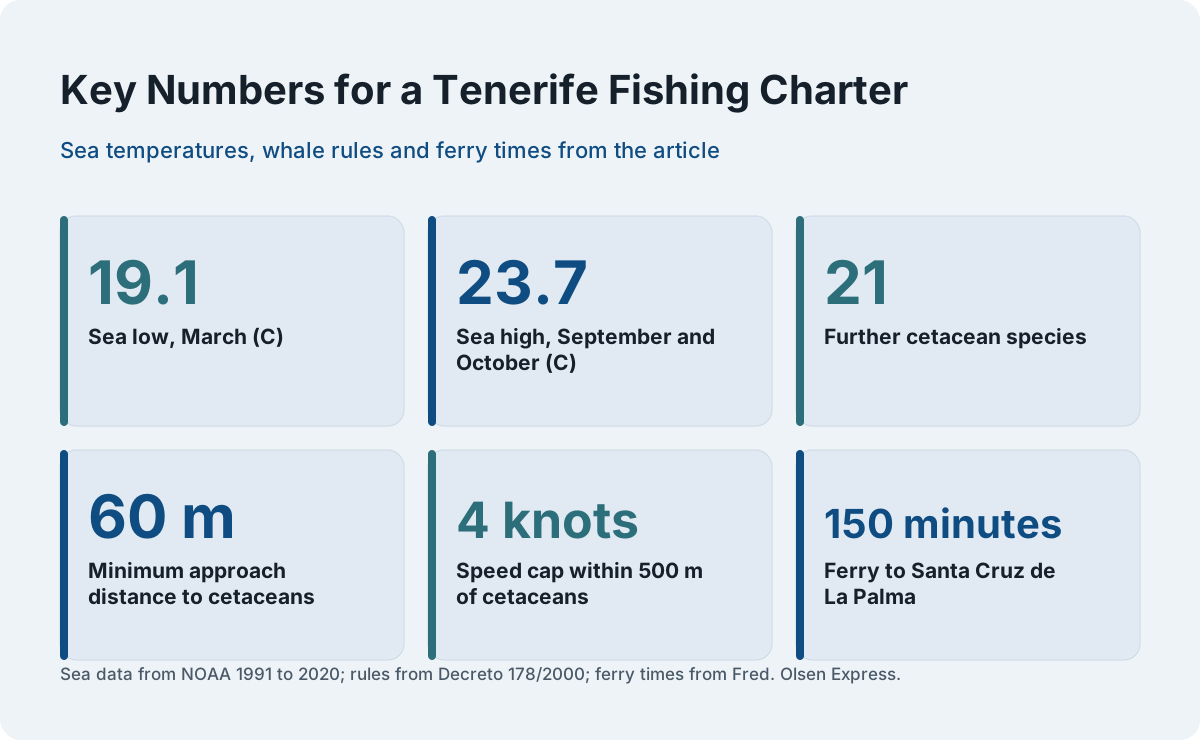
Decreto 178/2000, the Canary Islands' whale watching decree of 6 September 2000, forbids any boat from approaching within 60 m of a cetacean, allows at most three boats within 500 m, caps speed at 4 knots within that zone, and bans swimming, diving, feeding, chasing or circling the animals. Authorised vessels must fly the Barco Azul flag.
This decree applies to every vessel, not only to dedicated watching boats, so a fishing charter that encounters pilot whales on the way to its grounds is bound by the same distances. Article 15 of the decree requires authorised boats to fly the Barco Azul flag, issued by the Canary tourism department with the permit and renewed annually. A visitor who wants to check that a trip is legitimate can look for that flag before stepping aboard.
| Rule from Decreto 178/2000 | What It Means on the Water |
|---|---|
| No approach within 60 m | Boats keep at least this distance from any whale or dolphin |
| At most three boats within 500 m | Crowding around a single group is prohibited |
| 4 knots maximum within 500 m | Speed drops to a crawl inside the zone |
| No swimming or diving within 500 m | Entering the water near the animals is banned |
| No feeding, chasing or circling | Interactive or pursuit behaviour is prohibited |
| Barco Azul flag (Article 15) | Authorised boats must fly it, renewed each year |
The decree is the reason this site describes the island's boat operators by their conduct rather than their claims. The no-chase and eco-labelled trips in the roster are built around exactly these rules, and the whale heritage designation from January 2021 gives the area an international standard to meet as well.
How Warm Is the Sea Off Tenerife, Month by Month?
Sea surface temperature off Tenerife's south coast ranges from a low of 19.1 degrees Celsius in March to a high of 23.7 degrees Celsius in September and October, according to NOAA's 1991 to 2020 dataset. Winter months sit around 19 to 20 degrees, spring warms steadily from April, and the warmest water of the year arrives in late summer and early autumn.
This matters for a fishing day more than almost anything else, because sea temperature drives what lives in the water and how comfortable a day on a boat feels. The full monthly series from NOAA's National Centers for Environmental Information:
| Month | Sea Surface Temperature (C) |
|---|---|
| January | 19.9 |
| February | 19.2 |
| March | 19.1 |
| April | 19.5 |
| May | 20.2 |
| June | 21.4 |
| July | 22.2 |
| August | 23.1 |
| September | 23.7 |
| October | 23.7 |
| November | 22.5 |
| December | 21.1 |
Two datasets sit behind the numbers on this site and they must not be mixed up: the sea figures are NOAA's 1991 to 2020 series, while the air temperature normals for the island's weather stations are AEMET's 1981 to 2010 series. At the south airport station, AEMET records mean daily maxima of 21.7 degrees in January rising to 28.4 in August, with almost no rain in June and July, which is why a charter here is a plausible plan in any month of the year rather than a summer special. More of these guides are collected on Tenerife Travel Guide.
The air side of the picture, from the same AEMET station near the south coast, shows what a day on the boat feels like above the waterline:
| Month | Mean Daily Max (C) | Mean Daily Min (C) | Rain Days (1 mm or More) | Sunshine Hours |
|---|---|---|---|---|
| January | 21.7 | 15.2 | 1.8 | 193 |
| February | 22.0 | 15.0 | 2.2 | 195 |
| March | 23.1 | 15.6 | 1.9 | 226 |
| April | 23.1 | 16.0 | 1.1 | 219 |
| May | 23.9 | 17.0 | 0.3 | 246 |
| June | 25.4 | 18.8 | 0 | 259 |
| July | 27.7 | 20.2 | 0 | 295 |
| August | 28.4 | 21.1 | 0.2 | 277 |
| September | 27.9 | 21.1 | 0.6 | 213 |
| October | 26.8 | 20.0 | 1.6 | 214 |
| November | 24.8 | 18.2 | 1.9 | 193 |
| December | 22.8 | 16.5 | 3.5 | 195 |
Read the two tables together and the pattern is clear: the sea is at its warmest exactly when the air is at its hottest and driest, so a September or October charter pairs the year's warmest water with long, settled sunshine. Winter is not a write-off by any means, since the sea never drops below 19 degrees and the airport station still logs 193 sunshine hours in January, but the rain-day column does climb through November and December, and a skipper will always prefer a settled forecast over a calendar month.
What Does a Fishing Charter in Tenerife Actually Include?
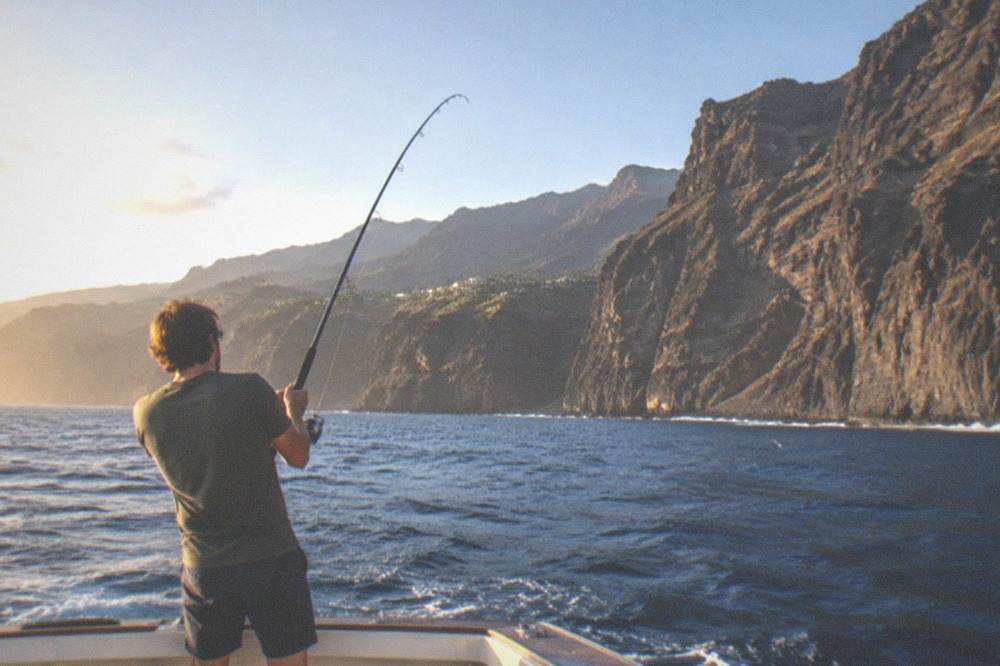
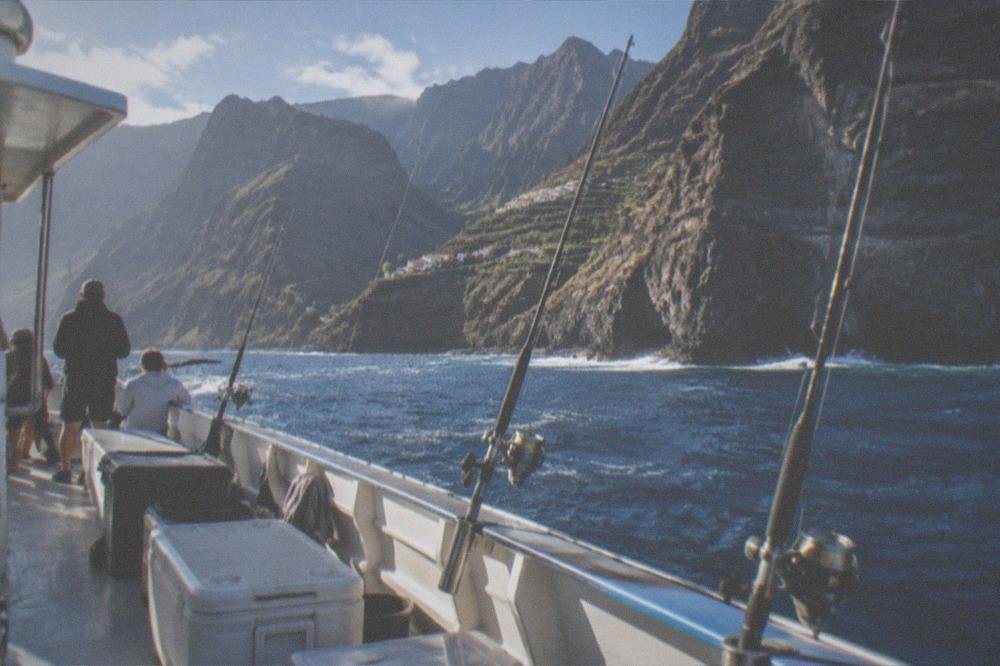
A typical charter product in this market is a private or small-group boat with a skipper, rods and tackle supplied on board, and a half-day or full-day window on the water, with the exact inclusions, durations and meeting points set by each operator's live listing. This site does not print prices for charters, because the product cards carry the live figures and they move with season and demand.
What can be stated firmly is the shape of the decision. Charters here are sold as timed products, usually measured in hours, and the listing for each one states what is provided: equipment, bait, a licence where one applies, food and drink, and whether the boat is exclusive to your group or shared. The one thing worth checking before booking anything is where the boat sails from, because a departure harbour on the wrong side of the island can add a transfer to the day that the listing does not mention.
For travellers weighing a fishing day against other water-based options, the site's kayaking with turtles page covers the paddle-powered alternative, the scuba diving page covers the underwater one, and the wider jet ski and watersports round-up covers everything from parasailing to guided ski safaris along the south coast. One of the most-booked products in that family is the guided jet ski safari:
Can You Combine Fishing with Whale and Dolphin Watching?
On many trips, yes: because the resident pilot whales and bottlenose dolphins live in the same waters the charters fish, a boat often passes them on the way out, and any encounter is then governed by Decreto 178/2000's 60 m approach limit and 4 knot speed cap. Dedicated watching products, sold separately, are built around those encounters rather than around angling.
The practical difference is the boat's purpose. A fishing charter is out to fish, and wildlife sightings are a bonus conducted under the decree's rules. A watching trip, such as the no-chase catamaran encounters in the roster, plans its whole route around finding animals and holding position within the law. Families with children, or anyone who would rather photograph than angle, are usually better served by the second kind of trip, and the whale and dolphin watching page compares them in full.
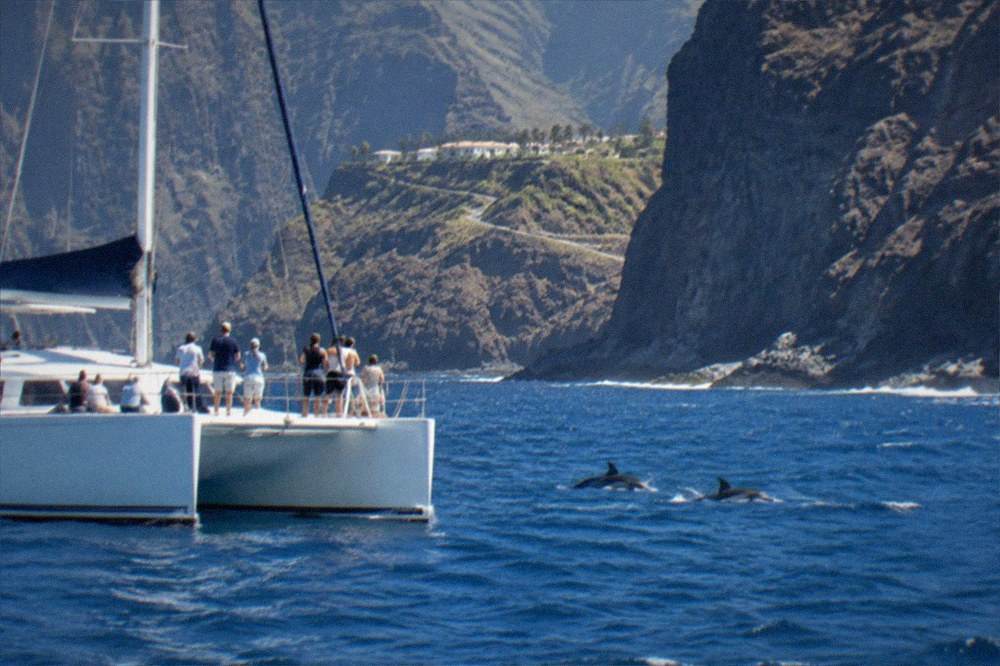
One of the highest-volume eco products on the south coast runs from Los Cristianos:
What Should Beginners Know Before Booking a Tenerife Fishing Trip?
Beginners should book by duration and group size rather than by promises of specific catches, check the departure harbour against where they are staying, confirm on the listing what equipment and licences are included, and remember that sea conditions, not the calendar, decide whether a boat sails on any given day.
The sea off the south coast is calmer than the north coast in most months, which is why the resort belt from Los Cristianos to Costa Adeje hosts the bulk of the island's boat products, but no operator guarantees conditions and the pier at Masca on the west coast can close suddenly when the sea turns, a reminder that the ocean, not the timetable, has the final word on any boat day. Dress for sun even in winter: AEMET's normals for the south airport station record sunshine in every month of the year, including 193 hours in January.
For visitors building a wider week, a fishing day pairs well with the island's big-ticket sights: the Teide tours run to the national park where the cable car reaches La Rambleta at 3,555 m, and a park ticket day at Loro Parque in Puerto de la Cruz is the classic bad-weather backup. The site's full things to do in Tenerife round-up places a boat day in the context of a whole itinerary.
These are the three most-booked products among readers planning water-based days:
Common Questions About Fishing in Tenerife
Do you need a fishing licence in Tenerife?
Each charter's listing states whether a licence is included in the product or arranged by the operator, and this site does not print a rule it has not verified. The reliable approach is to confirm on the operator's live listing before booking, and to treat any charter that does not answer the question clearly as one to walk past.
Are the whales and dolphins around Tenerife there all year?
The World Cetacean Alliance describes a unique resident population of pilot whales and bottlenose dolphins in the Tenerife-La Gomera Marine Area, which means the animals are present in every season rather than passing through on a schedule. The same area serves as a migration stop for 21 other cetacean species. No official count of the pilot whales exists, so no number is printed here.
When is the sea warmest for a fishing trip in Tenerife?
NOAA's 1991 to 2020 dataset puts the warmest sea surface temperature off the south coast at 23.7 degrees Celsius, in both September and October. The coolest month is March at 19.1 degrees. Even in winter the sea stays near 20 degrees, which is why boat trips here run year-round.
How close can a boat get to whales in Tenerife?
Decreto 178/2000 forbids any approach within 60 m of a cetacean, allows at most three boats within 500 m, caps speed at 4 knots inside that zone, and bans swimming, diving, feeding, chasing and circling. Every authorised boat must fly the Barco Azul flag, renewed annually by the Canary tourism department.
Which harbours do fishing charters leave from?
The main departure points are Los Cristianos and Puerto Colón in Costa Adeje on the south coast, in the municipalities of Arona and Adeje, with a smaller cluster at Los Gigantes on the west coast under the cliffs the tourist board describes as rising up to 600 m. The listing for each charter states its exact meeting point.
Is a fishing charter in Tenerife suitable for children?
Suitability depends on the operator and the boat, and each listing states its own age policy. As a point of comparison, the Teide cable car operator does not allow children under 3 at altitude at all, so age limits on island activities are real rather than decorative. Check the listing, and pick a shorter trip for a first outing with young anglers.
A fishing day in Tenerife is, in the end, a day inside one of Europe's most closely watched marine areas, run under a decree that is now more than two decades old and flagged on every authorised hull. Pick the harbour that suits the base, read what the listing actually includes, and let the sea temperature table tell you whether a wetsuit is worth packing.