Auditorio De Tenerife
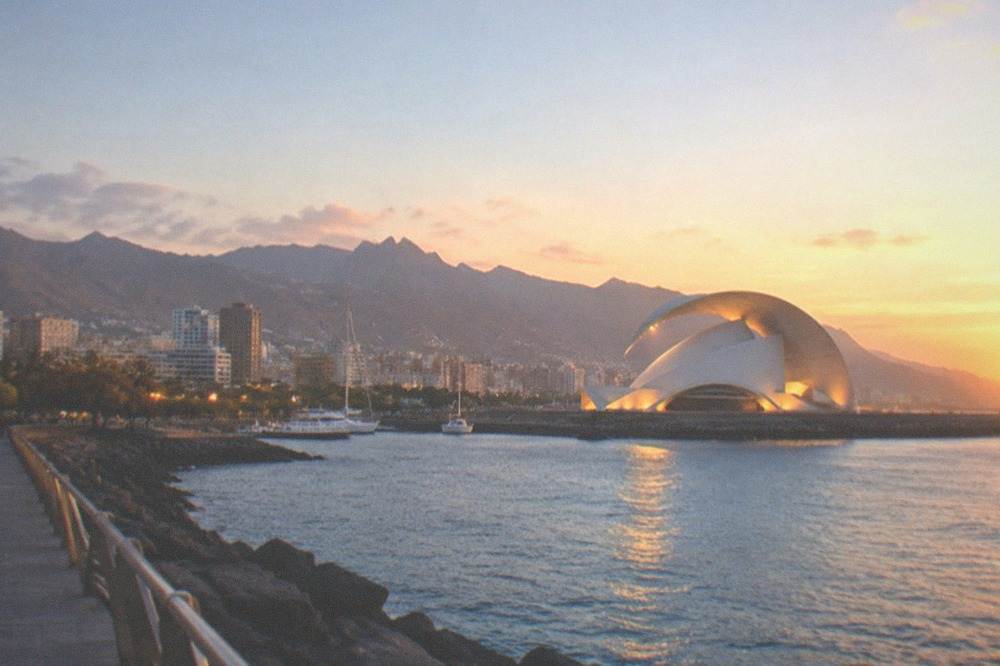
The Auditorio de Tenerife is the white concert hall that anchors the Santa Cruz seafront, designed by Santiago Calatrava and inaugurated in 2003. This guide sets out the verified facts, how to reach it, and what to combine it with.
Short answer
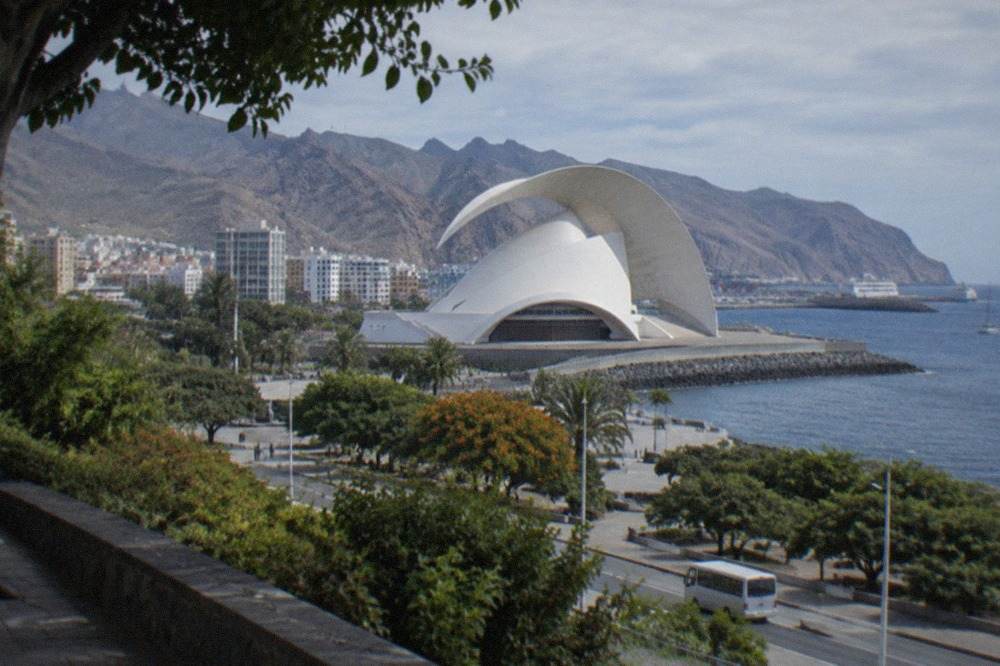
The Auditorio de Tenerife is a concert hall in Santa Cruz de Tenerife designed by Santiago Calatrava, inaugurated in 2003, with a floor area of 23,000 square metres and a white trencadis skin. It sits on the capital's seafront and is the city's most recognised building.
The Auditorio de Tenerife is the single most photographed building on an island better known for beaches and a volcano. Santiago Calatrava designed it, it opened in 2003, and its white trencadis skin curves over 23,000 square metres of floor space on the Santa Cruz seafront. For most visitors it is a stop on a walk along the capital's waterfront, and this guide treats it exactly that way: what is verified about the building, how to reach it, what a visit involves, and what else in Santa Cruz is worth pairing with it. The editorial desk behind Tenerife Travel Guide reports every figure here from official sources, and where no official figure exists, the gap is left open rather than filled.
What Is the Auditorio de Tenerife?
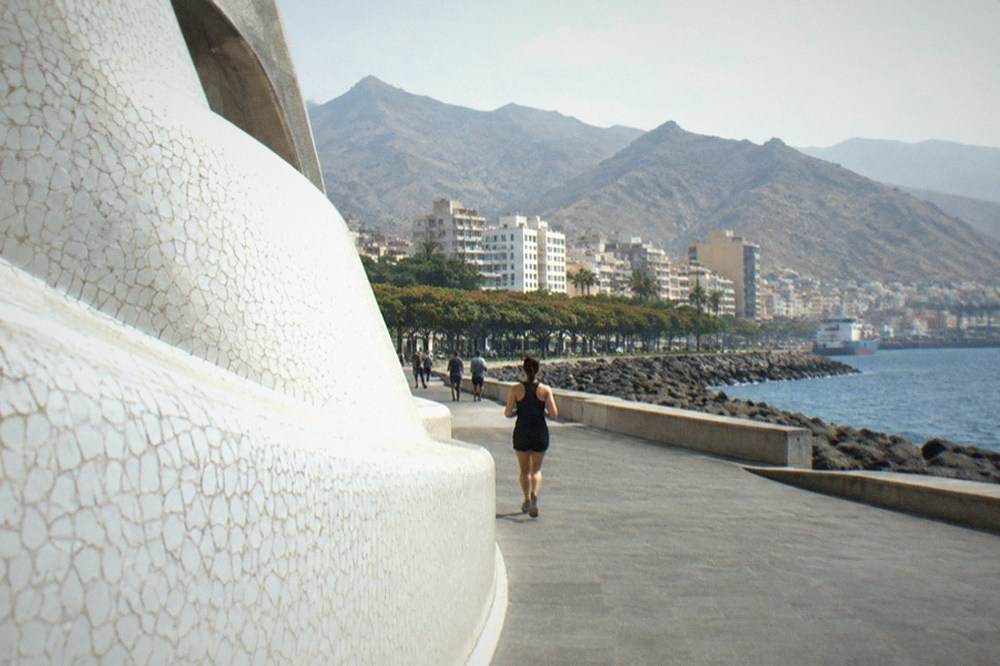
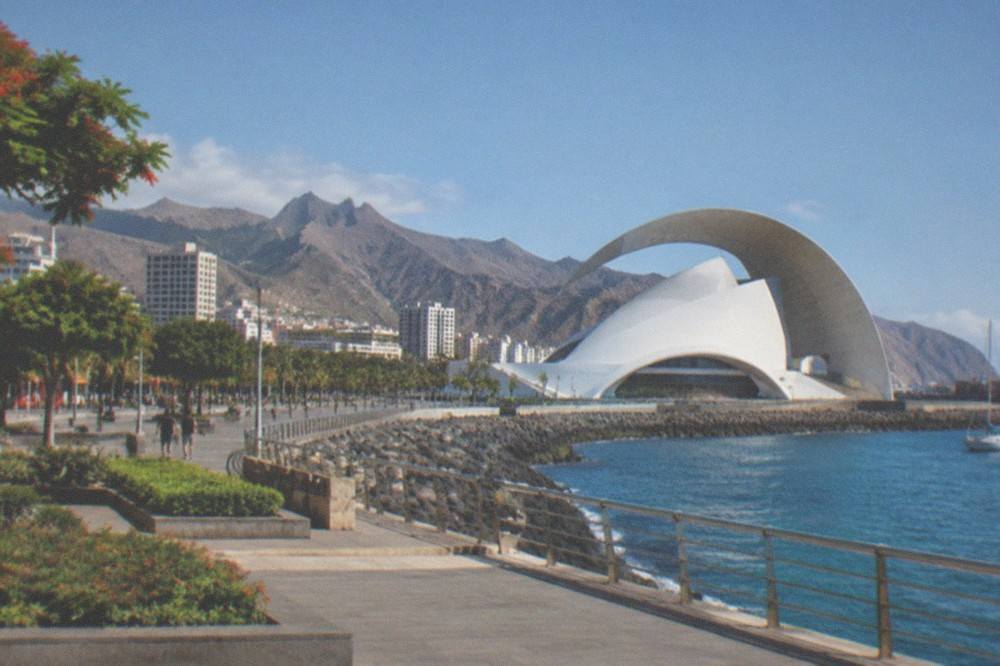
The Auditorio de Tenerife is a concert hall in Santa Cruz de Tenerife designed by the architect Santiago Calatrava, inaugurated in 2003, with a floor area of 23,000 square metres and a skin of white trencadis, the broken-tile finish that gives the building its unmistakable curved silhouette on the capital's seafront.
The venue's own institutional page is the source for all four of those facts, and they are worth keeping precise because the building attracts a lot of loose description elsewhere. It is a working concert hall, not a museum or a viewpoint in the conventional sense, and its programme is the main reason locals pass through its doors. For a visitor, the exterior is the attraction: the curved shell is visible from much of the waterfront, and the plaza around it is open public space. The building sits in Santa Cruz de Tenerife, the island's capital and its largest municipality, home to 211,957 people on the municipal register in January 2025.
The hall is also the most visible piece of a wider cultural waterfront. The old town, the market and the Carnival route are all within the same city, and the Auditorio anchors the modern end of that walk. Visitors planning a broader trip will find the island's headline attractions covered on the things to do in Tenerife round-up.
Who Designed the Auditorio and When Did It Open?
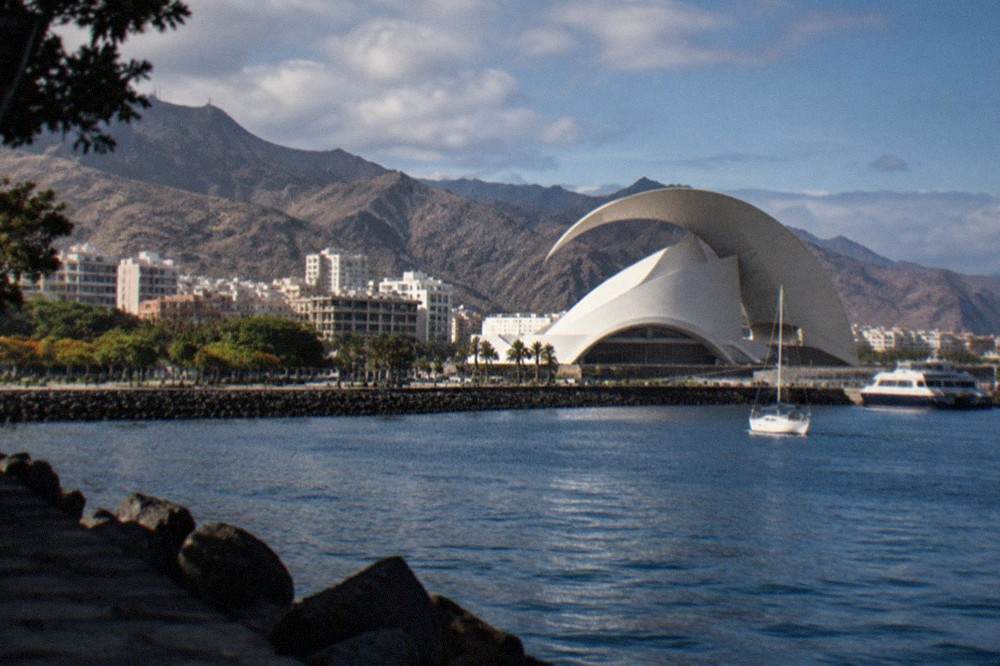
Santiago Calatrava, the Spanish architect known for sculptural white structures, designed the Auditorio de Tenerife, which was inaugurated in 2003. The venue's own description records the building's 23,000 square metres of floor area and its white trencadis exterior, the two figures most often misquoted in visitor guides.
Calatrava's name is the reason many architecture-minded travellers put the building on a list at all. His work shares a visual language of sweeping white curves, and the Auditorio is one of the most accessible examples in the Atlantic islands. The trencadis finish, a mosaic of broken ceramic tiles, catches the strong Canary light and is the surface you see from every angle of the approach.
The 2003 inauguration date comes from the Auditorio's own institutional page, and it is the only date this site states about the building. No construction cost, no visitor count and no capacity figure appears in the verified record, so none is invented here. What the record does support is the building's role as the capital's principal concert venue, standing in a city whose other great public event is Carnival, whose official 2027 programme opens on 22 January and culminates in the Piñata weekend on 26 and 27 February 2027, covered in detail in the Santa Cruz Carnival guide.
Where Is the Auditorio and How Do You Get There?
The Auditorio stands on the seafront of Santa Cruz de Tenerife, the island's capital, reachable by TITSA bus lines 20, 30 and 343 from Tenerife North Airport and by the island's bus network from both airports; the tram does not serve either airport, and visitors pay standard fares, with the EUR 10 day travelcard and the EUR 50 seven-day travelcard the visitor products.
Getting to the capital is straightforward but worth planning. TITSA's own airport pages list the lines that serve each terminal. From Tenerife North Airport, lines 20, 30 and 343 run to Santa Cruz. From Tenerife South Airport, line 10 runs to Santa Cruz, alongside lines 40, 711, 343 and 415 serving other destinations. Line 343 is the express that links Puerto de la Cruz to Los Cristianos via both airports, which makes it the one bus that connects the capital's concert hall with both main resort zones in a single service.
| Airport | AENA's name | TITSA lines serving it |
|---|---|---|
| Tenerife South (TFS) | Tenerife Sur | 10, 40, 711, 343, 415 |
| Tenerife North (TFN) | Tenerife Norte-Ciudad de La Laguna | 20, 30, 343 |
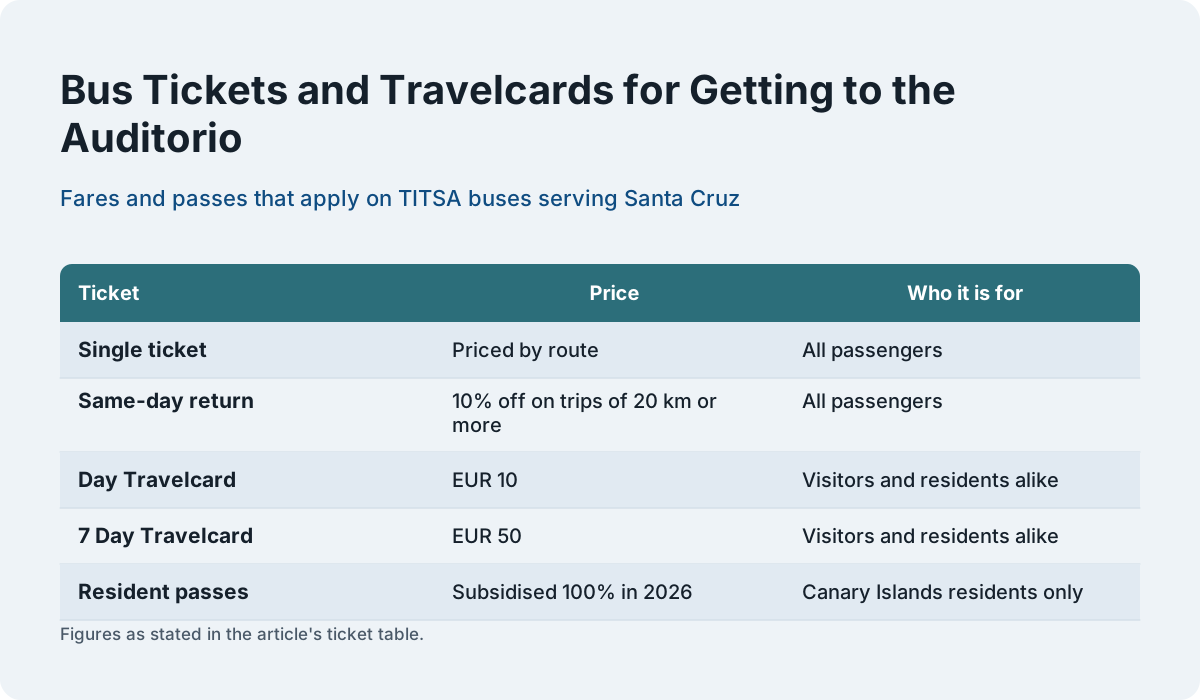
Fares deserve one correction that matters. Public transport on the island is not free for visitors: the 2026 hundred-percent subsidy applies to resident passes only, held on a personalised Ten+ card by people resident in the Canary Islands. Visitors pay. A single ticket is priced by route, a same-day return carries ten percent off on trips of twenty kilometres or more, and the visitor travelcards are the EUR 10 day travelcard and the EUR 50 seven-day travelcard, both sold at airport ticket machines. Within Santa Cruz itself, the tram runs on a separate fare system, with a single journey at EUR 1.35 on a transit pass or EUR 1.10 by mobile.
| Ticket | Price | Who it is for |
|---|---|---|
| Single ticket | Priced by route | All passengers |
| Same-day return | 10% off on trips of 20 km or more | All passengers |
| Day Travelcard | EUR 10 | Visitors and residents alike |
| 7 Day Travelcard | EUR 50 | Visitors and residents alike |
| Resident passes | Subsidised 100% in 2026 | Canary Islands residents only |
For cruise passengers the building is a known landmark of the port city, and the cruise port in Santa Cruz is the point of arrival; no berth or terminal is named here because none is verified. For anyone who would rather not plan the logistics alone, a guided loop of the capital is the simplest way to see the Auditorio, the old town and the seafront in one organised sweep.
Can You Visit the Auditorio Without Seeing a Show?
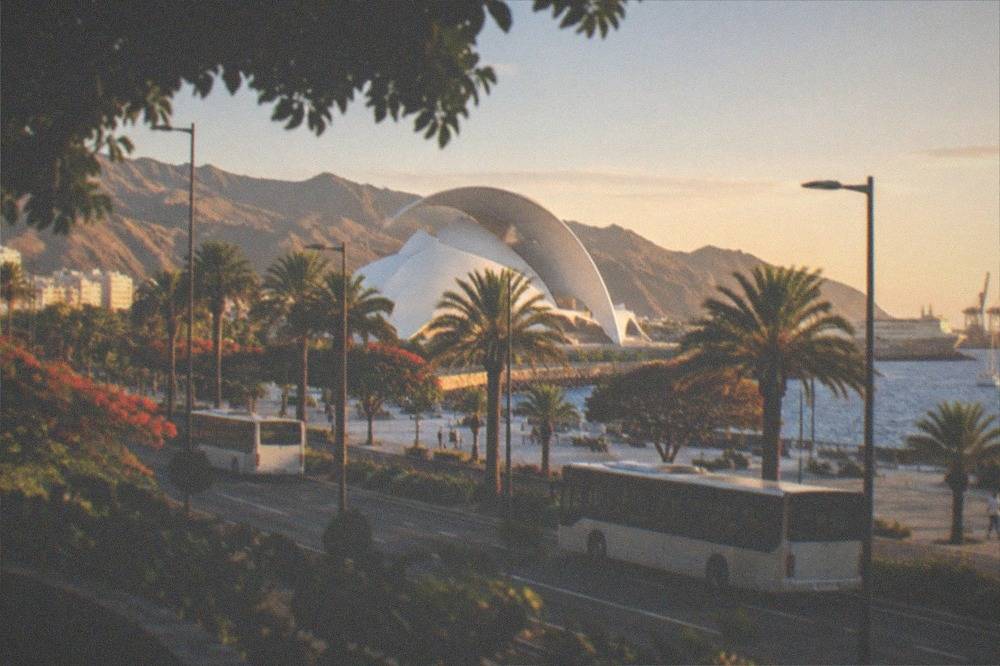
The Auditorio is first a working concert hall, so the fullest way inside is a ticket for a performance, while the exterior, the surrounding plaza and the waterfront walk are public space that costs nothing; no official page read for this guide states a fixed guided-tour price or schedule, so the venue's own box office pages are the place to confirm current visit options before travelling.
That answer is deliberately narrower than most guides give. The building's silhouette is free to enjoy from every angle of the approach, and the seafront plaza around it is open public space. Inside is a different matter: the hall's programme is its purpose, and a performance ticket is the guaranteed route past the doors. Beyond that, this site's verified record holds no tour price, no tour timetable and no opening hours for non-ticket-holders, and inventing any of them would be exactly the kind of filler that misleads a reader. Check the venue's own pages for the current programme and any visit arrangements.
Two practical notes from the verified record do apply. The Canary Islands apply IGIC rather than VAT, with the tax agency's table showing seven percent on everyday goods, and non-resident travellers can claim IGIC back under the form 403 scheme. And there is no tourist tax on Tenerife: no official page shows a per-night lodging tax in force or approved, so a hotel bill in Santa Cruz carries no visitor levy. The charges that do exist on the island are per-booking fees elsewhere, on the Teide trails and at Masca and Barranco del Infierno.
What Can You See Near the Auditorio in Santa Cruz?
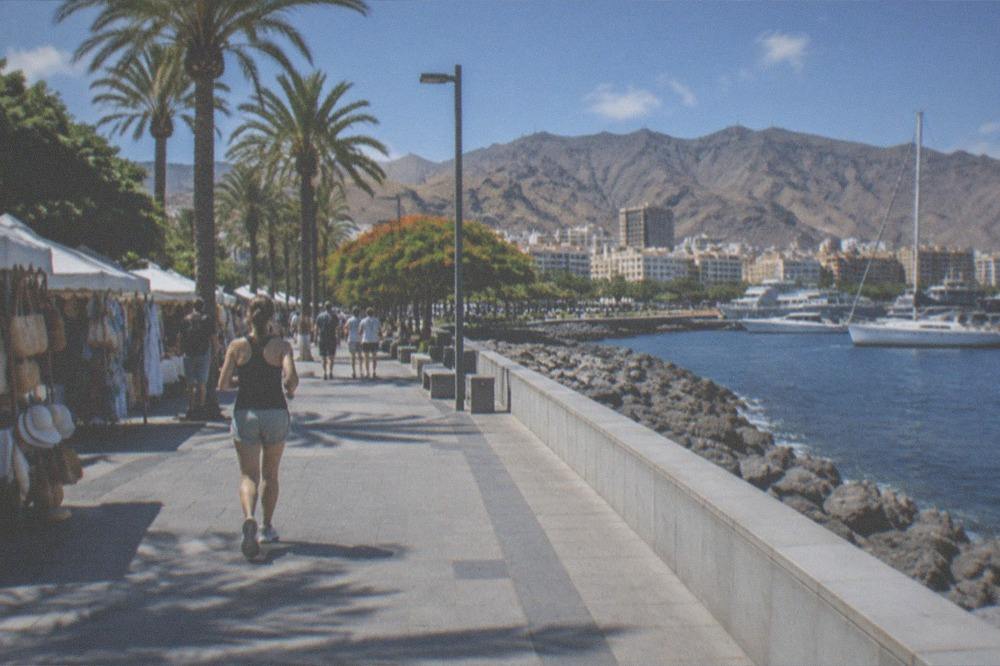
The Auditorio anchors a waterfront that also holds the Mercado de Nuestra Señora de África, the old town of Santa Cruz, and, further afield, the Basilica of Candelaria, built in 1959 with a 45-metre tower, and the golden-sand beach of Las Teresitas at San Andrés, all reachable by public transport from the capital.
The market is the easiest first stop. The Mercado de Nuestra Señora de África is the capital's great produce hall, and pairing it with the Auditorio gives a morning that moves from the working city to its most modern symbol. From there, the old town's squares and the Carnival route fill the middle of the day, and a free, tip-based walking tour is one way to have the history explained: GuruWalk lists a free walking tour of the historic centre of Santa Cruz, free to join and pay-what-you-want, which covers the ground between the market quarter and the seafront.
Beyond the city, two excursions stand out for visitors based in the capital. Las Teresitas, the golden-sand beach at San Andrés with palm trees and breakwaters that calm the water, is the capital's own swimming beach, covered in the Playa de las Teresitas guide. And the Basilica of Candelaria, designed by Enrique Marrero Regalado and built in 1959, with a tower of 45 metres and a cupola of 25 metres, is dedicated to the Virgin of Candelaria, patron saint of the Canary archipelago; the original carving was lost in a flood in 1826 and the current image dates from 1827.
| Site | What the official record states | Distance character |
|---|---|---|
| Mercado de Nuestra Señora de África | The capital's produce market | In the city |
| Las Teresitas | Golden sand, palms, breakwaters, at San Andrés | Santa Cruz municipality |
| Basilica of Candelaria | Built 1959, tower 45 m, cupola 25 m | South along the coast |
| La Laguna | UNESCO-listed colonial town | Inland from the capital |
Inland from the capital, La Laguna holds the island's other UNESCO inscription, a colonial town layout that UNESCO describes as the first non-fortified Spanish colonial town and the model for many colonial towns in the Americas. It makes a natural half-day pairing with the Auditorio for visitors who want both the modern and the historic island in one stay.
What Is the Weather Like in Santa Cruz?
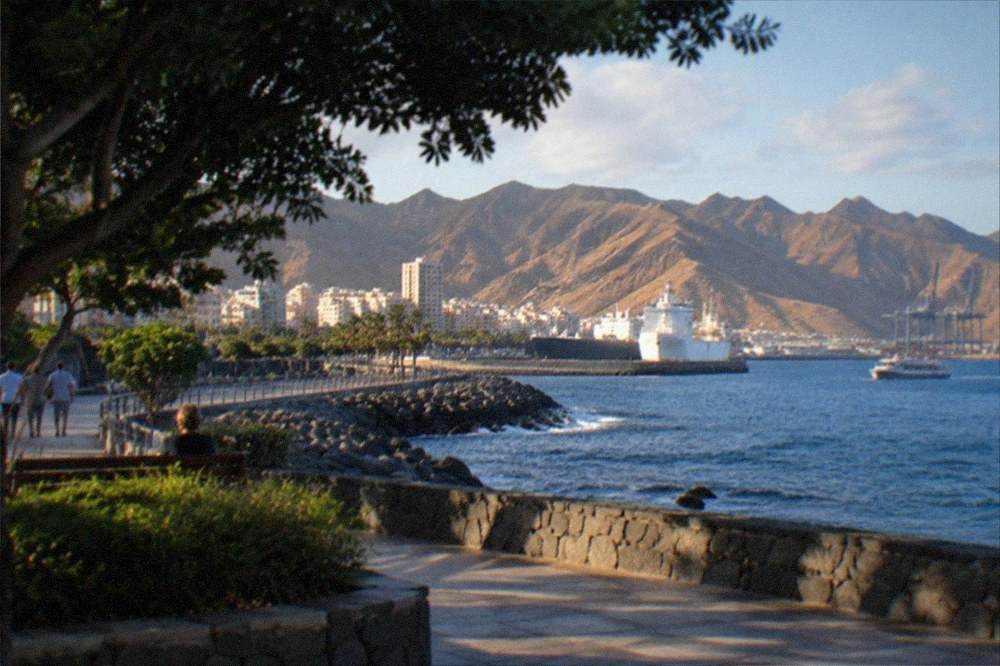
Santa Cruz is one of the warmest capitals Spain has, with AEMET's 1981 to 2010 normals showing mean daily highs from 21 degrees Celsius in January to 29 in August, July recording no rain days at all, and an annual total of 226 mm of rain on 29.7 days with one millimetre or more, figures that make the seafront walk to the Auditorio a year-round proposition.
The detail worth knowing is the contrast across the island. Santa Cruz, at 36 metres above sea level, sits in the island's warm, sheltered east. Tenerife North Airport at Los Rodeos, 632 metres up on the damp northern slope, records 520 mm of rain across 64 rain days a year, more than double the capital's total. A day that is bright on the Auditorio's plaza can be grey in the Anaga hills, and the sea temperature off the south coast, in NOAA's separate 1991 to 2020 dataset, runs from 19.1 degrees in March to 23.7 in September and October.
| Month | Mean daily max (C) | Mean daily min (C) | Rain (mm) | Sunshine (hours) |
|---|---|---|---|---|
| Jan | 21 | 15.4 | 32 | 178 |
| Feb | 21.2 | 15.3 | 35 | 186 |
| Mar | 22.1 | 15.9 | 38 | 221 |
| Apr | 22.7 | 16.5 | 12 | 237 |
| May | 24.1 | 17.8 | 4 | 282 |
| Jun | 26.2 | 19.5 | 1 | 306 |
| Jul | 28.7 | 21.2 | 0 | 337 |
| Aug | 29 | 21.9 | 2 | 319 |
| Sep | 28.1 | 21.7 | 7 | 253 |
| Oct | 26.3 | 20.3 | 19 | 222 |
| Nov | 24.1 | 18.4 | 34 | 178 |
| Dec | 22.1 | 16.6 | 43 | 168 |
Those are AEMET's station normals for Santa Cruz de Tenerife, and the sea-surface figures belong to a different dataset and period, which is why they are never mixed in one sentence here. For planning purposes the pattern is simple: the capital is warm and bright in every month, rain concentrates in November to February, and summer days push toward 29 degrees. The Tenerife weather by month guide carries the island-wide picture.
When Is the Best Time to Visit the Auditorio?
Any month works for the building itself, since Santa Cruz's normals never fall below a 21-degree mean daily maximum, but the timing that changes the visit is the calendar: Carnival season brings the official programme that runs from 22 January to the Piñata weekend of 26 and 27 February 2027, while the quietest seafront months are May and June, when the capital records 4 mm and 1 mm of rain respectively.
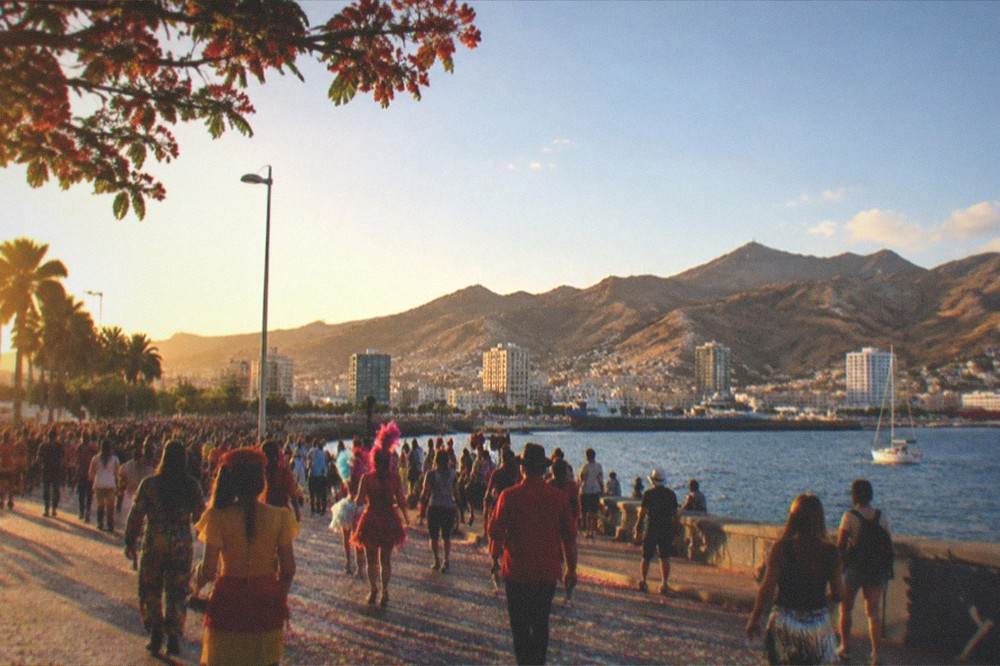
Carnival is the capital's defining event, and the Auditorio sits in the city that hosts it. The official programme for 2027 gives the opening on 22 January, the Children's Queen gala on 7 February, the Queen's Election Gala on 17 February, the floats contest on 19 February, the first Daytime Carnival on 21 February, and the Piñata Friday and second Daytime Carnival on 26 and 27 February 2027. Those dates sit after Ash Wednesday, which is 10 February 2027, and the official programme is the only calendar this site follows.
Outside Carnival, the summer months suit a seafront visit best, and the sea is at its warmest, 23.7 degrees, in September and October. Visitors who want the capital without the crowds should note the arrival figures: tourism by air dips in May and June each year, and hotel occupancy follows, which is when the plaza around the Auditorio is at its calmest.
What Else Should You Combine with the Auditorio?
A visit to the Auditorio pairs naturally with the rest of the capital and the island's headline sights: the Teide cable car, which climbs from 2,356 metres to La Rambleta at 3,555 metres, the whale-watching boats of the south coast, and the island's other great white landmark, the Roques de García in Teide National Park, each of which is a separate trip from Santa Cruz.
The cable car is the most requested pairing, and it needs precise handling because three separate things are often blurred together. Driving through the national park carries no charge on any official page read. The cable car is an operator ticket, climbing from the base station at 2,356 metres to La Rambleta at 3,555 metres, with 2026 return tickets at EUR 42 for non-resident adults and EUR 21 for children aged 3 to 13, resident rates at EUR 10.50 and EUR 5.25. The summit crater trail is a third thing entirely: the PNT 10 Telesforo Bravo permit is booked on Tenerife ON, and since Monday 19 January 2026 the 09:00 to 17:00 slots cost EUR 15 for visitors, EUR 6 for residents of the other Canary Islands, and nothing for Tenerife residents and children. The full picture, including the weekly Monday 07:00 release rule that keeps 56 days bookable, is in the Teide cable car guide.
| Item | What it costs | Who sets it |
|---|---|---|
| Teide cable car return, non-resident adult | EUR 42.00 (price from) | The operator |
| Teide cable car return, child 3 to 13 | EUR 21.00 (price from) | The operator |
| Teide cable car return, resident adult | EUR 10.50 | The operator |
| Summit trail PNT 10, 09:00 to 17:00 slots | EUR 15 visitors, EUR 6 other Canary residents, free for Tenerife residents and children | Tenerife ON |
| Masca gorge ticket | EUR 40.66 general, boat not included | caminobarrancodemasca.com |
| Barranco del Infierno | EUR 15 non-resident adult, EUR 5 Canary residents | The venue |
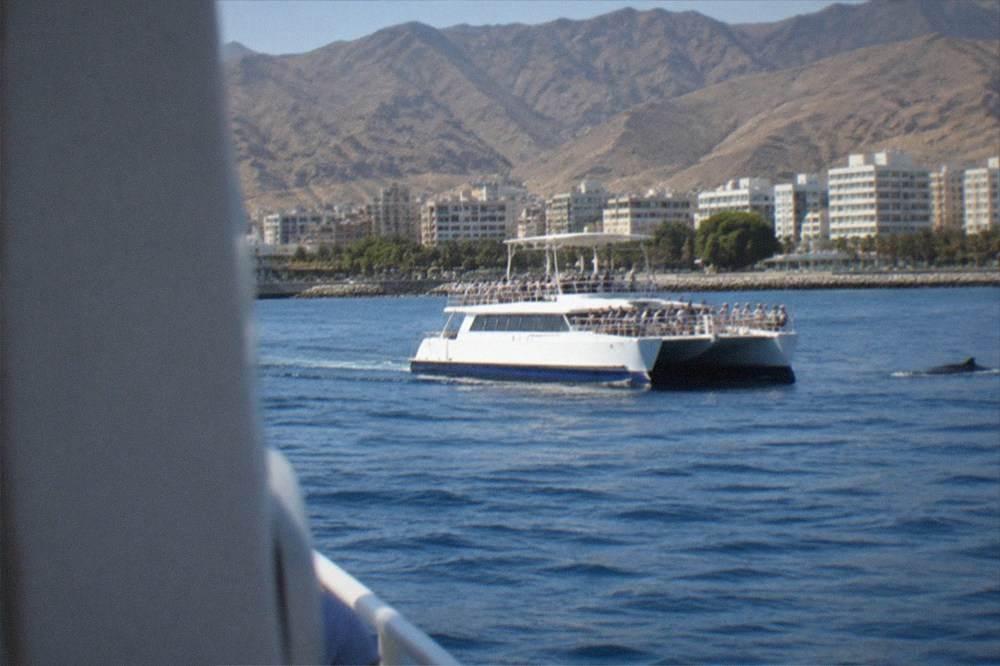
The south coast is the other obvious pairing. Whale watching is regulated by Decreto 178/2000, which sets the rules every authorised boat must follow: no approach within 60 metres, at most three boats within 500 metres, a maximum of four knots within 500 metres, no swimming within 500 metres, and no feeding, chasing or circling. Authorised boats fly the Barco Azul flag. The World Cetacean Alliance designated the Tenerife-La Gomera marine area a Whale Heritage Area in January 2021, citing a unique resident population of pilot whales, bottlenose dolphins and a migration stop for 21 other cetacean species.
For visitors who base themselves in the capital rather than the south, the island's bus network makes both trips feasible in a day, with the day travelcard covering the rides. Those weighing the capital against the resort zones will find the comparison laid out in the guide to Los Cristianos vs Costa Adeje, and the broader north-south question in the Tenerife North vs South guide.
Do You Need Tickets, Permits or Papers to Visit Tenerife?
No permit or entry fee applies to the Auditorio or to any of Santa Cruz's public spaces, the island levies no per-night tourist tax, and entry for UK and US visitors is registered through the EU's Entry/Exit System, which began on 12 October 2025 and has been fully operational since 10 April 2026, while ETIAS is not yet in operation and no start date has been announced.
The entry rules are the part most guides get wrong, so the verified wording matters. The Entry/Exit System replaces passport stamping and records a facial image and fingerprints of non-EU nationals on short stays, which includes UK and US visitors. ETIAS is a separate scheme and the EU's own page states it is currently not in operation and that no applications for travel authorisations are collected at this point; the start date will be announced several months before launch, and the fee will be EUR 20. Any page giving an ETIAS start date is guessing.
On money, two points close the practical loop. The Canaries apply IGIC rather than VAT, with seven percent on everyday goods and a refund scheme for non-resident travellers. And the island's only visitor charges are the per-booking fees listed in the table above, on the Teide trails, at Masca and at Barranco del Infierno, none of which touches a stay in Santa Cruz.
Common Questions About the Auditorio de Tenerife
Who designed the Auditorio de Tenerife?
Santiago Calatrava designed the Auditorio de Tenerife, which was inaugurated in 2003. The venue's own institutional page records the building's 23,000 square metres of floor area and its white trencadis skin.
Is the Auditorio de Tenerife worth visiting?
As a piece of architecture on a public seafront, yes: the exterior and plaza cost nothing to enjoy and the building is the capital's most recognised landmark. For the interior, a performance ticket is the guaranteed route in, and the venue's own box office pages carry the current programme.
How do you get to the Auditorio de Tenerife?
It stands on the Santa Cruz seafront, reachable by TITSA bus. Line 10 runs from Tenerife South Airport to Santa Cruz, and lines 20, 30 and 343 serve Tenerife North Airport. The tram does not serve either airport.
Is public transport free in Tenerife for tourists?
No. The 2026 hundred-percent subsidy applies to resident passes only, held on a personalised Ten+ card by Canary Islands residents. Visitors pay single fares or buy the EUR 10 day travelcard or the EUR 50 seven-day travelcard.
Is there a tourist tax in Tenerife?
No per-night lodging tax is in force or approved on Tenerife on any official page read. The charges that do exist are per-booking fees on the Teide trails, the Masca ticket and the Barranco del Infierno ticket.
What is near the Auditorio de Tenerife?
The Mercado de Nuestra Señora de África, the old town of Santa Cruz, the UNESCO-listed colonial town of La Laguna inland, and the golden-sand beach of Las Teresitas at San Andrés, all within the capital's reach by bus or tram.