The Best Area in Tenerife for Couples
Costa Adeje and Los Cristianos win for most couples, but the right base depends on whether you want beach days, nightlife, quiet or a mix of all three.
Short answer
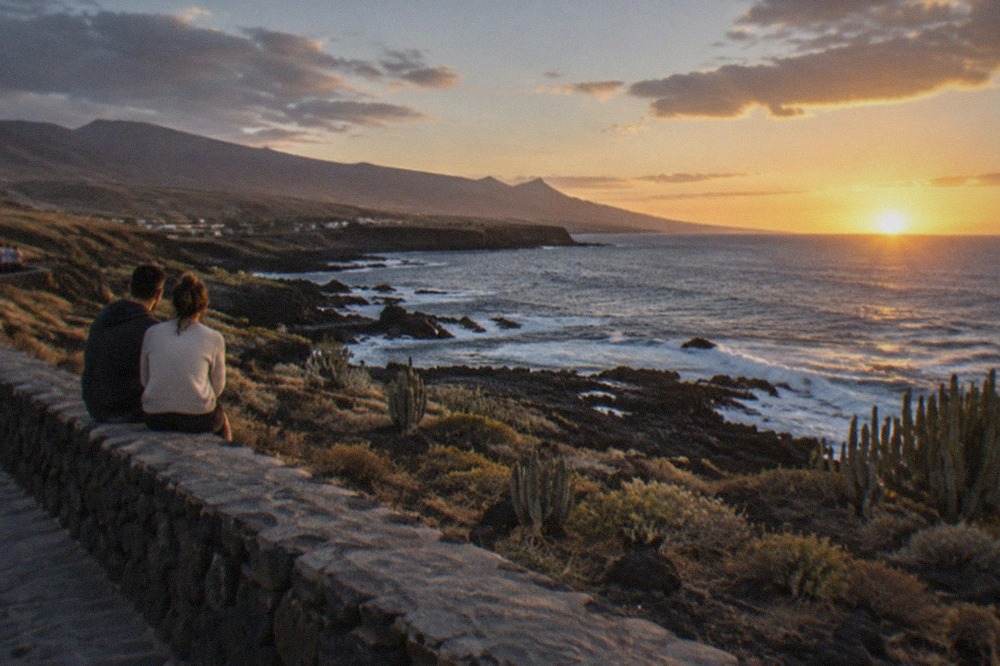
Costa Adeje is the best all-round area in Tenerife for couples who want beaches, restaurants and evening options in one place, while Los Gigantes suits couples who prefer quiet, and Puerto de la Cruz suits those who want a historic town ahead of a resort strip.
Tenerife took 7,561,659 tourists in 2025, and the overwhelming majority of them stayed in a handful of resort areas along the south and west coasts. For a couple planning a week together, the choice of base matters more than the choice of hotel: it decides whether your evenings are a candlelit seafront or a karaoke strip, whether your nearest beach is golden sand or grey, and how long every day trip takes. This guide compares the areas that actually work for two people, using the tourist board's own descriptions, AEMET's climate normals and the island's official transport pages, and it names the trade-offs honestly rather than ranking everything a ten out of ten.
Which Is the Best Area in Tenerife for Couples Overall?
For most couples, Costa Adeje is the best base in Tenerife: it sits in the municipality of Adeje, combines the grey-sand Playa del Duque and the pale-sand Playa Fanabe with a wide range of restaurants and quieter evening options, and it sits within easy reach of the island's most popular boat trips. Los Cristianos in Arona is the strong runner-up, while Los Gigantes suits couples who want stillness ahead of choice.
Costa Adeje earns the top spot for a reason that rarely appears in a first page of search results: the tourist board describes El Duque as a grey sandy beach, not a golden one, and that distinction matters if sand colour is part of your fantasy. The golden sand the tourist board does promise sits at Las Vistas in Arona, between Los Cristianos and Playa de las Américas, and at Las Teresitas near Santa Cruz. So a couple who wants the classic golden photograph should base near Las Vistas, while a couple who cares more about promenade, restaurants and calm water should stay in Adeje and accept grey sand with pale-sand Fanabe beside it.
The second reason is logistics. Costa Adeje and Los Cristianos sit side by side, and the whale watching fleet departs from Puerto Colón and the Los Cristianos harbour, which puts the island's signature couples activity, a catamaran afternoon with the resident pilot whales, minutes from your hotel. The World Cetacean Alliance designated the Tenerife-La Gomera Marine Area a Whale Heritage Area in January 2021, citing a unique resident population of pilot whales, and the authorised boats fly the Barco Azul flag under Decreto 178/2000. A base in the south puts that on your doorstep.
Is Los Cristianos or Costa Adeje Better for a Couples Holiday?
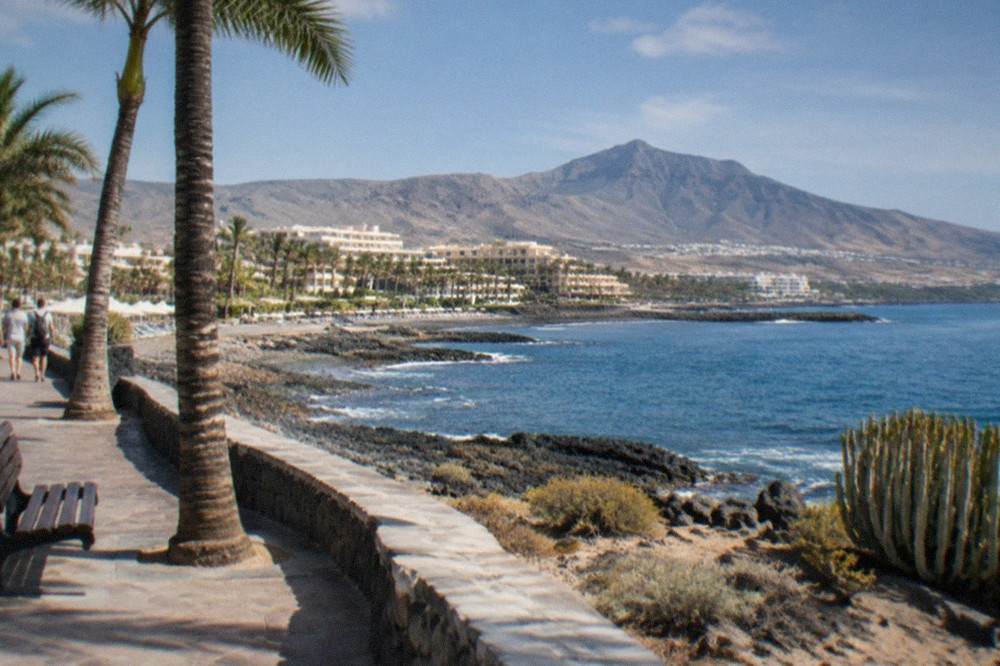
Los Cristianos, in the municipality of Arona, is better for couples who want a working town with a harbour, a golden-sand beach at Las Vistas and shorter transfers from Tenerife South airport, while Costa Adeje is better for couples who want resort polish, seafront dining and a calmer evening scene. They sit next to each other, so the choice is about character, not distance.
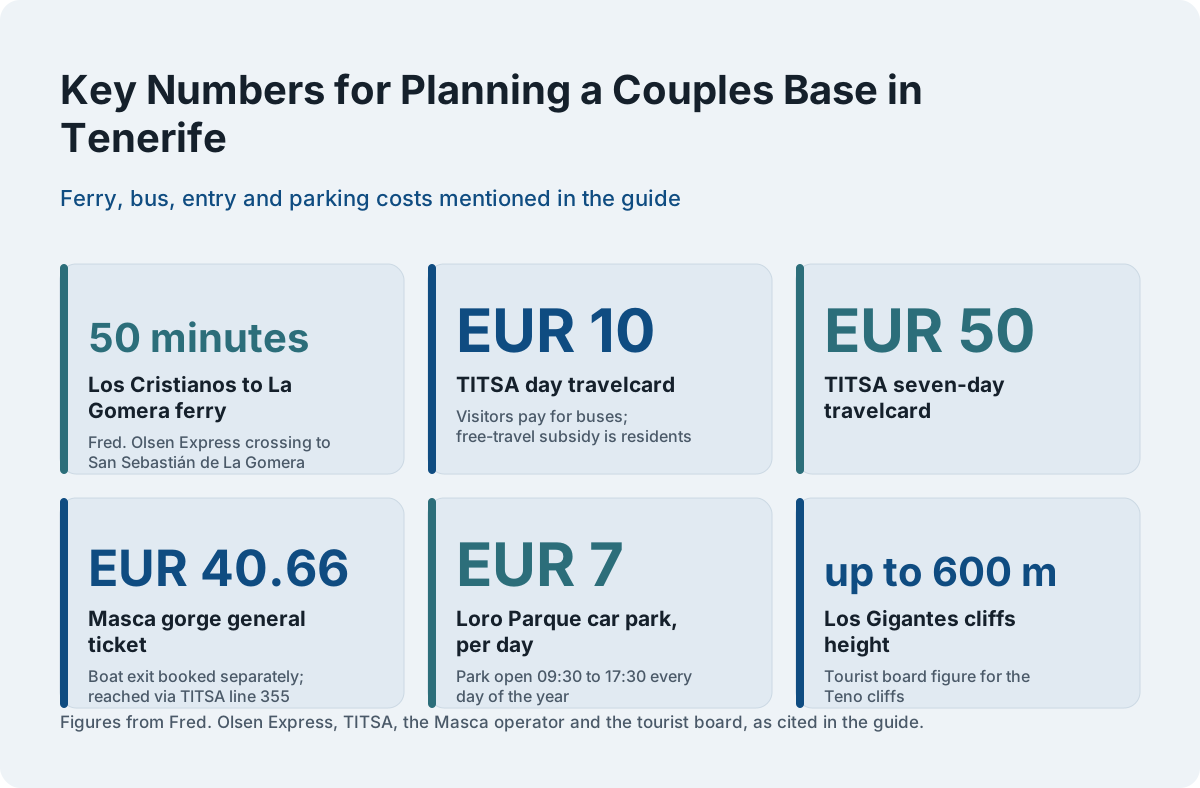
Los Cristianos began life as a fishing town and still has one, in the sense that its harbour sends ferries and whale boats out every day. Fred. Olsen Express lists the Los Cristianos to San Sebastián de La Gomera crossing at 50 minutes, which makes the town the natural base for a couple who fancy a La Gomera day trip by ferry rather than an organised coach-and-ferry excursion. The harbour front also gives the town an evening life that is not purely tourist-facing.
Costa Adeje, by contrast, is purpose-built for holidays, and it shows in ways a couple will either love or not. The promenade runs continuously along the coast, the restaurant selection is the widest on the island, and the area includes El Duque, the beach the tourist board calls grey sand, backed by the most polished hotels. If your holiday fantasy is breakfast on a terrace, a beach morning, a spa afternoon and dinner a short stroll away, Adeje is built exactly for that sequence.
The practical comparison looks like this:
| Factor | Los Cristianos (Arona) | Costa Adeje (Adeje) |
|---|---|---|
| Nearest listed beach | Las Vistas, golden sand behind breakwaters | El Duque, grey sand; Playa Fanabe, pale sand |
| Harbour | Ferry port, whale watching departures | Puerto Colón, whale watching and watersports |
| Evening character | Town seafront with bars and restaurants | Resort promenade, quieter after dark |
| La Gomera ferry | Departs from here, 50 min crossing | Reached via Los Cristianos |
| Best for | Couples wanting town life and golden sand | Couples wanting polish and calm |
One honest note on transport: visitors pay for the buses. TITSA sells a day travelcard at EUR 10 and a seven-day travelcard at EUR 50, and the 2026 free-travel subsidy applies only to resident passes held by people resident in the Canary Islands. A couple basing in Los Cristianos or Costa Adeje will mostly walk, so the travelcard question matters less here than in the north.
Where Should a Quieter Couple Stay in Tenerife?
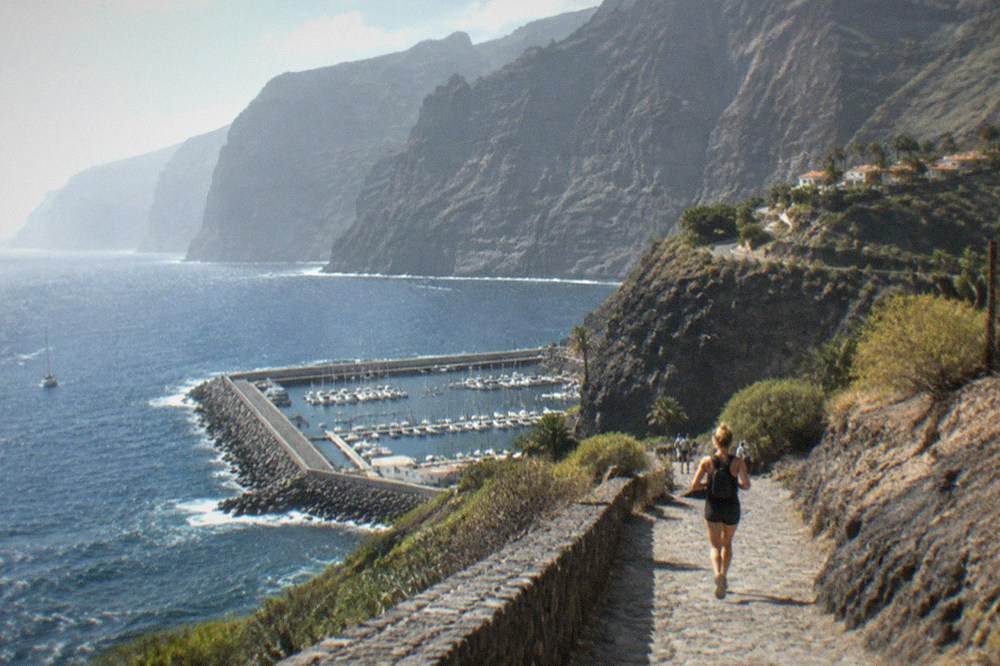
Los Gigantes, in the municipality of Santiago del Teide, is the best quiet base for couples in Tenerife: it sits at the foot of cliffs the tourist board says tower up to 600 m, it has a small marina with whale watching boats, and it is the boarding point for the TITSA line 355 bus that hikers must take to reach the Masca gorge. Its trade-off is distance: everything else on the island is a longer drive away.
Los Gigantes delivers a completely different holiday from the south's resort strips. The cliffs of the Teno Rural Park rise straight out of a seabed about 30 m deep at their foot, and the tourist board's figure for their height is up to 600 m. A couple who books a sailboat whale cruise from the marina gets those cliffs as the backdrop, and the resident pilot whales are in the same protected waters the cruise from Costa Adeje visits, under the same decree: no approach within 60 m, at most three boats within 500 m, and no swimming within 500 m of the animals.
The area also suits couples who like walking. The Masca gorge, open under a continuing pilot scheme as a one-way descent with a pre-booked boat exit, is reached by a compulsory TITSA line 355 transfer from Santiago del Teide, and the general ticket is EUR 40.66 with the boat booked separately. Closed mountain footwear is a condition of entry, and the operator warns that sea conditions can close the pier and void the day's ticket, so treat Masca as a booked plan rather than a spontaneous stroll.
For couples weighing quiet against convenience, the middle options are El Médano and Puerto de Santiago. El Médano, in Granadilla de Abona, is a laid-back town on a fine grey sand beach under Montaña Roja, popular with kitesurfers, and it sits close to Tenerife South airport. Puerto de Santiago adjoins Los Gigantes and shares the cliff views with a slightly larger spread of restaurants.
Is Puerto de la Cruz Good for Couples?
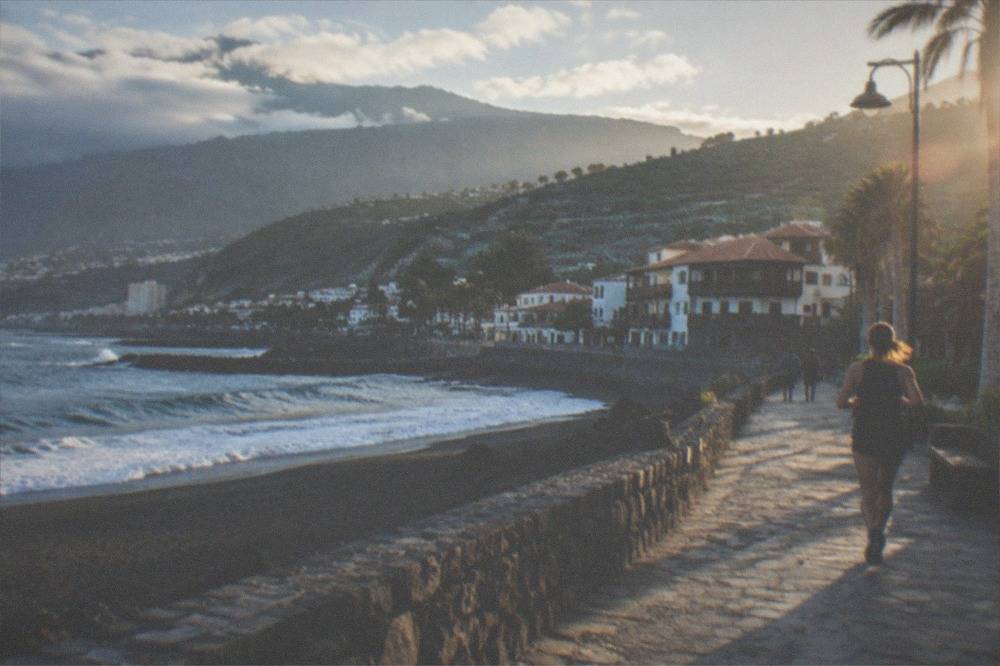
Puerto de la Cruz, in the north, is a strong couples base if you want a historic town, botanical gardens and black-sand beaches rather than a modern resort strip: Loro Parque opens 09:30 to 17:30 every day of the year there, and the town sits within reach of La Orotava, Garachico and Icod de los Vinos. The trade-off is the weather: AEMET's normals show the north coast with more rain and fewer sunshine hours than the south.
Puerto de la Cruz is the island's original tourist town, and it feels like it: low-rise, gardened and genuinely urban, with the Playa Jardín black-sand beaches and the Lago Martiánez pool complex on the seafront. For a couple who likes to spend mornings in a town rather than on a sunbed, it beats the south easily. Loro Parque, open 09:30 to 17:30 Monday to Sunday all year with its own car park at EUR 7 per day, is the north's flagship attraction and pairs naturally with a Puerto de la Cruz stay.
The honest counterweight is climate. AEMET's 1981-2010 normals put December rainfall at 82 mm at Tenerife North Airport and 43 mm in Santa Cruz, against 30 mm at Tenerife South Airport, and December sunshine at 137 hours in the north against 195 hours at the south airport station. In July the gap narrows to almost nothing. A couple visiting between May and September loses little by choosing the north; a couple visiting between November and February should know the difference is real, even if both coasts are far warmer than Britain in the same month.
The north also unlocks the day trips that make a couples holiday feel like a story rather than a loop: Garachico, whose old port was buried by the Trevejo volcano eruption of 1706, the Drago Milenario in Icod de los Vinos, whose age is estimated at 800 to 1,000 years by the two official sources, and the UNESCO-listed town of San Cristóbal de La Laguna. The 343 express bus links Puerto de la Cruz to Los Cristianos via both airports, which keeps even the south reachable without a car.
Which Tenerife Area Has the Best Beaches for Couples?
Las Vistas in Arona and Las Teresitas at San Andrés are the two beaches the tourist board describes as golden sand, while El Duque in Costa Adeje is grey sand, Playa Fanabe is pale sand and El Médano is fine grey sand under Montaña Roja, so the best beach area for a couple depends on whether golden sand or calm resort water matters more, and the honest answer is Las Vistas for gold and El Duque for setting.
The tourist board's own beach pages settle an argument most guides blur. Golden sand, palms and breakwaters that calm the water are its description of Las Teresitas, in San Andrés on the Santa Cruz side, and golden sand behind a row of breakwaters is its description of Las Vistas, between Los Cristianos and Playa de las Américas. El Duque, the beach most often photographed for Costa Adeje, is described as a grey sandy beach, and El Bollullo in La Orotava is black sand at the foot of a cliff. The rest of the planning pages sit on Tenerife Travel Guide.
| Beach | Municipality | Tourist board description |
|---|---|---|
| Las Vistas | Arona | Golden sand, calm behind breakwaters |
| Las Teresitas | Santa Cruz (San Andrés) | Golden sand, palm trees, breakwaters |
| Playa del Duque | Adeje | Grey sandy beach |
| Playa Fanabe | Adeje | Pale sand |
| El Médano | Granadilla de Abona | Fine grey sand, under Montaña Roja |
| El Bollullo | La Orotava | Black sand at the foot of a cliff |
For a couple, the practical reading is this. Base at Los Cristianos or Playa de las Américas and walk to Las Vistas for the golden postcard and calm water that the breakwaters guarantee. Base in Costa Adeje and you get the more handsome promenade and the better restaurants, with grey sand underfoot at El Duque. Neither is a wrong answer, but they are different answers, and the sand colour is the one thing no hotel upgrade can change.
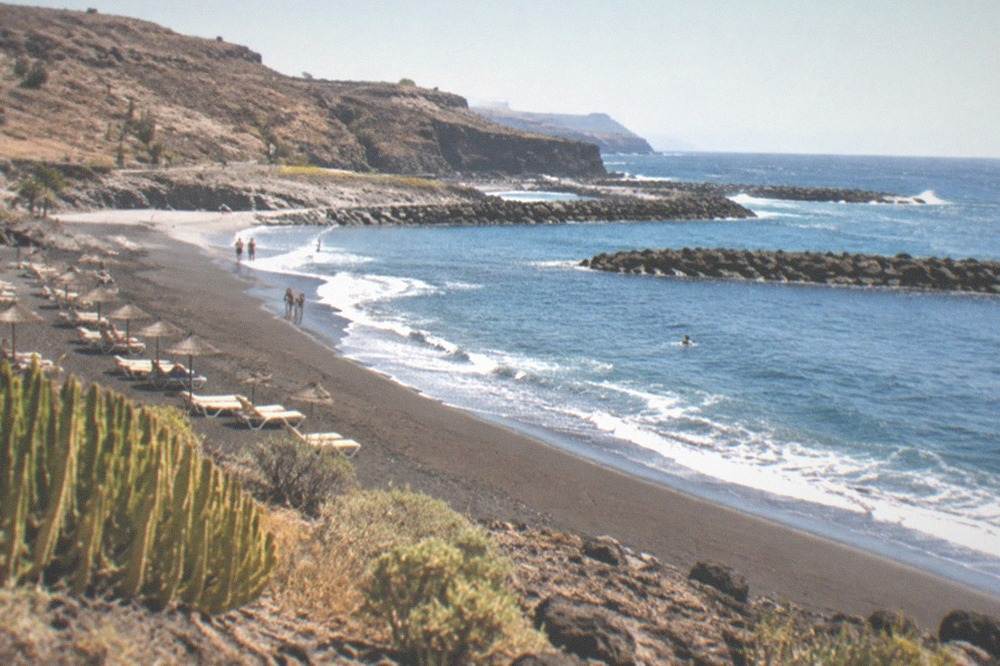
Sea temperature helps too, and the south coast's numbers are quietly excellent for couples who swim. NOAA's 1991-2020 series for the south coast of Tenerife puts September and October at 23.7 Celsius, August at 23.1 and even January at 19.9. The sea is at its warmest exactly when the resort areas are at their calmest, after the peak summer families have gone home.
| Month | Sea surface, south coast (C) |
|---|---|
| January | 19.9 |
| March | 19.1 |
| May | 20.2 |
| July | 22.2 |
| September | 23.7 |
| October | 23.7 |
| December | 21.1 |
What Should Couples Do in the Evening in Each Area?
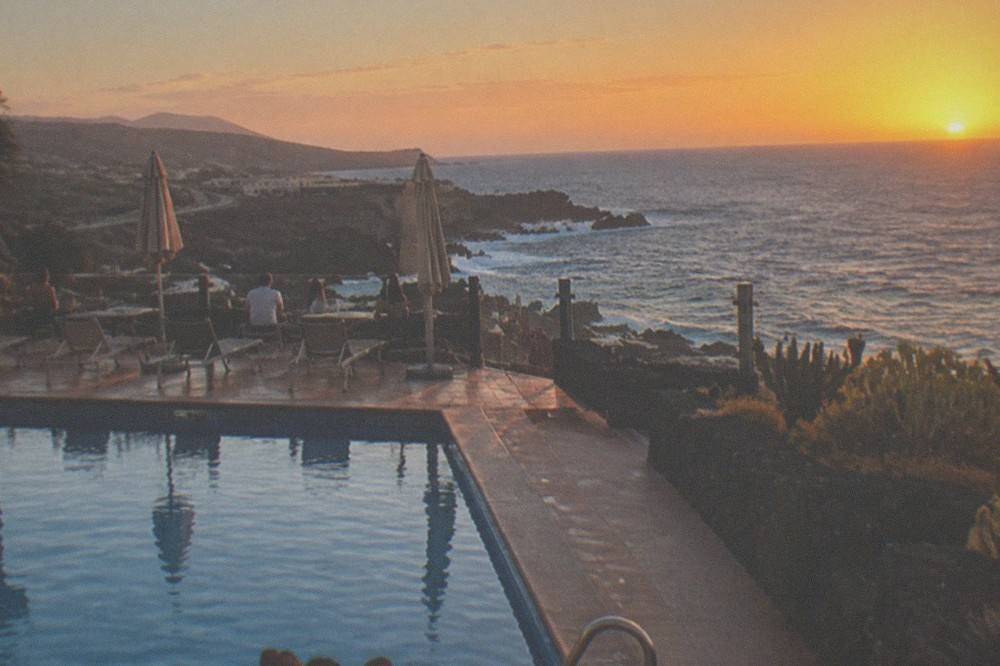
Evening character splits the areas cleanly: Costa Adeje runs on seafront restaurant dinners, Playa de las Américas carries the island's nightlife, Los Cristianos mixes town bars with harbour-front terraces, Puerto de la Cruz offers plazas and a slower, local rhythm, and Los Gigantes is early dinners and cliff sunsets, so a couple should match the area to the evening they actually want rather than the one a brochure shows.
The single most useful fact for evening planning is that these areas are contiguous. A couple staying in Costa Adeje can walk the promenade to dinner in Playa de las Américas on the nights they want noise, and stay in Adeje on the nights they do not. A couple staying in Los Gigantes cannot do the reverse: the drive back up the west coast after a late evening in the south is the price of the quiet.
Two structured evening options sit in the roster if you want a plan rather than a wander. A medieval banquet and tournament show runs at Castillo San Miguel near San Miguel de Abona, and a flamenco show plays in Costa Adeje with hotel pickup, alongside a flamenco ticket at Teatro Timanfaya in Puerto de la Cruz for couples based in the north. For something free, the GuruWalk platform also lists a free, pay-what-you-want walking tour of the historic centre of Santa Cruz de Tenerife, rated 4.81 from 233 English-language reviews, which makes an easy late-afternoon city evening paired with dinner in the capital.
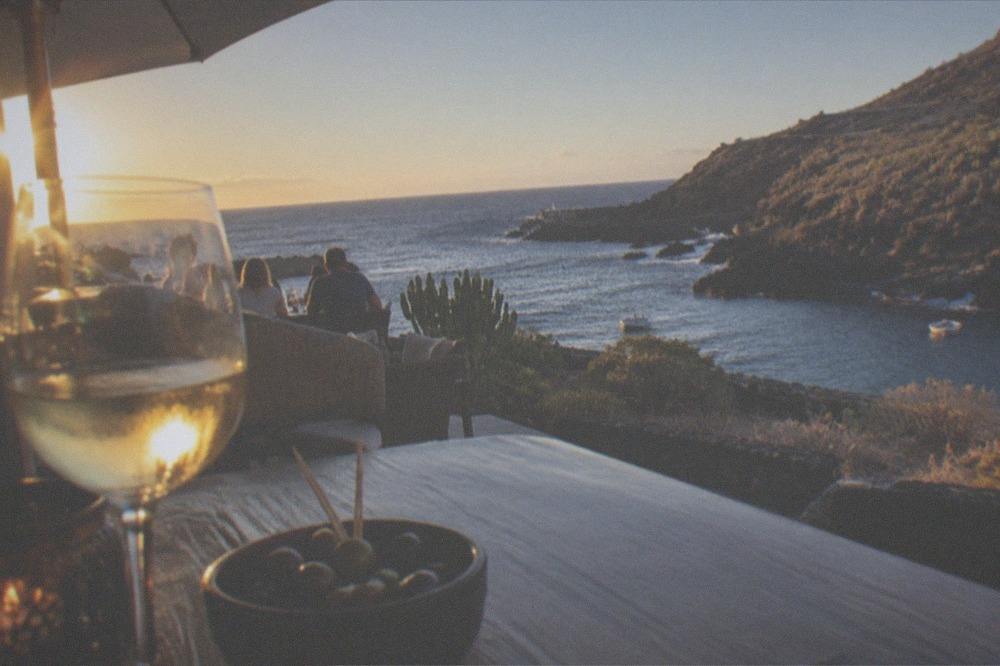
Food is the other evening pillar, and the north has the depth here. The guachinche tradition, simple wine-bar eateries attached to Tacoronte and El Sauzal vineyards, is a genuinely couples-friendly format, and the Tenerife restaurant guide covers where the island's food is worth planning around. Bodegas Monje in El Sauzal runs a guided winery visit with four wines and cheeses, rated 4.6 from 524 reviews, which pairs neatly with a north-coast stay.
How Do Day Trips Change with Your Base?
Basing in Costa Adeje or Los Cristianos puts the whale fleet, Siam Park and the Teide sunset tours closest, basing in Puerto de la Cruz puts Loro Parque, La Orotava, Garachico and Icod de los Vinos closest, and Los Gigantes puts the Masca gorge and the Teno coast closest, so the right base is the one whose day trips you would actually take twice.
Teide is reachable from everywhere, but the shape of the trip changes. From the south, a sunset and stargazing coach tour with hotel pickup and return, rated 4.8 from 2,961 reviews, turns the volcano into a full evening without any driving. A self-drive couple can instead take the cable car, whose 2026 return ticket is EUR 42 for a non-resident adult and EUR 21 for a child aged 3 to 13, remembering that the cable car stops at La Rambleta at 3,555 m and the crater trail is a separate Tenerife ON reservation. The full permit rules are in the Teide summit permit guide.
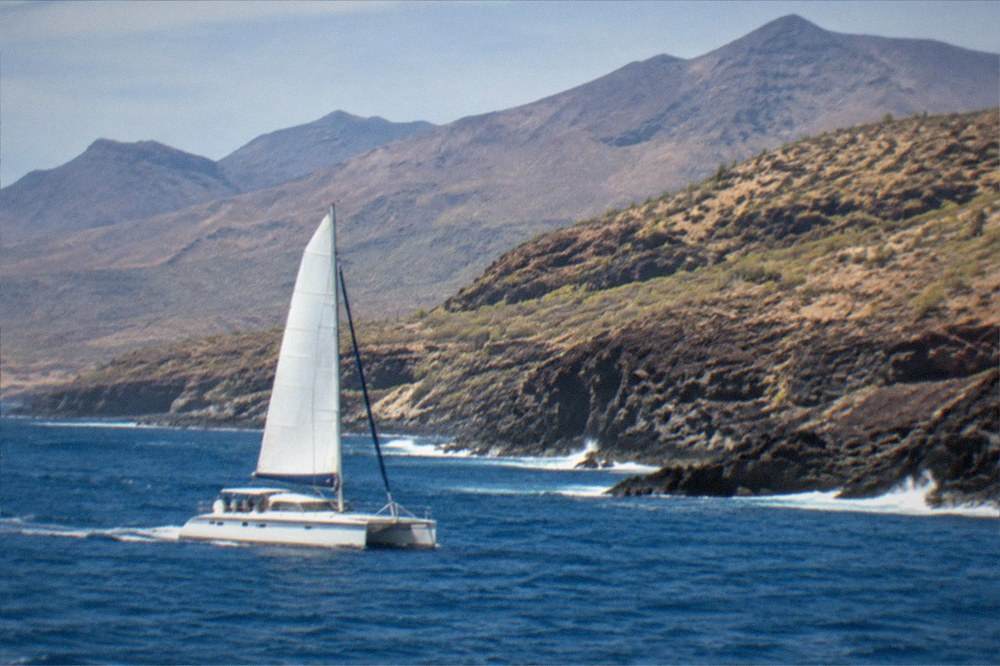
The whale trips deserve their reputation. The resident pilot whales live in the protected channel between Tenerife and La Gomera, and the rules that protect them, no approach within 60 m, at most three boats within 500 m, a 4-knot limit within 500 m and no swimming with the animals, come from Decreto 178/2000. Authorised boats fly the Barco Azul flag, which is the simplest thing a couple can check on the pier before boarding. The classic couples version is the catamaran cruise with transfer and buffet included, rated 4.8 from 2,852 reviews, and a quieter alternative is the eco-adventure from Costa Adeje on a small boat limited to ten guests, rated 5 from 2,243 reviews.
From the north, the day trips are cultural: La Orotava's historic houses, Garachico's natural pools in the town the 1706 eruption partly buried, and the Pyramids of Güímar, open daily 10:00 to 18:00 except 1 January and 25 December, with a full ticket including audioguide at EUR 26. The north versus south guide works through the trade-off in full.
What Is the Weather Like in Each Area?
AEMET's normals show the south coast consistently sunnier and drier than the north: Tenerife South Airport records 295 sunshine hours in July against 262 at Tenerife North Airport, and 30 mm of December rain against 82 mm in the north, while Santa Cruz sits in between with 337 July sunshine hours, so couples chasing maximum sun should base in the south and couples who prefer green scenery should accept the north's rainfall.
The numbers behind the island's famous north-south divide are worth seeing side by side, because they are the one factor no booking can fix. The south airport station, at 64 m, records an annual 132 mm of rain on 15.2 days with a millimetre or more. Tenerife North Airport, at 632 m, records 520 mm on 64 such days. Santa Cruz, at 36 m, records 226 mm on 29.7 days. In summer the difference shrinks; in winter it is the difference between a beach week and a coat.
| Station (AEMET, 1981-2010) | July sunshine hours | December sunshine hours | December rain, mm | December rain days |
|---|---|---|---|---|
| Tenerife South Airport (64 m) | 295 | 195 | 30 | 3.5 |
| Santa Cruz de Tenerife (36 m) | 337 | 168 | 43 | 5.4 |
| Tenerife North Airport (632 m) | 262 | 137 | 82 | 8.8 |
The south's winter advantage is the reason the resort belt exists where it does. A couple visiting in January, when 643,460 tourists arrived by air in 2025, is almost certainly there for the 21.7 Celsius mean daily maximum the south airport station records for that month. The full month-by-month picture, including the sea temperatures above, is in the Tenerife weather by month guide.
Where Should Couples Stay Without a Car?
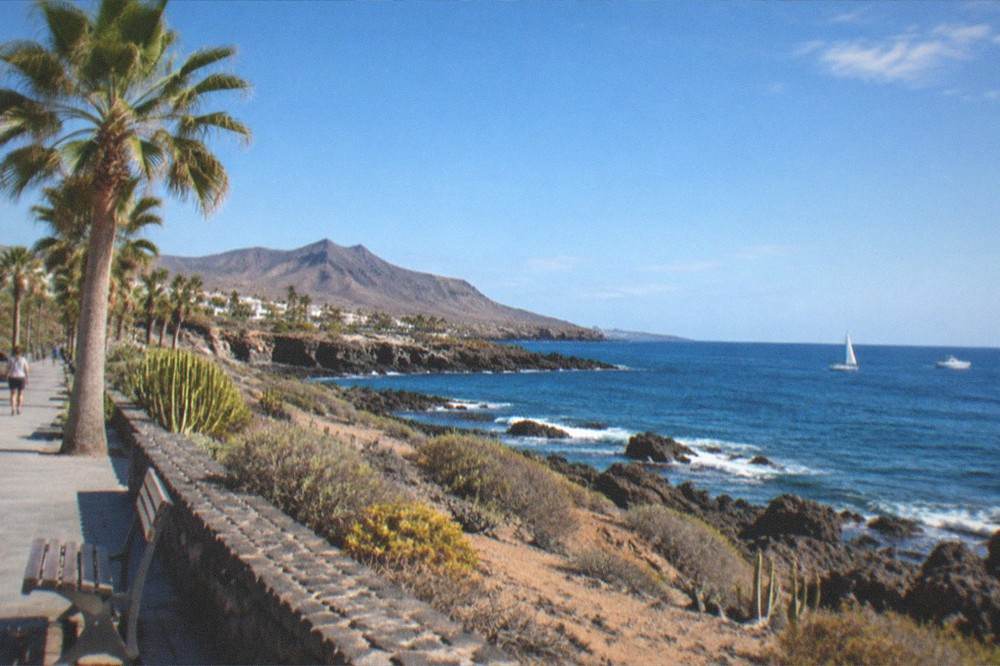
A couple can have a full holiday without a car by basing in Los Cristianos, Costa Adeje or Puerto de la Cruz: Los Cristianos and Costa Adeje are walkable end to end and sit on the TITSA lines that serve both airports, while Puerto de la Cruz links to Santa Cruz and La Laguna by tram and to the south by the 343 express, and TITSA's visitor products are the EUR 10 day travelcard and the EUR 50 seven-day travelcard.
The car-free case for the south is simple: everything a couple needs in a week, beaches, restaurants, boat departures and Siam Park, open 365 days a year at 10:00 to 18:00 from 1 May to 29 October and 10:00 to 17:00 the rest of the year, sits inside one walkable strip. TITSA's own airport page lists lines 10, 40, 711, 343 and 415 at Tenerife South, so the transfer from arrivals is a scheduled bus rather than a negotiation.
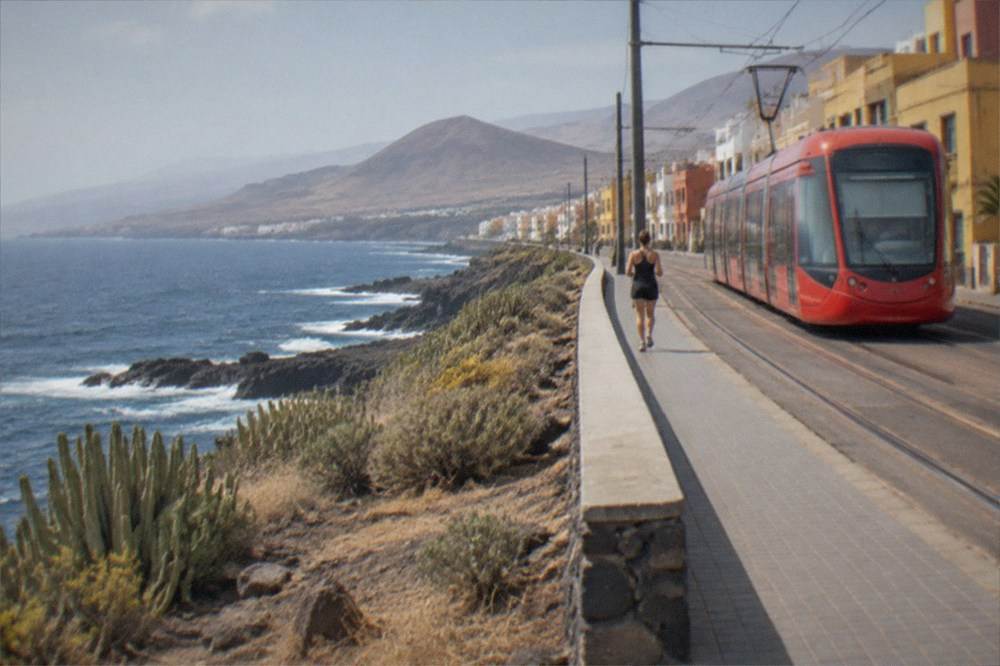
In the north, the tram is the car-free asset: Metrotenerife's single fare is EUR 1.35 on a transit pass or EUR 1.10 by mobile, and the tram links Santa Cruz and La Laguna, though it serves neither airport. TITSA lists lines 20, 30 and 343 at Tenerife North Airport. The getting around guide covers the network in detail, and the car hire guide makes the case for the opposite choice.
How Much Does the Choice of Area Really Cost?
There is no tourist tax on Tenerife: no official page shows a per-night lodging tax in force or approved, and the charges that do exist are per-booking fees on specific trails, EUR 15 for visitors on the Teide summit trail's daytime slots, EUR 40.66 for the Masca gorge and EUR 15 for Barranco del Infierno, so the area you choose changes your hotel rate and your taxi spending far more than any island-level charge.
This is worth stating plainly because so many pages cloud it. The visitor charges that genuinely exist are the Teide trail fees on PNT 10 and PNT 07, in force since Monday 19 January 2026, the Masca ticket and the Barranco del Infierno ticket, where a non-resident adult pays EUR 15 and advance online booking is compulsory. None of them is a tax on your stay, and none applies to a couple who spends its week between beach, boat and restaurant.
What actually moves the budget between areas is distance. A couple in Los Gigantes pays for more transfers, whether in taxi fares or in hours, to reach the whale fleet, Siam Park and the evening shows. A couple in Costa Adeje walks to most of it. A couple in Puerto de la Cruz trades cheaper, more local eating for a longer transfer from the south airport if that is where the flight lands. For choosing a hotel within whichever area wins, the where to stay guide and the best hotels guide carry the detail, and couples comparing islands can also read the Tenerife versus Gran Canaria guide before committing. If a self-catering stay is what you have in mind, you can search island accommodation here.
Common Questions About Couples Areas in Tenerife
Which area in Tenerife is most romantic?
Los Gigantes is the most dramatic setting, with cliffs the tourist board says tower up to 600 m above a seabed about 30 m deep, and a sailboat whale cruise from its marina is the island's most romantic booked experience. Costa Adeje is the most romantic all-rounder, because it combines seafront restaurant evenings with the widest choice of hotels.
Is Playa de las Américas suitable for couples?
Yes, with a caveat. The area carries the island's nightlife, so a couple wanting quiet evenings should stay at the Costa Adeje end and walk into the strip only on the nights they want it. The golden-sand Las Vistas beach sits on its doorstep, which is a genuine point in its favour.
Do couples need a car in Tenerife?
Not if they base in Los Cristianos, Costa Adeje or Puerto de la Cruz. Those three are walkable and sit on the TITSA bus and tram network, and the visitor travelcards, EUR 10 for a day or EUR 50 for seven days, cover the sightseeing. A car earns its cost for couples basing in Los Gigantes or planning daily hikes.
Which area is closest to Mount Teide?
Every southern area is a similar drive to the national park, and the cable car base station sits at 2,356 m on the mountain itself. The organised sunset and stargazing coach tours collect from southern hotels, which removes the driving and the mountain-road-at-night question entirely.
Is the north or the south of Tenerife better for couples?
The south wins on sunshine and beaches, the north wins on towns, gardens and food. AEMET's normals show the south airport station with 295 July sunshine hours against 262 in the north, and 30 mm of December rain against 82 mm, so winter visitors chasing sun should lean south and summer visitors can happily choose either.
Are there any tourist taxes couples should budget for?
No per-night tourist tax exists on Tenerife: no official page shows one in force or approved. The only visitor charges are per-booking trail fees, EUR 15 for visitors on the Teide summit trail's daytime slots, EUR 40.66 for the Masca gorge and EUR 15 for Barranco del Infierno, none of which applies to a beach-and-boat week.