Barranco Del Infierno (Hell's Gorge)
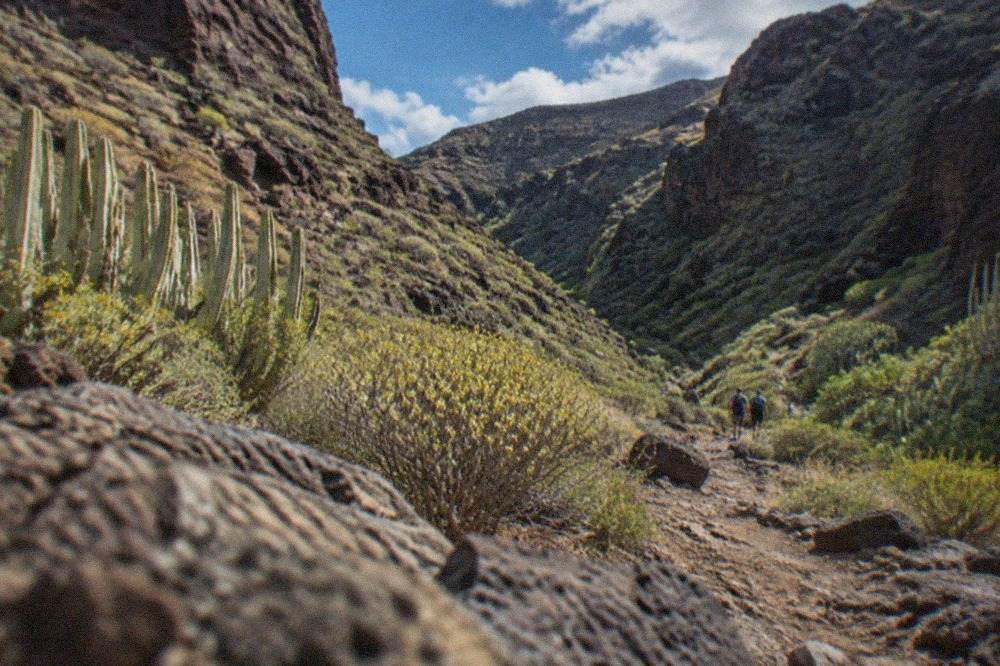
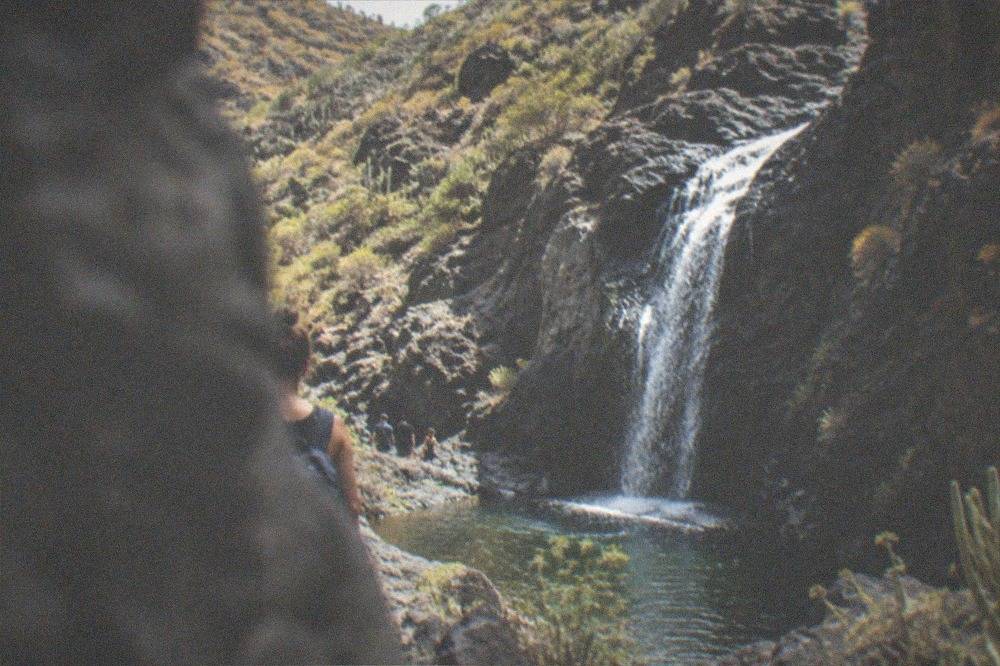
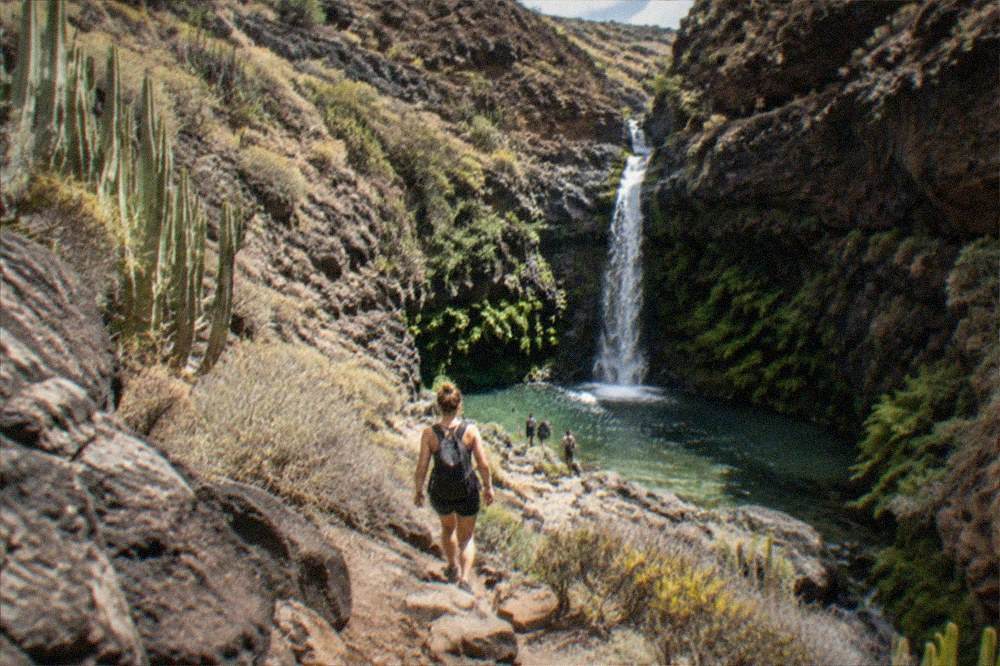
Barranco del Infierno, the ravine known in English as Hell's Gorge, is a reservation-only walking trail in Adeje that ends at a waterfall, one of the few permanent ones on the island.
Short answer
Barranco del Infierno in Adeje costs EUR 15 for a non-resident adult and EUR 5 for Canary residents, children under 5 are not allowed and the child ticket runs from age 5 to 12, and an advance online booking is compulsory. Entry is capped at 20 people every 30 minutes in the mornings, and the trail ends at a waterfall.
Barranco del Infierno, which translates from Spanish as Hell's Gorge or Ravine of Hell, is a walking trail in the municipality of Adeje in southern Tenerife, and it is the only one of the island's reserved trails that ends at a waterfall. The trail appears on Tenerife ON's list of spaces requiring prior authorisation, alongside Masca, El Pijaral in Anaga and the Teide stratovolcano routes, and it is one of the charges the island's official pages name when they list what visitors actually pay for. The gorge cuts down from the edge of Adeje country towards the sea, and its name is a piece of local vocabulary rather than a warning: the operator's own page describes a sheltered ravine walk, not a dangerous scramble. This guide sets out what the official sources say about the fee, the booking, the quota and the rules, and how the walk fits into a holiday based in the south.
What Is Barranco Del Infierno?
Barranco del Infierno is a reservation-only ravine trail in Adeje, southern Tenerife, listed by Tenerife ON among the spaces that require prior authorisation, and it is the only reserved trail on the island whose route ends at a waterfall. The operator's own page requires an advance online booking before anyone sets out, and Tenerife ON's trail listing records the same route with its quota and its waterfall finish.
The gorge sits on the southern slope of the island, inside the municipality of Adeje, the same municipality that contains the grey-sand beach of Playa del Duque and the hotel belt of Costa Adeje. That closeness to the main tourist zones is the reason the trail carries a quota at all: demand from the resorts is constant, and the management regime exists to keep numbers on the path low. Tenerife ON's listing records the entry system as 20 people every 30 minutes, in the mornings, which spreads walkers along the route instead of bunching them at the entrance.
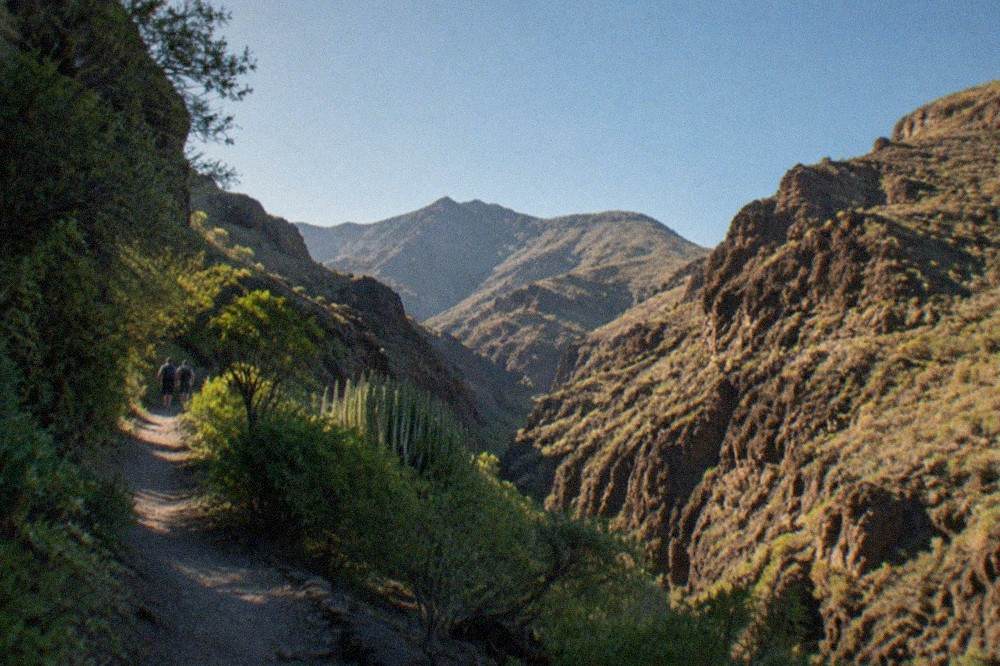
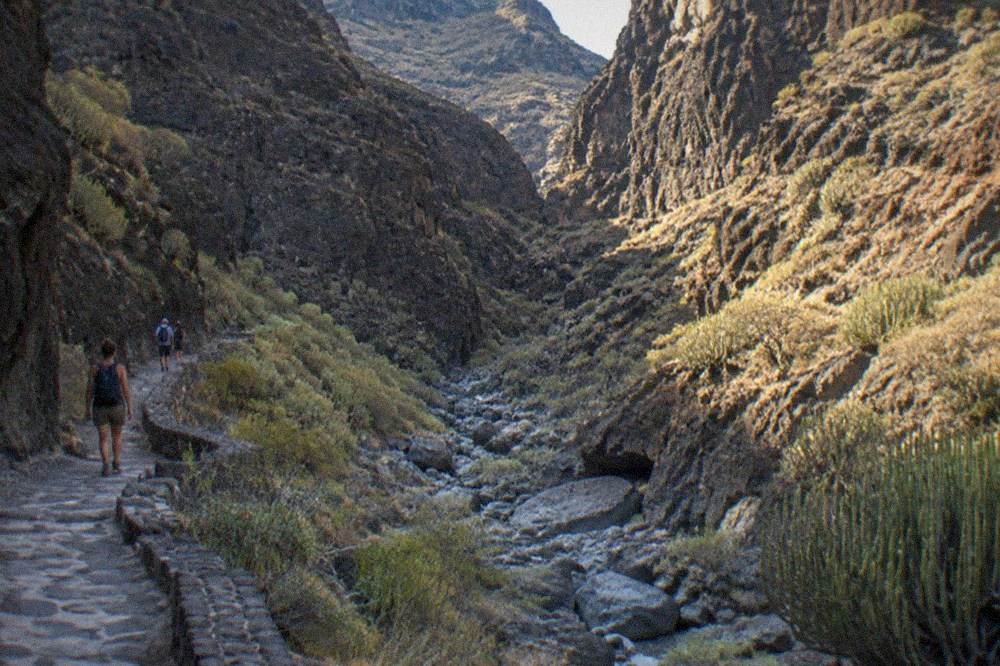
The name sounds dramatic, and English-language guides sometimes lean on the translation. The reality the official pages describe is a protected ravine with a managed footpath, closed-toed walking conditions and a controlled flow of visitors. The waterfall at the end is the draw, and it is the feature that separates this trail from every other reserved walk on the island, including Masca with its boat exit and the Teide routes with their altitude.
How Much Does Barranco Del Infierno Cost and How Do You Book?
A non-resident adult ticket costs EUR 15 and a Canary resident pays EUR 5, children under 5 are not allowed on the trail, and the child ticket covers ages 5 to 12. An advance online booking is compulsory, there is no walk-up option, and entry is limited to 20 people every 30 minutes in the mornings.
Those figures come from the operator's own page, which also states the booking requirement in plain terms: you reserve ahead, online, or you do not walk. The fee structure follows the pattern the Canaries use across their managed natural spaces, with residents of the islands paying a reduced rate and everyone else paying the standard one. Unlike the Teide trails, where the fee depends on the slot you book, the Barranco del Infierno price is a flat ticket by age and residence.
| Visitor type | Price | Notes |
|---|---|---|
| Non-resident adult | EUR 15 | Standard ticket |
| Canary Islands resident | EUR 5 | Reduced rate |
| Child, age 5 to 12 | Child ticket | Ages 5 to 12 |
| Child under 5 | Not admitted | Operator rule, no exceptions stated |
The booking itself is the part people get wrong. The trail is on Tenerife ON's list of spaces requiring prior authorisation, but the ticket is bought through the operator's own site, in the same way Masca is booked at its own dedicated address rather than through the general platform. Reserve the date, turn up with the booking, and keep the age rules in mind when you add children to the group: a four-year-old cannot be carried through, and the operator's page gives no exception.
The quota shapes the whole day. Twenty people every half hour, mornings only, means the afternoon is not sold at all, and it means the popular slots go first. Anyone planning the walk around a flight day or a cruise day should book the trail before anything else on the itinerary, because the trail is the scarce item, not the hotel or the car.
If a guided walk suits your group better than a self-guided booking, the island's guided hikes cover the reserved and the open trails alike.
What Are the Rules on the Trail?
The operator's page sets three hard rules: an advance online booking is compulsory, children under 5 are not admitted with the child ticket running from 5 to 12, and entry is capped at 20 people every 30 minutes in the mornings. The trail ends at a waterfall, and the route is walked under the reserve's management regime rather than as open access.
Tenerife ON groups Barranco del Infierno with the island's other authorisation-only spaces, and that grouping tells you the spirit of the place. These are trails where the managing body controls who enters, when, and how many, because the terrain or the ecosystem would otherwise be overrun. The same list includes the Teide summit route, the Montaña Blanca trail, El Pijaral in Anaga, Rambla de Castro and the Masca gorge, so Barranco del Infierno sits in serious company.
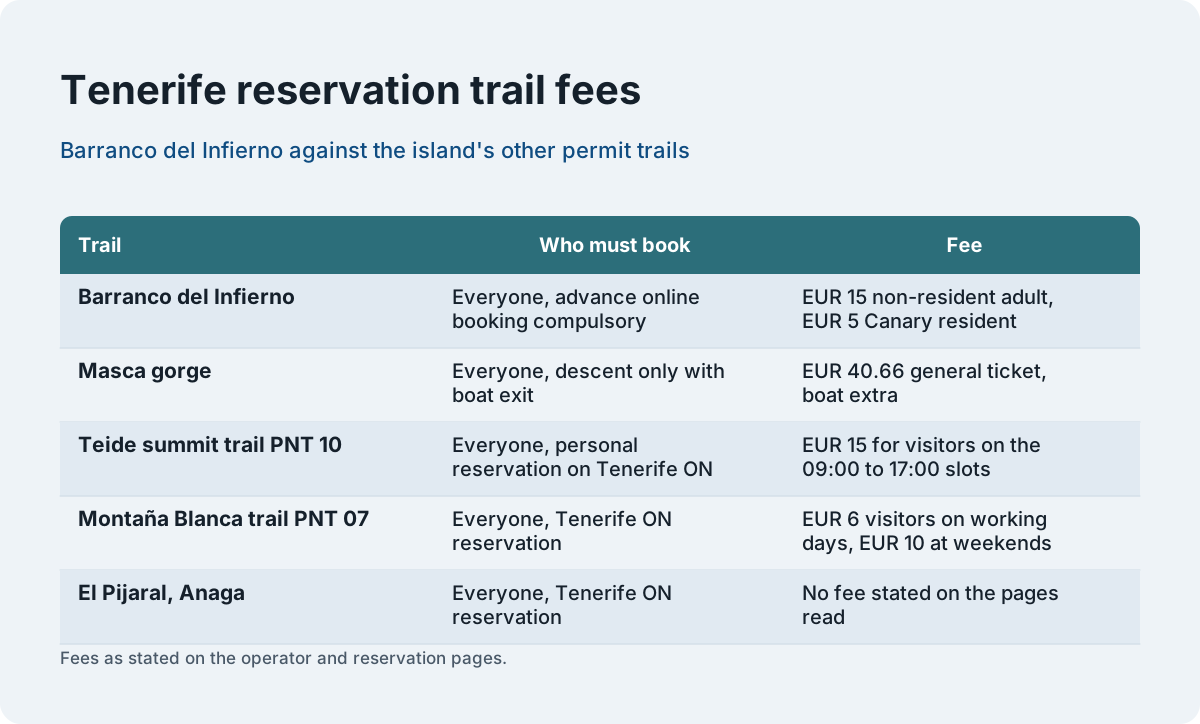
| Reservation-only trail | Who must book | Where the fee stands |
|---|---|---|
| Barranco del Infierno | Everyone, advance online booking compulsory | EUR 15 non-resident adult, EUR 5 Canary resident |
| Masca gorge | Everyone, descent only with boat exit | EUR 40.66 general ticket, boat extra |
| Teide summit trail PNT 10 | Everyone, personal reservation on Tenerife ON | EUR 15 for visitors on the 09:00 to 17:00 slots |
| Montaña Blanca trail PNT 07 | Everyone, Tenerife ON reservation | EUR 6 visitors on working days, EUR 10 at weekends |
| El Pijaral, Anaga | Everyone, Tenerife ON reservation | No fee stated on the pages read |
The comparison is worth a moment. Masca adds a compulsory arrival by TITSA bus and a pre-booked boat exit; the Teide trails add altitude rules and, in winter, a crampon and ice axe requirement; El Pijaral bans company-run tours outright. Barranco del Infierno's own regime is simpler, but the booking is no less mandatory, and the age rule is the one that catches families out.
Prefer a Guide on Tenerife's Trails?
A guided hike takes the route-finding and the timing off your hands, while the Barranco del Infierno booking itself stays a simple online reservation you make directly.
When Is the Best Time to Walk Barranco Del Infierno?
The trail runs its entry sessions in the mornings, with 20 places released every 30 minutes, so the practical answer is early: the first sessions of the day are the coolest and the quietest, and AEMET's climate normals for the south of Tenerife show summer mean daily maxima above 27 Celsius from June to September at the coast.
The climate data matters more here than on most Tenerife walks, because the gorge is close to sea level in the south, the warmest and driest corner of the island. AEMET's normals for Tenerife South Airport, the station nearest to Adeje, show mean daily maxima of 27.7 Celsius in July and 28.4 in August, against 21.7 in January. Rain is scarce at that station in every month, but November and December carry the highest totals, 26 and 30 mm respectively, and a ravine walk after rain is a different proposition from a dry-season one.
| Month | Mean daily max C | Mean daily min C | Rain mm | Sunshine hours |
|---|---|---|---|---|
| Jan | 21.7 | 15.2 | 17 | 193 |
| Feb | 22.0 | 15.0 | 20 | 195 |
| Mar | 23.1 | 15.6 | 15 | 226 |
| Apr | 23.1 | 16.0 | 7 | 219 |
| May | 23.9 | 17.0 | 1 | 246 |
| Jun | 25.4 | 18.8 | 0 | 259 |
| Jul | 27.7 | 20.2 | 0 | 295 |
| Aug | 28.4 | 21.1 | 1 | 277 |
| Sep | 27.9 | 21.1 | 4 | 213 |
| Oct | 26.8 | 20.0 | 12 | 214 |
| Nov | 24.8 | 18.2 | 26 | 193 |
| Dec | 22.8 | 16.5 | 30 | 195 |
Those are AEMET's 1981 to 2010 normals for the airport station, and they describe the coast, not the gorge. Ravines hold their own microclimate, cooler and more shaded than the open promenade, but the coastal figures still govern what the walk up to the trailhead feels like. The sea adds its own pattern: NOAA's 1991 to 2020 series for the south coast shows the warmest water in September and October at 23.7 Celsius and the coolest in March at 19.1, which is why so many visitors combine a morning gorge walk with an afternoon on a Costa Adeje beach.
| Month | Sea surface C |
|---|---|
| Jan | 19.9 |
| Feb | 19.2 |
| Mar | 19.1 |
| Apr | 19.5 |
| May | 20.2 |
| Jun | 21.4 |
| Jul | 22.2 |
| Aug | 23.1 |
| Sep | 23.7 |
| Oct | 23.7 |
| Nov | 22.5 |
| Dec | 21.1 |
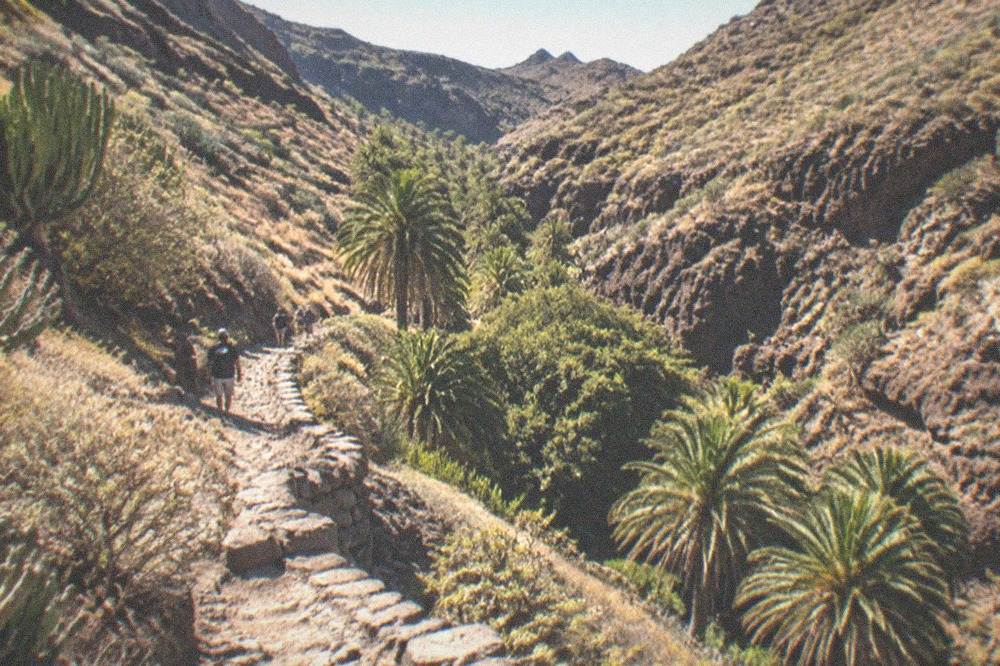
What Should You Wear and Bring?
The official pages for the trail state the practical requirements plainly: a valid advance booking, footwear and clothing suited to a rocky ravine path, and water for a morning walk in a climate whose summer maxima run above 27 Celsius at the coast. Children in the group must be 5 or over, and the child ticket covers ages 5 to 12.
The operator's own page is the authority on what is refused at the entrance, and the two items it names without qualification are the booking and the age rule. Beyond that, the trail is a managed path through a protected ravine, and the same good practice the island's other reserved trails ask for applies here: sturdy closed footwear, more water than feels necessary, and nothing left behind. Tenerife's wildfire prevention rules are strict island-wide, and the Cabildo's smoking ban covers every open-air space of Teide National Park, trails, viewpoints and car parks included; the same caution against smoking on a protected ravine path is simply good sense anywhere in the Canaries in summer.
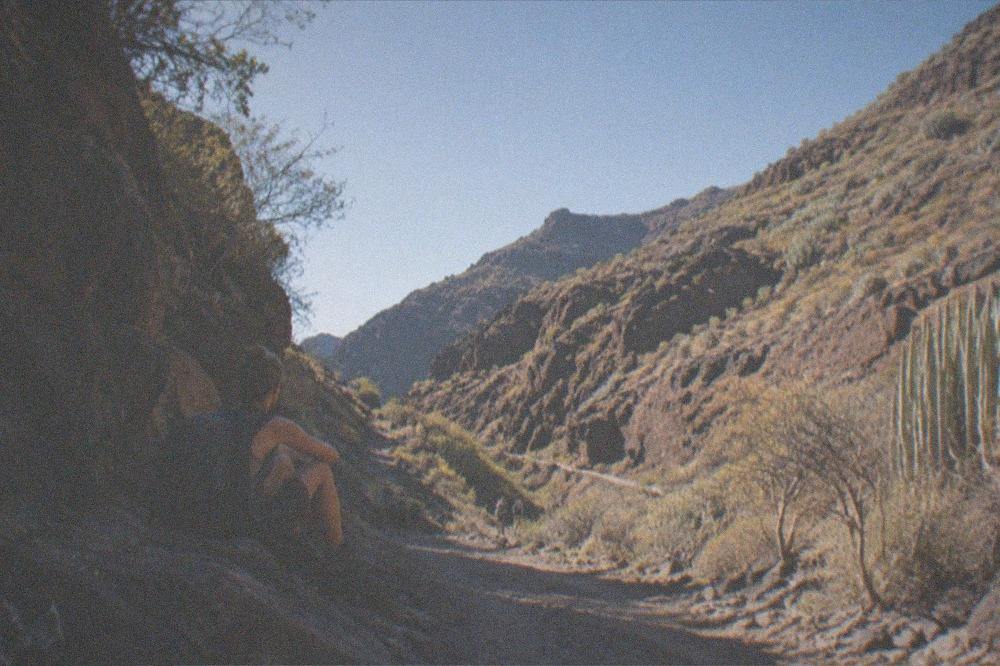
Timing the walk around the sessions is the main planning decision. With 20 places every 30 minutes and the sessions running in the mornings, a booking in the first sessions gives the coolest hours of the day and the widest margin before the afternoon heat builds. The walk ends at the waterfall, so the route is an out-and-back through the gorge rather than a loop, and the return leg deserves the same water planning as the way in.
How Does Barranco Del Infierno Compare with Tenerife's Other Permit Trails?
Barranco del Infierno is one of five headline reservation trails on the island, and it is the cheapest of the paid ones for a visitor: EUR 15 against EUR 40.66 for the Masca gorge and EUR 15 for the Teide summit trail, with the Montaña Blanca route at EUR 6 on working days. Its distinction is the waterfall finish, which no other reserved trail offers.
Each of the reserved trails solves a different problem. Masca, the ravine descent in the Teno massif, controls numbers with a compulsory TITSA bus arrival from Santiago del Teide and a pre-booked boat exit from the bay, and the sea can close the pier and void the day's ticket. The Teide routes control altitude: the summit trail PNT 10 stops at the crater rim and needs a personal reservation on Tenerife ON, while the cable car is a separate operator ticket to La Rambleta at 3,555 m. El Pijaral in Anaga protects a laurel forest so sensitive that company-run tours are not permitted there at all.
Barranco del Infierno's regime is the simplest of the five: book online, arrive in your session, walk to the waterfall and back. That simplicity, plus its position minutes from the Costa Adeje hotel belt, is exactly why the quota matters. The trail does not need a bus, a boat or a permit platform beyond its own booking page, and it is the one reserved walk on the island that fits comfortably into a morning of a beach holiday.
For walkers who catch the trail bug, the island's wider hiking offer is large, and Anaga Rural Park to the north is its other great reserved landscape, with laurel forest trails that range from open paths to the bookable El Pijaral loop.
What Else Is Near Barranco Del Infierno in Adeje?
Barranco del Infierno sits in the municipality of Adeje, the same municipality as the grey-sand beach of Playa del Duque, the Costa Adeje hotel belt and the water parks, so the gorge walk pairs naturally with a beach afternoon, a boat trip from the coast, or a full-day island tour that starts and ends in the south.
The tourist board's own beach pages describe the municipality's coastline in detail: Playa del Duque as a grey sandy beach, Fanabe as pale sand, and the whole Costa Adeje stretch as the island's densest concentration of hotels, pools and water parks. A morning in the gorge and an afternoon on one of those beaches is the classic Adeje day, and the climate tables above explain why it works in every month of the year.
The sea is the other half of the south's offer. The waters off Costa Adeje and Los Cristianos are part of the Tenerife-La Gomera marine area, designated a Whale Heritage Area by the World Cetacean Alliance in January 2021, with a resident population of pilot whales and bottlenose dolphins regulated by Decreto 178/2000: no boat approaches within 60 m, at most three boats within 500 m, and no swimming within 500 m. Authorised boats fly the Barco Azul flag. A catamaran trip from the Costa Adeje coast is the standard way to see that marine area, and it slots into the same day or the day after a gorge walk.
Inland from the gorge, the island's other big draws are all within a day's reach. The lava tube of Cueva del Viento lies to the north in Icod de los Vinos, the Pyramids of Guimar sit on the east coast, and the volcano itself dominates the centre. For visitors who would rather leave the driving and the scheduling to someone else, a full-day guided island tour covers the headline sights in one loop from the south.
How Does the Barranco Booking Fit a Week in the South?
Book the gorge first, then build the week around it: the trail's morning sessions and 20-person quota make it the scarcest item on a southern Tenerife itinerary, while beaches, boat trips and the drives through the national park are flexible by comparison. A week that mixes one reserved trail, one marine trip and one volcano day uses the island's three great landscapes in the right order.
The practical sequence most itineraries follow is simple. Reserve Barranco del Infierno for a mid-week morning once flights and accommodation are fixed. Give the volcano its own full day, either with a coach tour into the national park or with the cable car, remembering that the cable car stops at La Rambleta and the crater trail is a separate Tenerife ON reservation. Give the sea its own half day. Then fill the remaining days from the island's open-access list, the beaches, the old towns and the viewpoints, none of which needs a booking on any official page read.
The reserved trails are the island's way of keeping its two most fragile landscapes, the gorge and the laurel forest, walkable at all. A visitor who books them properly gets the quiet version of Tenerife that day-trippers never see, and the waterfall at the end of this gorge is the most accessible piece of it. For more on the island's broader walking offer, the Tenerife Travel Guide hiking coverage collects the open and reserved routes side by side.
Common Questions About Barranco Del Infierno
How much does Barranco del Infierno cost?
A non-resident adult ticket costs EUR 15 and a Canary Islands resident pays EUR 5. Children under 5 are not allowed, and the child ticket covers ages 5 to 12. The figures come from the operator's own page.
Do you need to book Barranco del Infierno in advance?
Yes. An advance online booking is compulsory for every visitor, and there is no walk-up option on the operator's page. Entry runs at 20 people every 30 minutes in the mornings, so the popular sessions fill first.
Can children walk Barranco del Infierno?
Children aged 5 to 12 walk on the child ticket, and children under 5 are not allowed on the trail. The operator's page states both rules without exceptions.
What is at the end of the Barranco del Infierno trail?
A waterfall. Tenerife ON's listing for the trail records the route as ending at the waterfall, which makes it the only one of the island's reserved trails with that finish.
Is Barranco del Infierno the same kind of booking as Masca or the Teide permit?
No. Barranco del Infierno is a flat ticket by age and residence booked through the operator's own site. Masca costs EUR 40.66 for the general ticket with the boat extra and requires arrival on TITSA line 355, and the Teide summit trail is a personal reservation on Tenerife ON costing EUR 15 for visitors on the 09:00 to 17:00 slots.
Where is Barranco del Infierno?
In the municipality of Adeje in southern Tenerife, the same municipality as Playa del Duque and the Costa Adeje hotel belt, which is why the trail's quota and morning sessions matter so much: it sits minutes from the densest concentration of visitors on the island.