Why Is Tenerife on the No Go List?
The verified answer to why Tenerife appears on no go and warning lists: what official sources actually say, what charges and rules exist, and what is really happening on the island.
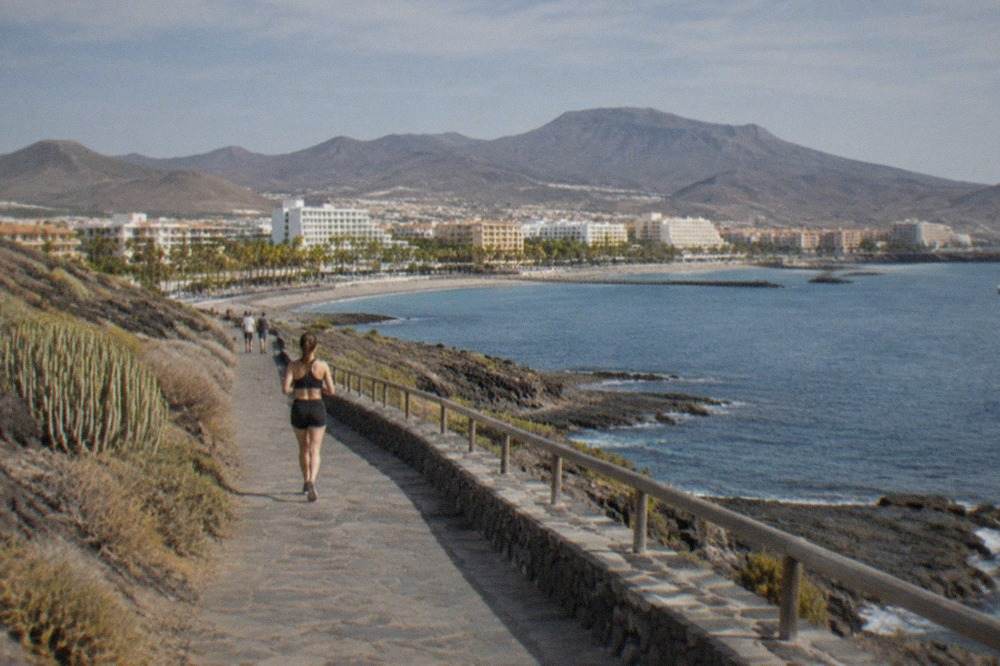
The question gets asked thousands of times a month, usually by somebody who has seen a headline and now wonders whether their holiday is in trouble. The honest answer needs a distinction that headlines rarely make: there is a difference between a government travel warning, which is an official advisory published by a state body, and an editorial list in a magazine or a viral post, which is journalism or content designed to be shared. The verified official sources read for this page, including Turismo de Tenerife, the Cabildo's Tenerife ON platform and AENA's airport statistics, contain no no go designation, no travel ban and no entry restriction aimed at Tenerife. What they do contain is a set of rules that changed recently, and a set of numbers that shows the island receiving more visitors than ever. Those are the facts this page reports.
Why Is Tenerife on the No Travel List?
No official source read for this site places Tenerife on a no travel list. The government pages, the tourist board's own research documents and the island's booking platform for protected trails record no travel ban, no entry restriction aimed at visitors and no advisory against going. The phrase circulates in editorial articles and social posts, not in official advice, and the rules that do exist are booking fees on two Teide trails and a ticketed Masca gorge, none of which stops anybody from visiting.
The confusion usually starts with a real story that gets stretched. Tenerife's tourism numbers are genuinely large: the tourist board's 2025 balance records 7,561,659 tourists from mainland Spain and abroad, up 2.4%, and about 7.99 million once the 424,160 Canary residents staying in hotels and apartments are added. Any island absorbing that volume generates debate, and debate generates headlines. Some of those headlines use the words "no go", and the phrase then travels without its context.
Context is exactly what an editorial list does not carry. A magazine feature naming crowded or over-developed destinations is a judgement about taste and carrying capacity, and it is free to make that judgement. It is not a government advisory, and treating it as one is like cancelling a trip because a restaurant critic disliked the town. This site's job is to report what official sources say, and on the question of a no travel list, they say nothing, because no such list exists for Tenerife in any document this desk has read.
What a reader planning a trip should actually check are the island's own rules, all of which are administrative rather than prohibitive. The Teide summit trail and the Montana Blanca trail carry per-booking public fees since 19 January 2026, the Masca gorge descent runs under a ticketed pilot scheme, and Barranco del Infierno requires an advance online booking. None of these is a tax on staying, and none is a reason not to come. For the wider safety picture, the companion page on is Tenerife safe works through the same official record, and the page on where to avoid in Tenerife covers the areas question honestly.
Why Are the Canary Islands on the No Travel List for 2026?
No Canary Island appears on a no travel list in any official source this desk has read for 2026 or any other year. The Canaries recorded 13,969,678 passengers at Tenerife South Airport in 2025, an all-time record, and 7,174,977 at Tenerife North, and the airlines keep adding routes. The "no travel list for 2026" is a search phrase, not a document, and the verified record shows the archipelago open, booked and busy rather than closed off.
The 2026 angle deserves its own explanation, because two real changes did happen in 2026 and both get misdescribed. The first is the Entry and Exit System, which started on 12 October 2025 with a progressive roll-out across 29 European countries and has been fully operational since 10 April 2026. It replaces passport stamping for non-EU nationals on short stays, so British and American visitors are now registered with a facial image and fingerprints instead of a stamp. It is a border process, not a restriction, and it applies to the whole Schengen area rather than singling out the Canaries.
The second is ETIAS, the European Travel Information and Authorisation System, and this is where the rumours do real damage. The EU's own page states that ETIAS "is currently not in operation and no applications for travel authorisations are collected at this point", and that the start date will be announced several months before launch. Any article giving an ETIAS start date, whether "from 2025" or "late 2026", is stating something the EU has not stated. The fee will be EUR 20, not the EUR 7 that older pages still quote. Until the EU announces otherwise, no visitor needs an ETIAS authorisation to board a flight to Tenerife.
The table below sets out what actually changed at the border and in island rules, against what the rumours claim.
| Rule or system | What the official source says | What it means for a visitor |
|---|---|---|
| Entry and Exit System (EES) | Started 12 October 2025, fully operational since 10 April 2026 | Facial image and fingerprints replace the passport stamp for UK and US visitors |
| ETIAS | Not in operation, no start date announced, fee set at EUR 20 | Nothing to apply for until the EU announces launch |
| Teide trail fees | From 19 January 2026, EUR 15 for visitors on PNT 10 daytime slots, EUR 6 or EUR 10 on PNT 07 | A booking fee on two trails, not a park entry charge |
| Tourist tax | No per-night lodging tax appears in force or approved on any official page read | The charges that exist are trail fees, Masca and Barranco del Infierno tickets |
| Resident transport subsidy | 100% subsidy on passes for 2026 applies to Canary residents with a personalised card | Visitors still pay: single tickets, the EUR 10 day travelcard or the EUR 50 seven-day card |
Why Is Tenerife on the Warning List?
Tenerife appears on "warning list" articles because editorial publications compile lists of destinations they consider overcrowded or under strain, not because any government body has issued a warning about the island. The verified record points the other way: 34 markets and 159 airports connected to Tenerife by air in 2025, and hotel and apartment revenue of EUR 2,121 million, figures a destination under an official warning does not post.
The word "warning" is doing a lot of work in the headline, and it is worth being precise about who is entitled to use it. A government travel advisory is a formal document with a published author and a legal weight, and this desk found no such document naming Tenerife. An editorial warning list is a feature article, often built around overtourism, and overtourism is a fair subject for debate. The tourist board's own numbers show why the debate exists: 5,451,268 tourists stayed in hotels and apartments in 2025, and the UK alone supplied 2,057,896 of them, 37.8% of that lodged total. An island can be busy and be open at the same time, and both things are true of Tenerife.
Some of the warning copy also leans on the island's rules and presents them as signs of trouble. The smoking ban across all open-air spaces of Teide National Park, car parks included, is a wildfire prevention measure published by the Cabildo, not a symptom of crisis. The trail fees are a management tool for two protected routes. Reading administrative rules as warnings is like reading a speed limit as a notice that a road is closed. The rules tell you how to visit, and every one of them is published openly on Tenerife ON's own pages.
There is also a practical warning that genuinely matters and gets buried under the noise: the sea and the mountain. The Masca operator states plainly that the gorge is the place with the most rescues in the Canaries in recent years, and that the pier can close suddenly when sea conditions turn, voiding that day's ticket. The cable car operator refuses people with cardiovascular conditions, pregnant women and children under 3 because of the altitude. Those are the warnings a reader should act on, and they are about specific activities, not about the island as a whole.
Why Is Tenerife on the Warning List for British Tourists?
No warning aimed at British tourists exists in the official sources read for this page. British visitors made up 2,057,896 of Tenerife's 5,451,268 lodged tourists in 2025, 37.8% of that total, and the only formal change affecting them is the Entry and Exit System, which has been fully operational since 10 April 2026 and simply replaces the passport stamp with a facial image and fingerprints.
The British angle usually traces back to one of three stories. The first is the EES, described above, which applies to every non-EU visitor in the Schengen area and has nothing to do with Tenerife specifically. The second is ETIAS, which is not in operation, has no announced start date and requires nothing from anybody today. The third is money: the pound, prices, the cost of a holiday. On that subject the honest answer lives on a separate page, is Tenerife expensive, and on the practical question of entry, entry requirements for Tenerife carries the detail.
One money fact is worth stating here because it is often garbled in warning copy. The Canaries apply IGIC, their own sales tax, not VAT, and the tax agency's table shows 7% on everyday goods, with reduced and increased bands for other categories. Non-resident travellers can claim IGIC back on eligible purchases. None of this is a penalty on British visitors, and none of it is new. The tax system is simply different from mainland Spain's, as it has been for decades.
If a British reader takes one practical point from this page, it should be this: bring the passport, expect the EES registration at the border, and ignore any page telling you to apply for a travel authorisation that does not yet exist. The rest of the warning list talk is content, not advice.
Should You Still Book?
The honest answer is that the official record gives no reason not to. Whale watching off the south coast is regulated by Decreto 178/2000, which bans approaching within 60 metres, caps boats at three within 500 metres and requires authorised vessels to fly the Barco Azul flag, so the flagship activity British visitors book most is governed by law, not left to chance. A cruise from Los Gigantes under those rules is a good example of a trip that is both popular and properly controlled. Check availability if a boat trip with a swim stop is on your list.
Why Are They Protesting in Tenerife?
The official sources read for this site hold no record of a protest movement on Tenerife, so this page makes no claim about one. What is on file is a law: Ley 6/2025 of 10 December, on the sustainable ordering of tourist use of residential properties, published in the Canary official gazette on 12 December 2025. It regulates holiday lets, and it is the documented change behind most of the recent "locals are fed up" headlines.
That law is real, verifiable and easy to describe. It was published in the Boletin Oficial de Canarias, number 246, on Friday 12 December 2025, and its subject is the ordenacion sostenible del uso turistico de viviendas, the sustainable ordering of the tourist use of homes. In plain terms, it is the regional government's framework for controlling how residential properties are used for tourism. Whether it satisfies every resident, or any of them, is a matter of opinion that no official page in this desk's files records, and this page will not invent one.
The gap between what the law says and what the headlines say is where the "protests" framing comes from. Housing pressure in tourist destinations is a genuine subject across Europe, and Tenerife's 37.8% British lodged share makes it a natural setting for the story. But a reader deserves to know which parts of that story are documented, the law and the tourism numbers, and which parts are narrative. A page that answers "why are they protesting" with a confident invented grievance would be doing exactly what the warning list articles do: presenting a plausible story as a checked fact.
For the rules a visitor actually has to follow, including the trail fees and the charges that genuinely exist, the page on tourist tax and local rules is the companion read, and Tenerife Travel Guide covers the rest of the island in depth.
What's Happening in Tenerife?
What is verifiably happening is a set of administrative changes: trail fees on two Teide routes since 19 January 2026, a total smoking ban across the national park's open-air spaces, the reopened Altavista refuge after its 2026 refurbishment, and EES border registration replacing passport stamps since 10 April 2026. None of these is a crisis, and together they describe an island tightening how it is visited, not whether it can be.
The Teide changes are the most visible. Since Monday 19 January 2026 the 09:00 to 17:00 slots on the summit trail PNT 10 cost EUR 15 for visitors, EUR 6 for residents of the other Canary Islands and nothing for Tenerife residents and children, with permits booked on Tenerife ON, where a new week of slots is released every Monday at 07:00 Canary time so that 56 days stay bookable. The Montana Blanca trail PNT 07 costs visitors EUR 6 on working days and EUR 10 at weekends and public holidays. Driving through the national park, the viewpoints and the other trails carry no charge on any page read. The full detail sits on the guide to the Teide summit permit.
The Altavista refuge is the change most existing guides get wrong. It reopened after a 2026 refurbishment with 49 beds and takes prior reservations, where years of coverage described it as closed. The smoking ban across every open-air space of the national park, car parks included, is a wildfire measure that visitors notice on day one. And on the coast, whale watching continues under the decree's distances, with the World Cetacean Alliance recording the Tenerife-La Gomera marine area as a designated Whale Heritage Area since January 2021, home to a unique resident population of pilot whales.
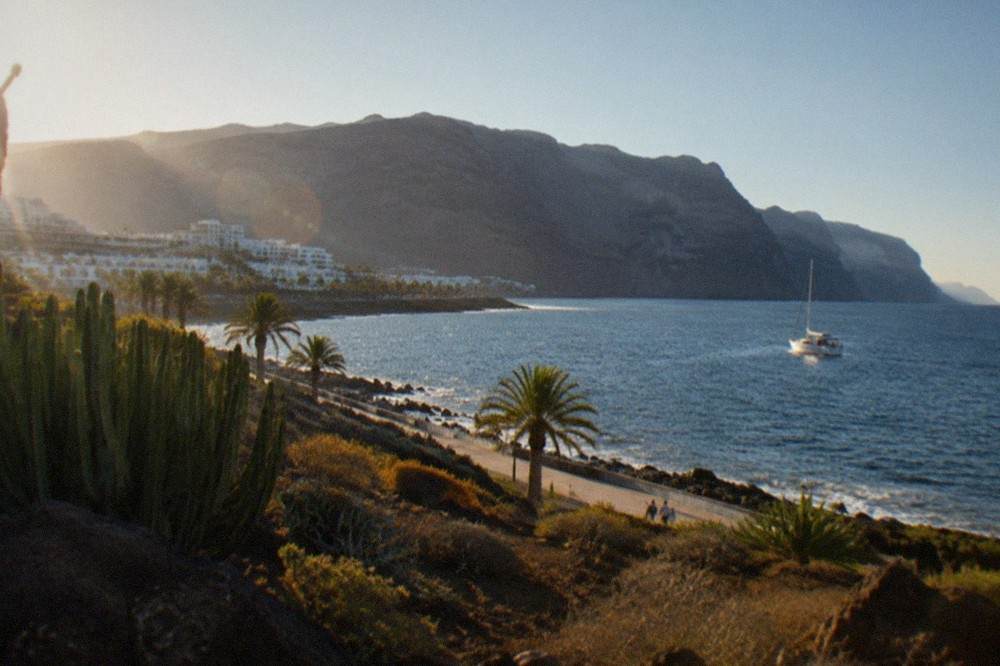
For planning around all of it, best time to visit Tenerife carries the climate record, and the question of whether a car is worth having is answered on do you need a car in Tenerife.
Common Questions About the Tenerife No Go List
is tenerife on the no go list?
No official source read for this site places Tenerife on a no go list. The phrase comes from editorial articles and social posts, not from government advice. The verified record shows the island open, with 7,561,659 tourists from mainland Spain and abroad in 2025 and record passenger numbers at both airports.
is tenerife on a no-travel list?
No. No travel ban or no-travel designation for Tenerife appears in any official document this desk has read. The rules that do exist are booking fees on two Teide trails, a ticketed Masca descent and an advance booking for Barranco del Infierno, all of which are administrative and none of which prevents a visit.
why are canary islands on the no-travel list?
They are not, in any official source read for this page. The Canaries remain one of Europe's most connected destinations, with 34 markets and 159 airports linked to Tenerife by air in 2025. Editorial lists about overtourism are sometimes described as no-travel lists, but they are journalism, not government advice.
is tenerife on the warning list?
Tenerife appears on editorial warning lists about crowding and tourism pressure, which are opinion features. No government travel warning naming Tenerife was found in the official sources read for this site. The UK supplied 2,057,896 of the island's 5,451,268 lodged tourists in 2025, 37.8%, and no advisory tells them to stop.
why is lanzarote on the warning list?
This site's verified fact file covers Tenerife and holds no official row about Lanzarote, so no claim is made about it here. The same principle applies: an editorial list is not a government warning, and a reader should check official travel advice for the specific island before believing a headline.
what's happening in tenerife
Verified changes: trail fees on Teide routes PNT 10 and PNT 07 since 19 January 2026, a smoking ban across the national park's open-air spaces, the Altavista refuge reopened after its 2026 refurbishment, and EES border registration replacing passport stamps for UK and US visitors since 10 April 2026. None of these is a reason to cancel a trip.