Where to Avoid in Tenerife?
An honest, source-based answer to where to avoid in Tenerife: what official bodies actually say, the real hazards the island's own operators warn about, and what no official source claims.
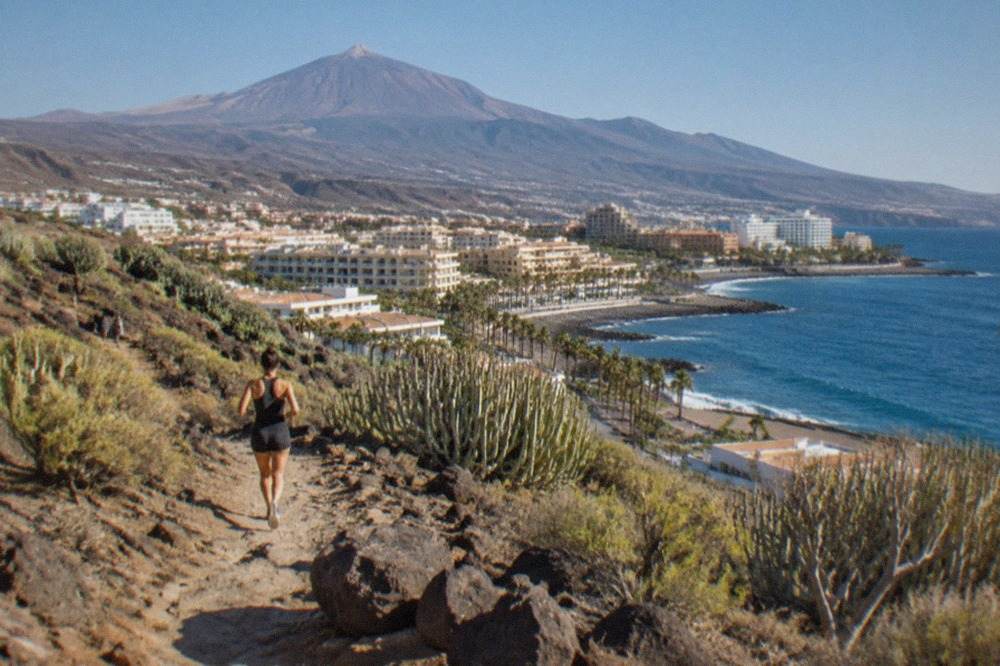
The honest answer to "where to avoid in Tenerife?" is that no official body publishes such a list. Neither the Canary Islands government, nor the island's tourist board, nor the Spanish or British authorities name a neighbourhood, a resort strip or a village that visitors should stay away from. What the official sources do publish is a set of specific, checkable warnings: altitude rules on Mount Teide, sea conditions at Masca, fire-risk closures in the national park, and a tightly regulated whale watching industry. This page reports those warnings as the sources state them, and it does not invent the crime statistics or "dangerous areas" that some pages reach for, because no official source in this site's research carries them. For the wider safety picture, see the companion pages on whether Tenerife is safe and why Tenerife appears on a no-go list.
Where to Avoid in Tenerife at Night?
There is no official list of places to avoid in Tenerife at night, and no government or police source in this site's research names one. The real, documented night-time risks are environmental rather than criminal: the national park's trails after dark without a booking, unlit coastal paths, and driving on mountain roads in poor visibility. Practical caution, not a map of no-go zones, is what the sources support.
The distinction matters because plenty of online content blurs it. A magazine's editorial ranking is not a government travel warning, and a page that describes a bar strip as "dangerous" without an official source is offering an opinion dressed as a fact. The UK's travel advice for Spain, the Canary Islands government's own notices and the Cabildo de Tenerife's alerts pages were all checked in compiling this site's fact file, and none of them names a district of Santa Cruz, Los Cristianos or Puerto de la Cruz as a place to avoid.
What the official pages do say about night-time activity is specific and worth repeating. Tenerife ON lists 18:00 to 22:00 as a bookable slot on the Teide summit trail PNT 10, and walking it without a reservation may be penalised. The Altavista refuge, reopened after its 2026 refurbishment with 49 beds, takes prior reservations only. In other words, the authorities have organised night access to the mountain rather than banned it, and the "avoidance" that actually protects a visitor is avoiding unbooked, unequipped night walking above 2,000 metres, where AEMET's normals for the Izana station show mean daily minimum temperatures of 1.1 Celsius in January and 2.4 Celsius in December.
For ordinary evenings out, the sourced advice is mundane. Tenerife's taxis are white, all metered from the start of the trip, and a fixed price can be agreed in advance for excursions, according to the tourist board's own transport page. TITSA runs a night bus, line 711, between Santa Cruz, Tenerife South Airport, Los Cristianos and Costa Adeje. Those are the tools; the island's own published material does not supply a geography of fear.
Where to Avoid in Tenerife South?
The south's documented hazards are natural, not social: the sea off Los Gigantes and the island's beaches in poor conditions, the altitude of Teide above the south's resorts, and sun exposure on exposed volcanic ground. No official source identifies any southern resort area, from Costa Adeje to Los Cristianos, as a place to avoid. The warnings that do exist concern conditions and equipment, not districts.
Start with the sea. The Canary government's Decreto 178/2000 regulates whale watching across the waters off the south coast, where the World Cetacean Alliance designated the Tenerife-La Gomera Marine Area a Whale Heritage Area in January 2021. The decree's rules are precise: no boat may approach within 60 metres of a cetacean, no more than three boats may be within 500 metres, boats travel at a maximum of 4 knots inside that zone, and swimming or diving within 500 metres is forbidden. Authorised boats fly the Barco Azul flag, issued with the permit and at each annual renewal. A visitor who wants to avoid something real can avoid unflagged, unlicensed operators, and the flag is the check.
The second southern hazard is the mountain itself. The cable car operator's access rules refuse the ride to people with cardiovascular conditions, pregnant women and children under 3, because of the altitude, and the operator tells anyone with a health problem to ask a doctor first. The Cabildo bans smoking in every open-air space of the national park, car parks included, as a wildfire measure, and Tenerife ON warns that bookings can be suspended for fire risk or weather alerts. In winter, ice and snow put crampons and an ice axe on the mandatory equipment list for the stratovolcano trails. These are the south's genuine "avoid" conditions: avoid the park on alert days, avoid the cable car against the operator's medical exclusions, and check Tenerife ON's alerts before setting out.
The third is the sun. AEMET's normals for Tenerife South Airport show mean daily maxima of 28.4 Celsius in August and 27.7 Celsius in July, with 295 sunshine hours in July alone. Nothing in the official record suggests avoiding the south in summer; the record suggests avoiding the midday exposure, which is a different kind of advice. The seasonal crowd picture is on file too: 618,578 tourists arrived by air in August 2025 and 611,623 in July, against 518,359 in May, so the busiest months are measurable rather than folkloric.
What Are Some Areas to Avoid in Tenerife?
The only "areas" an official source tells visitors to avoid are specific, conditional closures: Masca's pier when the sea closes it, trails suspended for fire risk or weather, and the reservation-only zones walked without a booking. There is no official list of urban areas to avoid anywhere on Tenerife, and any page that prints one is guessing.
Masca is the clearest worked example. The gorge is open as a descent under a pilot scheme, booked at caminobarrancodemasca.com, and the general ticket is EUR 40.66 with the boat extra. But the operator's own page warns that the pier can close suddenly when sea conditions turn, and that a closure voids the day's ticket. It also calls the gorge the place with the most rescues in the Canaries in recent years, and it refuses entry to anyone arriving by private vehicle: hikers must come on TITSA line 355 from Santiago del Teide and show the bus ticket. Closed mountain footwear is a condition of entry. So the honest instruction is not "avoid Masca"; it is "avoid Masca without a booking, without the bus, without proper footwear, or on a day the pier is closing". The rest of the planning pages sit on Tenerife Travel Guide.
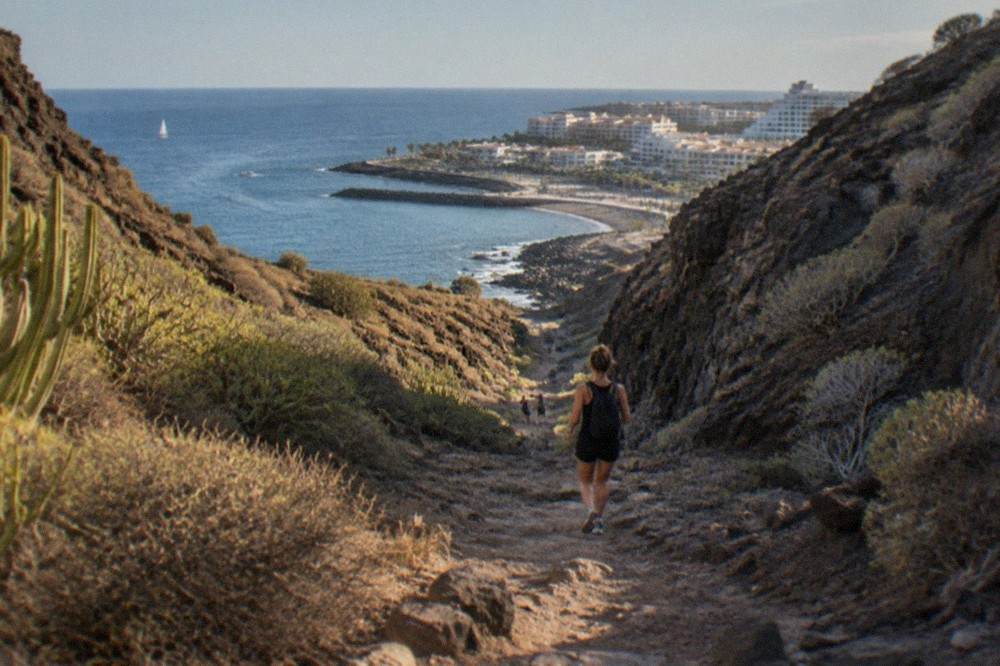
The same logic covers the reservation-only trails. Barranco del Infierno costs EUR 15 for a non-resident adult, advance online booking is compulsory, and children under 5 are not allowed. El Pijaral, the "Enchanted Forest" in Anaga, needs a Tenerife ON reservation released at 07:00 on Mondays, at most 14 days ahead, and organised tours by companies are not permitted there at all. The Teide summit trail PNT 10 needs a personal reservation through Tenerife ON, and since Monday 19 January 2026 the 09:00 to 17:00 slots cost EUR 15 for visitors, EUR 6 for residents of the other Canary Islands, and nothing for Tenerife residents and children. Walking any of these without the booking is what the sources penalise, not the places themselves.
The pattern across every source is consistent. Tenerife's authorities regulate access to its hazardous places rather than declaring its towns off-limits, and a visitor who books, checks the alerts and carries the right equipment has already done what the official record asks. The rest, on this island, is ordinary holiday sense.
For anyone weighing the south's resorts against quieter bases, the planning pages on the best time to visit Tenerife and whether you need a car in Tenerife cover the decisions that actually shape a trip, and the island's headline attractions are laid out on the things to do in Tenerife round-up from this Tenerife Travel Guide desk.
The Official Warnings, in One Table
The verified warnings that bear on "where to avoid" are environmental and rule-based, not geographic: altitude exclusions on the cable car, reservation requirements and fees on the summit trails, a total smoking ban in the national park, mandatory winter equipment, pier closures at Masca, and regulated approach distances around whales. Each one comes from an official page, and none of them names a town, resort or neighbourhood as unsafe.
The table below gathers them in one place, with the sources' own figures. It is the closest an honest answer can get to an "avoid" list for Tenerife: a list of conditions and rules, each checkable on its official page before a trip.
| Warning | What the official source says | Where it applies |
|---|---|---|
| Altitude exclusions | No cable car for people with cardiovascular conditions, pregnant women or children under 3 | Teide cable car, 2,356 m to 3,555 m |
| Summit trail fees | EUR 15 for visitors on 09:00 to 17:00 slots since 19 January 2026; reservation via Tenerife ON required | PNT 10 Telesforo Bravo |
| Smoking ban | Smoking prohibited in all open-air spaces, car parks included | Teide National Park |
| Winter equipment | Crampons and ice axe mandatory when ice or snow is present | Stratovolcano trails |
| Masca pier closure | Sudden sea-condition closures void the day's ticket | Masca gorge descent |
| Masca access rule | Private vehicles refused; TITSA line 355 ticket required | Santiago del Teide to Masca |
| Whale watching distances | No approach within 60 m; max 4 knots and no swimming within 500 m | Waters around the island |
| Barranco del Infierno | Advance online booking compulsory; EUR 15 non-resident adult; under-5s not allowed | Adeje |
Read that way, the question flips. Nothing on the island is off-limits to a visitor who follows the posted rules; the only thing worth avoiding is turning up unprepared at a place that has been organised precisely because it is demanding. A booked whale cruise out of Los Gigantes, a cable car ride taken within the operator's health rules and a day at Siam Park all sit comfortably inside the official framework, which is why the picks below are worth a look while planning.
The same reasoning applies to the rest of a trip. The tours below are the ones this desk rates for the experiences most visitors want from the island, each run by an operator whose listing carries its own live details.
Common Questions About Avoiding Areas in Tenerife
where to avoid in tenerife
No official source publishes a list of areas to avoid on Tenerife. The documented warnings are conditional and specific: the Teide trails without a reservation, Masca without the booked boat exit, the national park on fire-alert days, and the sea when conditions close the pier. A page naming "dangerous neighbourhoods" without an official source behind it is guessing.
What colors do sharks avoid?
No verified fact in this site's research answers that question, and it is not answered here. What the record does show is that Tenerife's waters are best known for whales and dolphins rather than sharks: the World Cetacean Alliance describes a unique resident population of pilot whales and bottlenose dolphins in the Tenerife-La Gomera Marine Area, a designated Whale Heritage Area since January 2021. For questions about marine life, see this desk's page on mosquitoes, sharks and wildlife.
Where to avoid in Tenerife at night?
No official body names night-time no-go areas. The sourced night-time guidance concerns the mountain: the 18:00 to 22:00 slot on the Teide summit trail is a reservation, the reopened Altavista refuge takes prior bookings only, and AEMET's Izana station records mean daily minima near 1 Celsius in winter. In the resorts, metered white taxis and TITSA's night bus line 711 are the official transport options.
Where to avoid in Tenerife south?
Nothing in the official record singles out a southern resort area. The south's documented hazards are the altitude rules on the cable car, fire-risk suspensions in the national park, and sea conditions off the coast, where authorised whale watching boats fly the Barco Azul flag under Decreto 178/2000. Avoiding unlicensed operators and alert days is what the sources support.
Is there a tourist tax or no-go list I should worry about?
No official page read shows a per-night tourist tax in force or approved on Tenerife, and no official no-go list exists. The charges that do exist are per-booking fees: EUR 15 for visitors on the Teide summit trail's daytime slots, EUR 40.66 for the Masca descent ticket, and EUR 15 for Barranco del Infierno, each on its own official booking page.