Basilica of Candelaria
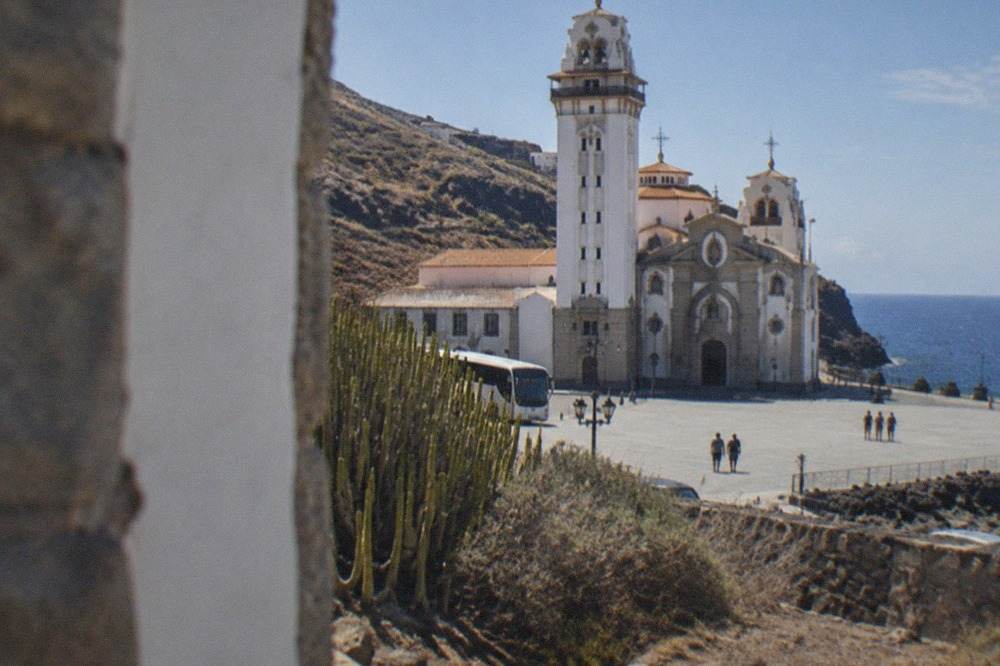
The Basilica of Candelaria holds the image of the patron saint of the Canary archipelago in a 1959 church by Enrique Marrero Regalado, on a seafront plaza in the town of Candelaria on Tenerife's east coast.
Short answer
The Basilica of Candelaria is a 1959 church by the architect Enrique Marrero Regalado, with a 45 m tower and a 25 m cupola, dedicated to the Virgin of Candelaria, the patron saint of the Canary archipelago. The original carving was lost in a flood in 1826 and the current image dates from 1827.
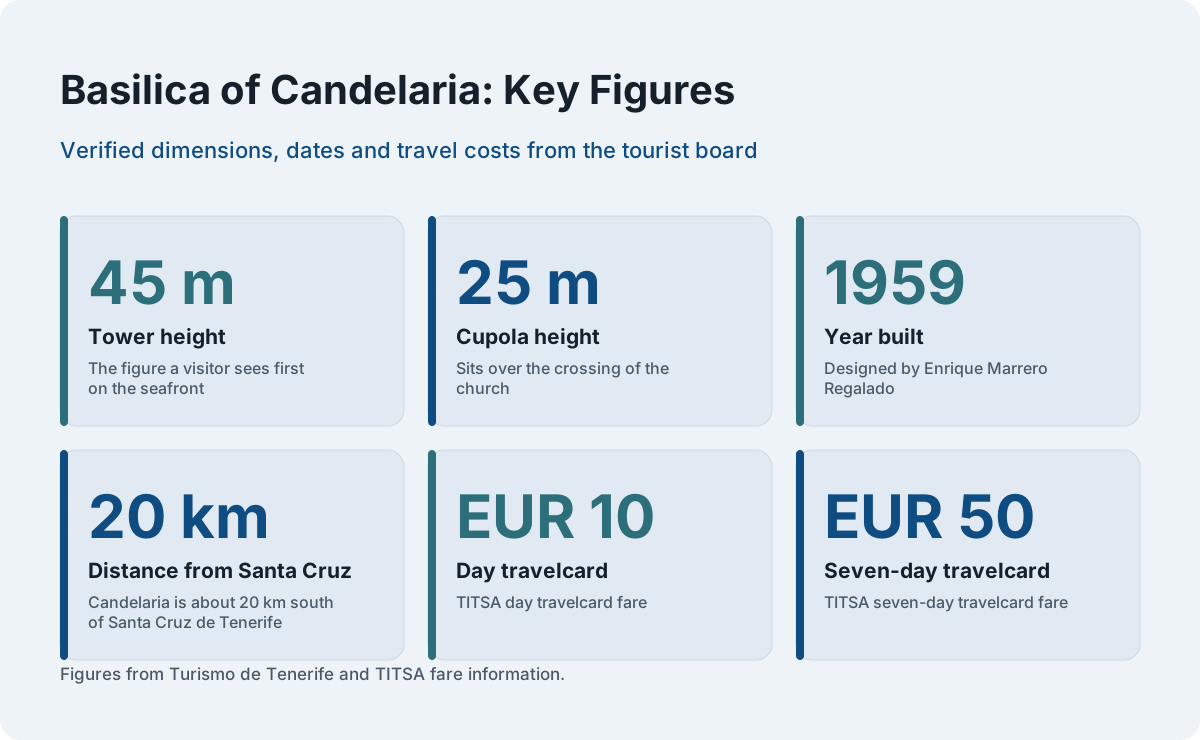
The Basilica of Candelaria stands on the seafront of Candelaria, a town on Tenerife's east coast about 20 km south of Santa Cruz de Tenerife, and it holds the most important religious image in the Canary Islands. The tourist board's own page records the essentials: the architect was Enrique Marrero Regalado, the church was built in 1959, the tower rises 45 m and the cupola 25 m, and the building is dedicated to the Virgin of Candelaria, the patron saint of the Canary archipelago. The original carving was lost in a flood in 1826, and the current image dates from 1827.
That combination, a modern church and a much older devotion, is what makes the site worth the journey. The building is a mid-twentieth-century construction, but the figure inside it carries a story that reaches back long before the basilica existed, and the plaza in front of it is one of the largest open spaces on the island's coast. This guide sets out what the official sources say about the basilica, the Virgin, the town around it, and how to plan a visit.
What Is the Basilica of Candelaria?
The Basilica of Candelaria is a church in the town of Candelaria on Tenerife's east coast, built in 1959 to the design of the architect Enrique Marrero Regalado, with a tower of 45 m and a cupola of 25 m. It is dedicated to the Virgin of Candelaria, whom the official sources name as the patron saint of the Canary archipelago, and it stands beside a large seafront plaza that faces the Atlantic.
The tourist board's page for the basilica is the primary source for every physical fact about the building. It names the architect, the construction year, the two heights and the dedication, and it records the history of the image the church was built to house: the original carving was lost in a flood in 1826, and the image venerated today dates from 1827.
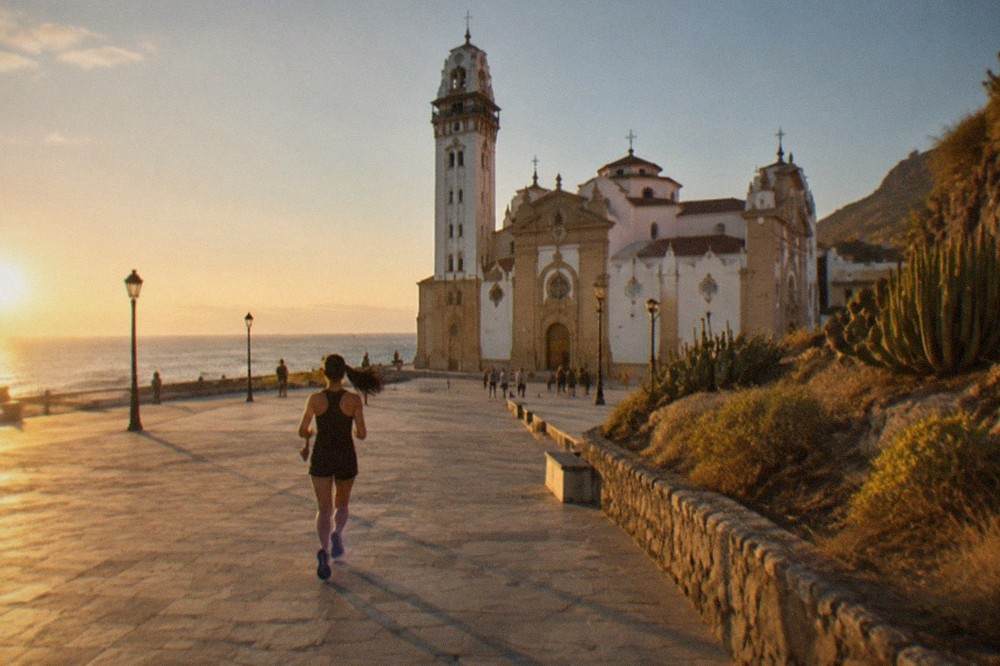
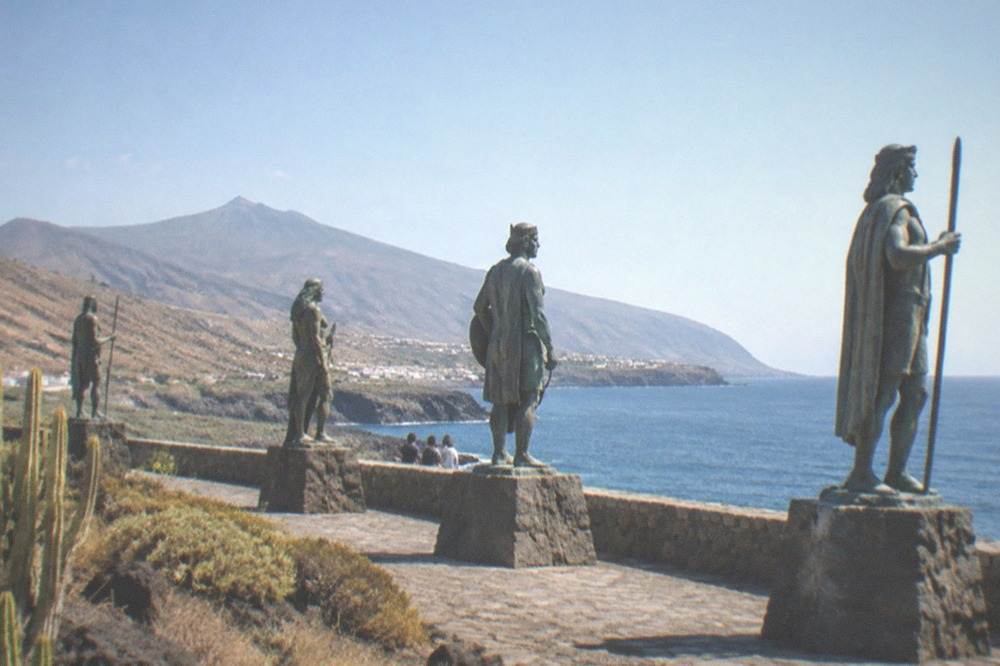
The plaza is as much a part of the site as the church. It opens directly onto the sea, and the basilica closes one side of it. On the same plaza stand the bronze statues of the nine Guanche kings, a monument to the islands' pre-conquest inhabitants, which gives the square its other common name, the Plaza de la Patrona de Canarias. The combination of a modern Catholic basilica, a pre-Hispanic monument and an open Atlantic horizon in one frame is unusual, and it is the reason the site draws visitors who arrive for reasons other than pilgrimage.
The basilica's status as a place of pilgrimage matters for planning. The feast day of the Virgin of Candelaria falls on 2 February, and the days around 15 August also draw large crowds from across the islands. On those dates the plaza fills with processions, and a visitor whose interest is architecture or photography rather than the feast itself may prefer a quieter week. No official source in the pack gives an opening timetable for the church interior, so check the Candelaria parish or tourist information pages before travelling specifically to go inside.
Who Built the Basilica and When?
The Basilica of Candelaria was built in 1959 to the design of Enrique Marrero Regalado, a Canary Islands architect whose work also shaped other landmark buildings of the period in the archipelago. The tourist board's page records the tower at 45 m and the cupola at 25 m, and the same source confirms the dedication to the Virgin of Candelaria, the patron saint of the Canary archipelago.
Marrero Regalado's name is the one fact about the building's authorship that the verified sources state, and it is worth holding to precisely. The tourist board's page for the basilica gives the architect, the year and the dimensions in a single entry, and nothing in the pack goes further into his biography, so this guide does not either. What the sources do allow is a comparison with the other great modern landmark on Tenerife's coast, the Auditorio de Tenerife in Santa Cruz: Santiago Calatrava's concert hall, inaugurated in 2003, with its white trencadis skin across 23,000 m2. Both buildings belong to the island's tradition of bold modern architecture facing the sea, four decades apart.
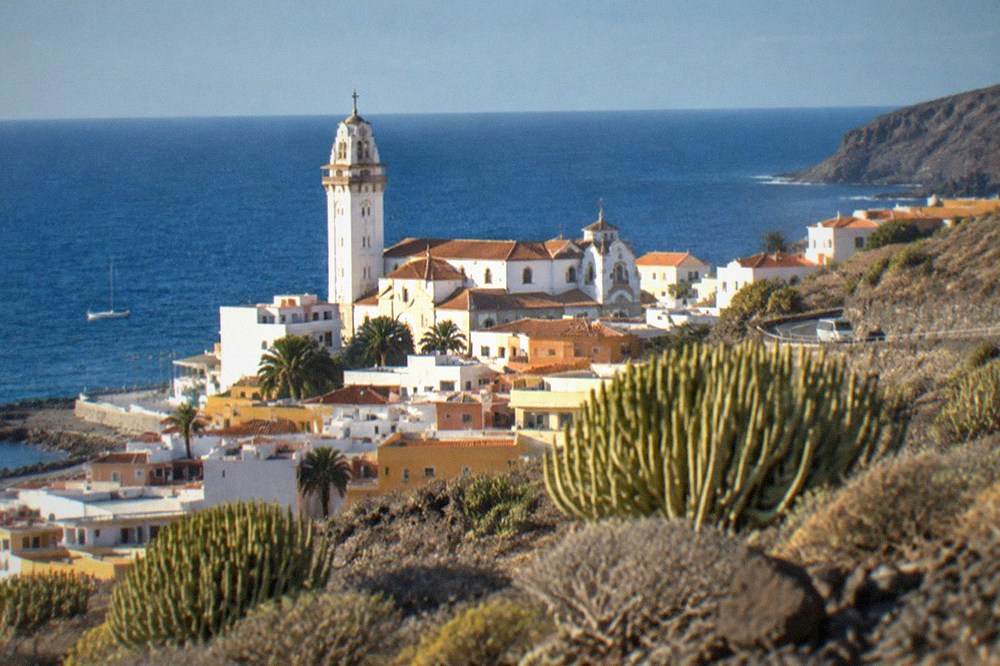
The date, 1959, places the basilica in a specific moment. The church was finished in the years when mass tourism to Tenerife was still in its infancy, and it was built for the islands' own faithful rather than for visitors. The tourist board's page records that the building replaced an earlier church on the site, and the loss of the original carving in the 1826 flood predates the present building by more than a century, which means the basilica was constructed to house an image that had already been venerated for generations.
What Do the Numbers Say About the Building?
The verified physical facts about the basilica are few and precise: a construction year of 1959, a tower of 45 m, a cupola of 25 m, and a dedication to the Virgin of Candelaria. The original image was lost in 1826 and replaced by the 1827 carving venerated today. No official source in the pack gives the floor area, a seating capacity or a visitor count, so those figures are not stated here.
The table below holds every dimension and date the official sources record. Anything not in it is not on file.
| Fact | Figure | Source |
|---|---|---|
| Architect | Enrique Marrero Regalado | Turismo de Tenerife |
| Year built | 1959 | Turismo de Tenerife |
| Tower height | 45 m | Turismo de Tenerife |
| Cupola height | 25 m | Turismo de Tenerife |
| Dedicated to | The Virgin of Candelaria, patron saint of the Canary archipelago | Turismo de Tenerife |
| Original carving | Lost in a flood in 1826 | Turismo de Tenerife |
| Current image | Dates from 1827 | Turismo de Tenerife |
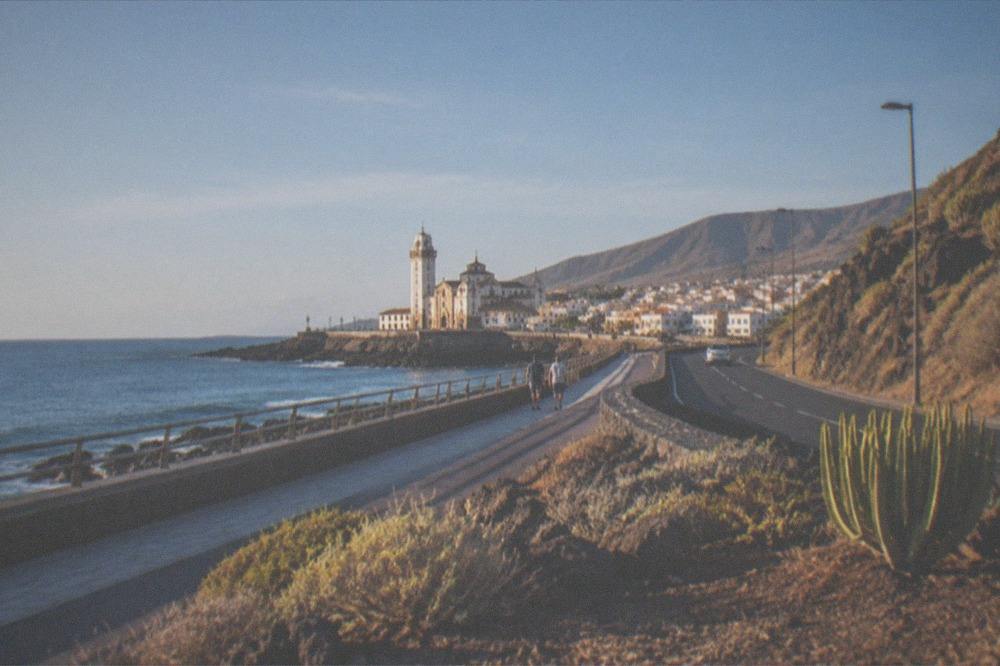
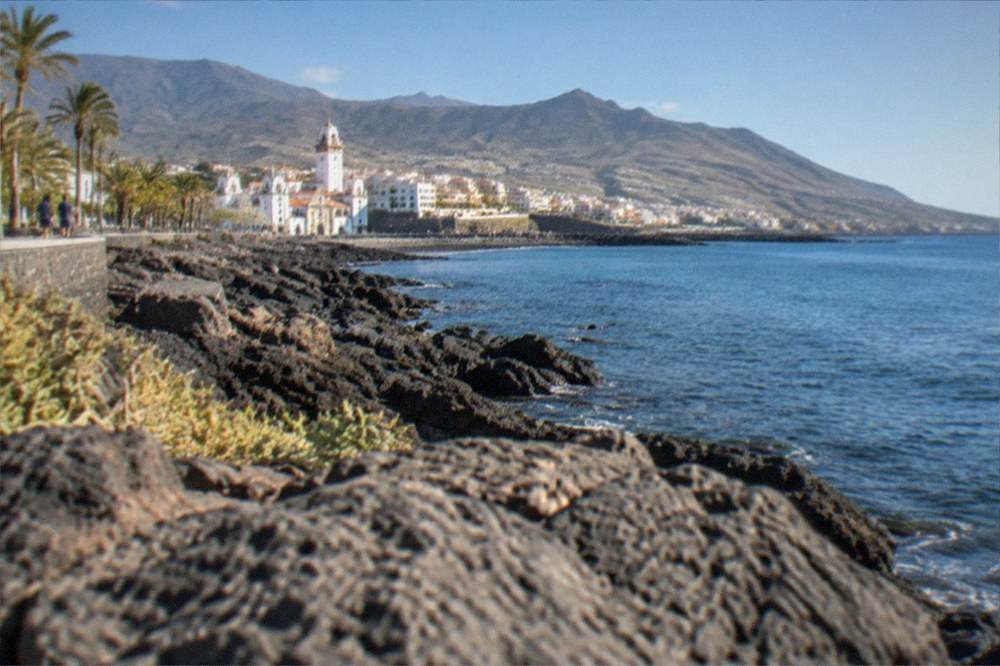
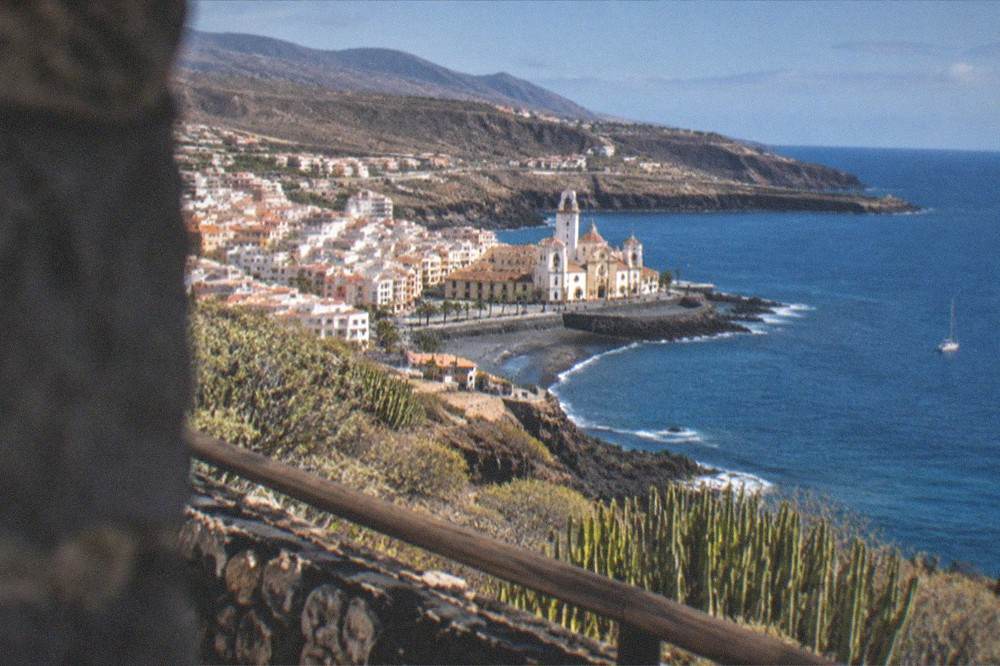
The 45 m tower is the figure that matters most in practice, because it is what a visitor sees first. The tower dominates the Candelaria seafront and makes the basilica a landmark for the whole stretch of coast between Santa Cruz and the south of the island. The 25 m cupola sits over the crossing of the church, and the white walls of the building are the visual signature the town is known for.
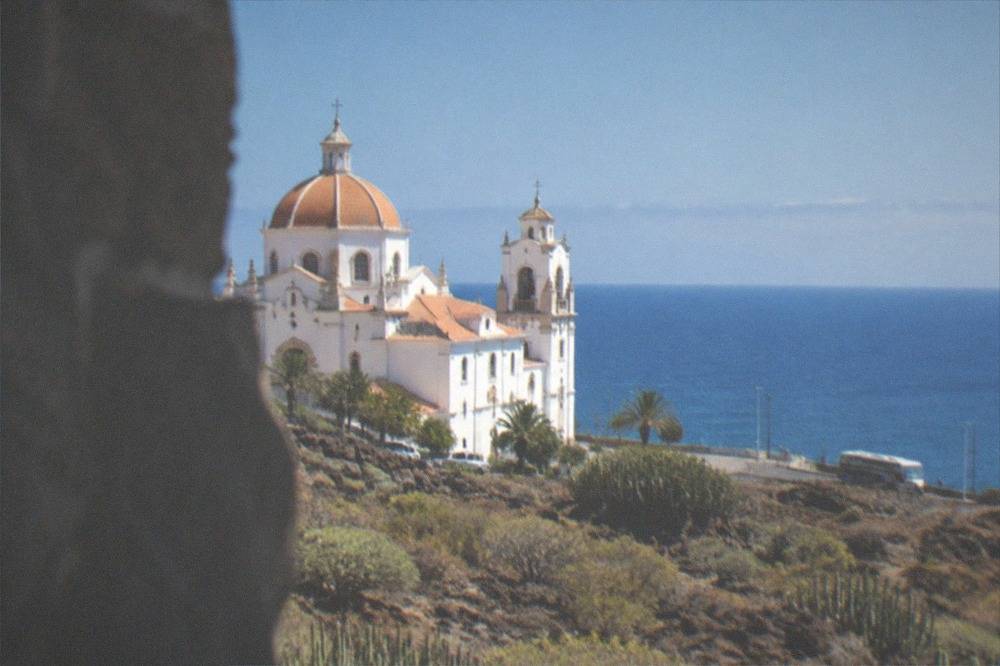
A comparison with the island's other modern landmark puts the scale in context. The Auditorio de Tenerife, Santiago Calatrava's concert hall inaugurated in 2003 in Santa Cruz, covers 23,000 m2 with its white trencadis skin. The basilica is a different kind of building, a parish church elevated to a basilica rather than a cultural venue, but both belong to the same island tradition of white modern architecture on the waterfront.
What Is the Virgin of Candelaria?
The Virgin of Candelaria is the patron saint of the Canary archipelago, and her image is the reason the basilica exists. The tourist board records that the original carving was lost in a flood in 1826 and that the image venerated today dates from 1827, which makes the current figure nearly two centuries old even though the church around it dates only from 1959.
The devotion is island-wide, not local. Because the Virgin is the patron of the whole archipelago, pilgrims travel to Candelaria from the other Canary Islands as well as from across Tenerife, and the town's identity is inseparable from the sanctuary. The Guanche kings on the plaza belong to the same story: the tradition connects the image to the islands' pre-conquest inhabitants, and the statues are the monument to that connection.
The feast calendar is the practical side of the devotion. The principal feast day falls on 2 February, and the middle of August brings the other great annual celebration. No official page in the pack publishes a full programme of services or procession times, so a visitor planning a trip around either date should consult the Candelaria parish pages or the town's own information channels. What can be said with confidence is that the plaza, large as it is, fills on the feast days, and that accommodation in the town and the surrounding municipalities books up around them.
For a visitor with no interest in the religious calendar, the basilica still repays the journey. The architecture, the plaza and the statues together form a single composition that the island offers nowhere else on this scale, and the seafront setting gives the site a horizon that few churches in Spain can match.
How Do You Get to Candelaria Tenerife from Santa Cruz?
Candelaria sits on Tenerife's east coast about 20 km south of Santa Cruz de Tenerife, and TITSA buses connect the two along the island's main eastern road. Visitors pay normal TITSA fares: single tickets priced by route, the EUR 10 day travelcard or the EUR 50 seven-day travelcard, because the 2026 free-transport subsidy applies to resident passes only. No official page in the pack lists a specific bus line number for the Santa Cruz to Candelaria route, so check TITSA's own timetable pages before travelling.
The transport facts that are verified are the fare structures, not the line numbers. TITSA's fares page lists the visitor products: single tickets priced by route, a 10% discount on same-day returns for trips of 20 km or more, the EUR 10 day travelcard and the EUR 50 seven-day travelcard, with the Ten+ card itself at EUR 2. The resident subsidy, confirmed by the Canary government for all of 2026, applies to personalised resident passes, and visitors do not qualify for it. More of these guides are collected on Tenerife Travel Guide.
| Ticket | Price | Who it is for |
|---|---|---|
| Single ticket | Priced by route | Everyone |
| Same-day return, trips of 20 km or more | 10% off | Everyone |
| Day Travelcard | EUR 10 | Visitors and residents alike |
| 7 Day Travelcard | EUR 50 | Visitors and residents alike |
| Ten+ card | EUR 2 | The rechargeable card itself |
| Resident passes | Subsidised 100% in 2026 | Canary Islands residents only |
Driving is the alternative. The TF-1 motorway runs down the island's spine and Candelaria is reached from its eastern exits, and the town has car parks serving the seafront. A car makes sense for a day that combines the basilica with other east-coast sights; the bus makes sense for a single-purpose trip from Santa Cruz, where parking near the plaza on feast days is the harder problem.
For cruise passengers, the arithmetic changes. The cruise port sits in Santa Cruz, and a visit to Candelaria from a ship's day alongside is a short coastal hop rather than an expedition. The shore-excursion products listed on this site cover the island's headline sights, and a Santa Cruz bike and e-bike tour is one way to see the capital before or after a trip down the coast.
When Is the Best Time to Visit Candelaria?
Candelaria's climate is the mild east-coast version of Santa Cruz's, and AEMET's normals for the Santa Cruz station, 36 m, show mean daily maxima between 21 and 29 Celsius across the year with the warmest months July to September and the wettest December, at 43 mm. For a plaza visit in comfort, the spring and early summer months combine warm afternoons with low rainfall, while the February feast day brings crowds and the August celebrations bring the biggest ones of all.
The climate table below is AEMET's for the Santa Cruz de Tenerife station, the closest verified series to Candelaria's coast. The two towns share the same eastern leeward side of the island, where the trade clouds break up and the sunshine hours run high.
| Month | Mean daily max C | Mean daily min C | Rain mm | Sunshine hours |
|---|---|---|---|---|
| Jan | 21 | 15.4 | 32 | 178 |
| Feb | 21.2 | 15.3 | 35 | 186 |
| Mar | 22.1 | 15.9 | 38 | 221 |
| Apr | 22.7 | 16.5 | 12 | 237 |
| May | 24.1 | 17.8 | 4 | 282 |
| Jun | 26.2 | 19.5 | 1 | 306 |
| Jul | 28.7 | 21.2 | 0 | 337 |
| Aug | 29 | 21.9 | 2 | 319 |
| Sep | 28.1 | 21.7 | 7 | 253 |
| Oct | 26.3 | 20.3 | 19 | 222 |
| Nov | 24.1 | 18.4 | 34 | 178 |
| Dec | 22.1 | 16.6 | 43 | 168 |
Two planning notes follow from the numbers. First, the sea surface off the south coast, in NOAA's 1991 to 2020 series, runs from 19.1 Celsius in March to 23.7 in September and October, so a swim near Candelaria is plausible for most of the year, with the warmest water at the end of summer. Second, the rain columns show why the east coast feels different from the north of the island: AEMET's Tenerife North Airport station records 520 mm across the year against Santa Cruz's 226 mm, and a day that is grey in Puerto de la Cruz is often clear on the Candelaria seafront.
The feast calendar cuts across the weather. The 2 February feast of the Virgin falls in one of the cooler, damper months, and the August celebrations fall in the warmest. Neither is a reason to stay away, but both are reasons to book ahead, and a visitor who wants the plaza almost to themselves should aim for a weekday between the feasts, in April, May or June, when the rain columns in the table read 12, 4 and 1 mm.
What Else Is There to Do Around Candelaria?
Candelaria works best as part of an east-coast or full-island day rather than as a destination on its own, and the verified sights within easy reach include the Pyramids of Guimar, open daily 10:00 to 18:00 except 1 January and 25 December with a full ticket at EUR 26.00, and the Teide Observatory at Izana, about 2,400 m, which admits visitors by prior guided reservation only. The town's own seafront, the Guanche kings and the basilica plaza fill a morning on their own.
The Pyramids of Guimar, in the municipality of Güímar further down the east coast, are the nearest headline attraction. The official page gives the opening hours and the ticket, and recommends allowing two and a half hours for a full visit with audioguide. Pairing the pyramids with the basilica makes a natural east-coast loop from Santa Cruz.
North of the town, the road runs back towards Santa Cruz, where the Auditorio de Tenerife, Santiago Calatrava's 2003 concert hall, anchors the capital's waterfront. The tourist board's page for Las Teresitas describes the golden sand, palm trees and breakwaters of the beach at San Andrés, a short drive beyond the city, and the Pyramids of Guimar complete the eastern circuit to the south. Visitors planning the wider island can start from the things to do in Tenerife roundup, which places Candelaria in the context of the island's headline sights.
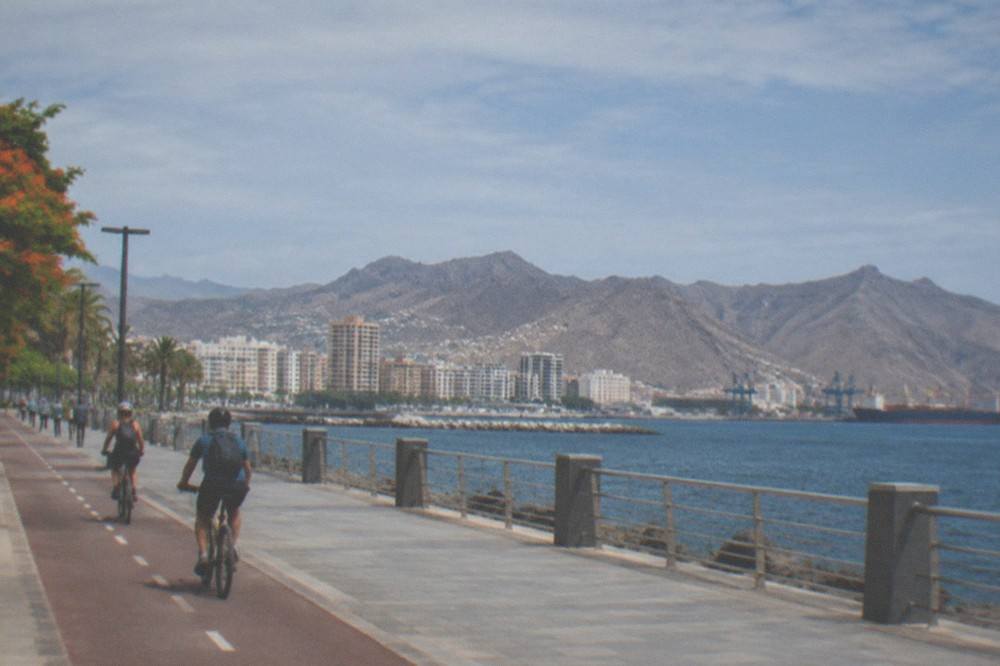
A guided walk or ride is one way to fix the east coast in a single day. The Santa Cruz highlights bike and e-bike tour starts from the cruise terminal and covers the capital's waterfront, which pairs with a bus or car trip down to Candelaria afterwards.
Food and farm visits fill the gaps. The Finca Las Margaritas banana plantation experience in Arona, on the south of the island, is a contrasting half-hour that suits a day that loops from Candelaria to the southern resorts, and the island's whale and dolphin watching boats sail from Los Cristianos and Costa Adeje if the itinerary stretches to a second day.
Should You Book a Tour to See Candelaria?
Candelaria itself needs no booking: the plaza, the statues and the seafront cost nothing, and the basilica is a working church rather than a ticketed attraction. What is worth booking is the transport and the guiding around it, above all if the visit is part of a cruise day or a one-week itinerary, where a tour that handles the driving and the timing saves a half-day of planning.
The honest division is this. The site is free, the town is walkable, and a visitor with a hire car or a TITSA travelcard needs nothing else. A tour earns its place when the day is short, when the party would rather not drive the motorway, or when the itinerary combines the east coast with sights further afield, from the Teide cable car to the whale-watching ports of the south.
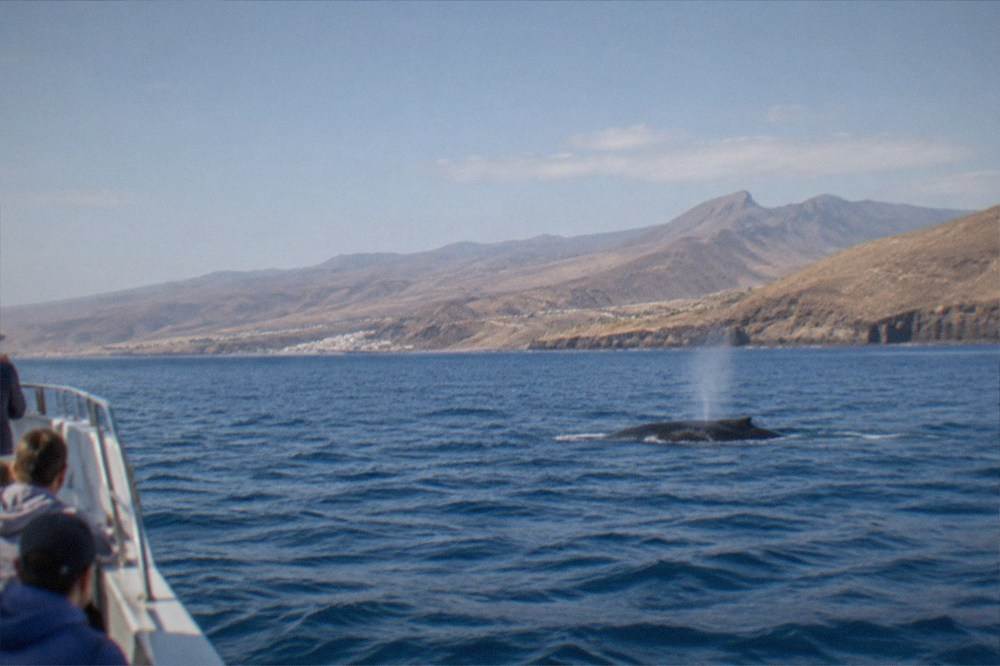
For a second day, the sea is the island's other great draw. The Costa Adeje whale and dolphin eco-cruise with snacks and drinks is one of the highest-rated options on this site, and the waters between Tenerife and La Gomera are a designated Whale Heritage Area under the World Cetacean Alliance's programme, with authorised boats flying the Barco Azul flag under Decreto 178/2000, which forbids any approach within 60 m of the animals.
What Do Travellers Say About a Visit to Candelaria?
Travellers' accounts of Candelaria, as reflected in the tour listings on this site, concentrate on the same few things: the scale of the plaza, the contrast between the modern basilica and the ancient devotion, and the ease of reaching the town from Santa Cruz. The Santa Cruz bike and e-bike tour holds a 4.5 rating from 177 reviews, and the free walking tour of the historic centre of Santa Cruz, on GuruWalk, is rated 4.81 from 233 English-language reviews.
The numbers on this page's own listings are the only ratings this guide quotes. The Santa Cruz bike and e-bike tour, 2 hours 30 minutes from the cruise terminal, is the closest product to the east-coast day. The free tours of Santa Cruz, Puerto de la Cruz and La Orotava are GuruWalk pay-what-you-want walks, free to join and tip-based, and the Santa Cruz one is the natural pairing with a bus ride to Candelaria. See this free tour on GuruWalk if a guided introduction to the capital appeals.
What the reviews do not settle is the interior experience of the basilica, because no verified source in the pack records the church's opening hours or a visitor count. The honest advice is to treat the interior as a bonus rather than a guarantee: the plaza, the statues and the exterior of Marrero Regalado's building are open to everyone at all hours, and they carry most of the site's force.
Common Questions About the Basilica of Candelaria
Who built the Basilica of Candelaria?
The architect was Enrique Marrero Regalado, and the church was built in 1959, according to the tourist board's page for the building. The tower rises 45 m and the cupola 25 m.
How old is the image of the Virgin of Candelaria?
The original carving was lost in a flood in 1826, and the image venerated today dates from 1827. It is therefore nearly two centuries old, though the basilica around it was built in 1959.
Is there an entry fee for the Basilica of Candelaria?
No verified source lists any entry fee for the basilica, and the plaza, the statues of the Guanche kings and the seafront are open public space. The charges that do exist on Tenerife are the official trail and site fees listed elsewhere on this site, none of which applies here.
How do I get to Candelaria from Santa Cruz?
Candelaria lies on the east coast about 20 km south of Santa Cruz de Tenerife, connected by TITSA buses and the island's motorway network. Visitors pay normal fares, including the EUR 10 day travelcard or the EUR 50 seven-day travelcard; the 2026 free-transport subsidy is for resident passes only. Check TITSA's timetable pages for the current route.
When is the feast day of the Virgin of Candelaria?
The principal feast day falls on 2 February, with further major celebrations in August. No official programme in the verified sources publishes procession times, so consult the Candelaria parish pages for the details of any specific year.
What else should I see near Candelaria?
The Pyramids of Guimar, open daily 10:00 to 18:00 except 1 January and 25 December, lie further down the east coast, and the Teide Observatory at Izana admits visitors on guided visits by prior reservation. Santa Cruz de Tenerife, with the Auditorio de Tenerife and Las Teresitas, sits just to the north.