What Language Do They Speak in Tenerife?
The answer to what language they speak in Tenerife, how much English you will hear in the resorts, and what the Canary Islands' own dialect adds to the mix.
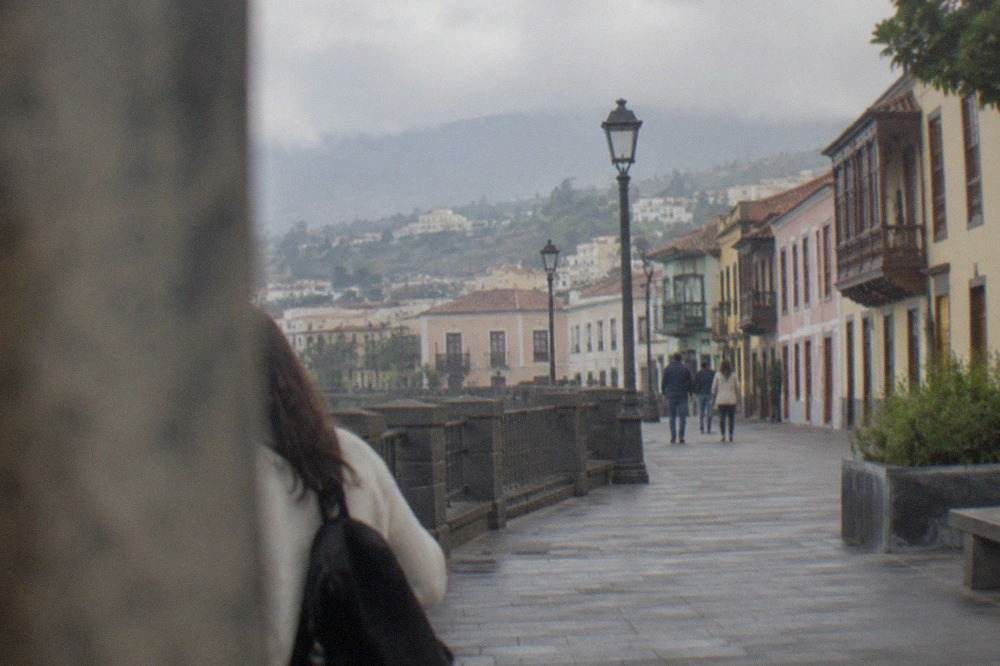
Spanish is the language you will hear spoken in Tenerife. It is the official language of the Canary Islands, the language of the island's councils, its bus timetables, its menus away from the resorts and its road signs, and the first language of the great majority of the roughly 960,000 people registered as living on the island. That is the short answer, and it is the one that matters for almost every practical moment of a holiday. The longer answer is more interesting, because the Spanish of the Canaries has its own accent, its own word choices and its own history, and because the tourist economy of the south means English is never far away either.
What Language Is Spoken in Tenerife?
Spanish is the language spoken in Tenerife, and it is the island's official language in law, in government and in daily life. The variety used locally is Canarian Spanish, which sounds closer to the Spanish of Latin America than to the Spanish of Madrid in several of its features, and it includes island words for local foods, landscapes and customs that a visitor from mainland Spain would recognise but might not use.
The distinction matters more than you might expect. Canarian Spanish is not a separate language and it is not a dialect with a different grammar; it is the same language with a noticeably different sound. The accent softens the consonants that mainland Castilian pronounces hard, and the vocabulary carries words that crossed the Atlantic with the emigrants and returneders of past centuries, alongside terms for things that only exist here, such as the guachinche, the informal family-run eating house of the north of the island. A visitor with school Spanish will understand and be understood without difficulty.
The island's public life runs in Spanish. Council notices, the Cabildo's announcements, bus destination screens and the official tourism pages are all produced in Spanish first, with English translations alongside. If you are booking something official, such as a trail reservation through Tenerife ON, expect the interface to switch between Spanish and English, and expect the small print to be clearest in the original. The same applies to anything legal or administrative, from car hire paperwork to a pharmacy consultation: the Spanish version is the one that governs.
Do They Speak English in Tenerife?
Yes, English is widely spoken in Tenerife's tourist areas, and a holiday spent entirely in the main resorts of Costa Adeje, Los Cristianos and Playa de las Américas can be managed almost entirely in English. Hotel reception desks, excursion sellers, restaurant staff in the tourist zones and most shop assistants in the south speak it as a working second language, and British visitors are the island's single largest source market, which keeps that English current and idiomatic.
The tourist board's 2025 balance records 2,057,896 British tourists lodged in hotels and apartments, 37.8% of all lodged tourists that year, ahead of Spain itself at 1,068,407. What that means on the ground is that the resort economy of the south has been built around English-speaking guests for decades. Menus, excursion leaflets and apartment signs appear in English as a matter of course, and staff who deal with visitors all day switch between the two languages without thinking about it.
Outside the tourist zones the picture changes gradually rather than sharply. In Santa Cruz de Tenerife and San Cristóbal de La Laguna, the island's two largest cities, younger people and anyone working in retail or hospitality usually has serviceable English. In the villages of the Anaga mountains, the Teno massif or the agricultural north, Spanish is what you will hear, and a few words of it will be received warmly. This is one of the quiet pleasures of the island: the language boundary is soft, and effort is met halfway.
The excursions themselves reflect the same reality. Crews on the whale watching boats out of Los Cristianos and Los Gigantes announce everything in English and Spanish back to back, and the guided Teide tours run with English-speaking guides as standard. If you want to read more about what the island offers beyond the resorts, our guide to what Tenerife is known for covers the headline attractions.
What Language Do They Speak in the Canary Islands?
Spanish is the sole official language of the Canary Islands, the autonomous community Tenerife belongs to, and it is spoken across all seven main islands. There is no separate Canarian language in official use, no co-official regional language as Catalonia and the Basque Country have, and the Canarian accent and vocabulary that distinguish the islands are varieties of Spanish rather than a language of their own.
This surprises some visitors who expect the Canaries to resemble other Spanish regions with a strong linguistic identity. The islands' history explains the difference: they were absorbed into the Crown of Castile in the years after the conquest, and their subsequent centuries of trade and emigration ran towards the Americas, which left the local speech patterned with Latin American features. The "s" at the end of syllables is aspirated or dropped, the "z" and soft "c" are pronounced as an English "s" rather than the mainland "th", and a fair number of everyday words are shared with the Caribbean and Venezuela in particular.
One practical note: the Canarian word choices you will meet most often are food words. "Papas" rather than "patatas" for potatoes, as in papas arrugadas, the island's wrinkled salt-baked potatoes served with mojo sauce. "Gofio", the toasted grain flour that predates the Spanish conquest, appears on menus and in bread. "Guagua" is the local word for a bus, and you will hear it constantly once you notice it. None of this is a barrier; all of it is a small door into the place.
| Word you will hear | What it means | Where you will meet it |
|---|---|---|
| Papas | Potatoes | Menus everywhere, as in papas arrugadas |
| Mojo | The island's signature sauce, red or green | Served with papas and most grilled dishes |
| Guachinche | An informal, family-run eating house | The north of the island, especially around Tacoronte and El Sauzal |
| Gofio | Toasted grain flour, a pre-conquest staple | Bread, desserts, breakfast porridge |
| Guagua | Bus | Everyday speech, timetables and conversation |
Do They Speak English in the Canary Islands?
English is widely spoken in the tourist areas of the Canary Islands, including Tenerife, Gran Canaria, Lanzarote and Fuerteventura, and staff in hotels, restaurants and excursion businesses across the main resorts use it as a working language. Away from the resorts, across all the islands, Spanish is the default and English becomes progressively less common the further you go from the coast.
The pattern is the same island to island: a heavily English-speaking tourist strip, a bilingual middle ground in the towns, and a Spanish-speaking interior. In Tenerife that strip is the Costa Adeje to Los Cristianos shoreline; in Gran Canaria it is the Maspalomas area; in Lanzarote it is Puerto del Carmen. The workforce in these zones is often bilingual by professional necessity rather than by education policy, and the level you meet at a hotel desk is generally higher than the level you meet in a village shop.
A boat trip is a good example of where the two languages meet. The whale watching cruises from Los Gigantes run with crews who narrate in both, because their passengers come from the island's two biggest markets at once. If you are weighing up how much English you will need across a whole holiday, our page on whether you need a car in Tenerife covers the parts of the island where you drift furthest from the bilingual resort world.
Will School Spanish Be Enough in Tenerife?
Yes, modest school Spanish is enough to be understood in Tenerife, because Canarian speakers are used to visitors and will meet you halfway, and the local accent is generally considered one of the clearer varieties of Spanish to follow. English covers the tourist zones almost completely, so the Spanish you need is confined to the moments where you step outside them, and a handful of courtesy words will carry most of those moments.
The courtesy basics are worth stating plainly because they are genuinely load-bearing here. "Buenos días" and "buenas tardes" open every interaction. "Por favor" and "gracias" are universal. "La cuenta, por favor" gets you the bill. "¿Habla inglés?" asks the question this page is about, in the local language, and it is received without any hint of offence. Canarian service culture is informal and warm, and an attempt at Spanish, however rough, changes the temperature of an exchange noticeably in your favour.
For anything official, the practical advice is to use the English version of the official page where one exists and to confirm anything important by email in writing. The island's official tourism and council pages maintain English versions, and operators of the major excursions handle English enquiries all day. Where a detail matters, such as a permit condition or a medical question, ask for it in writing so nothing rests on a spoken sentence in a second language.
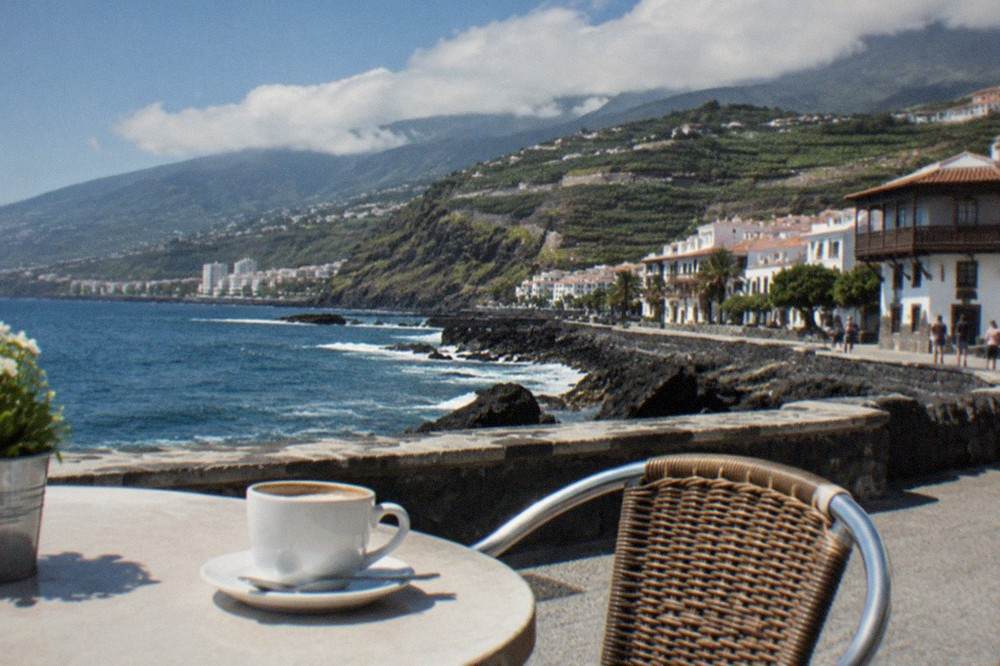
Do Other Languages Appear in Tenerife?
Yes, German is the second most useful foreign language in Tenerife after English, reflecting the 442,958 German tourists lodged on the island in 2025, and French, Italian, Dutch and Belgian visitors give those languages a presence in the resorts as well. None of them rivals Spanish or English in reach, and none is needed, but menus and excursion announcements in the main tourist zones often run through several of them.
The numbers behind this come from the tourist board's 2025 balance of lodged tourists, which places Germany third among source markets at 8.1%, France at 4.1% and Ireland at 4.0%, with Italy, the Netherlands and Belgium following. In practice you will see the effect in the resort restaurants of Costa Adeje and Playa de las Américas, where some establishments keep separate menus, and in the guided excursion market, where some operators run departure days aimed at a particular market.
The other language presence worth knowing about is quieter. The Canary Islands sit off the coast of Africa, and the islands' history of trade with the mainland means you may hear Arabic among traders and residents, alongside the languages of the Latin American communities who have settled here. Tenerife is a working island of 31 municipalities, not a resort with a fence around it, and the languages of its residents are as varied as its population of about 960,000.
If the practical side of the trip is what you are planning next, our pages on currency, cash and tipping and entry requirements for Tenerife cover the questions that usually follow this one, and Tenerife Travel Guide has the full picture.
Common Questions About Language in Tenerife
what language do they speak in tenerife
Spanish. It is the official language of Tenerife and of the Canary Islands, spoken in a distinct Canarian variety that shares features with Latin American Spanish. English is widely used in the tourist areas, but Spanish is the language of the island's daily and official life.
do they speak english in tenerife
Yes, extensively in the resort areas. Costa Adeje, Los Cristianos and Playa de las Américas can be navigated almost entirely in English, and British visitors are the island's largest source market, 2,057,896 lodged tourists in 2025. Outside the tourist zones English becomes less reliable, though younger people in the cities usually speak it.
what language is spoken in tenerife
Spanish is the language spoken in Tenerife, in the Canarian variety: an accent that softens mainland consonants, uses "papas" for potatoes and "guagua" for bus, and shares vocabulary with Latin America. It is the only official language of the Canary Islands.
do they speak english in the canary islands
Yes, in the tourist zones of all the main islands. Hotel staff, excursion operators and resort restaurant workers across Tenerife, Gran Canaria, Lanzarote and Fuerteventura use English as a working language. Away from the resorts, Spanish is the default everywhere.
what language do they speak in the canary islands
Spanish, spoken across all the islands in the Canarian variety. There is no separate co-official regional language in the Canary Islands as there is in parts of mainland Spain; the differences are of accent and vocabulary within one language.