What Is Tenerife Currency
The currency used in Tenerife is the euro, and this page explains how cash, cards, Canary Islands sales tax and tipping customs work for visitors, with official figures.
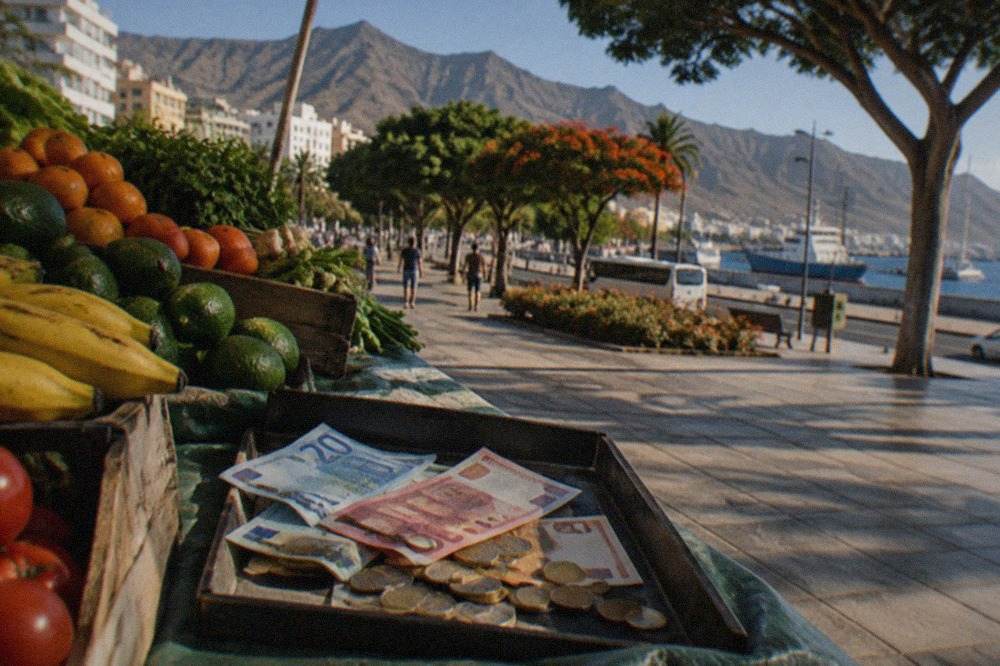
Tenerife uses the euro, and has done since Spain adopted the single currency. What catches many visitors out is not the notes and coins but everything around them: the Canary Islands apply their own sales tax, IGIC, instead of mainland VAT, card terminals are common in shops and restaurants but a few situations still want cash, and tipping follows a custom that no law regulates. This page answers the money questions people actually ask, using only figures the official sources state.
What Currency Is Used in Tenerife?
The currency used in Tenerife is the euro, the same currency as mainland Spain and eighteen other countries of the euro area. Prices across the island, from restaurant menus to bus fares and entry tickets, are quoted in euros, and no second currency circulates anywhere on the island. Visitors from the United Kingdom or the United States will need to exchange pounds or dollars, or withdraw euros from a cash machine on arrival.
That single answer covers most of what matters, but the practical detail sits underneath it. Because Tenerife is part of Spain, the euro arrived with Spain's own adoption of the currency, and every price a visitor meets, a taxi meter, a TITSA bus ticket, a cable car fare, is denominated in it. There is no local variant, no island scrip and no separate exchange rate to worry about.
The one genuinely local element is tax, not currency. The Canary Islands apply IGIC, the Impuesto General Indirecto Canario, rather than the VAT that mainland Spain uses. The Canarian tax agency's own table shows 7% on everyday goods, alongside 0%, 3% and 15% bands for other categories. For a shopper this is invisible, the tagged price is what you pay, but it matters in two situations. First, receipts will show IGIC rather than IVA, which is correct and not an error. Second, non-resident travellers can claim IGIC back on purchases using form 403, the DER regime, which the tax agency administers for visitors leaving the islands.
Do You Tip in Tenerife
Tipping in Tenerife is a custom, not a rule: there is no obligation, no fixed percentage and no law that requires it, and many local people leave nothing or only small change. Visitors commonly round up a restaurant bill or leave a euro or two for good service, and the choice is entirely theirs. Nobody will chase you for a tip, and staff wages do not depend on them.
Because tipping has no primary source and no official rate, this page describes it only as custom. What the custom looks like, as widely reported, is modest. In a restaurant, rounding the bill up or leaving a few coins is normal; a large percentage on top of the bill is not expected the way it can be in the United States. In a bar or cafe, small change or nothing at all is unremarkable. Taxi drivers are usually paid the metered fare, rounded up to a convenient figure, and taxis on the island are white and metered from the start of the trip, with a fixed price agreed in advance possible for excursions.
Hotel staff, tour guides and activity crews sit in the same category: appreciated, never demanded. On a boat trip or a guided walk, a tip at the end is a gesture some visitors make, and the crew will accept it graciously, but the price paid for the activity is the full price. If a whale-watching trip is on your plans, the operators' live listings carry the current prices, and nothing is added at the dock.
The broader money picture is covered in detail on Is Tenerife Expensive?, which works through accommodation, food and transport costs from the verified figures.
Is Cash or Card Better in Tenerife?
Card is the easier option for most of a Tenerife holiday: shops, restaurants, hotels and supermarkets across the island take contactless payment, and official venues such as the cable car and the parks sell tickets online in advance. Cash in euros is still worth carrying for small purchases, markets, rural bars and the occasional terminal that is down, so a mix of both is the practical answer.
Card acceptance on the island is broad. The tourism economy runs on visitors, and terminals are standard in resorts such as Costa Adeje, Los Cristianos and Puerto de la Cruz. Buying the big tickets before travel removes most of the need to carry large sums: the Teide cable car operator sells its tickets online, TITSA travelcards are sold at airport ticket machines, and the island's parks and attractions sell entry in advance. The official euro prices that do exist are worth knowing in advance, and the table below collects the ones a visitor is most likely to meet.
| What | Official price (EUR) | Notes |
|---|---|---|
| Teide cable car return, non-resident adult | 42.00 | Child fare 3 to 13 is EUR 21; shown as "price from" |
| Teide summit trail PNT 10, daytime slots, visitors | 15 | Since 19 January 2026; free for Tenerife residents, children exempt |
| Teide trail PNT 07, daytime slots, visitors | 6 on working days | EUR 10 on weekends and public holidays |
| Masca gorge ticket, general | 40.66 | Boat exit booked separately, in advance |
| Barranco del Infierno, non-resident adult | 15 | Advance online booking compulsory |
| TITSA day travelcard | 10 | Seven-day travelcard EUR 50 |
Cash still has real uses. Markets, small family-run guachinches, rural buses and tips all run more smoothly with notes and coins, and a cash machine withdrawal on arrival covers them. The practical split most visitors settle into is card for meals, hotels and tickets, cash for the small daily edges. There is no tourist tax on Tenerife: no official page shows a per-night lodging tax in force or approved, and the charges that do exist are the per-booking fees in the table above, which is worth knowing before reading alarm elsewhere. The local rules are laid out on Tourist Tax and Local Rules.
A whale-watching catamaran from Costa Adeje with drinks included is one of the island's most-booked paid experiences, and booking it ahead means the card does the work before the holiday starts. The live listing carries the current price and availability.
Is It Rude Not to Tip in Tenerife?
No, it is not rude not to tip in Tenerife. Tipping is voluntary, no service worker relies on tips as a wage, and leaving nothing carries no social penalty, because no local rule or custom makes tips compulsory. Visitors who do tip are thanked warmly, and visitors who do not are served exactly the same on a return visit.
The honest way to put it, given that no primary source regulates tipping, is that the custom exists but is light. Spain's wage structure does not use the American tipped-minimum model, so a server's income does not hinge on what the table leaves behind. Rounding up a bill, leaving the coins from a cash payment, or adding a euro or two at a restaurant is a normal, low-key gesture. Anything beyond that is generous rather than expected.
Two situations are worth separating. In restaurants, a small tip for good service is common enough that leaving one is never odd. In bars, cafes and taxis, nothing at all is completely ordinary. On paid tours and boat trips, a tip is a bonus some visitors offer and no crew expects. If a guide has been exceptional, say so in a review, which costs nothing and helps other visitors more than any note.
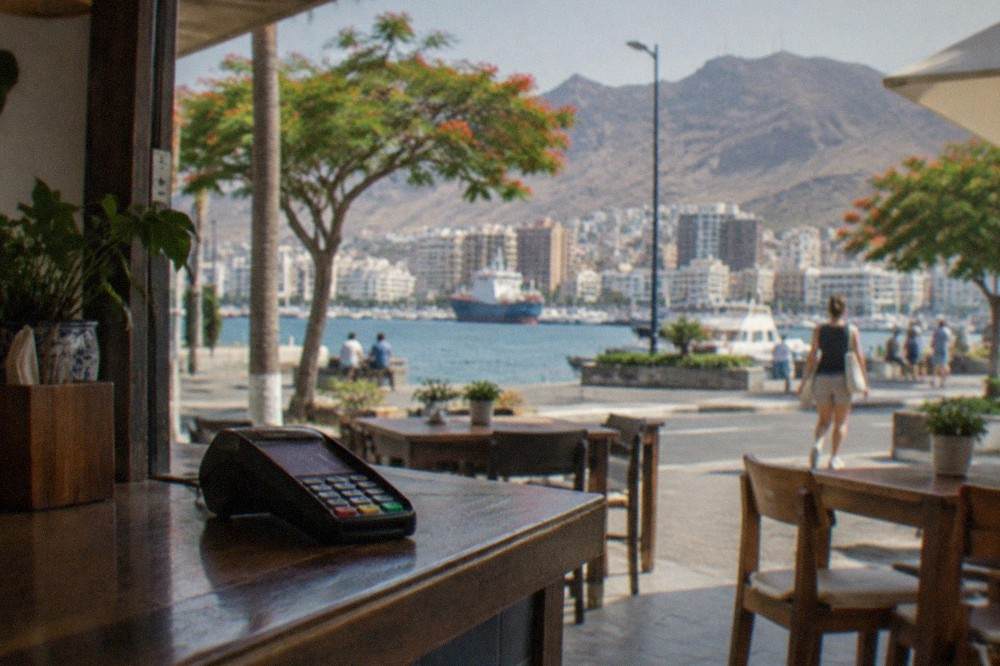
Can You Claim Canary Islands Sales Tax Back as a Visitor?
Yes, non-resident travellers can claim IGIC back on purchases made in the Canary Islands, using form 403 under the DER regime that the Canarian tax agency administers. The claim applies to goods taken out of the islands, and the tax agency's table shows the rates by category, with 7% on everyday goods and 0%, 3% and 15% bands. Keep receipts and ask the shop to process the refund paperwork at purchase.
This is the money detail almost never mentioned in a first page of search results. Because the Canaries are outside the mainland VAT area, the refund regime for visitors is the Canarian one, not the standard EU VAT refund, and the paperwork is form 403. For a visitor making a significant purchase, a watch, electronics, jewellery, the difference is worth the ten minutes it takes to arrange. For everyday spending it is not worth the effort, and nobody should hold up a supermarket queue over it.
The tax also explains something that puzzles visitors comparing price tags with mainland Spain: receipts here show IGIC, and the everyday-goods rate sits in the tax agency's table at 7%. This page deliberately does not compare that figure with a mainland rate, because the bands differ by category and a single comparison misleads more than it explains. What matters at the till is simple: the tagged price is the price.
Common Questions About Money in Tenerife
what currency is tenerife
Tenerife's currency is the euro. The island is part of Spain and uses the same notes and coins as the euro area, with every price on the island, from bus fares to restaurant bills, quoted in euros.
what is the currency in tenerife
The currency in Tenerife is the euro. There is no second currency, no island-specific money and no separate exchange rate; visitors from outside the euro area exchange their own currency for euros or withdraw euros from cash machines on the island.
what currency does tenerife use
Tenerife uses the euro, the currency of Spain and the euro area. Cards and cash on the island are both handled in euros, and the local sales tax, IGIC, is charged in euros exactly as any other price.
what currency do tenerife use
The euro. Tenerife, like the rest of the Canary Islands and mainland Spain, prices everything in euros, so pounds, dollars or other currencies need exchanging before or on arrival.
Do I need cash for the buses in Tenerife?
TITSA single tickets can be paid by card or cash on board, and the visitor travelcards, EUR 10 for a day and EUR 50 for seven days, are sold at airport ticket machines, so cash is not required for the buses. The free resident passes do not apply to visitors.
Are prices in Tenerife cheaper because of the tax?
The Canaries apply IGIC instead of mainland VAT, and the tax agency's table shows 7% on everyday goods with other bands for other categories. Whether an individual item ends up cheaper depends on the shop and the product, so compare the tagged prices rather than assuming a saving.
The money side of a Tenerife trip is straightforward once the three local facts are in place: euros everywhere, IGIC on the receipts instead of VAT, and tipping as a light custom rather than a rule. Entry requirements, including the Entry/Exit System now in operation, are covered on Entry Requirements for Tenerife, and this Tenerife Travel Guide desk keeps every money figure on its pages tied to the official source that states it.