Can You Drink Tap Water in Tenerife?
A straight answer to whether Tenerife's tap water is safe to drink, why it tastes the way it does, and what Brits and other visitors usually do instead.
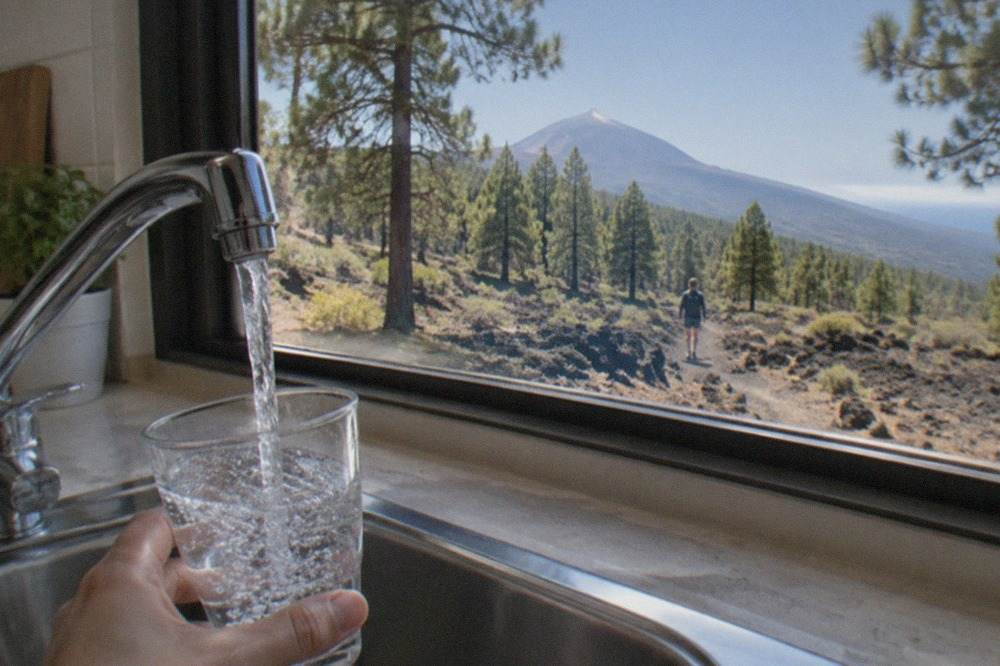
The question every visitor asks within an hour of arriving is not about beaches or Mount Teide, it is about the kitchen tap. Tenerife is a volcanic island in the Atlantic, and island water supplies behave differently from mainland ones. The short answer is that the water is treated to the standards that apply across Spain and the European Union, so it is not a health hazard in the way some travellers fear, but the taste is another matter entirely, and it is the taste that decides what most people actually pour into their glass.
Can You Drink the Water in Tenerife?
Yes, in the sense that matters most: the public water supply in Tenerife is treated and monitored under the same European drinking water rules that apply across Spain, so drinking it will not make you ill in the ordinary way a contaminated source would. The catch is taste. Much of the island's supply is desalinated seawater and groundwater with a high mineral content, which is why most visitors and many residents choose bottled water for drinking while using tap water freely for tea, coffee and cooking.
That distinction, safe versus pleasant, is what causes the confusion online. A water supply can pass every health test and still taste mineral, slightly salty or simply flat to a palate used to soft Scottish or Welsh water. The Canary Islands sit far from any mainland river, so the supply chain works differently from what a British visitor expects. Water arrives through a combination of desalination plants, wells and, in some periods, imported resources, and each of those leaves a different signature in the glass.
None of this is a secret or a warning. The island's water is subject to the same regular testing regime as any Spanish municipality, and the local councils publish their results. If there is ever a genuine advisory, a boil notice or a contamination alert, it is issued through official channels and picked up by the hotels. For everyday holiday purposes, the realistic risk from Tenerife tap water is a wrinkled nose, not a stomach bug.
Can Brits Drink Tap Water in Tenerife?
British visitors can drink Tenerife's tap water without treating it as unsafe, because it is treated water governed by European and Spanish drinking water standards, not raw well water. Many Brits choose not to, purely on taste: the mineral profile of Canary water is noticeably different from the soft water common in much of the UK. Using it for tea, coffee, ice and brushing teeth is completely normal, and most holidaymakers buy bottled water for the table.
The difference a British visitor notices is real and has a physical explanation. Water hardness varies enormously between places, and the UK's wettest regions have some of the softest tap water in Europe. Canary water, by contrast, carries more dissolved minerals because of its volcanic geology and its journey through desalination. Kettle users will see the evidence themselves: limescale builds faster on Canary islands than in Manchester, and that same mineral load is what the tongue registers.
There is no medical line to draw here. The water is not carrying anything that boiling would need to remove. If a Brit drinks a full glass from a Costa Adeje apartment tap and dislikes it, nothing has gone wrong and nothing needs treating. The practical pattern most households settle into is tap water for cooking and hot drinks, and a bottle from the supermarket for cold drinking, and the supermarkets are stocked accordingly, with large water bottles sold cheaply in every resort.
| Situation | What most visitors do | Any health concern? |
|---|---|---|
| Drinking a glass of tap water | Safe, but taste varies by area | No |
| Tea and coffee | Made with tap water everywhere | No |
| Ice in bars and restaurants | Made from the mains supply | No |
| Brushing teeth | Tap water, as at home | No |
| Salads and fruit washing | Tap water, standard practice | No |
| Table water at dinner | Usually bottled, on taste grounds | Preference, not safety |
If your holiday plans involve more time on the water than at the tap, the whale watching cruises from Los Gigantes are the island's most popular half day out, and a sailboat is a comfortable way to do it.
Can I Drink Tap Water in Tenerife?
You can drink the tap water in Tenerife and it is treated to the standards that apply across Spain, so the decision is about taste rather than safety. Individual tolerances differ: some visitors drink it happily all fortnight, others find the mineral taste strong enough to switch to bottles within a day. Hotels and apartment complexes do not advise against the tap, they simply put still and sparkling water on the menu like every Spanish resort does.
The honest framing is that this is a preference question wearing a safety costume. Nobody needs to buy a filter bottle for a Tenerife holiday on health grounds. But taste is a legitimate reason to choose bottled water, and it is the reason the island's shops devote entire aisles to it. A family of four drinking only bottled water should budget for it the way they budget for suncream, as a routine holiday cost rather than an emergency measure.
One group should take a slightly different approach: anyone with a genuinely sensitive stomach, whether from a condition or simply a delicate constitution, sometimes reacts to any change of water, not to Tenerife's specifically. The same person may react to the water in Cornwall or Croatia. The standard advice for that traveller is the same everywhere, ease in with small amounts and keep bottled water on hand, and the same applies here.
Why Does Tenerife Tap Water Taste Different?
Tenerife's tap water tastes different because of where it comes from: a mix of desalinated Atlantic seawater and mineral-rich groundwater drawn through volcanic rock, rather than the rain-fed rivers and reservoirs that supply most of Britain. Those sources meet every treatment standard, but they carry a mineral profile that soft-water palates notice immediately. Desalinated water in particular can taste slightly saline or flat, and island groundwater can taste strongly of minerals.
It helps to picture the island's problem honestly. Tenerife has no large rivers and no continental watershed, yet it hosts a resident population of about 960,000 people plus one of Europe's biggest tourism industries, with 7,412,046 tourists arriving by air in 2025. Every litre of that demand has to be produced on an island, and the two industrial answers are pulling water out of the ground and pulling it out of the sea. Both work. Neither tastes like Highland spring water. The full index of guides sits on Tenerife Travel Guide.
The volcanic subsoil is the second half of the story. Water that filters through basalt and other volcanic formations picks up dissolved minerals on the way, which is why well water across the Canaries tends to be hard rather than soft. Hard water is not a purity problem, it is a chemistry difference, and it is the same reason a kettle in Tenerife furs up faster than a kettle in Glasgow. Your tongue is a reasonably good mineral detector, and it is simply reporting what the geology put there.
Is Bottled Water Expensive in Tenerife?
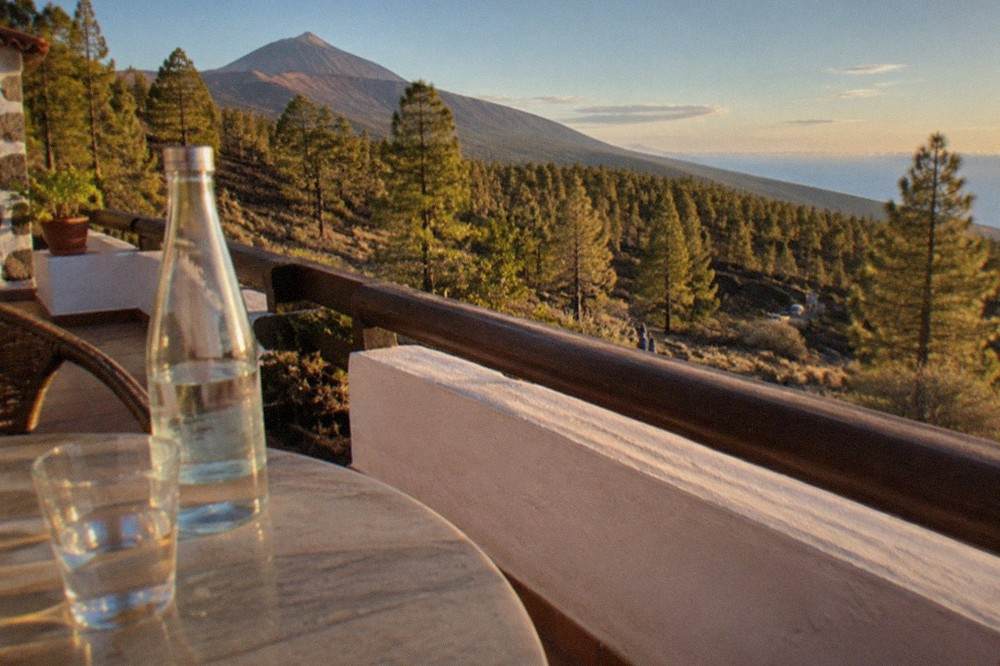
Bottled water is not expensive in Tenerife by European standards, and it is sold everywhere, from resort mini-markets to large supermarkets, in sizes from small bottles to five-litre containers. Because this page's subject has no verified price data on file, no specific figure can responsibly be quoted here: check the shelf prices at your nearest supermarket, where the large formats are always the cheapest per litre. Restaurant water is a separate matter and is priced like any other drink.
The economics work in the visitor's favour. Water is a staple of the Canarian retail scene, locals buy it by the crate, and the big supermarkets compete on it. The pattern to know is the same as anywhere in Spain: the smallest bottles at hotel mini-bars and beach kiosks carry the biggest mark-ups, while a large bottle from a proper shop costs little more than pocket change. Families usually buy the biggest container they can carry and decant it.
Restaurants follow Spanish custom rather than British. Do not expect a free jug of tap water to arrive unrequested as it might in a British pub, because the default in Spain is bottled water, still or sparkling, sold and billed like any other item. Asking for tap water is possible and increasingly accepted, but the waiter may bring a small bottle anyway, and neither outcome says anything about the kitchen's hygiene.
Does the Water Affect Tea, Coffee and Ice?
No, in practical terms: tap water is used for tea, coffee, ice and cooking across Tenerife in homes, hotels and restaurants alike, and it does not carry anything that needs removing. What it does carry is hardness, so kettles scale faster and some people feel tea brews differently. Ice in bars is made from the mains supply as standard. The water's mineral taste is why many people use bottled water for drinking straight but tap water for everything hot.
Tea drinkers are the group most likely to notice. Hard water changes how tea extracts and can dull a builder's breakfast cup, and Tenerife's mineral profile sits at the far end of the scale from the soft water of the British west coast. Coffee is more forgiving, and espresso machines in every Canarian cafe run on the local supply. If tea is the centrepiece of your morning, the pragmatic move is bottled water in the kettle, and that is exactly what many long-stay visitors do.
Ice deserves a direct answer because the question behind it is always the same one about stomach upsets. Ice in Tenerife's bars is made from the same treated mains water as the tap in your apartment. There is no separate ice supply to worry about, and there is no reason to push a glass away on water grounds. If a holidaymaker falls ill in Tenerife, the tap water is a very unlikely culprit, and heat, alcohol and a changed diet are the usual suspects.
Should You Bring a Filter Bottle to Tenerife?
A filter bottle is a matter of taste, not necessity: Tenerife's tap water already meets the treatment standards of Spain and the EU, so a filter is not protecting you from anything harmful. What a good filter jug or bottle can do is soften the mineral taste that puts so many visitors off, and it saves buying bottle after bottle of still water. Anyone who drinks a lot of water, or hates the taste, gets the most value from one.
The environmental argument is straightforward and applies to every island holiday. A fortnight of small plastic bottles for a family adds up to a considerable pile, and Tenerife, like the whole of the Canaries, has to manage its waste on a finite landmass. A filter bottle that turns the apartment tap into acceptable drinking water removes that pile entirely, and the same bottle works on Gran Canaria, Lanzarote or Madeira.
The counter-argument is equally simple. A filter bottle is one more thing to pack, and cheap supermarket water in large containers achieves the same result for very little money. If you are planning a longer read on the island's practicalities, the guide to whether you need a car in Tenerife and the answer on what Tenerife is known for cover the two decisions that shape most trips.
If a day on the Atlantic appeals more than a day of planning, the sailboat whale watching cruise at Los Gigantes is the pick this page recommends, with the cliffs of Teno Rural Park rising up to 600 metres in the tourist board's own words.
Common Questions About Tap Water in Tenerife
can you drink tap water in tenerife?
Yes. The public supply is treated to the standards that apply across Spain and the European Union, so it is not a health risk. Most visitors still buy bottled water for drinking because of the mineral taste, which comes from desalinated seawater and volcanic groundwater, and use tap water for tea, coffee, ice and cooking.
can you drink tap water in tenerife
Yes. The treated mains supply meets Spanish and European drinking water standards, and it is used for hot drinks, ice and food preparation everywhere on the island. Drinking it straight is safe; choosing bottled water instead is a taste preference, not a safety measure.
can you drink the water in tenerife
You can. Tenerife's water is treated and monitored under the same rules as the rest of Spain. What surprises visitors is the taste: the island relies on desalination and mineral-rich groundwater rather than rain-fed rivers, so the flavour is harder and more saline than soft British mains water.
Can Brits drink tap water in Tenerife?
Yes. British visitors can drink the tap water without health concerns, though many switch to bottled water because Canary water tastes harder and more mineral than the soft water common in much of the UK. Tea made with local water can taste different, which is why some long-stay visitors put bottled water in the kettle.
Can I drink tap water in Tenerife?
Yes. The supply is treated to Spanish and EU standards and is used for drinking, cooking and ice across the island. If your stomach is sensitive to any change of water, the same caution applies as anywhere new: start with small amounts and keep bottled water on hand, but there is no specific warning against Tenerife's tap water.
Is ice made from tap water in Tenerife?
Yes. Ice in Tenerife's bars and restaurants is made from the same treated mains supply as the apartment tap, so there is no separate ice supply to avoid. If a visitor feels unwell during a stay, the tap water and the ice are very unlikely causes compared with heat, alcohol or a changed diet.