Monkey Park Tenerife
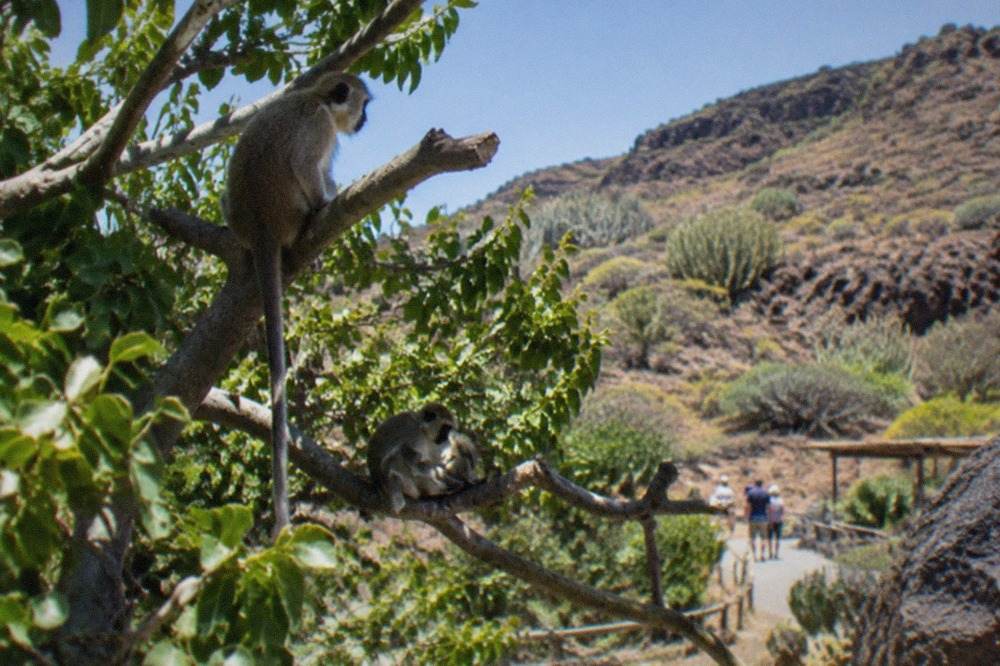
Monkey Park is a small zoological park in the south of Tenerife built around close encounters with primates, and it works best when it is planned as one stop on a bigger south-coast day rather than as a whole-day destination.
Short answer
Monkey Park Tenerife is a compact primate park in the island's south, best suited to families who want a short, hands-on animal visit. This guide sets out what it is, how it compares with the island's larger parks, and what to confirm with the venue before travelling.
Monkey Park is a small zoological park in the south of Tenerife, built around primates and around the idea that visitors should get close to them rather than view them from a distance. That single design choice is what separates it from every other animal attraction on the island, and it is also what makes planning it different: a park built for short visits and close encounters behaves less like a theme park and more like a scheduled activity, and the details that matter most, opening times, entry rules and feeding sessions, are exactly the details this site cannot state for you, because no official figures for the venue sit in this desk's verified research file. Everything below is therefore built from what is verified about the island around the park, with clear signposts for the few facts you should confirm on the venue's own page before you travel.
What Is Monkey Park Tenerife?
Monkey Park Tenerife is a compact, privately run zoological park in the island's south that concentrates on primates and other small animals in walk-through and close-contact enclosures, rather than on large enclosures, rides or shows. It is generally positioned as a short family visit of an hour or two rather than a full-day attraction, and it is commonly combined with other south-coast sights on the same day.
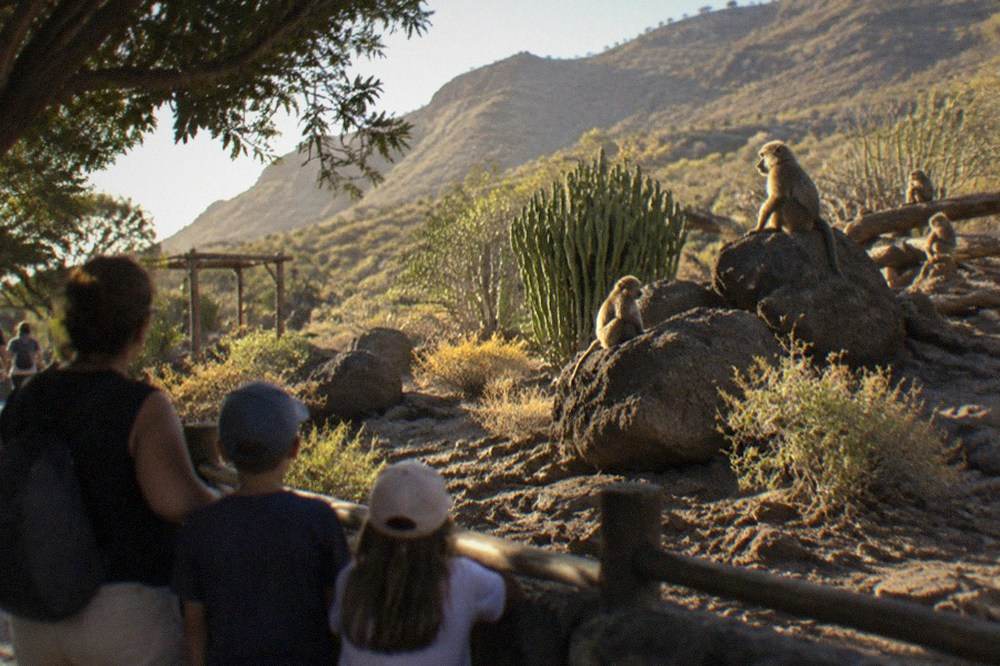
The park's identity is the encounter, not the collection. Where a large zoo spreads its animals across tens of hectares and schedules daily shows, a park of this type sells proximity: smaller enclosures, fewer barriers between visitor and animal, and keepers who manage the interaction. That format suits younger children well, because the visit is short and the animals are close, and it suits photographers for the same reason. It does not suit a visitor who wants a full day out with rides, pools or a programme of displays, and the honest way to plan is to treat the park as one morning or one afternoon item on a list, not the list itself.
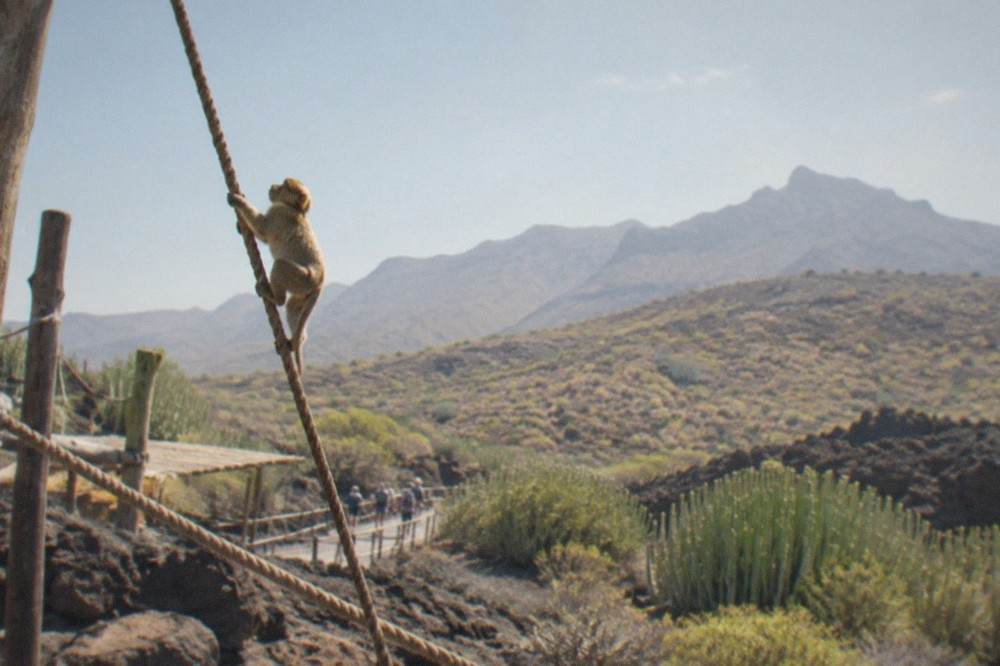
Two practical cautions follow from the format, and both are worth writing down before you book anything. First, close-contact animal parks almost always carry rules about food, touching and supervision of children, and the venue's own page is the only authoritative statement of those rules, so read it before arriving with a toddler and a bag of snacks. Second, small parks change their opening hours seasonally and sometimes daily in a way the big operators do not, and no figure for this venue's hours appears in this desk's verified research, so the day and time of your visit should be confirmed with the venue directly rather than taken from any third-party summary, including this one.
How Does Monkey Park Compare with Tenerife's Big Animal Parks?
Monkey Park is a short, close-contact primate visit, while Loro Parque is a full-day zoo open 09:30 to 17:30 every day of the year with a EUR 7 per day car park, and Siam Park is a water park open 365 days, 10:00 to 18:00 from 1 May to 29 Oct and 10:00 to 17:00 from 30 Oct to 30 Apr. Jungle Park sits between them as a forested animal park with shows.
The comparison matters because the parks are frequently sold together in visitors' minds as "the animal parks of Tenerife", when in practice they answer different questions. Loro Parque, in Puerto de la Cruz in the north, is the island's flagship zoo: the verified facts record its hours as 09:30 to 17:30, Monday to Sunday, every day of the year, with its own car park at EUR 7 per day, and its reputation rests on a large and varied collection. It is a whole-day commitment and, from the southern resorts, a journey across the island. Loro Parque rewards that commitment; it does not fit into the corner of an afternoon.
Siam Park, in Costa Adeje, is not an animal park at all but the island's headline water park, and the verified hours above are the operator's own published schedule. Its sibling attraction Siam Park pairs naturally with Loro Parque rather than with Monkey Park, and the two are sold as a combined ticket, which this page returns to below. Jungle Park, also in the south, is the closest thing to a middle option: a forested park with animals and shows, bigger than Monkey Park, smaller than a full-day zoo.
Monkey Park's niche is the gap none of those fill. It is the choice for a family with a free morning in the south, children young enough that a full-day zoo would overwhelm them, and a desire to see animals at arm's length rather than across a moat. The desk's advice, formed from the parks' published formats rather than from any visit, is to book it for a morning, keep the afternoon open, and let the rest of the day be a beach, a pool or one of the boat trips the south coast is built around.
| Park | Type | Published hours | Best fit |
|---|---|---|---|
| Monkey Park | Close-contact primate park | Confirm with the venue before travelling | A short morning or afternoon with young children |
| Loro Parque | Full-day zoo, Puerto de la Cruz | 09:30 to 17:30, every day of the year; car park EUR 7 per day | A full day, planned around the journey north |
| Siam Park | Water park, Costa Adeje | 10:00 to 18:00 (1 May to 29 Oct); 10:00 to 17:00 (30 Oct to 30 Apr) | A full water day, weather permitting |
| Jungle Park | Forested animal park with shows | Confirm with the venue before travelling | A half-day in the south |
What Can You Combine with Monkey Park on a South Tenerife Day?
The strongest pairing is a Monkey Park morning with a south-coast afternoon: a whale and dolphin watching trip from Los Cristianos or Costa Adeje, a session in the water such as a beginner scuba dive with turtles, or simply one of the southern beaches. The park's short format leaves most of the day free, and the south's boat and water activities run daily from the resort belt.
The south coast is where Tenerife's marine side lives. The waters between Tenerife and La Gomera hold what the World Cetacean Alliance describes as a unique resident population of pilot whales, alongside bottlenose dolphins, and the area was designated a Whale Heritage Area in January 2021. Whale watching here is not a lucky dip: it is a regulated activity under Decreto 178/2000, which forbids boats from approaching within 60 metres, allows no more than three boats within 500 metres, caps speed at 4 knots inside that zone, and bans swimming or diving within 500 metres of the animals. Authorised boats fly the Barco Azul flag, issued with their permit and at each annual renewal, and looking for that flag is the single quickest way for a visitor to check that a trip is legal.
For a family splitting the day, a catamaran trip with a swim stop is the classic afternoon, and an eco-focused, no-chase trip suits visitors who want the encounter conducted under the rules above rather than around them. For older children and adults, the south is also one of Europe's easy places to try scuba diving, and beginner try-dives in the turtle habitats off Costa Adeje are among the most-booked water activities on the island. Both fit the half-day slot a Monkey Park visit leaves behind.
The quieter alternative is to spend the afternoon on sand. The south's beaches are varied enough that the choice is a real one: golden, calm-water family beaches behind breakwaters, darker volcanic strands, and the grey-sand stretches the tourist board records for El Médano under Montaña Roja. A beach afternoon costs nothing and needs no booking, which makes it the natural companion to a morning that did need one.
What Should You Check with the Venue Before You Go?
Four things need confirming on Monkey Park's own page before you travel: the day's opening hours, the current entry price, any age or supervision rules for children, and the policy on food, touching and flash photography. None of these figures appears in this desk's verified research file, so no third-party summary, including this guide, should be treated as the last word on them.
This is not a disclaimer for its own sake; it is how small attractions actually behave. A park whose product is close contact must manage the contact, and the rules that govern it, what children may do, whether you may feed the animals, whether enclosures are walk-through or behind glass, change with the animals' needs and the season. The venue's own page is the only place those rules are stated authoritatively. The same applies to tickets: small parks sell through their own desks and through various resellers, prices move with season and demand, and the operator's live listing is the place to see the current figure rather than a cached one. The full index of guides sits on Tenerife Travel Guide.
Two island-wide rules are worth carrying into any Tenerife park day, and both are verified. There is no tourist tax on Tenerife: no official page in this desk's research shows a per-night lodging tax in force or approved, so nobody should budget for one. The charges that do exist are specific and per-booking, not per-night: the Teide trail fees, the Masca gorge ticket and the Barranco del Infierno ticket, none of which touches a park visit. And the sales tax you see in shops is IGIC, not VAT, with the tax agency's table showing 7% on everyday goods.
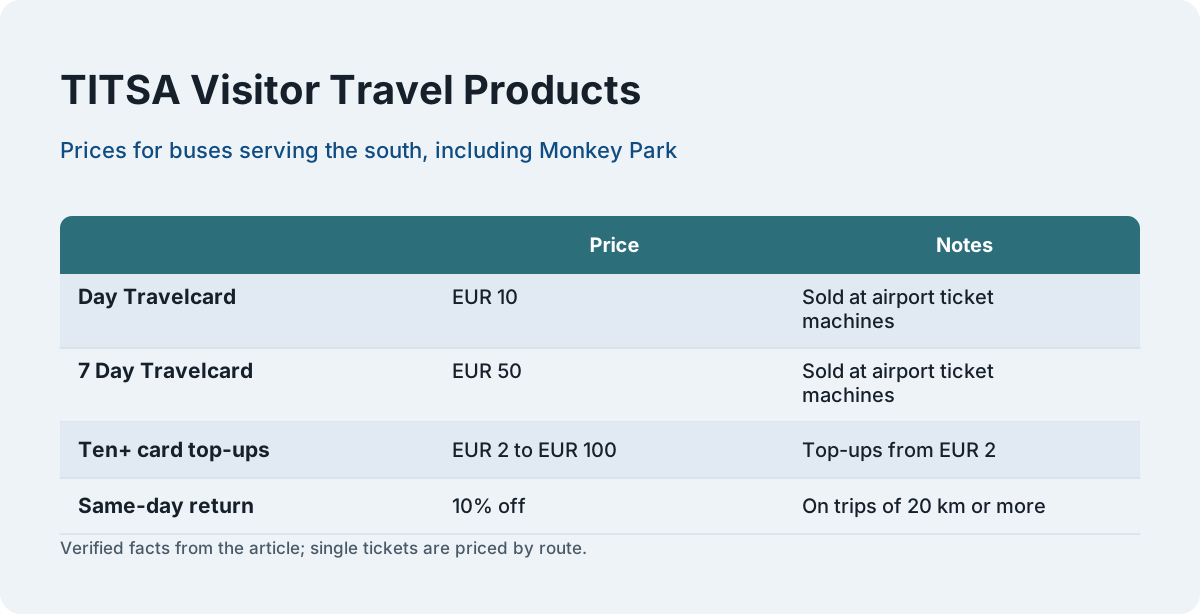
Getting around the south is straightforward and priced in the verified facts. TITSA's visitor products are the EUR 10 day travelcard and the EUR 50 seven-day travelcard, both sold at airport ticket machines, alongside single tickets priced by route; the free public transport that exists in 2026 is a resident subsidy under Real Decreto-ley 17/2025 and does not apply to visitors. Taxis on the island are white and metered from the start of the trip, with a fixed price agreeable in advance for excursions.
| TITSA visitor product | Price | Notes |
|---|---|---|
| Single ticket | Priced by route | Card or cash |
| Same-day return | 10% off | On trips of 20 km or more |
| Day Travelcard | EUR 10 | Sold at airport ticket machines |
| 7 Day Travelcard | EUR 50 | Sold at airport ticket machines |
| Ten+ card | EUR 2 | Top-ups from EUR 2 to EUR 100 |
How Does the Weather Shape a Monkey Park Visit?
The south coast is the dry, sunny side of the island: AEMET's normals for Tenerife South Airport show mean daily highs of 21.7 Celsius in January rising to 28.4 in August, with zero rain days in June and July and only 132 mm of rain across the whole year, so a shaded primate park is a workable visit in almost any month, with the hot midday hours the one stretch to plan around.
The climate table below is AEMET's own record for the airport station, which sits in the same dry southern belt as the resort areas, and it explains a lot about how the island's tourism runs. The south is sunny in the months when northern Europe is not, which is why the by-air arrival figures peak in the winter half-year rather than the summer. A park visit in January, February or March happens in conditions most visitors would call summer at home. The trade-off is the midday sun in the warmer months: a close-contact park with shaded walk-through enclosures is far more comfortable before noon or after about four in the afternoon than in the early afternoon, and the same logic applies to the beaches and boat trips around it.
| Month | Mean daily max C | Mean daily min C | Rain mm | Rain days (1 mm+) | Sunshine hours |
|---|---|---|---|---|---|
| Jan | 21.7 | 15.2 | 17 | 1.8 | 193 |
| Feb | 22 | 15 | 20 | 2.2 | 195 |
| Mar | 23.1 | 15.6 | 15 | 1.9 | 226 |
| Apr | 23.1 | 16 | 7 | 1.1 | 219 |
| May | 23.9 | 17 | 1 | 0.3 | 246 |
| Jun | 25.4 | 18.8 | 0 | 0 | 259 |
| Jul | 27.7 | 20.2 | 0 | 0 | 295 |
| Aug | 28.4 | 21.1 | 1 | 0.2 | 277 |
| Sep | 27.9 | 21.1 | 4 | 0.6 | 213 |
| Oct | 26.8 | 20 | 12 | 1.6 | 214 |
| Nov | 24.8 | 18.2 | 26 | 1.9 | 193 |
| Dec | 22.8 | 16.5 | 30 | 3.5 | 195 |
The sea tells the same story from below. The surface temperature off the south coast, in NOAA's 1991 to 2020 series, never drops below 19 Celsius and peaks at 23.7 in September and October, which is why a swim stop on an afternoon boat trip is a year-round proposition rather than a summer one. Note that the air normals and the sea figures come from two different datasets and two different periods, so they are quoted separately here and should not be merged into a single "the weather is" claim.
| Month | Sea surface C |
|---|---|
| Jan | 19.9 |
| Feb | 19.2 |
| Mar | 19.1 |
| Apr | 19.5 |
| May | 20.2 |
| Jun | 21.4 |
| Jul | 22.2 |
| Aug | 23.1 |
| Sep | 23.7 |
| Oct | 23.7 |
| Nov | 22.5 |
| Dec | 21.1 |
How Do You Book Monkey Park and the Other Parks?
Book Monkey Park through the venue's own page or its live listing after confirming the day's hours, and if Loro Parque and Siam Park are also on your list, book the two together as a combined ticket, which is sold as a single product and covers the island's biggest zoo and biggest water park in one purchase.
Multi-park planning is where the money is saved or lost on a Tenerife family holiday, and the combined Loro Parque and Siam Park ticket is the one genuinely structural saving in this category: one booking, two parks, each of which is a full day. The desk's passes and combined tickets guide sets out how these products work across the island's parks, and the water parks guide carries the operators' opening hours in full. Monkey Park itself is not part of that combined product; it is booked on its own, and because this desk holds no verified price for it, the honest instruction is to take the figure from the venue or its live listing at the moment you book, not from a guide written earlier.
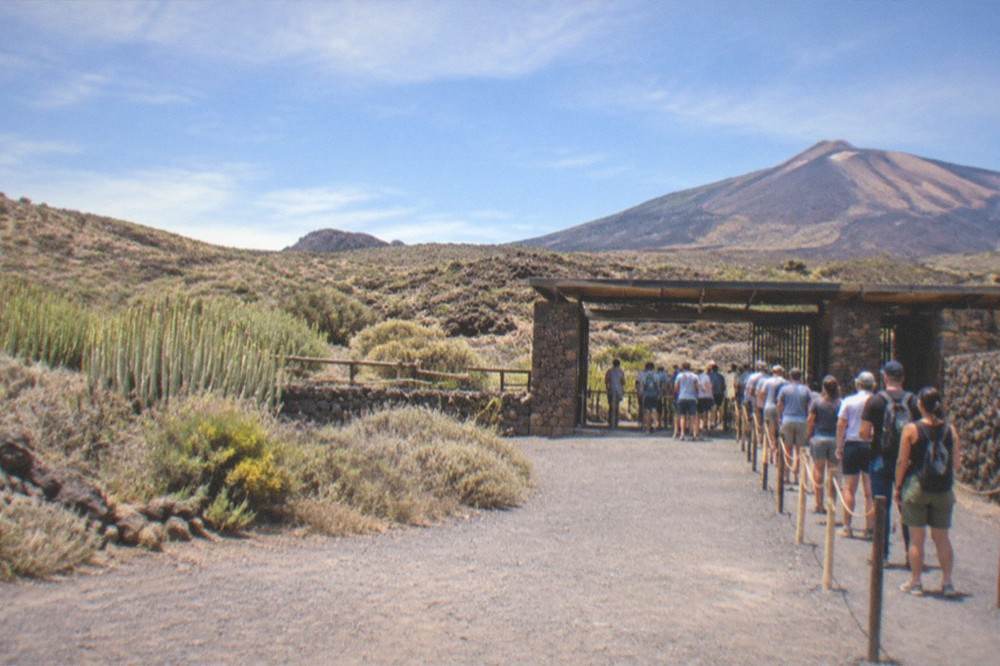
For visitors building a week around animals, there is a third booking category worth knowing about, the hands-on animal experiences, and horse riding and the camel park sit in the same planning slot: short, bookable, close-up, and best reserved for a specific morning rather than left to chance on arrival.
The order of a week matters more than the list of bookings. Loro Parque is a northern day, Siam Park is a southern water day, and Monkey Park is a southern morning: putting the two southern items on different days keeps each one unhurried, and leaving the northern day for the middle of the week avoids the weekend crowds that the by-air arrival figures, steady all year and peaking around the school holidays, make predictable.
Common Questions About Monkey Park Tenerife
is monkey park tenerife worth it?
It is worth it for families who want a short, close-contact primate visit and have a free morning or afternoon in the south; it is not worth it as a substitute for a full-day zoo. Loro Parque, open 09:30 to 17:30 every day of the year, is the island's flagship animal collection, while Monkey Park's product is proximity in a compact setting. Confirm the current hours and price on the venue's own page before you commit to the day.
How long does a Monkey Park visit take?
No verified figure for the venue's size or a typical visit length exists in this desk's research, so no duration is stated here. The park is generally positioned as a short visit rather than a full day, but the only reliable answer comes from the venue's own page and from recent guest reviews on its live listing, and the safest plan is to keep the rest of the day free.
Can children feed or touch the animals at Monkey Park?
The rules on feeding, touching and child supervision are set by the venue and change with the animals' needs, and no official statement of them appears in this desk's verified facts. Read the venue's own page before arriving, and treat its rules as the authoritative ones rather than any summary written elsewhere.
Is Monkey Park the same as Loro Parque?
No. Loro Parque is a full-day zoo in Puerto de la Cruz in the north, open 09:30 to 17:30 every day of the year with its own car park at EUR 7 per day, while Monkey Park is a compact primate park in the south built around close encounters. They are separate attractions with separate tickets, and Loro Parque also pairs with Siam Park in a combined ticket.
When is the best time of day to visit?
AEMET's normals for Tenerife South Airport show mean daily highs from 21.7 Celsius in January to 28.4 in August, with almost no rain days from May to September. A morning visit avoids the hottest hours in the warmer months, suits the park's shaded enclosures, and leaves the afternoon for a beach or a boat trip, and in the winter months the whole day is comfortable.
Do I need to book Monkey Park in advance?
This desk holds no verified capacity or advance-booking rule for the venue, so no claim is made here. What is verifiable is the wider pattern: 13,969,678 passengers passed through Tenerife South Airport in 2025, a record, and the south's attractions fill first in peak weeks. Checking availability on the live listing before you travel is the low-cost way to remove the risk.
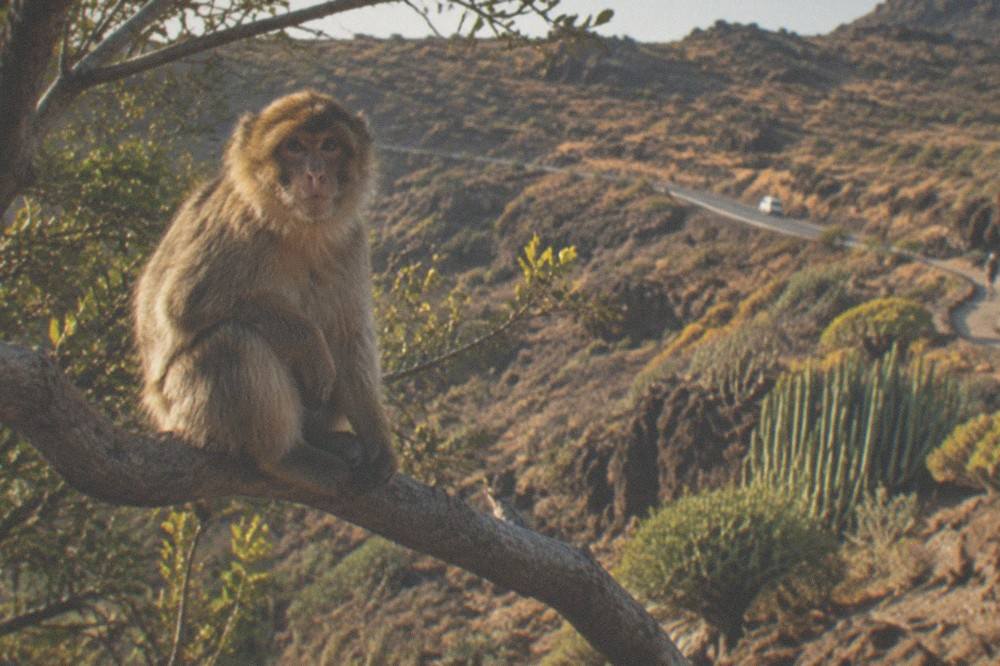
A final planning note ties the page together. The south of Tenerife rewards visitors who book the two or three things that genuinely need booking, the primate morning, the boat afternoon, the combined zoo and water park ticket, and leave the rest to the weather, which on this coast is nearly always on your side. Confirm the venue's own hours and rules, carry the day travelcard if the buses suit your route, and the rest of the day will look after itself.